In This Guide
- Where to Camp in Alaska — Top Options
- Campground Types in Alaska (National, Private, Wild)
- Featured RV Park or Campground in Alaska
- Hookups & Amenities — What to Expect
- Booking Windows & Reservations in Alaska
- Nearby Supermarkets & Resupply Points
- Best RV Class for Camping in Alaska
- How to Save on Campgrounds in Alaska
- Can I park my RV anywhere in Alaska?
- What is the 3 3 3 rule for RVs and campers?
- Where is the best place to park an RV for free?
- Is boondocking legal in Alaska?
- What does FF mean in camping?
- What is the best time of year to RV to Alaska?
- How much are campsites in Alaska?
- What is the 200 rule for camping?
Where to Camp in Alaska — Top Options
Alaska offers a vast array of RV camping experiences, catering to every preference, from the vibrant buzz of national park campgrounds to the serene solitude of remote, scenic pull-offs. Popular regions that draw RV adventurers include Denali National Park and Preserve, renowned for its unparalleled wildlife viewing opportunities and the majestic Denali mountain. The Kenai Peninsula is another prime destination, celebrated for its stunning coastal beauty, world-class fishing, and opportunities for glacier viewing. For those seeking tranquility and the chance to witness the aurora borealis, the vast Interior regions provide an ideal setting.
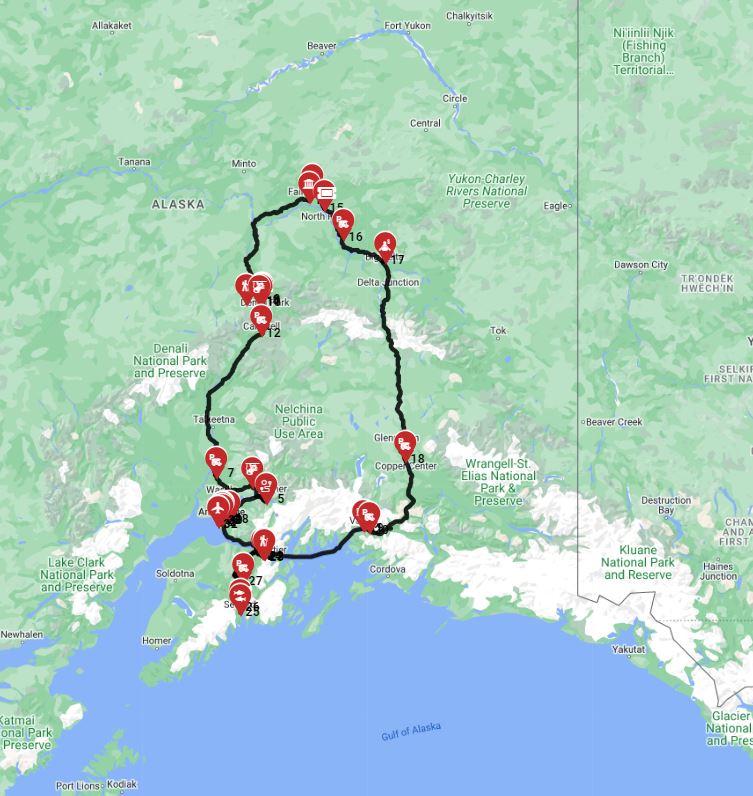
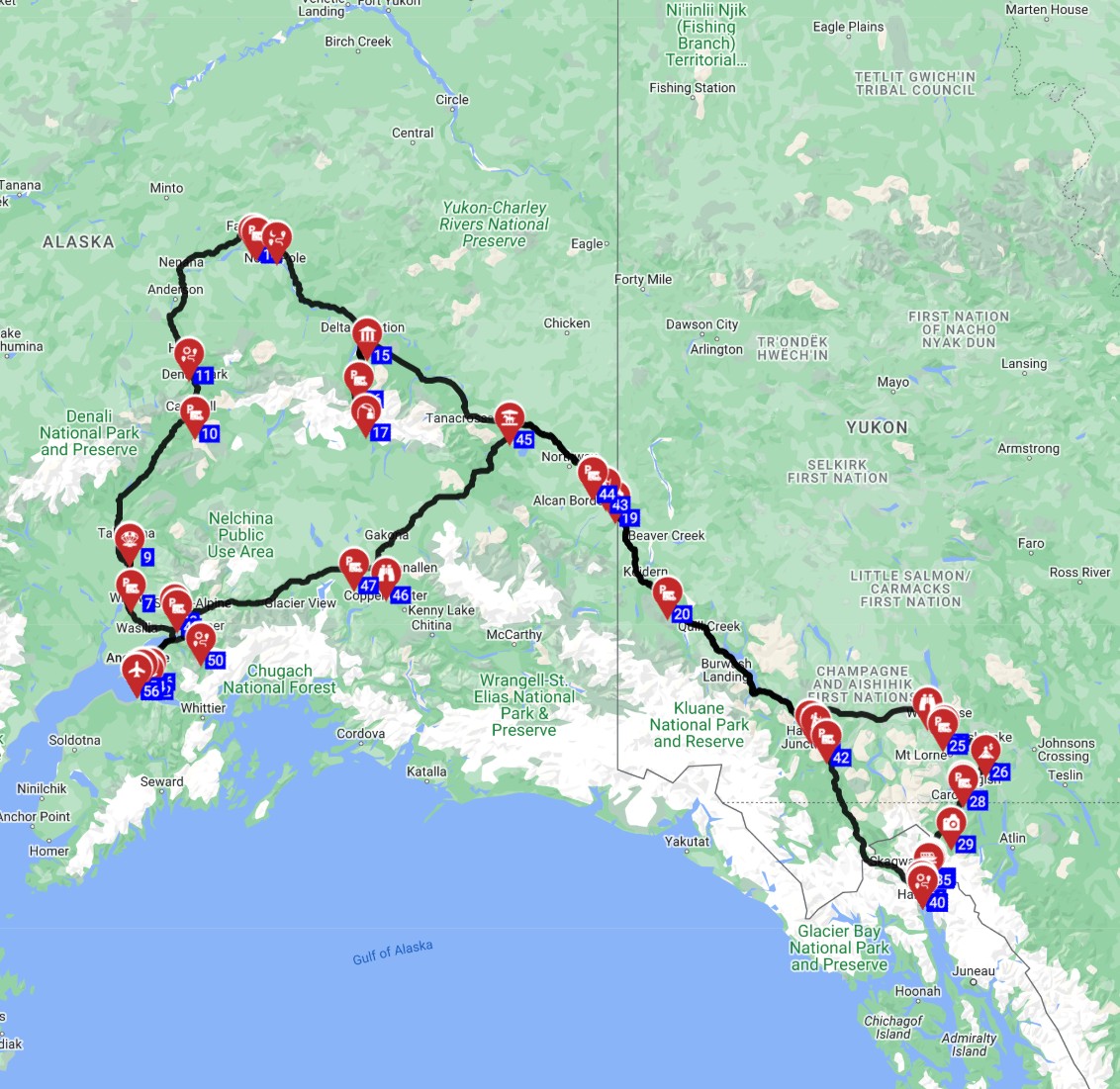
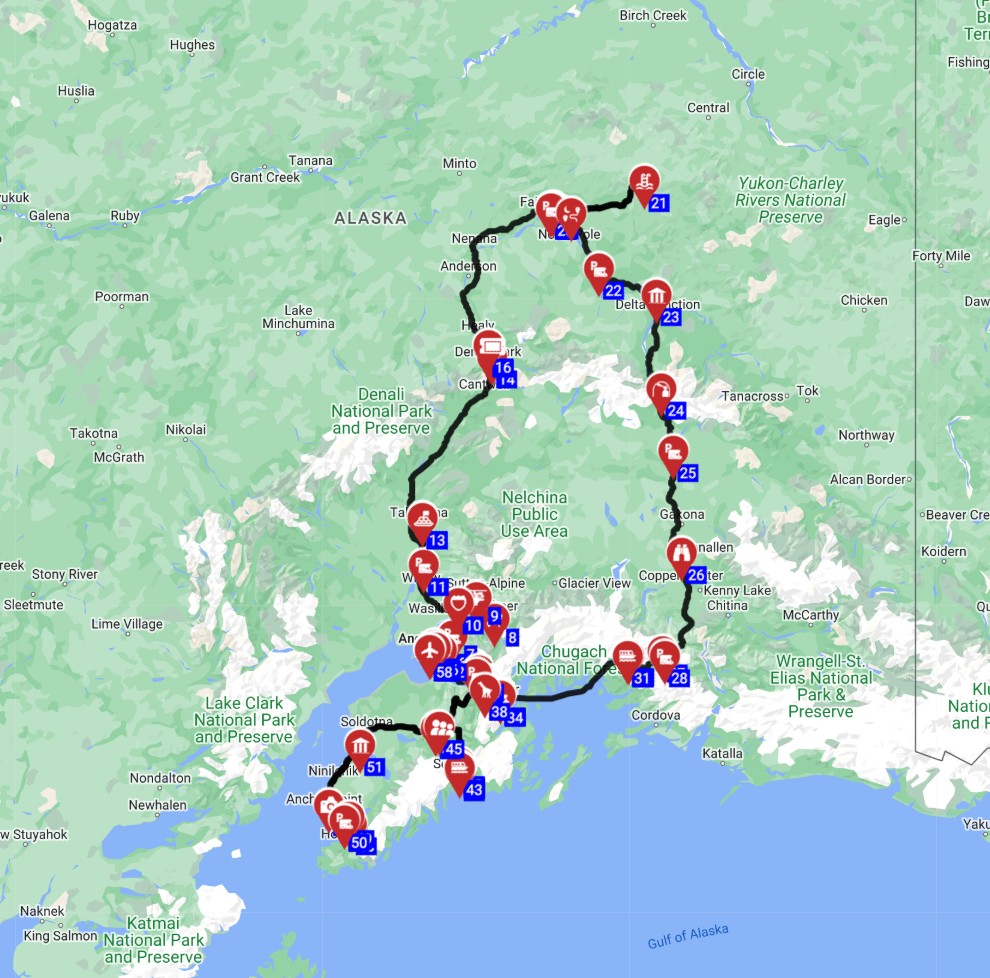
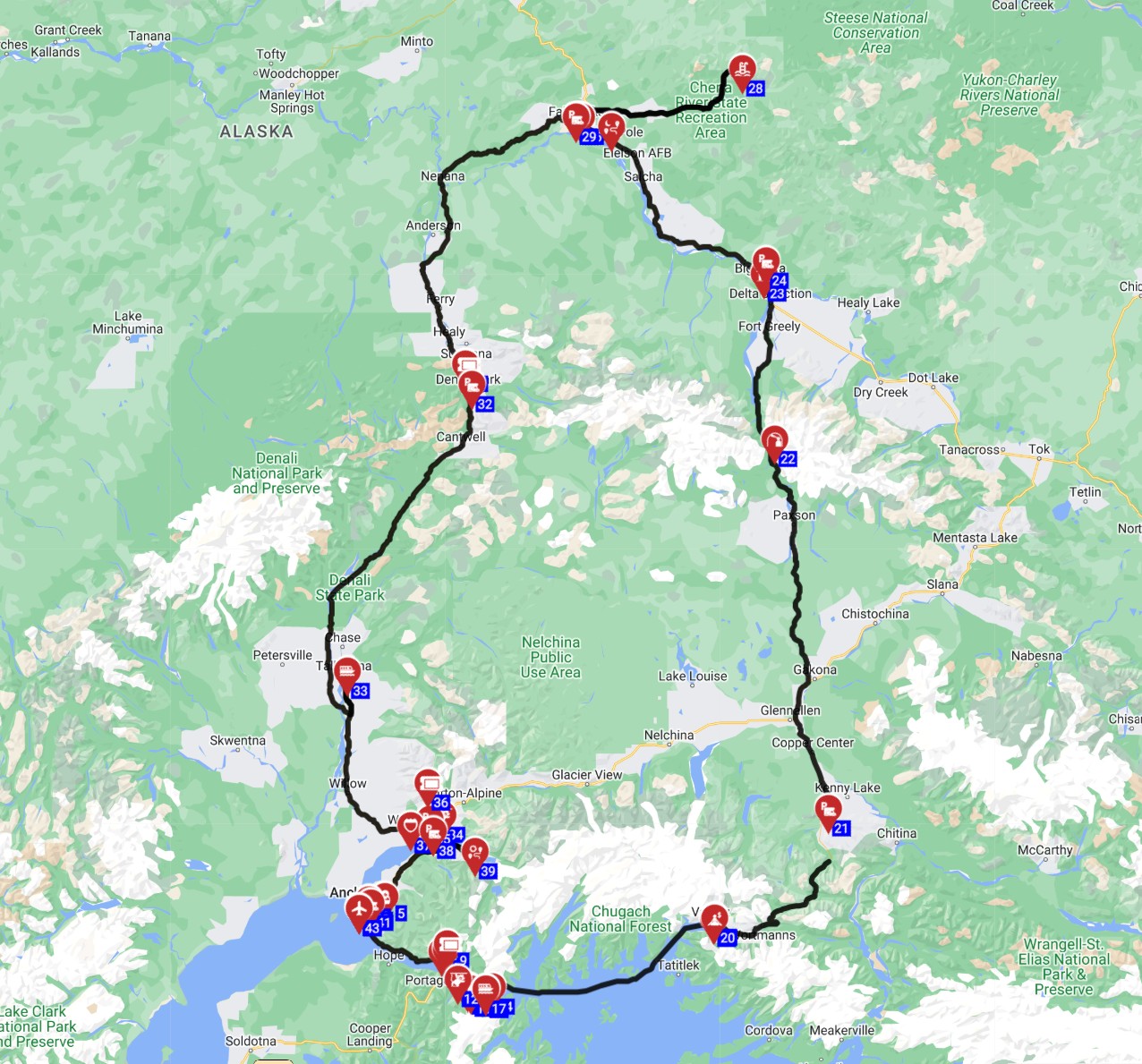
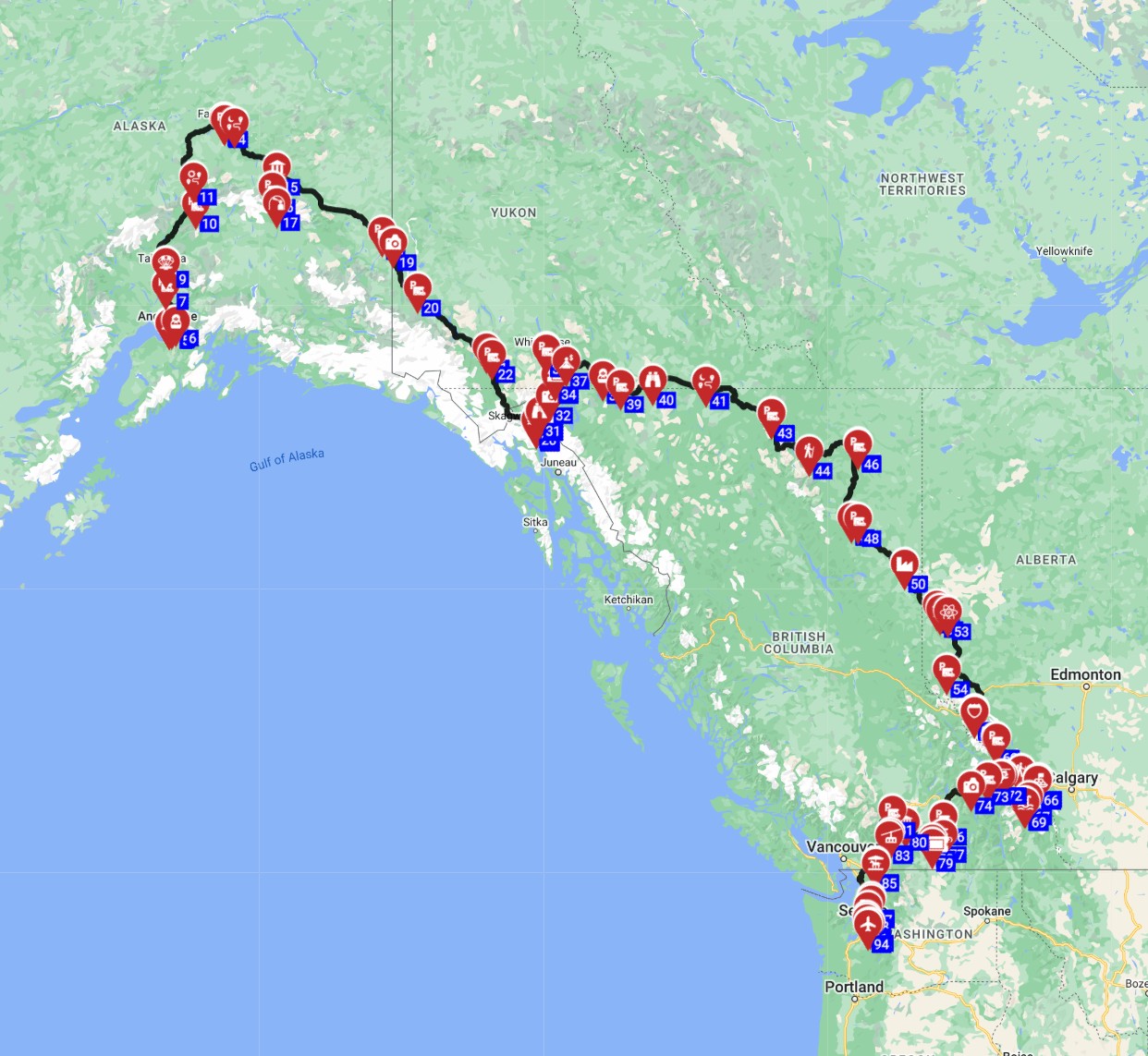
While specific campground recommendations are best tailored to your unique itinerary, planning your route around major Alaskan road systems will naturally guide you to abundant camping options. Key routes like the Parks Highway (Hwy 3), which connects Anchorage and Fairbanks via Denali, and the Sterling Highway (Hwy 1) along the Kenai Peninsula, are lined with numerous public and private RV sites. Many of these areas offer the chance to connect with nature and experience the raw beauty of Alaska.
Campground Types in Alaska (National, Private, Wild)
When RVing in Alaska, you'll encounter three primary types of camping: National/State Park campgrounds, private RV parks, and dispersed 'wild' camping, also known as boondocking. Each offers a distinct experience suited to different travel styles and needs.
National and State Park campgrounds are often situated in breathtaking natural settings and provide basic amenities such as water and pit toilets. Many operate on a first-come, first-served (FCFS) basis, especially in high-demand areas, so arriving early is often key. These sites are perfect for immersing yourself in the wilderness and connecting with Alaska's incredible landscapes.
Private RV parks offer more comprehensive amenities, including full hookups (electric, water, sewer), Wi-Fi, laundry facilities, and hot showers. These parks are ideal for those seeking convenience and comfort, often located closer to towns and attractions. They provide a reliable base for restocking and relaxing after days of exploration.
Boondocking, or wild camping, is legal on much of Alaska's Bureau of Land Management (BLM) and National Forest lands. This primitive camping allows you to venture off the beaten path, but it demands self-sufficiency. Strict adherence to Leave No Trace principles is crucial, including proper waste disposal, bear-safe food storage, and respecting the fragile northern ecosystems. Many travelers find these remote spots offer the most authentic Alaskan experience.
Featured RV Park or Campground in Alaska
Selecting the right RV park in Alaska involves considering features that enhance your journey and address the unique conditions of the state. While specific featured parks can vary widely depending on your route and desired location, prioritizing certain amenities and proximity to attractions will significantly improve your experience.
When choosing a park, look for a balance of essential hookups like reliable 30 or 50 amp electrical, potable water, and sewer connections. Proximity to desired activities or towns is also key, as is the availability of amenities like dependable Wi-Fi (though cell service can be spotty across Alaska) and clean laundry facilities. Many of the best-rated parks boast stunning scenic views and direct access to popular Alaskan pastimes like hiking trails or fishing spots. Crucially, in remote areas, services such as propane refills or small on-site stores can be invaluable. On the routes offered through RV PLANET routes, you can itemize and track every expense along the way for easy budgeting.
Consider parks that foster a sense of community, perhaps offering communal spaces or even guided activities. These can provide opportunities to connect with fellow travelers, share stories, and gain local insights, enriching your understanding and enjoyment of the region. Always research and book in advance where possible, especially for highly sought-after locations like Denali or the Kenai Peninsula.
Hookups & Amenities — What to Expect
RV parks across Alaska offer a spectrum of hookups and amenities, ranging from basic to comprehensive. The availability and type of services often depend on the location, with remote sites typically providing fewer amenities than those closer to major towns.
Full Hookups are the most sought-after, generally including 30 or 50 amp electrical connections, potable water, and sewer connections for wastewater disposal. These provide the most convenience, allowing you to use your RV's systems without worry. Partial Hookups typically offer electric and water only, meaning you'll need to utilize dump stations for grey and black water tanks. Many of Alaska's most scenic wild camping spots fall under the No Hookups (Dry Camping/Boondocking) category, requiring you to rely entirely on your RV's onboard tanks and battery power.
Common amenities found in private RV parks can include Wi-Fi (though its reliability can vary greatly), coin-operated laundry facilities, hot showers, picnic tables, and fire rings. Always confirm specific availability before your arrival, as even amenities like cell service can be inconsistent, making it wise to check park information en route.
Booking Windows & Reservations in Alaska
Securing an RV campsite in Alaska requires a strategic approach, balancing the desire for popular spots with the reality of high demand during peak season. For those who prefer to plan meticulously, booking popular national and state park campgrounds, especially in sought-after areas like Denali or along the Kenai Peninsula, several months in advance for the peak summer months (June-August) is highly recommended.
It's important to note that many national park campgrounds typically release only a portion of their sites, often 25%–30%, for advance reservations. The majority are then available on a first-come, first-served (FCFS) basis. This can be particularly challenging in Alaska given the long distances between services, making early arrival or a flexible mindset crucial for FCFS sites.
For spontaneous travelers, while securing a spot in private, full-hookup parks might be possible with same-day or next-day bookings, especially in less tourist-heavy areas, it is always advisable to call ahead before driving long distances. You will almost certainly find a place to camp—if not at your first choice, then at the next campground along your route. Flexibility in your itinerary and being prepared for dry camping are key strategies for navigating Alaska's busy camping seasons.
Nearby Supermarkets & Resupply Points
Resupplying your RV in Alaska is a critical aspect of trip planning, particularly as you venture into more remote areas where services are sparse and the distances between communities are significant. Strategic stocking up is essential to ensure you have all the necessary provisions.
Major towns and cities like Anchorage, Fairbanks, and Juneau (if arriving via ferry) offer large grocery chains such as Fred Meyer and Carrs/Safeway, which provide a comprehensive selection of food, supplies, and RV essentials. These locations are your best bet for stocking up on a wide variety of goods at more competitive prices.
In smaller towns along popular RV routes, you will find local markets or general stores. However, be prepared for more limited selections and potentially higher prices due to transportation costs. It’s always wise to stock up on non-perishable food items, water, and fuel before departing from these major hubs, as extended stretches without services are common in Alaska.
When planning your resupply strategy, consider purchasing fresh produce and perishables for the initial part of your trip, and then plan to restock in larger communities to ensure variety and freshness, especially for longer adventures. This approach helps manage your RV's storage space effectively and ensures you always have access to what you need.
Best RV Class for Camping in Alaska
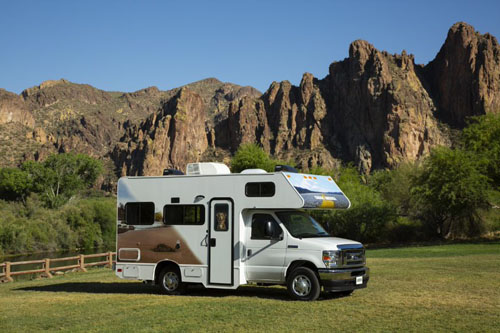
Choosing the right RV class for your Alaskan adventure hinges on your travel style, group size, and desired level of comfort and maneuverability. Alaska's unique road conditions and the need for access to remote areas often influence this decision. For instance, a Class B Camper Van, typically averaging around 5.8 meters and sleeping up to 3.2 people, is excellent for couples or small families prioritizing agility and fuel efficiency (around 10 Liters/100 km). These are ideal for navigating more remote boondocking sites or smaller campgrounds, and are well-suited for Alaska's sometimes rougher roads.
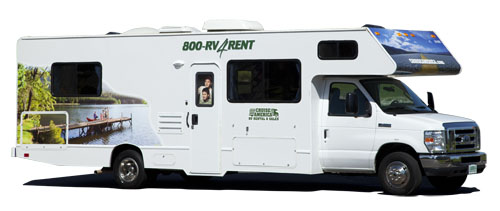
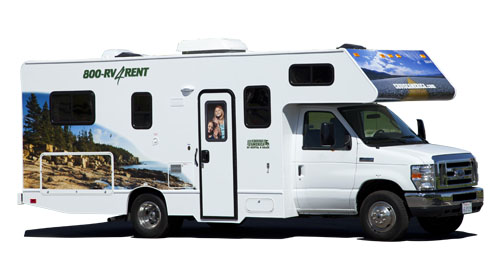
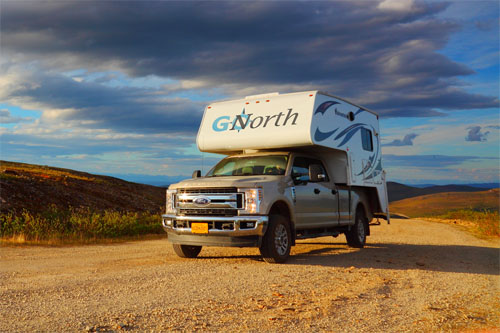
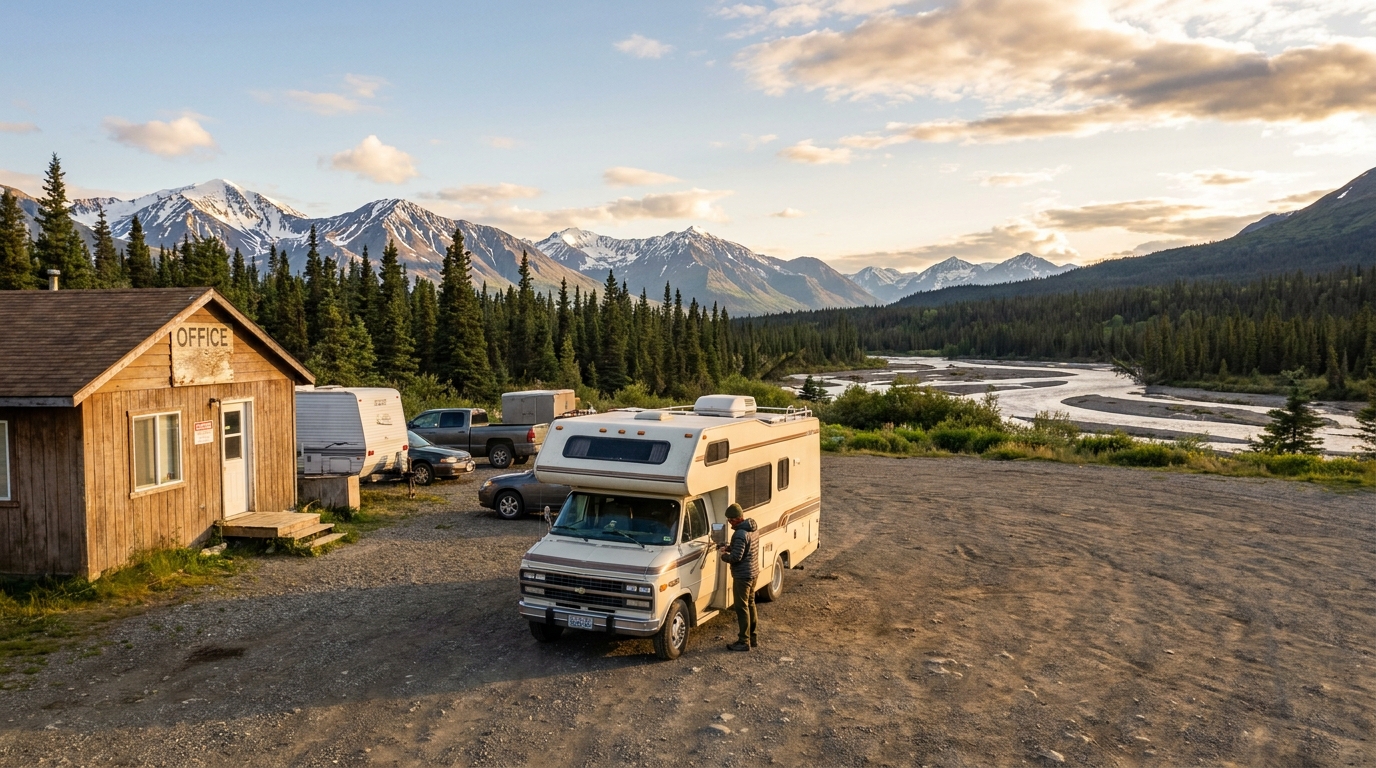
Class C Alcove RVs, averaging about 7.5 meters in length and accommodating up to 5.8 people, offer more generous living space and sleeping capacity, making them suitable for families or groups seeking greater comfort. These typically consume 10–12 Liters/100 km and are well-equipped for established campgrounds and paved routes. For those specifically seeking extreme off-grid capabilities and access to rugged terrain, Class TC Truck Campers, averaging 5.5 meters and sleeping around 2.4 people, mounted on a 4x4 truck, provide unparalleled access, though with less interior space and higher fuel consumption (12–17 Liters/100 km).
When making your selection, it's always prudent to consider the overall length and ground clearance of your chosen RV. This is particularly important if your itinerary includes exploring less-maintained gravel roads or navigating the often tight spots found in Alaskan campgrounds. Understanding these specifications will help ensure a smoother and more enjoyable travel experience across the diverse Alaskan landscape.
How to Save on Campgrounds in Alaska
Camping in Alaska can present a significant budget challenge, but with strategic planning, you can substantially reduce your overall campground costs. Utilizing campground discount cards, often offered through RV rental partners like Bandana Caravan, can provide considerable savings on daily rates at participating private parks, making your Alaskan adventure more affordable.
Traveling during the shoulder seasons, which include late May/early June and September, offers a dual benefit of lower demand and potentially reduced rates, often accompanied by fewer crowds. This timing allows for a more relaxed experience of Alaska's natural beauty. Opting for municipal, state, or regional campgrounds over private resorts is another excellent way to save, as these typically offer lower prices for basic amenities while still providing access to scenic locations.
Consider longer stays; many private campgrounds offer weekly rates that are more economical than daily bookings. If you're traveling with another RV, inquiring about sharing hookups or potential group rates can further split costs. And, of course, embracing boondocking on public lands whenever feasible eliminates nightly fees altogether, though this requires a higher degree of self-sufficiency and strict adherence to Leave No Trace principles.
Can I park my RV anywhere in Alaska?
No, you cannot park your RV just anywhere in Alaska. While the state offers extensive opportunities for dispersed camping on public lands, parking regulations vary significantly based on land ownership, specific park rules, and local ordinances. It's essential to be aware of these distinctions to avoid fines and ensure responsible camping.
Dispersed camping, or boondocking, is generally permitted on most Bureau of Land Management (BLM) and National Forest lands. The typical guideline allows for camping up to 14 days within any 30-day period, provided you maintain a distance of at least 200 feet from water sources and established roads, and strictly follow all Leave No Trace principles. This practice allows for a truly wild camping experience.
Within National Parks and Preserves, RVs must remain within designated campgrounds. Overnight parking outside these developed areas is strictly prohibited and often carries substantial fines. Always be vigilant for 'no overnight parking' signs on roadside pull-offs, as many are designated for day-use only, even if they seem tempting for a rest stop. Parking on private property is only permissible with the landowner's explicit permission.
Regardless of where you choose to park, especially in Alaska's remote areas, meticulous food storage in bear-resistant containers and constant awareness of your surroundings are paramount due to the state's abundant wildlife populations.
What is the 3 3 3 rule for RVs and campers?
The "3-3-3 rule" for RVs and campers is a widely recommended guideline for safe and enjoyable travel, a principle that becomes particularly crucial in Alaska's vast and often remote landscapes. This rule emphasizes moderation in driving and duration of stay to enhance the overall experience.
Firstly, Drive no more than 300 miles a day. This ensures you don't over-tire yourself, allowing ample time for scenic stops, spontaneous wildlife viewing, and preventing rushed driving on Alaska's roads, which can include gravel sections and summer construction delays. Pacing yourself is key to truly appreciating the journey.
Secondly, Arrive at your destination by 3 PM. This provides sufficient daylight hours to find a suitable campsite, set up your RV, and settle in before dark. This is critical for securing first-come, first-served (FCFS) sites during peak season or safely navigating remote boondocking locations before wildlife becomes more active.
Lastly, Stay at least 3 nights. This recommendation encourages a slower travel pace, allowing you to fully experience an area, explore local attractions without feeling rushed, and truly immerse yourself in Alaska's natural beauty. It also minimizes the constant setup and breakdown of your campsite, leading to a more relaxing trip. Adhering to this rule in Alaska helps mitigate the challenges of long distances between services, variable road conditions, and the need for thorough bear-safety precautions at each stop.
Where is the best place to park an RV for free?
The best places to park an RV for free in Alaska are primarily on designated public lands managed by the Bureau of Land Management (BLM) and within National Forests. These areas often offer unparalleled solitude and breathtaking scenic beauty, providing an authentic Alaskan experience without the cost of a campsite.
BLM Lands are vast and spread across Alaska, permitting dispersed camping in many areas. These spots are frequently found along major highways and are accessible via gravel roads or simple pull-offs. Utilizing resources like the iOverlander app or The Dyrt can help you locate established free sites and read reviews from other RVers regarding road conditions and available amenities (or lack thereof), which is crucial for navigating Alaska's remoteness.
Similarly, National Forests, such as the Chugach and Tongass, allow dispersed camping in numerous locations. However, it's always wise to check with local ranger districts for specific regulations or any seasonal restrictions that might apply. While many Alaska State Recreation Sites and Areas do charge fees, some may offer designated free overnight parking areas or more primitive sites. Always verify the regulations for individual parks.
It's worth noting that in Alaska, free overnight parking at large retail chains like Walmart or in casino lots is less common than in the Lower 48 states. If you do find such an option, always ask for permission inside the store first, as policies can vary significantly. When utilizing any free camping spot, be extra diligent with wildlife safety, particularly regarding bear precautions for food storage and waste management, as these sites generally lack developed amenities.
Is boondocking legal in Alaska?
Yes, boondocking, or dispersed camping without hookups, is largely legal and widely practiced throughout Alaska. The state's extensive public lands, managed by agencies like the Bureau of Land Management (BLM) and the U.S. Forest Service, offer numerous opportunities for this type of self-sufficient camping.
Legally, you can generally boondock for up to 14 days within any 30-day period on BLM and National Forest lands. The key requirement is to maintain a distance of at least 200 feet from water sources and established roads. This ensures minimal environmental impact and preserves the natural character of the landscape.
Finding suitable spots is made easier with apps like iOverlander, Campendium, and The Dyrt. These platforms are invaluable for locating established boondocking sites and reading reviews from other RVers, which can offer critical insights into road conditions and the availability (or absence) of amenities—essential information when traveling in Alaska's vast and often isolated regions.
While boondocking is generally permitted, always be aware that specific local ordinances or regulations within certain state park areas might differ. For example, overnight parking in Denali National Park is strictly limited to designated campgrounds. As with all dispersed camping, boondocking in Alaska demands heightened self-sufficiency, strict adherence to Leave No Trace principles (pack it in, pack it out, and properly dispose of human waste), and comprehensive wildlife safety measures, including bear spray, secure food storage in bear-resistant containers, making noise on trails, and knowing appropriate responses to wildlife encounters.
What does FF mean in camping?
In the context of camping, "FF" is shorthand for First-Come, First-Served. This system means that campsites cannot be reserved in advance and are allocated to campers on a first-arrival basis, making early arrival or flexibility key for securing a spot.
This system is very common in Alaska, particularly for many popular state parks, national forest campgrounds, and some national park sites. Its prevalence is often due to the remote nature of these locations or the limited infrastructure available to manage advance reservations. For RVers, understanding the FF system is crucial for planning.
To successfully secure an FF site, especially during the peak season (July-August) or in highly sought-after areas, it's advisable to arrive early in the morning, typically before 11 AM, as previous campers depart. Alternatively, following the "3-3-3 rule"—driving no more than 300 miles per day and arriving at your destination by 3 PM—can also improve your chances, as it allows you to reach potential sites during typical check-out times. FF sites often feature fewer amenities than private parks, usually including pit toilets, water pumps, and picnic tables, but rarely full hookups, necessitating a higher degree of self-sufficiency from campers.
Given the significant distances between campgrounds in Alaska, always have alternative camping plans prepared in case your preferred FF site is already occupied. This foresight is key to a stress-free RV adventure.
What is the best time of year to RV to Alaska?
The best time of year for most travelers to RV in Alaska is during the summer months, primarily from mid-June to mid-September. This period offers the most favorable weather conditions, extensive daylight hours, and ensures full accessibility to attractions and services across the state.
The peak season, typically July and August, provides the warmest temperatures (often in the 60s-70s°F or 15-25°C), minimal snow, and guarantees that all tours and services are fully operational. However, this is also when you'll encounter larger crowds, higher prices, and the greatest need for advance reservations for popular campgrounds and activities.
The shoulder seasons, specifically late May/early June and September, offer a compelling balance. You'll find fewer crowds and potentially lower prices, while still enjoying accessible routes and many operational services. Early June is particularly beautiful, with wildflowers blooming across the landscape. September brings the stunning spectacle of fall foliage and also increases your chances of witnessing the Northern Lights as the darkness returns earlier each day.
It's important for RVers to be aware that the peak summer months are also the primary season for road construction in Alaska. This can lead to delays and necessitate navigating unpaved sections, so factoring buffer time into your driving schedule is always wise. Ultimately, the "best" time depends on your priorities—balancing crowds, costs, accessibility, and the specific activities you wish to experience, such as fishing (excellent in June/July) versus Northern Lights viewing (best in September).
How much are campsites in Alaska?
Campsite prices in Alaska exhibit considerable variation based on the type of campground, the amenities offered, and its geographical location. Expect costs to range from entirely free for boondocking on public lands to upwards of $100 per night for premium sites in highly desirable private resorts.
Free Camping (Boondocking): Dispersed camping on BLM and National Forest lands is complimentary, requiring only self-sufficiency and strict adherence to Leave No Trace principles. This is an excellent option for budget-conscious travelers seeking solitude.
State Park Campgrounds: These typically range from $15 to $35 per night for basic sites. Amenities often include pit toilets and water pumps, providing a good balance of convenience and natural immersion.
National Park Campgrounds: Expect prices to be in the $20 to $40 per night range for dry sites, with some offering limited generator hours. These are often situated in prime locations within the parks.
Private RV Parks: These are generally the most expensive option, offering the full suite of amenities like water, electric, sewer hookups, Wi-Fi, and showers. Prices commonly range from $40 to $80 per night, but can easily exceed $100 in prime locations such as Denali or near popular fishing hubs. When budgeting, remember to also factor in high fuel costs, especially for larger RVs like Bandana's Class C motorhomes (averaging 10–12 Liters/100 km), potential ferry expenses, and fees for services like dumping tanks or using showers at some locations.
What is the 200 rule for camping?
The "200 rule" in camping, particularly relevant for dispersed or wild camping scenarios in Alaska, generally refers to the guideline of establishing your campsite at least 200 feet away from water sources, roads, and established trails. This distance is critical for minimizing environmental impact and maximizing safety in the wilderness.
Protecting Water Quality: Maintaining a 200-foot buffer from lakes, rivers, and streams is essential to prevent contamination from human waste, greywater, and other pollutants. This practice helps preserve Alaska's pristine and sensitive water resources, which are vital for both ecosystems and human use.
Minimizing Impact: Staying 200 feet from roads and trails helps preserve the sense of wilderness for other visitors, reduces visual impact on the landscape, and protects fragile roadside vegetation that recovers slowly in northern climates. This mindful approach ensures the natural beauty remains intact.
Wildlife Considerations: This distance also implicitly aids in minimizing disturbance to wildlife that relies on water sources. In a state with abundant animal populations, including bears, moose, and caribou, respecting their space and habitat is crucial. Coupled with proper food storage and waste management, this rule contributes to safer wildlife interactions.
Always combine the 200-foot rule with other Leave No Trace principles. The goal is to ensure your campsite is indistinguishable from its natural surroundings when you depart, leaving the Alaskan wilderness as pristine as you found it.
What You Shouldn't Miss
- Wildlife Viewing in Denali National Park: Dedicate at least a full day to explore Denali via the park's shuttle bus system. Look for grizzly bears, moose, caribou, Dall sheep, and, if you're lucky, spot the elusive wolf packs. Remember to book your bus tickets in advance, especially for the Eielson Visitor Center or Wonder Lake routes, which offer prime viewing opportunities.
- Glacier Cruises on the Kenai Fjords: Take a boat tour from Seward or Whittier to witness tidewater glaciers calving into the sea, and keep an eye out for whales, sea otters, puffins, and seals. Many tours offer opportunities for kayaking near glaciers or enjoying fresh Alaskan salmon.
- Drive the scenic Seward Highway: This stunning route, connecting Anchorage to Seward, offers breathtaking views of Turnagain Arm, potential roadside wildlife sightings (beluga whales, Dall sheep), and access to popular trailheads for hiking.
- Explore the Alaska Wildlife Conservation Center: Located near Portage Glacier, this drive-through sanctuary offers incredible up-close views of Alaskan wildlife like bears, moose, and musk oxen in spacious, natural enclosures. It's an accessible way to see animals that might be harder to spot in the wild.
- Visit the town of Talkeetna: Nestled at the base of Denali, this quirky historic town offers charming shops, local breweries, and fantastic views of Denali on clear days. It's a popular stop along the Parks Highway for RV travelers.
- Experience the Alaska Railroad: While not strictly an RV activity, consider a scenic train journey for a day trip or segment of your trip, offering unparalleled views and comfort as you traverse the Alaskan wilderness. Popular routes include the Denali Star or the Glacier Discovery Express.
Final Thoughts
Renting an RV for your Alaskan adventure opens up a world of possibilities, allowing you to intimately experience the vastness and wild beauty of this incredible state at your own pace. From the stunning coastal routes of the Kenai Peninsula to the untamed wilderness of Denali, an RV provides the freedom and flexibility to truly immerse yourself in the Alaskan experience.
Remember to book your preferred RV class and campsites well in advance, especially if traveling during peak season. Embrace the adventure, prepare for varied conditions, and always prioritize safety, particularly regarding wildlife. With Bandana Caravan, you have a partner dedicated to ensuring your trip is transparent, stress-free, and filled with the spirit of exploration.
So, start planning your dream Alaskan RV journey today! Explore the diverse landscapes, encounter incredible wildlife, and create memories that will last a lifetime. Your ultimate Alaskan road trip awaits.