In This Guide
- Why Choose a One-Way RV Rental in Spain?
- Where to Camp in Spain - Top Options
- Campground Types in Spain (National, Private, Wild)
- Featured RV Park or Campground in Spain
- Hookups & Amenities - What to Expect
- Booking Windows & Reservations in Spain
- Nearby Supermarkets & Resupply Points
- Best RV Class for Camping in Spain
- How to Save on Campgrounds in Spain
- Is it legal to sleep in your car in Spain?
- Do you need an IDP for Spain?
- How much does it cost to rent an RV in Spain?
- What is the best month to RV in Spain?
- Are there tolls in Spain?
- How long does it take to drive across Spain?
- Can you rent an RV and drive to different countries?
- Top Cities for RV Rental in Spain
- Practical Road Rules for RV Travel in Spain
- What You Shouldn't Miss
- Why Book with Bandana Caravan
- Final Thoughts
- Frequently Asked Questions
Why Choose a One-Way RV Rental in Spain?
A one-way RV rental in Spain offers unparalleled freedom to explore the country's diverse landscapes and rich culture without the need to circle back to your starting point, maximizing your travel itinerary. Imagine starting your adventure amidst the Gothic architecture of Barcelona, meandering through the sun-drenched coastal roads of Valencia, and dropping off your rented motorhome in the historic heart of Seville, all while experiencing the comfort and flexibility of your own mobile home. This allows for a deeper dive into regional specifics, from the vibrant festivals of Catalonia to the serene beaches of Andalusia. For live availability and current prices, start with our RV Rental Spain - Complete Guide 2026 guide. It's an efficient way to cover significant ground, truly immersing yourself in everything Spain has to offer at a relaxed pace, averaging just 100-150 km per day. Bandana RV specializes in providing full transparency with no hidden fees, ensuring what you see is what you pay when comparing options for a one-way RV rental in Spain.🎬 Video coming soon
Where to Camp in Spain - Top Options
Spain offers diverse RV camping experiences, from coastal sites in Andalusia to mountain retreats in the Pyrenees and cultural stops near cities like Barcelona. For beach lovers, coastal regions like Costa Brava in Catalonia or Costa del Sol in Andalusia provide numerous well-equipped campgrounds with direct access to the sea. If nature and hiking are your priority, explore inland national parks such as Sierra Nevada in Andalusia or Picos de Europa in Northern Spain, which feature more rustic camping options surrounded by breathtaking scenery. For cultural exploration, look for campgrounds located on the outskirts of major cities like Seville, Valencia, or even near A Coruña - Airport, offering convenient access to urban attractions via public transport while providing a peaceful retreat for your rented motorhome. These diverse options cater to every traveler's preference, ensuring a perfect base for your Spanish adventure.Campground Types in Spain (National, Private, Wild)
Spain provides a variety of camping options for your rented campervan, including well-equipped private campgrounds, simpler national and regional park sites, and designated areas for overnight parking, with strict rules against true "wild camping." Private campgrounds are prevalent, offering extensive amenities such as pools, restaurants, and entertainment, typically found near popular tourist destinations like Alicante or Barcelona (to participate in festivals). Advance booking is often recommended for these, especially during peak season. National and regional park campgrounds are usually more rustic with fewer amenities but provide immersive nature experiences in areas like Picos de Europa; some operate on a first-come, first-served basis, while others have limited reservations. The legal distinction in Spain between overnight parking and "wild camping" is crucial: simply parking your rented motorhome overnight and sleeping inside where parking is permitted is generally tolerated, but "camping" (e.g., deploying awnings, setting out chairs, using external hookups, cooking outside the vehicle) is largely prohibited outside official campgrounds due to varying regional and municipal regulations. Always look for specific signage and respect local rules to avoid fines, practicing responsible travel by minimizing environmental impact and properly disposing of waste.Featured RV Park or Campground in Spain
When choosing an RV park in Spain for your rented motorhome, look for facilities that offer a balance of essential amenities, convenient location, and a pleasant atmosphere, such as Camping & Bungalows Laguna de Taravilla in Guadalajara. This highly-rated site offers beautiful lake access and pitches starting from €20-€35 per night depending on the season and hookups, making it an excellent choice for families and couples seeking nature. It provides essential services like electricity (220V), water, and waste disposal, along with amenities like showers and a restaurant. Prioritize parks with good reviews for cleanliness, security, and helpful staff, checking platforms like Google Maps or Park4Night. Consider the location relative to your travel itinerary, whether you prefer direct beach access, mountain trails for hiking, or proximity to towns and historical sites like those found near Almeria or Alicante. Evaluate the range of pitches available, from basic non-electric spots to full hookup sites with ample shade, ensuring it aligns with your comfort preferences and budget.Hookups & Amenities - What to Expect
Most private RV campgrounds in Spain provide essential hookups for your rented campervan, including electricity, fresh water, and grey/black water disposal, alongside amenities like showers, laundry facilities, and often Wi-Fi. For electricity, expect 220-240V hookups with two-pin European (Schuko) sockets, so ensure you have the correct adapter for your vehicle. Standard connections for potable water refill and designated grey/black water disposal points are widely available, allowing you to maintain full self-sufficiency on your journey. Other common amenities include hot showers, flush toilets, and coin-operated laundry facilities; many larger parks also feature swimming pools, restaurants, and small shops. While many campgrounds offer Wi-Fi, coverage and speed can vary, particularly in more remote areas. For reliable navigation and connectivity, especially if you're working on the go, consider purchasing a local Spanish SIM card from providers like Vodafone, Orange, or Movistar for mobile data. For instance, Bandana's "Combi Van" or "Active Standard" models typically include basic cooking facilities such as a 2-burner gas stove and a refrigerator with a 50-80 liter capacity, allowing you to prepare meals on board. For ideas on what to cook in your mobile home, explore our RV-friendly recipes playlist.Booking Windows & Reservations in Spain
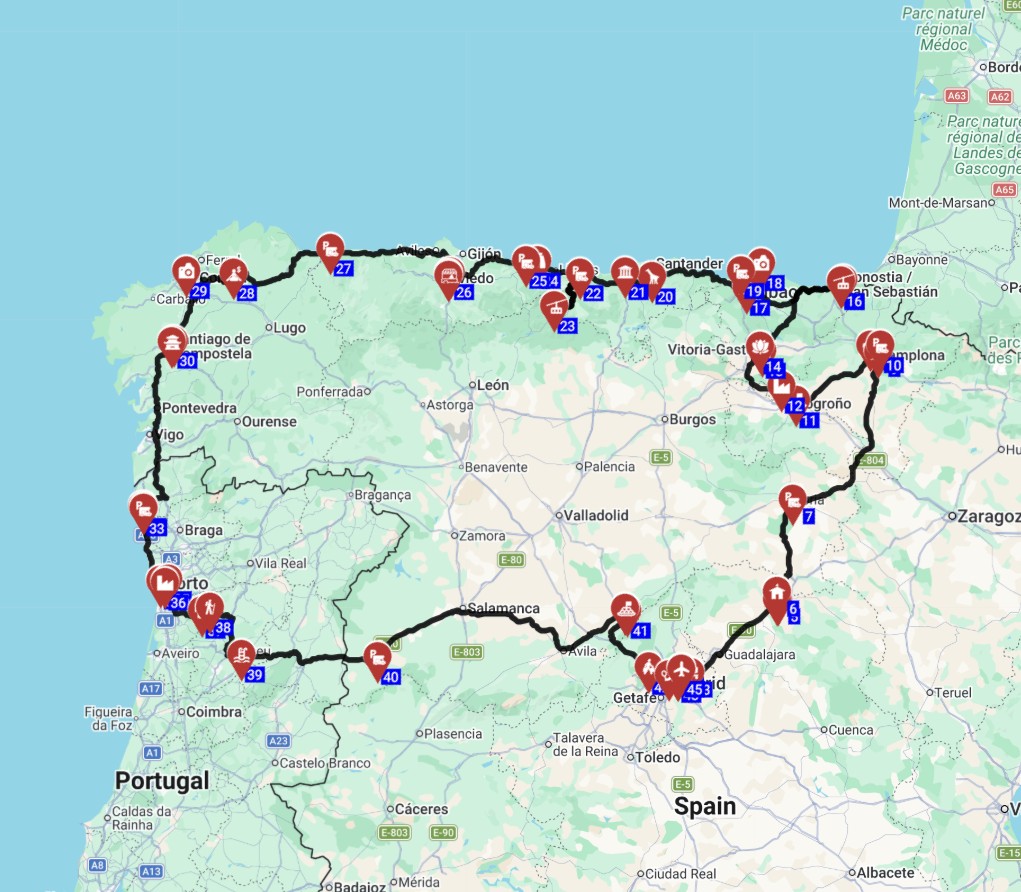
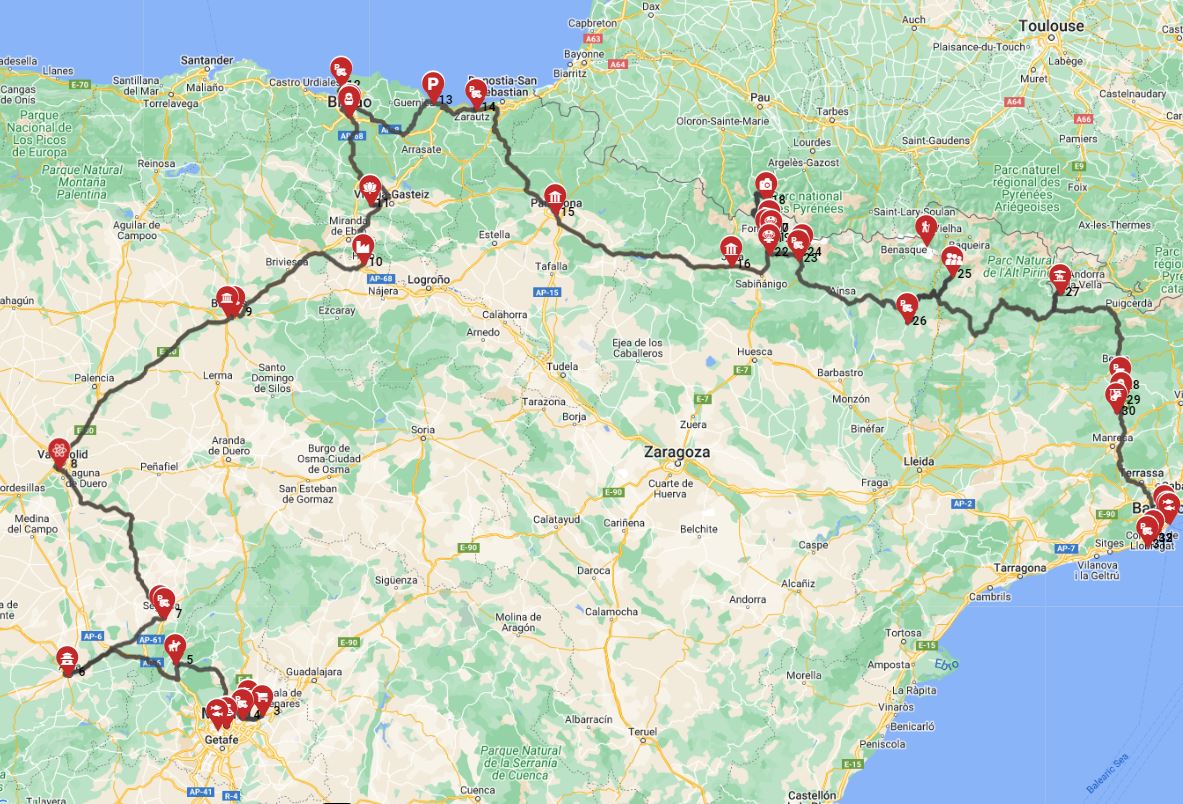
For one-way RV rentals in Spain, it is highly recommended that planners book campsites in popular areas and during peak seasons well in advance, though spontaneous travelers can often find spots at less sought-after locations or during off-peak times by calling ahead. During peak season (June-August, Easter, and Christmas holidays), popular campgrounds, especially along coastlines or near major cities like Barcelona - Airport, can fill up months in advance, so booking 3-5 months out is a smart move. In the shoulder season (April-May and September-October), there's more flexibility, but securing a spot a few weeks ahead for popular sites is still wise, while spontaneous travelers generally have good chances. Many national parks and municipal sites reserve only 25%-30% of their spots for online booking, leaving the majority for first-come, first-served arrivals; calling ahead is always advisable to confirm availability before driving there. You'll find a spot; if not at the first campground, then the next one. Don't stress, just use common sense and pay attention to local options. For those who like everything organized, consider booking your entire route, including campsites, through RV PLANET (rvplan.net) to take advantage of their 25% planning discount on pre-planned routes by professionals.Nearby Supermarkets & Resupply Points
Resupplying groceries and essentials for your one-way RV rental trip in Spain is convenient, with major supermarket chains such as Mercadona, Carrefour, and Lidl widely available across the country, typically found in towns and city outskirts. Mercadona is Spain's largest supermarket chain, renowned for its fresh produce and local products, making it an excellent choice for authentic ingredients for your RV kitchen. Carrefour, a French hypermarket chain, also has a strong presence, often including fuel stations and a wider variety of goods, perfect for comprehensive stops. German discount supermarkets like Lidl and Aldi offer good value, especially for staples and budget-conscious travelers. Using mapping apps like Google Maps or Waze is highly recommended to locate the nearest supermarkets and other resupply points, such as local markets or pharmacies, along your route. This ensures you can easily stock your rented motorhome's 80-170 liter refrigerator (common in models like the "MIA" or "MH23 Medium - Economy") with fresh ingredients and necessary supplies, no matter where your Spanish adventure takes you.Best RV Class for Camping in Spain
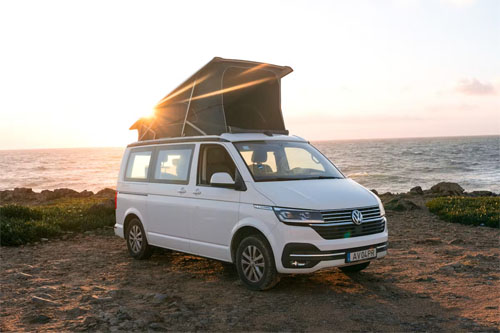
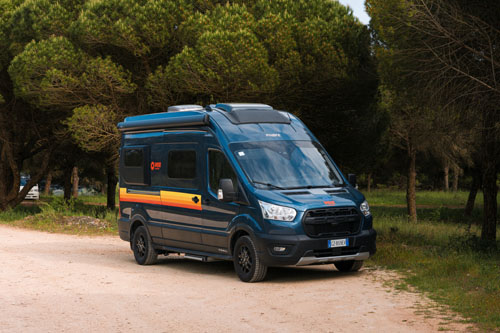
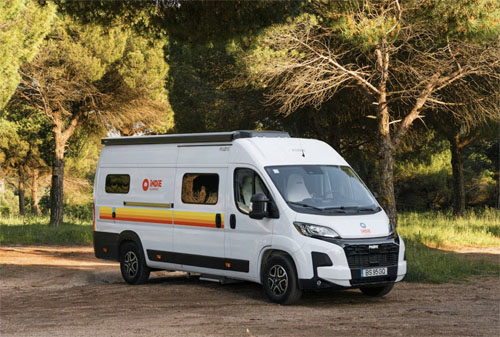
For a one-way RV rental in Spain, Class B Camper Vans or Class SI Semi-integrated motorhomes generally offer the best balance of maneuverability for diverse Spanish roads and comfort for camping. Bandana's fleet of Class B vans, such as the "Active Bunk" or "Camper Van Plus - V600", averages 5.8m in length with 3-4 sleeping places, consuming approximately 8-10 Liters/100 km, making them excellent for navigating smaller towns, mountain roads, and easier parking. These smaller units are agile enough for urban exploration in cities like Valencia or Alicante. Class SI Semi-integrated units, including models like the "Elnagh Baron 579" or "Luxury Small", offer more living space (averaging 6.9m in length with 3-5 sleeping places) while remaining manageable, typically consuming 10-11 Liters/100 km. They are suitable for both established campgrounds and some off-grid spots. Larger Class C Alcove (avg. 7.5m) or Class A Integrated (avg. 7.5m) vehicles provide more extensive space and sleeping capacity, often up to 6 or 7 people, but can be more challenging on very narrow streets, in some historic city centers, or for ferry crossings, which may have restrictions on larger vehicles. Choose a rented camper that fits your group size and comfort preferences, and remember that any size can be driven almost anywhere without issues if you drive slowly and carefully.How to Save on Campgrounds in Spain
To save on campground costs for a one-way RV rental in Spain, consider utilizing campground discount cards, traveling during the shoulder season, and opting for municipal or regional sites over premium private resorts. Investing in camping discount cards like ACSI CampingCard or CampingKey Europe can offer substantial off-peak season discounts (up to 50%) at hundreds of participating campgrounds across Spain and Europe. Traveling in shoulder season (April-May and September-October) means prices are significantly lower compared to the peak summer months (June-August), often saving 20-40% on nightly rates. Municipal or regional campgrounds often provide basic amenities like water, electricity, and waste disposal at a fraction of the cost (€15-€25 per night) of large, private resort-style parks which can charge €30-€50+. Many campgrounds offer reduced weekly rates, making a 3+ night stay more economical than consecutive single nights. Maximizing your rented motorhome's self-sufficiency, such as utilizing its 80-160 liter fresh water tank and 80-120 liter waste water tank to prolong stays between full hookups, allows for more affordable parking options like free *Áreas de Autocaravanas*. For more detailed pricing insights, refer to our Cheap RV Rental in Spain - Budget Guide 2026 or One-Way RV Rental in Spain - Price Guide 2026.Is it legal to sleep in your car in Spain?
In Spain, simply sleeping in your rented vehicle (including an RV or campervan) is generally legal where parking is permitted, but "camping" activities like deploying awnings, setting out chairs, or cooking outside the vehicle are typically prohibited outside of designated campsites. The key distinction, often misunderstood, is between *parking* (allowed where signage permits, often for a maximum of 72 hours in many municipalities) and *camping* (setting up camp outside the vehicle, generally restricted to official sites). Regional and municipal regulations vary significantly across Spain, from Andalusia to Amezketa, so always check local signage or use apps like Park4Night to find designated overnight parking spots or tolerated areas for RVs. Violating these rules can result in fines, so it's essential to be discreet, respectful of local communities, and mindful of environmental impact by properly disposing of all waste.Do you need an IDP for Spain?
Yes, non-EU/EEA citizens driving an RV in Spain are legally required to carry an International Driving Permit (IDP) in addition to their valid national driving license. The IDP serves as an official translation of your national driving license into multiple languages, confirming your authorization to drive abroad, making it easier for local authorities to verify your credentials. You must obtain your IDP in your home country before traveling, as it cannot be issued in Spain. Failure to produce both your valid national driving license and a corresponding IDP to law enforcement in Spain can result in fines and legal complications, potentially disrupting your planned one-way RV trip. For drivers from English-speaking countries (e.g., USA, Canada, Australia), while an IDP is recommended, it is not always strictly mandatory by some rental suppliers, but having one provides undeniable peace of mind. Remember, the minimum rental age for motorhomes in Spain is 21 years old, and a standard car driver's license is sufficient for all Class A, B, and C motorhomes.How much does it cost to rent an RV in Spain?
The cost of a one-way RV rental in Spain varies significantly based on RV class, rental duration (e.g., a week-long trip versus a two-week adventure), season, and specific pick-up/drop-off locations like Barcelona - Airport versus Almeria - Airport, with additional expenses for fuel, tolls, campsites, food, and activities. Daily rental rates typically range from €70-€150 for a compact Class B Camper Van like a "Combi Van" during the shoulder season, up to €150-€250+ for larger Class C or Class A motorhomes in peak season. One-way fees are an additional charge, often starting from €150 and increasing with distance. Fuel costs for diesel (most RVs) typically average 8-12 Liters/100 km; for a Class SI Semi-integrated model like the "MIA", expect around 10-11 Liters/100 km, so current fuel prices in Spain significantly impact the overall budget. Many major Spanish highways (AP roads) are tolled, so budget an average of €10-€30+ per day if frequently using them, or plan routes on free A-roads. Campsite fees usually range from €15-€40 per night for a standard pitch with hookups, varying by location, season, and amenities. For groceries, dining out, and entrance fees, budget flexibly as you would for any vacation. Basic third-party liability insurance is usually included, but comprehensive coverage, often recommended for extra peace of mind, will be an additional cost. For a more detailed breakdown, check our RV Rental in Spain - Prices and Best Deals 2026 or Luxury RV Rental in Spain - Premium Prices 2026 guides.What is the best month to RV in Spain?
The best months to RV in Spain are typically the shoulder seasons of spring (April to May) and autumn (September to October), offering pleasant weather, fewer crowds, and lower prices compared to the peak summer months. Spring (April-May) is ideal for exploring, with temperatures generally mild (18-25°C), wildflowers blooming, and popular sites like the Alhambra or Park Güell less crowded. This period is perfect for hiking and cultural visits. Autumn (September-October) continues with comfortable temperatures, especially in southern regions like Andalusia, and the Mediterranean Sea is often still warm enough for swimming. Wine regions are particularly beautiful during harvest season, offering unique experiences for your rented motorhome. While summer (June-August) is popular for coastal destinations, it brings extreme heat, especially inland (often exceeding 35°C), higher prices for a one-way RV rental in Spain, and significant crowds at beaches and major attractions, also impacting campsite availability. Winter (November-March) is cooler with potential for snow in mountainous regions (like the Pyrenees near Andorra), leading to possible road closures. It offers a quieter experience, especially in southern Andalusia, but requires planning for weather extremes.Are there tolls in Spain?
Yes, many major highways in Spain, particularly the *autopistas de peaje* (AP roads), operate on a toll system, which RV travelers should factor into their budget and route planning for a one-way RV rental in Spain. These tolls can add an average of €10-€30+ per day if you frequently use the fastest routes. Tolls are typically paid at booths using cash, credit card, or an electronic transponder system like Via-T (also known as Teletac), which can be useful for frequent toll road users and helps streamline your journey. Alternative free highways (autovías, designated as A-roads) often run parallel to the toll roads, offering a cost-saving option, though they may take longer and have more traffic. Navigation apps like Google Maps or Waze allow you to select routes that avoid tolls, helping you manage your travel expenses effectively. Planning your route in advance with tools like RV PLANET (rvplan.net) can help you budget for potential tolls and other ancillary costs, ensuring full transparency in your travel expenses.How long does it take to drive across Spain?
Driving across Spain generally takes between 8 to 15 hours of active driving time, depending on the chosen route, starting and ending points, and how many major cities or mountain ranges are traversed. For example, a direct route from Barcelona (northeast) to Seville (southwest) typically covers around 1,000 kilometers and requires approximately 10-12 hours of non-stop driving. A shorter journey like from Madrid (center) to Valencia (east coast) takes about 3.5-4 hours. However, with a rented RV, it's crucial to embrace slow travel, planning regular breaks every 2-3 hours for rest, fuel, and meals, and aiming for a maximum of 100-150 km per day on average. This allows you to truly feel the place, connect to the culture, the food, and the scenery, instead of rushing through. Driving a motorhome requires attention to specific RV speed limits, which may differ from standard car limits (e.g., 90 km/h on main roads and 80 km/h on secondary roads for vehicles over 3,500 kg), but the roads are well-maintained. Just drive slowly and carefully, and you can drive almost anywhere without issues.Can you rent an RV and drive to different countries?
Yes, it is often possible to rent an RV in Spain and drive it to other European countries, though this typically requires prior authorization from the rental company and may incur additional fees for international travel or mileage. Always inform your RV rental provider during the booking process if you intend to travel internationally, as they need to ensure your rented motorhome is covered by appropriate insurance and paperwork for cross-border journeys, potentially involving specific international mileage limits. For example, if you plan to visit Portugal or France as part of your one-way RV trip from Spain, you'll need to declare these countries in advance. Be prepared for varying traffic laws, speed limits, and toll systems in each country you visit; for instance, Portugal has electronic tolls, while France has both manual and electronic systems. Ensure your International Driving Permit (IDP), if required for your nationality, is valid for all destinations in Europe. For a broader perspective on RV travel across the continent, consult our RV Rental Europe - Complete Guide 2026 which offers comprehensive information on cross-border adventures.Top Cities for RV Rental in Spain
Spain offers numerous fantastic cities to begin or end your one-way RV adventure, providing convenient access to diverse regions.- Barcelona: A top destination for RV pickup, especially from Barcelona - Airport, offering direct access to Catalonia's stunning coastline, the Pyrenees, and vibrant cultural experiences. You can easily start here and head south.
- Madrid: Located centrally, Madrid serves as an excellent hub for exploring the heart of Spain. From here, you can choose to travel west towards Portugal or south towards Andalusia.
- Seville: In the sunny region of Andalusia, Seville is a popular drop-off point, perfect for exploring the south's Moorish architecture, flamenco culture, and the Costa del Sol.
- Valencia: This coastal city on the eastern seaboard offers beautiful beaches and futuristic architecture, an ideal starting point for a trip along the Mediterranean coast or inland to central Spain.
- Malaga: Another key city in Andalusia, Malaga is a gateway to the southern coast, the Sierra Nevada mountains, and offers numerous one-way rental possibilities.
- Bilbao: Located in the Basque Country, Bilbao is perfect for exploring northern Spain's rugged coastline, green landscapes, and the renowned Guggenheim Museum. It's a great option for a one-way trip along the northern coast.
- Alicante: Offering warm weather and beautiful beaches, Alicante is a fantastic starting point for exploring the Costa Blanca or venturing inland. You can often find great deals from Alicante - Airport.
- Almeria: Home to Europe's only desert, Almeria and its Almeria - Airport offer a unique starting point for exploring the arid landscapes, historic sites, and untouched beaches of southeastern Spain.
Practical Road Rules for RV Travel in Spain
Navigating Spain with a rented RV is generally straightforward, but understanding local road rules is essential for a smooth and safe journey. In Spain, you drive on the right side of the road, and road signs are internationally recognized. Speed limits for motorhomes typically differ from cars: generally 120 km/h on *autopistas* (motorways), 90 km/h on main roads, and 80 km/h on secondary roads for vehicles over 3,500 kg. However, for a relaxing trip, we always recommend slow travel, averaging 100-150 km per day. Headlights must be on during the day in tunnels and when visibility is poor. Seatbelts are mandatory for all passengers. Reflective vests and warning triangles are required to be carried in your vehicle in case of a breakdown. While driving in cities like Barcelona or Seville, you can drive almost anywhere without issues; just proceed slowly and carefully, and use common sense and pay attention to signage, especially regarding parking restrictions. Fuel stations are plentiful, offering both petrol (gasolina) and diesel (gasóleo), but be mindful of *siesta* closures in smaller towns. For connectivity, local SIM cards (Vodafone, Orange, Movistar) provide excellent mobile data coverage across most of the country. Emergency services can be reached by dialing 112 from any phone.What You Shouldn't Miss
- Explore the Alhambra in Granada: This stunning Moorish palace and fortress complex is a UNESCO World Heritage site and an absolute must-see in Andalusia. Book tickets well in advance.
- Drive the Coastal Road of Costa Brava: Starting north of Barcelona, this scenic route offers picturesque fishing villages, hidden coves, and breathtaking cliffside views, perfect for a leisurely rented motorhome journey.
- Hike in the Picos de Europa National Park: Discover the rugged beauty of northern Spain with its dramatic limestone peaks, lush valleys, and traditional villages. Numerous hiking trails cater to all levels.
- Indulge in Tapas in Seville: Immerse yourself in the vibrant culinary scene of Seville, where you can sample a wide array of delicious tapas in traditional bars and lively plazas.
- Visit the City of Arts and Sciences in Valencia: Marvel at the futuristic architecture of this cultural and scientific complex, a striking contrast to Spain's historic sites.
- Experience Flamenco in a Cave in Sacromonte, Granada: For a truly unique cultural immersion, witness an authentic flamenco show in one of the cave dwellings in the Sacromonte neighborhood.
Final Thoughts
Embarking on a one-way RV rental in Spain is more than just a trip; it's an invitation to a flexible, immersive adventure through a land rich in history, vibrant culture, and stunning natural beauty. From the sun-kissed beaches of the Mediterranean to the dramatic peaks of the Pyrenees, a rented motorhome offers the freedom to craft your perfect itinerary, discovering hidden gems and iconic landmarks at your own pace. With Bandana RV, you're not just booking a vehicle; you're gaining a partner committed to full transparency, expert support, and peace of mind every step of the way. Whether you're planning a week-long journey through Andalusia or a two-week exploration from Valencia to Bilbao, the open road awaits. Embrace the spirit of slow travel, savoring each moment and making memories that will last a lifetime. Get inspired for your next trip and allow us to help you compare final prices across suppliers, ensuring a hassle-free booking experience for your one-way RV rental in Spain.On the routes offered through RV PLANET routes, you can itemize and track every expense along the way for easy budgeting.