In This Guide
- Where to Camp in North Canada - Top Options
- Campground Types in North Canada (National, Private, Wild)
- Featured RV Park or Campground in North Canada
- Hookups & Amenities - What to Expect
- Booking Windows & Reservations in North Canada
- Nearby Supermarkets & Resupply Points
- Best RV Class for Camping in North Canada
- How to Save on Campgrounds in North Canada
- Where can I park my RV for free in Canada?
- What is the 3 3 3 rule for rving?
- Can you park an RV anywhere in Canada?
- Can you sleep overnight at rest stops in Canada?
- Can US citizens camp in Canada?
- How much does it cost to park an RV in Canada?
- Can you sleep anywhere in a campervan in Canada?
- Do they search your RV at the Canadian border?
- What You Shouldn't Miss
- Why Book with Bandana Caravan
- Final Thoughts
- Frequently Asked Questions
Embarking on a one-way RV rental adventure through North Canada offers an unparalleled journey into vast wilderness, unique culture, and stunning natural phenomena. Whether you dream of tracing the historic Alaska Highway, exploring the Yukon's gold rush trails, or witnessing the majestic Northern Lights in the Northwest Territories, a rented motorhome provides the freedom and comfort to discover this magnificent region at your own pace. With Bandana RV, you’ll experience full transparency in pricing, ensuring no hidden fees or surprises from the moment you compare options until your booking is confirmed. For live availability and current prices, start with our RV Rental North Canada - Complete Guide 2026 guide.
Where to Camp in North Canada - Top Options
North Canada offers diverse camping experiences, focusing on iconic National Parks like Kluane National Park and Nahanni National Park Reserve for unparalleled wilderness access. Kluane, located in Yukon, boasts Canada's highest peak, Mount Logan (5,959 meters), and offers over 150 designated campsites, many with basic amenities and access to hiking trails and wildlife viewing. Nahanni National Park Reserve, in the Northwest Territories, is renowned for its deep canyons and Virginia Falls, with remote wilderness sites primarily accessible by float plane, though limited drive-in camping is available near Fort Simpson. Travelers can also explore numerous Provincial Parks across Northern British Columbia and Alberta, which provide diverse experiences from structured campgrounds with some hookups to more rustic, secluded spots. These parks are excellent for experiencing unique northern attractions like Aurora Borealis viewing during the darker months and the surreal phenomenon of the Midnight Sun during summer.
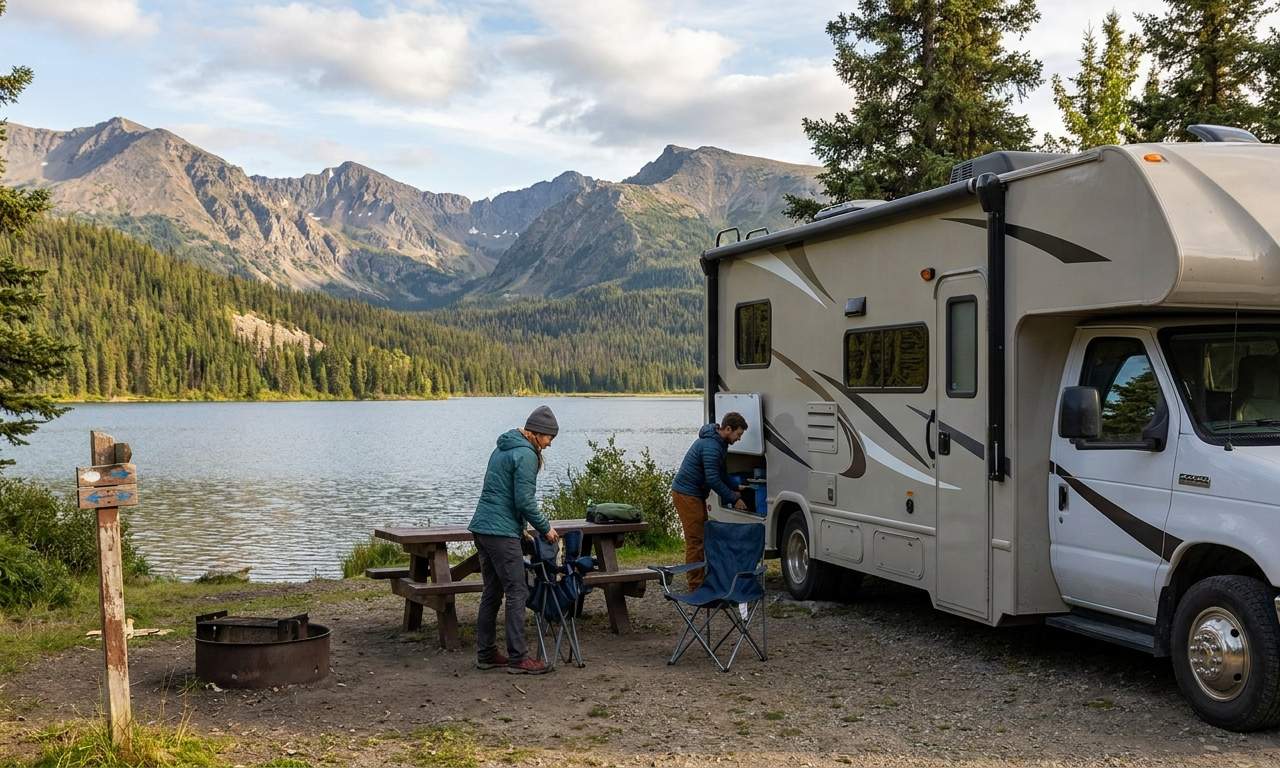
Exploring remote wilderness sites often involves utilizing logging roads or designated public land areas, requiring a greater degree of self-sufficiency. Always confirm local regulations and road conditions before venturing off main routes. For instance, the Yukon Territory provides numerous territorial campgrounds, typically offering basic services for $12-20 CAD per night, perfect for a peaceful night under the northern stars.
Campground Types in North Canada (National, Private, Wild)
Renting a motorhome in North Canada provides access to three primary types of campgrounds, each offering distinct amenities and experiences. National and Provincial Parks across the Yukon and Northwest Territories, such as Tombstone Territorial Park or Wood Buffalo National Park, offer structured, fee-based camping options. These typically include picnic tables, fire rings, vault toilets, and potable water access, with some offering 15-amp or 30-amp electrical hookups at a higher fee, usually between $20-50 CAD per night. Strict rules regarding quiet hours, waste disposal, and wildlife precautions are common to preserve the natural environment.
Private RV parks, found mostly near larger towns like Whitehorse, Dawson City, or Yellowknife, generally provide full hookups (electric, water, sewer) along with additional services such as laundry facilities, Wi-Fi, and sometimes even hot showers or recreation rooms. These sites offer maximum convenience and comfort, but come at a higher cost, often ranging from $40-70+ CAD per night. For travelers seeking consistent comfort and connectivity, these are a reliable choice. When budgeting for your journey, consider that RV PLANET routes allow you to itemize and track every expense along the way for easy budgeting. On the routes offered through RV PLANET routes, you can itemize and track every expense along the way for easy budgeting.
Wild camping, or boondocking, on Crown Land is a unique opportunity for self-sufficient travelers in authorized areas of North Canada. While offering unparalleled solitude and often free of charge, it requires adherence to specific provincial or territorial regulations and strict Leave No Trace principles. Always confirm current regulations, as rules can vary greatly and change seasonally, especially concerning fire bans or sensitive wildlife habitats. This option is best suited for experienced RVers with fully equipped motorhomes, such as an "Active Bunk" Class B Camper Van, capable of prolonged periods without external hookups.
Featured RV Park or Campground in North Canada
For one-way RV rentals in North Canada, focusing on major towns like Whitehorse (Yukon) or Yellowknife (Northwest Territories) provides a good balance of essential services and access to natural attractions. A featured RV park in these areas, such as Robert Service Campground in Whitehorse, offers comprehensive facilities including electrical hookups (15/30 amp), potable water, and dump stations. This ensures a comfortable stay for a range of motorhomes, from a compact Class B Camper Van like the 'Juliette 2-3' which averages 5.5m in length, to larger Class C Alcove models. Robert Service Campground also provides amenities like hot showers and a central location near downtown Whitehorse, allowing easy access to shops, restaurants, and local services.
Always check for seasonal operation, specific amenities, and availability, especially when planning a one-way RV rental trip during peak summer months (June-August). Many northern campgrounds operate seasonally, typically from late May to early September. Calling ahead is highly recommended for smaller or more remote campgrounds to confirm opening dates and secure a spot, avoiding any potential disappointments in areas with limited alternatives.
Hookups & Amenities - What to Expect
When planning your one-way RV rental in North Canada, expect a range of hookup options, though full-service sites are less ubiquitous than in southern regions. Private RV parks in towns like Whitehorse, Yellowknife, and Dawson City usually offer full hookups (electrical, water, and sewer connections). Electrical hookups typically provide 15 or 30 amp service; ensure your rented RV is compatible with these common standards. In contrast, many national and provincial campgrounds primarily offer basic unserviced sites, meaning no direct hookups to water, electricity, or sewer, often for a nightly rate of $20-35 CAD.
Dump stations for grey and black water tanks are usually available at campgrounds (sometimes for a fee if you're not staying overnight) or in designated municipal areas in larger towns. Potable water fill-up stations are also common at most established campgrounds. However, amenities like Wi-Fi and laundry facilities are less prevalent outside of private RV parks or major towns, and cell service can be spotty to non-existent in many remote areas. It's wise to plan for offline navigation and entertainment. Cooking inside your RV is a fantastic way to enjoy your journey and save money; explore our RV-friendly recipes playlist for inspiration.
Booking Windows & Reservations in North Canada
For popular national and provincial parks in North Canada during peak season (typically June to August), pre-planners should book well in advance, often 3-5 months ahead. Parks Canada and provincial park systems typically release a limited percentage of sites-around 25-30% - for advance reservations. For example, some sites in Kluane National Park campgrounds can be reserved up to 90 days in advance. However, spontaneous travelers need not worry excessively: the majority of sites, often 70-75%, are held for first-come-first-served arrivals.
To secure a first-come-first-served spot, aim to arrive early in the day, especially mid-week, when competition is lower. If the first campground is full, you'll find a spot; if not at the first campground, then the next one. Always call ahead to smaller, remote campgrounds before driving long distances to confirm availability and avoid disappointment, as distances between options can be significant. This flexible approach can lead to discovering hidden gems, and Bandana RV is with you before, during, and after your booking to ensure you have the necessary information for a smooth trip.
Nearby Supermarkets & Resupply Points
Major resupply points for one-way RV rentals in North Canada are predominantly found in larger centers like Whitehorse (Yukon), Yellowknife (Northwest Territories), and Dawson City (Yukon). These towns host major grocery chains, often including Superstore, Walmart, or smaller independent stores that stock a reasonable range of provisions. Prices in these northern communities can be 15-30% higher than in southern Canadian cities due to transportation costs, making careful planning and budgeting essential. When planning a trip or considering a route, our RV PLANET routes allow travelers to itemize and track every expense along the way for easy budgeting.
It is crucial to plan your route to ensure timely stops for fuel, provisions, and any necessary services, as distances between towns and services can be significant, often hundreds of kilometers without amenities. For example, along the Dempster Highway, services are extremely limited. Many experienced RVers recommend stocking up extensively in southern cities like Edmonton or Vancouver before heading north to take advantage of lower prices and wider selections. Ensure you have ample supplies of non-perishable food, water, and emergency items, and always keep your fuel tank topped up when the opportunity arises.
Best RV Class for Camping in North Canada
Choosing the best RV class for a one-way trip in North Canada depends on your travel style and group size, as Bandana RV offers a range of motorhomes and campervans. Class B Camper Vans, like an "rv rental denver example Category Van" or "Active Pop Top Select" are excellent for maneuverability on winding northern roads and discreet camping, offering good fuel efficiency of around 8-10 Liters/100 km. These compact units, with Bandana's fleet averaging 5.8m length and 3.2 sleeping places, are ideal for couples or solo travelers who prioritize agility and ease of parking. Drive slowly and carefully, and you can drive almost anywhere without issues, regardless of size. No need to stress - just use common sense and pay attention.
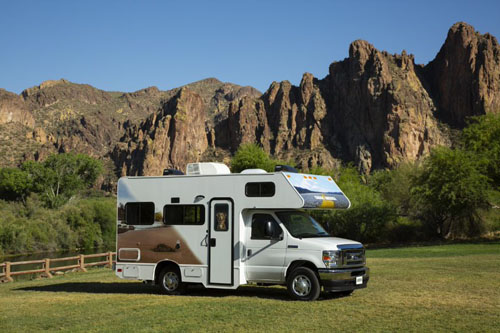
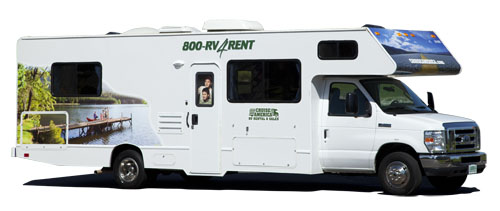
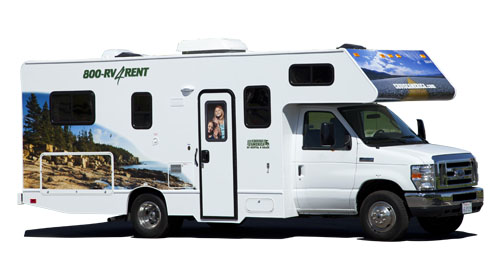
For those seeking a balance of comfort and manageability, Class SI Semi-integrated RVs, such as a '2 Berth Tamar,' which averages 6.9m length, 3.8 sleeping places, and 10-11 Liters/100 km fuel consumption, offer more interior space and amenities while remaining manageable on northern roads. These are often a popular choice for couples or small families. For larger groups or families with kids (4-6 people), Class C Alcove models, like a '4 Berth Henty,' provide extra space, storage, and sleeping capacity, with Bandana's fleet averaging 7.5m length, 5.8 sleeping places, and 10-12 Liters/100 km fuel consumption. While larger, they offer the comforts of home, and a standard car driver's license is sufficient for all motorhome classes.
How to Save on Campgrounds in North Canada
Saving money on campgrounds in North Canada for your one-way RV rental trip involves strategic planning and flexibility. Utilizing campground discount cards can be a primary way to reduce nightly rates. Many RVers purchase memberships that offer 10-15% discounts at participating private RV parks. Additionally, traveling during the shoulder seasons-late spring (May-June) or early fall (September)-can significantly reduce costs, as nightly rates are typically 10-20% lower than in peak summer. The weather can still be pleasant, and campgrounds are less crowded. Consider reviewing RV Rental in North Canada - Prices and Best Deals 2026 for more cost-saving strategies.
Opting for national, provincial, or municipal campgrounds, rather than private RV resorts, is generally more affordable, with basic sites often costing between $20-35 CAD per night. Many of these parks also offer weekly or monthly rate discounts for longer stays, making slow travel more economical. Remember the recommendation to travel slowly, aiming for a maximum of 100-150 km per day on average. This allows you to truly feel the place, connect to the culture, the food, and the scenery, and often leads to discovering cheaper or free camping opportunities. Always keep an eye out for RV Rental Deals in North Canada - Latest Offers 2026 which can sometimes include discounted camping packages.
Where can I park my RV for free in Canada?
You can often park your RV for free on Crown Land in designated areas across North Canada, but always verify specific provincial and territorial regulations before stopping. For example, in the Yukon and Northwest Territories, Crown Land access is generally more permissive than in southern provinces. Such parking requires self-sufficiency, adherence to Leave No Trace principles, and preparedness for no services. Some businesses, such as Walmart stores, may permit overnight parking with prior permission from store management, though this varies by location and is not guaranteed.
It is essential to check local municipal bylaws, as rules for street parking and public lots vary significantly across Canada and are often restricted in urban areas. While a remote gravel pit or pull-off might seem appealing, ensure it's a legal and safe spot. Always look for signage indicating no overnight parking or restricted access. Your rented motorhome provides a mobile base for exploration, but always respect local laws and private property when seeking free overnight parking.
What is the 3 3 3 rule for rving?
The '3-3-3 rule' is a widely recommended guideline for RV travel in North Canada to promote safety and enjoyment, especially on long, remote northern routes. First, it recommends driving no more than 300 miles (approximately 480 km) or 3 hours daily to prevent driver fatigue, ensuring you remain alert on often challenging roads. Second, it suggests stopping by 3 PM to allow ample daylight for finding a suitable campsite, setting up your rental motorhome, and addressing any potential issues before nightfall. This is particularly valuable in areas with limited light during shoulder seasons or short summer nights when the sun hardly sets.
Third, the rule encourages staying at least 3 nights in one location to fully immerse yourself in the area, relax, and avoid the constant setup and takedown inherent in daily moves. This allows for deeper connection to the culture, food, and scenery, aligning perfectly with the slow travel philosophy recommended for North Canada. Applying the 3-3-3 rule helps create a more enjoyable and less stressful one-way RV trip, letting you savor the vast beauty of destinations like those covered in our RV Travel Guide to North Canada - Tips and Top Spots 2026.
Can you park an RV anywhere in Canada?
No, you cannot park an RV anywhere in Canada, as overnight parking and camping are regulated by a patchwork of provincial, territorial, and municipal bylaws. While the vastness of North Canada might suggest boundless freedom, respecting local regulations is essential for a hassle-free trip. Overnight parking is generally prohibited on private property without explicit permission from the owner and is often restricted on most urban streets, city parks, or public lots. For instance, major cities like Vancouver or Toronto have strict bylaws against overnight RV parking.
Designated campgrounds-including national parks, provincial parks, and private RV parks-are the legal and recommended places for overnight RV parking. These locations offer varying levels of amenities and are designed to accommodate motorhomes and campervans. While Crown Land (public land) offers limited boondocking options where explicitly permitted, these areas require self-sufficiency and adherence to strict environmental guidelines. Always consult local government websites or visitor centers for current regulations specific to your intended route or area within North Canada.
Can you sleep overnight at rest stops in Canada?
The legality of sleeping overnight at rest stops in Canada varies significantly by province and territory, so it is crucial to research regulations specific to North Canada jurisdictions. Some provinces, particularly those with long, remote highways, may permit short overnight stays for fatigued drivers to encourage road safety. However, this is typically intended for rest, not full-fledged camping, and generally excludes setting up camp chairs or awnings. Other jurisdictions strictly prohibit overnight stays at rest stops, enforcing fines for violations.
For regions like the Yukon and Northwest Territories, policies can be more flexible due to the vast distances between services, but official rules are often vague or subject to local interpretation. Always look for explicit signage at rest stops indicating whether overnight parking is allowed or prohibited. For safety, comfort, and amenities like water, dump stations, and reliable heating for cooler nights, designated campgrounds or authorized boondocking sites are generally much better options than rest stops for overnight stays in your rented motorhome or campervan.
Can US citizens camp in Canada?
Yes, US citizens can absolutely camp in Canada with their rented motorhome, provided they meet standard Canadian entry requirements. These requirements include a valid US passport, no criminal record, and potentially a valid International Driving Permit (IDP) for visitors from non-English-speaking countries, although it's not mandatory for US citizens with a standard state driver's license. When crossing the border with a rented RV, ensure all necessary documentation is readily available, such as your rental agreement, insurance policy, and vehicle registration. You can explore broader Canadian travel in our RV Rental USA - Complete Guide 2026 for context on cross-border travel.
Be prepared to declare all goods, including food items, alcohol, and tobacco, to Canadian Border Services Agency (CBSA) officers. It's also critical to have all required pet documentation, such as a valid rabies vaccination certificate, if you're traveling with animals. Once in North Canada, US citizens must adhere to all Canadian national, provincial, and territorial camping regulations, including fire bans, wildlife encounter protocols (especially for bears and moose), and park-specific rules. These rules help protect both visitors and the pristine northern environment.
How much does it cost to park an RV in Canada?
RV parking costs in Canada vary widely, from free options to over $70 CAD per night for premium sites in popular areas. Free overnight parking is sometimes available on approved Crown Land in remote areas, requiring self-sufficiency. National and Provincial Park campgrounds in North Canada typically range from $20-50 CAD per night for unserviced or partially serviced sites. For example, a basic unserviced site in a Yukon territorial park might cost $12-20 CAD, while a 15-amp electrical site could be $20-30 CAD. These rates usually include access to potable water and dump stations, but amenities are often rustic.
Private RV resorts and commercial campgrounds, found mostly in larger towns or popular tourist destinations like Whitehorse, often charge $40-70+ CAD per night for full hookups (electricity, water, sewer) and additional amenities such as Wi-Fi, laundry, and recreational facilities. Prices in remote northern locations can sometimes be higher than anticipated due to logistics and shorter operating seasons. The final price for your RV rental, like a spacious Class C 'MHC28' with 6 sleeping places, is dynamic and set at the actual booking time, similar to flight tickets, changing daily based on availability, seasonality, and supplier marketing decisions.
Can you sleep anywhere in a campervan in Canada?
No, you cannot sleep anywhere in a campervan in Canada, as campervans are subject to the same provincial, territorial, and municipal bylaws regarding overnight parking and designated camping areas as larger motorhomes. While a campervan like a 'VW California Ocean' offers enhanced flexibility for discreet parking compared to a Class C motorhome due to its smaller size, official campgrounds or legally authorized boondocking sites remain the safest and most legal options for overnight stays. Drive slowly and carefully, and you can drive almost anywhere without issues. No need to stress-just use common sense and pay attention.
Many towns and cities have specific bylaws prohibiting overnight parking in public spaces, on streets, or in commercial parking lots without explicit permission. Always verify local regulations for overnight parking, as even seemingly inconspicuous campervans can face fines in prohibited areas. Opting for designated campgrounds provides access to essential amenities, fresh water, and waste disposal facilities, ensuring a more comfortable and compliant one-way RV rental trip in North Canada. For finding campsites and campgrounds during your trip, we recommend using RV PLANET (rvplan.net)-a great resource for locating available spots along your route.
Do they search your RV at the Canadian border?
Yes, Canadian Border Services Agency (CBSA) officers have the authority to search your RV at the border to ensure compliance with import regulations and to identify prohibited items. This is a standard procedure, and RVs, like any other vehicle, are subject to inspection. Be fully prepared to declare all goods you are bringing into Canada, including food items (especially fresh produce, meats, and dairy), alcohol, tobacco, and any firearms, as strict rules apply to these items. It’s vital to be honest and patient during this process to ensure a smooth border crossing into North Canada for your one-way RV rental adventure.
Have all required documentation readily accessible, such as your valid passport, your rented motorhome's agreement and insurance papers, and any necessary pet health certificates. For instance, dogs and cats require proof of rabies vaccination. Officers may ask about your itinerary, duration of stay, and where you plan to travel. Cooperating fully and truthfully will expedite the process. Remember, a one-way RV rental offers incredible freedom, but responsibility in understanding and adhering to border regulations is key.
What You Shouldn't Miss
- **Drive the Alaska Highway:** Experience the legendary 2,232 km (1,387 mile) route, a monumental feat of engineering connecting Dawson Creek, BC, to Delta Junction, Alaska, with stunning scenery along the way.
- **Witness the Aurora Borealis:** In cities like Yellowknife (NWT) or Whitehorse (Yukon), find designated viewing spots between September and April for a chance to see the spectacular Northern Lights dance across the sky.
- **Explore Kluane National Park and Reserve:** Home to Canada's highest peaks, including Mount Logan (5,959 m), this Yukon gem offers glacier flights, hiking trails, and abundant wildlife viewing opportunities for bears, moose, and Dall sheep.
- **Visit Dawson City:** Step back in time to the Klondike Gold Rush era in this historic Yukon town, where you can pan for gold, visit historical sites, and enjoy the unique local culture.
- **Travel the Dempster Highway:** For the truly adventurous, drive Canada's only all-weather road to cross the Arctic Circle, leading to the remote Inuit community of Tuktoyaktuk on the Arctic Ocean (736 km gravel road).
- **Discover the Midnight Sun:** During summer months (June-July), experience nearly 24 hours of daylight in northern regions, allowing for extended outdoor activities and surreal late-night explorations.
🎬 Video coming soon
Final Thoughts
Exploring North Canada with a one-way RV rental is more than just a trip; it's an immersive journey into one of the world's last great wildernesses. From the vibrant indigenous cultures to the awe-inspiring natural landscapes and celestial displays, every mile in your rented motorhome brings a new discovery. We handle the details, so you can truly live the journey, supported by our expert knowledge and transparent service.
Whether you're a seasoned RVer or a first-timer, the freedom and flexibility of a mobile home allow you to tailor your adventure precisely to your desires. God is in the small details, and we take care of them, making the big difference for your travel plans. Get inspired for your next trip! Discover top destinations, planning tips, all in one place with Bandana RV.
Don't just dream of the North-experience it. Plan a trip itinerary in advance with minimal effort and maximum enjoyment using Bandana RV to find your perfect one-way RV rental in North Canada. Check North Canada RV Rental Prices Now and begin your unforgettable adventure!