In This Guide
- Where to Camp in East Canada - Top Options
- Campground Types in East Canada (National, Private, Wild)
- Featured RV Park or Campground in East Canada
- Hookups & Amenities - What to Expect
- Booking Windows & Reservations in East Canada
- Nearby Supermarkets & Resupply Points
- Best RV Class for Camping in East Canada
- How to Save on Campgrounds in East Canada
- Where can I park my RV for free in Canada?
- What is the 3-3-3 rule for RVing?
- Can you park up anywhere in an RV in Canada?
- Can you sleep overnight at rest stops in Canada?
- What is the 10-year rule for RVs in Canada?
- What is the best place to visit in Eastern Canada?
- Can Americans RV in Canada?
- Can I bring my RV across the border into Canada?
Embarking on a one-way RV trip through East Canada offers an unparalleled sense of freedom, allowing you to explore the stunning Atlantic provinces at your own pace without the need to circle back. Imagine yourself cruising the coastal roads of Nova Scotia, discovering the picturesque landscapes of Prince Edward Island, or delving into the rugged beauty of Newfoundland and Labrador. A rented motorhome transforms your travel into a mobile adventure, giving you the flexibility to adapt your itinerary as new discoveries unfold. For live availability and current prices, start with our RV Rental East Canada - Complete Guide 2026 guide.
Where to Camp in East Canada - Top Options
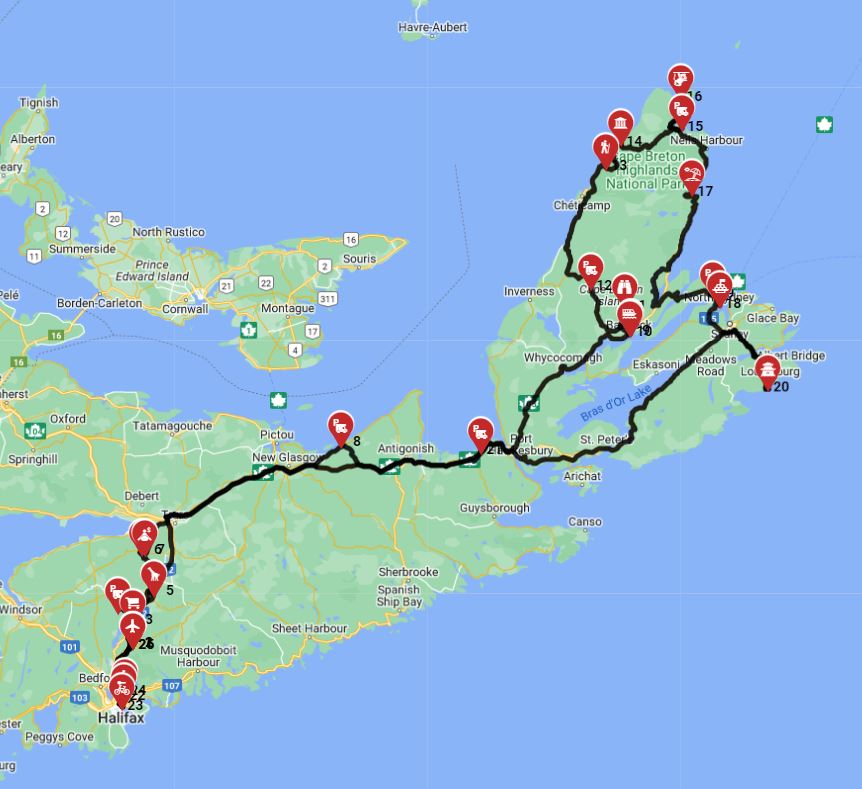
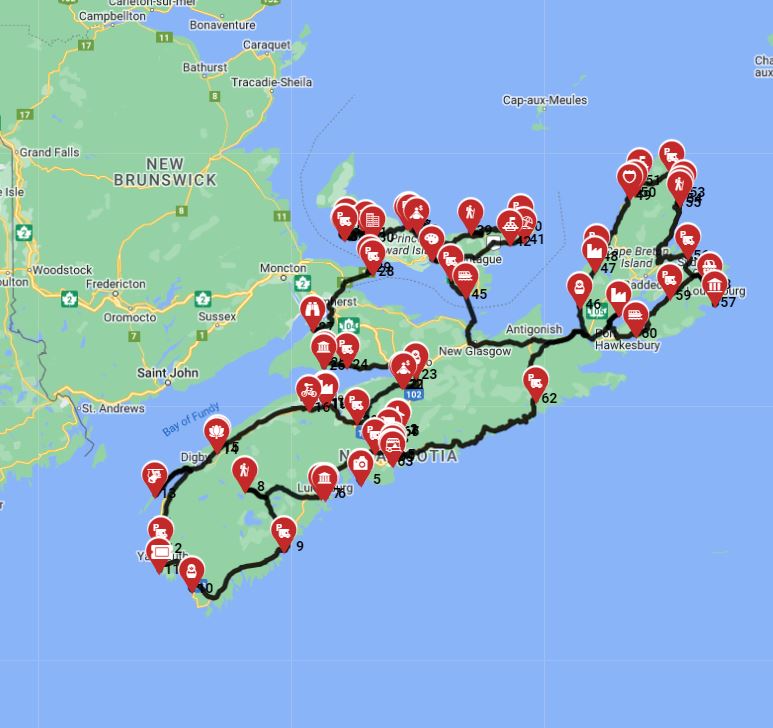
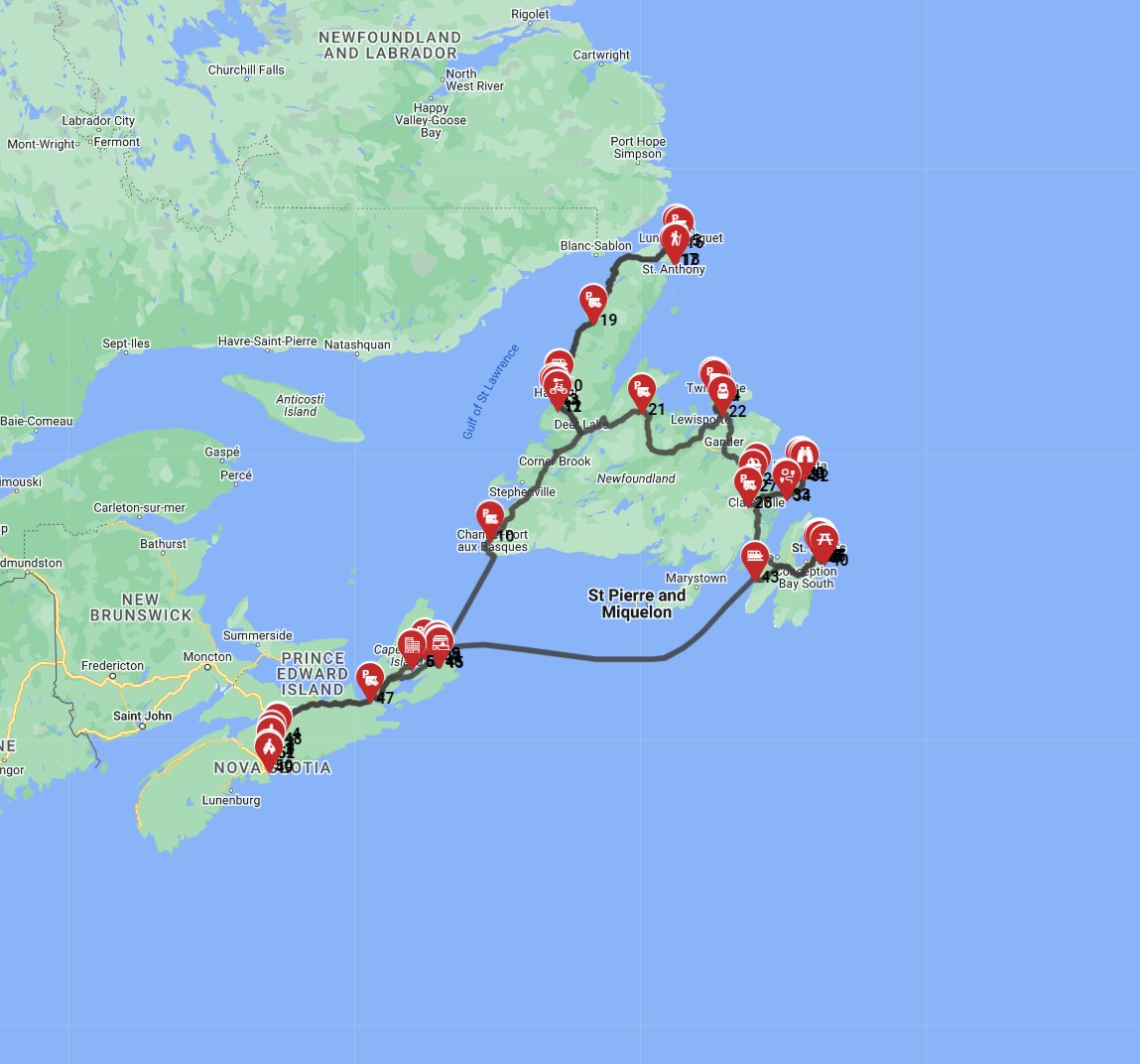
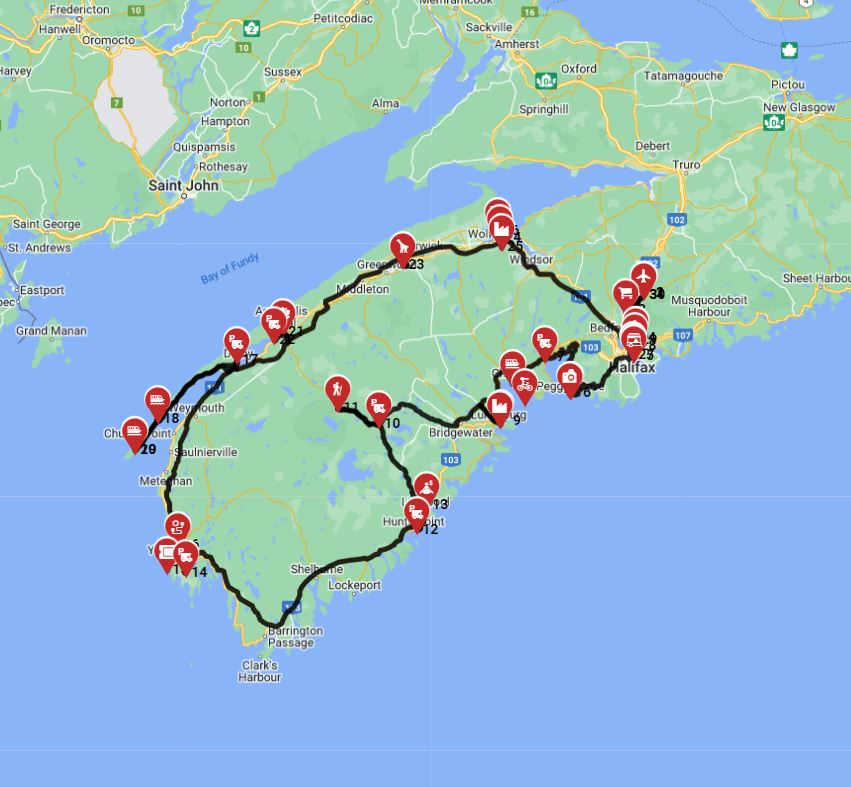
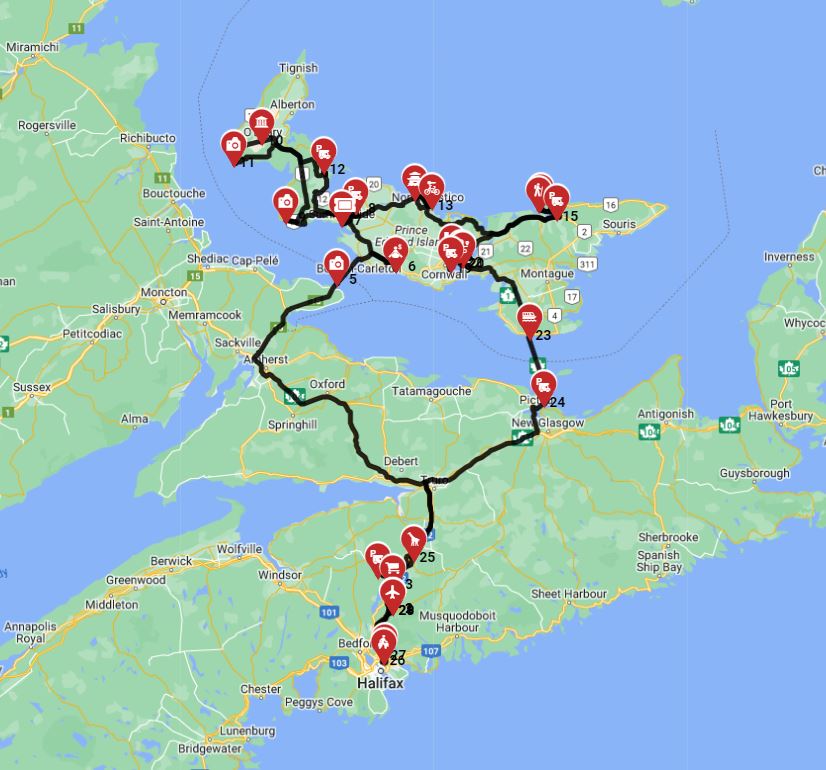
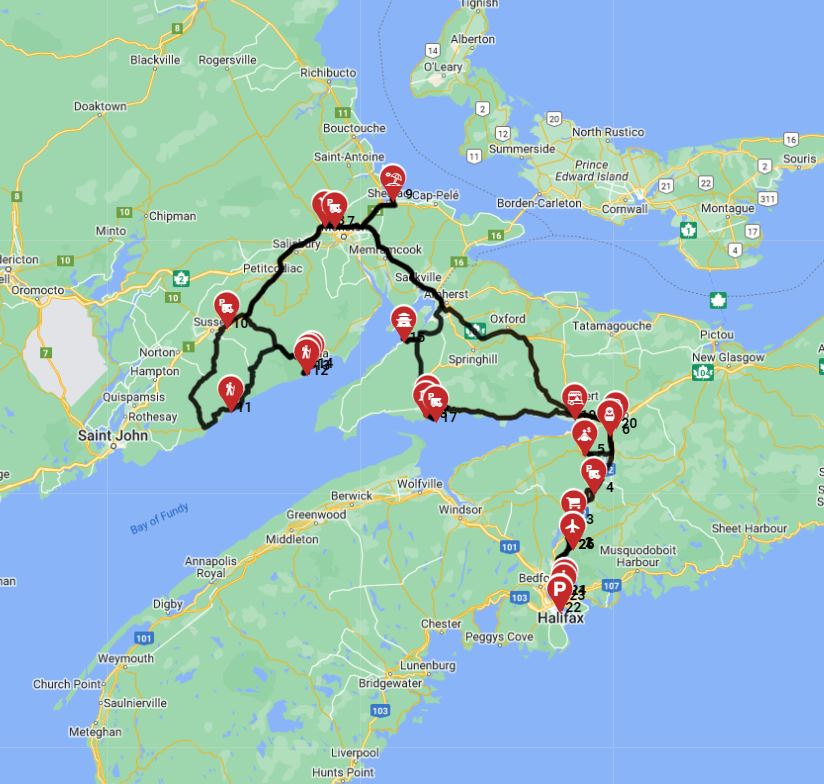
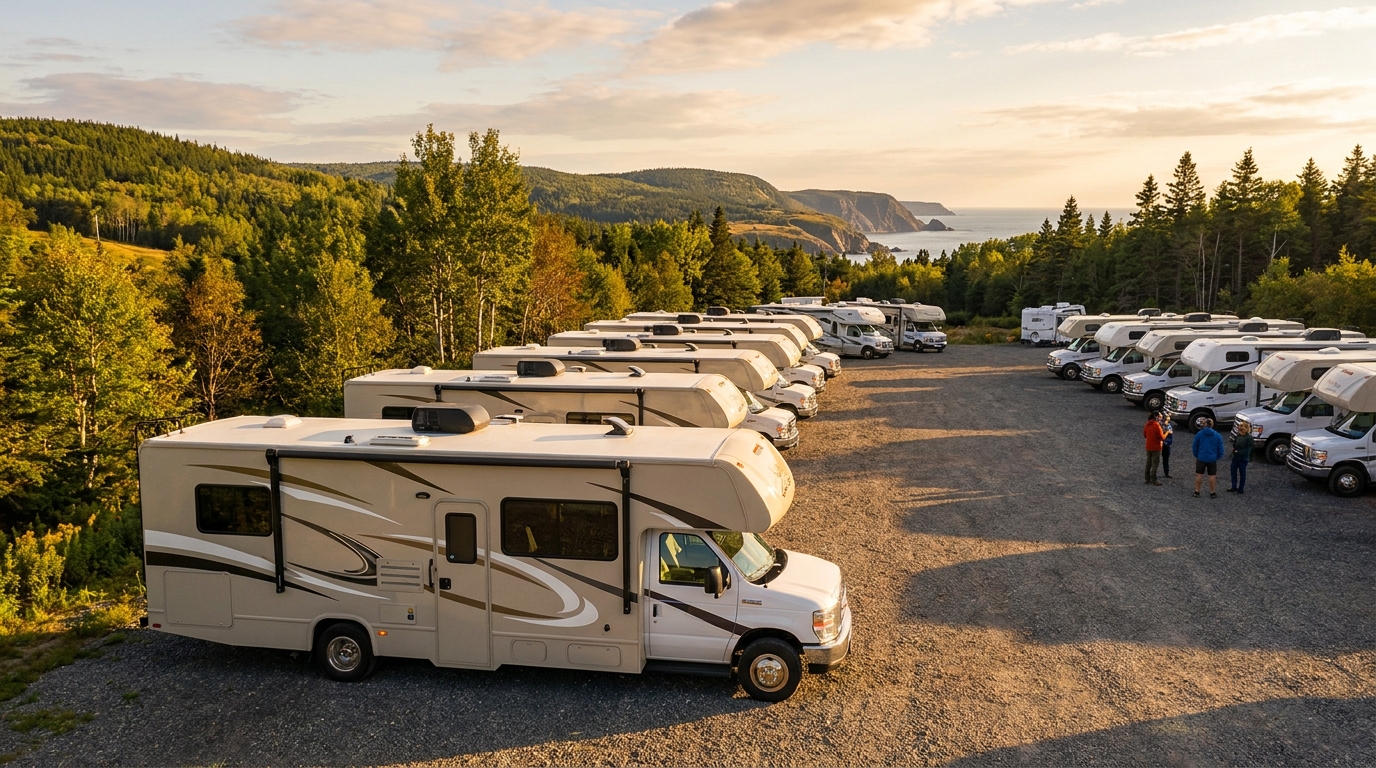
East Canada presents a diverse array of camping experiences for your one-way RV rental adventure, spanning from the dramatic coastlines of Nova Scotia to the tranquil forests of New Brunswick and the charming shores of Prince Edward Island. Popular regions perfect for a one-way RV journey include the iconic Cabot Trail in Cape Breton Highlands National Park (Nova Scotia), the breathtaking Fundy National Park (New Brunswick), and the idyllic Cavendish Beach on PEI. These areas offer a harmonious blend of scenic beauty, engaging outdoor activities, and accessible campgrounds suitable for various motorhome and campervan sizes.
For example, Cape Breton Highlands National Park on Nova Scotia's Cabot Trail features multiple campgrounds, with serviced sites available for Class C and Class B units. In New Brunswick, Fundy National Park offers spectacular views of the Bay of Fundy's extreme tides, and its campgrounds provide facilities for a comfortable stay. Prince Edward Island National Park, particularly at Cavendish, boasts over 200 serviced sites, ideal for families. When choosing your route, remember that traveling slowly, perhaps 100-150 km per day on average, allows you to truly immerse yourself in the local culture, savor the food, and appreciate the scenery.
Campground Types in East Canada (National, Private, Wild)
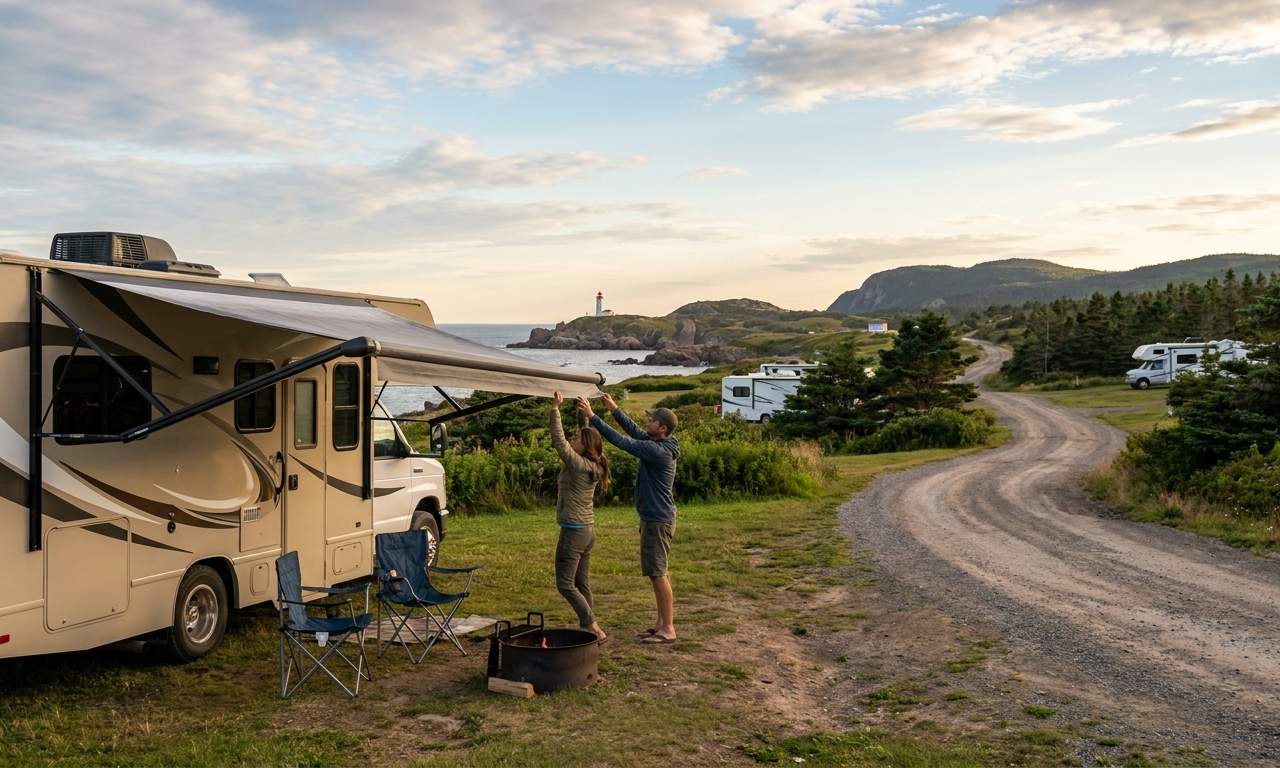
RV camping in East Canada offers varied options, including National Parks, private campgrounds, and limited opportunities for wild camping, each with distinct regulations and amenities. National Parks, such as Gros Morne in Newfoundland or Kouchibouguac in New Brunswick, provide incredibly scenic, well-maintained sites with varying hookup levels, often requiring reservations, especially during the peak summer months of July and August. These parks protect pristine natural environments and are ideal for those seeking wilderness immersion. For more details on budgeting your trip through these regions, consider consulting resources like "One-Way RV Rental in East Canada - Price Guide 2026" to understand potential costs, including park fees. On the routes offered through RV PLANET routes, you can itemize and track every expense along the way for easy budgeting.
Private campgrounds across East Canada often deliver more amenities, such as full hookups (water, sewer, 30/50 amp electricity), swimming pools, and recreational activities, catering to a wide range of preferences from basic to luxury. These sites are generally easier to book last-minute outside of major holidays. Wild camping, also known as boondocking, is generally restricted on public lands without explicit permission and is usually prohibited in national parks. However, it may be tolerated in certain remote areas or on private property with owner consent, always emphasizing Leave No Trace principles. For specific rules, always check local government websites or park authorities, and use RV PLANET routes to locate available spots and track expenses.
Featured RV Park or Campground in East Canada
When planning your one-way RV rental trip through East Canada, look for campgrounds that seamlessly blend natural beauty, essential amenities, and proximity to regional attractions. Ideal features for a comfortable RV stay include full-service hookups (electric, water, sewer), clean bathhouses, and laundry facilities. Many travelers also appreciate perks like reliable Wi-Fi or a small general store, though connectivity can be spotty in more remote areas.
Consider provincial parks like Shiktehawk Campground in New Brunswick, offering beautiful river access and ample space, or privately owned gems such as Baddeck Cabot Trail Campground in Nova Scotia, which provides scenic views of the Bras d'Or Lake. These locations enhance your experience by allowing easy exploration of local hiking trails, beaches, or charming towns, ensuring you connect to the culture and scenery. Always seek out parks with strong positive reviews regarding cleanliness and staff helpfulness, as this is a reliable indicator of a pleasant stay for your rented motorhome or campervan.
Hookups & Amenities - What to Expect
In East Canada, RV campgrounds typically offer a variety of hookups and amenities designed to ensure comfort and convenience during your motorhome rental journey. You can generally expect sites to provide electrical service, with common options being 15-amp or 30-amp, and sometimes 50-amp for larger units. Potable water connections are standard, and many sites, particularly in private campgrounds, also offer sewer hookups for easy grey and black water tank management. The typical voltage is 120V with standard North American 3-prong (15A) or TT-30R (30A) receptacles, ensuring broad compatibility with most rented RVs. When preparing meals in your well-equipped kitchen, you'll appreciate these amenities. Check out our RV-friendly recipes playlist for inspiration!
Beyond the basic hookups, many campgrounds feature additional facilities like dump stations for waste disposal, communal shower facilities, and laundry rooms. Wi-Fi access is often available, though its coverage and speed can vary significantly, especially in more remote or national park settings. Some campgrounds might even offer picnic tables, fire rings, and recreational areas, perfect for unwinding after a day of exploring. These essential amenities mean you can travel with your rented campervan or motorhome feeling completely at home.
Booking Windows & Reservations in East Canada
For an East Canada RV rental adventure, securing reservations, especially for popular national parks and private campgrounds, is advisable for those who prefer everything organized, while spontaneous travelers can often find options. National park campgrounds frequently release booking windows several months in advance, with many allocating only 25-30% of their spots for advance reservations. The remaining 70-75% are typically available on a first-come, first-served basis, offering flexibility for those on a one-way trip.
Even during peak season (mid-June to early September) or specific events like fall foliage, you will almost certainly find a place; if not at the first campground, then at the next one. However, calling ahead before driving there is highly recommended to confirm availability, especially when traveling one-way and needing to stay flexible. Early booking is particularly crucial for specific dates or highly sought-after destinations, such as the Cabot Trail or areas around Halifax. Remember, prices for RV rentals are dynamic, much like flight tickets, changing daily based on availability and seasonality. Our platform, Bandana, provides full transparency, so you'll never encounter hidden fees or surprises.
Nearby Supermarkets & Resupply Points
Along your one-way RV route through East Canada, you'll encounter numerous supermarkets and resupply points to keep your rented motorhome's pantry stocked. Major Canadian grocery chains such as Sobeys, Atlantic Superstore (a Loblaw Companies brand), and Walmart are widely available in most towns and cities across Nova Scotia, New Brunswick, and Prince Edward Island. For example, larger centers like Halifax, Fredericton, and Charlottetown all have multiple large grocery stores.
In addition to these major retailers, smaller independent grocers, charming farmers' markets, and local convenience stores are often found in more rural or remote areas. These local spots can be fantastic for discovering fresh regional produce and unique specialties, adding a genuine flavor to your trip. Planning your resupply stops in advance is key, particularly before venturing into national parks or less populated regions where options may be limited. When planning your route with RV PLANET (rvplan.net), you can easily itemize and track every expense, including groceries, for seamless budgeting on your adventure.
Best RV Class for Camping in East Canada
For camping in East Canada, the optimal RV class largely depends on your travel style and group size, with Class B Camper Vans and Class C Alcoves offering versatile options for maneuverability and comfort. A Class B Camper Van, like the "hire campervan example Paradise S/T" model designed for 2-3 adults, is ideal for navigating scenic routes such as the Cabot Trail and accessing smaller campgrounds or more secluded boondocking spots due to its compact size and superior maneuverability. These smaller units average around 5.8 meters in length with approximately 3.2 sleeping places, making them excellent for couples or solo travelers seeking flexibility.
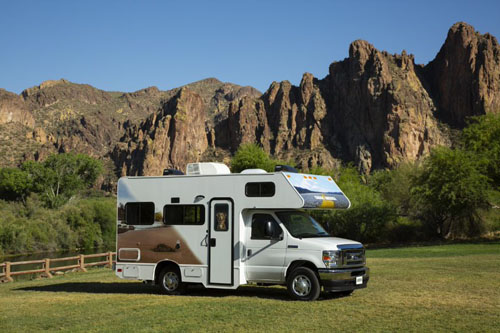
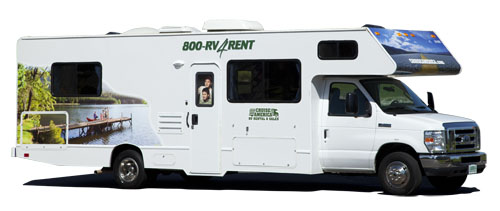
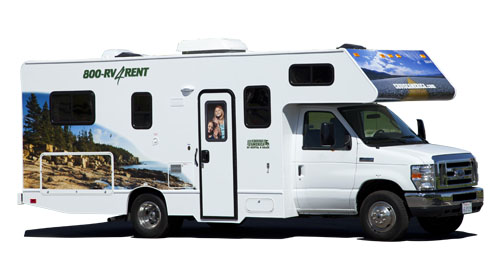
For families or groups desiring more interior space and amenities, a Class C Alcove motorhome, such as the "rv rentals example Comfort Class" model which can accommodate 4-5 adults with 5.8 sleeping places and is around 7.5 meters in length, provides comfortable living space and typically more storage. Class C units are well-suited for campgrounds with larger, more spacious sites and offer features like a full kitchen, shower, and toilet, ensuring all the comforts of home. Drive slowly and carefully, and you can drive almost anywhere without issues. No need to stress - just use common sense and pay attention. You can upgrade to a top-level deductible for extra peace of mind, regardless of your chosen vehicle class, which is an optional upgrade from Bandana.
How to Save on Campgrounds in East Canada
To save on campground costs during your one-way RV rental in East Canada, consider leveraging discount cards, traveling during the shoulder season, and exploring municipal or regional parks. Utilizing specific campground discount programs, which are sometimes offered through Bandana's direct partnerships with over 50 leading RV suppliers worldwide, can provide significant savings on daily rates. The average daily cost for a Class C motorhome is $150-$300 CAD, so any savings add up quickly.
Booking your rented campervan or motorhome during the shoulder seasons (late spring or early fall) often translates to lower rates and fewer crowds, enhancing your travel experience. Additionally, opting for municipal or regional campgrounds can be considerably more cost-effective than staying at private resorts, often offering comparable amenities in beautiful settings. Many parks also provide weekly rates that offer savings when you stay for 3+ nights, aligning perfectly with our recommendation to travel slowly. Another tip: if traveling with friends, sharing hookups in a group can further reduce per-person expenses. For general savings advice, check our "Cheap RV Rental in East Canada - Budget Guide 2026" article.
Where can I park my RV for free in Canada?
Parking an RV for free in Canada, commonly known as boondocking or wild camping, is generally permitted on Crown Land where not explicitly prohibited, though specific provincial and municipal regulations vary significantly across East Canada. Crown Land, which constitutes vast tracts of public land managed by provincial governments, often allows overnight stays for a limited duration, such as 21 days in one spot. However, these areas are typically remote and lack services like water hookups or dump stations, requiring self-sufficiency.
Always respect designated 'no parking' or 'no overnight' signs, especially in urban areas, national parks, and protected zones, where free camping is typically illegal and can result in fines. Some private businesses, like certain Walmarts, may permit overnight parking for self-contained RVs, but it's crucial to always ask permission from store management first. For unique and legal overnight options on private properties, consider services similar to Harvest Hosts or Boondockers Welcome, which connect RVers with private landowners. For more detailed insights into planning, refer to "RV Travel Guide to East Canada - Tips and Top Spots 2026".
What is the 3-3-3 rule for RVing?
The "3-3-3 rule for RVing" is a popular guideline for ensuring a safe and enjoyable motorhome rental experience, especially on extended road trips through East Canada. This rule advises RVers to drive no more than 300 miles (approximately 480 km, or 3 hours), arrive at their chosen destination by 3 PM, and stay for at least 3 nights. This approach helps prevent driver fatigue, allows ample time to set up camp before dark, and encourages a relaxed pace to explore the local area without constant rushing.
While a helpful recommendation for practicing "slow travel," it's a guideline rather than a strict regulation, and RVers should always adjust to prevailing weather conditions, road conditions, and personal comfort levels. For instance, on a scenic route like the Cabot Trail, you might choose to drive even less than 300 miles a day to fully appreciate the views. Embracing this philosophy can transform your rented RV adventure into a truly immersive experience, connecting you to the culture, food, and stunning scenery of East Canada.
Can you park up anywhere in an RV in Canada?
No, you cannot park a rented RV anywhere in Canada; regulations for overnight parking and camping vary significantly by province, municipality, and land ownership throughout East Canada. While vast tracts of Crown Land may offer some opportunities for free, dispersed camping, parking is generally prohibited on private property without express permission from the owner. It is also typically illegal to camp overnight in national and provincial parks outside of designated campgrounds.
Always be vigilant for signage indicating 'no overnight parking' or 'no camping' and adhere to local bylaws, as violations can result in significant fines. In urban areas, such as Halifax, Saint John, or Charlottetown, seeking designated RV parking or utilizing park-and-ride options is recommended, as larger vehicles often face restricted access and parking challenges on city streets. Remember, your standard car driver's license is sufficient for all motorhome classes (Class A, Class B, and Class C) in Canada, but always be aware of vehicle height and length when navigating urban environments.
Can you sleep overnight at rest stops in Canada?
Sleeping overnight at rest stops in Canada is generally permitted in some provinces, primarily for short, restorative stops to combat driver fatigue, though it is not universally allowed or encouraged for extended stays in East Canada. In provinces like Nova Scotia and New Brunswick, designated rest areas along major highways often permit overnight parking for RVs and commercial trucks. However, this is typically intended for a single night of rest, not as a substitute for a full-service campground.
It's crucial to always check the signage at each individual rest stop for specific restrictions or consult provincial regulations, as local rules can vary. Full camping amenities, such as electrical hookups or dump stations, are rarely provided at rest stops. Moreover, it is important to differentiate between stopping to rest and establishing a full camp; activities like setting out awnings, external cooking, or using leveling jacks may be prohibited. Always be respectful of other travelers and keep the area clean, upholding Leave No Trace principles during your rented motorhome journey.
What is the 10-year rule for RVs in Canada?
The "10-year rule for RVs in Canada" refers to a common restriction imposed by some private RV parks and resorts that may refuse entry to older RVs, typically those more than 10 years old, to maintain a certain aesthetic or quality standard. While this is not a universal law or a government regulation, it is an important policy for renters of older motorhomes to be aware of, as it can significantly limit campground choices in East Canada. Many rental suppliers, including Bandana partners like El Monte and Cruise America, offer recent models of Class C (e.g., the Cruise America Explorer model which is up to 4 years old) and Class B campervans, often less than 3-4 years old, mitigating this concern.
If your rented RV is approaching or exceeds this age, it's always best practice to contact any private campground directly to inquire about their specific age restrictions before booking your site. Policies can vary widely, and some may make exceptions based on the vehicle's condition. Notably, national and provincial parks in East Canada typically do not have an age restriction on RVs, focusing instead on cleanliness, operational condition, and noise levels. When searching for a rental, remember Bandana offers bookings in 30+ currencies with full price transparency and no hidden conversion commissions.
What is the best place to visit in Eastern Canada?
The "best" place to visit in Eastern Canada for an RV trip ultimately depends on individual interests, with outstanding highlights including the coastal splendor of Nova Scotia, the historical charm of Prince Edward Island, and the untamed wilderness of Newfoundland and Labrador. For scenic drives and dramatic landscapes, the Cabot Trail on Cape Breton Island, Nova Scotia, is world-renowned for its breathtaking ocean views and highlands, making it ideal for fall foliage tours and memorable slow travel itineraries.
Prince Edward Island offers picturesque red sand beaches, iconic Anne of Green Gables sites, and vibrant culinary experiences perfect for a relaxed pace and exploring charming seaside towns. Newfoundland and Labrador, a more adventurous destination, provides rugged coastlines, iceberg viewing opportunities (especially from late spring through early summer), and unique cultural encounters for those seeking a remote itinerary. Seasonal RV insights suggest that shoulder seasons (late spring and early fall) offer pleasant weather, fewer crowds, and often better availability for popular spots, while allowing you to connect to the culture, the food, and the scenery without feeling rushed.
Can Americans RV in Canada?
Yes, Americans can absolutely RV in Canada, provided they meet all border crossing requirements, have appropriate vehicle documentation, and adhere to Canadian laws during their rented motorhome trip. Essential requirements for all travelers include a valid passport. For your RV, you will need valid vehicle registration and proof of insurance. It's highly advisable to carry a Canadian non-resident insurance card, often referred to as a 'Yellow Card,' or a letter from your U.S. insurer confirming that your coverage extends to Canada.
Be prepared for potential inspections by Canadian Border Services Agency (CBSA) officers, who may inquire about your travel plans, duration of stay, and any goods or pets being brought across the border. Ensure all pet travel requirements, including up-to-date vaccinations, microchips, and health certificates, are met before attempting to cross. Bandana Caravan, founded in 2001, has over 23 years of experience helping tens of thousands of travelers explore the world by RV, providing comprehensive support for international renters.
Can I bring my RV across the border into Canada?
Yes, you can generally bring your rented RV across the border into Canada from the U.S., but you must ensure all travelers possess valid passports and that your RV and its contents comply with Canadian import and customs regulations. Key requirements for your motorhome include valid registration documents and proof of insurance; while many U.S. policies extend coverage, carrying a Canadian Non-Resident Inter-Province Motor Vehicle Liability Insurance Card (often called a 'Yellow Card') is a good idea. Also, verify that your rented vehicle meets Canadian safety standards.
You are required to declare all goods being brought into Canada, including food items (with restrictions on certain produce, meats, and dairy), alcohol, tobacco, and any firearms. Strict adherence to pet travel requirements is also necessary if you're bringing animals, including current vaccination records. Be mindful of currency exchange rates between USD and CAD, and consider having some Canadian cash on hand for potential tolls or smaller purchases, especially in rural areas where card acceptance might be limited. We handle the details, you live the journey - our expert team is here to support you before, during, and after your booking.
What You Shouldn't Miss
- Drive the Cabot Trail, Nova Scotia: Experience one of the world's most scenic drives on Cape Breton Island, with coastal cliffs, highlands, and charming fishing villages. Stop frequently to hike one of the 26 trails or simply soak in the ocean views.
- Explore Fundy National Park, New Brunswick: Witness the highest tides in the world, walk on the ocean floor at low tide, and kayak amongst the towering cliffs at high tide. The park offers diverse hiking and beautiful campgrounds.
- Relax on Prince Edward Island's Red Sand Beaches: Spend a day (or three!) enjoying the unique red sand and warm waters of PEI's national park beaches, such as Cavendish or Brackley, perfect for families and leisurely strolls.
- Go Iceberg Hunting in Newfoundland: From late spring to early summer, travel along "Iceberg Alley" on Newfoundland's coast to spot majestic icebergs that have calved from Greenland's glaciers. Many coastal towns offer boat tours for up-close viewing.
- Savor Fresh Seafood: East Canada is a seafood lover's paradise. Indulge in fresh lobster, mussels, scallops, and oysters directly from the source, whether at a roadside stand or a waterfront restaurant. Cooking fresh seafood in your rented RV's kitchen is a highlight of the trip.
🎬 Video coming soon
Looking for expert insights from Avi Bandana? Top 5 Adventures - recommendations from Avi Bandana
Final Thoughts
A one-way RV rental in East Canada offers an incredible opportunity to explore a region rich in natural beauty, vibrant culture, and charming coastal communities. From the dramatic landscapes of Newfoundland to the picturesque beaches of Prince Edward Island, each province offers unique experiences waiting to be discovered at your own pace. With a rented motorhome or campervan, you have the flexibility to chase icebergs, explore historical sites, and savor fresh seafood, all while enjoying the comforts of your mobile home.
Remember that planning is part of the fun, and with resources like RV PLANET (rvplan.net) and Bandana's transparent booking process, you're well-equipped for an unforgettable adventure. Travel slowly, connect with the locals, and let the East Canadian maritime spirit enchant you. We handle the details, you live the journey, ensuring a seamless experience from your first click to your final drop-off.
Ready to hit the road and discover the magic of the Maritimes? Compare One Way RV Rental prices for East Canada now, and let your adventure begin!