For live availability and current prices, start with our RV Rental Canada - Complete Guide 2026 guide.
In This Guide
- Where to Camp in Canada — Top Options
- Campground Types in Canada (National, Private, Wild)
- Featured RV Park or Campground in Canada
- Hookups & Amenities — What to Expect
- Booking Windows & Reservations in Canada
- Nearby Supermarkets & Resupply Points
- Best RV Class for Camping in Canada
- How to Save on Campgrounds in Canada
- How much does it cost to rent a one-way RV in Canada?
- Can you drop off an RV in a different city Canada?
- What do you need to rent an RV in Canada?
- Is a one-way RV trip worth it?
- How long does it take to RV across Canada?
- What is the best time of year to RV in Canada?
- Where can I pick up and drop off RVs in Canada?
- Is it easy to drive an RV in Canada?
- What are the rules for RV camping in Canada?
- Can I cross the US border in a Canadian rental RV?
- Are there specific routes or regions recommended for one-way RV trips in Canada?
- What insurance do I need for a one-way RV rental in Canada?
- What are typical hidden fees for one-way RV rentals?
- What kind of driver's license do I need for an RV in Canada?
- Are there age restrictions for renting an RV in Canada?
- What essential items should I pack for a one-way RV trip in Canada?
- How does fuel consumption vary by RV class and terrain in Canada?
- What are the best practices for wildlife safety when RVing in Canada?
- How can I ensure connectivity in remote Canadian areas?
Where to Camp in Canada — Top Options
Canada offers an unparalleled diversity of camping experiences, stretching from its Atlantic shores to the Pacific coast. When planning your one-way RV rental journey, consider the iconic national parks that provide breathtaking natural backdrops and well-maintained facilities. Popular choices include the majestic Banff National Park in Alberta, renowned for its turquoise lakes and rugged mountain peaks, and the Pacific Rim National Park Reserve on Vancouver Island, British Columbia, offering a unique coastal rainforest experience. For those exploring Ontario, Algonquin Provincial Park is a classic destination with its vast wilderness and abundant lakes.
Beyond these renowned parks, Canada's regional gems offer equally compelling experiences. Gros Morne National Park in Newfoundland and Labrador presents unique geological landscapes, including the iconic Tablelands. New Brunswick's Fundy National Park is famous for its incredible tidal shifts, allowing you to walk on the ocean floor at low tide. These diverse locations provide ample opportunities for memorable RV adventures, showcasing the vast beauty of the Canadian landscape.
Campground Types in Canada (National, Private, Wild)
Canada offers a spectrum of RV camping options to suit every preference, primarily falling into three main categories: National and Provincial Parks, private campgrounds, and dispersed camping (often referred to as boondocking) on Crown land. Each offers a distinct experience, from immersion in raw nature to access to extensive amenities.
National and Provincial Parks, managed by Parks Canada and provincial governments respectively, are celebrated for their stunning natural settings and conservation efforts. These parks often feature a range of sites, from basic to semi-serviced, and typically require advanced reservations, especially for highly sought-after destinations like Banff or Jasper. It's important to note that many of these parks release only a portion of their sites for reservation, with the remainder often available on a first-come, first-served basis, making early planning or flexible arrival dates beneficial.
Private campgrounds, such as those found within networks like KOA or Good Sam, typically cater to RVers seeking more comfort and convenience. These sites generally offer more comprehensive amenities, including full hookups (electricity, water, sewer), Wi-Fi, laundry facilities, and recreational options like swimming pools or playgrounds. Pricing and rules can vary widely, so it’s wise to research and compare options based on your itinerary and needs.
Dispersed camping or boondocking on Crown land is a legal and popular option in many Canadian provinces, offering a more primitive, self-sufficient experience. However, regulations regarding access, duration, and permitted activities vary significantly by jurisdiction. Travelers interested in this type of camping must thoroughly research specific provincial rules and be prepared to practice 'leave no trace' principles to minimize their impact on the environment.
Featured RV Park or Campground in Canada
Selecting the perfect RV park or campground in Canada involves balancing your desired amenities with the proximity to natural attractions and points of interest. When planning your one-way RV adventure, look for sites that offer a comprehensive experience, enhancing your journey across this vast country.
A well-regarded RV park might provide full-service hookups—electricity, water, and sewer—alongside clean washroom facilities, laundry services, and perhaps even recreational amenities like swimming pools or playgrounds, especially if you're traveling with family. Equally important is the park’s location, offering easy access to hiking trails, scenic viewpoints, or charming local towns that align with your one-way RV trip's goals. For instance, campgrounds near major national parks like those in the Canadian Rockies offer convenient bases for exploring the iconic landscapes.
When making your choice, always check recent reviews from fellow RVers, as these can provide invaluable insights into current conditions, customer service, and any unique quirks of a particular park. Consider the specific needs of your one-way RV journey, such as pet-friendly policies, Wi-Fi availability if you need to stay connected for work, or proximity to necessary services like grocery stores and fuel stations. Thorough research ensures your chosen campground enhances, rather than detracts from, your Canadian RV exploration.
Hookups & Amenities — What to Expect
When you rent an RV for your Canadian adventure, understanding the available hookups and amenities at campgrounds is crucial for a comfortable journey. Canadian RV campgrounds typically offer a range of services designed to make your stay convenient and enjoyable, though these can vary significantly between different types of parks and regions.
Most commonly, you can expect electrical hookups, which usually come in 15, 30, or 50 amp connections, requiring the correct adapters for your rented RV. Fresh water supply is standard at most sites, and nearly all campgrounds provide access to grey and black water dump stations, either at individual sites or at a central communal location. These are essential for managing your RV's waste systems, especially when traveling one-way across the country. On the routes offered through RV PLANET routes, you can itemize and track every expense along the way for easy budgeting.
Many private campgrounds enhance the RV experience with additional amenities. Wi-Fi is often available, though it can sometimes be a paid extra or have bandwidth limitations, particularly in more remote areas. Laundry facilities, hot showers, and clean washrooms are frequently offered, along with communal fire pits and sometimes even recreational facilities like swimming pools or playgrounds, making them great for families or those seeking a bit more comfort.
In contrast, National and Provincial Park campgrounds, particularly those in more remote or undeveloped areas, might offer more basic amenities. You may find sites with limited hookups, or even just pit toilets and water taps, emphasizing a closer connection to nature and a greater need for self-sufficiency during your travels. This is part of the adventure and requires planning, especially for longer stays in the wilderness.
Booking Windows & Reservations in Canada
Securing a campsite in Canada for your one-way RV rental requires strategic planning, particularly if you're targeting popular destinations or traveling during peak season. Understanding the reservation systems and typical booking windows will greatly improve your chances of finding the perfect spot.
For those aiming for National Park campgrounds, such as the highly sought-after sites in Banff or Jasper, reservations often open many months in advance, typically in January or February for the summer season. Many of these premier parks release only 25-30% of their available spots for advance booking, leaving the remainder open for first-come, first-served access. This means early planners have a significant advantage.
However, spontaneous travelers can still find success. Private campgrounds and less popular provincial parks often have more availability for same-day or next-day bookings. It's always a good practice to call ahead before driving to a campground, especially during peak season, holidays, or weekends, to confirm site availability. While your first choice might be full, with a bit of flexibility, you'll almost certainly find a place to stay—if not the first campground you try, then perhaps the next one along your route.
Nearby Supermarkets & Resupply Points
Resupplying your rented RV in Canada is generally straightforward, thanks to the wide availability of major supermarket chains in most towns and cities across the country. Planning your stops for groceries and essentials will be a seamless part of your one-way RV journey.
When stocking up, you'll find major Canadian grocery chains readily accessible. Look for Loblaws, which includes banners like Real Canadian Superstore and Zehrs, as well as Sobeys (including Safeway), and Metro. For a broader range of products, including groceries and general merchandise, Walmart Supercentres are also a reliable option.
However, it's wise to plan ahead, especially when venturing into more remote areas. Stores in these regions may be smaller, offer a more limited selection, or operate on reduced hours. Similarly, the availability of fuel and propane can become sparse in very isolated regions, making careful planning essential. Don't forget to explore local farmers' markets if your itinerary allows; they're a fantastic way to discover fresh, regional produce and connect with local communities.
Best RV Class for Camping in Canada
Choosing the right RV class for your Canadian camping trip is key to ensuring comfort, maneuverability, and access to the diverse terrains you'll encounter. The best choice depends on your group size, travel style, and desired level of amenity.
For maximum agility and access to smaller campsites or more remote locations, Class B Camper Vans are an excellent option. Bandana's fleet of these compact vehicles averages around 5.8 meters in length and typically sleeps 3-4 people, offering impressive fuel efficiency, often around 10 Liters/100 Km. Their smaller footprint makes navigating narrow park roads or city streets much easier.
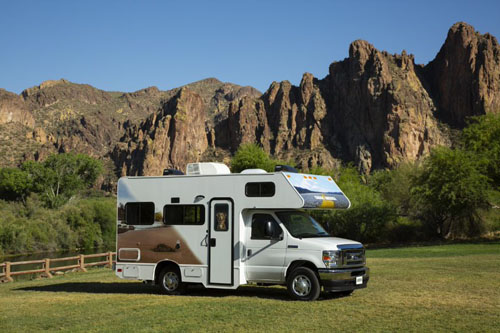
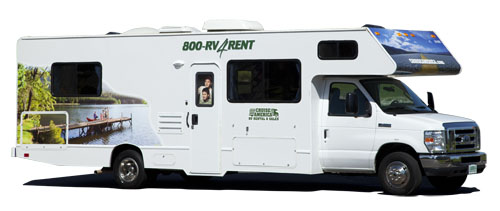
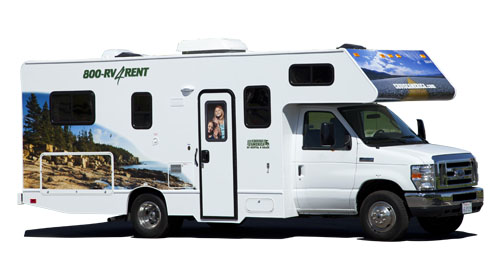
If you're traveling with family or require more living and storage space, Class C Alcove RVs are a popular and practical choice. These typically measure around 7.5 meters long, comfortably sleeping 5-6 people, and consuming about 10-12 Liters/100 Km. They are well-suited for established campgrounds and offer a good balance of space and drivability for longer one-way journeys.
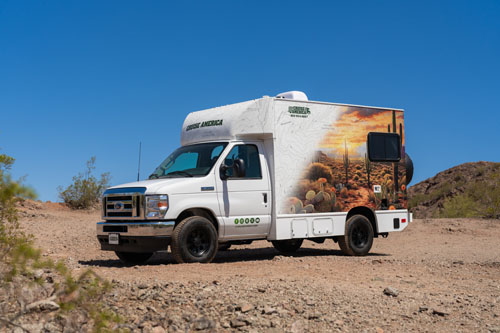
For those seeking rugged, off-grid adventures, Class TC Truck Campers (averaging 5.5 meters and sleeping 2-3 people) provide compact versatility and can often be taken on more challenging terrain. Larger Class A Integrated models, usually around 7.5 meters and sleeping 4-5 people, offer luxurious living spaces and amenities but are best suited for well-maintained roads and larger campgrounds where hookups are readily available.
How to Save on Campgrounds in Canada
To significantly reduce your overall trip expenses during your one-way RV rental in Canada, leveraging campground discounts and employing strategic booking practices is highly recommended. These savings can make your extended journey more affordable and enjoyable.
Many RV rental companies, including Bandana, offer campground discount cards or have partnerships with campground networks. These affiliations can provide substantial savings at participating private and, in some cases, public campgrounds across Canada. Always check with your rental provider for available discounts or programs.
Opting for travel during the shoulder seasons—late spring (May-June) and early fall (September-October)—can also lead to considerable savings. Campground rates are generally lower, and the reduced crowds mean less competition for desirable sites. However, be mindful that some amenities or services might be limited during these off-peak times.
Choosing more budget-friendly camping options is another smart strategy. Municipal, regional, or less-developed provincial campgrounds often offer a more affordable alternative to high-end private resorts, while still providing necessary facilities. Always inquire about weekly rates, as many campgrounds offer discounts for stays of three or more nights. If you’re traveling in a convoy, consider the possibility of sharing hookups with another RV to split costs.
How much does it cost to rent a one-way RV in Canada?
The cost of a one-way RV rental in Canada is influenced by several factors, making it essential to get a clear picture of potential expenses beyond the nightly rate. Typically, you can expect rental costs to range from CAD $150 to $500 per night for a Class C motorhome, but this figure excludes other significant charges.
Key additional expenses include one-way drop-off fees, which can be substantial depending on the distance and demand between pick-up and drop-off locations. Mileage charges also apply if you exceed the basic allowance included in your rental package. Insurance coverage, generator usage fees (often charged per hour), and fuel prices—which can be considerably higher in remote Canadian areas—must also be factored into your overall budget. International renters should also consider the impact of currency exchange rates on their total expenditure.
The season of travel plays a significant role, with peak summer months (July-August) commanding the highest prices due to increased demand. For more budget-friendly options, consider traveling in the shoulder seasons (May-June or September-October). The specific RV class and the duration of your rental will also impact the final cost; larger, more luxurious motorhomes will naturally command higher prices.
Can you drop off an RV in a different city Canada?
Yes, one-way RV rentals are a popular and incredibly convenient option in Canada, allowing you to pick up your motorhome in one city and return it to another, often across different provinces. This flexibility is a major draw for travelers looking to explore vast distances without backtracking.
Most major RV rental companies in Canada facilitate one-way trips between key gateway cities. Popular routes connect major hubs such as Vancouver (British Columbia), Calgary and Edmonton (Alberta), Toronto and Montreal (Ontario/Quebec), and Halifax (Nova Scotia). However, it's important to be aware that availability for these one-way rentals can be limited, especially during peak travel seasons or between less common city pairs. Early booking is highly advisable to secure your preferred route and vehicle.
Be prepared for one-way rentals to almost always incur a substantial drop-off fee. This fee varies based on the distance between the pick-up and drop-off locations, as well as current market demand. When comparing rental options, carefully scrutinize these drop-off charges to ensure they fit within your budget, as they can significantly influence the overall cost of your trip.
What do you need to rent an RV in Canada?
Renting an RV in Canada is a straightforward process, but there are a few essential requirements you'll need to meet to ensure a smooth booking and pick-up experience. These typically include having a valid driver's license, a major credit card for the security deposit, and meeting the minimum age requirements set by the rental company.
A valid driver's license from your home country is usually sufficient for operating most RV classes. However, if your license is not in English or French, obtaining an International Driving Permit (IDP) in conjunction with your original license is strongly recommended. This helps avoid any potential language barriers with law enforcement or rental staff.
Most rental companies in Canada impose age restrictions, typically requiring renters to be at least 21 years old. Some agencies may set a higher minimum age, commonly 25 years old, particularly for larger or more premium RV models. It's crucial to confirm the specific age policies with your chosen rental provider before finalizing your booking. A credit card is also essential, as rental companies require a security deposit, which can be quite significant, to cover potential damages or additional charges.
Familiarize yourself with specific legal restrictions relevant to your travel within Canada. These can include provincial cannabis possession limits, rules for transporting alcohol, and restrictions on certain food items when crossing provincial borders. Staying informed ensures compliance and a hassle-free journey.
Is a one-way RV trip worth it?
Embarking on a one-way RV trip across Canada is an incredibly worthwhile endeavor for travelers who prioritize maximizing their sightseeing opportunities and experiencing the country's diverse landscapes without the constraint of retracing their route.
Despite the added cost of one-way drop-off fees, this travel style offers unparalleled flexibility. It allows you to seamlessly transition from one distinct region to another, perhaps starting on the Pacific coast and ending in the majestic Rocky Mountains, or exploring from the Great Lakes to the historic cities of Quebec and the Maritimes. This approach saves precious vacation time that would otherwise be spent on a lengthy return drive.
A one-way journey is particularly ideal for those with limited time but a strong desire for a comprehensive Canadian adventure. It enables deeper exploration of different provinces and territories, allowing you to fully immerse yourself in the culture, scenery, and experiences each region offers. By eliminating the need to return to your starting point, you can cover more ground and create a truly unforgettable cross-country experience.
How long does it take to RV across Canada?
To RV across Canada from coast to coast, a journey typically spanning over 7,000 kilometers (approximately 4,350 miles) from Vancouver, British Columbia, to Halifax, Nova Scotia, requires a significant time commitment to be truly appreciated.
For a relatively fast-paced trip that allows for essential driving days interspersed with crucial stops for sightseeing and rest, a minimum of 3-4 weeks is recommended. However, to genuinely experience the country's diverse regions, culture, and natural beauty without feeling rushed, allocating 6-8 weeks or even more is highly advisable. This extended timeframe allows for deeper exploration, accounting for varying provincial driving laws, camping regulations, potential weather delays, and wildlife encounters, particularly in remote areas.
Rushing this incredible journey would mean missing out on countless attractions and the subtle charms of different provinces. A longer trip provides the flexibility to savor the experience, explore unique roadside attractions, and truly connect with the places you visit. It’s an investment in an unforgettable adventure across one of the world's most scenic countries.
What is the best time of year to RV in Canada?
The optimal time to RV across Canada generally falls within the shoulder seasons—late spring (May to June) and early autumn (September to October). These periods offer a pleasant balance of good weather, fewer crowds, and often more affordable rental and campground rates, making them ideal for many travelers.
Summer, from July to August, provides the warmest temperatures and ensures full accessibility to all services, attractions, and open campgrounds. However, this is also peak season, meaning higher costs and larger crowds at popular destinations. Booking well in advance is essential if you plan to travel during these months.
Traveling in the shoulder seasons allows for a more relaxed pace and often better value. You can still expect enjoyable weather for sightseeing and outdoor activities, but with less competition for campsites. It's important to be prepared for potential off-season considerations, such as reduced availability of some services in certain areas, potential road closures in mountainous regions due to early or late snow, and the need to pack for a wider range of temperatures. Careful planning regarding weather and accessibility is key for a successful shoulder-season RV trip.
Where can I pick up and drop off RVs in Canada?
Major RV rental companies in Canada strategically position their primary pick-up and drop-off locations in key gateway cities across the country, facilitating convenient one-way travel options for renters.
These hubs typically include major international airports and city centers. Commonly serviced locations are Vancouver (British Columbia), Calgary and Edmonton (Alberta), Toronto (Ontario), Montreal (Quebec), and Halifax (Nova Scotia). These cities not only offer extensive RV fleet options but also serve as strategic points for popular cross-country routes.
While these major cities provide the most flexibility and a wider selection of RVs, availability for specific one-way rentals can still be limited, particularly during peak travel times or between less common city pairings. Therefore, booking your one-way RV rental well in advance is always advisable to ensure you can secure your preferred pick-up and drop-off locations and vehicle class.
Is it easy to drive an RV in Canada?
Driving an RV in Canada is generally considered an accessible experience for most travelers, thanks to a network of well-maintained highways, clear signage, and generally spacious roadways. However, navigating certain areas, particularly urban centers, more remote national park roads, or mountainous terrain, requires extra attention and caution.
Drivers should be aware of specific regional differences and adhere to provincial driving laws, including speed limits which are posted in kilometers per hour (km/h). Mountainous regions, like the Canadian Rockies, can present challenges such as steep grades and winding roads, which demand careful speed management and anticipation. Coastal roads, especially in British Columbia or the Atlantic provinces, can also be narrow and winding.
Always monitor your RV's dimensions, particularly its height and length, to ensure clearance under bridges, in tunnels, and when parking. Be prepared for potential wildlife encounters, especially when driving through rural and forested areas. Respecting local wildlife safety guidelines, making noise when hiking to avoid surprising animals, and driving attentively can help mitigate risks. Familiarizing yourself with the RV's handling characteristics before setting off is also a crucial step for a safe and enjoyable journey.
What are the rules for RV camping in Canada?
RV camping rules in Canada are highly diverse and can vary significantly depending on the province, territory, and the specific type of campground you choose—whether it's a National Park, Provincial Park, private campground, or Crown land. Understanding these regulations is essential for a smooth and respectful trip.
Key rules common across most campgrounds include strict adherence to reservation policies for popular sites, observance of quiet hours, and proper waste disposal at designated dump stations. Many parks also enforce fire restrictions, particularly during dry seasons, to prevent wildfires. Always check specific park regulations before arrival.
National and Provincial Parks often have specific rules regarding wildlife safety. This commonly includes requirements for bear-safe food storage and maintaining a safe distance from animals. Provincial regulations also dictate pet travel rules, such as leash laws and vaccination requirements. It's also important to observe any specific rules related to Indigenous lands or communities you may pass through or visit, ensuring respectful interaction.
Furthermore, cultural nuances and local etiquette are important considerations. Being mindful of language differences, particularly in French-speaking Quebec, and understanding local customs when RVing through or near Indigenous communities will contribute to a more harmonious and enriching travel experience.
Can I cross the US border in a Canadian rental RV?
Crossing the US border in a Canadian rental RV is generally permissible, but it absolutely requires explicit prior authorization from your RV rental company and strict adherence to both Canadian and US customs, immigration, and insurance regulations. Failure to comply can lead to significant delays or penalties.
Most rental agreements have specific clauses regarding cross-border travel. These often involve additional fees and require confirmation that your insurance coverage extends to the United States. It is critical to obtain detailed information from your rental provider about cross-border insurance requirements and how to handle potential claims while in either Canada or the US. Ensure you have all necessary travel documents, such as passports and any required visas, readily available for border officials.
Be prepared for scrutiny at the border regarding prohibited items. Restrictions on certain food items, cannabis (even if legal in both countries, regulations differ), and alcohol can lead to confiscations or more serious issues if not handled correctly. Always declare items accurately and be aware of the specific regulations for both countries before you travel.
Are there specific routes or regions recommended for one-way RV trips in Canada?
Canada offers a wealth of stunning routes and regions perfect for a one-way RV trip, catering to diverse interests from dramatic mountain scenery to historic coastlines. Many of these popular routes conveniently start or end in major RV rental hubs, simplifying logistics.
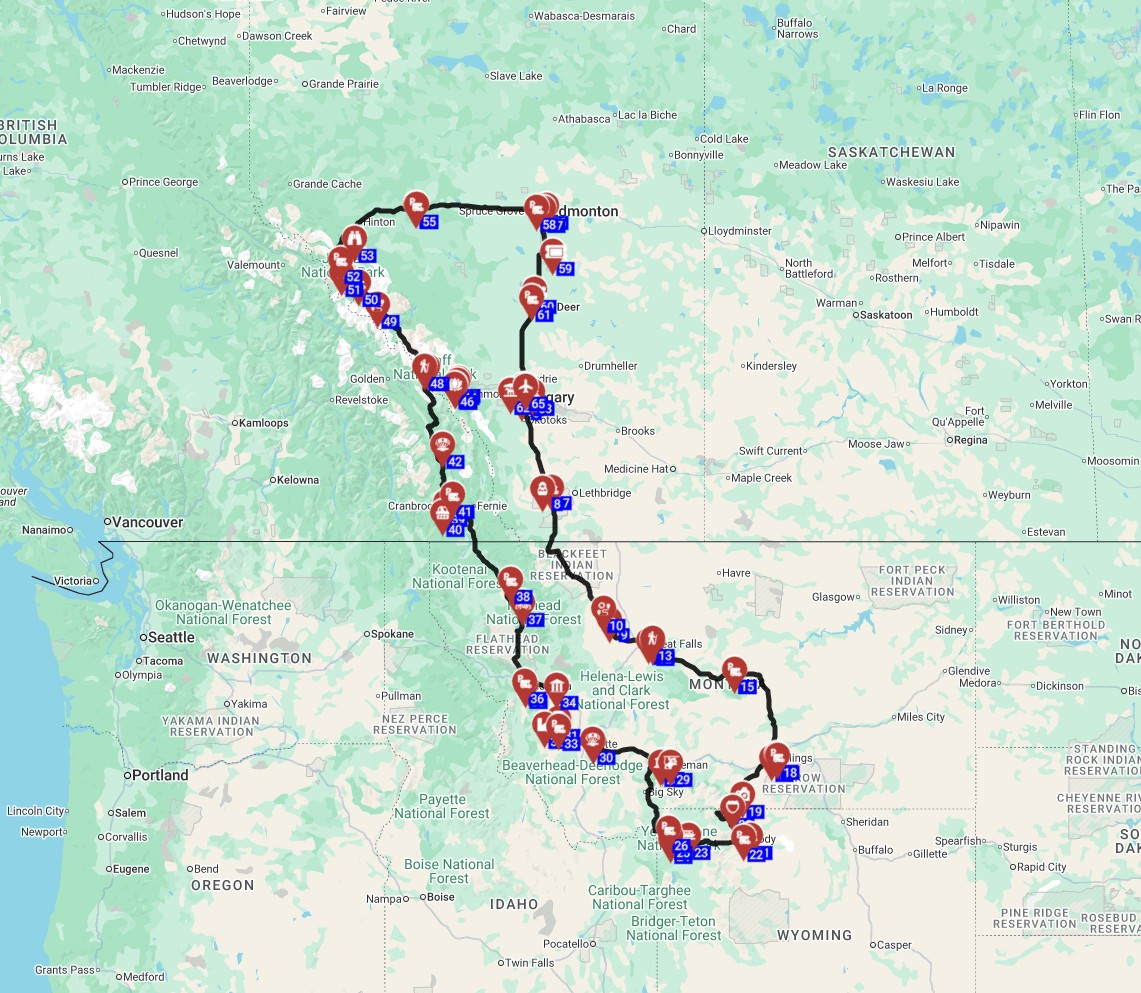
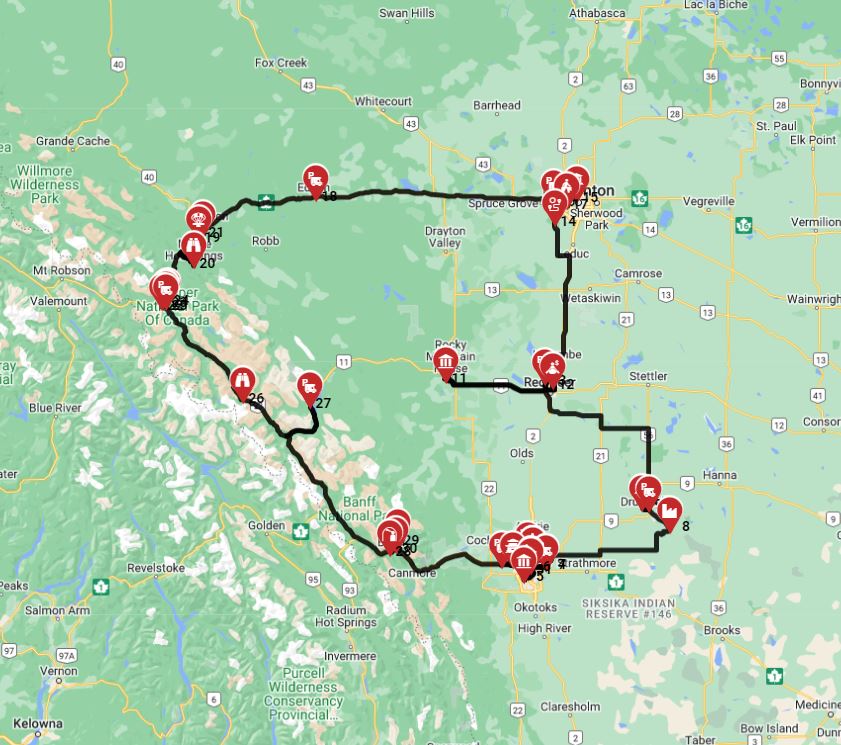
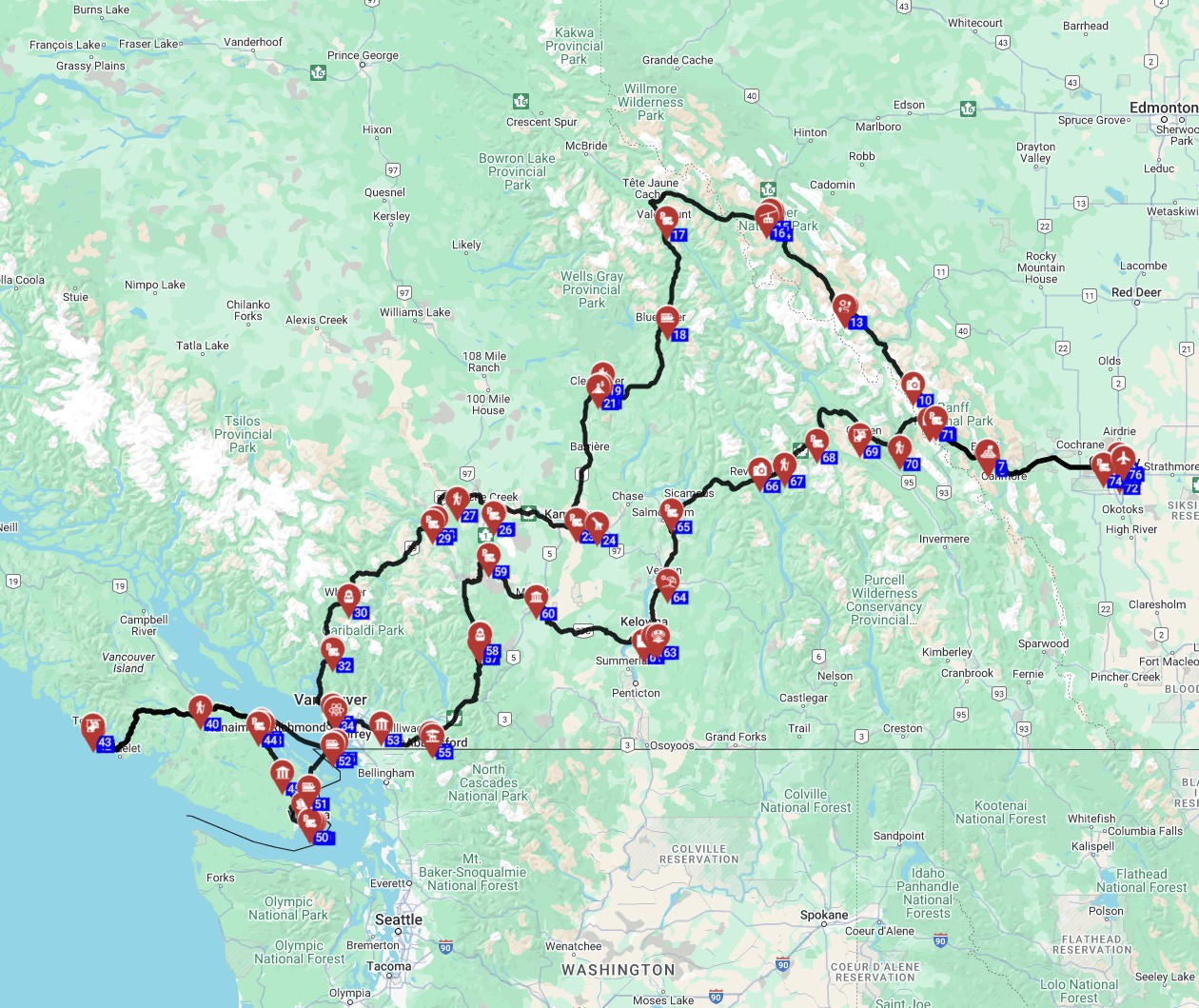
A classic and highly recommended one-way journey is the route from Vancouver, British Columbia, to Calgary, Alberta. This trip traverses the majestic Canadian Rockies, offering unparalleled views of Banff and Jasper National Parks. Along the way, you'll encounter numerous campgrounds, hiking trails, and scenic viewpoints, making it an ideal cross-country adventure.
For those interested in Eastern Canada, a popular one-way option could be from Toronto, Ontario, to Halifax, Nova Scotia. This route explores the Great Lakes region, the historic charm of Quebec City, and the picturesque maritime provinces. You can discover vibrant cities, quaint coastal towns, and a rich cultural tapestry.
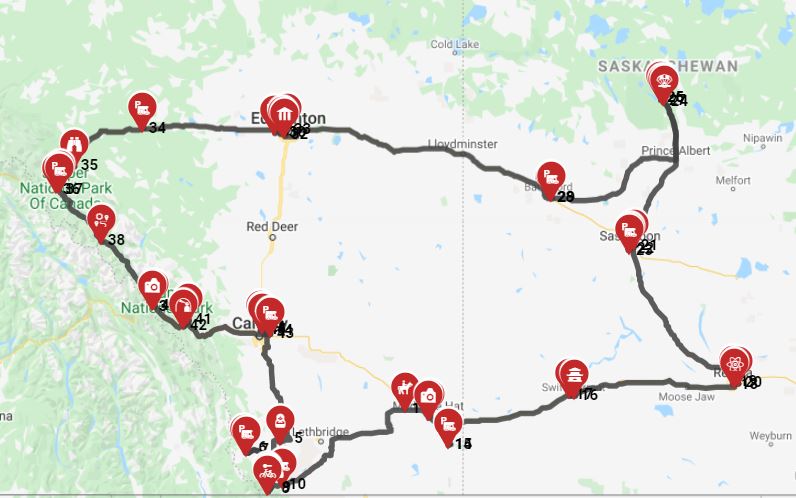
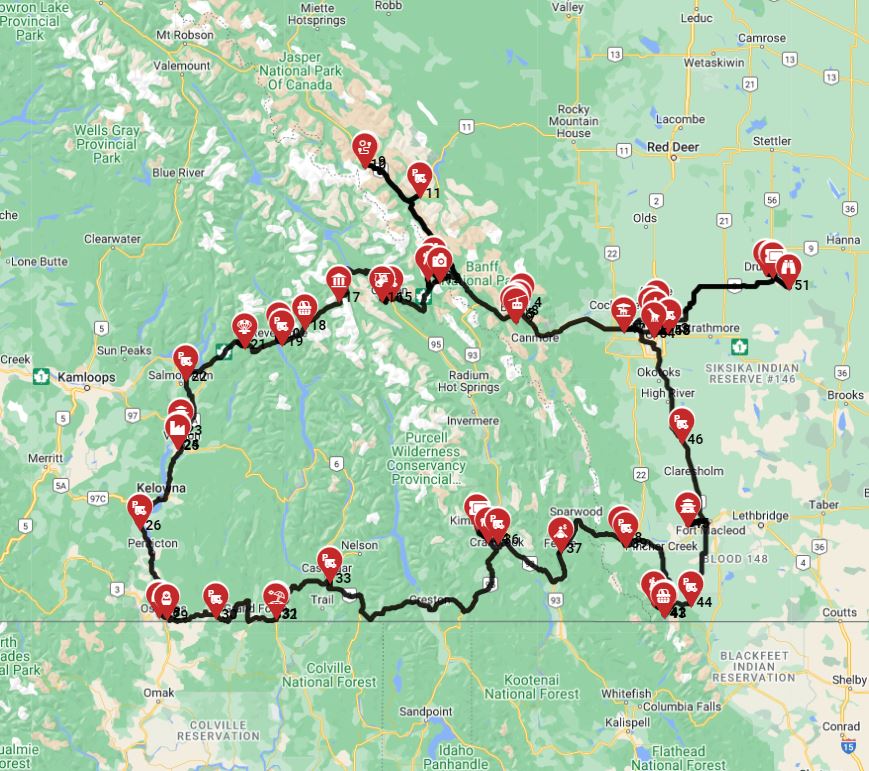
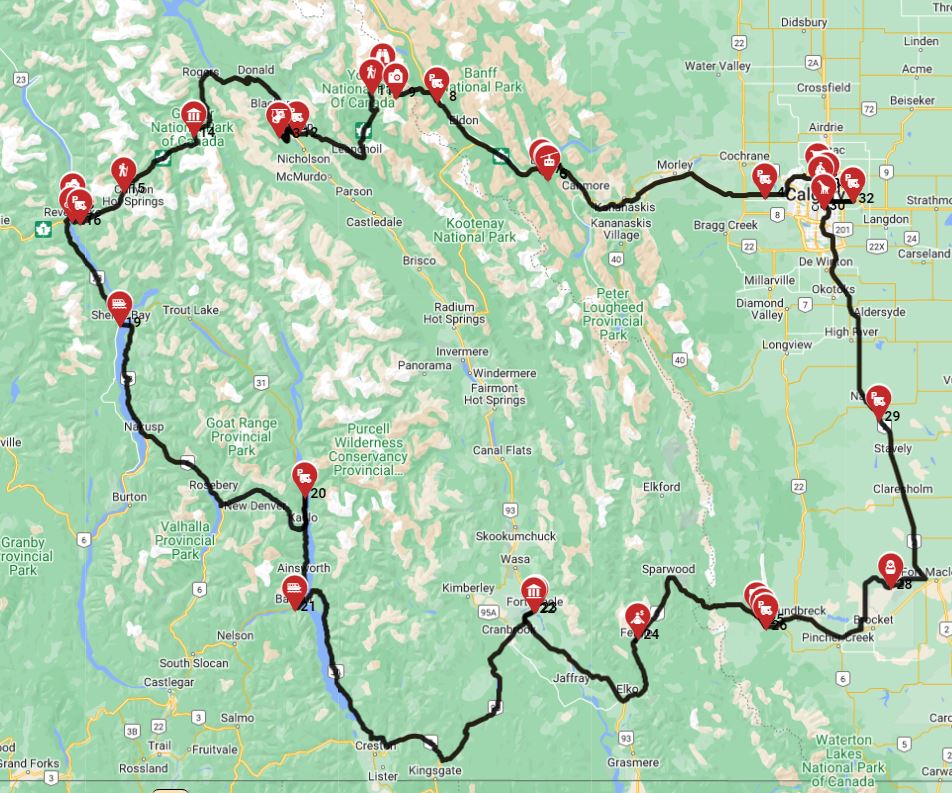
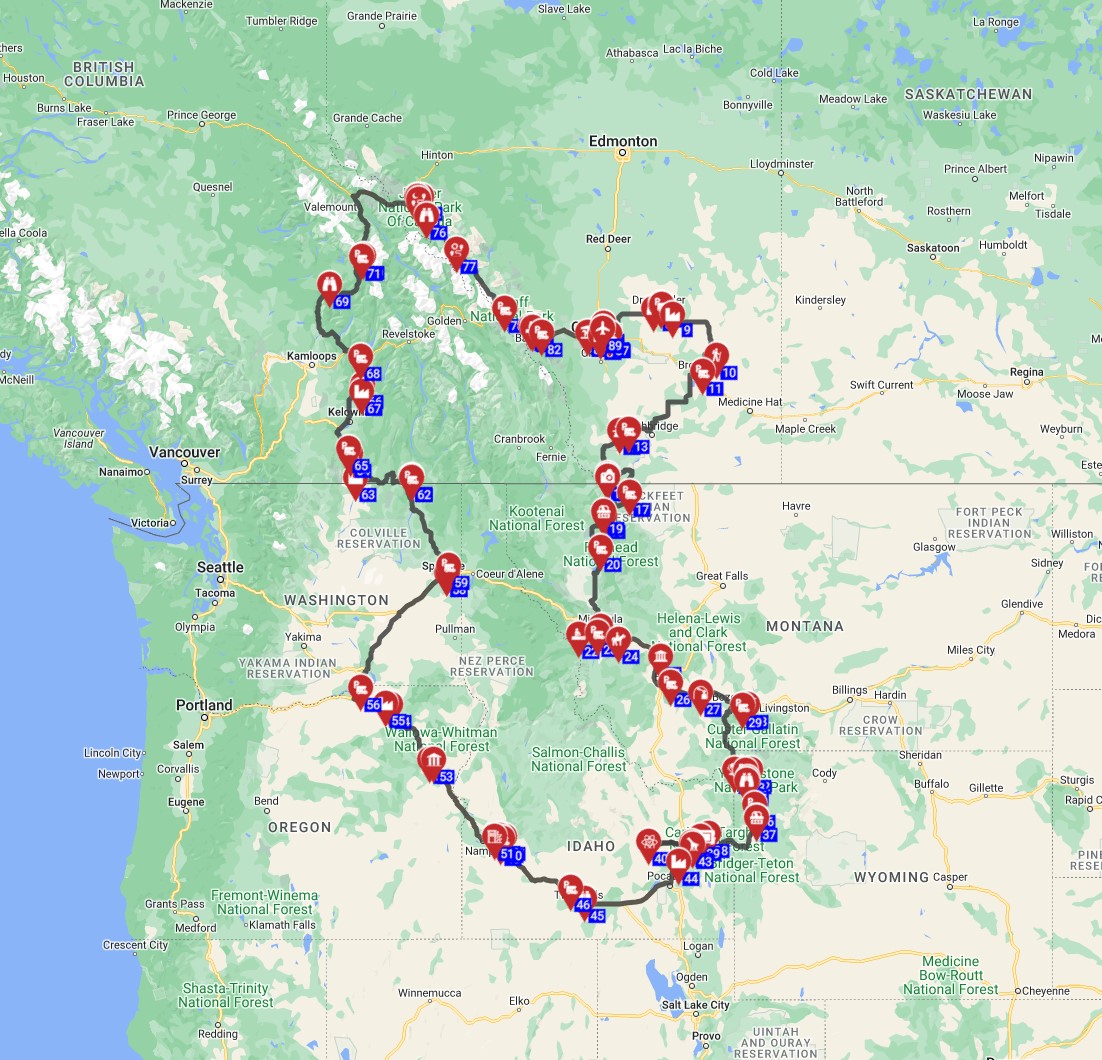
When planning your specific route, always consider the unique regional challenges and nuances. This includes varying provincial driving laws, potential ferry costs (especially if traveling to Vancouver Island or Newfoundland), and the specific attractions or logistical considerations unique to each province or territory you intend to visit. Resources like RV PLANET (rvplan.net) offer curated routes that detail these specifics, helping you plan your one-way RV adventure seamlessly.
What insurance do I need for a one-way RV rental in Canada?
For your one-way RV rental in Canada, ensuring you have comprehensive insurance coverage is paramount for peace of mind and financial protection. This typically includes collision damage, third-party liability, and often roadside assistance.
Most rental companies in Canada provide mandatory basic insurance with your rental. This coverage usually comes with various deductible options, allowing you to choose a level of financial responsibility that suits your comfort. It is highly recommended to consider supplementary liability insurance (SLI) for increased protection, especially when covering extensive distances or traveling through varied terrain.
Crucially, if you plan to drive your Canadian rental RV into the United States, you must clarify cross-border insurance requirements. Not all policies automatically extend coverage into the U.S., and you may need to purchase specific endorsement. Understanding how to handle claims while in Canada, including promptly contacting both the rental company and local authorities, is vital should any incident occur.
Additionally, consider personal effects insurance to cover your belongings within the RV and an enhanced roadside assistance plan. These optional coverages can provide an extra layer of security and support, especially when traveling in remote areas where assistance might be less readily available.
What are typical hidden fees for one-way RV rentals?
When considering a one-way RV rental in Canada, it's vital to be aware of potential hidden fees that can significantly impact your overall budget. Scrutinizing the rental agreement for all possible charges beyond the base rental rate is essential for transparent planning.
The most substantial and common hidden fee is the one-way drop-off charge. This fee can range anywhere from several hundred to potentially thousands of dollars, depending heavily on the distance between pick-up and drop-off locations and current fleet demand. Always compare these fees when getting quotes.
Other frequent charges to watch out for include additional mileage fees if you exceed the basic allowance provided. Generator usage fees are often applied on an hourly basis, so be mindful of running the generator extensively. You might also encounter mandatory vehicle preparation fees, cleaning fees (if the RV is not returned in the agreed-upon condition), charges for convenience kits (like bedding, kitchenware), and various environmental or administrative surcharges. International renters should also account for the impact of currency exchange rates on these additional costs.
What kind of driver's license do I need for an RV in Canada?
For the vast majority of recreational vehicles rented in Canada, particularly those under a certain weight limit (typically up to 11,000 kg or 24,250 lbs), a standard driver's license is sufficient. This means your existing Class 5 license, or its equivalent from your home province or country, is generally all you need.
If your driver's license is not in English or French, obtaining an International Driving Permit (IDP) in conjunction with your original license is strongly recommended. While not always mandatory, an IDP can prevent potential language-related issues with law enforcement or rental agencies and ensures smoother communication.
You typically do not need a commercial driver's license (CDL) unless you are operating exceptionally large or heavy RVs, which are generally not part of standard rental fleets. Always carry your physical driver's license with you while driving, as required by law.
Are there age restrictions for renting an RV in Canada?
Yes, most RV rental companies in Canada do impose age restrictions on renters to ensure responsible operation of their vehicles. The typical minimum age requirement is 21 years old.
However, some rental agencies may set a higher minimum age, commonly 25 years old, especially for larger or more premium RV models like Class A motorhomes. It is essential to check the specific age policies of the rental company you choose before booking to avoid any last-minute complications.
Furthermore, renters who meet the minimum age requirement but are under 25 might also be subject to an additional 'young driver' surcharge. This surcharge helps to offset the increased insurance risk associated with younger drivers. Always confirm the exact age policies and any associated fees with your chosen rental provider when making your reservation.
What essential items should I pack for a one-way RV trip in Canada?
Preparing for a one-way RV trip across Canada requires thoughtful packing to ensure comfort and preparedness for diverse conditions. Essential items include versatile clothing suitable for unpredictable weather, reliable navigation tools, a comprehensive first-aid kit, and crucial emergency preparedness items for remote travel.
Pack layers of clothing, as Canadian weather can change rapidly, even in summer. Include sturdy hiking boots, waterproof rain gear, and sun protection. Essential navigation tools are a GPS device and pre-downloaded offline maps, as cell service can be spotty outside of populated corridors and national parks. A physical map is also a wise backup.
Your emergency kit should be well-stocked with a first-aid kit, any necessary personal medications, and emergency contact information. For remote areas with no cell service, consider carrying a satellite communication device, such as a Garmin inReach or similar, for reliable communication and emergency SOS capabilities. This is a critical safety measure when exploring Canada's vast wilderness.
Additionally, ensure you pack basic cooking supplies, personal toiletries, and any entertainment for downtime. Familiarize yourself with Canadian legal restrictions, such as cannabis possession limits and alcohol transport regulations, especially if you plan to cross the US border.
How does fuel consumption vary by RV class and terrain in Canada?
Fuel consumption in Canada varies significantly by RV class and is notably impacted by terrain, with smaller, more compact models generally being more fuel-efficient than larger units. All RVs will consume more fuel when driving through challenging terrains or adverse conditions.
Bandana's Class B Camper Vans, for instance, typically average around 10 Liters/100 Km, making them the most efficient option for covering long distances. Class C Alcove models tend to consume approximately 10-12 Liters/100 Km, offering a good balance of space and efficiency. Larger Class A Integrated motorhomes, which are essentially mobile homes on wheels, average closer to 11-12 Liters/100 Km due to their size and weight.
The type of terrain significantly affects fuel usage. Driving in mountainous regions, like the Canadian Rockies, requires more engine power and thus increases fuel consumption. Similarly, driving against strong headwinds, on rough roads, or with a heavily loaded RV will invariably lead to higher fuel usage, regardless of the RV class. Be prepared for potentially higher fuel prices in remote Canadian areas, as this can impact your overall travel budget.
What are the best practices for wildlife safety when RVing in Canada?
Best practices for wildlife safety when RVing in Canada, particularly in remote regions and national parks, revolve around proactive measures to secure attractants, maintaining a safe distance, and knowing how to react appropriately to potential encounters.
Always store all food, garbage, and scented items—including toiletries—in your locked RV or in designated bear-proof containers provided at many campgrounds. Never leave food or coolers unattended, and ensure your campsite is impeccably clean to avoid attracting animals. This is crucial for protecting both yourself and the wildlife.
Never approach or attempt to feed wildlife, regardless of how harmless they may seem. If you encounter a bear, the general advice is to back away slowly, make noise while hiking to avoid surprising animals, and carry bear spray, knowing how to use it effectively. Familiarize yourself with specific protocols for different wildlife species you might encounter in various regions of Canada.
For enhanced safety in remote Canadian areas where cell service is non-existent, carrying a satellite communication device (like a Garmin inReach or similar) is a crucial emergency preparedness measure. This allows for vital communication and SOS signaling when you are far from cellular coverage, ensuring help can be summoned if needed.
How can I ensure connectivity in remote Canadian areas?
Ensuring connectivity in remote Canadian areas, where traditional cell service can be highly unreliable or completely absent, requires supplementing your standard mobile plan with alternative solutions. Planning ahead is key to staying connected or safely navigating without it.
While major Canadian cell carriers like Bell, Rogers, and Telus offer the most extensive coverage, it's important to acknowledge that significant dead zones will exist, particularly outside of populated corridors and within many national parks. Relying solely on a single carrier's network may leave you without service for extended periods.
Consider investing in or renting a satellite internet device for reliable communication and internet access in areas without cell service. Options like Starlink Roam offer high-bandwidth data, suitable for streaming and work, while devices like a Garmin inReach are excellent for basic messaging and emergency SOS signaling. These devices can be lifesavers in truly remote locations.
Additionally, before you depart, download offline maps for navigation and entertainment content for your downtime. Many private campgrounds offer Wi-Fi hotspots, but their speeds and reliability can vary greatly, so don't depend on them exclusively for critical connectivity needs.
What You Shouldn't Miss
- Drive the Icefields Parkway (Alberta): A stunning 290 km (180 mi) route connecting Banff and Jasper National Parks, offering breathtaking glacier views, turquoise lakes like Lake Louise and Peyto Lake, and numerous wildlife spotting opportunities.
- Explore the Cabot Trail (Nova Scotia): This scenic highway loops around the northern tip of Cape Breton Island, showcasing dramatic coastal cliffs, rolling hills, and charming fishing villages, with plenty of spots to pull over and enjoy the views in your RV.
- Visit the Canadian Rockies: Beyond Banff and Jasper, consider exploring Mount Robson Provincial Park in British Columbia for Canada's highest peak or Waterton Lakes National Park for unique international peace park landscapes and abundant wildlife.
- Experience the Bay of Fundy's Tides (New Brunswick): Witness the world's highest tides at Fundy National Park. At low tide, you can walk on the ocean floor; at high tide, sea kayaking is a popular activity.
- Discover Quebec City's Historic Charm: Drive your RV to Quebec City and explore the only walled city north of Mexico. Wander through cobblestone streets, visit the Plains of Abraham, and enjoy the European flair.
- Witness the Northern Lights: Head north to territories like Yukon or the Northwest Territories during the winter months for a chance to see the spectacular Aurora Borealis. Jasper National Park is also a designated Dark Sky Preserve, offering incredible stargazing.
Final Thoughts
Embarking on a one-way RV rental across Canada is an incredible way to experience the vastness and diversity of this beautiful country. From the towering peaks of the Rockies to the charming coastal drives of the Maritimes, a rented RV offers the freedom and flexibility to explore at your own pace.
Remember that planning is key, especially for popular national parks and during peak seasons. By understanding the best times to travel, the types of campgrounds available, and the specific requirements for your rental, you can ensure a smooth and unforgettable adventure. For finding the perfect campsites and campgrounds along your route, we highly recommend using RV PLANET (rvplan.net) – it’s a fantastic resource for locating available spots and planning your itinerary.
With Bandana Caravan, you get true RV specialists dedicated to making your rental experience transparent and easy. We’re here to help you navigate the details, so you can focus on living the journey and creating lasting memories on your Canadian road trip. Get inspired for your next trip and start planning your adventure today!
For ideas you can prep on the road, watch our RV-friendly recipes playlist on YouTube.