In This Guide
- Where to Camp in West Europe - Top Options
- Campground Types in West Europe (National, Private, Wild)
- Featured RV Park or Campground in West Europe
- Hookups & Amenities - What to Expect
- Booking Windows & Reservations in West Europe
- Nearby Supermarkets & Resupply Points
- Best RV Class for Camping in West Europe
- How to Save on Campgrounds in West Europe
- What is the average cost of RV rental in Europe?
- Is it worth renting an RV in Europe?
- Is it difficult to drive an RV in Europe?
- What license do I need to drive an RV in Europe?
- Can US citizens drive an RV in Europe?
- How much does it cost to RV camp in Europe?
- What is the best time to RV in Europe?
- How long can you wild camp in Europe?
- Can you freedom camp in France?
Embarking on a motorhome adventure across West Europe offers unparalleled freedom and the chance to discover hidden gems at your own pace. For live availability and current prices, start with our RV Rental West Europe - Complete Guide 2026 guide. Imagine waking up to the sounds of the French countryside, cooking breakfast with fresh ingredients from a local market, and deciding on a whim whether to explore a historic city or hike through breathtaking mountains. This isn't just travel; it's a lifestyle experience that brings you closer to the heart of each destination.
At Bandana Caravan, we believe in making this dream a reality with full transparency and no hidden fees, ensuring your journey is as smooth and enjoyable as possible. We’re true RV specialists, dedicated exclusively to motorhome travel, offering personal service from day one until your booking is confirmed. Whether you're a seasoned RVer or planning your first week-long trip, West Europe has something for everyone, and we're here to help you find the best deals on camping and campervan rentals. For more comprehensive planning, consider our RV Rental Europe - Complete Guide 2026 which offers a broader overview of the continent.
Where to Camp in West Europe - Top Options
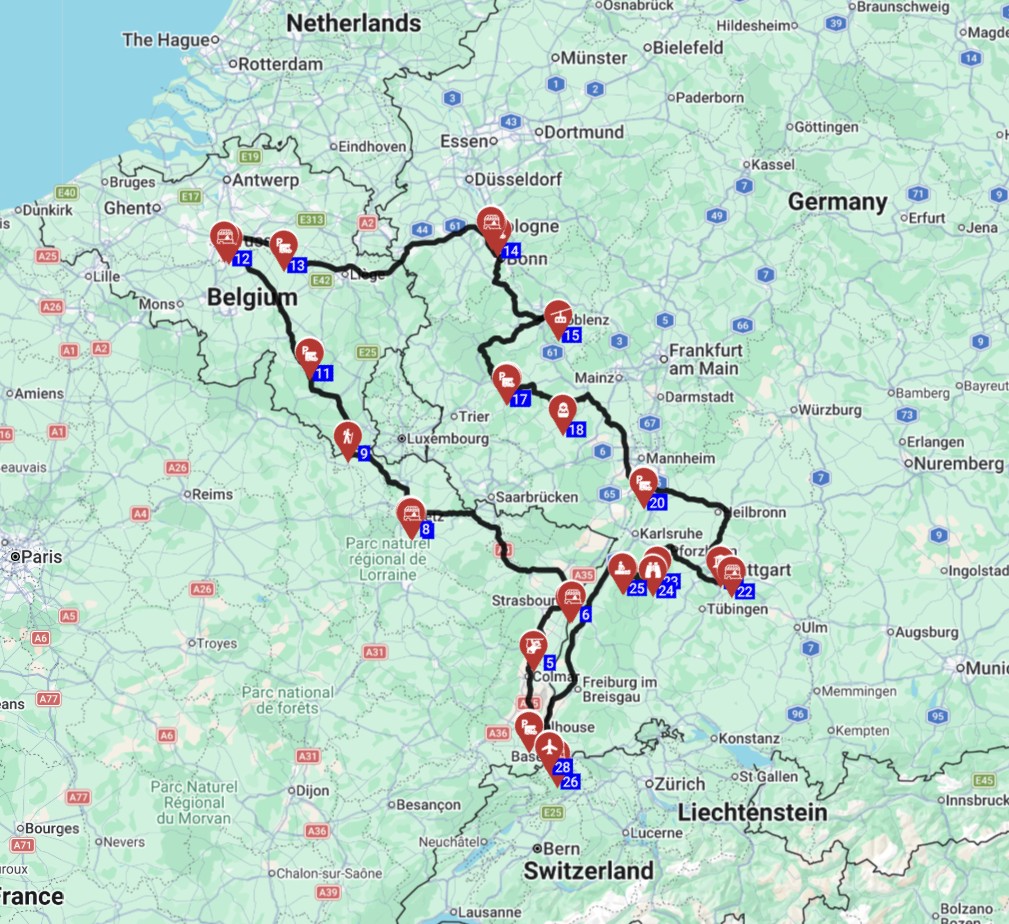
West Europe offers diverse camping experiences, from coastal campsites in Portugal's Algarve to mountain retreats in the French Alps and cultural immersions near historic German towns. Picture yourself pulling up your rented motorhome right on the edge of the Atlantic in Portugal, with the salty air invigorating your senses. Alternatively, you might prefer the serene lakes of Switzerland and Austria, surrounded by towering peaks perfect for adventurous hiking. Popular regions for RV camping also include the scenic coasts of France and the rolling hills of Tuscany in Italy, each providing a unique backdrop for your adventure. You can find convenient stops throughout Germany, such as near the Rhine River or within easy reach of charming Bavarian villages.
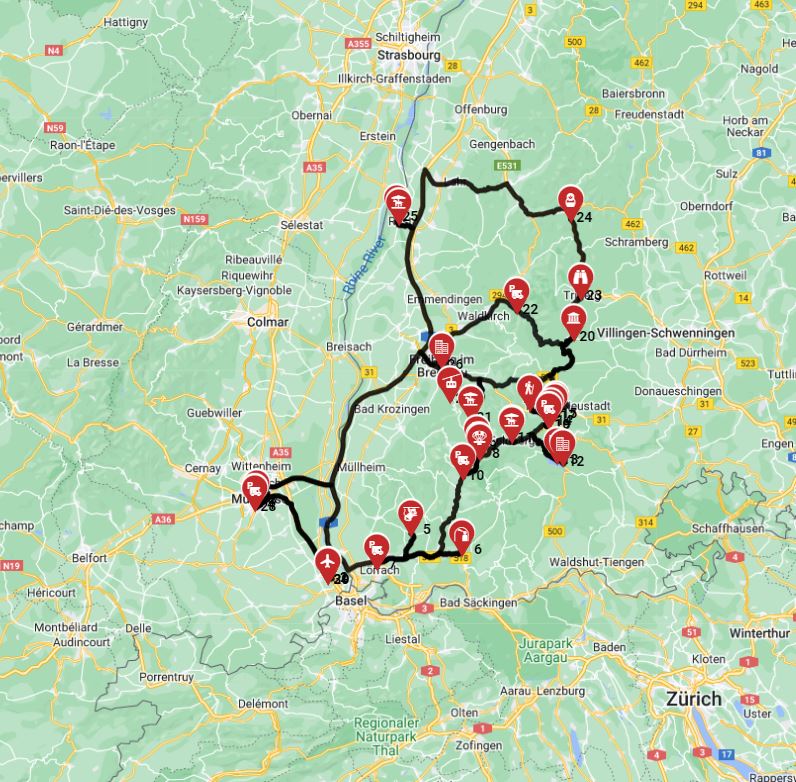
When selecting your camping spots, consider areas known for their natural beauty, easy access to hiking or cycling trails, or proximity to charming villages and cultural sites. For example, the Dordogne region in France offers a blend of prehistoric caves and medieval castles, while the Black Forest in Germany is renowned for its dense forests and quaint spa towns. Travelers looking for coastal relaxation might head to the Netherlands for its expansive beaches and efficient public transport, or to Belgium's coastal towns. We recommend travelers embrace slow travel, averaging a maximum of 100-150 km per day, allowing ample time to feel the place, connect to the culture, the food, and the scenery. Remember, with a rented RV, your lodging travels with you, offering unparalleled flexibility to adapt your itinerary as you discover new favorites.
Campground Types in West Europe (National, Private, Wild)
West Europe provides three main campground types for your rented motorhome: national/municipal sites, private campgrounds, and wild camping (also known as boondocking or freedom camping). National and municipal sites are often budget-friendly, located in natural settings, and provide basic amenities like fresh water and dump stations, reflecting local charm. These are excellent choices for travelers seeking simplicity and a deeper connection with nature, and you'll find them scattered across countries like France, Germany, and Spain. For example, many French villages offer municipal campsites that are inexpensive and well-maintained. On the routes offered through RV PLANET routes, you can itemize and track every expense along the way for easy budgeting.
Private campgrounds typically offer more extensive facilities like swimming pools, restaurants, and entertainment, appealing to families but at a higher cost, often ranging from €30-€60+ per night. These resort-style parks are prevalent in popular tourist areas of Italy, Portugal, and the Netherlands. Wild camping regulations vary significantly by country in West Europe; while broadly prohibited in some areas (e.g., Netherlands, Germany) it may be tolerated or legal with restrictions in others (e.g., France's Aires de Services, designated spots in Portugal), requiring strict adherence to 'leave no trace' principles. It is crucial to research local laws for each country and region you plan to visit to avoid fines. Always prioritize designated campsites for safety and convenience, but know that options exist for the more adventurous spirit.
Featured RV Park or Campground in West Europe
When choosing an RV park in West Europe, look for establishments that balance natural beauty with essential amenities and convenient access to local attractions. Many top-rated parks offer well-maintained pitches, clean sanitary facilities, and essential electrical hookups (230V, requiring a CEE blue plug for power). These often provide additional services like laundry, Wi-Fi (sometimes for a fee), on-site shops, and recreational activities, enhancing the overall travel experience for your rented campervan. A great example of a top-rated area to look for such parks is along the Mosel River in Germany, where numerous campsites offer picturesque views, wine-tasting opportunities, and easy access to cycling paths.
Prioritize locations with positive reviews for cleanliness, service, and accessibility for your chosen RV class, ensuring a comfortable and enjoyable stay. For example, Camping Bella Italia on Lake Garda in Italy offers extensive facilities perfect for families, while Camping Caravaning La Plage in Biarritz, France, provides direct beach access and a vibrant atmosphere. Remember that with a rented motorhome like the "MHC24" (a Class C motorhome with sleeping places for 6 and a 150L fresh water tank), you'll appreciate sites with robust amenities. Booking these popular sites in West Europe during peak season, especially in the summer months (June-August), can be challenging without advance reservations.
Hookups & Amenities - What to Expect
In West Europe, RV campgrounds typically offer standard hookups including 230V electricity, fresh water, and grey/black water dump stations, often requiring a CEE blue plug for power. For travelers from the US, it's important to remember that electrical connections are universally 230V, so you will need appropriate adapters and converters for any 120V devices you bring. This ensures your devices, from phone chargers to small kitchen appliances, function seamlessly in your rented motorhome.
Beyond essential hookups, many campgrounds provide Wi-Fi (sometimes for a fee), laundry facilities, hot showers, and toilet blocks, which are usually well-maintained. You might also find on-site bakeries, small markets, and children's play areas, especially in larger private resorts. For sustainability, many sites encourage responsible water usage and waste disposal, aligning with eco-friendly RV travel practices. When you're preparing meals on board your rented campervan, whether it's a simple breakfast or a more elaborate dinner, having fresh water and a dump station readily available makes a world of difference. Explore our RV-friendly recipes playlist for delicious meal ideas to cook in your RV kitchen.
Booking Windows & Reservations in West Europe
For RV travel in West Europe, pre-planners should book popular campsites several months in advance, especially during peak summer (June-August) and national holidays, to secure desired spots and potentially find RV Rental Deals in West Europe - Latest Offers 2026. For example, in high-demand regions like the French Riviera or Italy's Dolomites, booking 3-6 months ahead is highly advisable. However, spontaneous travelers can often find same-day or next-day availability in municipal or less-known campgrounds, particularly during the shoulder seasons (April-May, September-October). It's a common misconception that all spots are booked solid; many national park campgrounds, for instance, reserve only 25-30% of their spots, leaving the majority available on a first-come, first-served basis, offering flexibility for adventurous travelers. Always check local guidelines for specific areas, as the approach can vary.
While you will almost certainly find a place – if not at the first campground, then the next – it is always recommended to call ahead before driving a significant distance, especially with a larger Class C motorhome. This common-sense approach saves time and avoids disappointment. We at Bandana Caravan are true RV specialists, ready to help you navigate the booking process and ensure you have all the information you need for your chosen rented RV, even for last-minute bookings. Remember, prices are dynamic and change daily based on availability, seasonality, and supplier marketing decisions, so the final price is set at the actual booking time.
Nearby Supermarkets & Resupply Points
RV travelers in West Europe will find numerous options for resupply, with major supermarket chains like Lidl, Aldi, Carrefour, E.Leclerc (France), Rewe, Edeka (Germany), Mercadona (Spain), and Jumbo (Netherlands) widely available. These stores provide a comprehensive range of groceries, fresh produce, and household essentials at competitive prices, making self-catering in your rented campervan convenient and budget-friendly. Imagine stocking your RV's refrigerator with local cheeses, fresh bread, and regional wines, ready for an impromptu picnic with a stunning backdrop.
Beyond large supermarkets, look for local markets ('marchés' in France, 'Wochenmärkte' in Germany, 'mercati' in Italy) for fresh, regional produce, artisanal goods, and a more authentic shopping experience. These markets are not only excellent resupply points but also offer a wonderful opportunity for cultural immersion. Many towns also feature smaller convenience stores or 'épiceries' for quick top-ups, though prices may be slightly higher than larger supermarkets. Planning your grocery stops ahead of time can significantly impact your overall trip cost, including fuel, campground fees, and other daily expenses. For easy budgeting and tracking every expense along the way, we recommend utilizing RV PLANET routes.
Best RV Class for Camping in West Europe
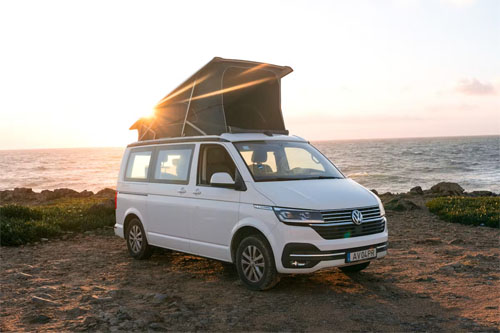
For navigating West Europe's varied landscapes, including narrow village roads and city access, Class B Camper Vans and Class SI Semi-integrated RVs are generally the most suitable options for your rental. Imagine driving a compact yet fully equipped campervan like the "V3" (5.99m length, 2 seats, 100L fresh water tank) through charming medieval towns or along coastal paths, with the flexibility to park in smaller spaces. Our Class B Camper Vans, averaging 5.8m in length with fuel consumption of 8-10 Liters/100 Km, offer excellent maneuverability and are ideal for couples or small families (avg. 2.7 adults) seeking flexibility and easier parking.
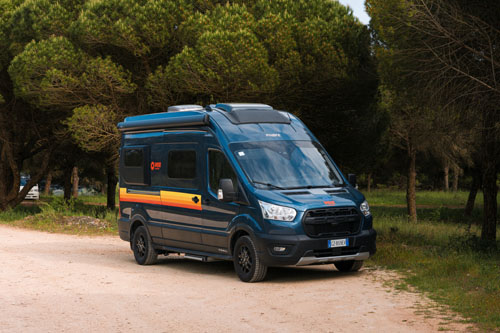
Bandana's Class SI Semi-integrated RVs, averaging 6.9m in length with fuel consumption of 10-11 Liters/100 Km, provide a comfortable balance of space (avg. 3.4 adults) and manageability, making them suitable for longer trips while still being agile enough for most European roads. While larger Class C Alcove and Class A Integrated RVs offer more space, their size (avg. 7.5m) can present challenges on historic routes, in small towns, and in urban areas, making them less ideal for comprehensive touring. However, it's important to remember that you can drive almost anywhere without issues, regardless of RV size; just drive slowly and carefully, use common sense, and pay attention. There's no need to stress about size. For an idea of how various vehicle types influence costs, check out our RV Rental in West Europe - Prices and Best Deals 2026 guide.
How to Save on Campgrounds in West Europe
To significantly save on campground costs in West Europe, utilize specialized discount cards like ACSI CampingCard International or CampingKey Europe, which offer reduced rates (often up to 50%) during off-peak seasons. These cards can be purchased online before your trip and are widely accepted across thousands of campsites in France, Germany, Italy, and beyond. Imagine cutting your nightly camping fees from €30 to €15, freeing up more of your budget for experiences.
Opt for municipal or regional campgrounds over private resorts, as they often provide essential amenities at a lower price point, especially in less touristy areas. Booking during the shoulder seasons (spring and autumn) can result in considerably lower nightly rates and fewer crowds compared to peak summer travel. Consider staying for three or more nights at a single location, as many campgrounds offer weekly rates that provide a better value than nightly bookings. Finally, utilizing free overnight parking spots where legal or tolerated, such as France's extensive 'Aires de Services' network, can eliminate camping fees entirely for some nights, making your rented motorhome adventure even more budget-friendly. Always check local signage and regulations when opting for such spots.
What is the average cost of RV rental in Europe?
RV rental costs in West Europe vary widely by season, RV class, and rental duration, typically ranging from €70-€150 per day in shoulder season to €150-€250+ per day in peak summer for a mid-sized model like a Class C Alcove. Factors influencing price include the age and luxury of the rented RV, included mileage, insurance options, and additional fees for cleaning or extra equipment. For instance, a "Category Large" motorhome for a family of 4+ would naturally cost more than a compact "EcoLine 2" campervan for a couple. Bandana Caravan offers full price transparency, so you'll never encounter hidden fees or surprises.
For long-term trips (e.g., 3 months), RV travel can become more cost-effective than a combination of hotels, car rentals, and frequent restaurant dining, despite initial rental and fuel expenses. Hidden costs to budget for include fuel (diesel is common and typically around €1.70-€2.00 per liter), toll roads (e.g., French 'péages' or Italian 'autostrade'), campsite fees, and potentially higher insurance deductibles, all of which contribute to the overall travel expense. You can upgrade to a top-level deductible for extra peace of mind, though it's not included by default. Keep these in mind when considering a Weekly RV Rental in West Europe - Pricing 2026 or longer trip.
Is it worth renting an RV in Europe?
Renting an RV in West Europe offers unparalleled freedom, flexibility, and often significant savings for families or groups compared to combining hotels, car rentals, and restaurant meals, especially for extended trips. The ability to cook your own meals and spontaneously change itineraries provides a unique and immersive travel experience, fostering deeper cultural engagement. Imagine making fresh pasta in your rented motorhome near Rome or grilling local seafood by the Portuguese coast. Our RV-friendly recipes playlist offers inspiration for these culinary adventures.
While driving larger vehicles on narrower roads and finding parking in cities can be challenging, the benefits of self-contained travel and access to stunning natural areas often outweigh these minor inconveniences. Drive slowly and carefully, and you can navigate almost anywhere without issues. RV travel promotes a responsible and eco-friendly approach, allowing travelers to minimize their environmental impact by conserving resources and supporting local economies through direct purchases. Given our partnerships with 50+ leading RV suppliers worldwide, including El Monte and Apollo, Bandana Caravan is uniquely positioned to help you find the perfect rental for your West Europe adventure.
Is it difficult to drive an RV in Europe?
Driving a rented RV in West Europe can present challenges due to narrower roads, different driving customs (like roundabouts), and specific regulations like city emission zones and tolls, but these are manageable with preparation and the right vehicle choice. West Europe drives on the right side of the road, and speed limits are typically 50 km/h in urban areas, 90 km/h on rural roads, and 120-130 km/h on highways. Many historic towns and rural roads were not designed for large vehicles, making smaller RVs (like Class B campervans) preferable for maneuverability and parking, yet larger Class C motorhomes can also navigate them with careful driving.
European toll systems (e.g., French 'péage,' Italian 'autostrade,' and Germany's 'Umweltzonen' which require a 'Feinstaubplakette' sticker for city entry) require advance understanding or planning for specific routes. We recommend checking these details before you depart. Language barriers can complicate navigation or roadside assistance, making a reliable GPS with RV-specific routing and basic language phrases essential for a smoother journey. Always remember: drive slowly and carefully, and you can drive almost anywhere without issues. No need to stress - just use common sense and pay attention to local signage.
What license do I need to drive an RV in Europe?
To drive an RV in West Europe, non-EU citizens typically require a valid domestic driver's license alongside an International Driving Permit (IDP), which translates your license into multiple languages. This IDP is highly recommended, though not strictly mandatory in all countries, but it serves as valuable identification and translation, especially during police checks or in case of an accident. A standard car driver's license (equivalent to a US Class D or European Category B) is sufficient for all motorhome classes with a Gross Vehicle Weight Rating (GVWR) up to 3,500 kg (7,700 lbs). No special license, CDL, or additional permits are required for any rental motorhome from our fleet, even for larger Class A models.
For example, a rented campervan like the "Active Bunk" (a Class B Camper Van) or a "Category Medium" Class SI Semi-integrated motorhome would fall within this weight limit. Always verify specific licensing requirements for each country you plan to visit, as regulations can have minor national variations, to ensure full legal compliance. Remember, the minimum rental age for all Bandana Caravan motorhomes is 21 years old, with no young driver surcharges or vehicle class restrictions based on age, making RV travel accessible to a wider range of adventurers.
Can US citizens drive an RV in Europe?
Yes, US citizens can drive an RV in West Europe provided they meet the licensing requirements, which usually include a valid US driver's license and an International Driving Permit (IDP) obtained prior to departure. While it's technically possible to ship a US-spec RV to Europe, renting a locally compliant RV is often more practical due to significant differences in vehicle size, electrical systems (230V vs. 120V), and standard left-hand drive vehicles. Renting a motorhome directly in Europe ensures the vehicle is already adapted to local regulations, road conditions, and utility hookups, simplifying your travel experience and allowing you to focus on the journey.
Ensure your US driver's license is current and that you carry your IDP at all times, as it is a legal requirement in most European countries for non-EU drivers. We cover over 50 countries with local expertise and support, offering bookings in 30+ currencies with full price transparency. With our direct partnerships with leading RV suppliers, we make it easy for US travelers to find their ideal rental, whether it's a compact "Active Classic" campervan for two or a spacious "Family Standard" motorhome for four. This makes exploring destinations like Berlin, Paris, or Rome by rented RV an exciting and achievable dream.
How much does it cost to RV camp in Europe?
RV camping costs in West Europe vary significantly, with basic pitches at municipal sites potentially costing €15-€30 per night, while private campgrounds with full amenities can range from €30-€60+. For instance, a spot in a charming municipal campsite in rural France might be €20, whereas a full-service park in the Swiss Alps during peak season could easily exceed €55. Factors influencing price include the campground's location (coastal vs. inland, proximity to major attractions like the Eiffel Tower or Neuschwanstein Castle), the season (peak vs. shoulder), and the level of amenities offered, such as swimming pools, restaurants, or entertainment programs.
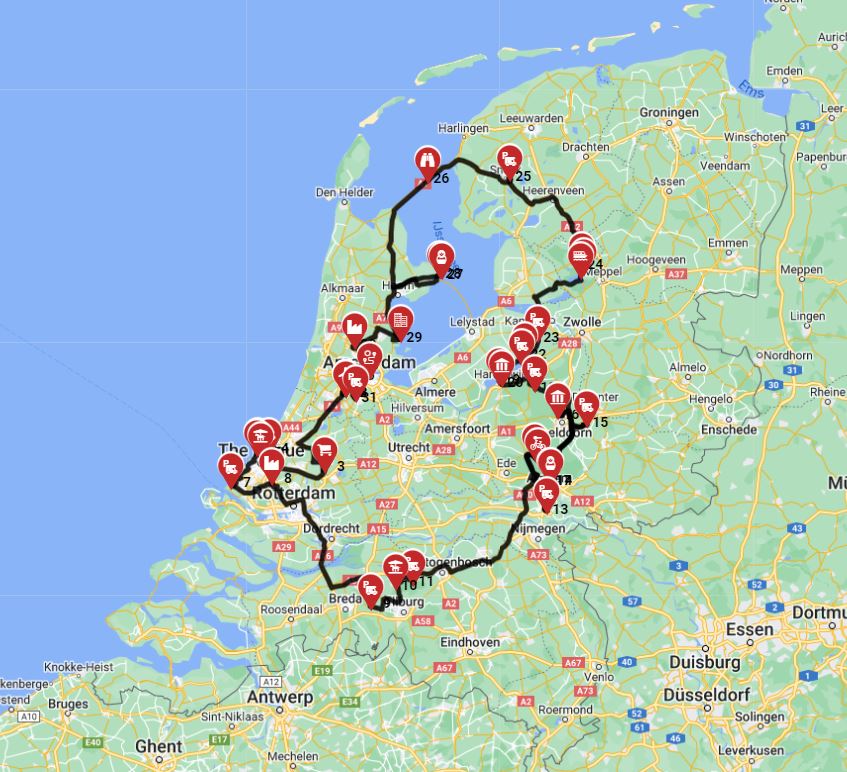
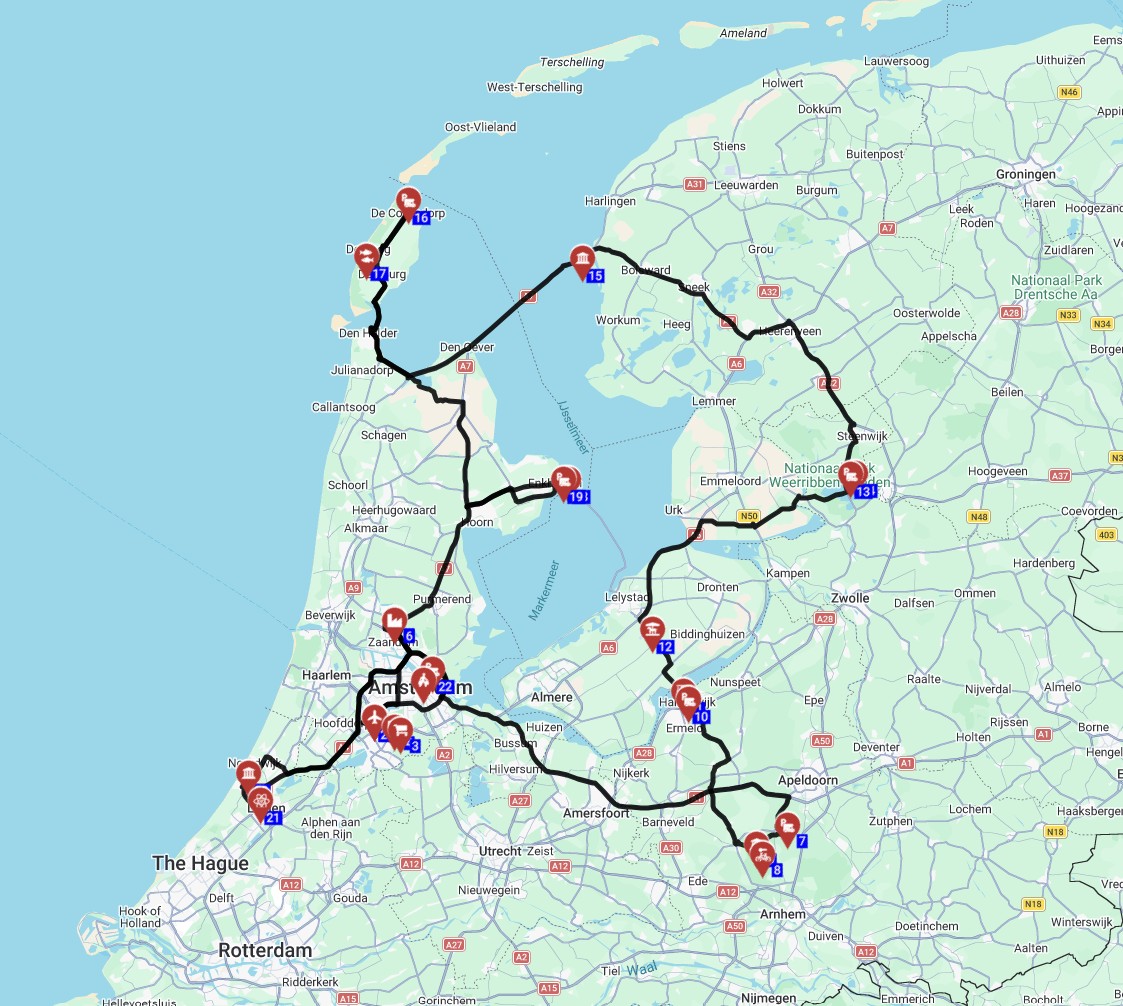
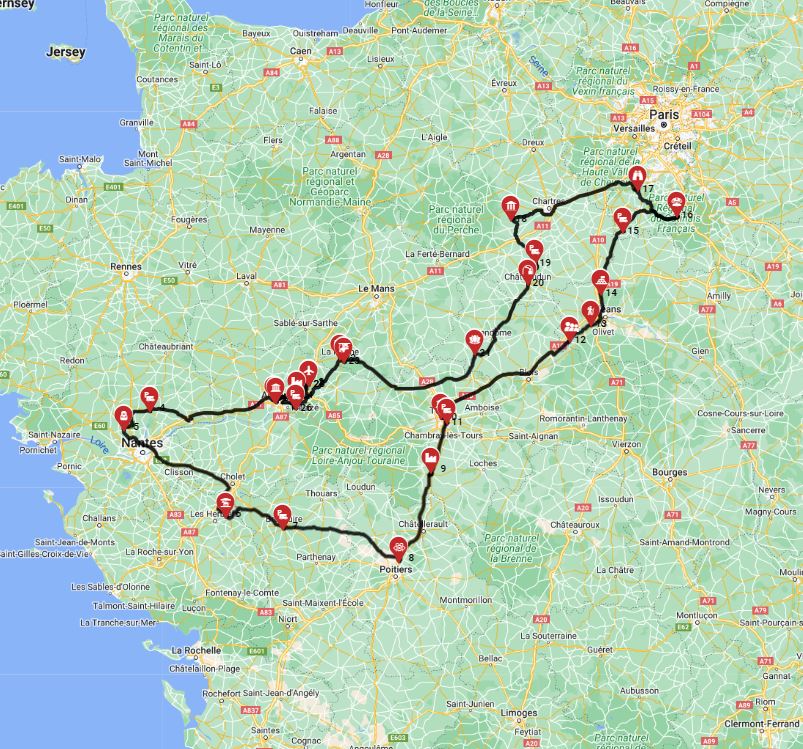
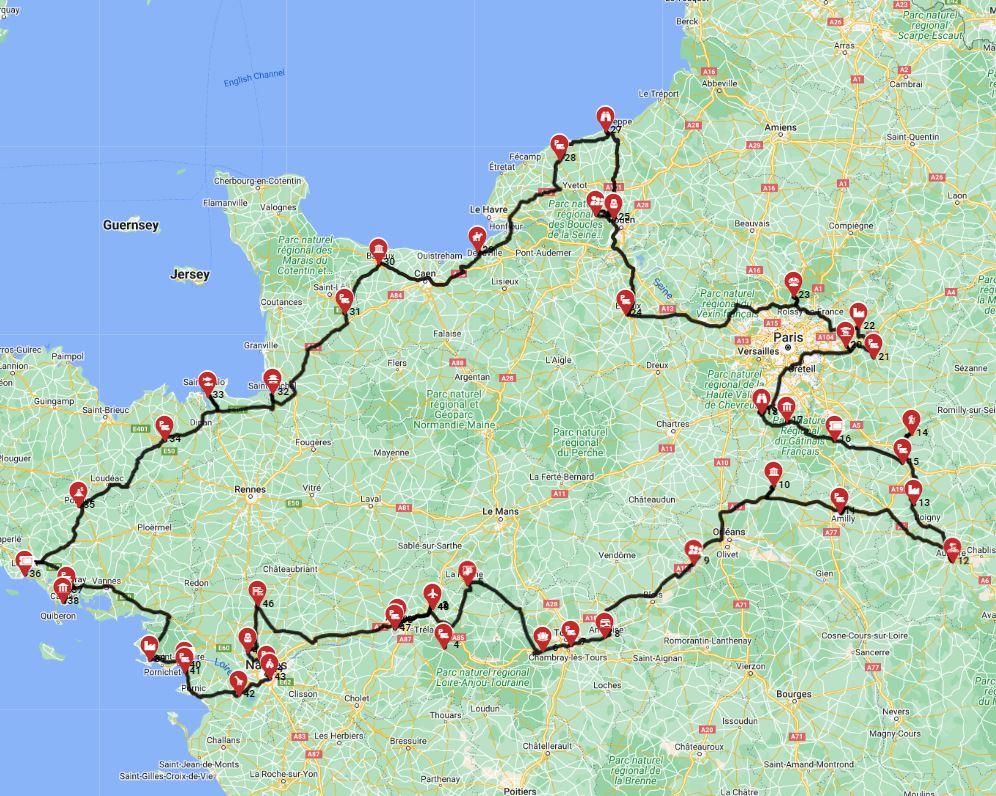
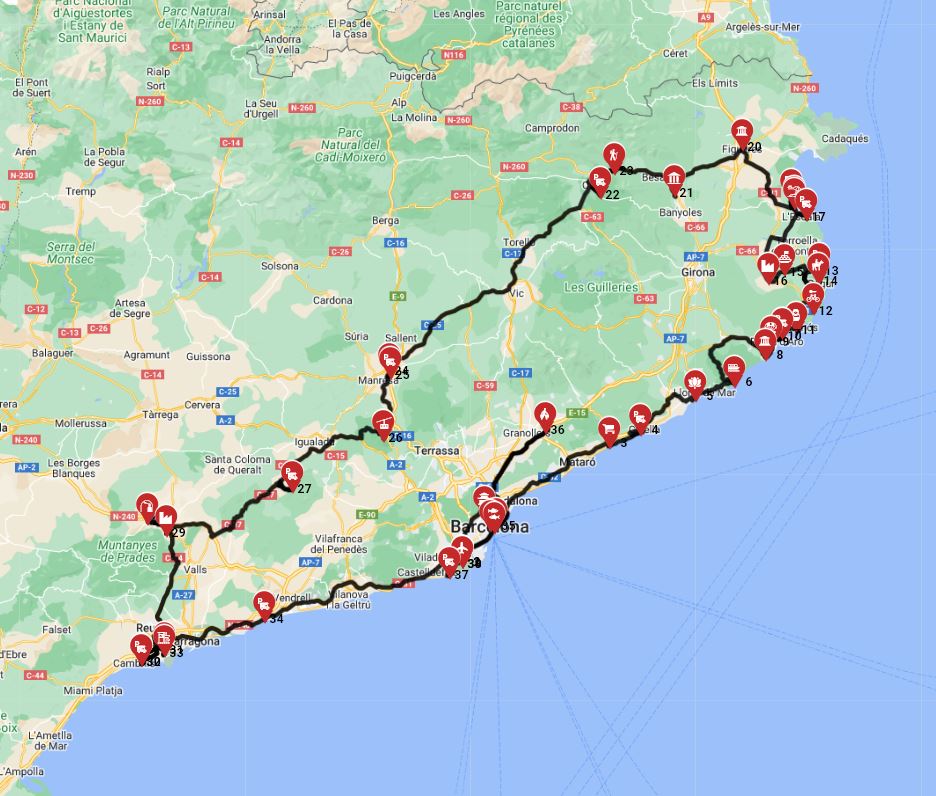
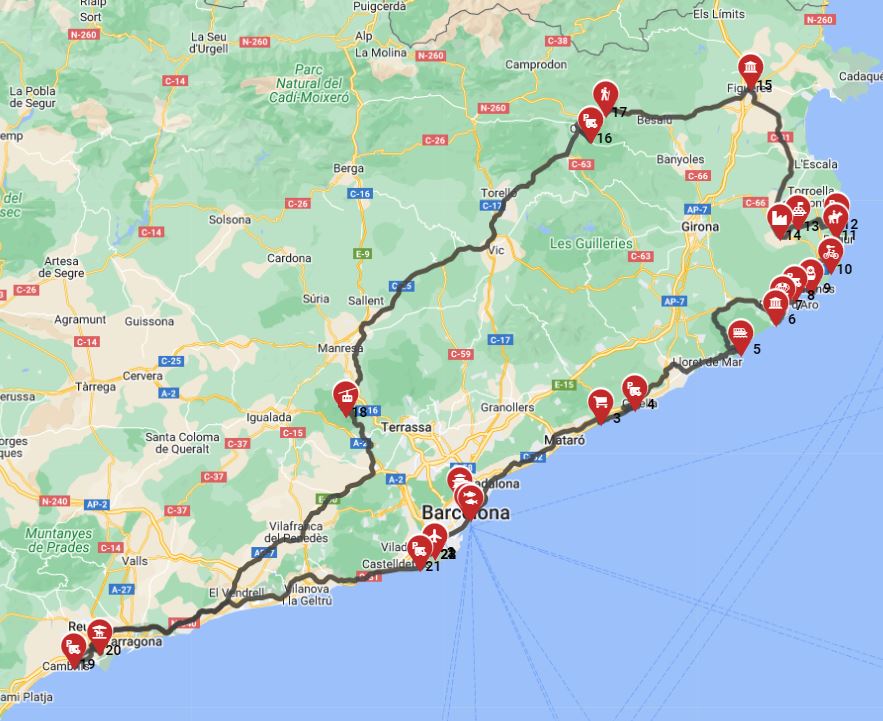
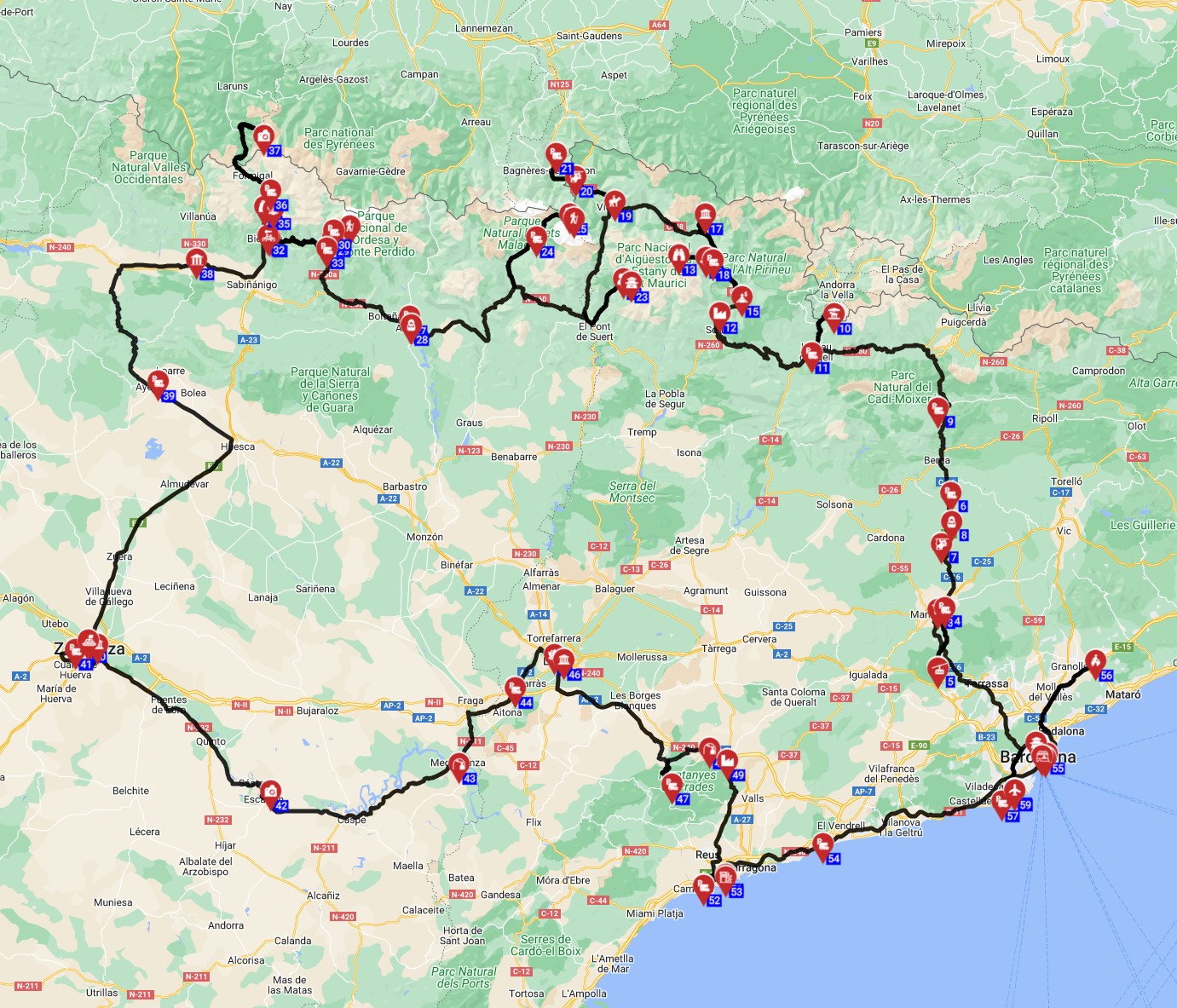
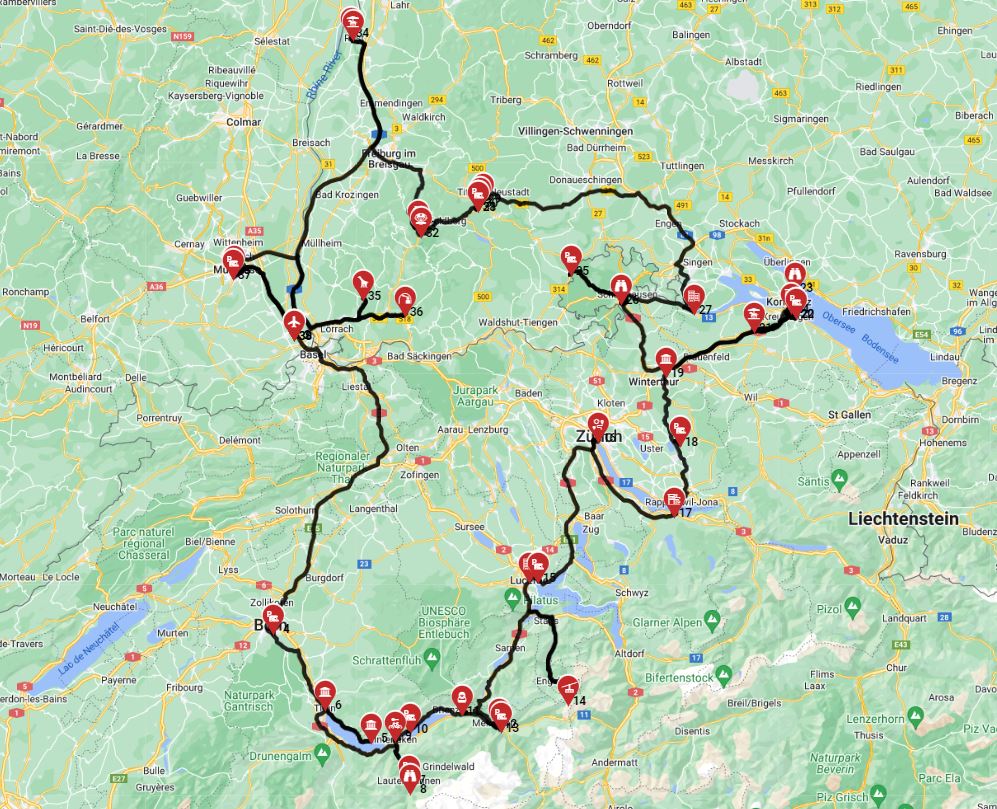
Many areas also offer 'aires' or 'stellplätze' (designated overnight parking spots for RVs) which can be free or cost a nominal fee (€5-€15) for basic services like water and waste disposal. These are particularly popular in France and Germany. Wild camping, while generally free where permitted, has strict legality rules varying by country, making designated campgrounds or aires a more reliable option for overnight stays and avoiding potential fines. For finding campsites and campgrounds during your trip, we recommend using rvplan.net - a great resource for locating available spots along your route and tracking your ancillary costs.
What is the best time to RV in Europe?
The best time to RV in West Europe largely depends on your desired experience, with the shoulder seasons (April-May and September-October) offering pleasant weather, fewer crowds, and better deals. Spring (April-May) is ideal for witnessing blooming landscapes, such as the tulip fields in the Netherlands or the wildflowers in Tuscany, and visiting cities before the summer rush. You'll find comfortable temperatures for exploring wine regions or historic sites across France and Germany. For specific seasonal pricing, refer to our RV Rental in West Europe - Prices and Best Deals 2026 guide.
Summer (June-August) is peak season, offering warm weather perfect for coastal drives along the Algarve, beach holidays in Spain, and family-focused trips, though popular sites will be crowded and prices higher. Autumn (September-October) provides beautiful foliage, harvest festivals, and comfortable temperatures for hiking or exploring quaint villages, with the added benefit of reduced tourist numbers. Winter travel (November-March) is also possible, with many Christmas markets throughout Germany and France offering a unique cultural experience. The choice is yours, but for those seeking deals and fewer crowds, shoulder seasons are your best bet.
How long can you wild camp in Europe?
The legality and duration of wild camping (boondocking) for a rented motorhome in West Europe vary significantly by country and even by region, with strict prohibitions in some nations and more relaxed rules in others. Scandinavian countries, while not typically part of West Europe, generally uphold a 'Right to Roam,' allowing wild camping for 1-2 nights with restrictions on distance from habitations and 'leave no trace' principles. However, in many West European countries like Germany, the Netherlands, and Portugal, wild camping outside of designated areas is largely prohibited and can result in fines.
Discreet overnight parking in self-contained vehicles may be tolerated in certain non-sensitive spots in some regions, but it is not officially sanctioned wild camping. Always research specific local regulations for each area you plan to visit, respect private property, avoid protected natural zones, and practice eco-friendly disposal of all waste to ensure responsible travel. Utilizing designated 'aires' or 'stellplätze' is often a safe and legal alternative for overnight stays when wild camping is restricted or unclear. For pre-planned routes that consider these regulations, explore RV PLANET (rvplan.net).
Can you freedom camp in France?
In France, freedom camping (wild camping) with a rented motorhome is generally restricted and often prohibited in many areas, particularly along the coast, in protected zones, or near tourist sites like the Loire Valley châteaux. However, overnight parking in self-contained RVs is often tolerated in designated 'Aires de Service' (service areas) or specific municipal parking spots away from sensitive areas, provided no camping behavior (e.g., setting out awnings, chairs) occurs. These 'Aires' are a distinct feature of French RV travel, offering water, waste disposal, and sometimes electricity for a minimal fee or even free, making them an excellent resource for travelers.
Rules can vary by commune (municipality), so checking local signage or official tourism websites is crucial to avoid fines when traveling with your campervan. Many private landowners, especially vineyards and farms, participate in programs like France Passion, offering free overnight stays to RVers who purchase local products, providing a legal and culturally immersive alternative to traditional wild camping. This provides a fantastic way to engage with local culture and enjoy the country's renowned gastronomy. Such initiatives showcase the supportive environment for RV travel in France, offering opportunities to explore even the most charming, smaller towns.
What You Shouldn't Miss
- **Drive the Romantic Road in Germany**: This 400-kilometer route from Würzburg to Füssen takes you through charming medieval towns like Rothenburg ob der Tauber and past the iconic Neuschwanstein Castle, offering a picturesque journey for your rented motorhome.
- **Explore the Algarve Coastline in Portugal**: Discover stunning golden beaches, dramatic cliffs, and quaint fishing villages. Park your campervan at a coastal campsite and spend days relaxing by the sea or exploring sea caves.
- **Cycle along the Loire Valley Châteaux in France**: Rent bikes and explore the magnificent castles of the Loire Valley, such as Chambord and Chenonceau, with your RV as a comfortable base. Many campsites offer easy access to cycling routes.
- **Hike the Swiss Alps**: Set up your motorhome near Interlaken or Zermatt and embark on breathtaking hikes with panoramic views of snow-capped peaks and pristine lakes.
- **Indulge in Italian Food & Wine in Tuscany**: Drive your rented RV through the rolling hills of Tuscany, stopping at local vineyards for wine tastings and trattorias for authentic pasta dishes. Make sure to visit Florence and Siena for cultural excursions.
Final Thoughts
Exploring West Europe by rented motorhome is more than just a vacation; it's an invitation to experience freedom, flexibility, and discovery on your terms. From the sun-drenched coasts of Portugal to the historic cities of Germany and the romantic landscapes of France, a campervan allows you to immerse yourself deeply in the continent's rich tapestry of cultures and natural wonders. At Bandana Caravan, we are passionate about helping you craft these unforgettable journeys. We handle the details, so you can truly live the journey, knowing you have transparent pricing and expert support every step of the way.
Don't let the details of planning intimidate you. With the right information, a flexible mindset, and a trusted partner like Bandana Caravan, your West Europe RV adventure will be an experience you cherish for years to come. Start dreaming, start planning, and let the open roads of West Europe call to you. Plan a trip itinerary in advance with minimal effort and maximum enjoyment with our Rent&Plan service on rvplan.net.
Discover your perfect motorhome rental and embark on the adventure of a lifetime. Check West Europe RV Rental Prices Now and prepare to fall in love with RV travel!