In This Guide
- Where to Camp in West Canada — Top Options
- Campground Types in West Canada (National, Private, Wild)
- Featured RV Park or Campground in West Canada
- Hookups & Amenities — What to Expect
- Booking Windows & Reservations in West Canada
- Nearby Supermarkets & Resupply Points
- Best RV Class for Camping in West Canada
- How to Save on Campgrounds in West Canada
- What is the best month to rent an RV in West Canada?
- How much does it cost to rent an RV for a week in West Canada?
- What is the average price of an RV rental in West Canada?
- Can you sleep anywhere in an RV in Canada?
- What is the cheapest way to rent an RV in West Canada?
- Where can I find cheap RV rentals in West Canada?
- How much does it cost to camp in West Canada?
- What is the best RV rental company in West Canada?
- Do you need a special license to drive an RV in West Canada?
- How far in advance should I book an RV in West Canada?
- What are the best RV trips in West Canada?
Where to Camp in West Canada — Top Options
West Canada offers a stunning array of camping destinations for RV adventurers. The Canadian Rockies, encompassing iconic national parks like Banff and Jasper, provide breathtaking mountain scenery and a network of well-equipped campgrounds, many of which include essential hookups. For those drawn to the Pacific coast, Vancouver Island offers a diverse camping experience, from the surf-kissed beaches of Tofino and Ucluelet to the charming city vibes of Victoria, with a variety of campgrounds nestled in coastal forests and along scenic routes. If a warmer climate and lakeside relaxation are more your style, the Okanagan Valley is an ideal choice, known for its vineyards, fruit orchards, and inviting lakeshores, featuring numerous RV-friendly parks.
When considering campgrounds, provincial parks often present a compelling balance of natural beauty and essential amenities, typically at a more accessible price point than national parks, and are sometimes less crowded. Many of these parks are well-suited for RVs of all sizes, from compact camper vans to larger motorhomes. For travelers planning a broader trip that includes coastal drives and mountain exploration, our guide to RV Rental West Canada - Complete Guide 2026 provides an excellent overview of the diverse regions and experiences available. If you're looking for a specific itinerary, consider the "

Campground Types in West Canada (National, Private, Wild)
West Canada provides a spectrum of camping options to suit every RV traveler's preference. National Parks, managed by Parks Canada, are renowned for their stunning natural settings and often require reservations booked far in advance, especially for popular spots. These parks offer a range of amenities, from basic sites to those with full hookups, and a valid park pass is necessary for entry and camping. Provincial Parks, administered by provincial governments, offer a similar experience to national parks but are often slightly less expensive and can provide a good balance of natural beauty and amenities, making them a popular choice for RVers.
Private Campgrounds and RV Resorts cater to a wide range of needs, from simple sites to luxury resorts with extensive amenities like Wi-Fi, laundry facilities, and recreational activities. Prices and services can vary significantly, so it's advisable to check what's included when booking. For the truly adventurous, Wild Camping or Boondocking on Crown Land is permitted in much of British Columbia and Alberta for up to 21 days in one spot within a 12-month period. This option requires self-sufficiency, meaning you'll need adequate water, power, and waste management systems. Always adhere to Leave No Trace principles and familiarize yourself with specific provincial regulations. Pet-friendly policies vary, with most parks allowing leashed pets on trails and in campgrounds, but restrictions may apply in sensitive areas or buildings.
Featured RV Park or Campground in West Canada
When selecting your ideal RV park or campground in West Canada, prioritizing sites with positive reviews is key. Look for feedback on cleanliness, staff helpfulness, and proximity to attractions or natural areas that align with your travel plans. It's essential to choose a campground that matches your RV's specific needs, whether that involves full hookups for a larger Class A motorhome or more accessible, perhaps less developed sites suitable for a compact Class B camper van. Many parks offer a variety of site types, from unserviced spots to premium pull-through sites with 50-amp power, water, and sewer connections, ensuring a comfortable stay no matter your RV's size or requirements.
Featured parks often boast amenities that enhance the natural experience, such as stunning scenic views, direct access to hiking trails, prime fishing spots, or unique regional cultural attractions. For instance, campgrounds within or near the Canadian Rockies, such as those in Banff or Jasper National Parks, are celebrated for their proximity to iconic mountain vistas and abundant wildlife viewing opportunities. If you're looking for a more detailed comparison of rental options and deals, our guide RV Rental in West Canada - Prices and Best Deals 2026 can help you find the perfect match.
Hookups & Amenities — What to Expect
When planning your West Canada RV trip, understanding the hookup and amenity options at campgrounds is crucial for a comfortable journey. Most private campgrounds and many national and provincial parks offer a variety of hookups, typically including electrical service (available in 15, 30, or 50 amp configurations), fresh water connections, and sewer hookups for full-service sites. Partial hookups usually provide electric and water, meaning you’ll need to utilize designated dump stations for wastewater disposal. On the routes offered through RV PLANET routes, you can itemize and track every expense along the way for easy budgeting.
For those embracing the freedom of dry camping or boondocking, you'll rely entirely on your RV's internal water tanks, batteries, and waste holding tanks, which is perfectly suited for smaller, self-contained RVs like Class B camper vans or truck campers. Common amenities found across most campgrounds include restrooms, hot showers, picnic tables, fire rings, and shared dump stations. Private RV resorts often elevate the experience with additional luxuries such as Wi-Fi (though its reliability can vary in remote areas), laundry facilities, swimming pools, and recreational halls. Remember that standard electrical voltage in West Canada is 120V, consistent with North American standards for RV connections.
Booking Windows & Reservations in West Canada
Securing your ideal camping spot in West Canada requires a strategic approach to booking. For popular national and many provincial park campgrounds, especially during peak season (July-August) and long weekends, it's highly recommended to book your site 4 to 12 months in advance to guarantee availability. It's important to note that many national park campgrounds only release a portion of their sites (around 25%–30%) for reservations, with the remaining spots typically available on a first-come, first-served (FCFS) basis, which can be a good option for more spontaneous travelers.
If you prefer a more flexible travel style, spontaneous bookings are often possible at private campgrounds, less frequented provincial parks, or by aiming for those FCFS sites, particularly during the shoulder seasons (late spring or early fall). Even during peak times, finding a spot is usually achievable; if your first choice campground is full, don't hesitate to call ahead to check availability at the next one along your route before you drive there. You will almost certainly find a place to camp.
Nearby Supermarkets & Resupply Points
When planning your RV journey through West Canada, stocking up on groceries and supplies is an essential part of the adventure. Major grocery chains like Save-On-Foods, Real Canadian Superstore, Safeway, and Walmart Supercentres are readily available in larger towns and cities throughout the provinces, providing access to a wide range of products. For those venturing onto more remote routes or into smaller communities, it's crucial to plan your resupply stops in advance, as local options may be limited or carry higher price points.
During the warmer months, don't miss the opportunity to visit local Farmers' Markets, often found in towns and cities, for fresh, seasonal produce and unique regional artisanal goods. Gas stations in remote areas typically include small convenience stores that can be helpful for emergency resupply, but be prepared for potentially higher prices. Effective route planning, perhaps utilizing resources like the RV PLANET routes, can help you identify resupply points seamlessly along your chosen itinerary, ensuring you always have access to the essentials.
Best RV Class for Camping in West Canada
Choosing the right RV class is key for navigating West Canada's diverse landscapes, from the winding mountain passes of the Rockies to the forested roads of Vancouver Island. For optimal versatility and maneuverability, Class B Camper Vans or Class C Alcove RVs are highly recommended. Class B Camper Vans, averaging around 5.8 meters in length and designed for 3-4 people, are excellent for solo travelers or couples seeking agility, smaller campsites, and boondocking capabilities, with common fuel consumption around 10 Liters/100 Km. These are fantastic options if you're looking for a nimble way to explore, perhaps something like the "2 Berth Hi Top" model, which averages 10 Liters/100 Km fuel consumption.
Class C Alcove RVs, typically around 7.5 meters long and accommodating 5-6 people, strike a great balance between living space and drivability, making them ideal for families or small groups. They can comfortably handle most routes, including mountain passes, with typical fuel consumption ranging from 10–12 Liters/100 km. For those seeking ruggedness and off-grid capability, Truck Campers, averaging 5.5 meters and sleeping 2-3, offer exceptional access to rougher terrain. Class SI Semi-integrated RVs provide a comfortable and efficient option for couples or small families, with average fuel consumption of 10–11 Liters/100 Km. While large Class A Integrated RVs (averaging 7.5 meters and sleeping 4-5) offer luxury and space, their size can present challenges on winding mountain roads or in smaller, older campgrounds; their fuel consumption averages 8-12 Liters/100 Km.
How to Save on Campgrounds in West Canada
Maximizing your budget while RVing in West Canada is achievable with a few smart strategies. Utilize campground discount cards if your rental provider, such as Bandana Caravan, offers them; these can significantly reduce nightly rates at participating private campgrounds. Traveling during the shoulder season—late spring (May-June) or early fall (September-early October)—is one of the most effective ways to benefit from lower rates and fewer crowds compared to the peak summer months. Opting for municipal or regional campgrounds over private RV resorts can also provide more budget-friendly options while still offering essential amenities.
Choosing unserviced or partial hookup sites instead of full hookups can reduce costs, especially if your RV is equipped for self-sufficient dry camping. Many campgrounds offer discounted weekly rates, so if you plan to stay at one location for three or more nights, inquire about these savings. If traveling with friends, consider sharing hookup sites where permitted to split costs. Finally, embracing free camping opportunities on Crown Land (boondocking) where regulations allow can drastically cut down on accommodation expenses, offering a true wilderness experience.
What is the best month to rent an RV in West Canada?
The "best" month for renting an RV in West Canada often depends on your priorities, but generally, late spring (May-June) and early fall (September-early October) are considered ideal. These periods offer a pleasant balance of agreeable weather, fewer crowds than the peak summer months, and often more favorable rental prices. This makes them excellent times for exploring popular destinations without the peak season rush.
Summer (July-August) provides the warmest weather and ensures all roads, including high mountain passes, are open with maximum service availability. However, this is also peak season, meaning the highest prices and largest crowds, necessitating bookings 9-12 months in advance. Spring (April-May) offers blooming landscapes and excellent wildlife viewing, though some higher mountain passes might still be closed, and there's a possibility of cooler, wetter weather, with services in remote areas potentially limited. Fall (September-October) is beautiful with vibrant foliage and crisp air, but be mindful that some campgrounds and attractions begin to close after Canadian Thanksgiving (early October), and early snow is possible at higher elevations. Winter (November-March) RV travel is highly specialized due to cold temperatures, road closures, and limited services; while some winterized units are available, it's generally not recommended for first-time RVers.
How much does it cost to rent an RV for a week in West Canada?
The cost to rent an RV for a week in West Canada can vary significantly, typically ranging from CAD $800 to $2,500+, heavily influenced by the RV class, rental season, booking window, and included mileage. Budget-conscious travelers might find a compact Class B camper van for approximately CAD $800-1,200 per week during the shoulder seasons. For example, Bandana's Class B models typically have an average fuel consumption of 10 Liters/100 Km, contributing to overall savings.
Mid-range options, such as a Class C Alcove RV (like those in Bandana's fleet averaging 10–12 Liters/100 km fuel consumption), can cost between CAD $1,200-2,000 per week, especially during peak summer. More luxurious Class A or larger Class SI RVs, particularly during peak summer, can exceed CAD $2,000-2,500 per week, before additional fees. It's essential to factor in other costs: mileage packages (often including 100-200 km/day with extra fees per km), mandatory insurance, preparation fees, fuel, campground fees, and optional add-ons like kitchen kits or generator usage, which can significantly impact your total budget. For comprehensive budgeting, utilizing tools that itemize these expenses is highly recommended; the RV PLANET routes can assist with this. For ideas you can prep on the road, watch our RV-friendly recipes playlist on YouTube.
What is the average price of an RV rental in West Canada?
The average daily price for an RV rental in West Canada typically falls between CAD $120 to $350 per day, not including mileage, insurance, or other potential add-ons. This average price is heavily influenced by several factors, including the time of year and the chosen RV class.
Seasonal demand plays a significant role; summer rates (July-August) are often 30-50% higher than those in the shoulder seasons (May-June, September-October). The RV class also greatly impacts the average price, with smaller Class B camper vans generally having lower daily rates than larger Class C or luxurious Class A models. Longer rental periods often result in lower average daily rates due to weekly or monthly discounts offered by many companies. Booking well in advance is key to securing better prices and a wider selection, whereas last-minute rentals, if available, tend to be more expensive. Keep an eye out for early bird discounts or special promotions from providers like Bandana, as these can further lower the overall cost.
Can you sleep anywhere in an RV in Canada?
No, you cannot legally sleep just anywhere in an RV in Canada. While designated campgrounds are the primary and most reliable option, "wild camping" or boondocking on Crown Land is permitted in much of British Columbia and Alberta, provided you strictly adhere to specific regulations and "Leave No Trace" principles. These regulations generally allow camping for up to 21 days in one spot within a 12-month period, but it's crucial to consult current provincial and regional rules before setting up camp.
Overnight parking is often prohibited in urban areas and on public streets due to municipal bylaws, making designated RV parks or private property (with explicit permission) necessary. National and Provincial Parks have strict rules enforcing camping only within designated sites, which typically involve fees and reservation systems. While some highway rest stops or truck stops may permit overnight parking for a limited duration, always check posted signage for specific rules. When boondocking, be prepared for potential wildlife encounters by securely storing food, carrying bear spray, and understanding proper waste disposal protocols. In remote areas where cell service is nonexistent, emergency preparedness, including satellite communication devices, is vital for safety.
What is the cheapest way to rent an RV in West Canada?
The most budget-friendly approach to renting an RV in West Canada typically involves a combination of strategies: booking well in advance during the shoulder season (May-June, September-October), choosing a smaller, fuel-efficient RV class like a Class B camper van, and prioritizing dry camping or utilizing provincial parks for accommodation. These choices significantly minimize both rental and operational costs.
Opting for smaller RVs, such as a Class B Camper Van (averaging 10 Liters/100 Km fuel consumption) or a Class SI Semi-integrated model (averaging 10–11 Liters/100 Km), will lead to substantial savings on both rental rates and fuel expenses. Traveling during the shoulder seasons, outside of the peak summer months, often unlocks lower rental rates and potentially cheaper campground fees. Booking your RV rental as far in advance as possible, ideally 6-12 months ahead, is crucial for securing early bird discounts and avoiding the price surges associated with last-minute bookings. Furthermore, choosing campsites with basic amenities or taking advantage of free boondocking opportunities on Crown Land can drastically reduce accommodation expenses.
Where can I find cheap RV rentals in West Canada?
Finding affordable RV rentals in West Canada is achievable by employing a few key strategies. The most effective method is to compare prices across various major rental platforms like Bandana, which aggregates deals from numerous suppliers, and to actively seek out peer-to-peer rental services. Additionally, keeping an eye out for relocation deals can offer significant discounts, especially if your travel dates are flexible.
Checking directly with major rental providers such as Bandana, Fraserway RV, CanaDream, and Cruise Canada is also beneficial, as they often feature exclusive online offers or seasonal specials. Peer-to-peer RV sharing platforms can sometimes provide lower prices or access to unique RV models directly from private owners. Relocation specials or "one-way deals" are particularly attractive, where rental companies offer heavily discounted rates for moving RVs between depots, typically covering specific routes and dates. Consider renting from a departure city that is less popular or during the shoulder seasons (May-June, September-October) to improve availability and secure lower prices. Signing up for rental company newsletters can also alert you to last-minute deals or promotions.
How much does it cost to camp in West Canada?
Camping costs in West Canada can vary widely, generally ranging from CAD $15-30 per night for basic, unserviced sites in provincial or national parks to CAD $40-80+ per night for full hookup sites in private RV resorts. These prices reflect the level of amenities and the location of the campground.
National Park campgrounds typically cost between CAD $21-35 per night for unserviced sites and CAD $30-45 for serviced sites (electric/water), in addition to the required national park entry pass, which can be purchased daily or annually. Provincial Park campgrounds generally fall within the CAD $15-40 per night range for basic to partial hookup sites, offering beautiful natural settings often with slightly fewer amenities than national parks. Private RV parks and resorts are usually the most expensive, with rates starting from CAD $40 and going up to $80+ per night for full-hookup sites, but they often provide extensive amenities like Wi-Fi, laundry, pools, and recreational facilities. Boondocking or wild camping on Crown Land is free, but requires complete self-sufficiency as no amenities are provided. Don't forget to factor in potential additional costs like fire permits (where required), firewood purchases, and any applicable reservation fees.
What is the best RV rental company in West Canada?
Determining the "best" RV rental company in West Canada truly depends on your individual travel needs, budget, desired RV type, and customer service expectations. Reputable companies that consistently receive high marks include Bandana Caravan, Fraserway RV, CanaDream, and Cruise Canada, each offering a distinct set of advantages.
Bandana Caravan is known for its global fleet and flexibility, offering a diverse range of RV sizes to suit various group needs, from agile camper vans to spacious integrated units. Fraserway RV is often praised for its newer, well-maintained fleet and strong customer service, appealing to those who prioritize quality and reliability. CanaDream provides a wide selection of RVs with multiple pickup locations across Canada, making them a convenient choice for one-way trips. For travelers on a tighter budget, Cruise Canada typically offers more affordable options, often with slightly older fleets, which can be a great way to experience RVing without a significant upfront cost. When comparing companies, consider factors such as included mileage, insurance options, depot locations, airport transfers, additional driver fees, and the comprehensiveness of included kits (like kitchen or linen sets). Reading recent customer reviews can provide valuable insights into the overall experience with each provider.
Do you need a special license to drive an RV in West Canada?
For the vast majority of recreational vehicles (RVs) that you'll rent in West Canada, a standard Class 5 (or equivalent) driver's license from your home country or province is sufficient, provided the RV's gross vehicle weight does not exceed 11,000 kg (approximately 24,250 lbs). This typically covers most Class B camper vans, Class C alcove RVs, and Class SI semi-integrated models commonly found in rental fleets.
Very large Class A Integrated RVs or those equipped with air brakes might potentially require a higher class of license (e.g., Class 1, 2, 3, or 4), though these are less common in standard rental fleets. For international travelers, obtaining an International Driving Permit (IDP) in conjunction with your valid home country driver's license is highly recommended, as it provides a multilingual translation of your license. Always confirm the specific licensing requirements directly with your chosen RV rental company and review local provincial motor vehicle regulations, especially if you are considering larger units or towing.
How far in advance should I book an RV in West Canada?
To ensure you get the best selection of RVs, secure optimal pricing, and reserve your preferred model for a West Canada trip, it's highly recommended to book your rental 6 to 12 months in advance, particularly if you plan to travel during the peak season of July and August.
For peak summer travel to highly sought-after destinations like the Canadian Rockies, booking 9-12 months out is crucial to guarantee the availability of specific RV types, especially larger units or those with particular layouts. During the shoulder seasons (May-June and September-October), booking 4-6 months in advance is generally sufficient to secure good deals and a reasonable selection. Last-minute bookings (within 3 months of travel) will likely encounter limited options and higher prices, requiring flexibility with your RV type or travel dates. Early booking also provides access to early bird discounts and helps avoid the disappointment of fully booked fleets, which is common with popular models from providers like Bandana. It's also wise to align your RV booking with campground reservations, as popular park sites also open for booking far in advance.
What are the best RV trips in West Canada?
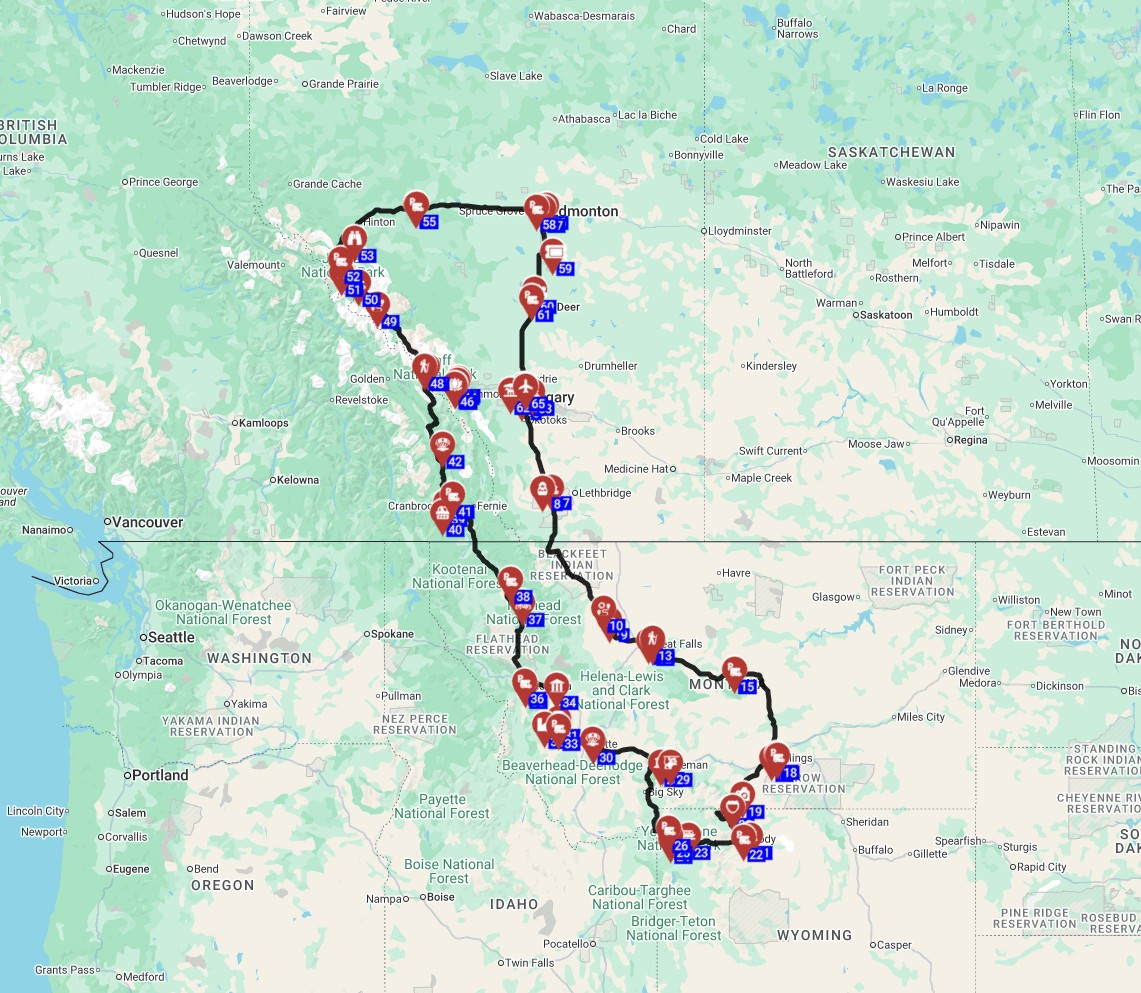
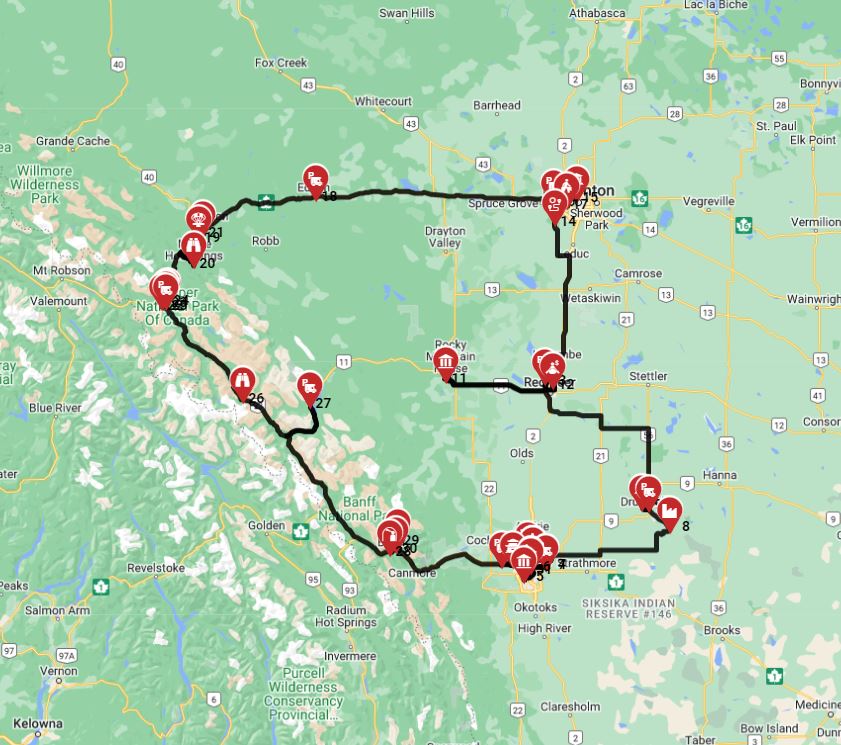
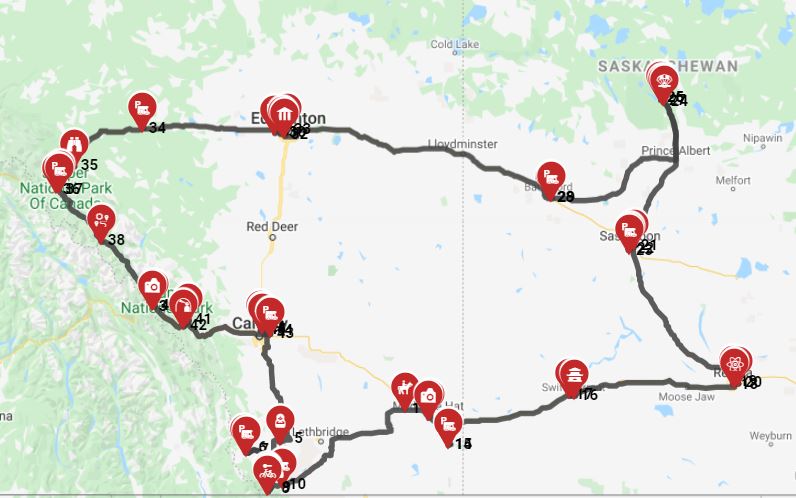
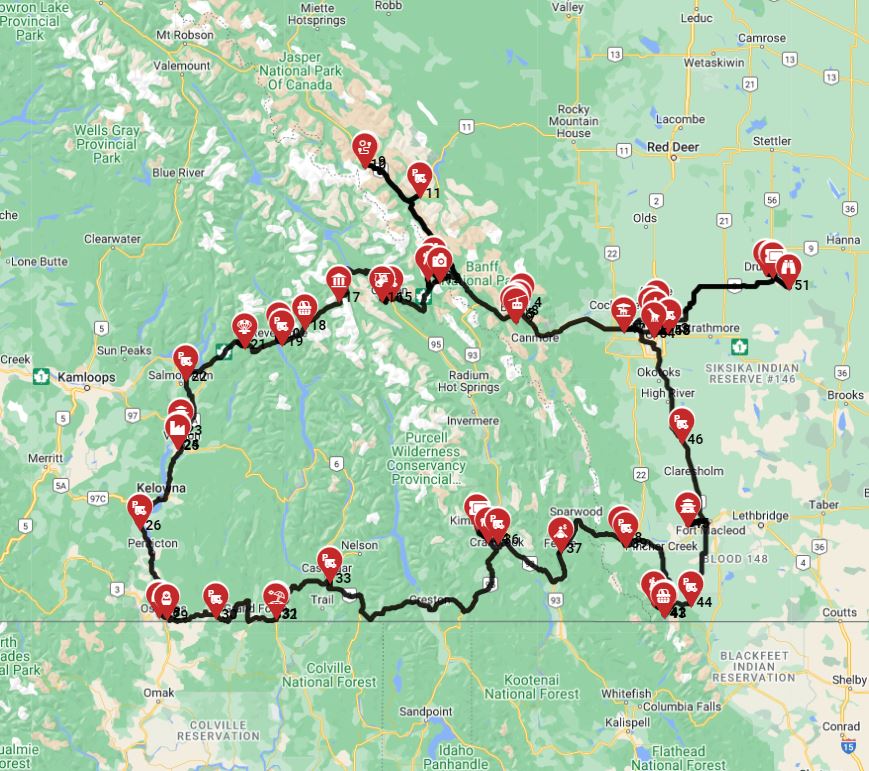
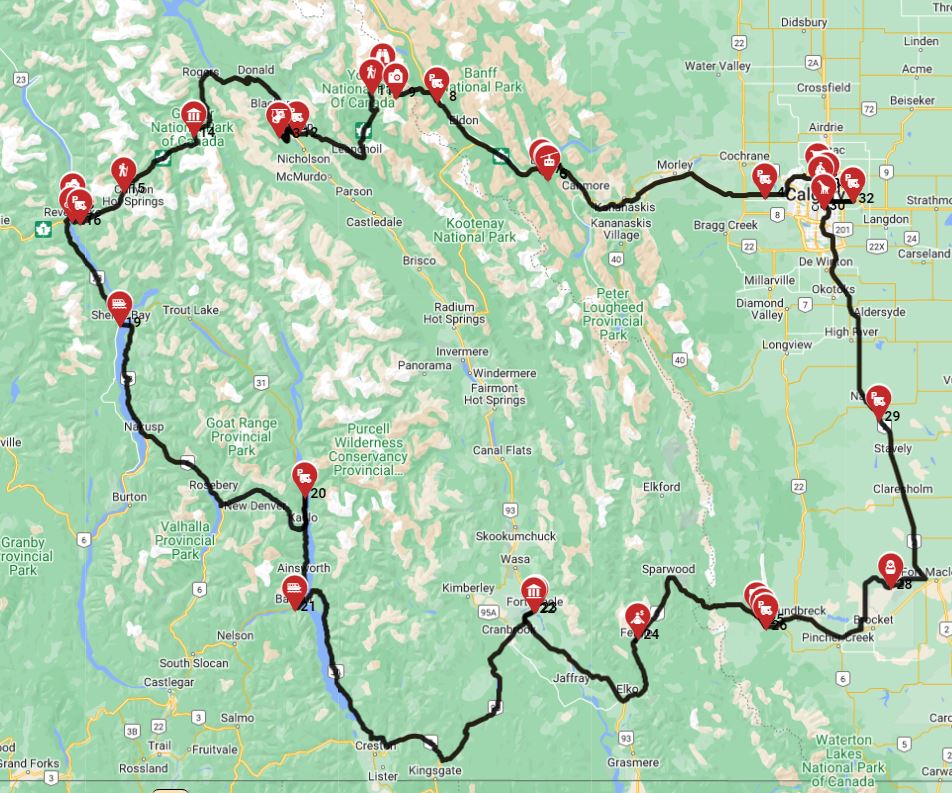
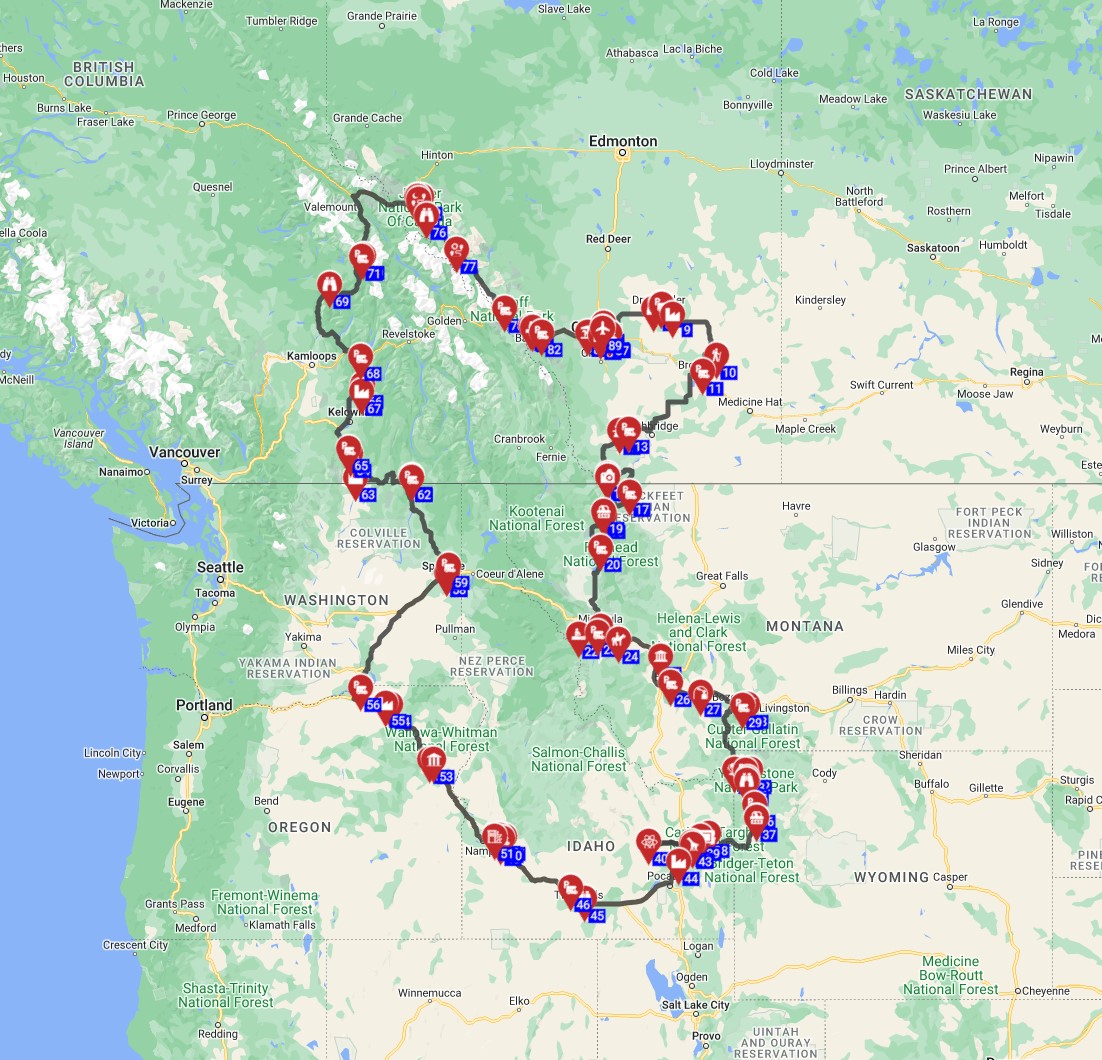
West Canada offers a wealth of incredible RV trip possibilities, catering to diverse interests and adventure levels. A classic route for any RV enthusiast is the Canadian Rockies loop, which includes exploring Banff, Jasper, and Lake Louise via the stunning Icefields Parkway, offering unparalleled mountain scenery, turquoise glacial lakes, and abundant wildlife viewing opportunities. For a coastal experience, the Vancouver Island loop provides a mix of rugged Pacific coastlines, like those found in Pacific Rim National Park Reserve near Tofino, charming cities such as Victoria, and lush temperate rainforests.
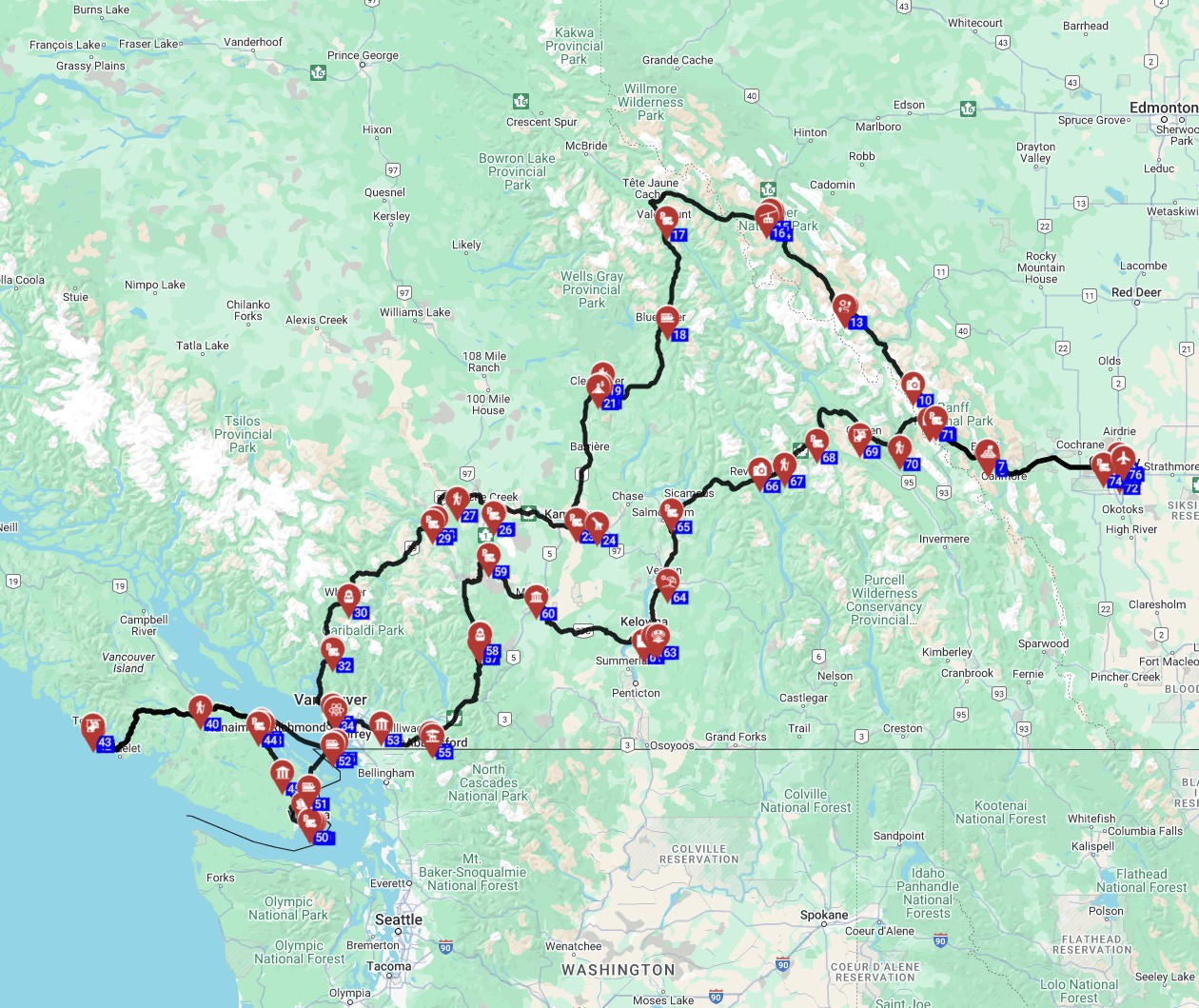
The Okanagan Valley is perfect for a more relaxed RV adventure, focusing on wine tasting, swimming in warm lakes, and exploring picturesque fruit orchards. For those seeking an off-the-beaten-path journey, consider the Kootenay Rockies region for its natural hot springs and less crowded, charming towns, or embark on a multi-week expedition along the historic Alaska Highway through Northern British Columbia and into Yukon for a truly immersive wilderness experience. For itinerary planning, resources like the "Vancouver Round Trip - West Canada Cycling Adventure" from RV PLANET, a 19-day, 2659 km route, can offer inspiration and practical guidance, complete with 47 identified points of interest.
What You Shouldn't Miss
- Drive the Icefields Parkway (Highway 93) between Banff and Jasper National Parks, Alberta, for some of the most spectacular mountain and glacier scenery in the world. Allow at least a full day for this drive, stopping at viewpoints like Athabasca Glacier and Peyto Lake.
- Explore Pacific Rim National Park Reserve on Vancouver Island, British Columbia, particularly the Long Beach unit near Tofino and Ucluelet, for its wild coastal beauty, temperate rainforests, and opportunities for surfing or storm watching.
- Visit the Okanagan Valley in British Columbia for wine tasting tours, sampling local fruit wines and products, and enjoying lakeside activities in communities like Penticton or Kelowna.
- Discover the unique landscapes of the Canadian Badlands in Alberta, including Drumheller, home to the Royal Tyrrell Museum of Palaeontology and the world's largest dinosaur statue.
- Experience the hot springs and stunning mountain scenery of the Kootenay Rockies region in British Columbia, perhaps visiting Radium Hot Springs or exploring the historic towns.
- For an epic wilderness adventure, consider driving a portion of the Alaska Highway (Highway 97), starting in Dawson Creek, British Columbia, and experiencing the vast northern landscapes.
Final Thoughts
Embarking on an RV adventure in West Canada is an unparalleled way to connect with nature and experience the vast, diverse landscapes this region offers. From the majestic peaks of the Rockies to the rugged coastlines and serene valleys, a rented RV provides the ultimate freedom and flexibility to explore at your own pace.
Remember to plan ahead, especially for popular seasons and locations, but also embrace the spontaneous opportunities that RV travel affords. With Bandana Caravan, you can be confident in finding a rental that suits your needs, backed by our commitment to transparency and support. So, pack your bags, hit the road, and discover the incredible beauty of West Canada!