In This Guide
- Where to Camp in Japan — Top Options
- Campground Types in Japan (National, Private, Wild)
- Featured RV Park or Campground in Japan
- Hookups & Amenities — What to Expect
- Booking Windows & Reservations in Japan
- Nearby Supermarkets & Resupply Points
- Best RV Class for Camping in Japan
- How to Save on Campgrounds in Japan
- Legality and Rules for Overnight Parking and 'Boondocking' in Japan
- A Comprehensive Guide to Michi-no-Eki (Roadside Stations)
- In-depth Cost Analysis and Budgeting Tips for RV Travel in Japan
- Cultural Etiquette and Responsible RVing in Japan
- Specific RV Types and Their Suitability for Japan
- Unique Driving Challenges in Japan
- Safety Considerations for RV Travel in Japan
- Seasonal Considerations for RV Travel in Japan
- Class SI - Semi-integrated RVs for Japan Camping
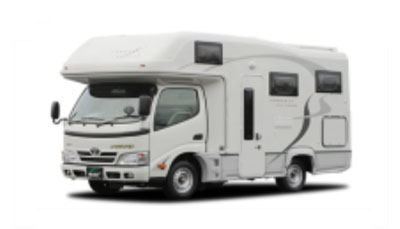
- Class C - Alcove RVs for Japan Camping
- Class B - Camper Vans for Japan Camping
- Class A - Integrated RVs for Japan Camping
- Class TC - Truck Campers for Japan Camping
Where to Camp in Japan — Top Options
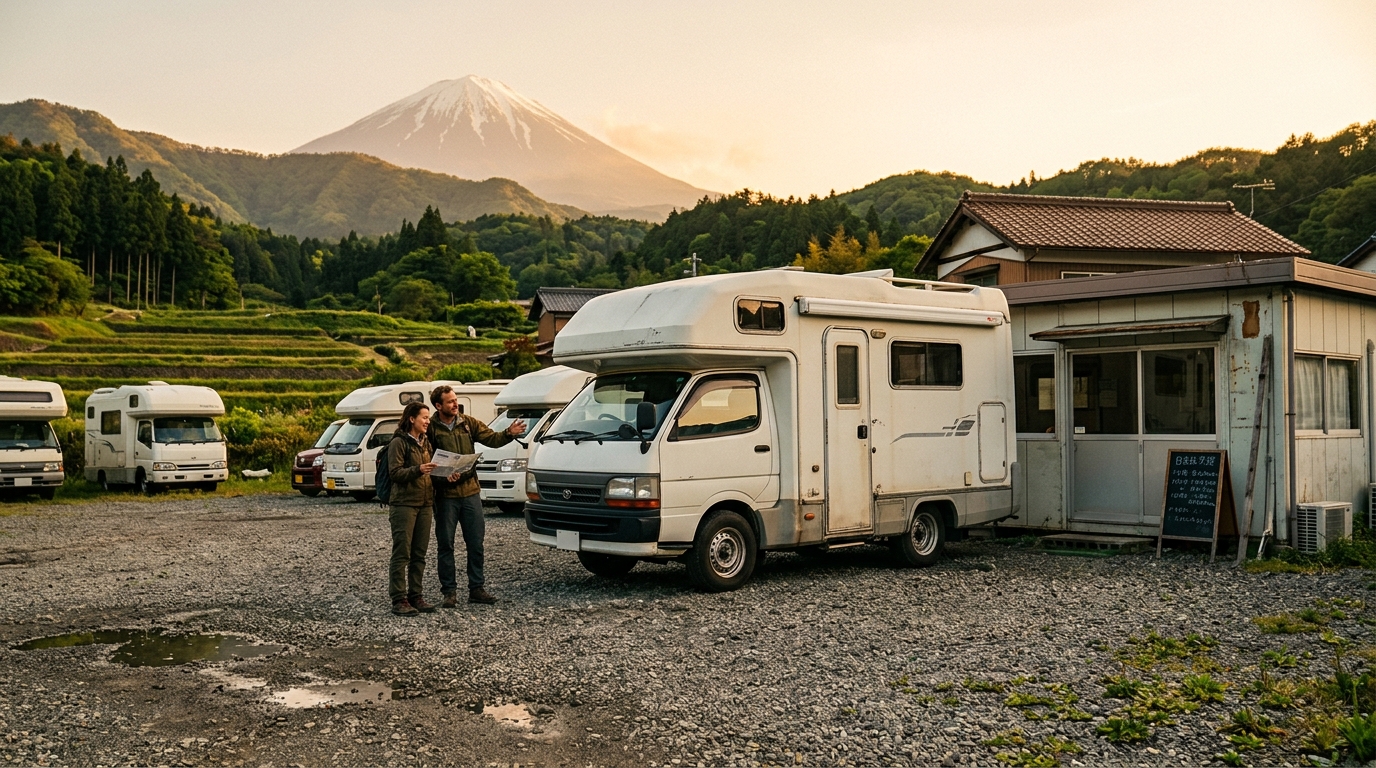
Japan offers diverse camping experiences from scenic national parks to well-equipped private facilities, with popular regions like Hokkaido, Fuji-Hakone-Izu National Park, and Kyushu providing excellent options for RV travelers. While specific campgrounds vary by region, excellent choices often include those near iconic landmarks like Mount Fuji, coastal areas with ocean views, or serene lakeside retreats. Many popular camping areas are accessible via well-maintained roads suitable for RV travel, though reservations are highly recommended during peak seasons. For finding campsites and campgrounds during your trip, check out RV PLANET (rvplan.net) — a great tool for locating available spots along your route.
Campground Types in Japan (National, Private, Wild)
Japan features a mix of national park campgrounds, private RV parks, and a nuanced approach to wild camping, each offering distinct experiences and rules for RVers. National park campgrounds typically provide basic amenities, emphasize natural settings, and often require advance booking, especially for popular sites. Private campgrounds and RV parks, including some Michi-no-Eki (Roadside Stations), tend to offer more comprehensive facilities such as showers, laundry, and electric hookups, and are generally more RV-friendly and structured. True 'wild camping' or boondocking for RVs is largely restricted or only informally tolerated in specific areas; designated campsites or specific Michi-no-Eki (for short, respectful overnight stops) are the safest and most culturally appropriate options.
Featured RV Park or Campground in Japan
While specific featured RV parks vary by region and availability, travelers should prioritize facilities that offer essential amenities like electrical hookups, water, and waste disposal, commonly found in well-regarded private campgrounds or designated Michi-no-Eki. When seeking an exceptional RV park experience, look for locations that provide clear instructions in English, convenient access to local attractions or natural beauty, and positive reviews regarding cleanliness and RV-specific services. Many Michi-no-Eki across Japan serve as excellent informal options for short overnight stays, typically providing 24-hour restrooms and local food stalls, though formal camping facilities like hookups may be limited.
Hookups & Amenities — What to Expect
In Japan, RV campgrounds typically offer a range of amenities; electrical hookups are commonly 100V with Type A/B outlets, necessitating adapters for most international RVs, and water/dump stations are usually available. Expect to find fresh water hookups and grey/black water dump stations at most dedicated RV parks and larger campgrounds, but it is always prudent to confirm availability when booking your stay. Many Japanese campgrounds provide additional conveniences such as shared shower facilities, coin-operated laundry machines, and sometimes even Wi-Fi, though the quality and ubiquity of these amenities can vary significantly. On the routes offered through RV PLANET routes, you can itemize and track every expense along the way for easy budgeting.
Booking Windows & Reservations in Japan
For RV camping in Japan, planners should book well in advance, particularly during peak seasons like cherry blossom or autumn, while spontaneous travelers can often find spots by calling ahead the same day or next. Many national park campgrounds release only 25%–30% of their spots for reservations, leaving the majority available on a first-come, first-served basis, which offers flexibility for those without strict itineraries. While popular campgrounds can fill up, travelers will almost certainly find a place if they are willing to be flexible; if the first campground is full, the next often has availability, making it advisable to call ahead before driving long distances. Utilizing platforms like Bandana Caravan can sometimes provide access to discounted rates or preferred availability, streamlining the reservation process.
Nearby Supermarkets & Resupply Points
RV travelers in Japan can easily resupply at major supermarket chains found in most towns and cities, such as Aeon, Ito-Yokado, Seiyu, or smaller local markets, offering a wide range of groceries and essentials. Convenience stores like 7-Eleven, FamilyMart, and Lawson are ubiquitous across Japan and serve as excellent resupply points for quick snacks, drinks, and emergency supplies, often equipped with ATMs. For fresh local produce, unique regional delicacies, and a cultural experience, Michi-no-Eki (Roadside Stations) are fantastic resupply points, frequently featuring farmers' markets and specialty goods.
Best RV Class for Camping in Japan
The best RV class for camping in Japan, especially for navigating narrow roads and easily finding parking, is typically a smaller unit like a Class B Camper Van or a Class TC Truck Camper. Class B Camper Vans, averaging 5.8 meters in length with sleeping for around 3.2 adults in Bandana's global fleet, offer excellent maneuverability, making them suitable for both dedicated campgrounds and more informal overnight stays. Class TC Truck Campers, at an average length of 5.5 meters and sleeping 2.4 adults from Bandana's fleet, provide a compact and versatile option, often fitting into smaller parking spaces than larger RVs. While larger Class C Alcove (avg. 7.5m, 4.4 adults) or Class SI Semi-integrated (avg. 6.9m, 3.4 adults) models offer more space and amenities, their size can be challenging on Japan's intricate road network and in urban areas.
How to Save on Campgrounds in Japan
To save on campground costs in Japan, consider utilizing Bandana Caravan's campground discount cards, booking during shoulder seasons, and opting for municipal or regional campgrounds over private resorts. Many municipal and regional campgrounds offer lower nightly rates compared to amenity-rich private resorts, providing a budget-friendly option for travelers seeking essential facilities. Booking for three or more nights can sometimes unlock weekly rates or long-stay discounts at certain facilities, further reducing your overall expenditure. Traveling in the shoulder seasons (e.g., late spring or early autumn, outside major national holidays) often means lower demand, greater availability, and potentially reduced prices for campsites.
Legality and Rules for Overnight Parking and 'Boondocking' in Japan
In Japan, true 'boondocking' or wild camping for RVs is generally restricted or only informally tolerated in specific areas, with a clear distinction often made between sleeping discreetly in a car and setting up an RV camp. Overnight parking in Michi-no-Eki (Roadside Stations) is typically tolerated for rest purposes, but setting up chairs, awnings, or extended stays is usually prohibited and considered disrespectful, especially in popular tourist areas. Specific rules and tolerance levels can vary by region and even by individual Michi-no-Eki or parking area, so checking local signage or official websites is crucial to avoid issues. Unlike some Western countries, there are few designated free overnight RV parking spots; thus, utilizing formal campgrounds or adhering strictly to Michi-no-Eki etiquette for short stops is essential.
A Comprehensive Guide to Michi-no-Eki (Roadside Stations)
Michi-no-Eki, or Roadside Stations, are multifunctional facilities across Japan that provide rest stops, local product sales, and restrooms, often tolerating quiet overnight parking for RVs for rest, but not formal camping. While overnight parking is generally permitted for travelers needing rest, Michi-no-Eki are not campgrounds; therefore, deploying awnings, setting up outdoor furniture, or prolonged stays are discouraged and can be seen as disrespectful. Amenities typically include clean 24-hour restrooms, local souvenir shops, restaurants or food stalls, and sometimes even hot springs (onsen), EV charging, or free Wi-Fi. To best utilize Michi-no-Eki, use them for short overnight stops when campgrounds are full or distant, purchase local goods to support the community, keep noise levels low, and always leave the area cleaner than you found it.
In-depth Cost Analysis and Budgeting Tips for RV Travel in Japan
Budgeting for RV travel in Japan extends beyond rental fees to include significant costs for tolls, fuel, campground fees, and food, which collectively can present a flexible yet substantial expense compared to other travel modes. Toll roads are prevalent and can be expensive; an ETC (Electronic Toll Collection) card, often available for rent with your RV, is highly recommended to streamline payments and potentially access discounts. Fuel costs, typically for diesel or gasoline, are a major factor, with Bandana's global fleet averaging 8-12 Liters/100km for most RV classes, and prices fluctuating regionally. Campground fees generally range from ¥2,000 to ¥6,000 per night, varying by location and amenities, while food costs can be managed by cooking in your RV with groceries from supermarkets (often cheaper than eating out), and overall costs offer more flexibility than fixed-route public transport plus hotels. For detailed trip cost breakdowns and budgeting tips, explore the RV PLANET routes offered through our sister company, where travelers can itemize and track every expense along the way for easy budgeting. For ideas you can prep on the road, watch our RV-friendly recipes playlist on YouTube.
Cultural Etiquette and Responsible RVing in Japan
Responsible RVing in Japan necessitates strict adherence to local cultural etiquette, emphasizing meticulous waste disposal, maintaining minimal noise levels, respectful interactions with locals, and minimizing environmental impact. Always dispose of trash properly in designated bins, separating recyclables as required, and never leave waste bags outside your RV or at undesignated areas, as this is considered highly impolite. Maintain low noise levels, especially during evening and early morning hours, to respect local residents and fellow travelers, and avoid excessive outdoor setups (e.g., extensive awnings, loud conversations) in public spaces or Michi-no-Eki. Show politeness and respect in all interactions, such as bowing slightly, using polite language (even simple 'arigato gozaimasu'), and always leaving natural areas and facilities in pristine condition, adhering to 'leave no trace' principles.
Specific RV Types and Their Suitability for Japan
For RV travel in Japan, smaller units like Class B Camper Vans or even Kei-car conversions (though less common in rental fleets) are highly practical for navigating the country's narrow roads and compact parking spaces. Class B Camper Vans, like those in Bandana's global fleet averaging 5.8 meters in length, are particularly well-suited due to their maneuverability, making them easier to drive on rural routes and park in urban areas. While traditional 'motorhomes' (Class C Alcove, Class A Integrated) offer more interior space, their average lengths of 7.5 meters (Bandana's fleet) can pose challenges on Japan's often tight infrastructure, including some highways, city streets, and smaller campgrounds. Opting for a more compact RV enhances the overall travel experience by reducing stress related to driving and parking, allowing access to a wider range of destinations including scenic, less-trafficked areas.
Unique Driving Challenges in Japan
Driving an RV in Japan presents unique challenges, including navigating the left-hand traffic system, a comprehensive toll road network best utilized with an ETC card, encountering narrow roads, devising city parking strategies, and interpreting Japanese road signs. Drivers must adapt to driving on the left side of the road, which requires extra concentration, particularly for those accustomed to right-hand drive, and understanding priority rules at intersections. Japan's extensive toll road system is efficiently managed with an ETC (Electronic Toll Collection) card, which is essential for smooth travel and avoiding cash lanes; consider renting one with your RV. Be prepared for extremely narrow roads, especially in rural areas and older towns, requiring careful navigation, and plan city parking using apps or by seeking out multi-story car parks that can accommodate RV heights.
Safety Considerations for RV Travel in Japan
Japan is renowned for its exceptional safety, making sleeping in your RV at designated campgrounds or tolerated Michi-no-Eki generally very secure, though basic personal precautions are always advisable. The cultural context of Japan includes a low crime rate and a strong emphasis on public order, contributing to a safe environment for travelers, including those sleeping in their vehicles. Always choose well-lit, authorized locations for overnight stays, such as official campgrounds or Michi-no-Eki, and ensure your RV doors are locked. While generally safe, avoid overly secluded or unauthorized areas for overnight stays to maintain respect for local regulations and ensure peace of mind.
Seasonal Considerations for RV Travel in Japan
Seasonal variations significantly impact RV travel in Japan, influencing routes, availability, and necessary preparations, from heavy winter snows to potential typhoon disruptions and peak tourist demand during cherry blossom season. Winter (December-February) brings heavy snowfall to many northern and mountainous regions, necessitating appropriate tires (snow or all-season), checking road closures, and focusing on warmer southern routes. Typhoon season (June-October, peaking August-September) can bring heavy rains, strong winds, and travel disruptions; always monitor weather forecasts and have alternative plans ready. Cherry blossom season (late March-early April) is a peak travel period, demanding early RV and campground bookings due to high demand, while autumn (October-November) offers beautiful foliage and pleasant weather with moderate crowds.
Class SI - Semi-integrated RVs for Japan Camping
Class SI Semi-integrated RVs, balancing comfort and maneuverability, are a practical choice for RV camping in Japan, particularly for couples or small families seeking modern amenities. These models from Bandana's global fleet typically average 6.9 meters in length, providing enough interior space for comfort while remaining more manageable on Japanese roads than larger integrated RVs. They generally offer sleeping places for around 3.8 adults and a load capacity of approximately 72.2 kg, with fuel consumption typically around 10-11 Liters per 100 km. Semi-integrated RVs are well-suited for travelers who plan to utilize official campgrounds and RV parks, offering a good compromise between living space and ease of driving.
Class C - Alcove RVs for Japan Camping
Class C Alcove RVs offer spacious accommodations, making them suitable for families or larger groups exploring Japan, though their distinctive overhead 'alcove' bed requires careful consideration on narrow roads and with height restrictions. Bandana's global fleet of Class C Alcove RVs averages 7.5 meters in length, providing ample sleeping capacity for approximately 5.8 adults and a load capacity of about 42.4 kg. These RVs typically have a fuel consumption of 10-12 Liters per 100 km, offering a comfortable travel experience for extended trips. While providing generous living space and dedicated sleeping areas, drivers should be prepared for potential challenges navigating very tight city streets or extremely winding rural roads, as well as being mindful of the vehicle's overall height.
Class B - Camper Vans for Japan Camping
Class B Camper Vans are arguably the most suitable RV type for exploring Japan, offering unmatched maneuverability and ease of parking on the country's diverse road network. From Bandana's global fleet, Class B Camper Vans average a compact 5.8 meters in length, providing sleeping space for about 3.2 adults and a load capacity of 37 kg. These efficient vehicles typically achieve fuel consumption rates of 8-10 Liters per 100 km, making them economical for longer journeys. Their smaller footprint allows for easier navigation through city centers, narrow rural lanes, and tighter campground spots, enhancing the overall flexibility of your Japanese RV adventure.
Class A - Integrated RVs for Japan Camping
Class A Integrated RVs represent the pinnacle of luxury and space, ideal for those prioritizing comfort on wider Japanese main roads, though their large size presents significant driving and parking challenges. Bandana's global fleet shows Class A Integrated RVs averaging 7.5 meters in length, designed to accommodate around 4.4 adults with a substantial load capacity of 209.5 kg. Fuel consumption for these larger vehicles typically ranges from 8-12 Liters per 100 km, reflecting their powerful engines and extensive amenities. While offering a hotel-like experience on wheels, travelers renting a Class A in Japan should be highly confident with large vehicle driving, primarily sticking to major highways, and planning for limited parking options suitable for their size.
Class TC - Truck Campers for Japan Camping
Class TC Truck Campers offer a unique blend of versatility and compact design, making them an excellent choice for navigating Japan's varied landscapes, from urban environments to rural retreats. These units from Bandana's global fleet typically average a very compact 5.5 meters in length, providing sleeping accommodations for about 2.4 adults, suitable for solo travelers or couples. While load capacity is listed as 0 kg (likely indicating integrated into the truck's capacity rather than a separate payload for the camper unit itself), their fuel consumption typically ranges from 12-17 Liters per 100 km. Truck Campers provide the flexibility of a truck for day trips once the camper unit is detached (if possible with the rental model), and their smaller footprint is ideal for accessing more remote or less RV-friendly locations in Japan.
What You Shouldn't Miss
- Navigate the scenic roads of Hokkaido, perhaps exploring Daisetsuzan National Park for its stunning volcanic landscapes and abundant wildlife.
- Experience the majesty of Mount Fuji by RV, staying at campgrounds around the Fuji-Hakone-Izu National Park for breathtaking views and hiking opportunities.
- Discover the diverse landscapes of Kyushu, from volcanic hot springs in Beppu to the subtropical beauty of Yakushima Island, accessible via your rented RV.
- Drive your RV along the coastlines, enjoying fresh seafood and ocean vistas, perhaps exploring the Izu Peninsula or the San'in Kaigan Geopark.
- Embrace slow travel by dedicating time to explore local culture, savoring regional cuisine and visiting smaller towns that might be overlooked on faster-paced tours.
Final Thoughts
Embarking on an RV journey through Japan offers a unique blend of convenience and immersion, allowing you to explore at your own pace while connecting deeply with the country's stunning natural beauty and rich culture. From the majestic peaks of Fuji to the serene landscapes of Hokkaido, a rented RV provides the ultimate freedom to discover Japan's hidden gems.
With Bandana Caravan, planning your dream Japanese road trip is straightforward and transparent. We're here to ensure you have all the information you need to make the best choices for your adventure. So, start dreaming, start planning, and get ready to create unforgettable memories on the open roads of Japan!
Get inspired for your next trip! Discover top destinations, planning tips, all in one place! Plan a trip itinerary in advance with minimal effort and maximum enjoyment. Compare RV rental prices for Japan today and find the perfect vehicle for your adventure!