In This Guide
- Where to Camp in Europe — Top Options
- Campground Types in Europe (National, Private, Wild)
- Featured RV Park or Campground in Europe
- Hookups & Amenities — What to Expect
- Booking Windows & Reservations in Europe
- Nearby Supermarkets & Resupply Points
- Best RV Class for Camping in Europe
- How to Save on Campgrounds in Europe
- Can you park a motorhome anywhere in Europe?
- What is the 333 rule for campervan?
- Is Europe RV friendly?
- Is it cheaper to rent an RV or stay in hotels?
- Is rving a thing in Europe?
- Can you sleep anywhere in a campervan in Europe?
- What is the best app for campsites in Europe?
- Which European country is best for camping?
- What is the 28 day rule regarding camping?
Where to Camp in Europe — Top Options
Europe offers a stunning variety of camping experiences for RV travelers. Coastal regions, like the French Riviera or the Croatian coastline, provide seaside campsites with easy access to sun and beaches. For those seeking breathtaking scenery and hiking opportunities, mountainous areas such as the Alps (Switzerland, Austria) feature dedicated RV parks with incredible views. Forested regions, including Germany's Black Forest or Scandinavia's national parks, are ideal for nature lovers and those who appreciate serene camping environments.
Lakeside destinations, such as Lake Garda in Italy, offer a perfect blend of water activities and scenic pitches. Many European cities also provide urban campsites on their outskirts, offering convenient access to cultural attractions via public transport, making it easy to explore both nature and city life.
Campground Types in Europe (National, Private, Wild)
Europe's campground landscape is diverse, catering to various preferences and budgets. National Parks and Forest Campsites are often basic, focusing on deep nature immersion with strict rules on waste and fires, and sometimes limited facilities. These offer a truly wild experience for those seeking solitude and connection with nature.
Private Campgrounds are the most common, ranging from budget-friendly sites to luxury resorts complete with swimming pools, restaurants, and full hookups, providing a wide spectrum of comfort and amenities. Municipal or Regional Campsites, operated by local authorities, typically offer a good balance of facilities and affordability, often situated conveniently near towns and villages.
While wild camping, or "freedom camping," is generally illegal or highly restricted across most of Western and Central Europe, it is permitted in parts of Scandinavia under the "Allemansrätten" (freedom to roam) and in certain areas of Eastern Europe. Be sure to research specific country regulations before attempting wild camping. For shorter stays, Overnight Parking areas, known as "Stellplätze" in Germany and Austria or "Aires de Service" in France, are designated motorhome spots. These are often free or low-cost, providing basic services like water and waste disposal, but not extensive amenities, and are intended for brief overnight stops rather than extended camping.
Featured RV Park or Campground in Europe
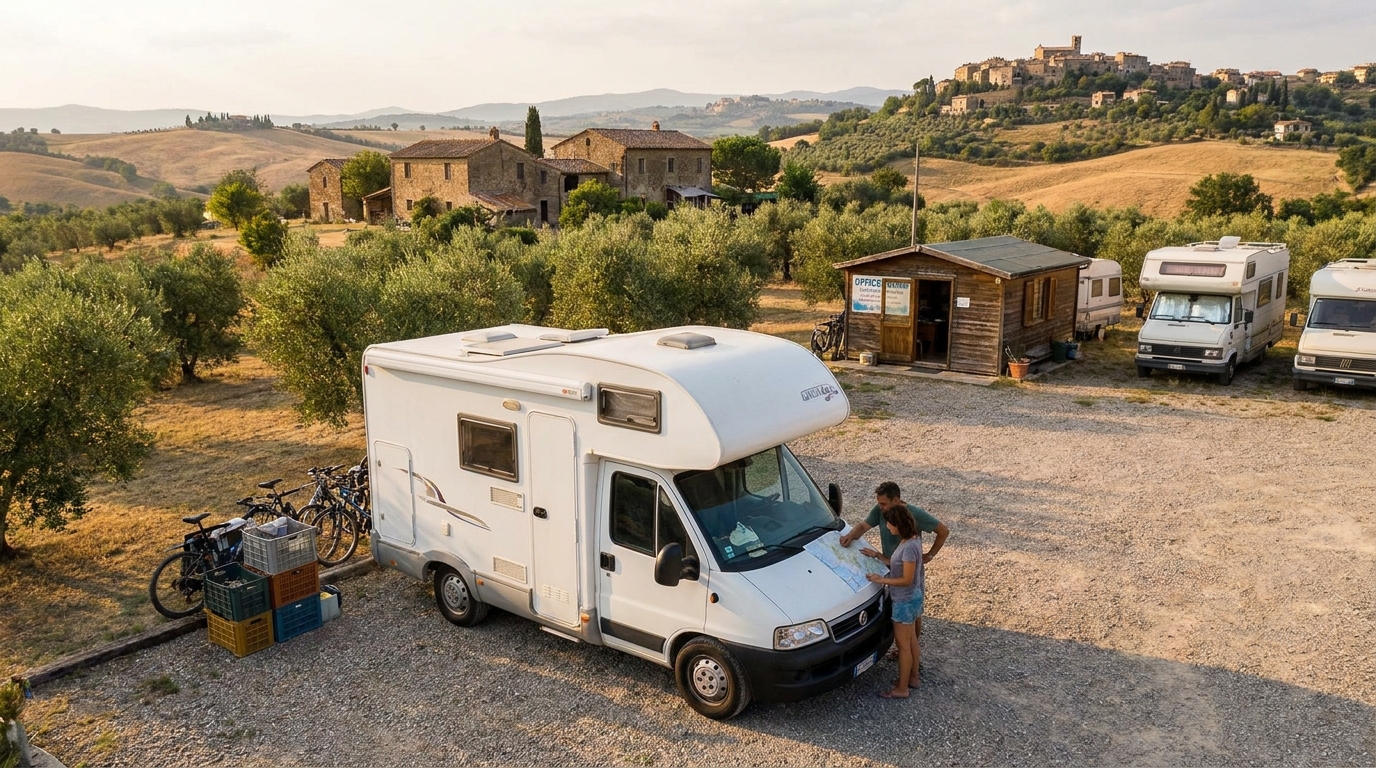
When selecting a campground in Europe, prioritize establishments that clearly list their amenities and specific RV services, such as waste disposal and fresh water refill points. This transparency ensures you'll find a spot that meets your needs. Look for parks with good access roads suitable for your RV's size and those offering diverse pitch options, from basic grass plots to fully serviced hardstands.
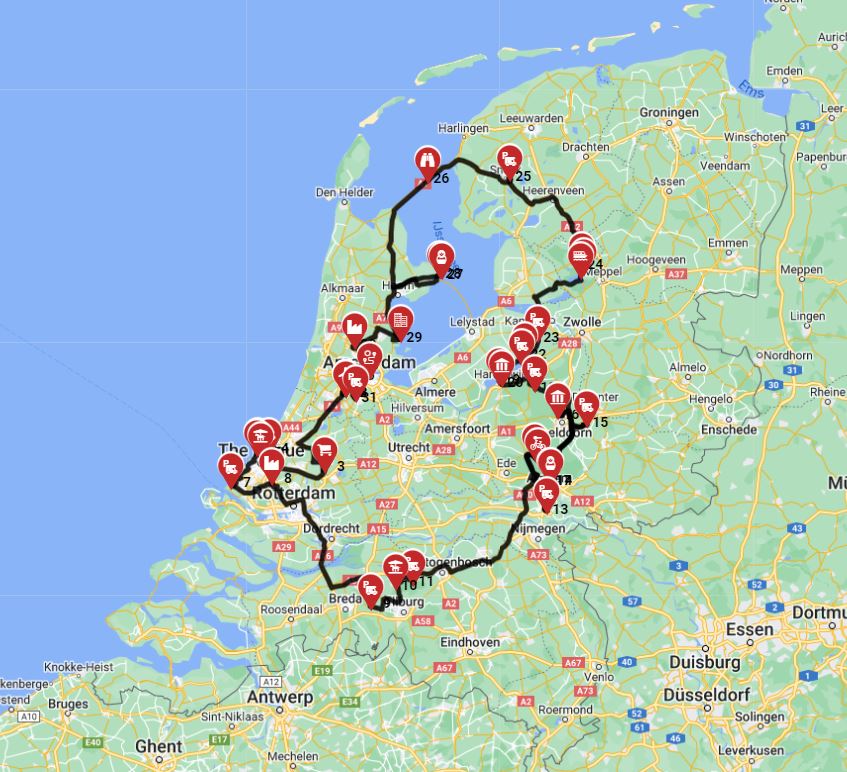
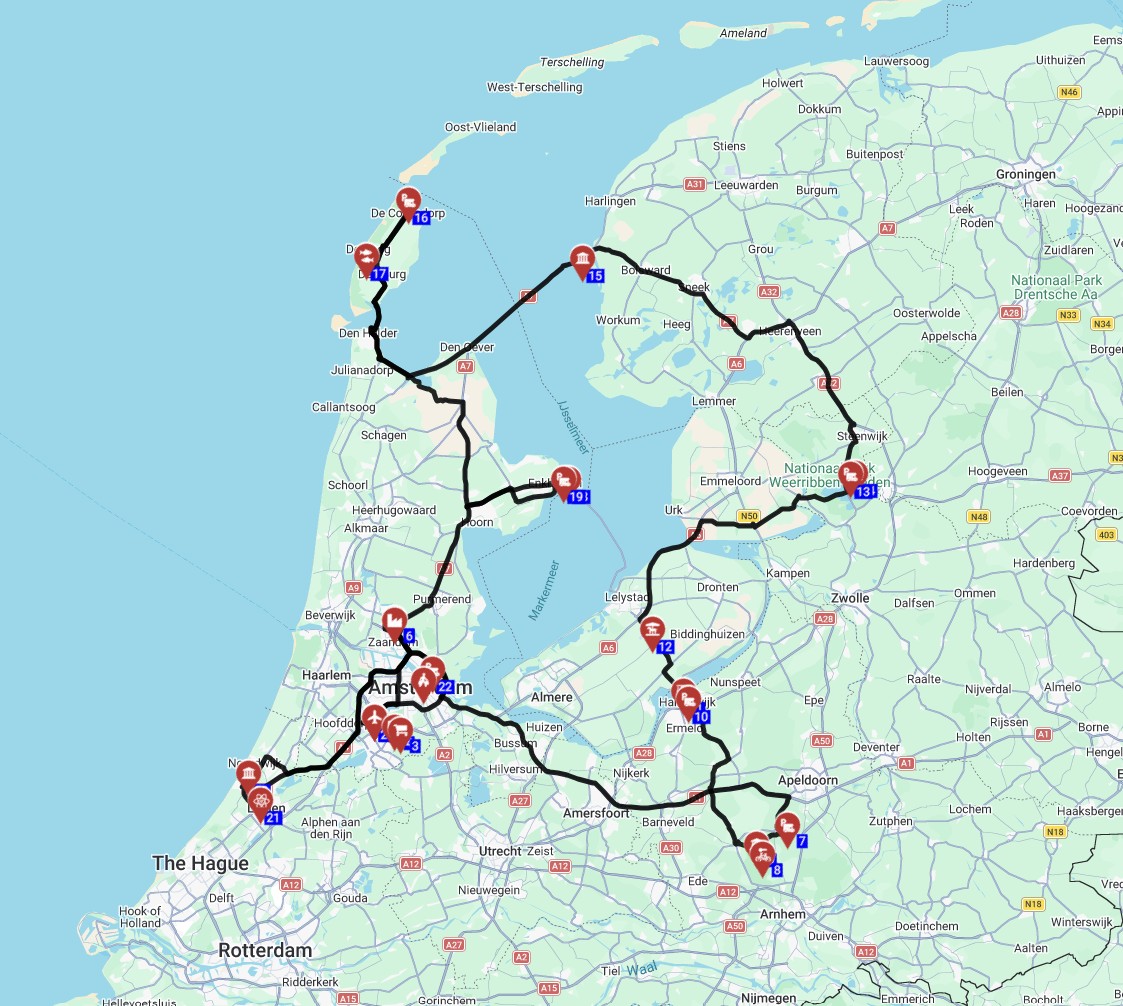
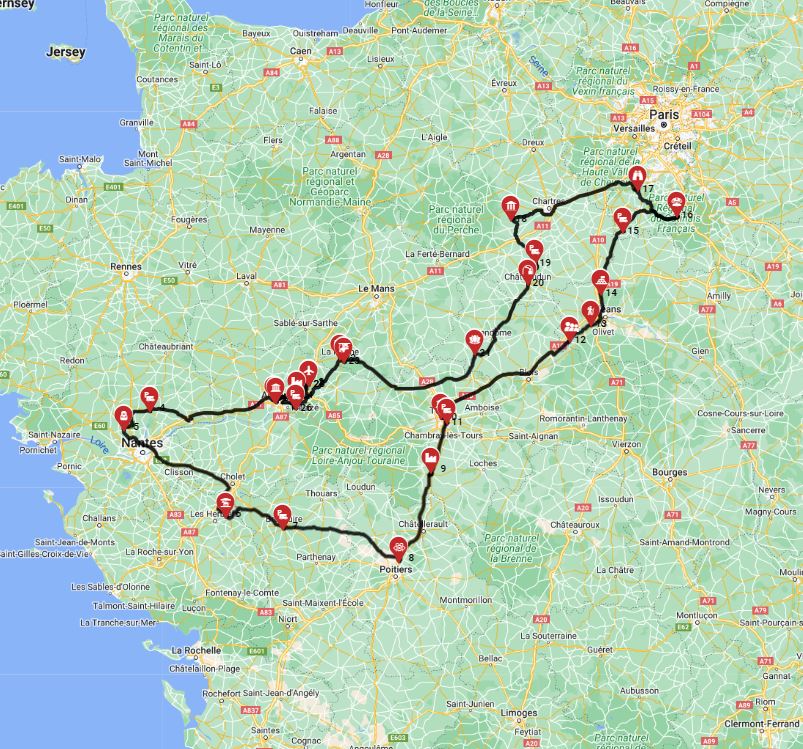
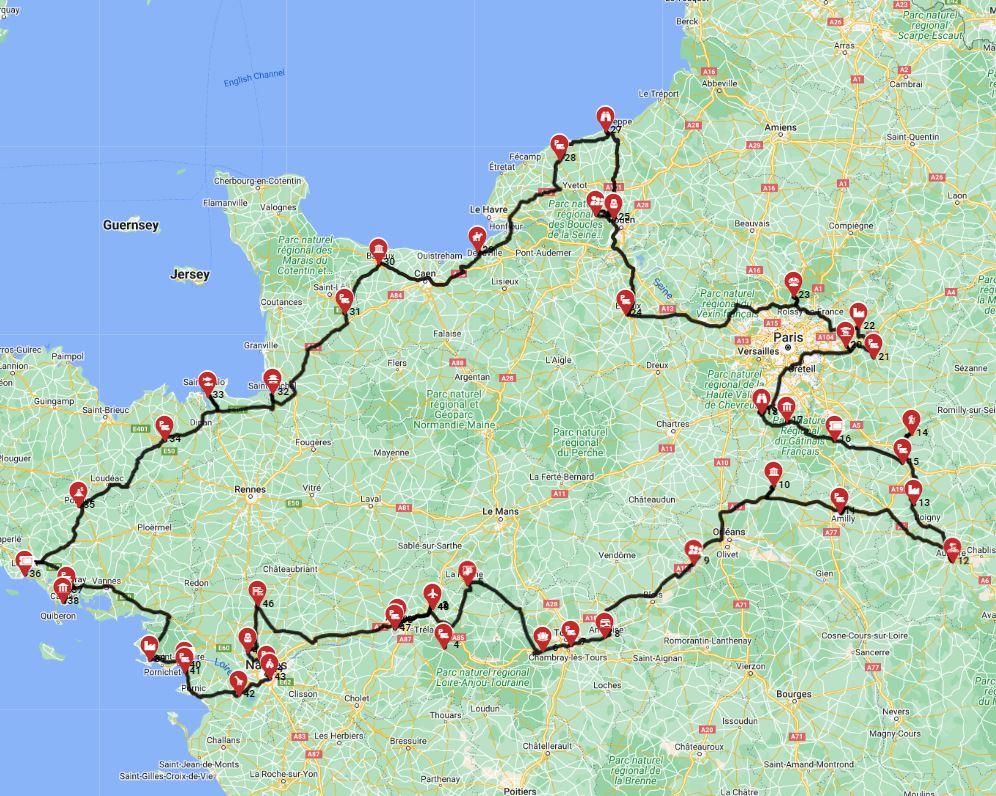
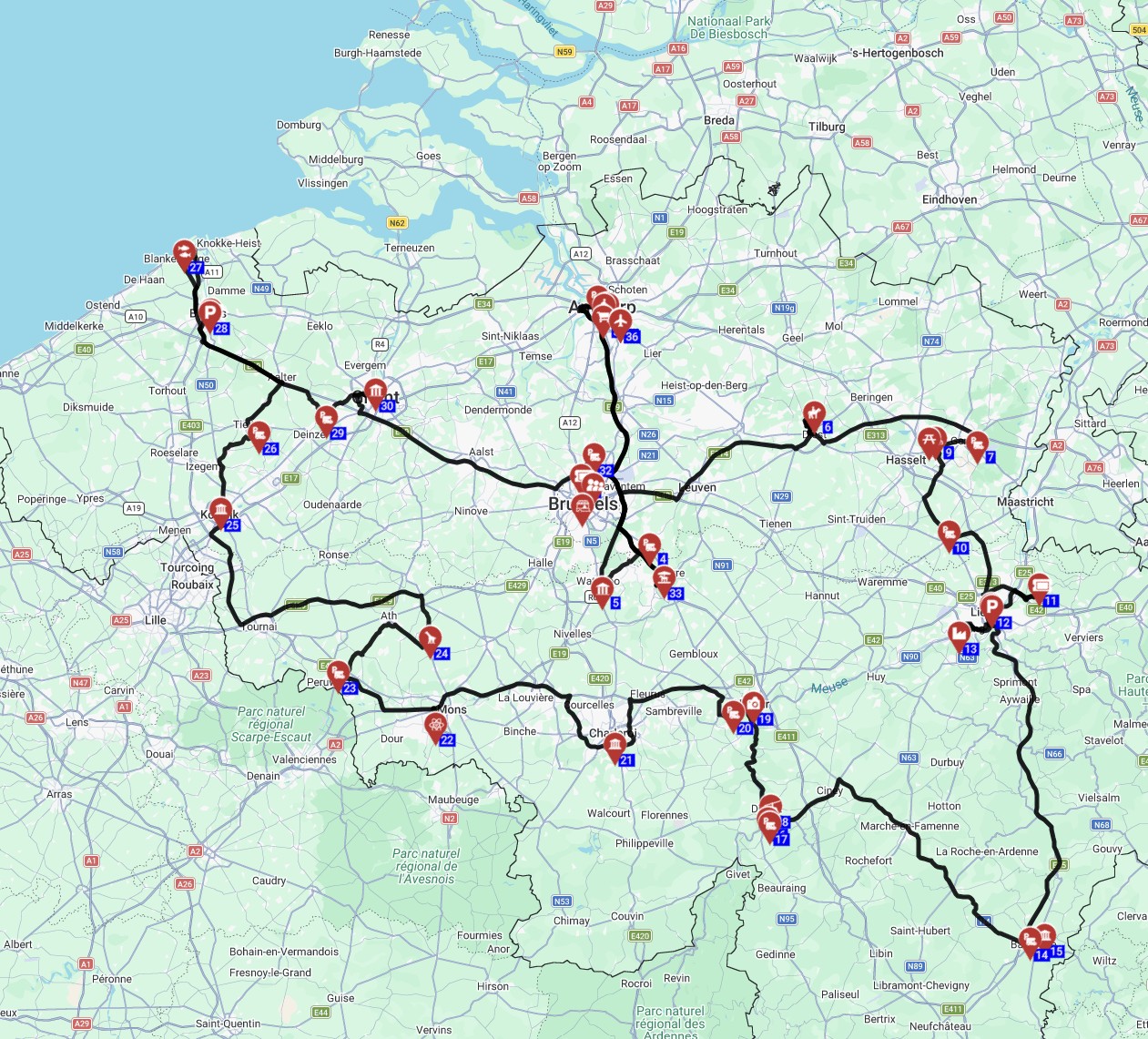
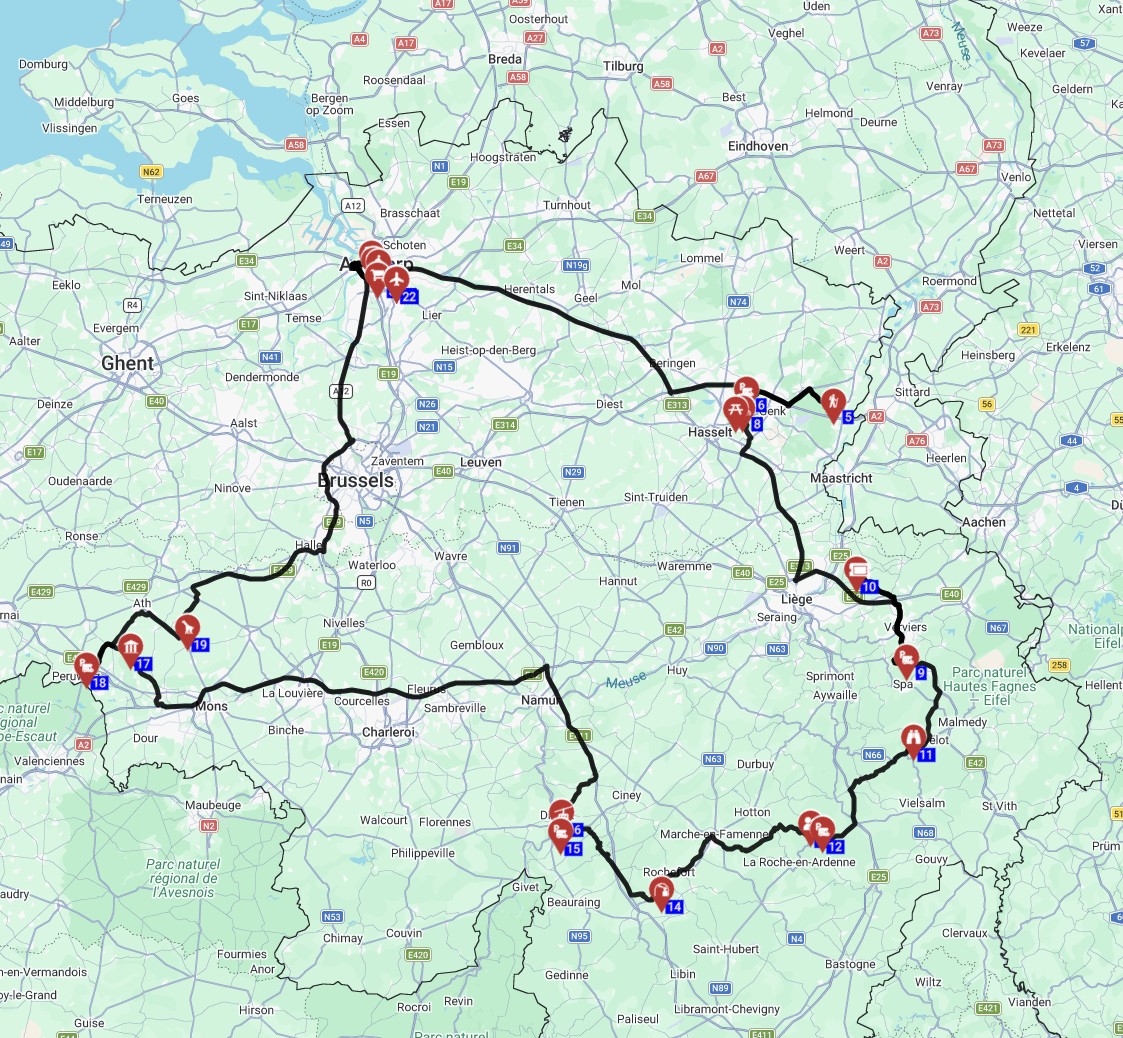
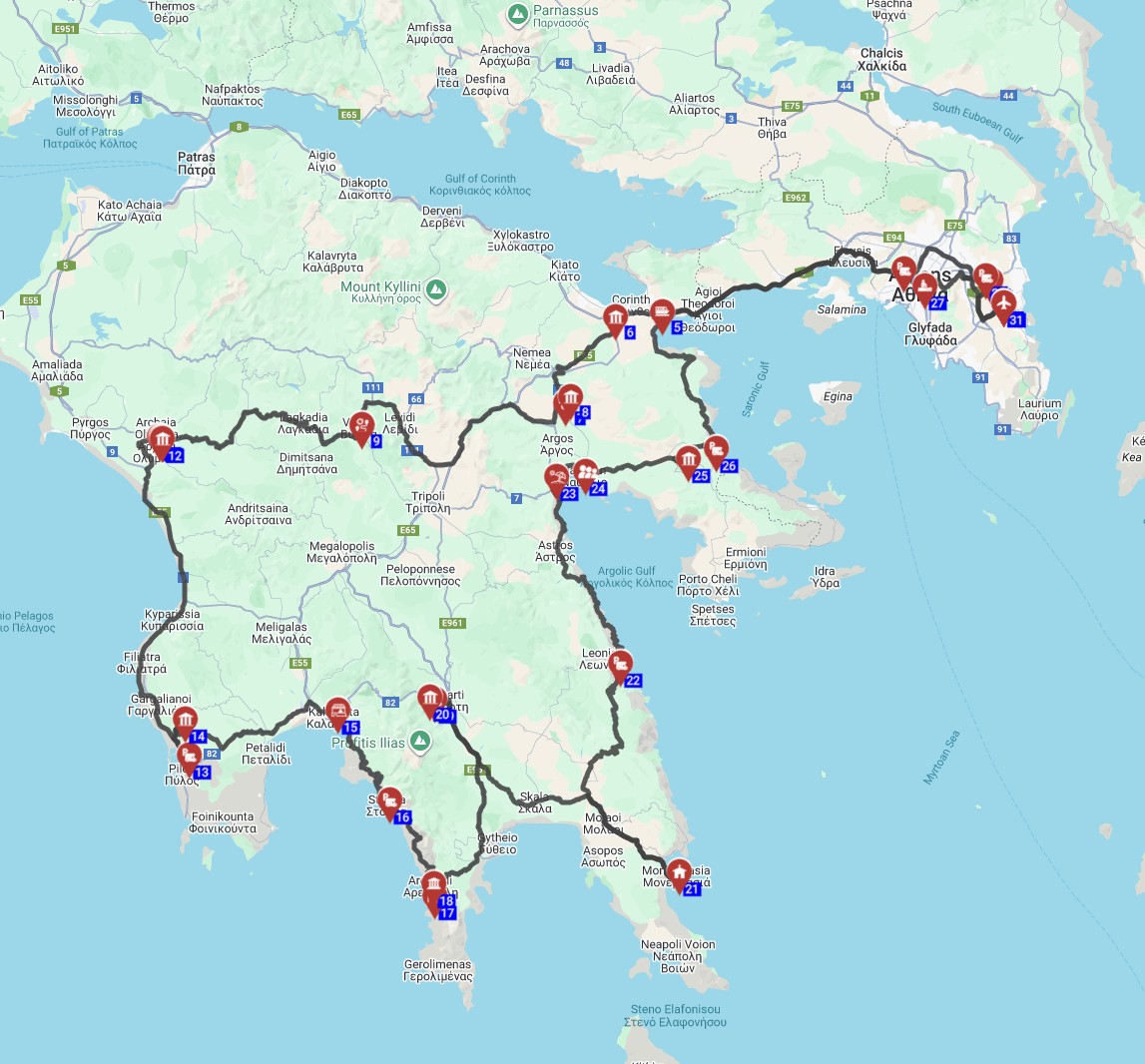
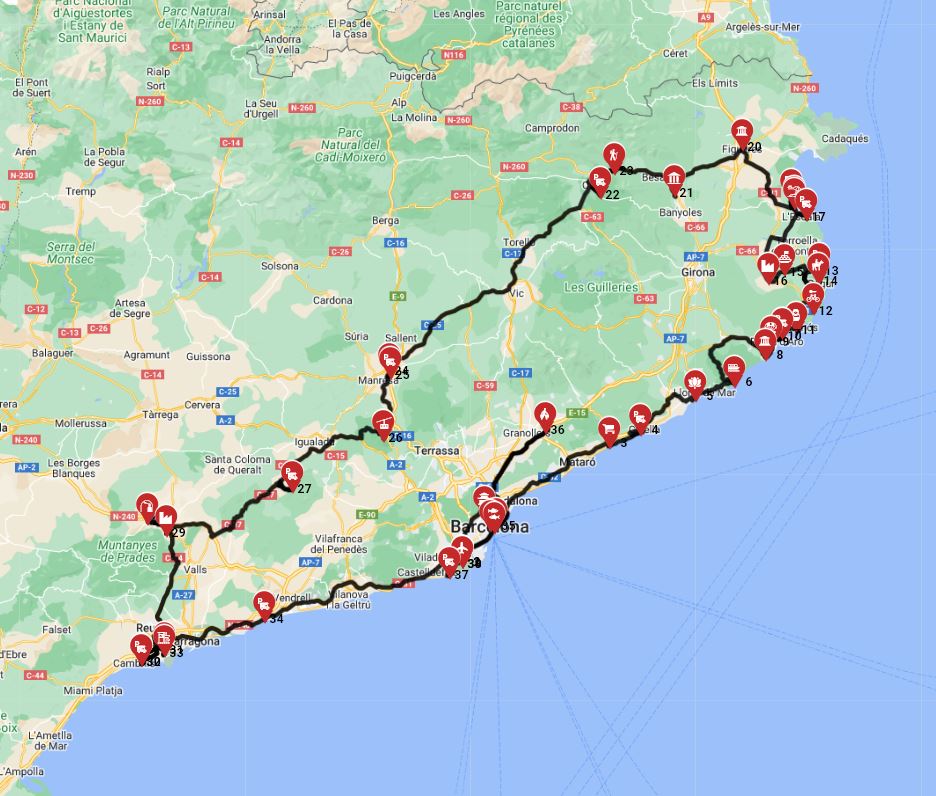
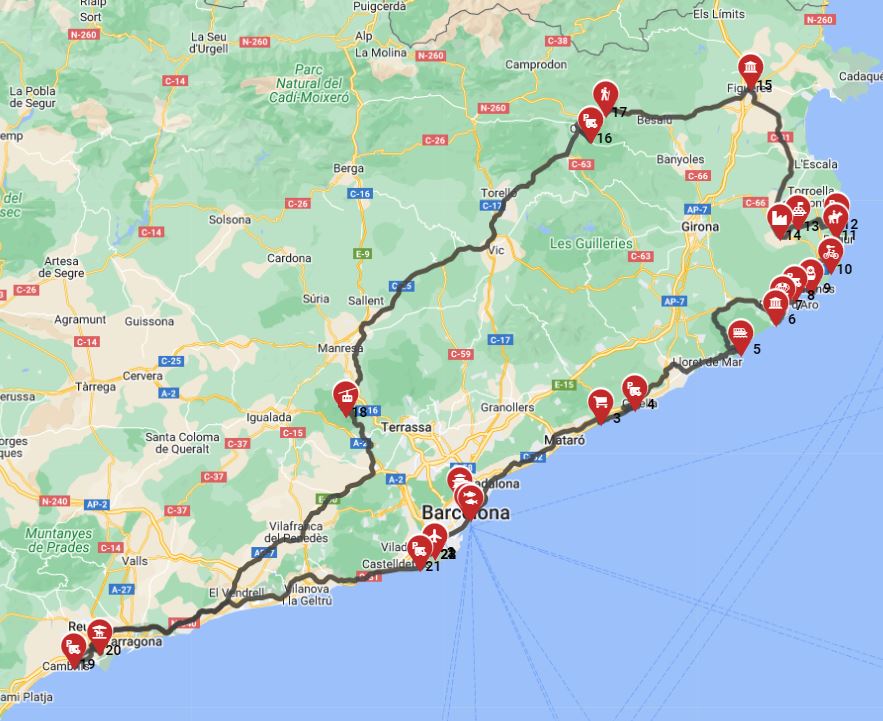
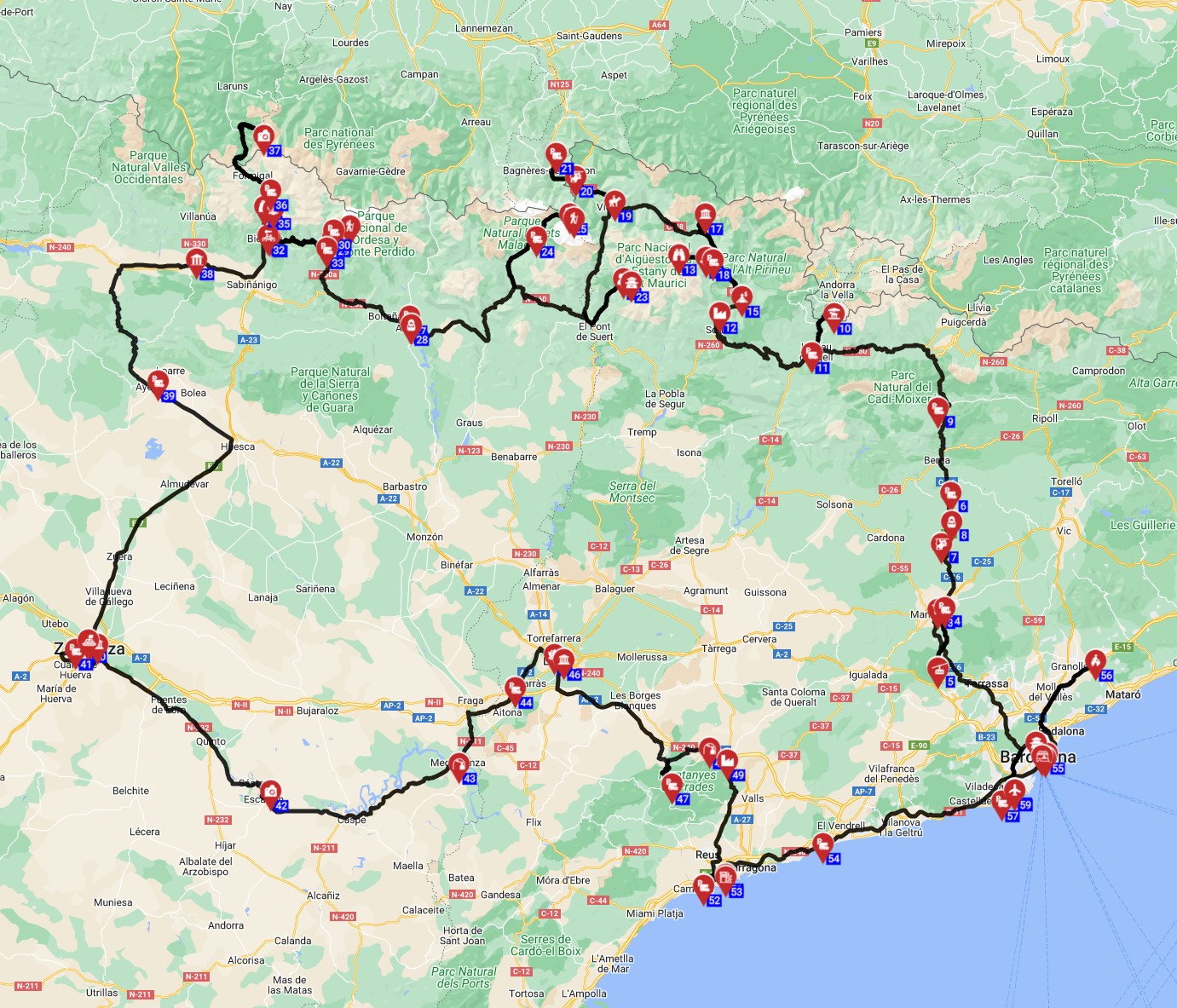
Reading recent user reviews on platforms like Campercontact or Park4Night can provide invaluable insights into a campground's atmosphere, cleanliness, and overall experience, helping you avoid potential disappointments. Consider whether you prefer family-friendly sites with playgrounds or more tranquil, adults-only locations based on your travel companions and desired ambiance. For a seamless route, consider planning your stops using the resources available through RV PLANET routes, which can help itemize and track every expense along the way for easy budgeting. On the routes offered through RV PLANET routes, you can itemize and track every expense along the way for easy budgeting.
Hookups & Amenities — What to Expect
European campgrounds typically offer standard hookups with 230V electricity and CEE blue-plug connectors; ensure you have the correct adapters for your rental RV. Fresh water points and grey/black water dump stations, commonly referred to as service points, are standard features at most campgrounds and many designated RV parking areas across the continent.
Wi-Fi is increasingly prevalent at campgrounds, though it's often an additional paid service with variable speeds. For more reliable mobile data connectivity, consider using a local SIM card. Laundry facilities, including washing machines and dryers, are available at most mid-to-large campgrounds and are typically coin-operated. You'll find shared toilet and shower blocks, ranging from basic to modern facilities, while some premium pitches might offer private bathrooms. Many sites also provide additional amenities such as swimming pools, restaurants, mini-markets, and playgrounds, especially during the peak season, enhancing your camping experience.
Booking Windows & Reservations in Europe
To secure your preferred campground and pitch type, booking 3-6 months in advance is highly recommended for peak season travel (July-August) or popular destinations. Shoulder seasons (May-June, September-October) generally offer more flexibility, though popular sites over holidays may still require booking a few weeks out. Many national park campgrounds release only 25%–30% of their spots for advance reservations, leaving the majority for first-come, first-served arrivals.
Spontaneous travelers can often find same-day or next-day availability in the shoulder or off-season, especially if flexible with location; however, calling ahead is always advisable to confirm. You will almost certainly find a place – if not at your first choice campground, then at a nearby alternative – though it may require some flexibility in your plans. Utilizing apps like Park4Night or Campercontact can help you check real-time availability and user reviews for last-minute options before you start driving.
Nearby Supermarkets & Resupply Points
For convenient resupply during your travels, look for major European supermarket chains such as Lidl, Aldi, Carrefour, and E.Leclerc, which are widely available across the continent. These stores offer a broad range of groceries, fresh produce, and often camping essentials, providing excellent value for self-catering your meals.
Smaller towns will also feature local grocery stores or markets, which are ideal for discovering regional specialties and supporting local businesses, although prices might be slightly higher. Utilize navigation apps like Google Maps to locate the nearest supermarkets or larger retail parks along your route, especially before venturing into more remote areas. Be mindful of varying opening hours by country and day; many stores, particularly in Southern Europe, may close on Sundays or for afternoon siestas, so it's wise to plan your shopping trips accordingly.
Best RV Class for Camping in Europe
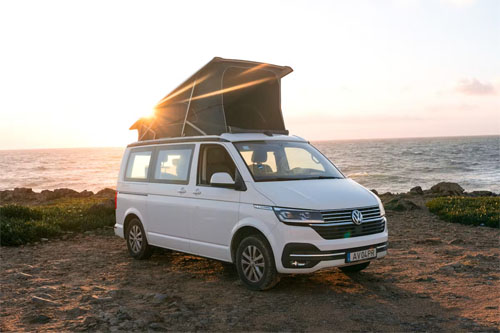
The "best" RV class for camping in Europe depends on your travel style and priorities. Class B Camper Vans are ideal for navigating Europe's often narrower roads and historic city centers, with Bandana's global fleet averaging 5.8 meters in length and sleeping 3.2 people. These camper vans, consuming around 8-10 Liters/100 Km fuel, are excellent for discreet wild camping (where permitted) and fitting into smaller campground pitches.
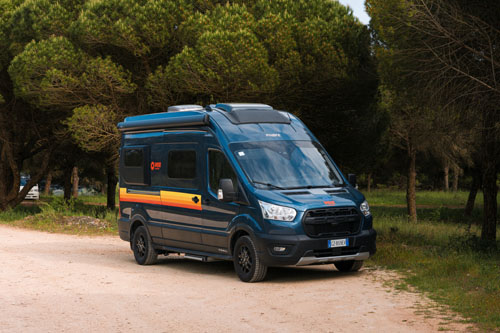
Class SI - Semi-integrated RVs offer a good balance of comfort and maneuverability, with an average length of 6.9 meters and sleeping 3.8 people from Bandana's global fleet. These models, consuming around 10-11 Liters/100 Km, provide more living space for longer trips while remaining manageable on diverse European roads. Larger Class C Alcove RVs (average 7.5m, sleep 5.8, 10-12L/100km) and Class A Integrated RVs (average 7.5m, sleep 4.4, 8-12L/100km) offer more space but can be challenging on very narrow roads, in urban areas, and require larger pitches. Ensure you hold the appropriate driving license for your chosen RV's weight, typically a B category for vehicles up to 3.5 tonnes.
How to Save on Campgrounds in Europe
To significantly reduce campground costs in Europe, utilize discount cards like ACSI, CampingCard International (CCI), or ADAC CampCard. These cards offer substantial savings, typically 10-50%, on off-peak pitches at thousands of participating campgrounds across the continent. Traveling during the shoulder seasons (spring and autumn) also presents an opportunity to benefit from lower prices, fewer crowds, and often pleasant weather, making your trip more economical and enjoyable.
Opting for municipal or regional campgrounds over private resorts tends to be more affordable while still providing essential facilities. Booking longer stays, such as 3 or more nights, can often qualify you for weekly rates or special discounts that reduce the nightly cost. Consider designated "Stellplätze" (Germany/Austria) or "Aires de Service" (France) for free or low-cost overnight parking, often equipped with basic services, as a more budget-friendly alternative to full-service campgrounds. Choosing non-electric pitches if you are self-sufficient can further reduce daily expenses.
Can you park a motorhome anywhere in Europe?
No, parking a motorhome anywhere in Europe is generally not permitted, with specific regulations varying significantly by country and even local municipality. While you can often *park* an RV where cars are allowed, *camping* – such as deploying awnings or setting out chairs – is typically restricted to designated campgrounds or specific overnight parking areas. This distinction is crucial for avoiding fines and respecting local laws.
Countries like Portugal, Slovenia, and parts of Spain have tightened wild camping laws, imposing fines for violations. Conversely, Scandinavia offers more freedom with "Allemansrätten" (freedom to roam), allowing overnight stays in undeveloped areas provided you respect private property and local guidelines. Always check local signage and specific country laws, and utilize apps like Park4Night to identify legal overnight parking spots to ensure a hassle-free experience.
What is the 333 rule for campervan?
The "3-3-3 rule" for campervan travel is a popular guideline for responsible and enjoyable RV trips, suggesting a relaxed pace: drive no more than 300 kilometers (or 3 hours) per day, arrive at your destination by 3 PM, and stay at least 3 days in a location. This approach helps prevent driver fatigue and encourages deeper immersion in an area.
Driving no more than 300 km or 3 hours prevents driver fatigue and encourages a relaxed pace of travel. Arriving by 3 PM ensures ample time to find a suitable campsite or overnight spot, set up, and explore before dark. Staying at least 3 days in a location promotes slower travel, deeper immersion in an area, and reduces the constant packing and unpacking cycle, allowing for a more fulfilling experience.
Is Europe RV friendly?
Yes, Europe is largely RV-friendly, offering extensive infrastructure, diverse landscapes, and a culture that generally accommodates motorhome travel, although friendliness can vary by region and country. Many countries, especially France, Germany, Italy, and Spain, have excellent networks of dedicated RV parking areas and well-equipped campgrounds, making it easy to find suitable spots.
Road infrastructure is generally good, though some older towns and rural areas may feature narrow, winding roads or have specific weight/height restrictions that RVers should be mindful of. Cultural nuances include varying driving etiquette and language barriers (though English is widely spoken in tourist areas), which RVers should research. Pet travel is generally straightforward with an EU pet passport, microchip, and up-to-date vaccinations, though some campgrounds or public transport may have restrictions, so it's best to check ahead.
Is it cheaper to rent an RV or stay in hotels?
Renting an RV can indeed be cheaper than staying in hotels, particularly for families or longer trips, due to savings on accommodation and the ability to self-cater. However, overall costs vary widely based on RV class, fuel prices, campground fees, and your travel style. RVs combine transport and lodging, often making a single nightly campground fee (typically €15-€50) more economical than multiple hotel rooms, especially for groups.
Cooking your own meals in an RV using local supermarkets can significantly reduce food expenses compared to dining out. Fuel costs are a significant variable; Europe generally has higher fuel prices, and a Class SI RV typically consumes 10-11 Liters/100 km. Opting for free or low-cost overnight parking ("Stellplätze" or "Aires de Service") or wild camping (where legal) can dramatically cut accommodation costs. Remember that initial RV rental costs and comprehensive insurance can be substantial, so it's essential to compare these against total hotel and dining expenses for your planned trip duration. For ideas you can prep on the road, watch our RV-friendly recipes playlist on YouTube.
Is rving a thing in Europe?
Yes, RVing is very much "a thing" in Europe, with a long-standing and growing culture of motorhome and campervan travel that attracts millions of domestic and international tourists annually. The continent's diverse landscapes, well-developed infrastructure for motorhomes, and the freedom it offers to explore multiple countries and cultures at one's own pace contribute to its popularity.
Millions of Europeans own RVs, and the rental market is robust, catering to both domestic and international travelers. Europe hosts numerous RV shows, dedicated magazines, and a strong community of enthusiasts, all indicating RVing's deep-rooted presence. The widespread growth of "Stellplätze" and "Aires de Service" (designated overnight parking areas) across countries like France, Germany, and Spain further underscores RVing's acceptance and convenience, making it an accessible and rewarding way to travel.
Can you sleep anywhere in a campervan in Europe?
No, sleeping anywhere in a campervan in Europe is generally restricted and subject to specific local and national laws, which often differentiate between parking and overnight camping. While you are often permitted to *park* your campervan in a legal parking spot, *sleeping* or setting up camp (e.g., extending an awning, putting out chairs) overnight is frequently prohibited outside designated campsites.
Laws vary drastically: Scandinavian countries typically have more relaxed rules regarding wild camping, while Southern European countries (e.g., Portugal, Italy) tend to have stricter enforcement. Designated overnight parking areas ("Stellplätze" or "Aires de Service") are legal options for sleeping, offering basic services but usually not full campground amenities. Always look for clear signage indicating prohibitions on overnight stays or camping, and use apps like Park4Night to find legal and safe spots.
What is the best app for campsites in Europe?
Several apps are highly regarded as the best for finding campsites in Europe, including Campercontact, Park4Night, and ACSI Campings Europa, each offering unique features tailored to different travel styles. Park4Night is particularly excellent for discovering all types of overnight stops, from official campgrounds to free spots and service areas, relying heavily on user contributions for dynamic information.
Campercontact is a comprehensive database primarily focused on official motorhome pitches and campgrounds, providing detailed information on facilities, prices, and user reviews. ACSI Campings Europa is ideal for those seeking traditional campgrounds, especially during the shoulder season, offering detailed information and ratings for thousands of sites, often with integrated discount card options. Other useful apps include ReiseMobil Atlas, popular in German-speaking countries, and general navigation apps like Google Maps for broader service location searches.
Which European country is best for camping?
While the "best" country for camping is subjective and depends on individual preferences, countries like France, Germany, Italy, Spain, and Norway are consistently ranked among the top European destinations for RVing due to their well-established infrastructure, diverse landscapes, and welcoming RV culture.
France boasts an extensive network of campsites and "Aires de Service," offering varied options across its diverse landscapes. Germany is renowned for its excellent "Stellplätze" system, providing numerous free or low-cost overnight parking options that are often well-maintained. Italy offers stunning coastal campsites, mountain retreats in the Dolomites, and unique agriturismo options for memorable stays. Spain provides a mix of beachside camping, easy access to historical cities, and a vibrant campervan culture, although wild camping regulations are becoming stricter. Norway is famous for its breathtaking fjords and mountains, offering more freedom for wild camping under "Allemansrätten." Ultimately, the "best" country depends on your preferred landscape, budget, and desired balance between infrastructure and freedom.
What is the 28 day rule regarding camping?
The "28-day rule" regarding camping typically refers to specific planning regulations in some European countries, like the UK, which limit the duration you can stay on certain undeveloped land or operate a temporary campsite without needing formal planning permission. In the UK, landowners can generally allow camping on their property for up to 28 days in any calendar year without needing such permission.
This rule primarily affects the landowner's ability to host campers informally, rather than directly restricting an individual RVer's stay, though it can influence the availability of informal spots. Outside the UK, similar temporary permissions or restrictions may exist, but the specific "28-day rule" is most commonly associated with British planning law. It's crucial to distinguish this from personal limits on how long an individual RVer can stay in one spot, which are often much shorter (e.g., 24-48 hours in Stellplätze) and governed by local parking and camping laws.
Final Thoughts
Renting an RV in Europe opens up a world of possibilities, offering unparalleled freedom to explore diverse cultures and breathtaking landscapes at your own pace. Whether you dream of coastal drives, mountain vistas, or charming countryside routes, there's an RV adventure waiting for you.
Remember to plan ahead, especially for peak seasons, but also embrace flexibility. With the right preparation and resources, your European RV journey promises to be an unforgettable experience. Get inspired for your next trip and start planning today!