In This Guide
- Where to Camp in Center Europe - Top Options
- Campground Types in Center Europe (National, Private, Wild)
- Featured RV Park or Campground in Center Europe
- Hookups & Amenities - What to Expect
- Booking Windows & Reservations in Center Europe
- Nearby Supermarkets & Resupply Points
- Best RV Class for Camping in Center Europe
- How to Save on Campgrounds in Center Europe
- Can you park a motorhome anywhere in Europe?
- Is Europe RV friendly?
- What do they call RVs in Europe?
- Are there RV parks in Europe?
- What is the 3-3-3 rule for RV travel?
- Where are some good campsites for motorhomes in Europe?
- Can you sleep anywhere in a campervan in Europe?
- How much does it cost to rent an RV in Europe?
- Is it cheaper to rent an RV or stay in hotels?
- What is the best RV rental company?
- What You Shouldn't Miss
- Why Book with Bandana Caravan
- Final Thoughts
- Frequently Asked Questions
Imagine waking up to the crisp alpine air, sipping coffee with a view of medieval castles, or exploring charming villages with the freedom of your own mobile home. RV travel in Center Europe offers an unparalleled adventure, combining stunning landscapes with rich history and culture. Whether you're a seasoned RVer or planning your first week-long trip, finding the best RV camping deals in Center Europe - Discounted Sites 2026 can make your journey even more enjoyable and budget-friendly. For live availability and current prices, start with our RV Rental Center Europe - Complete Guide 2026 guide.
Where to Camp in Center Europe - Top Options
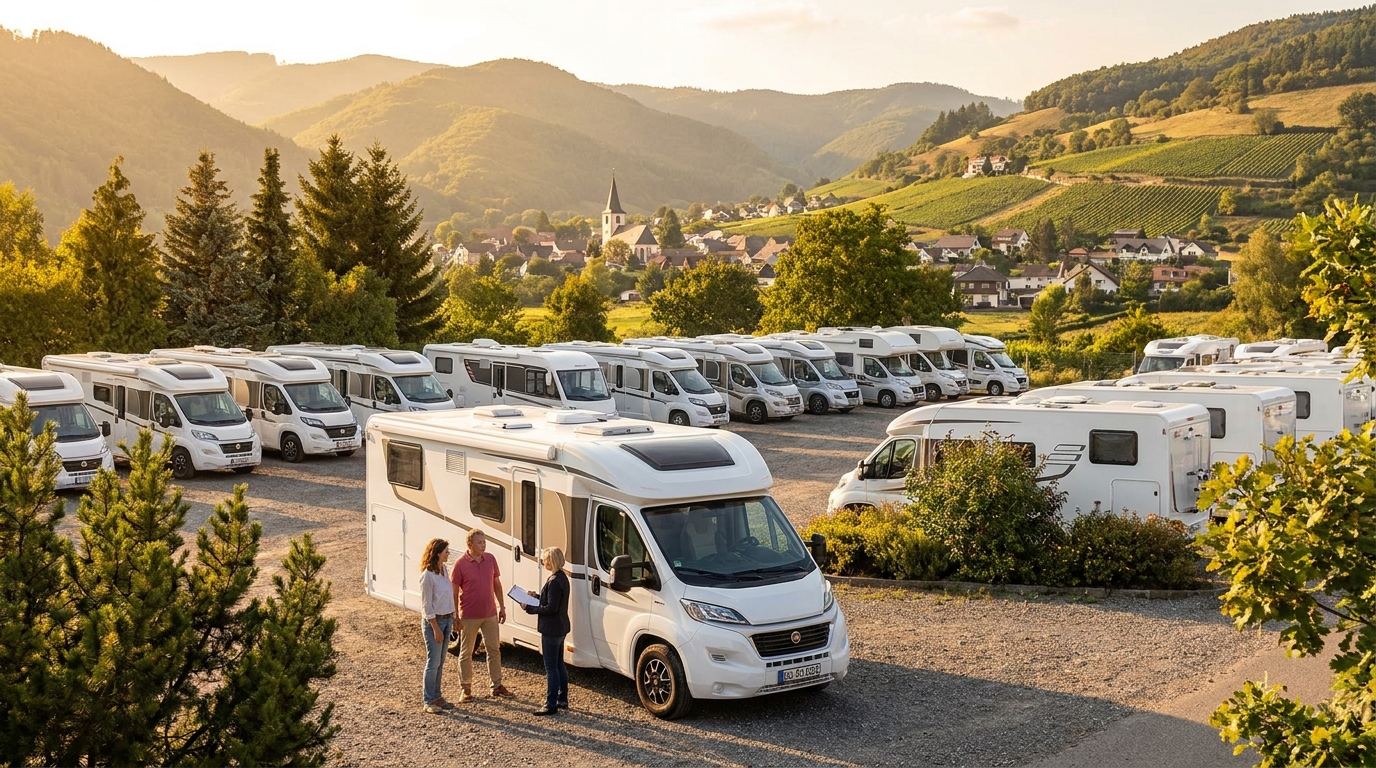
Central Europe offers diverse camping experiences, from alpine retreats in the Austrian Alps to picturesque lakeside spots in Bavaria, Germany, and historic city-edge campgrounds. Popular camping regions in Center Europe, such as the Black Forest in Germany, the Dolomites in Italy, or Lake Balaton in Hungary, provide varied landscapes and well-maintained facilities suitable for various RV sizes.
Picture yourself parked alongside a tranquil lake in Austria's Salzkammergut, or nestled within a forest in the Czech Republic, ready to embark on a hike. Many campgrounds are strategically located to offer easy access to natural parks, hiking trails, and local attractions. These locations provide more than just a place to park; they become your base camp for exploration. Remember to travel slowly, perhaps a maximum of 100-150 km per day on average, to truly immerse yourself in each place, connecting with the local culture, food, and scenery.
Campground Types in Center Europe (National, Private, Wild)
Center Europe features three primary campground types: National Park sites, private campgrounds, and designated 'wild' or free camping spots. National Park campgrounds offer nature immersion with basic to moderate amenities, often requiring reservations, particularly during peak season from June to August.
Private campgrounds, on the other hand, provide extensive facilities like swimming pools, restaurants, and entertainment, varying greatly in price and luxury. These can range from a modest €25/night to over €60/night for premium sites. Wild camping, or 'freedom camping,' is generally restricted or tolerated with caveats in many Central European countries; always research specific country and regional laws to avoid fines and ensure respect for local etiquette and private property. Apps like Park4Night and Campercontact are invaluable resources for finding legal overnight spots, some of which are free or require a small fee of €5-€15.
Featured RV Park or Campground in Center Europe
When choosing an RV park in Center Europe, look for establishments that cater specifically to motorhomes with sufficient space, electrical hookups, and convenient waste disposal facilities. Many top-rated campgrounds, such as Camping Grubhof in Austria or Caravan Park Sexten in the Italian Dolomites, offer a comprehensive range of facilities like clean shower blocks, laundry services, and on-site shops or restaurants, which can significantly enhance your travel comfort.
Location is key: some parks provide direct access to hiking trails or beautiful lakes, while others are strategically placed for city sightseeing, often offering excellent public transport links into urban centers. Always check for specific amenities that matter to your trip, such as pet-friendly policies or child-friendly play areas, as these can vary widely between sites. For more pricing details, consider exploring "RV Rental in Center Europe - Prices and Best Deals 2026".
Hookups & Amenities - What to Expect
In Center Europe, RV campsites typically offer essential hookups, including 230V electricity (requiring a CEE plug adapter, which is often provided by the rental supplier or available for purchase), fresh water, and gray/black water dump stations. Many private and even some public campgrounds provide Wi-Fi, though signal strength and reliability can vary, especially in more remote areas or national parks. On the routes offered through RV PLANET routes, you can itemize and track every expense along the way for easy budgeting.
Expect clean, modern shower and toilet facilities; hot water is usually included or available for a small fee (e.g., €0.50-€1 per shower). Additional amenities frequently include laundry facilities, communal kitchens, on-site shops for basic groceries, and sometimes swimming pools or playgrounds, making your stay comfortable for the whole family. Having a kitchen in your rental motorhome allows you to cook delicious meals and save on dining out. Discover exciting RV-friendly recipes playlist to prepare on your journey.
Booking Windows & Reservations in Center Europe
For popular destinations and peak season (June-August), reserving your RV campsite well in advance is highly recommended to secure your preferred spot, especially for week-long or two-week adventures. Pre-planners should aim to book several months ahead, particularly for national park campgrounds or highly-rated private resorts, where spots can fill up quickly.
However, spontaneous travelers can often find same-day or next-day availability, especially in shoulder seasons (April-May, September-October) or at larger, less exclusive sites. Many national park campgrounds in Center Europe release only a portion (e.g., 25%-30%) of their spots for advance reservations, with the remainder available on a first-come, first-served basis, ensuring options even for last-minute trips. It's always wise to call ahead before driving to confirm availability, ensuring you'll find a spot, if not at the first campground, then the next one.
Nearby Supermarkets & Resupply Points
Resupplying your rented RV in Center Europe is remarkably convenient with a wide array of supermarket chains accessible in most towns and cities. Look for major chains like Lidl, Aldi, Rewe, and Edeka in Germany; Billa and Spar in Austria; Kaufland and Tesco in the Czech Republic or Hungary; and Carrefour in France or Italy, for groceries and essential supplies. These stores offer excellent value and a chance to experience local food culture.
Many campgrounds are situated near smaller villages with local bakeries and butcher shops, perfect for fresh regional produce and specialties. Planning your grocery stops around larger towns will ensure access to the best selection and often better prices for cooking in your compact RV kitchen. Budgeting for these ancillary costs is essential, and on RV PLANET routes, travelers can itemize and track every expense along the way for easy budgeting.
Best RV Class for Camping in Center Europe
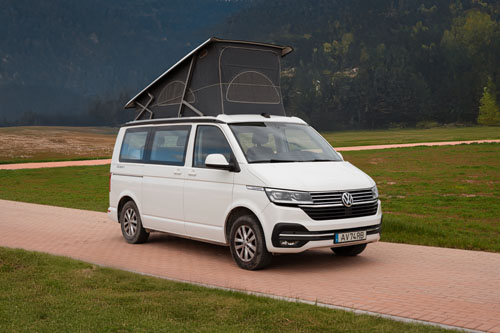
For camping in Center Europe, smaller, more maneuverable RV classes like the Class B Camper Van or Class SI Semi-integrated motorhomes are generally best suited for navigating narrower roads and charming village streets. Class B Camper Vans, averaging 5.8 meters in length with 3.2 sleeping places, are ideal for couples or small families, offering excellent fuel economy, typically 8-10 Liter/100 Km.
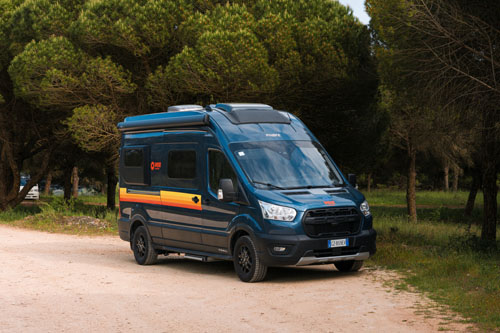
Class SI Semi-integrated motorhomes, with an average length of 6.9 meters and 3.8 sleeping places, offer a good balance of comfort and agility for both organized campgrounds and exploring diverse landscapes, typically consuming 10-11 Liter/100 km. While larger Class C Alcove (avg. 7.5m) and Class A Integrated (avg. 7.5m) RVs offer more space, their size can be challenging for some European campsites and historic city centers. Drive slowly and carefully, and you can drive almost anywhere without issues. No need to stress - just use common sense and pay attention, regardless of RV size. Our "Family RV Rental in Center Europe - Pricing Guide 2026" offers more details on suitable vehicles.
How to Save on Campgrounds in Center Europe
To save on RV campground costs in Center Europe, consider utilizing discount cards (like ADAC CampingCard or ACSI Card) often offered by rental companies or associations, which can provide significant savings at participating sites. Booking during the shoulder seasons (spring from April to May and fall from September to October) can dramatically reduce nightly rates by 30% to 50% compared to peak summer prices.
Opt for municipal or regional campgrounds, which are typically more budget-friendly (often €15-€30 per night) than luxurious private resorts. Many campgrounds provide weekly rates that are more economical than booking night-by-night, so plan for longer stays, and inquire about group discounts if traveling with multiple RVs to potentially share hookup costs. Exploring options via our "RV Rental Deals in Center Europe - Latest Offers 2026" might also reveal cost-saving opportunities.
Can you park a motorhome anywhere in Europe?
No, you cannot park a motorhome anywhere in Center Europe; wild camping or free parking is largely restricted or subject to specific rules across Central European countries. Regulations vary significantly by country and even by region within a country, with some allowing overnight stays in designated areas (e.g., service areas, some car parks) while others strictly prohibit it outside of official campsites, to avoid fines of up to €500 or more.
Always consult local laws and use dedicated apps like Park4Night or Campercontact to find legal overnight parking spots and avoid fines. Urban areas often have low emission zones and specific parking restrictions for larger vehicles, requiring pre-registration or specific permits, especially in German and Austrian cities like Berlin or Vienna. This highlights the importance of planning your stops, even for single overnight stays.
Is Europe RV friendly?
Europe is generally RV friendly, offering a vast network of campgrounds and services, but it is best suited for smaller, more agile vehicles due to narrower roads and town centers. Central European countries boast excellent infrastructure for motorhomes, including numerous campsites, service points, and well-maintained roads designed to accommodate recreational vehicles.
However, navigating historic city centers and tight village streets can be challenging for larger RVs; smaller Class B Camper Vans or Class SI Semi-integrated models are often preferred for their maneuverability and better fuel economy (averaging 9-12 Liter/100 km). RVers should be aware of varying national regulations, speed limits, tolls (e.g., vignette systems in Austria, Switzerland, Czech Republic), and low emission zones in urban areas, all of which require prior research and adherence. Our "RV Rental Europe - Complete Guide 2026" provides a broader overview of RV travel across the continent.
What do they call RVs in Europe?
In Europe, what Americans commonly refer to as an 'RV' (Recreational Vehicle) is most often called a 'motorhome' or 'campervan.' The term 'caravan' typically refers to a travel trailer that is towed by a car, rather than a self-propelled vehicle, making it an irrelevant term for our rental fleet.
'Motorhome' generally encompasses larger, integrated vehicles like Class C Alcove models (e.g., a 7.1-meter long "cruise america rv rental example Explorer" with 82-liter fresh and waste water tanks), while 'campervan' often denotes smaller, van-based conversions (e.g., a 5.9-meter long "luxury rv rentals example Carthago Malibu 600" with a 120-liter fuel tank), reflecting the common preference for more compact vehicles in Europe. Terms like 'Wohnmobil' (German) or 'autocaravana' (Spanish) are also widely used in their respective languages across various Central European regions.
Are there RV parks in Europe?
Yes, Europe has an extensive network of RV parks, commonly known as 'campsites' or 'motorhome parks,' offering a range of facilities for motorhome travelers. These parks vary from basic, budget-friendly municipal sites costing around €15-€25 per night to luxurious private resorts with swimming pools, restaurants, and entertainment programs that can exceed €60 per night during peak season.
Many European RV parks also provide 'Stellplätze' (Germany/Austria) or 'aires de services' (France) – designated overnight parking areas, sometimes with minimal services like fresh water and waste disposal, for a lower fee or even for free. It's common for these parks to be well-equipped with 230V electrical hookups, fresh water, waste disposal facilities, and clean shower blocks, catering to diverse camper needs across Center Europe. For more detailed route plans and campsite information, check out RV PLANET routes.
What is the 3-3-3 rule for RV travel?
The 3-3-3 rule for RV travel is a widely recommended guideline to ensure a relaxed and safe journey: drive no more than 300 miles (approximately 480 km), arrive by 3 PM, and stay for at least 3 nights. This rule is particularly pertinent in Center Europe where roads can be winding, and scenic routes encourage slower travel, ideally around 100-150 km per day on average, to fully absorb the surroundings.
Driving no more than 300 miles per day prevents driver fatigue and allows ample time to enjoy the journey and scenery, rather than rushing through destinations. Arriving by 3 PM provides sufficient daylight to set up camp, explore the immediate area, and allows for finding an alternative spot if the first choice is full, which is especially useful in popular European camping regions. Staying for at least 3 nights at each location offers a deeper immersion into the local culture and attractions, rather than constantly packing and unpacking, contributing to a more enjoyable and less stressful RV experience.
Where are some good campsites for motorhomes in Europe?
Europe boasts numerous excellent campsites for motorhomes, with top options in Central Europe including sites nestled in the Austrian Alps, along the Italian Dolomites, or near picturesque lakes in Bavaria, Germany. For stunning natural beauty, consider campsites in Germany's Black Forest or along the Romantic Road, offering access to charming towns and scenic hiking trails.
Coastal regions like Croatia's Adriatic coast or specific lake districts in Switzerland and Austria provide beautiful lakeside or beachfront pitches, many equipped with 230V electrical hookups and modern sanitary facilities. Many popular tourist areas, such as those near national parks or historic cities like Salzburg or Cesky Krumlov, feature well-equipped campgrounds that are often pet-friendly, providing easy access to attractions while offering comfortable overnight stays. You can find more comprehensive details in our "RV Travel Guide to Center Europe - Tips and Top Spots 2026".
Can you sleep anywhere in a campervan in Europe?
No, you generally cannot sleep anywhere in a campervan in Center Europe; specific laws and regulations regarding overnight parking and wild camping vary widely by country and region. While some countries, particularly in Scandinavia, have more lenient 'right to roam' laws, Central European nations like Germany, Austria, Switzerland, and Italy typically restrict overnight stays outside of designated campgrounds or official Stellplätze/aires, where fees can range from free to €30 per night.
Unsanctioned overnight parking can result in fines of up to several hundred Euros or being asked to move by local authorities, especially on private land or in environmentally protected areas. Always research the specific rules for each country and use apps designed for RVers (e.g., Park4Night, Campercontact) to locate legal and safe places for overnight stays, ensuring you respect local etiquette and parking restrictions, especially concerning low emission zones in urban areas.
How much does it cost to rent an RV in Europe?
The cost to rent an RV in Europe varies significantly based on factors like RV class, rental duration (e.g., a two-week adventure), season, and pick-up location, typically ranging from €70 to €200+ per night. Prices are dynamic, similar to flight tickets, changing daily based on availability and supplier marketing decisions; the final price is set at actual booking time.
Smaller campervans (Class B), such as Bandana's fleet averaging 5.8m in length, are often the most economical option, especially during off-peak seasons, with daily rates possibly starting from €70-€100. Larger motorhomes (Class C or A), like a 7.5-meter long Class C Alcove with a 100-liter fresh water tank and capacity for 4.4 adults, will command higher rental prices, potentially €120-€200+ per night. Beyond the base rental fee, travelers must budget for additional costs including fuel (Bandana's fleet typically consumes 8-12 Liter/100 km), tolls (e.g., vignettes for highways which can cost €10-€40 for short periods), campsite fees (€15-€60/night), insurance, and groceries, which can add substantially to the overall trip expense. For more detailed breakdowns, refer to "Weekly RV Rental in Center Europe - Pricing 2026" or "Luxury RV Rental in Center Europe - Premium Prices 2026".
Is it cheaper to rent an RV or stay in hotels?
Renting an RV can be cheaper than staying in hotels, especially for families (e.g., 4-6 people) or longer trips (one week or more), as it effectively combines accommodation and transportation costs and allows for self-catering, significantly reducing food expenses. While the upfront RV rental cost, fuel, and campground fees might seem high, they can often be offset by avoiding multiple hotel rooms, frequent restaurant meals, and separate car rental expenses.
For a family of four, an RV can offer greater value than booking two hotel rooms every night, plus the convenience of a mobile kitchen. However, luxury RV rentals, extensive driving (e.g., over 300 km daily), and frequent stays at high-end private campgrounds can quickly make an RV trip comparable to or more expensive than a budget hotel stay; a comprehensive cost breakdown and careful planning are crucial for an accurate comparison. You might also find savings with "One-Way RV Rental in Center Europe - Price Guide 2026".
What is the best RV rental company?
Determining the 'best' RV rental company in Center Europe depends on individual needs, but reputable providers offer transparent pricing, a diverse fleet, and comprehensive customer support, much like Bandana Caravan. Look for companies with a wide selection of RV classes, such as Bandana's Class B Camper Vans, Semi-integrated, Alcove (Class C), and Integrated (Class A) motorhomes, to match your travel style and group size, ensuring you find a vehicle that fits your comfort and budget.
Key factors to consider include clear insurance policies (you can upgrade to a top-level deductible for extra peace of mind), 24/7 pre-booking support, flexible pick-up/drop-off locations, and positive customer reviews. A good rental company will also provide detailed information on local driving regulations, necessary equipment for European travel (e.g., CEE adapter), and potentially offer campground discount cards to enhance your trip value. Bandana Caravan, founded in 2001, has over 23 years of experience helping tens of thousands of travelers explore the world by RV, directly partnering with 50+ leading RV suppliers worldwide including El Monte, Cruise America, Apollo, and Britz to ensure you get the best deal with full transparency.
What You Shouldn't Miss
- Explore Bavarian Castles: Drive your rented motorhome along Germany's Romantic Road to visit iconic fairytale castles like Neuschwanstein, Hohenschwangau, and Burghausen, often with RV-friendly parking available nearby.
- Hike the Austrian Alps: Park your campervan near a mountain village in Tirol or Salzburg and embark on breathtaking hikes, such as those around Lake Achensee or in the Zillertal Alps.
- Discover Bohemian UNESCO Sites: Take your mobile home through the Czech Republic to charming towns like Cesky Krumlov and Kutna Hora, both UNESCO World Heritage sites offering rich history and unique cultural experiences.
- Relax at Hungarian Thermal Baths: Journey to Lake Balaton in Hungary, find a welcoming campsite, and spend a day unwinding in the natural thermal waters of places like Heviz.
- Cycle the Danube River: Many campgrounds along the Danube River in Austria and Germany offer direct access to popular cycling routes, allowing you to combine RV touring with active exploration.
Looking for expert insights from Avi Bandana? Top 5 Adventures - recommendations from Avi Bandana.
🎬 Video coming soon
Final Thoughts
Exploring Center Europe with a rented RV is an experience rich in discovery, comfort, and unmatched freedom. From the majestic peaks of the Alps to the serene lakes and historic cities, a motorhome allows you to craft a personalized adventure at your own pace. With Bandana Caravan, you're not just renting a vehicle; you're gaining a trusted partner dedicated to ensuring your trip is as smooth and enjoyable as possible, from the moment you start planning to the day you return home.
Embrace the open road, the joy of slow travel, and the incredible diversity Center Europe has to offer. We handle the details, you live the journey. Let your next great adventure begin with the confidence that comes from transparent pricing, robust support, and expert knowledge.
Don't just dream about it - make it happen! Compare Center Europe RV Camping Deals Now to embark on your unforgettable journey.