In This Guide
- Where to Camp in Boston - Top Options
- Campground Types in Boston (National, Private, Wild)
- Featured RV Park or Campground in Boston
- Hookups & Amenities - What to Expect
- Booking Windows & Reservations in Boston
- Nearby Supermarkets & Resupply Points
- Best RV Class for Camping in Boston
- How to Save on Campgrounds in Boston
- Where can I park my RV in Boston?
- What places offer free RV parking?
- Can you park an RV on the street in Massachusetts?
- Is it cheaper to rent a camper van than stay in hotels?
- Are there any year-round RV parks in Massachusetts?
- How much is it to rent an RV in Boston?
- How do I reserve a campsite in Massachusetts?
Where to Camp in Boston - Top Options
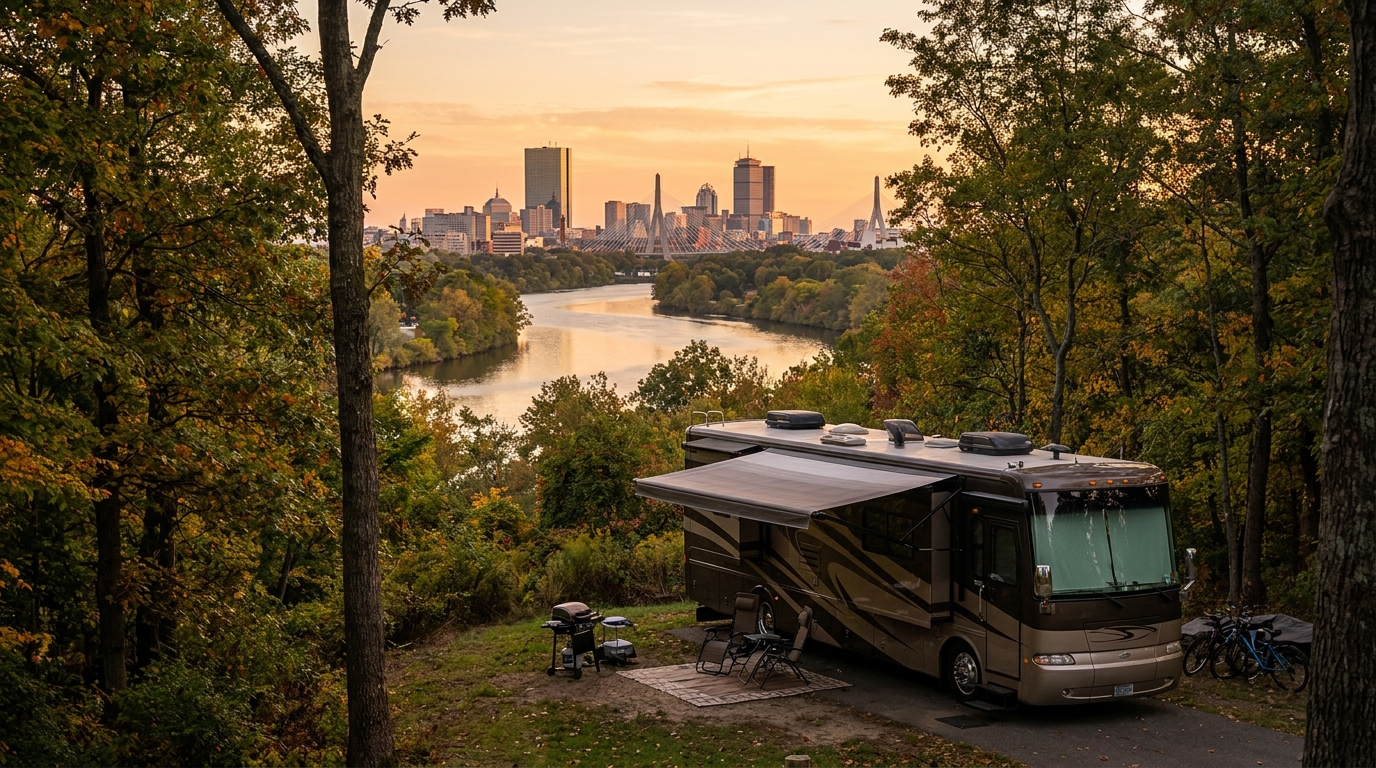
Finding suitable RV camping near Boston typically involves looking at state parks and private campgrounds located in surrounding regions like the South Shore, North Shore, or Western suburbs, as direct camping within the city is extremely limited. Popular nearby options include campgrounds accessible via I-93 South or I-95 North/South, offering a balance between nature access and reasonable proximity to Boston's public transit system, the MBTA, often called 'The T'. Many RV-friendly campgrounds are situated within a 30-60 minute drive of downtown Boston, providing a convenient base for exploring the city's rich history and vibrant culture. For a broader perspective on RV travel in the region, refer to our RV Rental Massachusetts - Complete Guide 2026.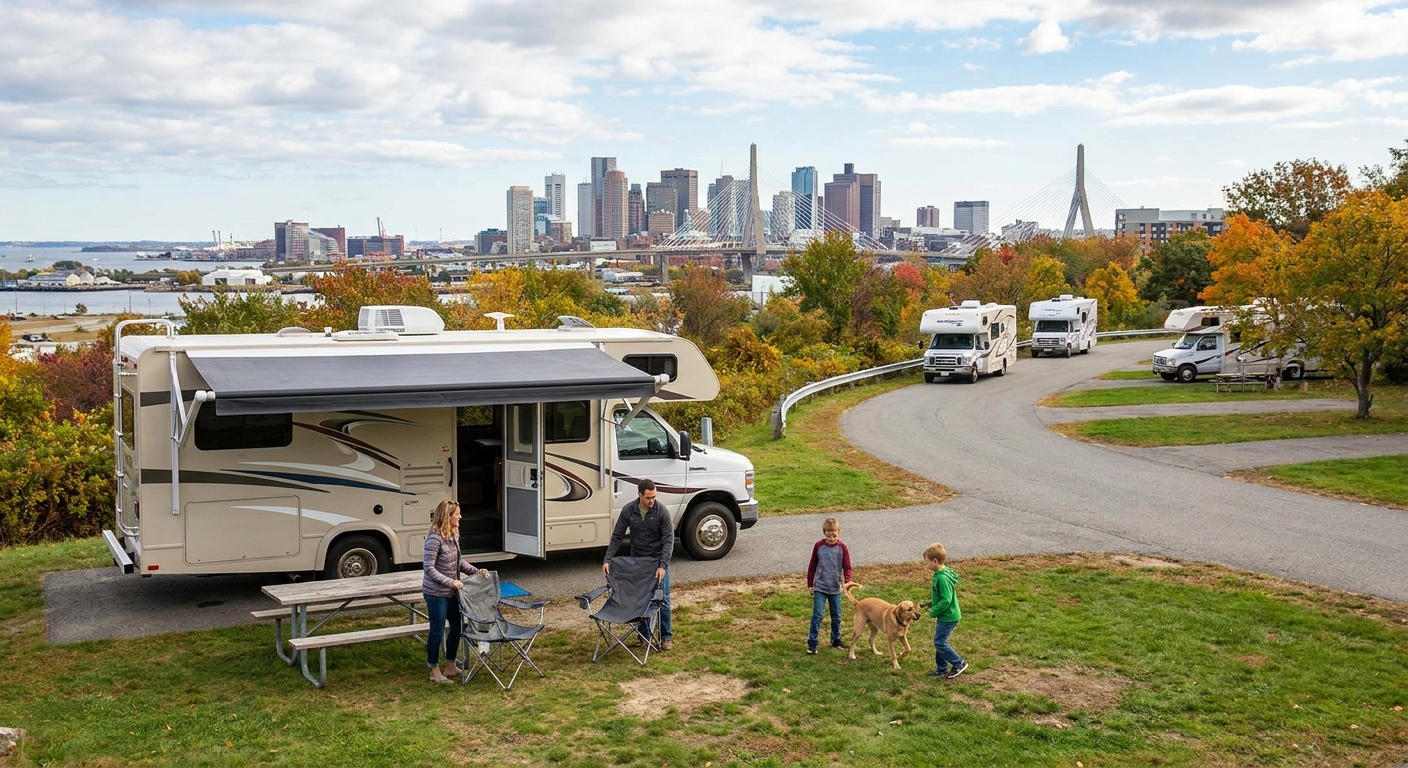
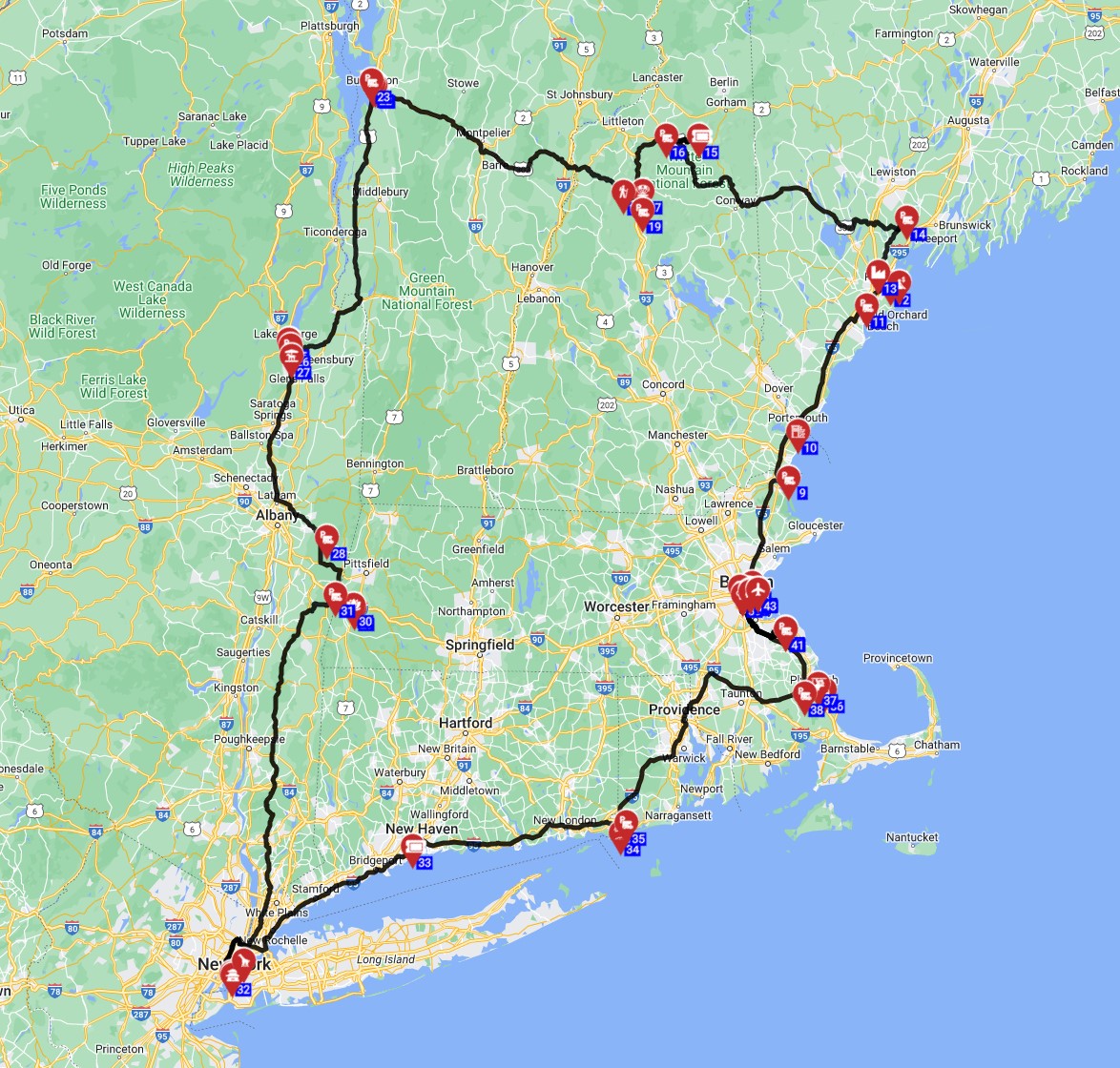
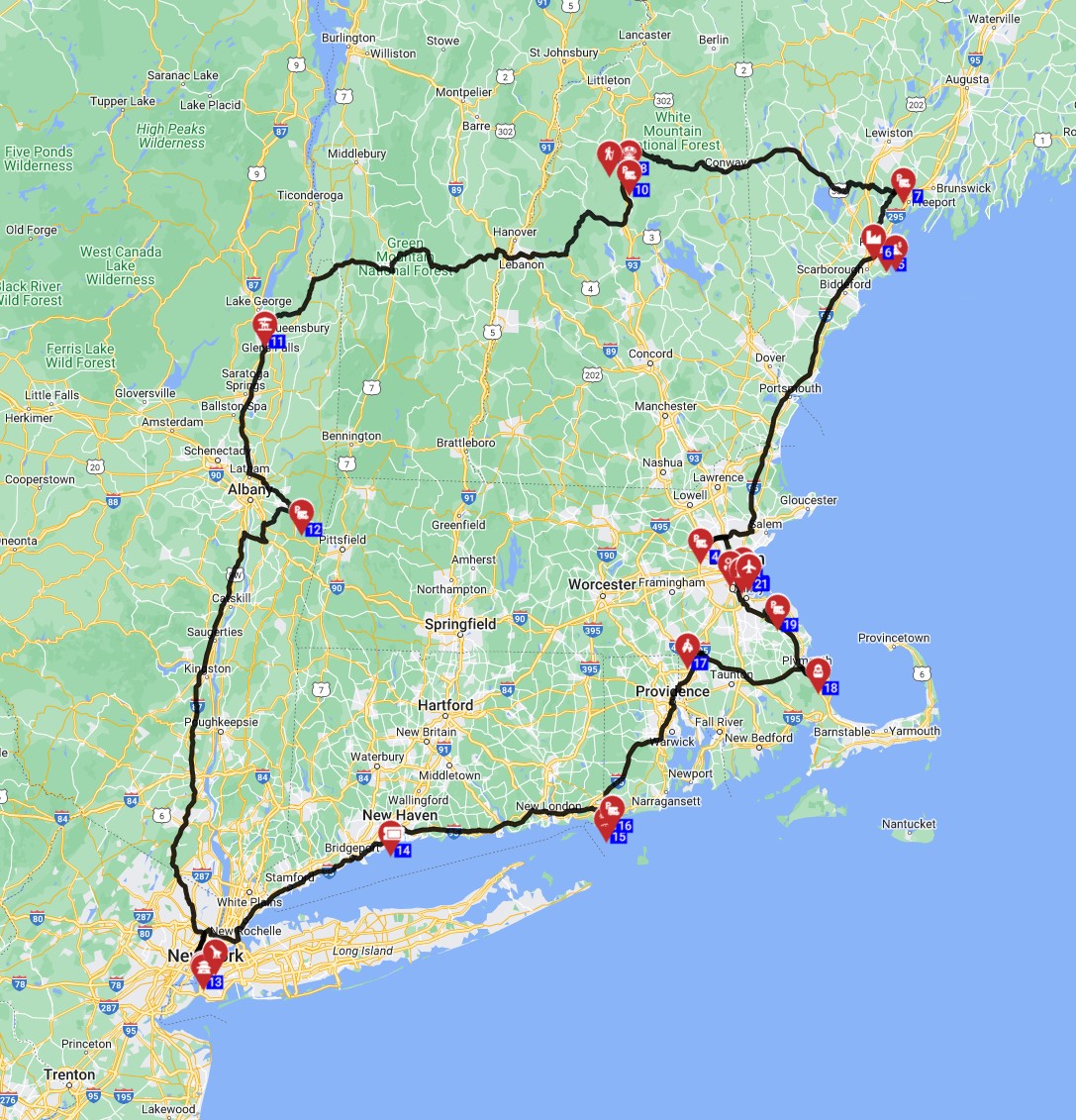
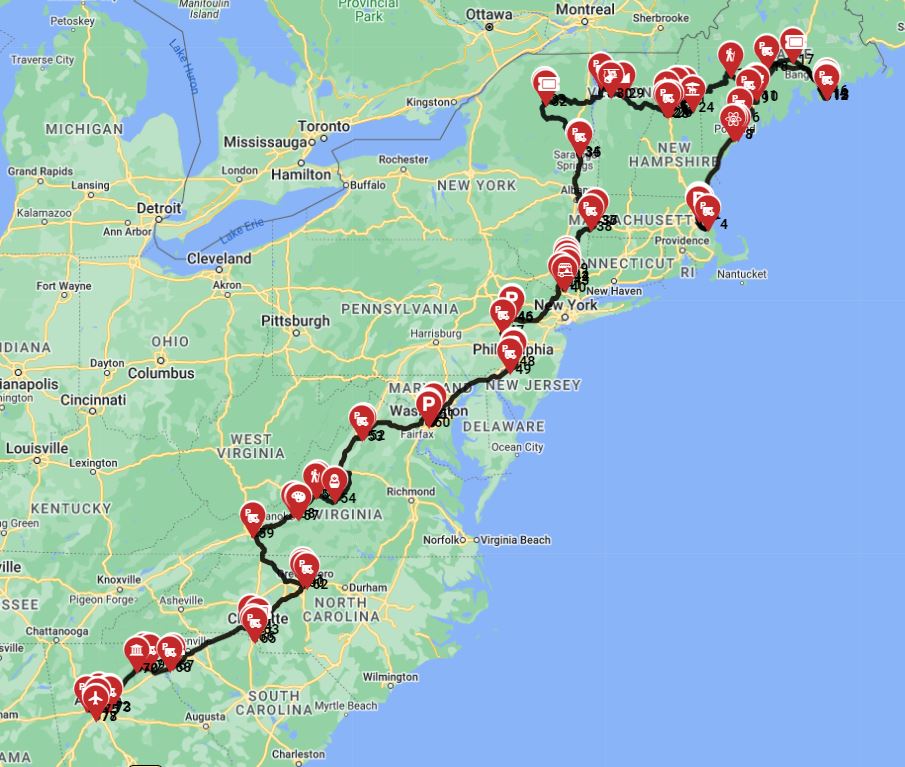
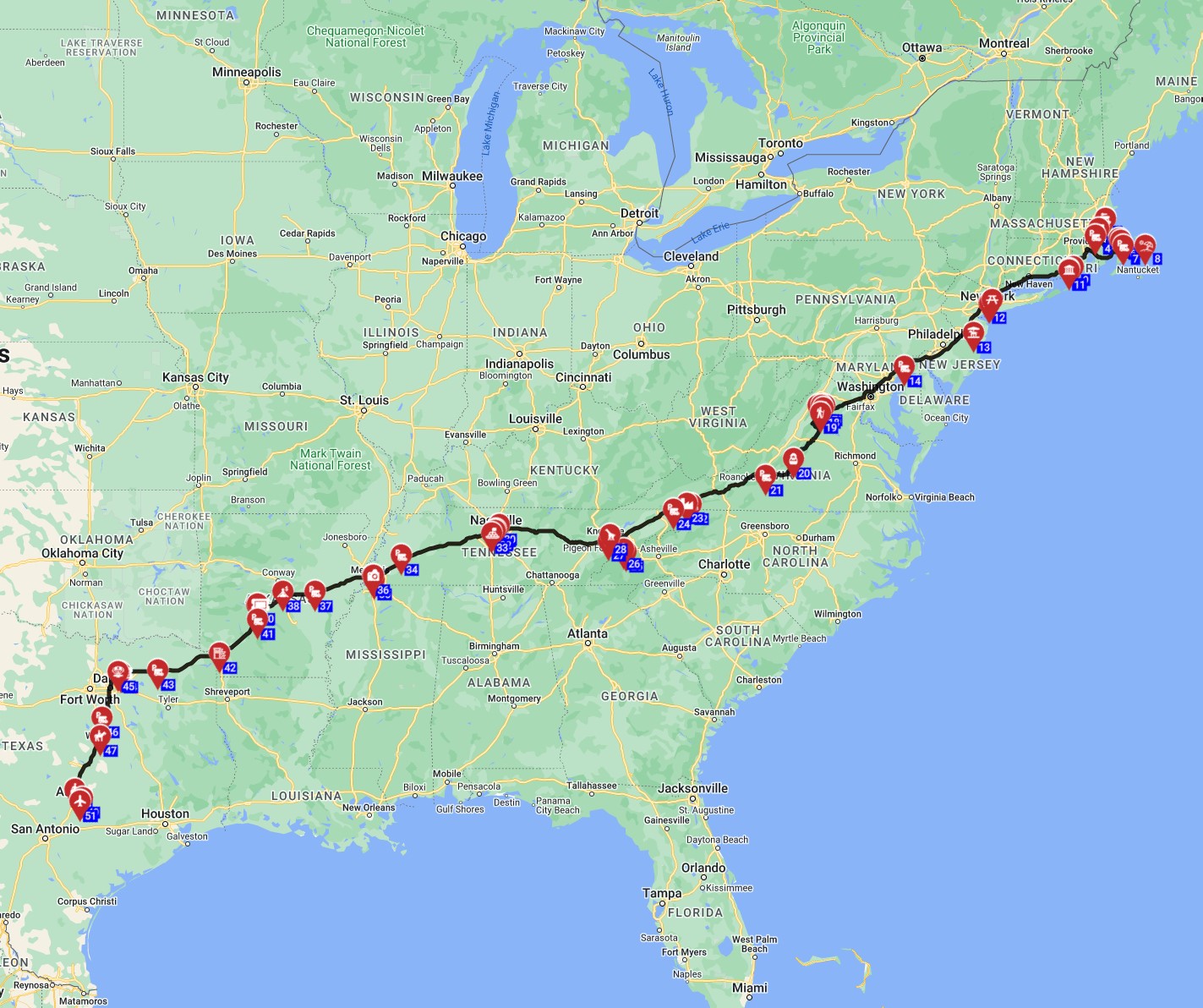
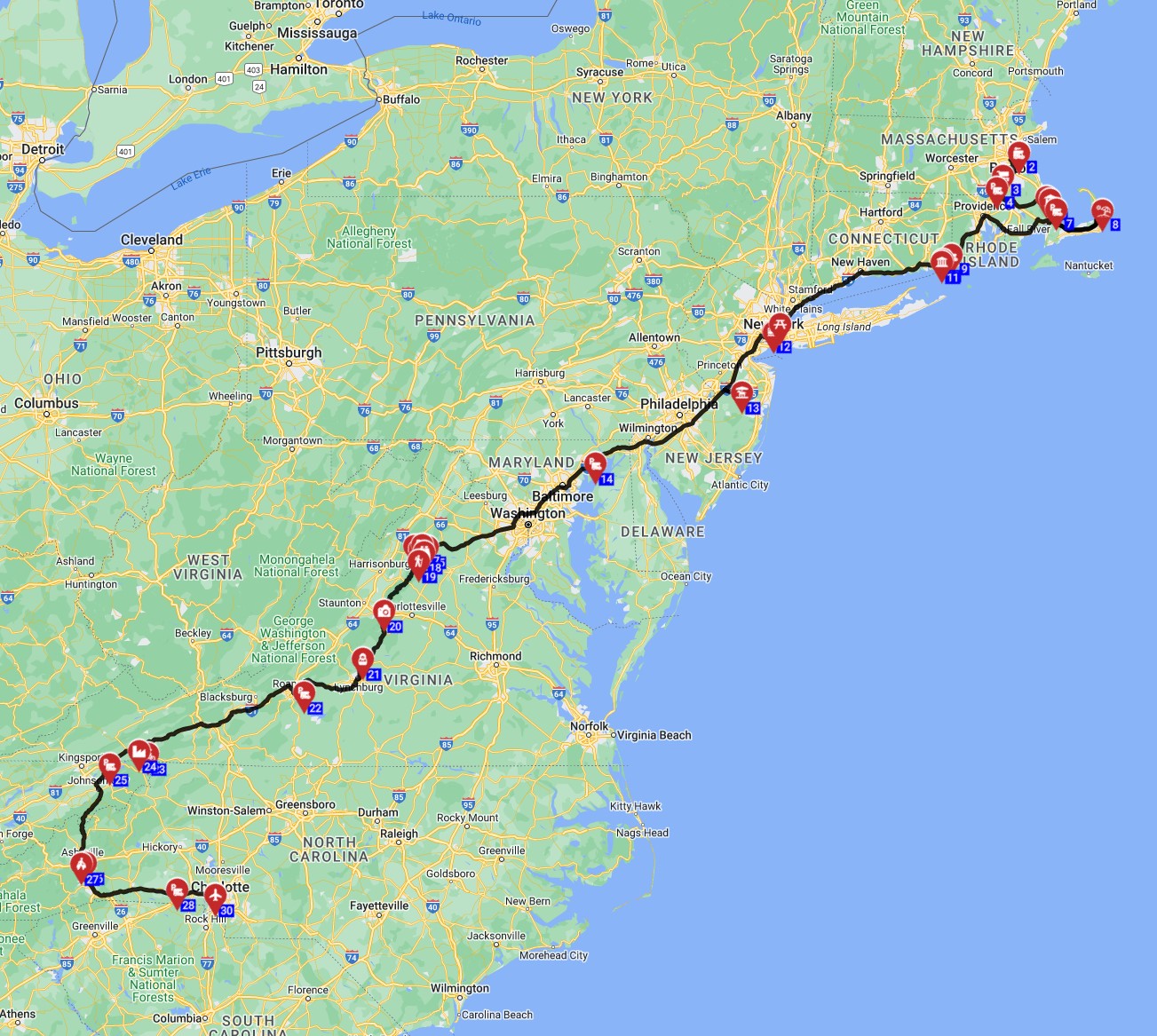
Explore this route
Campground Types in Boston (National, Private, Wild)
Near Boston, the primary camping options for rented RVs are state parks and privately owned RV parks, as there are no National Park campgrounds directly adjacent to the city suitable for motorhomes. State parks, managed by the Massachusetts Department of Conservation and Recreation (DCR), offer a mix of rustic and amenity-rich sites, often at lower price points, with many spots available on a first-come, first-served basis. Private campgrounds typically provide more amenities like full hookups, Wi-Fi, and recreational facilities, catering specifically to RV travelers. True 'wild camping' or 'boondocking' within Boston or its immediate surrounding areas is generally not permitted or practical due to urban density and local ordinances, making designated campgrounds the only legal and safe option.Featured RV Park or Campground in Boston
When choosing an RV park near Boston, look for key features such as proximity to major highways, public transportation access (like MBTA commuter rail or bus stops), and essential amenities. Ideal campgrounds will offer a range of hookup options (electric, water, sewer), clean bathhouses, and perhaps laundry facilities, which are vital for extended trips. Consider parks that specifically cater to various RV sizes, ensuring ample space and ease of navigation for larger Class C or Class A motorhomes. Many popular RV parks in the Greater Boston area are located in towns like Foxborough, Tewksbury, or Plymouth, providing a balance of accessibility to the city and a more natural setting for relaxation.Hookups & Amenities - What to Expect
Most RV campgrounds in the Boston area provide essential hookups, including 30 or 50 amp electric service (120V typical for US RVs), fresh water connections, and sewer hookups for waste disposal. Beyond core utilities, expect amenities such as restrooms, hot showers, and often laundry facilities, which are vital for longer trips. Many private RV parks also offer Wi-Fi access (though quality can vary), picnic tables, fire rings, and recreational areas like playgrounds or swimming pools. When planning meals in your rented motorhome, don't forget to check out our RV-friendly recipes playlist for inspiration. Always verify specific amenities when booking, as primitive sites may offer fewer hookups or facilities compared to full-service sites.Booking Windows & Reservations in Boston
For RV trips to Boston, planning ahead is highly recommended, especially during peak seasons like summer and the vibrant fall foliage season, with popular campgrounds often fully booked several months in advance. Planners should aim to book their RV site 3-6 months prior to their travel dates, particularly for state parks, which release reservation windows on a staggered basis. While many national parks reserve only 25-30% of spots for advance booking, Massachusetts state parks typically operate on a reservation-heavy system for many, but not all, sites. Spontaneous travelers might find same-day or next-day availability during off-peak seasons or by calling campgrounds directly, though this carries a higher risk of limited options; you will almost certainly find a place-if not at the first campground, then the next one. Always call ahead before driving to a campground without a confirmed reservation to check for real-time availability.Nearby Supermarkets & Resupply Points
When camping near Boston, several major supermarket chains are readily available for restocking your RV with groceries and supplies. Look for chains such as Stop & Shop, Market Basket, Hannaford, and Big Y in towns surrounding the major camping areas, usually within a short drive. For bulk purchases or specific items, stores like Walmart or Target also have grocery sections and are typically located in suburban shopping centers. Farmers' markets, especially from spring through fall, offer fresh local produce and can be found in many Greater Boston towns for a unique resupply experience. Remember that for tracking all your trip expenses, from groceries to fuel, the RV PLANET routes allow you to itemize and track every cost along the way. Planning your budget effectively is key to a stress-free adventure, and looking for deals can significantly reduce your total trip cost. This is also useful when you want to compare various options, as discussed in "RV Rental Deals in Boston - Latest Offers 2026".Best RV Class for Camping in Boston
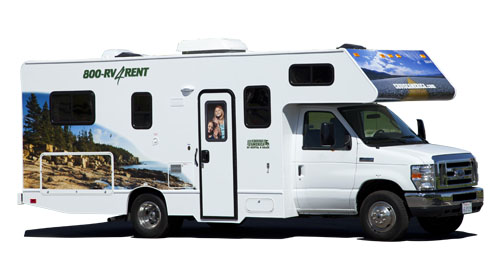
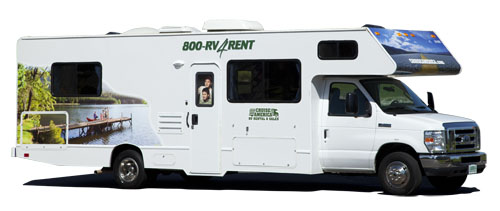
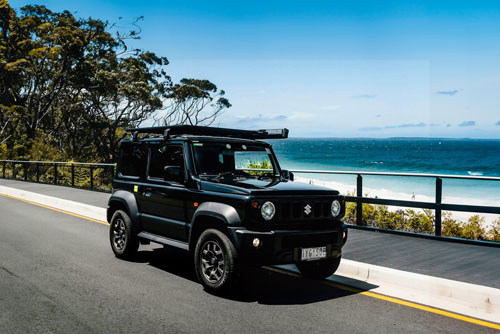
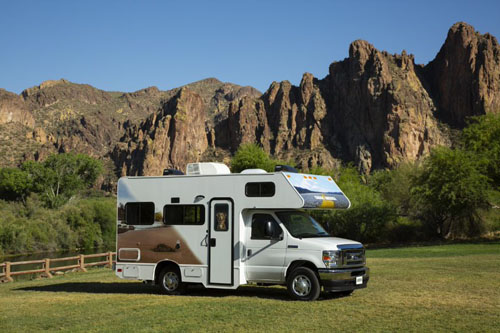
For navigating the Boston area's unique challenges, including narrow streets and limited parking, smaller RV classes like Class B Camper Vans and Class SI (Semi-integrated) are often the best choice for a comfortable rental experience. Class B Camper Vans, with an average length of 5.8 meters according to Bandana's global fleet, offer exceptional maneuverability and easier parking, making day trips into the city more feasible. A rented campervan, such as the *Patagonia Camper 4x4 double cab* or the *hire campervan example Paradise S/T*, is an excellent option for couples seeking agility and convenience. Class SI (Semi-integrated) RVs, averaging 6.9 meters, provide a good balance of living space and relative ease of driving compared to larger units, suitable for campgrounds with good public transport links into Boston. Larger Class C Alcove (averaging 7.5m) and Class A Integrated RVs (also averaging 7.5m) are excellent for comfortable camping at a dedicated park, but are less practical for driving directly into Boston due to their size and parking constraints. Drive slowly and carefully, and you can drive almost anywhere without issues. No need to stress - just use common sense and pay attention, no matter the size of your motorhome.How to Save on Campgrounds in Boston
To significantly save on campground fees in Boston, consider leveraging discount cards often offered through RV rental providers or membership programs. You can also save money by booking your RV trip during the shoulder seasons (spring and late fall) when demand is lower, and campground rates are often reduced compared to peak summer. Choosing municipal or regional campgrounds over private luxury resorts can yield substantial savings, as they typically offer more basic amenities at a lower cost. Staying for three or more nights can often qualify you for weekly rates, which are generally more economical per night than single-night bookings, and sharing hookups with another RV in a group setting can also split costs.Where can I park my RV in Boston?
Parking an RV directly in downtown Boston is highly impractical and generally not recommended due to narrow streets, height restrictions (common in historic areas and tunnels from The Big Dig), and extremely limited parking for oversized vehicles. The most effective strategy is to park your rented RV at a campground or Park & Ride facility on the outskirts of Boston and utilize the MBTA (Massachusetts Bay Transportation Authority, or 'The T') public transportation system to reach city attractions. Secure and convenient Park & Ride lots, often located along commuter rail lines, offer a viable option for day trips into the city, though availability for very large RVs can still be a challenge; always check height and length restrictions beforehand. For specific attractions like the New England Aquarium or Boston Common, consider parking in a designated commuter lot in a nearby town (e.g., in Quincy or Braintree for the Red Line, or Malden for the Orange Line) and taking the T directly into the city.
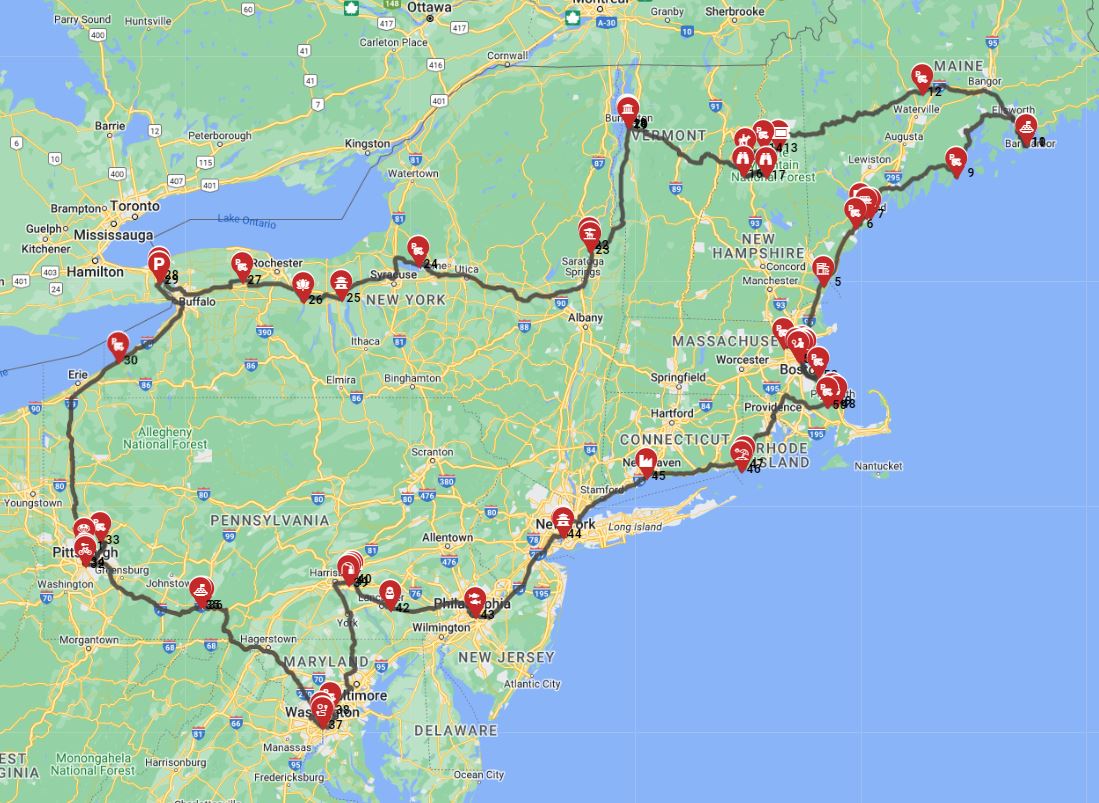
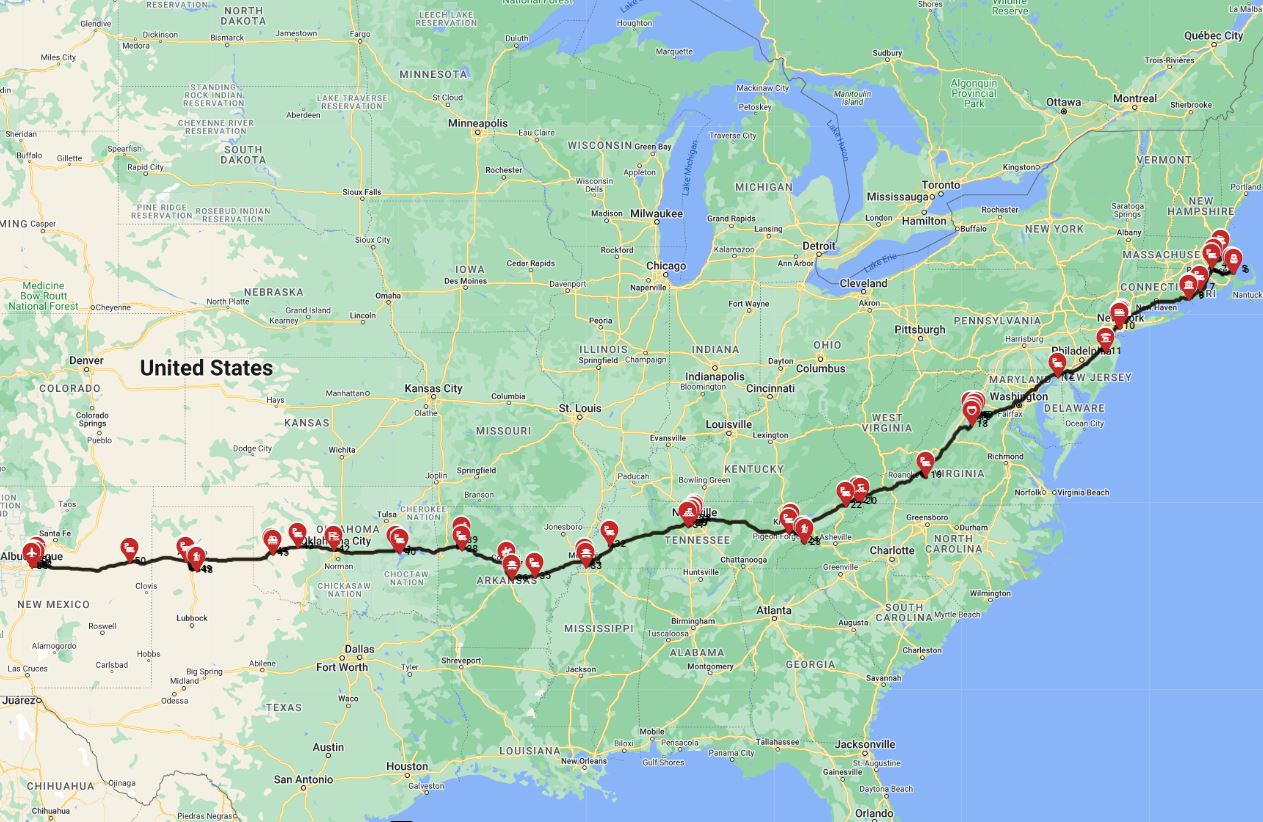
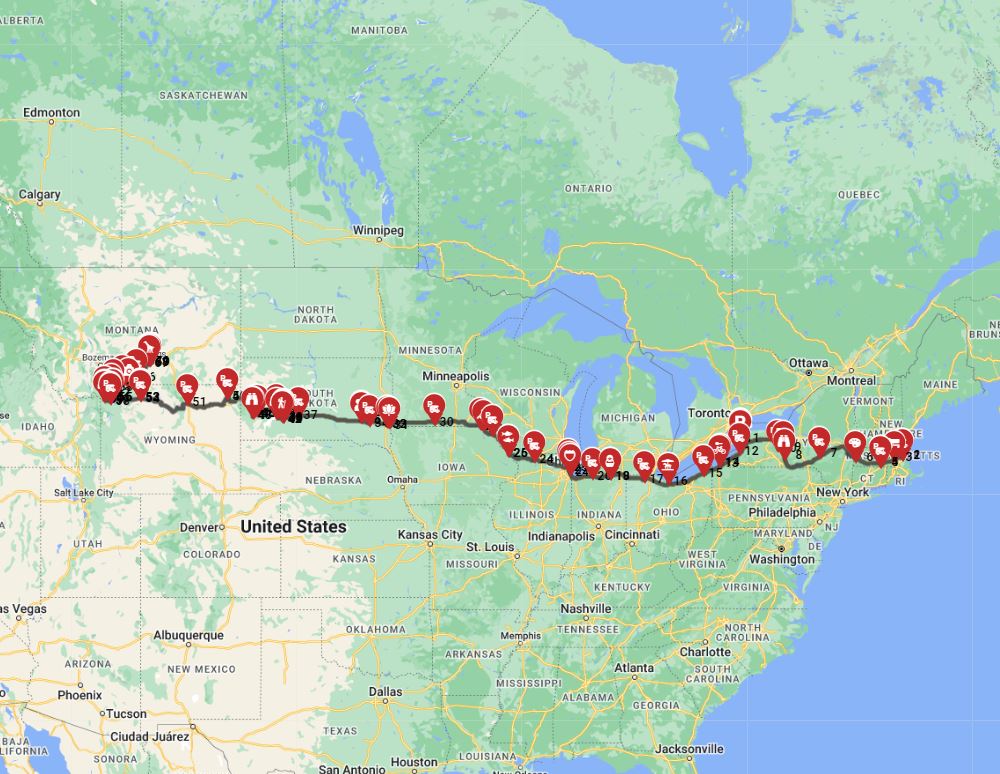
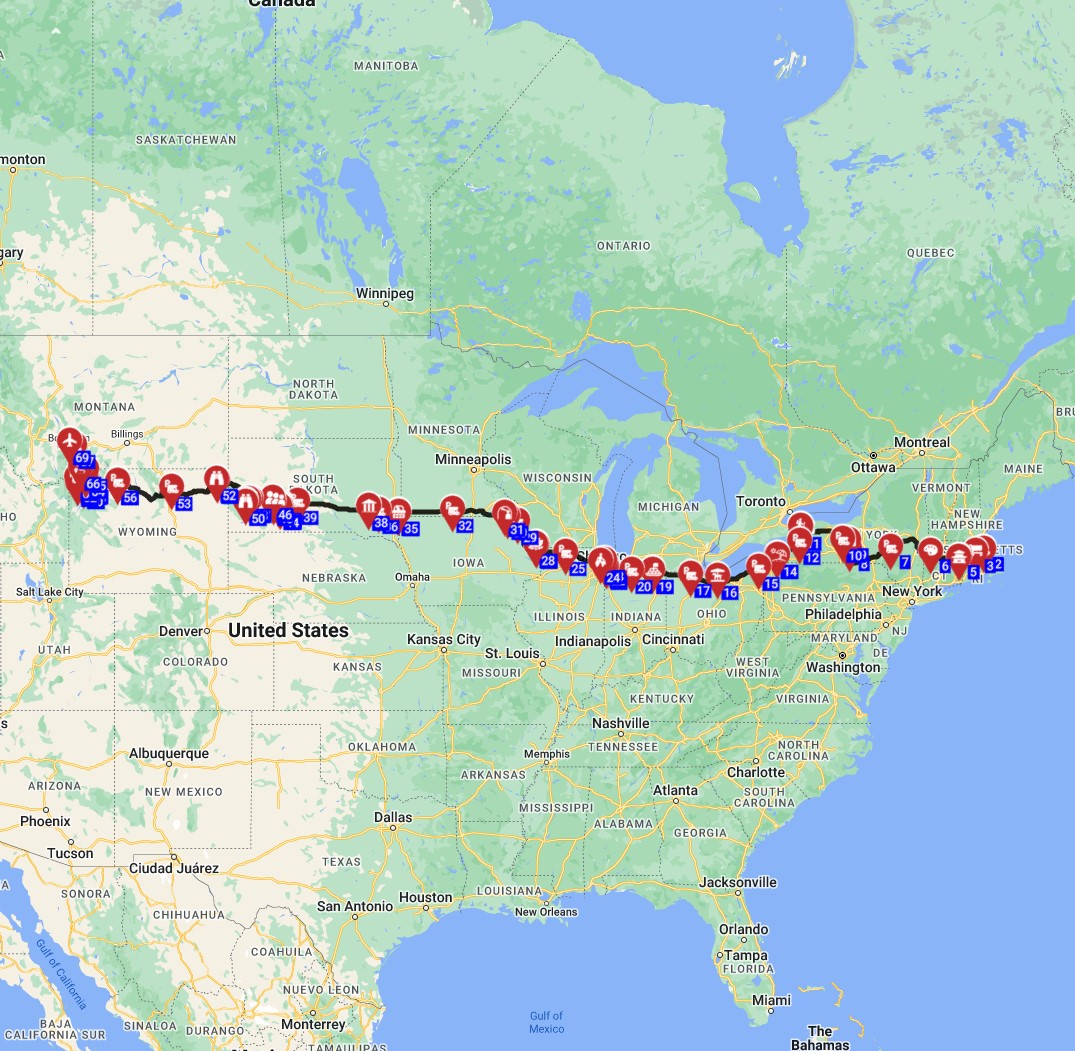
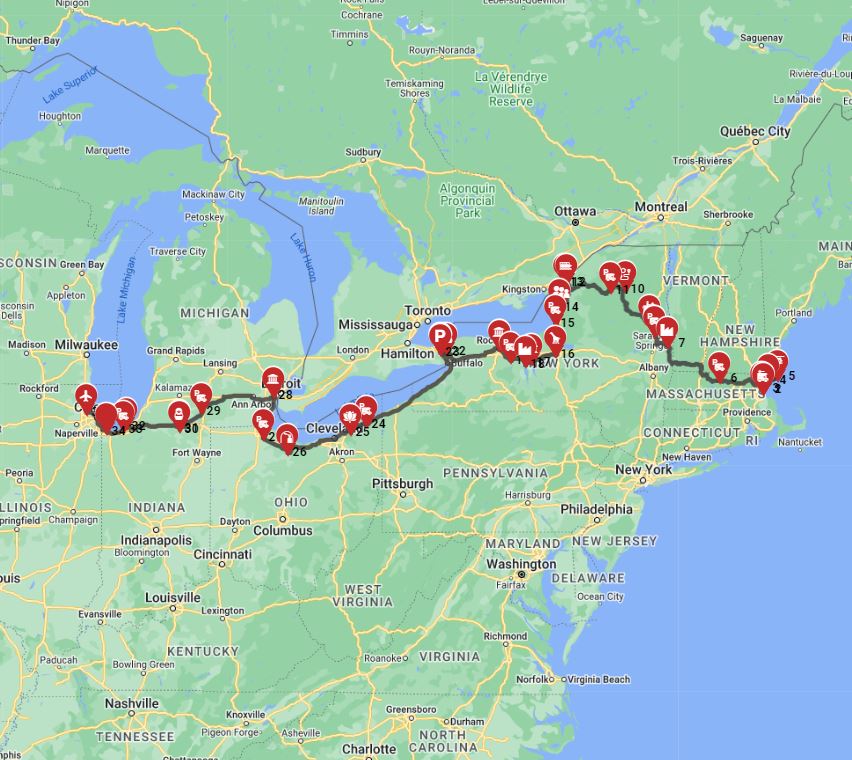
Explore this route
What places offer free RV parking?
Finding free overnight RV parking in Boston or its immediate urban surroundings is exceptionally difficult and generally not advised due to local ordinances and safety concerns. Free RV parking options, often referred to as 'boondocking' or 'dry camping,' are typically limited to specific retail establishments (like Walmart or Cracker Barrel, with permission) found further outside the metropolitan area. Always inquire directly with the store manager before parking overnight at any retail location to ensure compliance with their policies and local regulations. For day-trip parking, some large suburban shopping centers or designated Park & Ride lots might offer free parking, but confirm RV suitability and public transit connections to the city center beforehand.Can you park an RV on the street in Massachusetts?
Parking an RV on the street in Massachusetts is generally governed by local municipal ordinances, which often prohibit or severely restrict oversized vehicle parking, especially overnight. Many towns and cities have specific bylaws regarding vehicle length, width, and duration of street parking, making it largely illegal or impractical to park a rented motorhome on residential streets. Even where not explicitly illegal, parking an RV on a public street can be challenging due to narrow roads, limited space, and potential residential complaints. Always consult the local city or town clerk's office or police department for specific regulations before attempting to park an RV on a public street in Massachusetts to avoid fines or towing.Is it cheaper to rent a camper van than stay in hotels?
Renting a camper van can often be more cost-effective than staying in hotels for a Boston trip, especially when factoring in accommodation, transportation, and dining expenses. A realistic cost breakdown for an RV trip should include rental fees, estimated fuel costs (Bandana's Class B Camper Vans typically consume 8-10 Liter/100 Km), campground fees, tolls, and public transit fares into Boston, but this often compares favorably to high hotel rates, parking fees (which can be $40-$60+ per day in downtown Boston), and restaurant dining. Camper vans offer the flexibility to prepare your own meals, significantly reducing food costs compared to relying on restaurants, which can be a major saving. While hotel stays may seem simpler, they often incur additional costs like daily parking fees, resort fees, and the necessity of eating out, which a rented RV can circumvent. For more details on budget options, explore our "Cheap RV Rental in Boston - Budget Guide 2026" and for premium experiences, "Luxury RV Rental in Boston - Premium Prices 2026".Are there any year-round RV parks in Massachusetts?
Yes, a limited number of private RV parks and some state park facilities in Massachusetts offer year-round camping options, though amenities and accessibility can vary significantly by season. During colder months, many campgrounds transition to 'winterized' operations, meaning water hookups might be shut off to prevent freezing, and some facilities (like bathhouses or pools) may be closed. Year-round RV travel in Massachusetts requires preparedness for cold weather, including heated water hoses, RV skirtings, and proper insulation for your rental unit. It's crucial to confirm directly with the campground about their winter operating status, available hookups, and accessibility, as some sites, like certain spots at Wompatuck State Park, may only accommodate self-contained RVs during the off-season.How much is it to rent an RV in Boston?
The cost to rent an RV in Boston varies significantly based on the RV class, rental duration, season, and specific amenities, typically ranging from $100 to $400 per night. Smaller camper vans or Class B RVs, such as those from Bandana's fleet, generally offer more affordable rates compared to larger Class C or Class A models. Prices tend to be highest during peak travel seasons (summer, fall foliage) and for shorter rental periods, while booking during the off-season or for longer durations can yield better deals. Factors like insurance, mileage fees, preparation fees, and optional add-ons (e.g., bedding, kitchen kits) will also contribute to the total rental cost, so always request a comprehensive quote. For specific pricing by duration, our "Weekly RV Rental in Boston - Pricing 2026" and "Family RV Rental in Boston - Pricing Guide 2026" offer more insights. Remember that prices are dynamic like flight tickets-they change daily based on availability, seasonality, and supplier marketing decisions, with the final price set at actual booking time.How do I reserve a campsite in Massachusetts?
Reserving a campsite in Massachusetts, particularly for state parks, is primarily done through the Massachusetts Department of Conservation and Recreation (DCR) online reservation system, often managed via platforms like ReserveAmerica. For DCR campgrounds, you will need to create an account, select your desired park and dates, and then choose an available campsite based on your RV size and hookup needs. Private RV parks in Massachusetts typically have their own dedicated online reservation portals or require direct phone calls to book a site, with varying booking windows and deposit policies. Always review the specific campground's reservation policies, cancellation terms, and check-in/check-out procedures before finalizing your booking.What You Shouldn't Miss
- **Walk the Freedom Trail:** Explore Boston's iconic 4-kilometer historic path, connecting 16 nationally significant sites, including the USS Constitution, Paul Revere's House, and Faneuil Hall.
- **Discover Boston Common and Public Garden:** Relax in America's oldest public park and stroll through the beautiful Public Garden, famous for its Swan Boats.
- **Indulge at Quincy Market:** Savor diverse local and international cuisine at this historic marketplace, perfect for a casual lunch or dinner.
- **Explore the Blue Hills Reservation:** Hike over 200 kilometers of trails, discover the Blue Hill Meteorological Observatory, and enjoy panoramic views of the Boston skyline.
- **Visit the New England Aquarium:** Immerse yourself in marine life with giant ocean tanks, seal shows, and interactive exhibits.
- **Experience Wompatuck State Park:** Camp in this former WWII ammunition depot, now a serene park offering biking, hiking, and remnants of its military past.
🎬 Video coming soon
Final Thoughts
Embarking on an RV adventure to Boston promises a blend of historical discovery and natural beauty. With a rented motorhome, you gain the flexibility to explore at your own pace, whether you're delving into the city's revolutionary past or venturing out to the serene campgrounds of Massachusetts. Remember to travel slowly, perhaps averaging 100-150 km per day, to truly connect with the culture, food, and scenery of this incredible region. Bandana RV is here to ensure your journey is seamless and enjoyable, providing full transparency and expert support before and after your booking. From choosing the perfect campervan to navigating local tips, we're dedicated to helping you create unforgettable memories. Get inspired for your next trip and start planning your perfect Boston RV getaway today! Find Motorhome Rentals in BostonOn the routes offered through RV PLANET routes, you can itemize and track every expense along the way for easy budgeting.