In This Guide
- Top 5 Tips for RV Rental in Philadelphia
- Before You Book - Class, Dates, Insurance
- On the Road - Driving, Fueling, Navigation
- At the Campground - Setup, Hookups & Etiquette
- RV Rental-Specific Tips for Philadelphia
- Common Mistakes to Avoid in Philadelphia
- What to consider when renting an RV?
- How much does it cost to rent an RV in Philadelphia?
- What is the 3-3-3 rule for RV travel?
- What is the 4 4 4 rule for RVing?
- What is the 2 2 2 rule for RV travel?
- Where to park an RV in Philadelphia?
- What is the rule of 3 with an RV?
Top 5 Tips for RV Rental in Philadelphia
When planning an RV rental adventure to Philadelphia, a few key strategies can make your journey smoother and more enjoyable. For live availability and current prices, start with our RV Rental Philadelphia - Complete Guide 2026 guide. Here are our top five tips for maximizing your Philadelphia RV experience.
- Choose a smaller, more maneuverable RV (Class B or C) for city navigation. While larger motorhomes are manageable with careful driving, a Class B campervan or a Class C motorhome will offer greater ease when navigating Philadelphia's streets and finding parking. For instance, a model like the V3 offers a comfortable experience for two people without excessive bulk.
- Factor in city-specific costs: tolls, urban parking, and SEPTA fares. Philadelphia has numerous toll roads, particularly the Pennsylvania Turnpike, and parking within the city center can be expensive and challenging for larger vehicles. Budgeting for these costs is essential.
- Reserve RV-friendly parking at campgrounds outside the city well in advance. Popular options like the Philadelphia / West Chester KOA often require reservations, especially during peak season. These provide a safe haven outside the urban bustle, with easy access to public transportation.
- Plan to use Philadelphia's public transit (SEPTA) to access city attractions. This is a game-changer for RVers. SEPTA's regional rail and bus lines connect suburban campgrounds to major attractions like Independence Hall and the Philadelphia Museum of Art, significantly reducing stress and cost associated with urban RV parking.
- Pack versatile clothing and essentials for both urban exploration and campground stays. Philadelphia experiences varied weather, so layers are key. Don't forget comfortable walking shoes for exploring historic sites and casual attire for relaxing at your campsite.
Before You Book - Class, Dates, Insurance
Selecting the right RV class is crucial for a comfortable trip, especially when combining urban exploration with campground stays. Consider a Cruise America Explorer or similar Class C motorhome for a balance of space and maneuverability suitable for families or couples.
- Select an RV class based on your group size and maneuverability needs. For Philadelphia's urban environment, Class B campervans or smaller Class C motorhomes are often ideal due to their size and ease of handling. Class A motorhomes, while spacious, can present more challenges with city parking.
- Book 3-6 months in advance for peak season dates to secure preferred RVs and campsites. Philadelphia is a popular destination, particularly in spring and fall. Early booking ensures better availability and potentially lower rates, with savings of up to 25% often available for early birds.
- Review insurance options; basic coverage is included, but comprehensive options are available during search for full price transparency. Understand the different levels of insurance offered by suppliers, including options for top-level deductible reimbursement for added peace of mind. Bandana Caravan's transparent pricing clearly outlines all potential costs.
Pre-Trip Prep - Packing Checklist for Philadelphia
A well-prepared RV trip to Philadelphia starts with a thorough packing strategy. Consider models like the Alaska RV Rental Example Category C for ample family space, ensuring you have room for all your essentials.
- Pack layers, comfortable walking shoes, and rain gear for Philadelphia's varied weather. Evenings can be cool, even in warmer months, and comfortable footwear is essential for exploring the city's many historical sites on foot.
- Bring basic cooking utensils, reusable bottles, and non-perishable groceries for RV convenience. Having these items onboard enhances your flexibility and can save money on dining out. For meal inspiration, check out our RV-friendly recipes playlist.
- Include a first-aid kit, RV-specific GPS, and urban security items (e.g., steering wheel lock). An RV-specific GPS can help with navigating potential bridge height restrictions in urban areas. Security measures add an extra layer of peace of mind.
- Gather driver's license, rental agreement, insurance, campground reservations, and SEPTA app info. Having all your essential documents digitally accessible or printed will streamline check-in processes and ensure you're prepared for public transit.
On the Road - Driving, Fueling, Navigation
Navigating Philadelphia in an RV requires attention to detail. For finding campsites and campgrounds during your trip, check out RV PLANET (rvplan.net) — a great tool for locating available spots along your route. Utilize the route planning tools on RV PLANET to map out your journey, considering factors like bridge heights and preferred entry points to the city.
- Navigate Philadelphia's narrow streets and low bridges using an RV-specific GPS, especially considering bridge heights (some as low as 11-12 feet). Always be aware of your vehicle's dimensions and look for posted height clearances. If in doubt, consult your route planning tools or opt for more open routes.
- Plan fuel stops at truck stops or large highway gas stations suitable for RVs. These locations typically offer easier access and higher capacity pumps for larger vehicles.
- Utilize a co-pilot for navigation assistance in congested areas and scout challenging routes via satellite view. Having a second pair of eyes can be invaluable for spotting parking or navigating complex intersections, and satellite views can pre-emptively identify potential obstacles.
- Implement urban RV safety by securing valuables and using additional locks when parked. When leaving your rented RV unattended, especially in urban areas, take precautions to secure your belongings and the vehicle itself.
RV Rental-Specific Tips for Philadelphia
Tailoring your RV rental choice and itinerary to your specific travel needs will greatly enhance your Philadelphia experience. Consider the Premium Plus Alcove 6 for a family, or a more compact option for couples.
- Families should choose RVs with ample space, seek campgrounds with amenities, and plan SEPTA-accessible attractions. Look for RVs with multiple sleeping areas and consider campgrounds with playgrounds or pools. Planning your days around SEPTA routes makes accessing Philadelphia's family-friendly sites much easier.
- Seniors benefit from easy-to-drive RVs and accessible campsites, with relaxed itineraries. Smaller, more maneuverable RVs like a Class B campervan, coupled with campgrounds offering convenient amenities and accessible routes, allow for a more comfortable and leisurely exploration.
- Budget travelers can save with smaller RVs, outer campgrounds, free parking research, and extensive SEPTA use. Opting for a smaller rental, staying at campgrounds further from the city center, and maximizing public transit can significantly reduce overall trip costs.
- Luxury travelers might opt for high-end RVs and use ride-shares for city access. For those seeking premium comfort, larger, more luxurious models are available, and using ride-sharing services for city excursions can provide door-to-door convenience without the parking hassle.
- Pet owners need to research pet-friendly campgrounds, attractions, and carry vaccination records. While many campgrounds welcome pets, always verify policies. Philadelphia has some pet-friendly parks and outdoor attractions, so research these in advance.
Common Mistakes to Avoid in Philadelphia
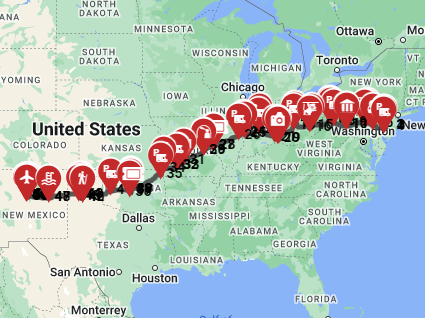
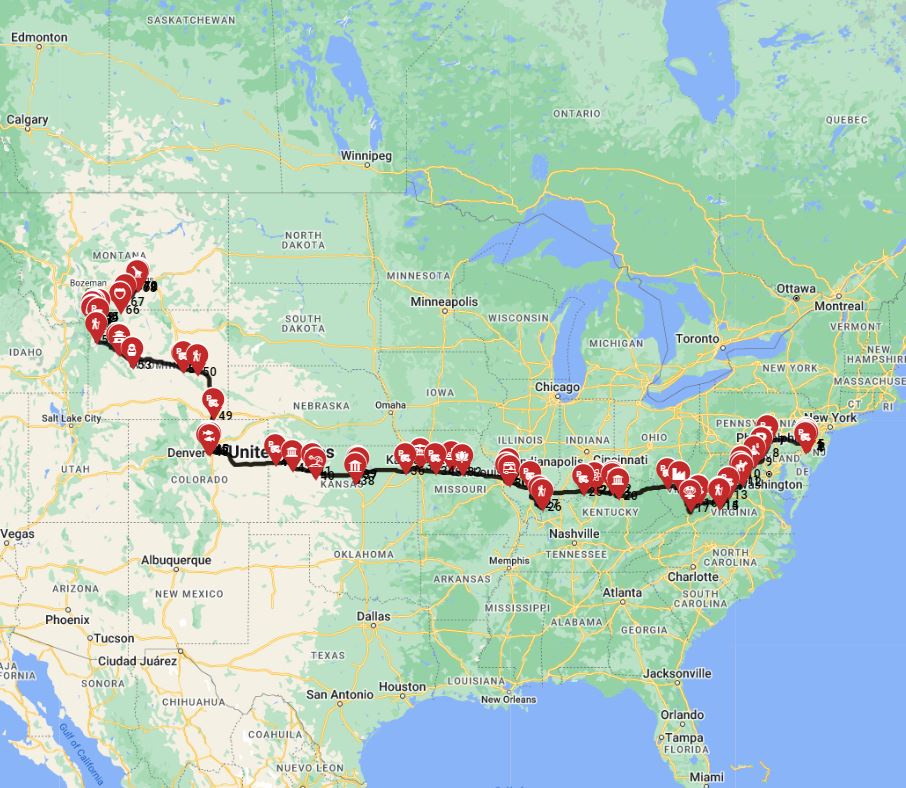
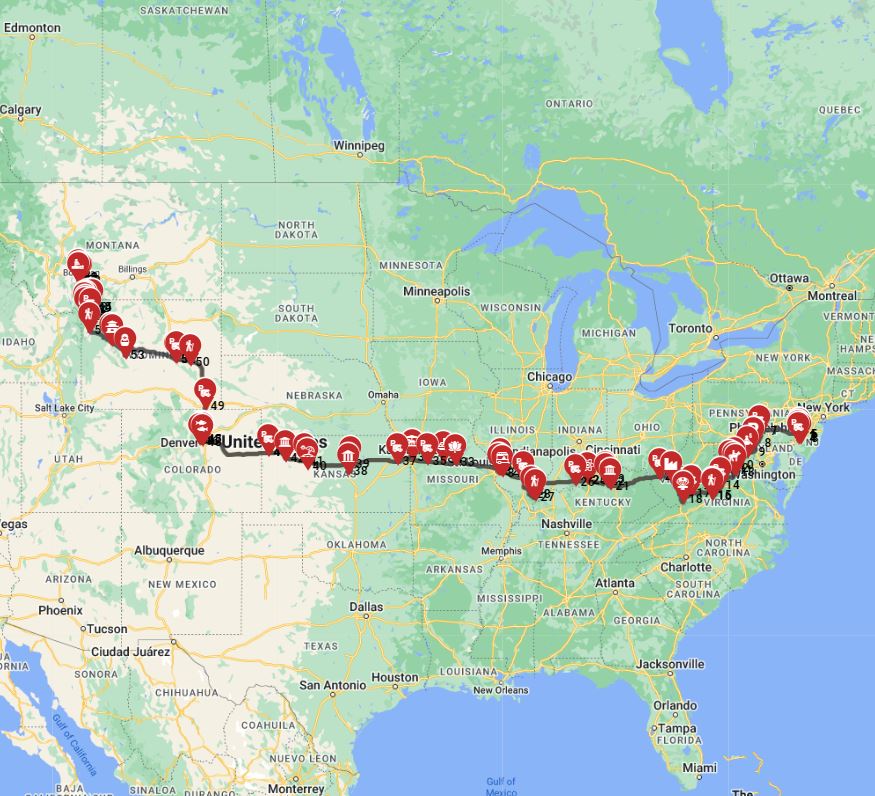
Avoiding common pitfalls can ensure a more seamless RV trip to Philadelphia. For example, the "Chicago to Philadelphia - Freedom Wheels: From Chicago to Philly" route, spanning 2,305 km over 15 days, offers a great framework for planning a longer journey that includes urban stops.
- Avoid driving large RVs into the city center; instead, park outside and use SEPTA for urban access. This is perhaps the most crucial piece of advice. Concentrating on suburban parking and utilizing SEPTA's extensive network is the most practical approach.
- Do not neglect advance parking planning; reserve spots at suburban RV parks or designated lots. Campgrounds like Philadelphia / West Chester KOA can fill up quickly. It's wise to book your spot as soon as your travel dates are confirmed.
- Embrace SEPTA for city navigation to save on parking costs and reduce urban driving stress. SEPTA's fare system is affordable, with day passes often being the most cost-effective option for a full day of exploring.
- Budget comprehensively for all costs, including tolls (e.g., PA Turnpike 'Toll By Plate'), urban parking, and SEPTA fares. Unexpected expenses can quickly add up. A detailed budget, perhaps using the tools available on RV PLANET routes, can help track all anticipated costs.
- Implement enhanced urban RV security measures beyond standard precautions, especially in city lots. Consider steering wheel locks or other deterrents if parking in less secure areas, though prioritizing well-lit, designated RV parking is always best.
- Check Philadelphia's event calendar to avoid unexpected traffic and parking challenges. Major events can significantly impact traffic flow and parking availability, so being aware of local happenings can help you plan your routes and schedule accordingly.
What to consider when renting an RV?
When choosing your rental RV for a Philadelphia adventure, consider how you'll be using it. For a trip like "
- Assess the RV class and size for your comfort, group numbers, and the specific demands of a city destination like Philadelphia. A smaller, more nimble vehicle like a campervan might be preferable for easier city navigation.
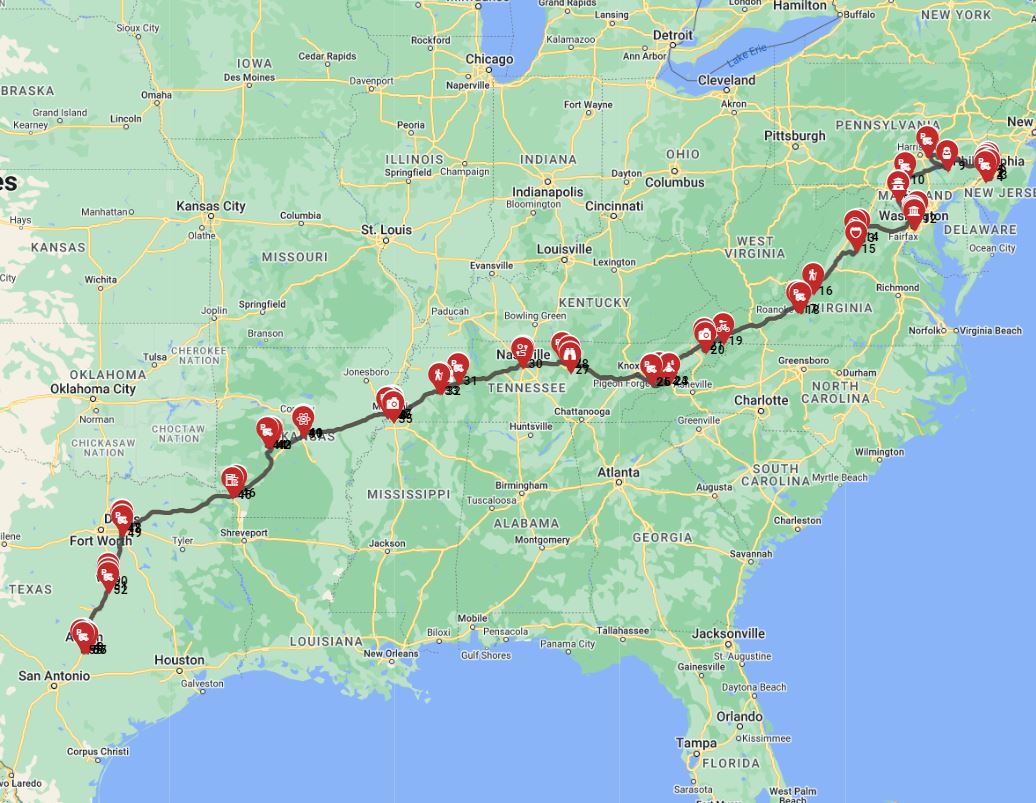
- Factor in your total budget, encompassing rental fees, estimated fuel costs, campground fees, tolls, and urban parking. For instance, the "Philadelphia to Miami" route (20 days, 3420 km) would involve more extensive budgeting for fuel and varying campground costs across different states.
- Prioritize desired amenities (kitchen, bathroom) and thoroughly review insurance coverage options. Ensure the RV meets your needs for comfort and convenience, and understand the insurance packages available.
- Consider the maneuverability required for urban navigation in Philadelphia, including potential bridge height restrictions. Researching routes and vehicle dimensions beforehand is crucial for a stress-free experience.
- Plan for parking and public transportation strategies to access city attractions efficiently. Utilizing Philadelphia's SEPTA system from strategically chosen campgrounds will be key to accessing attractions like the historic sites or museums.
How much does it cost to rent an RV in Philadelphia?
The cost of renting an RV in Philadelphia is dynamic, influenced by the RV class, time of year, and rental duration. For a realistic breakdown of expenses beyond the rental itself, consider utilizing the planning tools on RV PLANET (rvplan.net) for your chosen route, as they help itemize costs like fuel, campsites, and tolls. On the routes offered through RV PLANET routes, you can itemize and track every expense along the way for easy budgeting.
- RV rental rates in Philadelphia typically range from $100 to $400+ per night, varying by RV class (Class B $100-$250, Class C $150-$350, Class A $250-$400+), season, and vehicle age. Newer models and larger classes naturally command higher rates.
- Additional costs include estimated fuel expenses (RVs typically get 6-12 MPG), campground fees ($30-$80+ per night), and tolls (e.g., PA Turnpike 'Toll By Plate'). Fuel efficiency is a significant factor in overall trip cost, and campground fees can vary widely based on amenities and location.
- Budget for specific urban expenses such as designated RV parking (if available, $20-$50+ per day) and public transportation fares (SEPTA single ride ~$2.50-$3.00, or day passes). While parking within Philadelphia can be pricey, using SEPTA is generally an economical way to access attractions.
- Factor in other potential expenses like insurance upgrades, mileage fees, cleaning fees, and propane. Always clarify what's included in the base rental rate and what constitutes additional costs to avoid surprises.
What is the 3-3-3 rule for RV travel?
The 3-3-3 rule is a popular guideline for RV travel, promoting a balanced pace and deeper immersion in destinations. It suggests driving no more than 300 miles a day, arriving at your destination by 3 PM, and staying for at least 3 nights.
- The 3-3-3 rule for RV travel recommends driving no more than 300 miles a day, arriving at your destination by 3 PM, and staying for at least 3 nights to foster a relaxed pace and deeper exploration. This approach helps prevent driver fatigue and allows ample daylight for campsite setup.
- This guideline reduces driver fatigue, allows ample daylight for campsite setup, and provides significant time to enjoy a destination like Philadelphia without constant repacking. Staying longer in one place allows for more thorough exploration of attractions and local culture.
- For a Philadelphia trip, the 300-mile limit applies to the journey to the area, while arriving by 3 PM is crucial for planning city commutes, and a 3-night stay enables thorough urban exploration. A longer stay in the Philadelphia region allows you to truly experience the city's historical significance and vibrant modern culture.
What is the 4 4 4 rule for RVing?
The 4-4-4 rule offers a slightly more ambitious travel rhythm, focusing on covering more ground while still allowing for meaningful stays at each destination.
- The 4-4-4 rule for RVing suggests driving a maximum of 400 miles daily, stopping by 4 PM, and staying at least 4 nights, offering a slightly more ambitious travel pace than the 3-3-3 rule. This allows for longer stretches of driving between locations.
- This rule is suitable for covering more ground on the way to Philadelphia while still ensuring sufficient time for campsite setup and local activities. It's a great guideline for cross-country journeys where reaching your primary destination efficiently is a priority.
- For a Philadelphia visit, while the 400-mile drive gets you to the region, the 'stay for 4 nights' component is highly relevant for extensive exploration of the city's main attractions and hidden gems via public transit from an outer RV park. A 4-night stay provides ample opportunity to delve into Philadelphia's rich history and diverse neighborhoods.
What is the 2 2 2 rule for RV travel?
The 2-2-2 rule is a more conservative approach, ideal for shorter trips or for those new to RVing who prefer a very relaxed pace.
- The 2-2-2 rule for RV travel is a conservative guideline recommending driving no more than 200 miles a day, stopping by 2 PM, and staying for at least 2 nights, suitable for a very relaxed pace or first-time RVers. This rule maximizes daylight hours for setup and initial exploration at each stop.
- This rule minimizes driving stress, maximizes daylight for campsite setup and local exploration, and is ideal for shorter distances to the Philadelphia area. It allows for a more gradual introduction to RV travel, focusing on enjoying the journey.
- When visiting Philadelphia, the 'arrive by 2 PM' ensures time to settle in and plan your SEPTA route, and a 'stay for 2 nights' allows for a full day of comprehensive city exploration. This pace is perfect for a long weekend getaway to the City of Brotherly Love.
Where to park an RV in Philadelphia?
Finding suitable RV parking in Philadelphia is a common concern. Direct RV parking in the city center is often impractical due to size restrictions and regulations.
- Direct RV parking in downtown Philadelphia is generally impractical; instead, opt for RV-friendly campgrounds in surrounding suburbs or neighboring states like South Jersey. This provides a secure and convenient base.
- Common choices include Philadelphia / West Chester KOA or Timberlane Campground (NJ), which are typically a 30-60 minute commute to the city. These campgrounds often offer amenities like full hookups and shuttle services or are conveniently located near SEPTA stations for easy city access.
- Limited designated RV parking might exist near sports complexes (e.g., Citizens Bank Park) for short stays, but availability is not guaranteed and fees can be high. Always check availability and current pricing before relying on these options.
- Utilize SEPTA's regional rail system from suburban park-and-ride lots that accommodate RVs (verify overnight rules) to reach Center City efficiently. This is an excellent strategy to avoid city driving and parking fees.
- Avoid attempting to street park an RV in Philadelphia's residential or commercial areas due to regulations and size constraints, and prioritize lots with good security. Stick to designated parking areas or campgrounds to prevent ticketing or towing issues.
What is the rule of 3 with an RV?
The "rule of 3" in RV travel typically refers to the 3-3-3 guideline, emphasizing a relaxed travel pace.
- The 'rule of 3 with an RV' commonly refers to the 3-3-3 rule for RV travel, which suggests limiting daily driving to 300 miles, arriving at your destination by 3 PM, and staying for a minimum of 3 nights. This ensures a less hurried and more enjoyable experience.
- This guideline aims to enhance the RV travel experience by preventing burnout, ensuring adequate time for setup, and allowing for unhurried enjoyment of destinations like Philadelphia. It encourages deeper engagement with each location.
- For a comprehensive understanding of how to apply this rule to your Philadelphia RV trip, refer to the detailed explanation in the 'What is the 3-3-3 rule for RV travel?' section. Adapting these rules to your travel style can optimize your adventure.
What You Shouldn't Miss
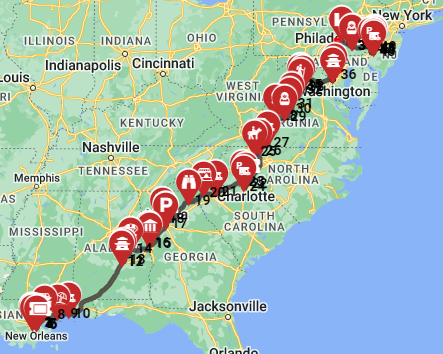
- Immerse yourself in history: Explore Independence Hall, the Liberty Bell, and the charming streets of Old City. Consider a New Orleans to Philadelphia route that takes 15 days and covers 2,730 km, offering a comprehensive taste of the Southeast before arriving in Philly.
- Art and culture: Visit the Philadelphia Museum of Art (and run up the "Rocky steps"!), the Barnes Foundation, and the Rodin Museum. Many of these are accessible via SEPTA from suburban RV parks.
- Culinary Delights: Indulge in a classic Philly cheesesteak, explore Reading Terminal Market for local produce and diverse food stalls, and perhaps enjoy a craft beer at one of the city's many breweries.
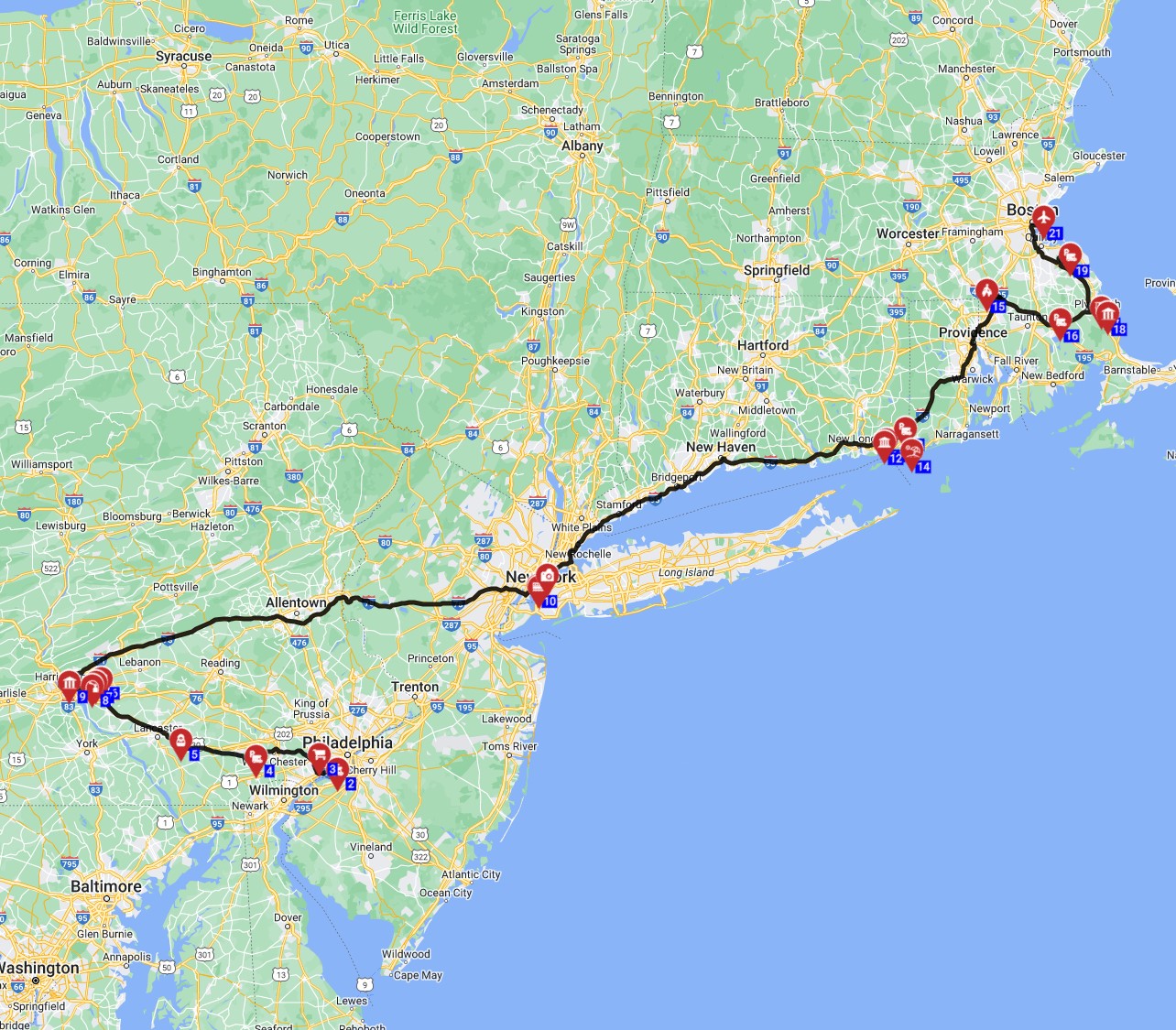
- Scenic Drives (with caution): While driving large RVs directly into central Philadelphia is discouraged, exploring the wider Philadelphia area or taking scenic routes through nearby state parks can be rewarding. Consider the Chicago to Philadelphia - Freedom Wheels route, which offers a 15-day, 2,305 km journey with opportunities for scenic stops.
- Fairmount Park Exploration: As one of the world's largest urban park systems, Fairmount Park offers numerous attractions, including historical homes and the Philadelphia Zoo. Plan your visit using SEPTA from your campground for the best experience.
- Day trip potential: Philadelphia's location makes it a great base for day trips. Consider exploring nearby Amish country or historical sites in Delaware or New Jersey, keeping RV accessibility and parking in mind.
Final Thoughts
Renting an RV for your Philadelphia adventure offers unparalleled freedom and a unique way to experience the city and its surroundings. By planning ahead, choosing the right vehicle, and leveraging local transit, you can create an unforgettable trip.
Remember to book your RV and any desired campgrounds in advance, especially during peak seasons. For finding campsites and campgrounds during your trip, check out RV PLANET (rvplan.net) — a great tool for locating available spots along your route.
Find Motorhome Rentals in Philadelphia