In This Guide
- Top 5 Tips for RV Rental for Couples in North Canada
- Before You Book - Class, Dates, Insurance
- Pre-Trip Prep - Packing Checklist for North Canada
- On the Road - Driving, Fueling, Navigation
- At the Campground - Setup, Hookups & Etiquette
- RV Rental for Couples-Specific Tips for North Canada
- Common Mistakes to Avoid in North Canada
- What do I need to know before renting an RV in North Canada?
- Which RV rental company in Canada is the best?
- How much to rent an RV for a week in North Canada?
- How much to rent an RV for a couple months in North Canada?
- Can a US citizen go camping in North Canada?
- What are the drawbacks of renting an RV in North Canada?
- What is the 3-3-3 rule for RVs in North Canada?
- What is the 4-4-4 rule for RV travel in North Canada?
Imagine yourself and your partner waking up to breathtaking Arctic vistas, brewing coffee in your private mobile home, and setting off on an adventure that truly redefines romance. Renting a motorhome in North Canada offers an unparalleled opportunity for couples to explore vast, untouched wilderness, discover unique cultures, and create unforgettable memories together. From the Yukon’s Kluane National Park and Reserve to the stunning Nahanni National Park Reserve in the Northwest Territories, an RV provides the freedom and flexibility to connect with nature and each other on your own terms. For live availability and current prices, start with our RV Rental North Canada - Complete Guide 2026 guide.
At Bandana RV, we specialize in helping travelers like you discover the magic of RV travel, particularly for intimate couple's getaways. Our expertise comes from over 20 years of dedicated service, having been founded in 2001 and assisting tens of thousands of travelers worldwide. We partner directly with over 50 leading RV suppliers, including trusted names like El Monte and Cruise America, to bring you transparent pricing and a wide selection of vehicles perfect for two, ensuring you find the easiest, safest, and most affordable way to rent an RV.
Top 5 Tips for RV Rental for Couples in North Canada
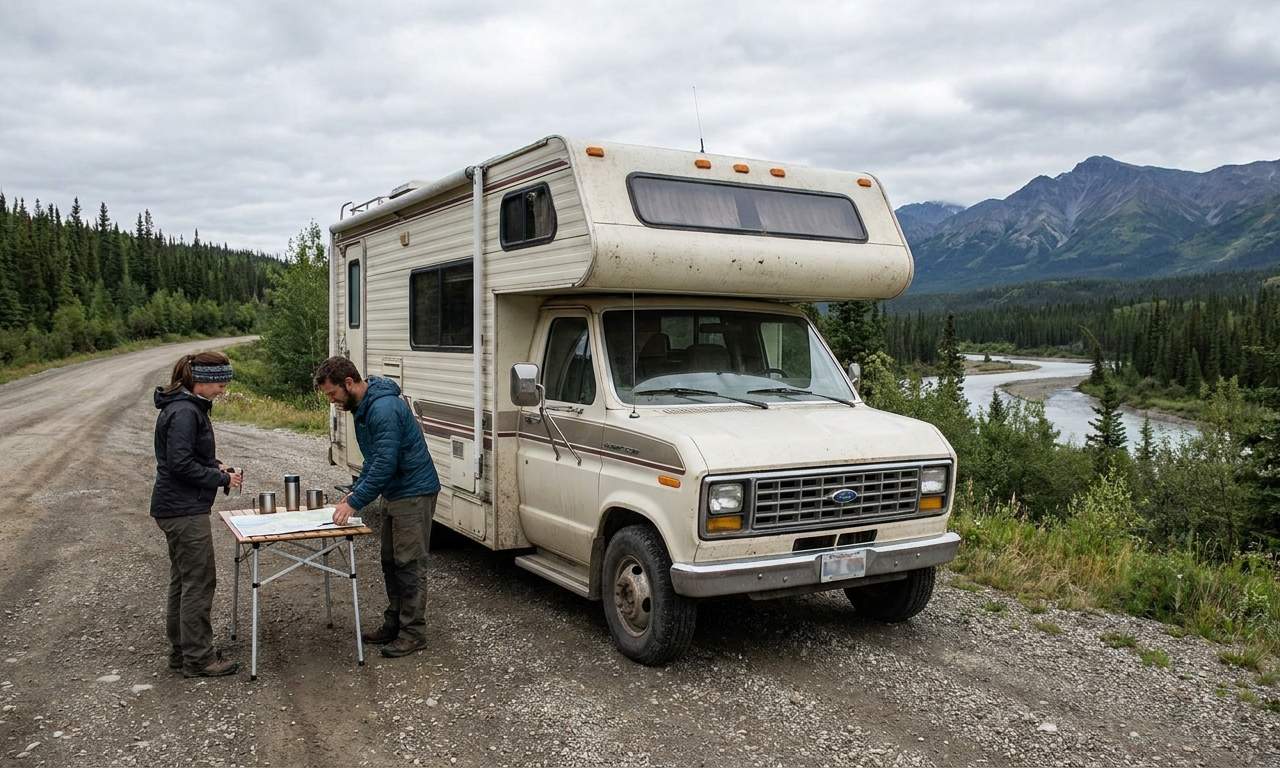
For couples planning an RV adventure in North Canada, strategic planning is essential to maximize enjoyment and minimize unexpected challenges.
- Booking your RV well in advance, especially for peak season (June-August), is crucial to secure a suitable vehicle for two in North Canada, as fleets are limited and demand is high, often requiring reservations 3-6 months ahead for popular routes like the Alaska Highway.
- Prioritizing an RV class that balances comfort for two with ease of driving on potentially challenging Northern roads is key; Class B campervans like the "rv rental denver example Category Van" with its 120L fresh water tank or smaller Class C motorhomes with a double bed around 135/198cm are often ideal for couples, offering a compact size (typically under 7 meters) without sacrificing essential amenities.
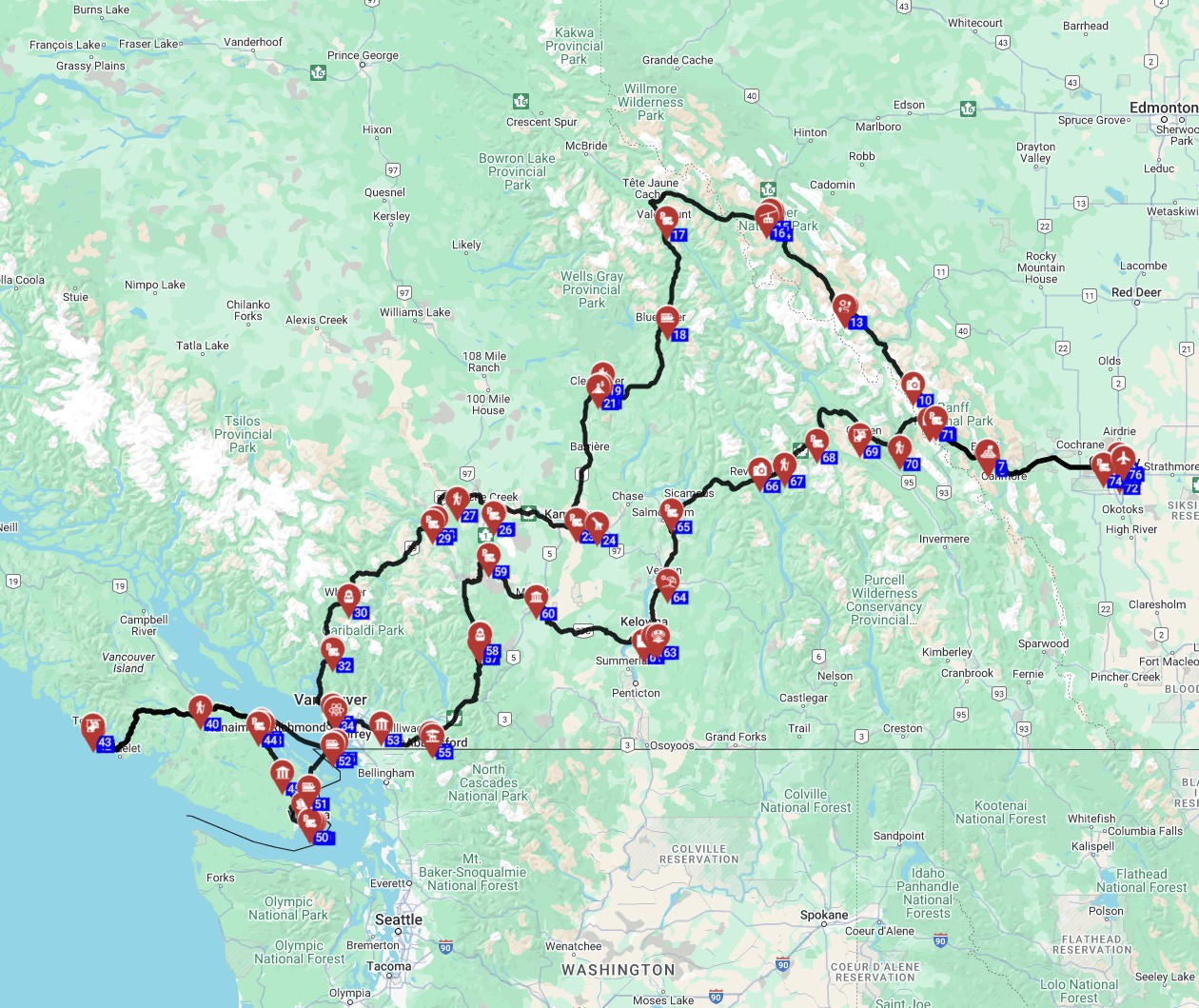
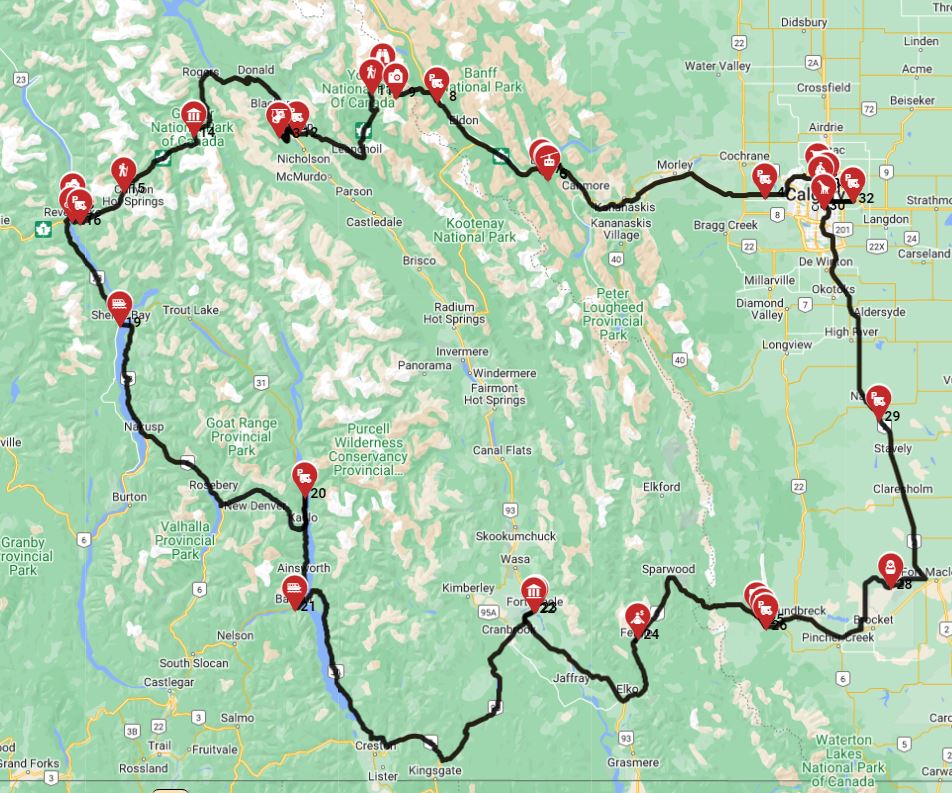
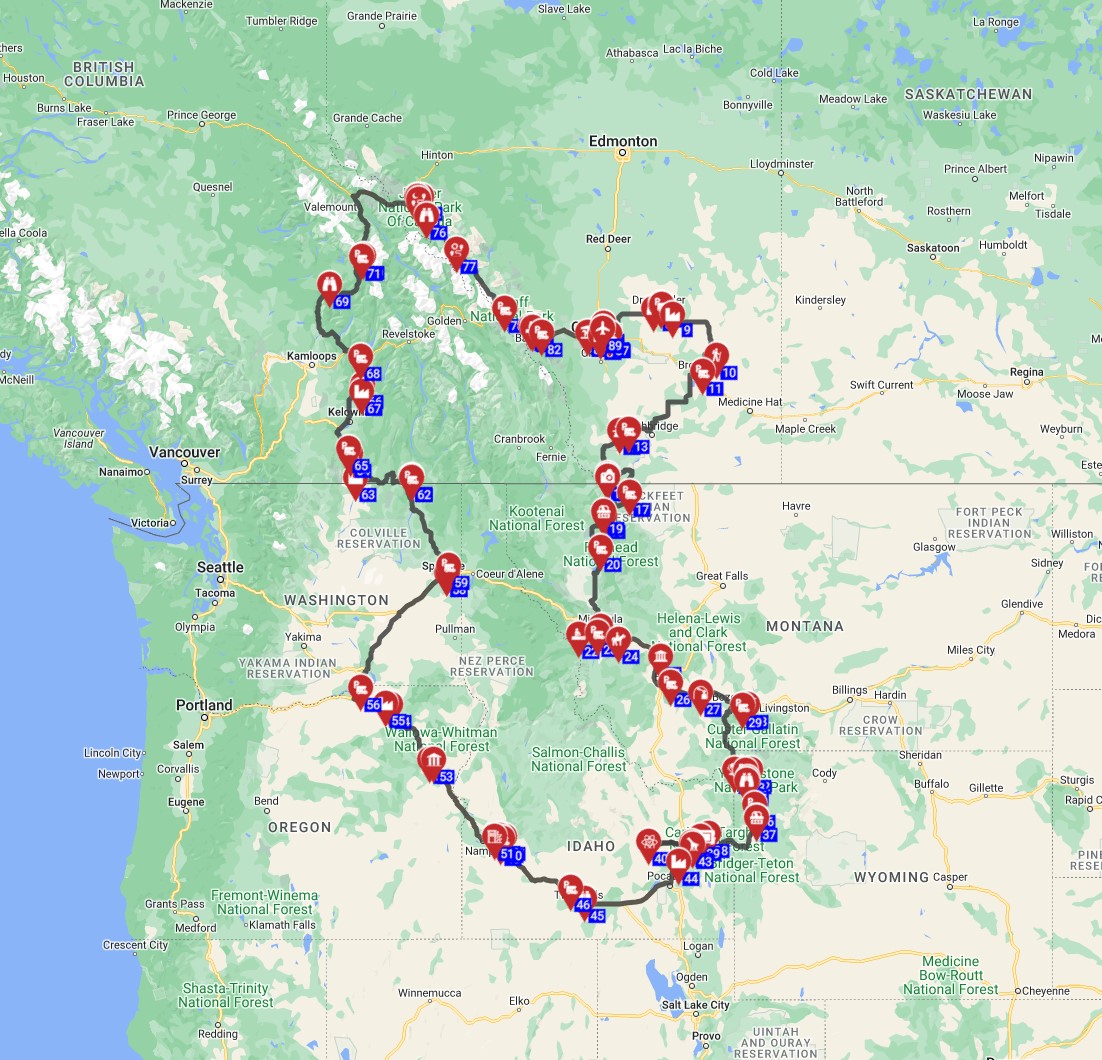
- Thoroughly research and plan your routes, considering vast distances between services, limited cell coverage, and gravel sections like the 737 km Dempster Highway, utilizing resources such as RV PLANET (rvplan.net) to itemize and track every expense and locate available campgrounds.
- Pack for all weather conditions, from warm summer days reaching 25°C to chilly evenings dropping to near 0°C, and include essential safety gear for remote travel, such as bear spray, a satellite phone or inReach device, and a comprehensive first-aid kit.
- Familiarize yourselves with specific Northern regulations, such as bear safety protocols (e.g., carrying bear-resistant food containers) and backcountry permit requirements for national parks like Kluane, ensuring a responsible and safe journey.
Before You Book - Class, Dates, Insurance
Choosing the right RV class, rental dates, and insurance coverage are crucial steps for couples planning a memorable North Canada trip.
Choosing an RV class for couples typically involves balancing living space with maneuverability; Class B (campervans) or smaller Class C motorhomes are often ideal for two, providing ample comfort without being unwieldy on Northern roads. For instance, a nimble campervan like the "hire campervan example Paradise S/T" (rated "Ideal for a couple" with shower and toilet) or a compact Class C motorhome similar to the "rent rv example A1" (up to 3 years on the road, with front air conditioning, shower, and toilet) will offer a cozy retreat with easy handling, measuring roughly 6 to 7 meters in length.
Locking in your rental dates as early as possible, ideally 3-6 months out for summer travel in North Canada, is highly recommended due to limited fleets and high demand during the popular June-August season when daylight hours extend up to 24 hours. While many national and state parks reserve only 25-30% of spots, leaving the rest for first-come-first-serve, booking ahead for your RV gives you the best chance to secure a vehicle. Rest assured, you'll find a spot; if not at the first campground, then the next one – just call ahead before driving.
RV rental insurance options vary, with basic liability coverage generally included in your rental price; for enhanced protection, couples should explore comprehensive packages that cover collision damage waiver, personal effects, and roadside assistance, especially for remote Northern travel. Bandana offers a transparent booking experience, allowing you to select insurance options during your search, ensuring full price transparency and no hidden fees.
Pre-Trip Prep - Packing Checklist for North Canada
A comprehensive packing checklist is crucial for a comfortable and safe RV trip through North Canada's diverse environments.
- Pack layers of clothing suitable for varying temperatures, from summer warmth often reaching 25°C in July to sudden cold snaps and chilly evenings that can drop to near 0°C, even requiring light gloves or hats.
- Ensure you have essential kitchen items for self-sufficiency, as remote areas have limited grocery stores; consider bringing your favorite spices, non-perishable snacks, and some ready-to-eat meals to supplement your fresh food supply. For some inspiration on what to cook in your compact RV kitchen, check out our RV-friendly recipes playlist.
- Include critical safety gear like bear spray (easily accessible), a satellite phone or inReach device for areas with no cell service, a comprehensive first-aid kit, and a basic tool kit for minor RV adjustments.
- Organize all necessary documents, including passports, valid driving licenses (an International Driving Permit is recommended for non-English speakers but not mandatory), RV rental agreement, and any required territorial permits for activities like fishing or backcountry camping.
- Remember items for potential connectivity issues, such as downloaded offline maps (e.g., Google Maps for Yukon and Northwest Territories), a detailed paper map like the "Milepost," and downloaded entertainment for evenings or long drives.
On the Road - Driving, Fueling, Navigation
Navigating North Canada by rented RV requires careful attention to driving conditions, strategic fueling, and reliable navigation due to the remote nature of the region.
When driving your rented RV in North Canada, be prepared for varied road conditions, including long stretches of well-maintained gravel, potential permafrost heaves that create undulating surfaces, and frequent wildlife crossings, necessitating slower speeds (often 60-80 km/h) and increased caution. While you can drive almost anywhere without issues, just use common sense and pay attention, especially on scenic drives like the Alaska Highway or the Dempster Highway, where a "Patagonia Camper 4x4 double cab" or similar rugged RV can enhance the experience.
Plan your fueling stops carefully, as gas stations can be hundreds of kilometers apart in remote Northern territories, particularly between major towns like Whitehorse and Dawson City; always top off your 75-150 liter fuel tank when possible, even if it's only half-empty. It's smart to carry a spare fuel can if venturing far off main routes, though always check with your rental supplier for restrictions.
For navigation, rely heavily on offline maps (e.g., downloaded Google Maps, iOverlander for campsites, or specialized RV apps) or a robust GPS device, as cell service is extremely limited or non-existent outside of major towns like Whitehorse, Yukon, or Yellowknife, NWT. Traditional paper maps are also an indispensable backup, especially for detailed route plans for North Canada.
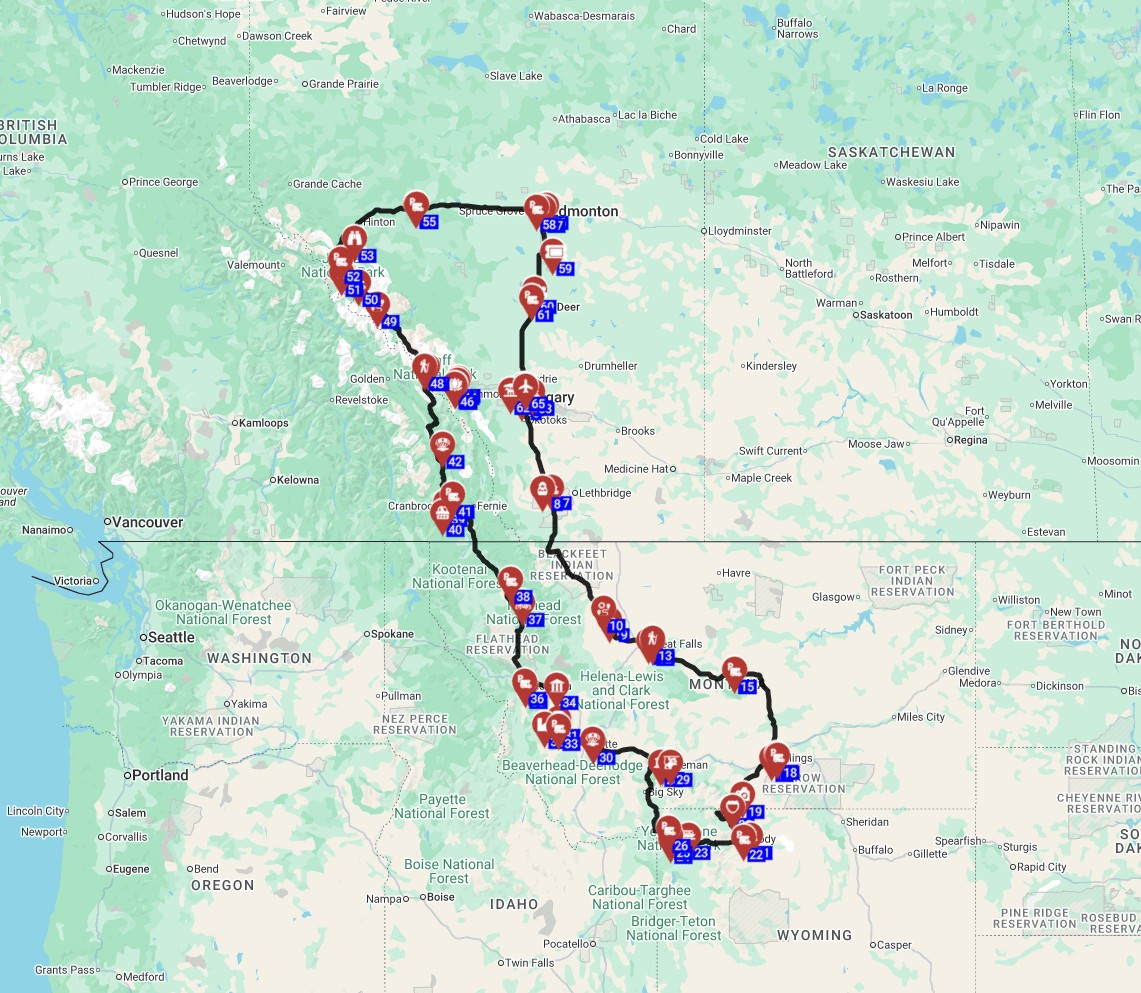
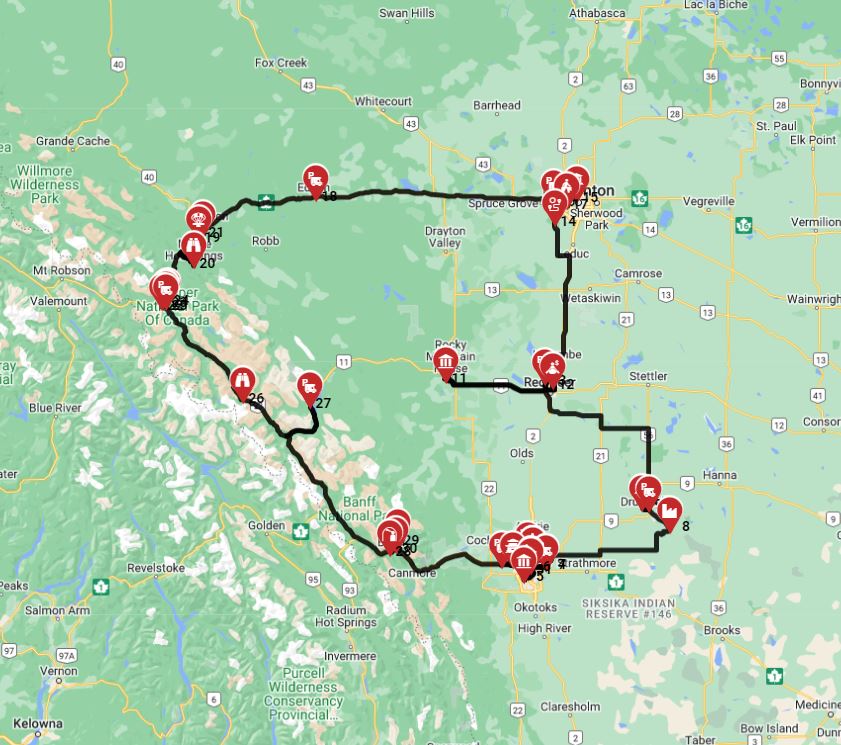
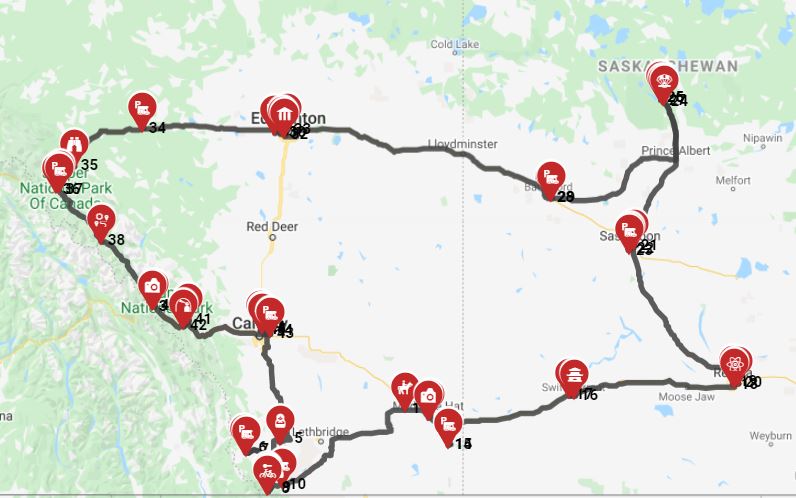
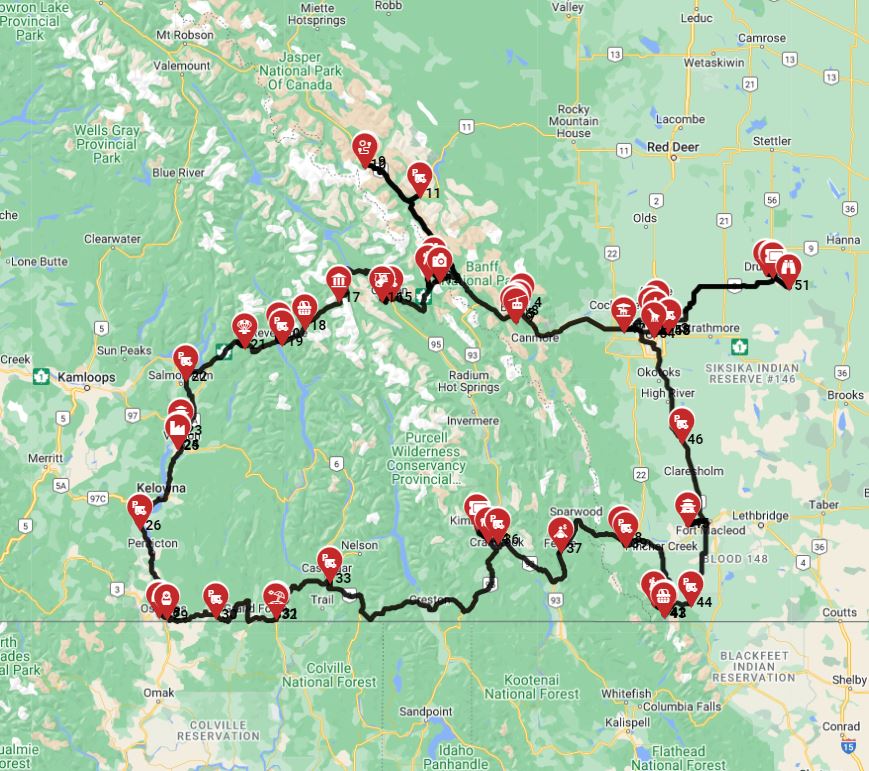
Carry extra water, non-perishable food, and emergency supplies, such as blankets, flashlights, and a shovel, especially when venturing onto less-traveled routes, because help can be hours away. For detailed budgeting and expense tracking for your trip, consider using RV PLANET routes, which allow you to itemize every anticipated cost along your journey. On the routes offered through RV PLANET routes, you can itemize and track every expense along the way for easy budgeting.
At the Campground - Setup, Hookups & Etiquette
Successful campground stays in North Canada enhance the RV experience for couples, requiring understanding of basic setup, hookup procedures, and respectful etiquette.
Upon arrival at a campground in North Canada, choose a level spot, then begin setup by chocking your wheels securely and leveling the RV using blocks if necessary to ensure comfort and proper drainage for the 82-liter fresh and waste water tanks of a typical "cruise america rv rental example Explorer." Many Northern campgrounds offer a mix of serviced (power, water) and unserviced sites, especially in territorial parks. You'll find a spot; if not at the first campground, then the next one. Call ahead before driving.
Connect your hookups in the correct order: first electrical power (typically 15-30 amp connections), then the fresh water hose (using a pressure regulator), and finally the sewer hose (connecting to the RV first, then the dump station), ensuring all connections are secure to prevent leaks and maintain hygiene.
Observe campground quiet hours, typically from 10 PM to 7 AM, to ensure a peaceful environment for all campers, especially vital in the Midnight Sun season where natural light can trick your sense of time. Keep generator usage to designated hours and minimize noise to be a good neighbor.
Practice Leave No Trace principles diligently by properly disposing of all waste in designated bins, using grey water carefully at unserviced sites, and respecting local wildlife and natural surroundings, such as not leaving food out to attract bears. This ensures the pristine beauty of North Canada remains for future travelers.
RV Rental for Couples-Specific Tips for North Canada
Planning an RV trip as a couple in North Canada allows for unique opportunities to bond and explore, especially when focusing on specific amenities and experiences.
- Opt for a rented RV with a comfortable bed and a functional kitchen to enhance your shared experience, as dining options can be scarce in the North; a vehicle like the "luxury rv rentals example Carthago Malibu 600" offers a 158/195cm rear double bed and a 2-burner stove, perfect for preparing intimate meals.
- Plan a mix of adventurous activities and cozy evenings, balancing long drives through scenic routes like the Dempster Highway with opportunities for hiking, fishing, or simply enjoying the Northern Lights or Midnight Sun together, allowing for shared moments of awe and relaxation.
- Discuss a communication strategy for remote areas where cell service is non-existent, utilizing a satellite device for emergencies or regular check-ins with family, which is a critical safety measure in the vast expanses of North Canada.
- Research and visit specific cultural sites or indigenous tourism experiences together to enrich your journey and connect with Northern heritage, such as exploring the cultural centers in Whitehorse or learning about Dene history in the Northwest Territories.
- Allow for spontaneous detours and extra days in places you enjoy, given the vastness and unique beauty of North Canada; traveling slowly, averaging max 100-150 km per day, provides ample time to feel the place, connect to the culture, the food, and the scenery.
Common Mistakes to Avoid in North Canada
Avoiding common pitfalls will ensure your RV adventure in North Canada is smooth, safe, and enjoyable for both partners.
- Instead of underestimating travel distances and time, plan conservative daily mileage (ideally 100-150 km) and allow ample time for unexpected stops, wildlife viewing, or simply enjoying the scenery.
- Instead of neglecting fuel planning, always refuel at every opportunity, especially before entering remote stretches where gas stations can be over 300 km apart, ensuring your RV's 75-liter tank (or larger) is consistently full.
- Instead of ignoring weather forecasts, regularly check for sudden shifts, including unexpected snow even in summer at higher elevations, and be prepared with appropriate clothing and vehicle supplies.
- Instead of foregoing essential safety gear, ensure you carry bear spray (and know how to use it), a satellite communication device, and a robust first-aid kit for emergencies, as roadside assistance might be far away.
- Instead of overlooking border crossing requirements, meticulously prepare all necessary documents for US citizens entering Canada and returning, including valid passports, RV insurance details, and any specific declarations for items like food or alcohol, ensuring a smooth transition. For details on entering Canada, see our "Can a US citizen go camping in North Canada?" FAQ.
What do I need to know before renting an RV in North Canada?
Before renting an RV in North Canada, it is crucial to understand the eligibility requirements, which typically include a valid car driver’s license, a minimum age of 21 years (not 25), and a credit card for the security deposit, which can range from CAD $750 to $2,500.
Familiarize yourself with the different RV classes, such as Class B campervans or Class C motorhomes, to choose one that fits your comfort level, budget, and North Canada’s unique terrain; for instance, a compact Class B often offers better fuel economy (11-13 L/100 km) and easier handling on narrower roads. Review the rental agreement thoroughly, paying attention to mileage allowances, generator usage fees (often $5-$10 per hour if not included), cancellation policies, and any restrictions on travel to unpaved roads common in the North. Ensure you understand the insurance options available, beyond the basic liability coverage included, to protect against potential damages or roadside emergencies; upgrading to a top-level deductible for extra peace of mind is an option many travelers choose. Finally, ask about the pre-departure orientation, which covers how to operate all RV systems (water, electrical, sewer, appliances) and what to do in case of a breakdown in a remote area, which is vital for a smooth journey.
Which RV rental company in Canada is the best?
The "best" RV rental company for a trip to North Canada depends heavily on individual needs, budget, and desired pick-up/drop-off locations, with some popular national providers like El Monte, Cruise America, and Apollo offering reliable options.
For North Canada, companies with depots in gateway cities like Whitehorse (Yukon) or Edmonton/Calgary (Alberta) that allow travel on unpaved roads, such as the Dempster Highway, are preferable. Evaluate companies based on fleet variety (e.g., whether they offer smaller, agile campervans or larger Class C motorhomes suitable for couples), the age of vehicles (many offer recent models up to 3 years on the road), customer service reputation (especially for remote assistance), included amenities, and transparent pricing structures. We compare final prices across over 50 suppliers, ensuring you find the best value without hidden fees. Reading recent customer reviews provides insights into experiences with vehicle condition, roadside assistance responsiveness, and overall support, particularly for remote travel in areas like the Yukon and Northwest Territories. Consider smaller, local rental operators in Northern territories who might offer more specialized vehicles or personalized service attuned to the unique challenges of the region.
How much to rent an RV for a week in North Canada?
Renting an RV for a week in North Canada can typically range from CAD $1,000 to $3,000 or more, depending on several factors including the RV class, season, rental company, and included features.
Smaller campervans (Class B) or truck campers like a "Patagonia Camper 4x4 double cab" will generally be less expensive (starting around CAD $140/day) than larger Class C or Class A motorhomes. Peak season (July and August) will command higher prices, with daily rates often increasing by 30-50% compared to shoulder seasons (May-June, September-October). Additional costs to factor in include mileage packages (e.g., 200 km/day included, extra at $0.40/km), insurance upgrades (an optional top-level deductible for peace of mind), generator fees ($5-$10 per hour), convenience kits (linens, kitchenware, typically CAD $50-150), and provincial taxes (5-15%). For example, a 7-day trip with a compact motorhome might involve CAD $1,000-$1,500 for the rental, plus an estimated $300-$600 for fuel (based on 15 L/100 km for 1000 km at $1.50/L), $150-$250 for campgrounds, and $100-$200 for groceries. You can get more details on costs in our "RV Rental in North Canada - Prices and Best Deals 2026" guide.
How much to rent an RV for a couple months in North Canada?
Renting an RV for a couple of months in North Canada generally offers a lower daily rate compared to shorter rentals, with total costs potentially ranging from CAD $6,000 to over $15,000, influenced by the RV type, season, and exact duration.
Many rental companies offer discounted long-term rates (often 10-20% off daily rates for rentals exceeding 30 days), which can significantly reduce the per-day expense for an extended North Canada adventure. Long-term rentals require careful planning for vehicle maintenance (e.g., oil changes every 5,000 km), supplies, and potentially larger security deposits. Ensure the rental agreement accommodates extended travel on rougher Northern roads, and inquire about mechanical support or vehicle swap options for very long trips, especially if you plan to cover thousands of kilometers. Factor in cumulative costs for campgrounds (e.g., CAD $30-60/night), fuel (which could total thousands of dollars over two months given long distances and 20-25 L/100km for larger RVs), and provisions, which will be substantial over a multi-month journey through remote regions. For couples, exploring pricing specifics for extended travel, including potential savings with Bandana's 25% planning discount when using rvplan.net, is crucial for budgeting a comprehensive trip; check our "RV Rental in North Canada for Couples - Pricing 2026" for more targeted information.
Can a US citizen go camping in North Canada?
Yes, US citizens can absolutely go camping in North Canada, provided they meet standard Canadian entry requirements, which primarily include a valid US passport.
Ensure your RV insurance is valid for travel in Canada; most US auto insurance policies extend coverage, but it’s wise to confirm with your provider and carry proof of coverage. Be aware of Canadian customs regulations regarding what can be brought across the border, including restrictions on firearms, cannabis, and certain food items to prevent delays. For Northern Canada, specific border crossings (e.g., between Alaska and Yukon at Beaver Creek) have unique hours and sometimes less infrastructure, requiring careful planning of your crossing time and entry point. Always check the latest travel advisories and entry requirements from the Canadian government, especially regarding any health or pandemic-related protocols for 2026, to ensure a smooth and compliant journey into the Northern territories.
What are the drawbacks of renting an RV in North Canada?
One significant drawback of renting an RV for a North Canada adventure, particularly for couples, is the potentially high overall cost, encompassing rental fees, substantial fuel expenses, and daily campground fees.
Driving a large vehicle can be challenging, especially on narrow, winding, or unpaved gravel roads common in Northern territories, requiring extra caution and potentially slower travel times of 60-80 km/h, which can extend driving days. Connectivity is a major limitation in remote Northern areas, as reliable cell service is sparse outside of major towns, making communication or online navigation difficult, necessitating offline planning and satellite devices. Unexpected mechanical issues in remote locations can lead to significant delays and complications, as roadside assistance might be hours or even days away, and repair facilities are few and far between. Lastly, RV travel offers less flexibility for spontaneous hotel stays or dining in remote areas, requiring more diligent planning for provisions and overnight stops, which is why a comprehensive itinerary from RV PLANET routes can be so valuable.
What is the 3-3-3 rule for RVs in North Canada?
The 3-3-3 rule for RV travel is a widely recommended guideline suggesting travelers drive no more than 300 miles (approximately 480 km) a day, arrive at their destination by 3 PM, and stay at least 3 nights, promoting a relaxed pace.
This rule is designed to prevent driver fatigue, allow ample time for RV setup and breakdown, and facilitate exploration of the surroundings, making it ideal for couples seeking a leisurely pace. While a useful guideline, the 3-3-3 rule may need to be adapted for North Canada's vast distances and often slower road conditions, where driving slightly longer stretches between towns might sometimes be necessary. Sticking to a version of this rule helps avoid late-night arrivals at unfamiliar campgrounds, which is especially beneficial in regions experiencing the Midnight Sun, and increases the likelihood of securing a good campsite, as many operate on a first-come, first-serve basis for 70-75% of their spots. For couples, following this rule can significantly reduce stress and enhance the shared experience by prioritizing leisure and connection over rushed travel, allowing more time to immerse yourselves in the unique Northern environment.
What is the 4-4-4 rule for RV travel in North Canada?
The 4-4-4 rule for RV travel is a variation of the 3-3-3 rule, suggesting travelers drive no more than 400 miles (approximately 640 km) a day, arrive at their destination by 4 PM, and stay at least 4 nights, balancing coverage with exploration.
This guideline aims to provide a balance between covering significant ground on longer routes, such as the Alaska Highway that spans 2,232 km, and still having ample time to relax and explore, making it suitable for longer RV trips for couples. Like the 3-3-3 rule, the 4-4-4 rule should be flexibly applied to North Canada, where daily mileage might fluctuate depending on road conditions, necessary fuel stops, and the availability of campgrounds. Arriving by 4 PM helps secure a campsite, particularly in popular national parks or during peak tourist season (June-August), and provides sufficient daylight for comfortable setup and enjoying an evening campfire. Staying at least 4 nights at a location allows for deeper exploration of an area's hiking trails or cultural sites, reduces the frequency of packing and unpacking, and fosters a more immersive travel experience, ensuring couples can truly connect with the remote beauty of North Canada.
What You Shouldn't Miss
- Drive the Alaska Highway: Experience a legendary 2,232 km journey through the Yukon and British Columbia, offering stunning scenery and rich history.
- Witness the Northern Lights: Visit during late August to April for the best chance to see the aurora borealis dance across the Northern sky, especially from remote campgrounds.
- Explore Kluane National Park and Reserve: Hike among Canada's highest peaks and largest icefields, accessible from the Alaska Highway in the Yukon.
- Visit Dawson City, Yukon: Step back in time to the Klondike Gold Rush era, explore historic buildings, and take a photo at the infamous 'Sourtoe Cocktail Club.'
- Experience the Midnight Sun: Travel during June-July to enjoy nearly 24 hours of daylight, allowing for extended outdoor activities and unique golden-hour photography.
- Discover Indigenous Culture: Engage with local First Nations communities through cultural centers and guided tours to understand the deep heritage of the North.
Looking for expert insights from Avi Bandana? Top 5 Adventures - recommendations from Avi Bandana
🎬 Video coming soon
Final Thoughts
A romantic RV adventure in North Canada is truly a bucket-list experience, offering couples the chance to immerse themselves in unparalleled natural beauty and share unforgettable moments. From the vast landscapes of the Yukon to the unique charm of the Northwest Territories, having your own mobile home provides the ultimate freedom to explore at your own pace. With careful planning and the right information, you can navigate the remote roads, discover hidden gems, and create memories that will last a lifetime.
Remember, the journey itself is the destination. Take your time, embrace the unexpected, and let the magic of North Canada unfold before you. We're here to support you every step of the way, from comparing prices and selecting the perfect RV to providing transparent information and dedicated support.
Ready to ignite your romance on the open road? Discover top destinations, planning tips, all in one place! Compare Motorhome Prices for North Canada and start planning your dream couples getaway today!