In This Guide
- Top 5 Tips for RV Rental for Couples in Netherlands
- Before You Book - Class, Dates, Insurance
- What are the best RVs for couples?
- How much does it cost to rent an RV in the Netherlands for a week?
- What do you need to drive an RV in the Netherlands?
- What is the best time of year to RV in the Netherlands?
- Pre-Trip Prep - Packing Checklist for Netherlands
- On the Road - Driving, Fueling, Navigation
- Can you just park an RV anywhere in the Netherlands?
- Is it safe to wild camp in the Netherlands?
- How do I find camper spots in the Netherlands?
- At the Campground - Setup, Hookups & Etiquette
- RV Rental Couples-Specific Tips for Netherlands
- How to Practice Sustainable RV Travel in the Netherlands?
- Traveling with Pets in an RV in the Netherlands
- Staying Connected: Internet Options for RVers in the Netherlands
- Discovering Hidden Gems: Off-the-Beaten-Path Netherlands RV Routes
- Common Mistakes to Avoid in Netherlands
Top 5 Tips for RV Rental for Couples in Netherlands
To ensure a smooth and romantic RV adventure in the Netherlands, five key tips can significantly enhance your experience. First, choosing a compact RV class suitable for two people and narrower Dutch roads, such as a campervan or a small Class C motorhome (typically under 6 meters in length), will make navigating charming villages and city outskirts much easier. Second, booking well in advance, especially for peak seasons like spring (April-May for tulips) and summer (June-August), is crucial to secure your preferred models and potentially save up to 25% on rental rates. Third, factor in all potential costs upfront, including dynamic fuel prices, diverse campsite fees (ranging from €10-€45 per night), and environmental zone fees in specific cities, to avoid any financial surprises. Fourth, plan a flexible itinerary that balances popular spots like Amsterdam with serene, off-the-beaten-path locations in provinces like Drenthe or Zeeland, allowing for spontaneous discoveries. Finally, familiarize yourselves with specific Dutch traffic rules, particularly regarding cyclists, and local RV parking regulations to ensure a compliant and stress-free journey.Before You Book - Class, Dates, Insurance
Selecting the right rented RV class for two people ensures both comfort and maneuverability across the diverse Dutch landscape. For couples, compact motorhomes like Class B campervans (e.g., a "Campervan for 2 - Automatic" with 30L fresh water tank) or smaller Class C motorhomes are often ideal, offering essential amenities without the bulk that can challenge navigation on narrower European roads. Locking in your rental dates early can secure better rates and availability, particularly for popular travel periods like late spring (April-May) and summer (June-August), with savings of 20-30% often possible when booking 3-6 months ahead. Understanding the comprehensive insurance options provided by your rental supplier is crucial for a worry-free trip, as basic third-party insurance is always included, but upgrading to a top-level deductible for extra peace of mind is an optional choice you can make during the booking process. We believe in full transparency, so you'll always see the final price without any hidden fees or surprises when comparing options on our platform.What are the best RVs for couples?
For couples, the best RVs typically include agile campervans or compact motorhomes, ideal for navigating the Netherlands' charming but often narrow streets. Campervans like the "Luxury rv rentals example Carthago Malibu 600" or the "V2L" (5.99m length, 80 liter fridge) offer exceptional agility and easier parking in towns, making urban exploration hassle-free. These vehicles often feature a comfortable fixed double bed (e.g., 158/195cm in a Carthago Malibu 600), a small but functional kitchen area perfect for preparing meals together, and adequate storage for two people's luggage. Compact motorhomes, such as a "Category Small AT" Class C (around 6-7 meters long), provide a bit more interior space, a fixed bed, and usually a compact bathroom with a shower and toilet. Prioritize models that are easy to maneuver with good fuel economy, and include essential amenities for a comfortable, self-sufficient journey through the Dutch countryside. You'll find options like the "rent rv example A1" which offers a shower and toilet, ideal for a couple on the road. Remember to utilize our comparison tools to find the perfect rented mobile home that suits your couple's travel style and budget in the Netherlands.How much does it cost to rent an RV in the Netherlands for a week?
The cost to rent an RV in the Netherlands for a week typically ranges from €700 to €1500, varying significantly by RV class, season, and booking lead time, with additional costs for fuel, campsites, and attractions. For a compact campervan (e.g., a Class B "Active Classic") during off-peak season (November-March), expect to pay around €700-€1000 for a week, while a larger, more modern motorhome (like a small Class C) or travel during the high season (June-August) could reach €1000-€1500+. Fuel prices in the Netherlands are among the highest in Europe; budget €150-€300+ for a week depending on your mileage and the rented RV's fuel efficiency, which can range from 8-15 liters per 100 km. Standard campsite pitches generally cost €25-€45 per night, whereas charming 'mini-campings' or 'camperplaatsen' can be a more budget-friendly €10-€25 per night. For attractions, budget €15-€30 per person per entry, and consider public transport for city visits to save on parking, with day tickets in Amsterdam costing €8-€17. To keep food costs down, self-catering in your RV's kitchen is excellent; a weekly grocery budget for two could be €70-€120. When planning your trip with RV PLANET routes, you can itemize and track every expense along the way for easy budgeting and full transparency.What do you need to drive an RV in the Netherlands?
To drive an RV in the Netherlands, you primarily need a valid national driving license, and if your license is not from an EU/EEA country, an International Driving Permit (IDP) is legally required and must be carried alongside your original license. A standard B-category driving license is usually sufficient for most rented RVs up to 3,500 kg, which includes the majority of campervans and compact motorhomes ideal for couples. For larger motorhomes exceeding 3,500 kg, a C1 or C category license may be necessary, though these are less common in rental fleets suitable for two people. Your RV rental company will provide all necessary vehicle registration and insurance documents; always ensure you have physical or digital copies readily accessible. Furthermore, carrying a valid form of identification, such as your passport, is essential. While basic insurance is always included, consider upgrading to a top-level deductible for extra peace of mind, an optional enhancement available through your rental provider.What is the best time of year to RV in the Netherlands?
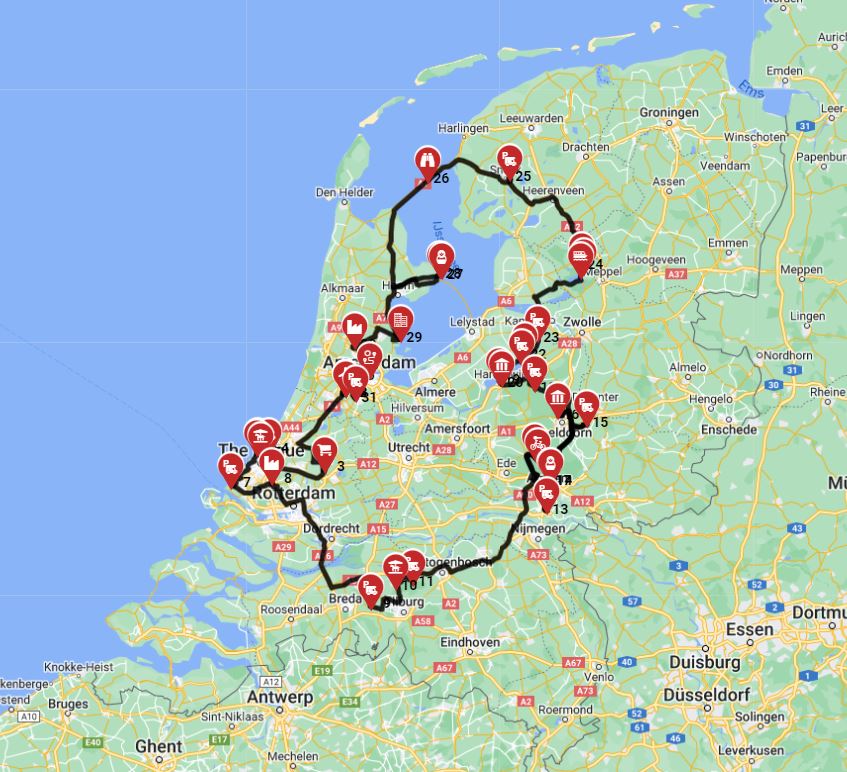
The best time of year to enjoy an RV rental in the Netherlands for couples typically depends on your desired activities and preference for avoiding crowds. Late spring (April-May) is often considered ideal, as it offers comfortable, mild weather perfect for cycling, and it's when the country's famous tulip fields burst into vibrant color, with Keukenhof Gardens being a must-visit. Campsites generally open fully during this period, and tourist crowds are manageable, making for a serene experience. Early autumn (September-October) also provides a wonderful RV experience, with stunning fall foliage, particularly in national parks like Hoge Veluwe, and significantly fewer tourists, allowing for a more peaceful exploration. While summer (June-August) offers the warmest weather for beach trips and outdoor festivals, it is peak season, meaning higher prices, larger crowds, and the necessity to book campsites well in advance. Winter (November-March) can be magical for cozy, off-season travel to Christmas markets or quiet city breaks, but many campsites close, and routes should focus on sheltered areas. Consider a Frankfurt Roundtrip - North West -Exploring Germany, Belgium, and the Netherlands to experience the shoulder seasons fully.Pre-Trip Prep - Packing Checklist for Netherlands
A well-organized packing checklist ensures you have all essentials for your RV adventure in the Netherlands, tailored for two people and variable weather. Pack versatile layers of clothing, including waterproof jackets and comfortable walking shoes, as Dutch weather can be unpredictable, even in warmer months. Essential documents include your driving license, International Driving Permit (if applicable), passports, and copies of your rental and insurance agreements. For your rented mobile home, consider bringing a small first-aid kit, a portable power bank for electronics, and any specific cooking utensils or spices you love, though most RV kitchens are well-equipped. Don't forget adapters for European electrical outlets (Type F, 2-pin) and a refillable water bottle. Given the extensive cycling culture, consider packing compact bikes or budgeting for bike rentals to explore local areas. If you plan to cook many meals in your RV, you might enjoy our RV-friendly recipes playlist for inspiration.On the Road - Driving, Fueling, Navigation
Navigating Dutch roads in your rented motorhome requires awareness of specific rules, road features, and local customs to ensure a smooth journey for couples. Speed limits are strictly enforced, with typical limits being 100-130 km/h on motorways, 80 km/h on rural roads, and 30-50 km/h in urban areas; always pay close attention to signage. Many historic town centers feature very narrow streets, making it advisable to plan your routes carefully, often parking your RV on the outskirts and using public transport or bikes to explore. Be highly aware of the extensive cycling network; you will constantly be sharing roads and roundabouts with cyclists, so always yield, use your mirrors, and check blind spots. At roundabouts, give way to traffic already on it and indicate your exit clearly. Larger cities like Amsterdam, Rotterdam, and Utrecht have low-emission zones (Milieuzones); check if your RV's emission standard (Euro-norm) is permitted, as older diesel vehicles may face restrictions and fines. Diesel (Diesel) and Unleaded (Euro 95 or E10) are widely available at fuel stations across the country, with prices clearly posted. For navigation, use a reliable GPS with RV-specific settings to avoid low bridges, narrow paths, or weight-restricted areas. Drive slowly and carefully, and you can drive almost anywhere without issues. No need to stress - just use common sense and pay attention.Can you just park an RV anywhere in the Netherlands?
No, you cannot generally park an RV anywhere in the Netherlands; specific regulations strictly govern where rented RVs can park, especially for overnight stays or in city centers, with rules often stricter than in many other European countries. Parking an RV on public roads is frequently restricted by local municipal ordinances, which may prohibit parking vehicles over a certain length or weight, or for more than a few days, particularly in residential areas. Wild camping or 'free camping' is largely illegal outside of designated areas, with overnight parking usually permitted only in official campsites, 'camperplaatsen' (dedicated motorhome parking spots), or designated holiday parks. Larger RVs face significant challenges in Dutch city centers due to narrow streets, environmental zones (Milieuzones) restricting older diesel vehicles, and limited parking spaces designed for smaller vehicles. It's almost always advisable for couples to park their rented campervan on the outskirts and utilize excellent public transport or bikes to explore urban areas. Ignoring parking and environmental zone regulations can result in substantial fines. When parked at a campsite, ensure your awning does not extend over public pathways or onto another pitch without prior permission, respecting the orderly nature of Dutch camping.Is it safe to wild camp in the Netherlands?
Wild camping, or 'free camping,' in a rented RV is generally illegal and not recommended in the Netherlands due to strict regulations, potential fines, and the widespread availability of well-maintained, designated alternatives. The Netherlands has very few official designated wild camping spots, and parking overnight outside of official campsites, 'camperplaatsen,' or designated 'mini-campings' is typically prohibited by local bylaws. While the Netherlands is a very safe country overall, wild camping still carries risks of attracting unwanted attention, potential theft, or simply being asked to move on by authorities, leading to fines. Instead of wild camping, couples should plan to stay at the plentiful and convenient 'camperplaatsen,' which are dedicated motorhome parking areas often providing basic services like water and waste disposal, or charming 'mini-campings,' which are small, often family-run farm campsites offering a unique, rustic experience. These alternatives provide safety, necessary facilities, and a legal way to enjoy the country's diverse landscapes.How do I find camper spots in the Netherlands?
To find camper spots in the Netherlands, utilize specialized apps and websites like Campercontact, NKC (Nederlandse Kampeerauto Club), or Park4night, which provide comprehensive listings and reviews of 'camperplaatsen' and 'mini-campings.' Campercontact is a widely used app and website, excellent for finding 'camperplaatsen' across the Netherlands, offering detailed information on services (water, electricity, waste disposal), prices, and user reviews, making it simple to locate an available spot. The NKC, the Dutch Motorhome Club, also offers valuable resources and a detailed directory of camper spots, often with exclusive deals for members, but much of its information is publicly accessible. Park4night is another popular app among European RVers, featuring a broad database of various parking spots, including designated overnight areas, campsites, and some informal locations (though verify legality for informal spots in the Netherlands). For a unique experience, explore 'mini-campings,' which are charming, smaller campsites often located on farms, offering a quiet, rustic stay, sometimes with fresh local produce. These can be found via specific 'mini-camping' directories or general campsite search engines, offering a more personal touch than larger holiday parks. For comprehensive planning, our sister company, rvplan.net, offers 1,300+ pre-planned routes across 5 continents, including detailed campsite information for your RV rental in Europe.At the Campground - Setup, Hookups & Etiquette
Efficient campground setup ensures a comfortable stay for couples in your rented motorhome, while understanding hookups and local etiquette promotes a harmonious environment. When arriving, first position your RV on a level spot to ensure comfort and proper functioning of appliances. Next, connect electricity using a blue CEE plug, a common standard across European campsites. If available, connect fresh water with a food-grade hose to your RV's inlet. Then, set up your waste disposal; if your pitch has a direct drain, connect your grey water hose, otherwise plan for regular visits to the dump station. Finally, extend your awning and arrange any outdoor furniture to create a cozy outdoor space. Observe quiet hours, typically from 10 PM to 7 AM, respecting fellow campers. Always keep your pitch tidy, dispose of waste properly in designated recycling and trash bins, and ensure any pets are leashed and quiet. Dutch campsites generally value order and tranquility, contributing to a pleasant experience for everyone.RV Rental Couples-Specific Tips for Netherlands
Tailoring your RV trip to a couple's dynamic enhances the romantic and memorable aspects of exploring the Netherlands in your rented motorhome. Choose intimate routes that focus on scenic drives through less-traveled areas, such as the serene Drenthe national parks, the picturesque Frisian Lakes, or the surprisingly rolling hills of Limburg, providing more opportunities for connection away from bustling tourist centers. Prioritize an RV with a comfortable fixed bed (many compact motorhomes or campervans offer this, e.g. the "V3" with rear single beds convertible to a double) and a functional kitchenette for preparing romantic meals in, maybe even some simple, yet delicious RV-friendly recipes. Consider renting a motorhome with an outdoor seating option or acquiring one for pleasant evenings al fresco. Balance your activities by combining popular sightseeing with active pursuits like cycling through tulip fields or along canals, hiking in national parks, and relaxing at quaint village cafes. Embrace 'Gezelligheid,' a uniquely Dutch concept of coziness and conviviality, by seeking out moments like a quiet evening by a canal or a slow morning at a charming farm campsite. Remember, flexibility is key to an enjoyable RV trip; don't hesitate to change plans if you find a charming spot and wish to extend your stay or explore a nearby area.How to Practice Sustainable RV Travel in the Netherlands?
Practicing sustainable RV travel in the Netherlands involves mindful waste disposal, water and energy conservation, supporting local economies, and minimizing your carbon footprint to preserve its natural beauty. Always utilize designated waste and recycling facilities at campsites and 'camperplaatsen,' separating plastic, paper, glass, and organic waste whenever possible, and never leaving trash behind in natural areas. Water conservation is paramount in the Netherlands; take shorter showers, turn off the tap while washing dishes in your rented motorhome's kitchen, and use water-saving appliances. Support local economies by purchasing groceries from regional markets, dining at small independent restaurants, and buying souvenirs from local artisans. Reduce your carbon footprint by driving at moderate speeds to improve fuel efficiency and by utilizing bikes (either rented or brought along) for short distances instead of driving your RV. Also, use biodegradable soaps, detergents, and toiletries to minimize environmental impact when greywater is disposed of, and always respect nature by staying on marked paths and not disturbing wildlife.Traveling with Pets in an RV in the Netherlands
Traveling with pets in an RV in the Netherlands requires adherence to specific regulations, researching pet-friendly accommodations, and ensuring access to veterinary services. Your pet must have an EU pet passport, be microchipped, and be up-to-date on rabies vaccinations. Always check specific import rules for any breed restrictions, though most common companion animals are welcome. Many national parks and beaches, including large sections of the North Sea coast, welcome dogs, though they must generally be kept on a leash. A significant number of Dutch campsites and 'camperplaatsen' are pet-friendly, but always confirm their specific rules in advance, as some may have breed or size restrictions, or charge a small additional fee. Veterinary clinics are readily available across the Netherlands; locate emergency vets along your planned route in advance, especially in more rural areas. While driving your rented campervan, pets must be safely secured. Never leave pets unattended in the RV for extended periods, especially in warm weather, and always adhere to local leash laws in public areas.Staying Connected: Internet Options for RVers in the Netherlands
RVers in the Netherlands have several reliable options for staying connected, ensuring your romantic RV trip remains both adventurous and practical. Purchasing a local Dutch SIM card from providers like Vodafone, KPN, or T-Mobile offers the most reliable and often cost-effective mobile data, with prepaid options widely available at supermarkets, electronics stores, and phone shops. Most modern campsites and holiday parks offer Wi-Fi, though the quality and speed can vary, with some providing free basic access and others charging a fee for premium speeds. If your rental RV doesn't include a built-in Wi-Fi solution, consider renting or purchasing a portable Wi-Fi hotspot device that uses a local SIM card, allowing multiple devices (like phones and tablets) to connect simultaneously. Additionally, many cafes, restaurants, and public libraries in Dutch towns offer free Wi-Fi, which can be useful for quick checks, large downloads, or video calls. If you have a mobile plan from an EU/EEA country, you can typically use your home data allowance in the Netherlands without extra charges, subject to fair usage policies.Discovering Hidden Gems: Off-the-Beaten-Path Netherlands RV Routes
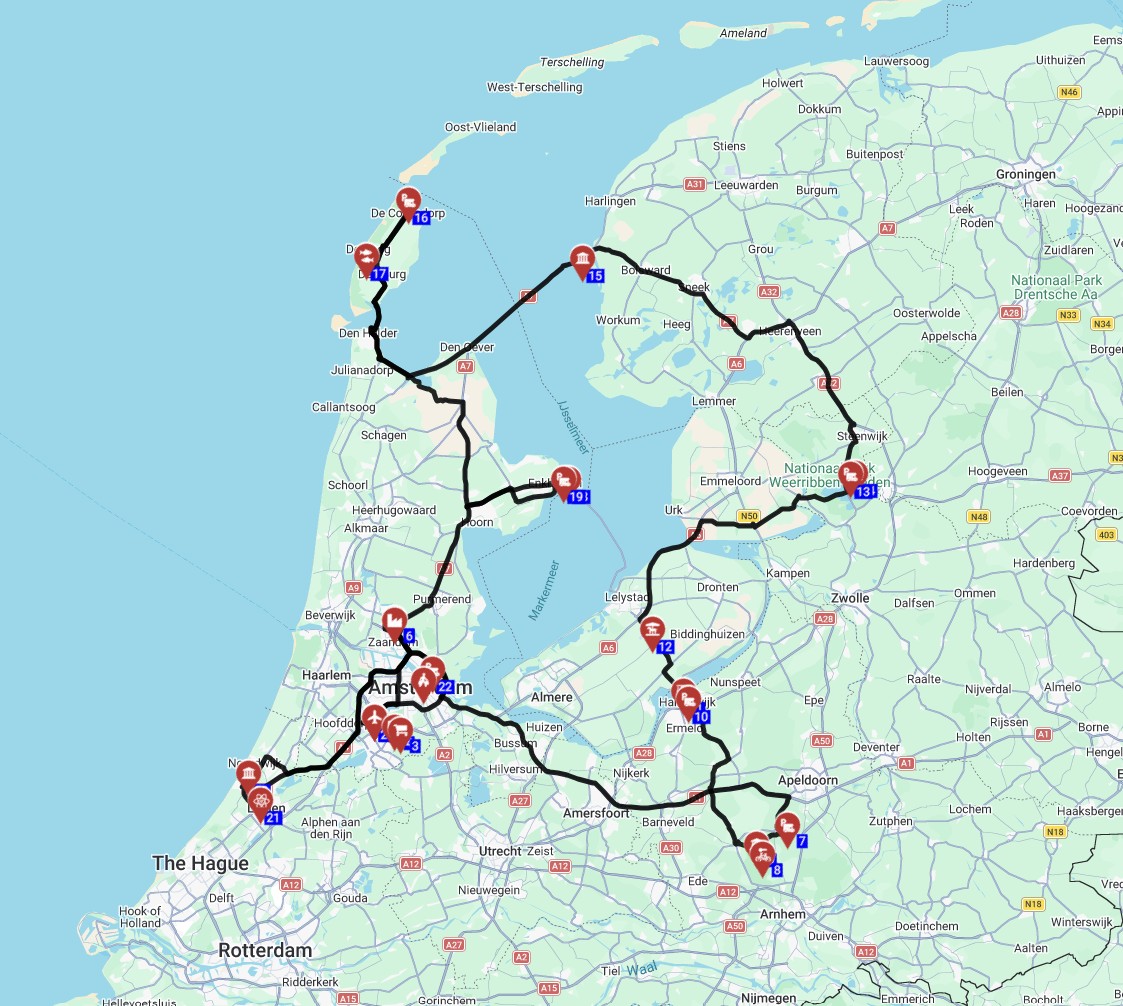
To experience the Netherlands beyond popular tourist hubs, couples can explore off-the-beaten-path RV routes through lesser-known regions, offering unique cultural experiences and tranquil natural beauty. Consider an RV trip to the Wadden Islands (Waddeneilanden) like Texel or Ameland; take your rented RV on a ferry for a serene escape to explore vast beaches, quaint villages, and unique wildlife, including seal spotting, with RV campgrounds available on the islands. The Drenthe Province, known as the 'province of the hunebeds' (ancient megalithic tombs), offers peaceful forests, charming villages, and excellent cycling paths, and is notably less crowded than the western provinces, making it ideal for nature-loving couples. Head to Zeeuws-Vlaanderen (Zeelandic Flanders) in the southwestern tip of the Netherlands, bordering Belgium, to discover beautiful coastal towns, polder landscapes, and a distinct Flemish influence in cuisine and culture – perfect for culinary explorations and beach walks. Alternatively, explore the Limburg Hills in South Limburg for a surprisingly hilly landscape, vineyards, and picturesque half-timbered villages like Valkenburg, offering excellent hiking and cycling opportunities. While Giethoorn itself is popular, the surrounding Weerribben-Wieden National Park offers extensive waterways, reed beds, and unique villages best explored by boat or bike, with several peaceful RV spots nearby, as highlighted in a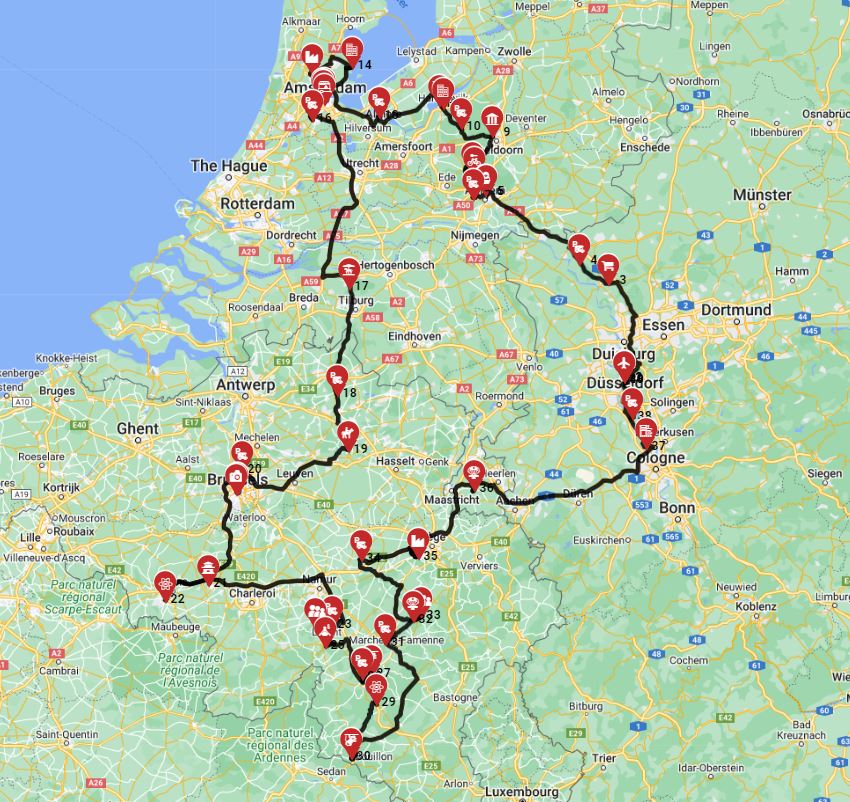
Dusseldorf Roundtrip - Netherlands and Belgian
Common Mistakes to Avoid in Netherlands
Avoiding common pitfalls ensures a smoother and more enjoyable RV rental experience for couples in the Netherlands. A common mistake is underestimating the prevalence of cyclist traffic; instead, always be intensely aware of cyclists, use your mirrors frequently, and yield generously, especially when turning or navigating roundabouts. Another pitfall is not booking campsites or 'camperplaatsen' in advance, particularly during peak season or for popular regions like Zeeland, which can lead to stress; instead, reserve your spot a few days or weeks ahead to guarantee a place. Ignoring environmental zone signage (Milieuzones) in cities like Amsterdam and Rotterdam is a crucial mistake, as it can result in significant fines; research urban environmental zones and your RV's Euro-norm to avoid penalties, or simply use park-and-ride options for city visits. Many first-timers assume wild camping is permitted everywhere, but this is largely illegal in the Netherlands; instead, plan to stay only at designated 'camperplaatsen,' 'mini-campings,' or official campsites to comply with local laws and avoid fines. Forgetting an International Driving Permit (IDP) if your license isn't from an EU/EEA country is another common oversight; obtain your IDP well before your trip. Lastly, overpacking for a compact RV can quickly lead to cramped conditions; instead, pack light and efficiently, focusing on versatile clothing layers and essential items suitable for varying Dutch weather and limited storage space in a Class B or compact Class C motorhome.What You Shouldn't Miss
- **Cycle through Tulip Fields:** Rent bikes and immerse yourselves in the vibrant colors of the Keukenhof Gardens area (seasonal: April-May) or the Bollenstreek region.
- **Explore Kinderdijk Windmills:** Witness the iconic 19 UNESCO World Heritage windmills up close, a quintessential Dutch experience, best explored by bike or boat.
- **Wander through Giethoorn:** Discover the "Venice of the North" by boat, experiencing its serene canals and charming farmhouses, leaving your rented motorhome on the outskirts.
- **Relax on a Wadden Island:** Take a ferry to Texel or Vlieland for peaceful beaches, birdwatching, and a tranquil escape from the mainland's hustle.
- **Hoge Veluwe National Park:** Cycle or hike through diverse landscapes of woodlands, sand dunes, and heathland, and visit the Kröller-Müller Museum with its impressive Van Gogh collection.
- **Maastricht's Unique Charm:** Explore the historic streets, Roman ruins, and vibrant squares of this southern city, distinct from the rest of the Netherlands with its hilly surroundings.
🎬 Video coming soon
Looking for expert insights from Avi Bandana? Top 5 Adventures - recommendations from Avi Bandana.
Final Thoughts
Embarking on a romantic RV rental adventure for couples in the Netherlands is an incredible way to create lasting memories, discovering quaint villages, iconic windmills, and serene landscapes at your own pace. With a compact, comfortable motorhome, you hold the key to unparalleled freedom and flexibility, allowing you to immerse yourselves in Dutch culture, food, and scenery without rushing. Remember to travel slowly, aiming for a maximum of 100-150 km per day on average, to truly feel the place and connect with each destination. From the practicalities of choosing the right vehicle and understanding local driving rules to finding charming campsites and exploring hidden gems, we're here to support you every step of the way. As true RV specialists, we pride ourselves on offering full transparency, extensive choices, and dedicated assistance before, during, and after your booking. So, get inspired for your next trip! Discover top destinations and planning tips all in one place. Let Bandana RV be your trusted partner in planning an unforgettable romantic escape through the beautiful Netherlands. We sell the way we'd like to buy - with honesty. No hidden fees, no surprises, no tricks or gimmicks. What you see is what you get. Life is now! Compare RV Rental for Netherlands now and start building your perfect route plan.On the routes offered through RV PLANET routes, you can itemize and track every expense along the way for easy budgeting.