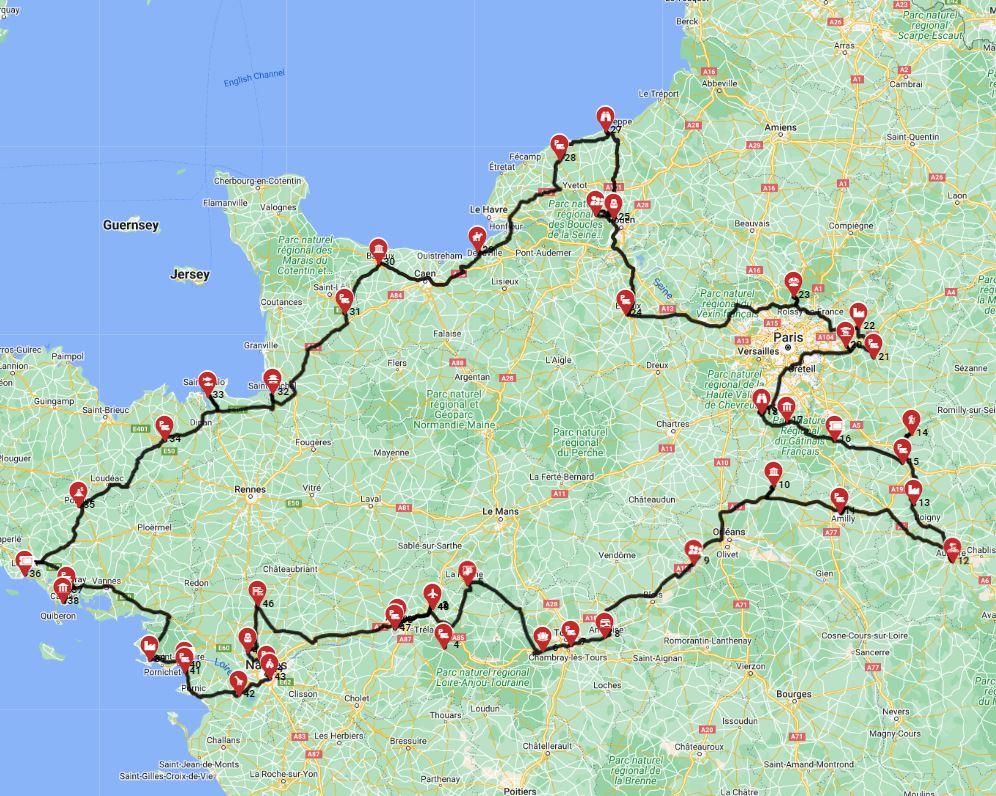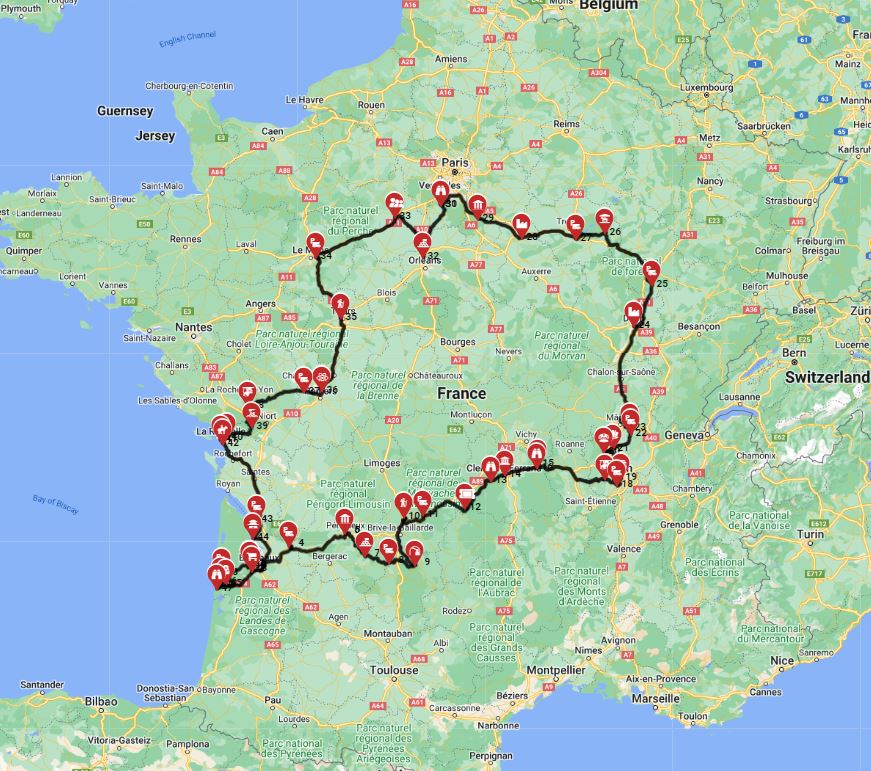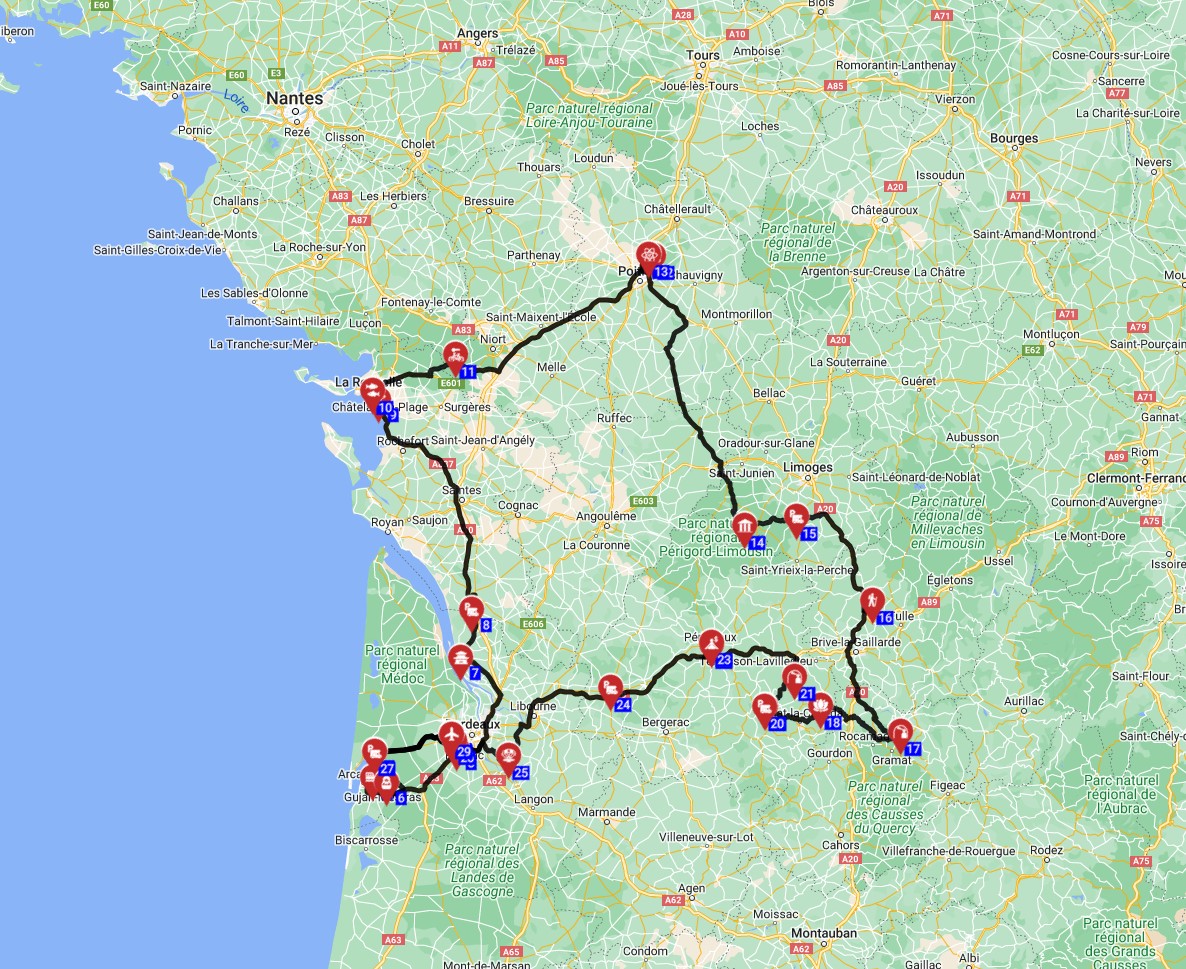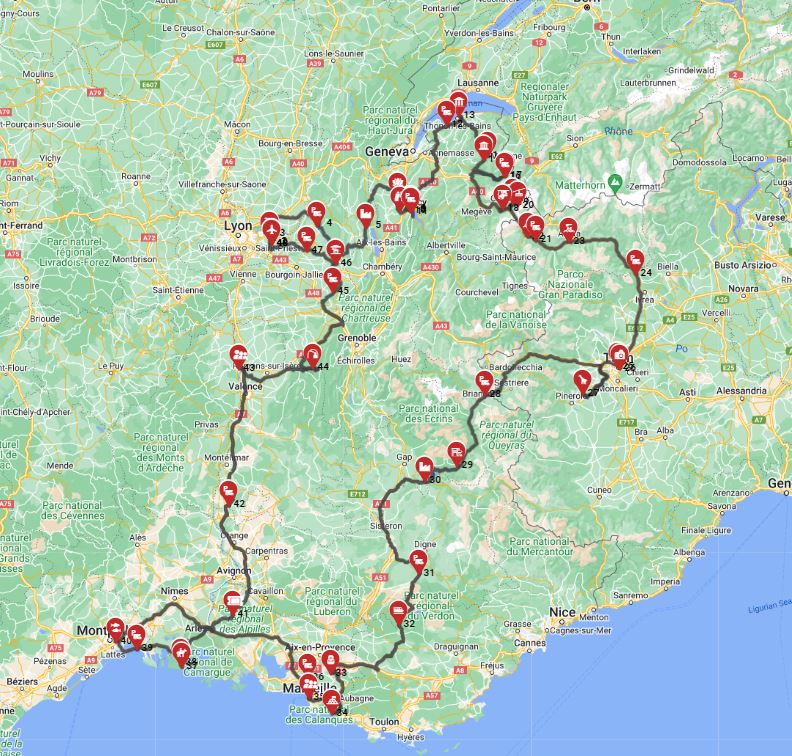
For live availability and current prices, start with our RV Rental France - Complete Guide 2026 guide.
In This Guide
- Top 5 Tips for RV Rental for Couples in France
- Before You Book - Class, Dates, Insurance
- Pre-Trip Prep - Packing Checklist for France
- On the Road - Driving, Fueling, Navigation
- At the Campground - Setup, Hookups & Etiquette
- RV Rental for Couples-Specific Tips for France
- Common Mistakes to Avoid in France
- How much does RV rental cost in France, including hidden fees like tolls, fuel, and camping?
- What are the mandatory legal requirements and vehicle items for RVs in France?
- How does France's unique 'Aires' system for RVs work?
- What cultural etiquette and local interaction tips are essential for RVers in France?
- Should I bring my own RV or rent one in France?
- How can I ensure connectivity and use navigation apps while RVing in France?
- What should I do in case of an emergency (breakdown, medical) while RVing in France?
France, with its picturesque landscapes, charming villages, and world-renowned cuisine, offers an unparalleled setting for a romantic couples' RV adventure. Imagine waking up to the gentle sounds of the French countryside, sipping coffee together as you overlook a vineyard in Bordeaux, or enjoying a picnic with local cheeses and a bottle of wine by the lavender fields of Provence. A rented motorhome gives you the freedom to explore at your own pace, creating intimate moments and unforgettable memories without the rigid schedules of traditional travel.
At Bandana Caravan, we genuinely know and love RV travel, and we're here to help you discover it. We're true RV specialists, not just a side department of a larger travel agency. Our mission is to make your journey seamless, from comparing motorhome prices for France to ensuring you have all the support you need. For live availability and current prices, start with our RV Rental France - Complete Guide 2024 guide, your ultimate resource for planning. Let's dive into planning your perfect romantic escape.
Top 5 Tips for RV Rental for Couples in France
To ensure a smooth and romantic RV rental experience in France, careful planning with these top 5 tips will be invaluable.
- Book your RV well in advance, especially for peak season, to secure your preferred model and dates. For a desirable campervan or smaller Class C motorhome ideal for two, booking 3 to 6 months ahead is highly recommended, and can secure you better rates. Flexible pre-planners often find significant savings, while spontaneous travelers can still find day-to-day availability, though prices may be higher.
- Opt for a compact RV or campervan for easier navigation on France's charming, often narrower, roads. Vehicles like the "rv rental denver example Category Van" or a "luxury rv rentals example Carthago Malibu 600" offer a comfortable double bed and essential amenities such as a shower and toilet, while remaining maneuverable through ancient villages and city streets. Remember, you can drive almost anywhere without issues if you drive slowly and carefully, just use common sense and pay attention.
- Familiarize yourselves with the unique 'aires' system for convenient and cost-effective overnight stays. These dedicated motorhome service areas offer essential utilities like water and waste disposal, often for a minimal fee or even free, providing an authentic local experience beyond traditional campgrounds.
- Learn a few basic French phrases to enhance interactions with locals and campsite staff. A simple "Bonjour" (hello), "Merci" (thank you), and "S'il vous plaît" (please) can go a long way in showing respect and fostering positive connections.
- Plan a flexible itinerary that balances scenic drives with ample time for exploration and relaxation. Travel slowly, aiming for a maximum of 100-150 km per day on average. This allows you to truly feel the place, connect to the culture, the food, and the scenery, making your journey more meaningful and romantic.
Before You Book - Class, Dates, Insurance
Selecting the right RV class for couples often means choosing between a nimble campervan for urban access or a slightly larger, comfortable motorhome for longer trips across France.
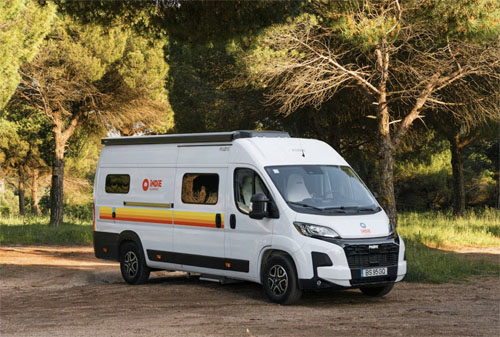
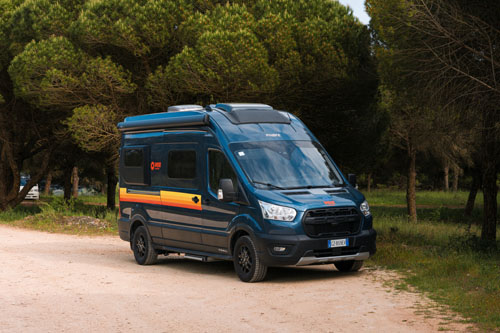
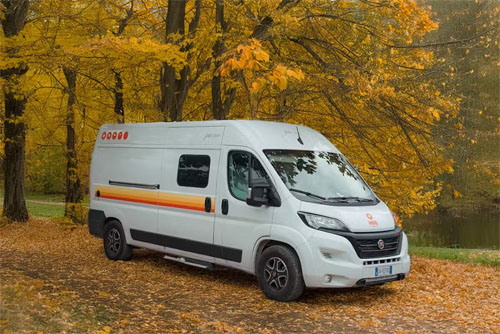
For couples, smaller Class B campervans, often with features like a cozy double bed, front air conditioning, and compact shower and toilet facilities, are incredibly popular. These are easy to drive and park, making them perfect for navigating both country roads and the outskirts of bustling cities like Annecy or Angers. A slightly larger Class C motorhome, while still manageable, might offer more interior space and storage, ideal for longer journeys or if you appreciate extra comfort. When considering vehicle options, remember to think about the fuel tank capacity, often around 70-80 liters for smaller models, to gauge your refueling stops.
Booking your RV rental for France, particularly during shoulder seasons like spring (April-May) or fall (September-October), can offer better availability and often more competitive rates than the peak summer months. Prices are dynamic, much like flight tickets, changing daily based on availability, seasonality, and supplier decisions. Planning your trip 3 to 6 months in advance generally yields the best selection and value, with potential savings. For those with flexible travel dates, exploring different weeks can reveal significant price differences, which you can easily compare on our platform.
RV rental insurance in France typically includes basic coverage, but couples should consider additional options for comprehensive protection against unforeseen circumstances. Basic insurance is always included with your rental. To see prices including the most comprehensive coverage, select that option during your search on Bandana Caravan – then all relevant insurance options, including the ability to upgrade to a top-level deductible for extra peace of mind, will be clearly shown. This transparent approach ensures no hidden fees or surprises.
Pre-Trip Prep - Packing Checklist for France
Creating a comprehensive packing checklist ensures couples are fully prepared for their French RV adventure, covering everything from clothing to crucial documents and emergency items.
- Layered clothing for varied weather, as French climates can change quickly, especially from coastal areas to mountainous regions.
- Comfortable walking shoes for exploring charming towns and scenic trails.
- Swimwear for coastal dips or campsite pools.
- Reusable shopping bags for visiting local markets (like those in Agen or Alès) and minimizing plastic waste.
- A small, packable coffee maker, or moka pot, to enjoy French-style coffee from your rented motorhome.
- Wine opener and bottle stopper for enjoying France's exquisite wines right at your mobile home.
- High-visibility vests (one per person), easily accessible inside the cabin, are a mandatory item to carry in your vehicle for roadside emergencies.
- A warning triangle, also a mandatory item, for placing behind your vehicle in case of a breakdown.
- A first-aid kit for minor injuries and common ailments.
- A France-specific road map or downloaded offline maps, as GPS signal can be inconsistent in rural areas.
- Passports and visas (if applicable), ensuring they are valid for at least six months beyond your planned return date.
- Valid driving licenses for both drivers, as a standard car driver's license is sufficient for all motorhome classes in France (up to 3.5 tonnes).
- An International Driving Permit (IDP) is recommended for visitors from non-English speaking countries, though not strictly mandatory for many.
- Your RV rental agreement and contact information for Bandana Caravan and your supplier, kept readily accessible.
- Crit'Air vignette proof (if purchased), as this anti-pollution sticker is mandatory for driving in low-emission zones in many French cities.
- A European power adapter for charging devices at campgrounds.
- A basic French phrasebook or translation app to assist with local interactions.
On the Road - Driving, Fueling, Navigation
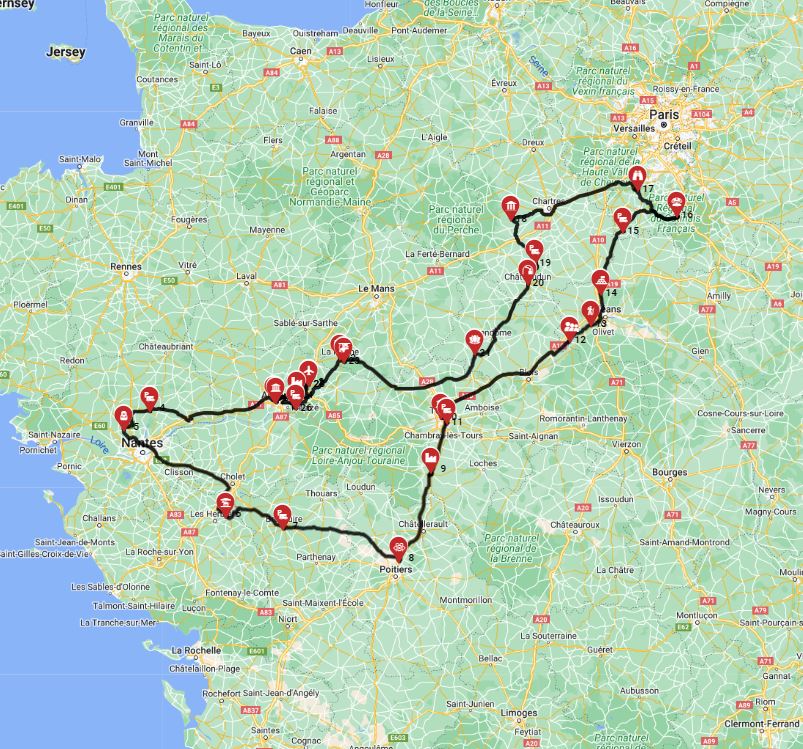
Driving an RV in France requires familiarity with local road signs, toll systems (péages), and specific vehicle requirements like the Crit'Air vignette, all of which contribute to a stress-free journey. On the routes offered through RV PLANET routes, you can itemize and track every expense along the way for easy budgeting.
The speed limits in France are typically 130 km/h (80 mph) on motorways, 110 km/h (68 mph) on dual carriageways, 80 km/h (50 mph) on rural roads, and 50 km/h (31 mph) in urban areas. For RVs over 3.5 tonnes, speed limits may be slightly lower on some roads, so always pay attention to signage. France drives on the right-hand side of the road, and cities like Ajaccio - Corsica or Angoulême are easily navigable with common sense and careful driving, regardless of the rental motorhome size.
Fueling in France involves selecting between 'Diesel' (Gazole) and 'Essence' (petrol), with diesel being more common for RVs and generally available at all service stations. Unleaded petrol is called 'Sans Plomb 95' or 'Sans Plomb 98.' Fuel prices averaged €1.80-€2.00 per liter for diesel in 2024, so budgeting for this significant ancillary cost is crucial for your trip planning. Toll roads (péages) are prevalent on French motorways; you can pay with credit/debit cards or cash, or consider a "Liber-t" badge for electronic toll collection. For more detailed insights into trip costs, remember that RV PLANET routes allow travelers to itemize and track every expense along the way for easy budgeting.
Effective navigation for RVs in France benefits from GPS apps that can account for vehicle dimensions, like Park4Night or Campercontact, in addition to standard mapping tools like Google Maps. These specialized apps help you locate appropriate routes and parking for your larger vehicle. Downloading offline maps before you leave ensures you always have a guide, even in areas with limited mobile data coverage, such as some parts of the mountainous regions.
At the Campground - Setup, Hookups & Etiquette
Setting up your RV at a French campground involves a systematic process from leveling to connecting utilities, followed by observing local etiquette for a pleasant stay.
Begin by parking your rented motorhome or campervan on a stable, level surface. Utilize leveling blocks if needed to ensure your living space is comfortable and appliances function correctly. Next, connect your electricity; most campgrounds offer European standard 2-pin plugs, so ensure you have the correct adapter. Then, connect your fresh water hose to refill your tank (typically 80-120 liters in a couple-friendly campervan like the "V2L"). Finally, manage your waste: connect your grey water hose to a drain (or collect in a portable tank) and ensure your black water tank is ready for use, with chemical additives as required.
Adhering to quiet hours, often between late evening (10 PM) and early morning (8 AM), and maintaining a tidy pitch are essential aspects of campground etiquette in France. Many campsites have specific rules about waste disposal and recycling, which should be followed diligently. French campgrounds are generally well-maintained and welcoming, and a friendly "Bonjour" to your neighbors can make a world of difference. You'll find a spot; if not at the first campground, then the next one. It's always a good idea to call ahead before driving, especially during busy seasons, to confirm availability.
RV Rental for Couples-Specific Tips for France
Couples can enhance their RV trip in France by selecting a comfortable yet compact RV that balances maneuverability with intimate living space, fostering closer connections throughout their journey.
Prioritize itineraries that include romantic destinations like the Loire Valley châteaux, the fragrant lavender fields of Provence (especially around Valensole), or charming coastal towns along the French Riviera. Traveling slowly, averaging no more than 100-150 km per day, allows ample time for spontaneous stops, leisurely meals, and shared exploration, truly savoring each moment together. Consider searching for "RV Rental in France for Couples - Pricing 2024" to find vehicles specifically suited for two, which often feature comfortable double beds and efficient layouts like the "rent rv example A1".
Share driving and navigation responsibilities to reduce fatigue and enjoy the journey together, making every mile part of your shared adventure. Embrace local markets in places like Avignon or Nice for fresh ingredients and enjoy cooking meals together in your rented RV's compact kitchen. Preparing a simple yet delicious French meal on board can be incredibly romantic. For inspiration, check out our RV-friendly recipes playlist. Build flexibility into your schedule to allow for spontaneous detours to picturesque villages or unexpected wine tastings, embracing the serendipitous nature of RV travel.
Common Mistakes to Avoid in France
Avoiding common pitfalls ensures a smoother RV rental experience for couples in France, allowing you to focus on the romance and adventure of your trip.
A common mistake is failing to book campsites or 'aires' in advance during peak season; instead, secure your spots to avoid stress and ensure comfortable overnight stays, especially in popular regions like the French Alps or Dordogne. Ignoring the requirement for a Crit'Air vignette for low-emission zones can lead to fines of up to €135; instead, ensure your RV displays the correct sticker by ordering it online weeks before your trip.
Misunderstanding the toll road system (péages) can cause delays and unexpected expenses; instead, familiarize yourself with payment methods (most accept credit cards, some only cash for foreign cards) and consider calculating toll costs in advance for major routes. Overpacking is another frequent error, especially for couples in a smaller campervan; instead, pack lightly and efficiently, leveraging the RV's smart storage solutions. Finally, trying to cover too much ground too quickly leads to burnout and misses the essence of French culture; instead, plan a relaxed pace to truly savor the French experience, as we always recommend traveling slowly, max 100-150 km per day.
How much does RV rental cost in France, including hidden fees like tolls, fuel, and camping?
The total cost of an RV rental for couples in France extends beyond the daily rental fee, encompassing fuel, tolls (péages), mandatory Crit'Air vignettes, and varying camping fees, all of which require careful budgeting.
Rental prices fluctuate based on RV size, season, and duration, with an average range of €80-€150 per day for a compact model in shoulder season (e.g., a "V2L" campervan). Peak season (July-August) can see prices rise to €180-€250+ per day. For the most accurate pricing, checking "RV Rental in France - Prices and Best Deals 2024" or "Cheap RV Rental in France - Budget Guide 2024" on our platform will give you current, dynamic rates from various suppliers.
Fuel costs, primarily diesel (Gazole), are a significant expense, averaging around €1.80-€2.00 per liter as of 2024. For a two-week trip covering 2,000 km in an RV with a 10L/100km fuel consumption, expect to spend approximately €360-€400 on fuel alone. Tolls (péages) on French motorways can add substantial costs, varying by distance and vehicle class. For example, a 500 km journey on a major motorway might cost €50-€80 in tolls. Consider free routes (indicated as "N" or "D" roads) or budget €20-€40 per 100km for major highways, especially if traveling through popular areas to places like Angers or Annecy.
Camping fees range significantly. Free or low-cost 'aires de service' typically cost €5-€15 for services and an overnight stay, while full-service campgrounds can cost €25-€50 per night for a pitch with electricity, water, and waste disposal. Other ancillary costs include the mandatory Crit'Air vignette (€4.76 including postage), propane for cooking and heating (if not included, typically €20-€30 for a refill), and groceries. Overall, a one-week RV rental for couples in France might cost between €1,200 and €2,000 including all these factors, while a two-week trip could range from €2,000 to €3,500 depending on your choices and season. Remember that RV PLANET provides routes where travelers can itemize and track every expense along the way for easy budgeting.
What are the mandatory legal requirements and vehicle items for RVs in France?
Driving an RV in France necessitates adherence to specific legal requirements and carrying mandatory equipment, crucial for safety and avoiding fines, ensuring your romantic journey remains worry-free.
All vehicles, including rented motorhomes and campervans, must carry a reflective safety vest for every occupant. These vests must be stored within reach (not in the boot) and worn immediately if you stop on the roadside due to a breakdown or emergency. Additionally, a warning triangle is mandatory, to be placed a minimum of 30 meters behind your stationary vehicle to alert other drivers. Drivers must hold a valid driving license. For all motorhome classes (Class A, Class B, and Class C) up to 3.5 tonnes, a standard car driver's license (Category B) is sufficient, so no special license, CDL, or additional permits are required. An International Driving Permit (IDP) is recommended for visitors from non-English-speaking countries but is NOT mandatory in most cases, particularly if your national license is easily understandable in English or French.
A Crit'Air vignette, a mandatory anti-pollution sticker, is required for driving in designated low-emission zones (ZFE-m) in many French cities such as Paris, Lyon, and Grenoble. This sticker must be pre-ordered online based on your RV's emission class and displayed on your windshield. Without it, you risk fines ranging from €68 to €135. Other recommendations, though not legally mandatory, include carrying spare bulbs for your vehicle's lights and having basic proof of ownership or rental documents readily accessible. While France previously mandated carrying a breathalyzer, this law was repealed in 2020, so it's no longer a legal requirement.
How does France's unique 'Aires' system for RVs work?
France's 'aires' system provides dedicated service and parking areas for motorhomes, offering a practical, cost-effective, and immersive alternative to traditional campgrounds for RVers, especially couples seeking local experiences.
Aires de service are primarily for essential utilities, allowing you to refill your fresh water tank (typically 100 liters for a couple's campervan) and dispose of grey and black waste, often for a small fee (€2-€5) or sometimes free. Aires de stationnement, on the other hand, offer overnight parking, sometimes with minimal services or just a secure spot to rest. These dedicated areas are clearly signed with a motorhome symbol and are distinct from general parking or 'wild camping,' which has stricter regulations.
These spots can be free or low-cost, making them an excellent budget-friendly option. They are easily found using specialized apps like Park4Night, Campercontact, or the official Féderation Française de Camping et de Caravaning (FFCC) guide. The pros of using aires include convenience, significant cost savings compared to traditional campsites, and the opportunity to immerse yourselves in local areas, often found in charming small towns. The cons may involve fewer amenities (e.g., no showers at some aires), potentially less security than full campsites, and during peak season, they can become crowded. When utilizing aires, respecting rules such as limited stay durations (often 24 or 48 hours), proper waste disposal, and minimizing noise is essential to maintain good relations with local communities and other RVers.
What cultural etiquette and local interaction tips are essential for RVers in France?
Observing French cultural etiquette and attempting local interactions can significantly enrich an RV trip for couples, turning simple encounters into memorable moments.
Learning basic French phrases like 'Bonjour' (hello), 'Merci' (thank you), 'S'il vous plaît' (please), 'Au revoir' (goodbye), and 'Parlez-vous anglais?' (Do you speak English?) is highly appreciated by locals. Even a small effort to speak French shows respect and can lead to warmer interactions, whether you're asking for directions in Alencon or ordering at a bakery in Annecy. When shopping at local markets, which are a quintessential French experience, engage with vendors, use your reusable bags, and avoid haggling unless it's clearly a flea market where it's customary.
Be aware of typical French meal times; lunch is often between 12:00 PM and 2:00 PM, and dinner after 7:00 PM, with many smaller businesses closing during these periods. This is a chance to embrace slow travel and enjoy a leisurely afternoon at a café. Respect local customs such as quiet hours at campsites and aires, proper parking (avoid blocking narrow streets or views), and always greeting people upon entering shops or public spaces. A simple "Bonjour Madame/Monsieur" can make a world of difference. Remember, we handle the details, you live the journey, but respectful interaction is key to a truly authentic travel experience.
Should I bring my own RV or rent one in France?
Deciding whether to bring your own RV or rent one in France involves weighing logistics, costs, and compliance with local regulations, and for most international travelers, renting offers significant advantages.
Renting an RV in France generally offers convenience, avoiding the complexities of international shipping, vehicle conformity issues, and often providing newer, locally compliant models. A rented motorhome from a Bandana Caravan partner supplier, for instance, comes with all the necessary French safety equipment and insurance included, simplifying your pre-trip preparations. This is ideal for week-long trips or a two-week adventure, ensuring you start your vacation without logistical headaches.
Bringing your own RV means familiarity with your vehicle and no rental fees, but it entails significant transport costs (shipping can run into thousands of euros), potential import duties, complex international insurance requirements, and the necessity of ensuring your vehicle meets specific French road standards and emissions regulations (like the Crit'Air vignette). Insurance for a foreign-registered RV in France can be more complicated and expensive than for a local rental, which typically includes basic coverage. For shorter or medium-term trips, renting almost always proves to be the more straightforward and often more economical option, allowing you to focus on discovering France rather than vehicle compliance.
How can I ensure connectivity and use navigation apps while RVing in France?
Maintaining connectivity and utilizing reliable navigation apps are key to a smooth RV experience for couples in France, enabling seamless travel and easy communication.
For mobile data, consider purchasing a local French SIM card upon arrival from providers like Orange, SFR, Bouygues Telecom, or Free Mobile. These typically offer competitive data plans suitable for navigation and general internet use. Alternatively, an eSIM offers convenient activation and management directly from your phone, avoiding the need for physical card swaps. Ensure your phone is unlocked before arriving if you plan to use a physical SIM card. Many full-service campgrounds offer Wi-Fi, but its reliability and speed can vary, so don't rely solely on it for critical connectivity or video calls.
Dedicated RV navigation apps like Park4Night and Campercontact are invaluable for finding campsites, aires de service, and points of interest, often with user reviews and offline capabilities. These apps are specifically designed to consider vehicle dimensions, helping you avoid low bridges or narrow roads that might be problematic for a larger rented motorhome. Additionally, download offline maps of your planned routes (using Google Maps or other apps) before you set off, as cellular coverage can be sporadic in rural or mountainous areas like the Pyrenees or the French Alps. Carrying a power bank for your mobile devices is also a sensible precaution to ensure you stay connected.
What should I do in case of an emergency (breakdown, medical) while RVing in France?
Couples RVing in France should be prepared for potential emergencies, including breakdowns or medical incidents, by knowing essential procedures and contact numbers for a safe and supported trip.
For any emergency requiring police, fire, or ambulance services, dial the pan-European emergency number 112, which connects you to an operator who can dispatch appropriate services anywhere in France. This number works even if your phone has no credit or a locked SIM. In case of a rented RV breakdown, first ensure safety by moving the vehicle to the side of the road if possible, putting on reflective vests, and deploying the warning triangle. Then, immediately contact your rental company's roadside assistance line – this number will be provided in your rental agreement documents. Bandana Caravan also offers pre-booking comparison and post-booking coordination support to help you navigate such situations.
For medical emergencies, know the location of the nearest 'pharmacie' (pharmacy) for minor issues, identified by a green cross sign. For more serious concerns, head to a 'centre médical' (medical center) or 'hôpital' (hospital). It's advisable to have travel insurance that covers medical emergencies abroad. Keep important documents, including your passports, valid driving licenses, insurance details, and rental company contacts, readily accessible in your RV. Consider carrying a basic French-English phrasebook or using a translation app for emergency communication, as not all emergency personnel may speak English. Being prepared means you can address challenges calmly and continue to enjoy your journey.
What You Shouldn't Miss
France is a tapestry of iconic sights and hidden gems, perfect for couples exploring by rented motorhome. Here are a few must-do experiences:
- Drive the Alsace Wine Route: Discover picturesque villages like Colmar and Riquewihr with your campervan, tasting exquisite wines and enjoying traditional Alsatian cuisine.
- Explore the Dordogne Region: Wander through medieval castles, prehistoric caves, and charming riverside towns. Park your motorhome near Sarlat-la-Canéda and soak in the history.
- Cruise through the Loire Valley: Visit magnificent châteaux such as Chambord and Chenonceau. Many offer dedicated RV parking, allowing you to marvel at their grandeur.
- Relax on the French Riviera: From Nice to Saint-Tropez, enjoy stunning coastal drives, pristine beaches, and vibrant city life. A smaller campervan is ideal for navigating these glamorous routes.
- Experience Provence's Lavender Fields: In summer, witness the breathtaking purple landscapes around Valensole or Gordes. This is a quintessential romantic stop for any couple.
- Taste Normandy's Culinary Delights: Indulge in local cheeses, cider, and Calvados, exploring charming fishing villages and historical D-Day beaches in your mobile home.
Looking for expert insights from Avi Bandana? Top 5 Adventures - recommendations from Avi Bandana.
Final Thoughts
A romantic RV adventure through France with your loved one promises an unparalleled blend of freedom, intimacy, and discovery. From the sun-drenched vineyards of Bordeaux to the dramatic cliffs of Ajaccio - Corsica, having your own rented mobile home allows you to savor every moment at your own pace. Embrace the slow travel philosophy, allowing time for lingering meals, spontaneous detours, and simply enjoying each other's company against France's stunning backdrop.
We at Bandana Caravan are here to support your dream trip, ensuring every detail, from vehicle choice to understanding local customs, is handled with our expert care. We truly believe God is in the small details, and we take care of them so you can focus on making beautiful memories. Your French escape by motorhome awaits, filled with romance, incredible food, and breathtaking scenery.
Ready to embark on your romantic journey? Compare Campervan Prices for France now and start planning your unforgettable couple's retreat.