In This Guide
- Top 5 Tips for RV Rental for Couples RV Rental in Europe
- Before You Book - Class, Dates, Insurance
- Pre-Trip Prep - Packing Checklist for Europe
- On the Road - Driving, Fueling, Navigation
- At the Campground - Setup, Hookups & Etiquette
- RV Rental for Couples-Specific Tips for Europe
- Common Mistakes to Avoid in Europe
- How much does it cost to rent an RV in Europe?
- What is the best motorhome layout for couples?
- What are the drawbacks of renting an RV?
- Is Europe RV friendly?
- What is the 3-3-3 rule for RV travel?
- What is the 444 rule for RV?
- Is it cheaper to rent an RV or stay in hotels?
- How easy is it to travel around Europe in a motorhome?
- What are the best ways to travel Europe in a RV?
- What You Shouldn't Miss
- Why Book with Bandana Caravan
- Final Thoughts
- Frequently Asked Questions
Imagine yourself and your partner waking up to panoramic mountain views, brewing fresh coffee in your private kitchen, and setting off on a new adventure without the hassle of packing and unpacking. This dream is perfectly attainable with an RV rental in Europe. Exploring Europe by motorhome offers an unparalleled sense of freedom and intimacy, allowing couples to craft their own romantic journey at their own pace.
As true RV specialists, we understand that every couple's travel style is unique. Whether you're a meticulous pre-planner or a spontaneous explorer, we're here to support you before, during, and after your booking, ensuring full transparency with no hidden fees and no surprises. For live availability and current prices, start with our RV Rental Europe - Complete Guide 2026 guide.
Top 5 Tips for RV Rental for Couples RV Rental in Europe
Securing your ideal European RV adventure requires some thoughtful preparation, especially for couples seeking a memorable journey. First, booking well in advance, particularly for peak seasons like summer or national holidays, helps you secure preferred vehicle types and often better rental rates. Secondly, opting for a compact campervan or a smaller integrated/semi-integrated motorhome is generally recommended for easier navigation on Europe's charming but often narrower roads, as well as better fuel efficiency. A great option for couples is the "luxury rv rentals example Carthago Malibu 600", which offers a comfortable double bed and compact size.
Thirdly, it is crucial to thoroughly understand your insurance coverage options beyond the basic inclusion; consider upgrading to a top-level deductible reimbursement for extra peace of mind against unforeseen circumstances. Fourth, planning a flexible itinerary that balances driving days (we recommend traveling slowly, max 100-150 km per day on average) with ample time for exploration and relaxation allows for spontaneous stops at picturesque villages or scenic viewpoints. Lastly, familiarize yourself with European driving rules, road signs, and the diverse types of campsites available across countries, as regulations can vary significantly.
Before You Book - Class, Dates, Insurance
Choosing the right motorhome class is essential for a comfortable couple's trip through Europe. For couples, campervans (Class B) or smaller integrated/semi-integrated motorhomes (often Class C) are frequently ideal due to their maneuverability, fuel efficiency, and comfortable amenities without excessive size. Vehicles like the "rv rentals example Comfort Class" can accommodate couples who appreciate more space without being overly large. Lock in your rental dates as early as possible, particularly for popular summer months or holiday periods, to benefit from wider availability and potentially lower prices, though many national or state parks reserve 25-30% of spots for first-come, first-serve campers. You'll find a spot; if not at the first campground, then the next one. Just call ahead before driving.
Basic insurance is always included with your rental. For a more comprehensive travel experience, you can upgrade to a top-level deductible reimbursement, ensuring you travel with peace of mind. Bandana Caravan offers full transparency in its pricing, meaning what you see is what you pay, with no surprise fees at pickup, which is a core part of our philosophy as true RV specialists, not a travel agency side department. We ensure all available insurance options are clearly shown during the booking process.
🎬 Video coming soon
Pre-Trip Prep - Packing Checklist for Europe
Effective packing for your Europe RV rental trip ensures you're prepared for every eventuality. Essential clothing items include layers for varied weather, comfortable walking shoes for exploring, a reliable rain jacket, and swimsuits for coastal or lake destinations. For the kitchen, remember reusable shopping bags, a small coffee maker or French press, travel mugs, and basic cooking spices to whip up delicious meals. Preparing some of your own meals in your RV kitchen can be a fun and budget-friendly experience; for inspiration, check out our RV-friendly recipes playlist.
Safety items like a first-aid kit, reflective vests (often legally required in countries like France and Germany), and a breakdown triangle are crucial. A European power adapter is also a must-have for campsite hookups. Lastly, gather all important documents, including passports, an International Driving Permit (if recommended for your country of origin), your RV rental agreement, and travel insurance details, and keep copies both digitally and physically.
On the Road - Driving, Fueling, Navigation
Navigating Europe in a rented RV is an exciting experience, though it comes with unique considerations. Most of Europe drives on the right side of the road; however, it's essential to be aware of differing speed limits for RVs, which can vary significantly by country and road type. Drive slowly and carefully, and you can drive almost anywhere without issues. No need to stress - just use common sense and pay attention. Diesel (often labeled Gasoil or Diesel) is the prevalent fuel type for motorhomes, so research fuel station availability, especially in rural areas, and potential variations in fuel grades. Budgeting for ancillary costs like fuel, tolls, and campground fees is critical, and on RV PLANET routes, travelers can itemize and track every expense along the way for easy budgeting. On the routes offered through RV PLANET routes, you can itemize and track every expense along the way for easy budgeting.
Utilize modern GPS apps or dedicated RV navigation systems that can account for your vehicle's dimensions and weight to avoid unsuitable roads and Low Emission Zones (LEZs) in urban centers. Be prepared for tolls and vignettes, which are common in many European countries; understanding the payment methods and purchasing required vignettes before entering a country will prevent unnecessary fines. Remember that prices for rentals, fuel, and other services are dynamic, changing daily based on availability and seasonality.
At the Campground - Setup, Hookups & Etiquette
Setting up your rented motorhome at a European campground is straightforward with a few key steps. Upon arrival, first level your RV using ramps or blocks to ensure comfortable sleeping and proper function of appliances like the refrigerator. Next, connect electricity using your European power adapter if needed, then fresh water to your tank. Finally, prepare your grey and black waste tanks for disposal when full, remembering to empty them responsibly at designated dump stations.
Respect local campground etiquette, which typically includes observing quiet hours from late evening to early morning, and maintaining a considerate noise level throughout your stay. Properly dispose of all waste and leave your campsite tidy, adhering to local recycling guidelines where available. For finding campsites and campgrounds during your trip, we recommend using RV PLANET (rvplan.net) - a great resource for locating available spots along your route and even offers pre-planned itineraries like "

RV Rental for Couples-Specific Tips for Europe
Couples planning an RV rental in Europe should prioritize comfort and convenience to enhance their romantic getaway. Opt for smaller, more agile RVs such as a campervan (like a "Category Van" or "Active Standard") to easily navigate charming narrow village streets and access more secluded, romantic campsites that larger vehicles might miss. It's often best to select an RV with a comfortable fixed bed, as constantly converting a dinette every night can become tiresome for two people.
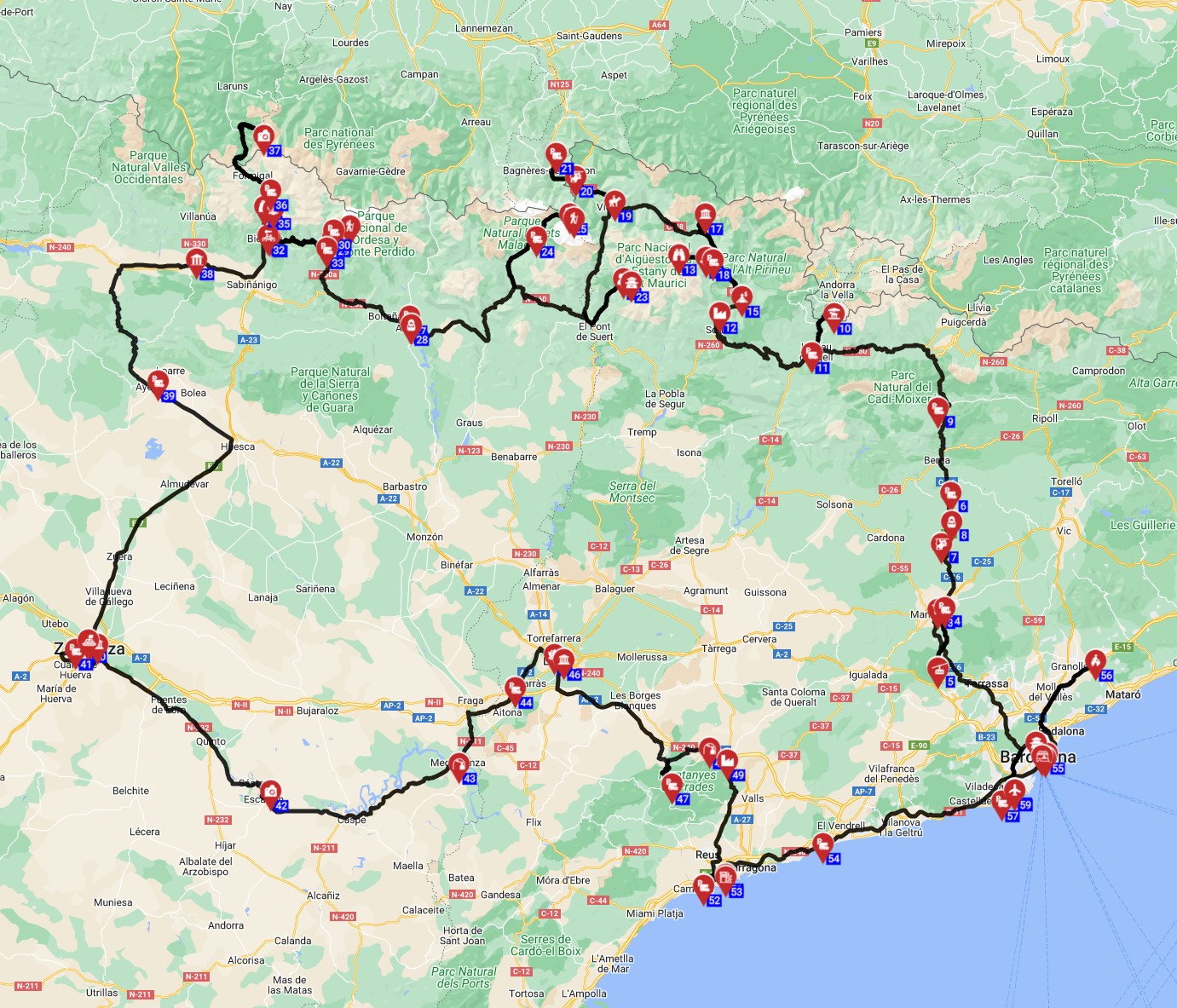
Balance cooking together at the RV with enjoying local restaurants; this way, you can save money and enjoy intimate meals while also experiencing diverse European cuisines. Seek out campsites that offer amenities tailored to a couple's experience, such as private bathrooms, scenic views over a lake or coastline, or direct proximity to hiking trails for adventurous days. Consider destinations like the scenic routes offered in the "Toulouse Round trip - European Charms & Family Delights" itinerary on RV PLANET, which includes numerous natural features and traditional visits perfect for couples.
Common Mistakes to Avoid in Europe
Avoiding common pitfalls ensures a smoother RV rental experience for couples in Europe. One significant mistake is overlooking Low Emission Zones (LEZs); research specific city access restrictions and required permits (like Germany's 'Umweltplakette' or France's 'Crit'Air vignette') for your RV to avoid hefty fines. Another error is underestimating travel times; factor in potential traffic, border crossings, and spontaneous scenic detours, especially with a larger vehicle, aiming for a slow travel pace of max 100-150 km per day on average.
Instead of skimping on insurance, ensure you have comprehensive coverage that addresses European road conditions and potential incidents; remember, a top-level deductible reimbursement is an optional upgrade for enhanced protection. Finally, avoid relying solely on card payments. Always carry a small amount of local currency for smaller purchases, parking meters, or unexpected cash-only situations, particularly in rural areas where card facilities might be limited.
How much does it cost to rent an RV in Europe?
RV rental costs in Europe typically range from €70 to €200 per night for a compact model suitable for couples, varying significantly by season, vehicle type, and duration. For instance, peak season (June-August) prices can be 30-50% higher than off-season (November-March), while smaller campervans generally offer more affordable rates than larger integrated motorhomes. The final price for your rented motorhome is dynamic, like flight tickets, and is set at the actual booking time.
Beyond the daily rental fees, couples should budget for additional trip costs including fuel (often diesel), tolls and vignettes, campsite fees (€15-€50 per night), and optional insurance upgrades. Food expenses can be managed by utilizing your RV's kitchen to prepare meals. A comprehensive budget for a two-week RV trip for a couple might range from €2000-€4000, depending on lifestyle and itinerary. For tools to help manage these costs, explore RV PLANET routes where you can itemize and track expenses.
What is the best motorhome layout for couples?
For couples, the best motorhome layout often features a fixed rear bed for convenience, a compact but functional kitchen, and a dinette that doesn't need to be converted for sleeping every night. Popular choices include van conversions (Class B) for their agility and ease of parking, or smaller semi-integrated motorhomes (often Class C), which offer more living space without being unwieldy for European roads. For example, the "luxury rv rentals example Carthago Malibu 600" is explicitly listed as "Ideal for a couple" with a comfortable 158/195cm rear double bed and a 2-burner gas stove.
Look for layouts with adequate storage for personal belongings and a well-designed, even if compact, bathroom with a shower and toilet. Swivel front seats that integrate into the living area can create a more spacious feel during downtime, and an exterior awning is a great feature for enjoying outdoor living space in good weather. The key is to find a balance between interior comfort and exterior maneuverability for an optimal couples' experience.
What are the drawbacks of renting an RV?
While RV rentals offer unparalleled freedom, potential drawbacks for couples include higher fuel costs for larger vehicles, navigating narrow European streets, limited access to some city centers due to vehicle size and environmental restrictions, and the time commitment required for daily setup and pack-down at campsites. RV speed limits can also be lower than for cars on certain roads, potentially extending travel times. However, driving slowly and carefully allows you to drive almost anywhere without issues.
Parking in urban areas can indeed be challenging due to vehicle size and local restrictions. While maintenance issues are rare with Bandana's direct partnerships with 50+ leading RV suppliers worldwide like El Monte and Apollo, they can still be inconvenient. The need for regular water refills and waste disposal at service points can also occasionally interrupt travel flow, but these are manageable aspects of RV life that contribute to the adventure rather than detracting from it.
Is Europe RV friendly?
Europe is generally very RV-friendly, boasting an extensive and well-developed network of campsites, dedicated Aires or Stellplatz (motorhome service areas), and varying regulations that support motorhome travel across many countries. Countries like France, Germany, and Italy have particularly excellent infrastructure for RVs, offering a wide range of camping options from basic municipal sites to luxurious private parks and unique farm stays (like France Passion). Many cities have designated RV parking areas, though access to historical centers might be restricted for larger vehicles due to size and environmental zones.
Driving laws and required safety equipment, such as reflective vests and warning triangles, vary by country, necessitating pre-trip research. While wild camping regulations differ significantly by region and are generally restricted in Western Europe, some Nordic countries like Norway and Sweden embrace "Allemansrätten" (the right to roam), allowing for more flexible overnight stays as long as you respect private property and nature. Overall, Europe welcomes motorhome travelers with open arms and ample facilities.
What is the 3-3-3 rule for RV travel?
The "3-3-3 rule" for RV travel suggests aiming to drive no more than 300 miles (approximately 500 km) in a day, arriving at your chosen campsite by 3 PM, and staying for at least 3 nights at each destination. This guideline is specifically designed to promote a relaxed travel pace, preventing driver fatigue and allowing ample time for couples to fully explore each destination rather than rushing through. The emphasis on slow travel, averaging 100-150 km per day, aligns perfectly with this rule.
Arriving by 3 PM typically provides sufficient daylight for comfortable campsite setup and securing a good spot, especially during peak seasons. Staying for three nights or more at a location allows for deeper immersion in the local area, enabling you to connect to the culture, the food, and the scenery without the constant pressure of packing and unpacking. Adhering to this rule helps prevent burnout and makes the trip more enjoyable, fostering a more romantic and memorable adventure for couples.
What is the 444 rule for RV?
The "444 rule" for RV travel is a variation of the 3-3-3 rule, recommending that you drive no more than 400 kilometers (around 250 miles) in a day, stop driving and settle by 4 PM, and stay for at least 4 nights in each location. This guideline further emphasizes slower travel, providing even more time for sightseeing, relaxation, and connecting with your travel partner and the surroundings. Limiting daily mileage reduces stress and fatigue associated with long drives, making the journey itself a more enjoyable part of the vacation.
Arriving earlier in the afternoon helps ensure availability at popular campsites and provides extra time to settle in and explore nearby attractions before evening. An extended stay of four nights offers a true sense of a place and minimizes the feeling of constantly being on the move, allowing couples to truly unwind and savor their European adventure. This approach is ideal for those looking for a deeply immersive and stress-free RV trip.
Is it cheaper to rent an RV or stay in hotels?
Whether renting an RV is cheaper than staying in hotels in Europe depends heavily on trip duration, chosen RV size, and travel style; RVs often become more economical for longer trips (one week or more) or for couples who prefer to cook their own meals. For very short trips or those who prefer dining out exclusively, hotels might be comparably priced or even cheaper once all RV-related costs (rental, fuel, tolls, campsites) are factored in. However, RV travel offers significant savings on food costs as you have a full kitchen to prepare most meals, contrasting with daily restaurant expenses when staying in hotels.
The cost of campsites can be equivalent to budget hotel rooms, but RVs eliminate the need for separate transportation costs once you arrive at a destination, as your accommodation travels with you. Overall, RV travel tends to offer better value for couples seeking flexibility, adventure, and self-sufficiency on extended European adventures, especially when comparing final prices across suppliers transparently with platforms like Bandana Caravan.
How easy is it to travel around Europe in a motorhome?
Traveling around Europe in a motorhome is generally quite easy and rewarding, facilitated by well-maintained roads, clear international signage, and a widespread infrastructure of campsites and service points. The ease of travel can vary slightly by country; for example, Western European countries typically offer more robust RV support and a higher density of dedicated facilities than some Eastern European nations, though infrastructure is growing everywhere. Drive slowly and carefully, and you can drive almost anywhere without issues.
Navigating larger cities can sometimes be challenging due to narrow historical streets, limited parking options, and Low Emission Zones (LEZs) that may restrict RV access, requiring careful planning or parking outside city centers and using public transport. Toll systems and required equipment (e.g., reflective vests, breathalyzers) vary, necessitating pre-trip research for each country on your itinerary. Language barriers are manageable with translation apps, but learning a few basic phrases in local languages can significantly enhance your experience and interactions with locals, making your journey even more enjoyable.
What are the best ways to travel Europe in a RV?
The best ways to travel Europe in a rented RV involve meticulous route planning that balances scenic drives with ample time for exploration, utilizing a mix of diverse campsites, and embracing cultural immersion by visiting local markets and towns. Focus on regions known for their excellent RV infrastructure, such as France's extensive network of Aires de Service or Germany's Stellplatz, for convenient and affordable overnight stops. Consider pre-planned itineraries and route plans available through RV PLANET (rvplan.net), which can save you up to 25% on planning fees, for professionally curated experiences.
Integrate culinary experiences into your trip by visiting local markets, trying regional specialties, and cooking meals in your RV, perhaps even exploring a new RV-friendly recipes playlist. Consider themed routes, like a wine tour through France or a coastal drive along Italy, to add focus to your adventure. Most importantly, be prepared for spontaneous detours; some of the best travel memories often come from unexpected discoveries. Traveling slowly, aiming for a maximum of 100-150 km per day on average, will allow you to truly feel the place, connect to the culture, the food, and the scenery.
What You Shouldn't Miss
Europe is brimming with romantic and adventurous spots perfect for couples in a rented motorhome. Don't miss these incredible experiences:
- **The Alpine Passes of Austria**: Drive slowly through the breathtaking Grossglockner High Alpine Road, stopping for hikes and picnics with stunning mountain backdrops. Many routes offer numerous natural features and scenic points.
- **Coastal Croatia**: Explore the Dalmatian Coast, discovering hidden coves and ancient towns. Enjoy fresh seafood caught daily by local fishermen.
- **The Romantic Road in Germany**: Wind through picturesque medieval towns, castles, and vineyards. Enjoy wine tastings and charming local markets.
- **Scandinavian Fjords**: For the more adventurous couple, explore the majestic fjords of Norway. Take a ferry ride, hike to panoramic viewpoints, and embrace the wild beauty.
- **Tuscan Hill Towns, Italy**: Navigate the rolling hills of Tuscany, stopping in iconic towns like Siena and Florence. Indulge in local pasta, wine, and breathtaking sunsets over the vineyards.
Looking for expert insights from Avi Bandana? Top 5 Adventures - recommendations from Avi Bandana
Final Thoughts
A romantic RV adventure through Europe is more than just a trip; it's an opportunity to create unforgettable memories with your partner, exploring diverse landscapes and cultures at your own pace. With a rented motorhome, you have the flexibility to chase sunsets, discover hidden gems, and savor intimate moments that traditional travel simply can't offer.
We're here to make that dream a reality, providing you with all the tools and support needed for a smooth and enjoyable journey. From choosing the perfect campervan to understanding local nuances, Bandana Caravan is your trusted partner. Get inspired for your next trip! Discover top destinations and planning tips, all in one place!
So, take the leap, plan a trip itinerary in advance with minimal effort and maximum enjoyment, and embark on a European RV adventure designed just for two. The open road awaits your love story.