In This Guide
- Top 5 Tips for rv rental for couples RV Rental in East Canada
- Before You Book - Class, Dates, Insurance
- Pre-Trip Prep - Packing Checklist for East Canada
- On the Road - Driving, Fueling, Navigation
- At the Campground - Setup, Hookups & Etiquette
- rv rental for couples-Specific Tips for East Canada
- Common Mistakes to Avoid in East Canada
- How much does it cost to rent an RV for a week in Canada
- How much to rent an RV for a couple months
- What are the drawbacks of renting an RV
- Which RV rental company in Canada is the best
- What is the 3-3-3 rule for RV travel
- What is the 4-4-4 rule for RV travel
- Is it cheaper to rent an RV or stay in hotels
- What I wish I knew before renting an RV
Top 5 Tips for rv rental for couples RV Rental in East Canada
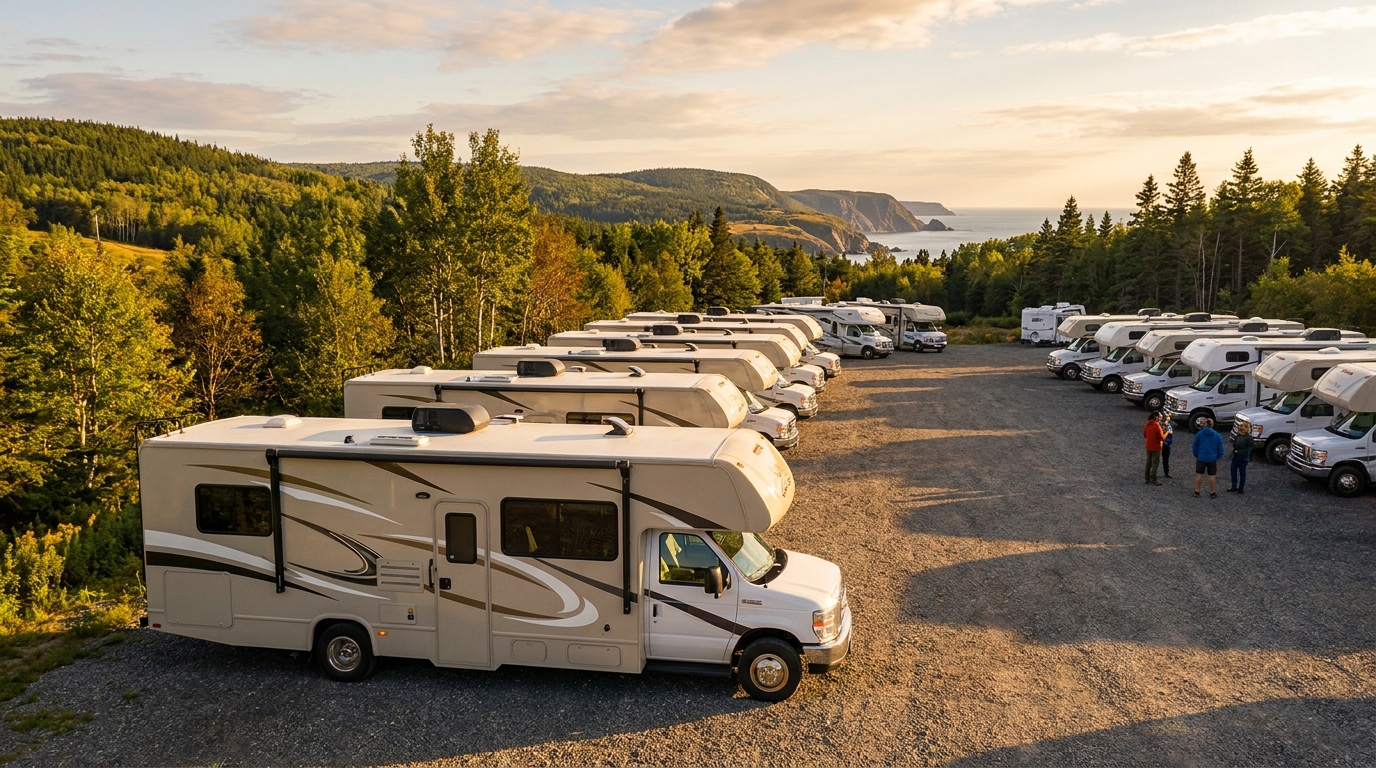
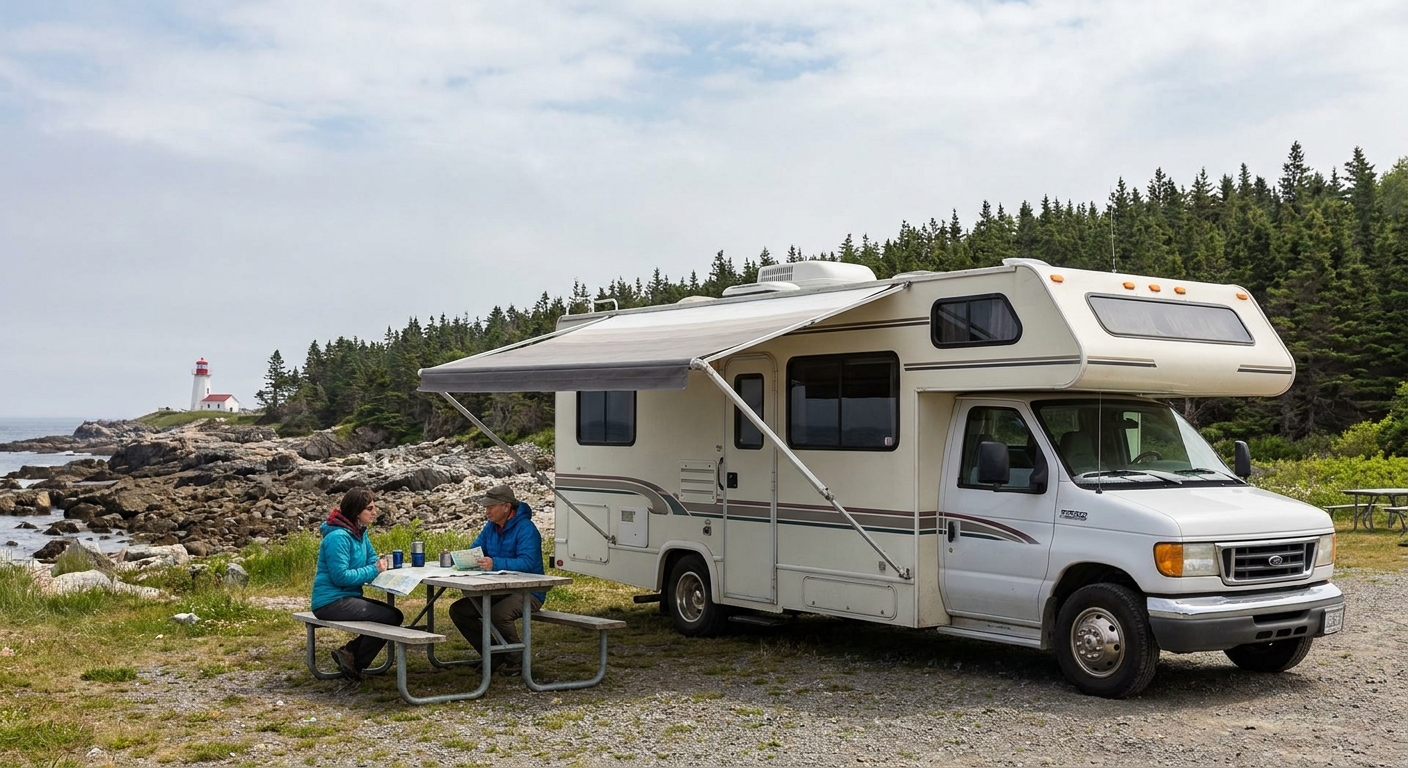 Planning an unforgettable RV rental for adventure in East Canada for two calls for a few key considerations to ensure a smooth and romantic journey. Booking your RV and campgrounds well in advance is essential, especially if you're aiming for a summer escape or a fall foliage trip in popular East Canada destinations like Nova Scotia's Cabot Trail. Selecting an RV class that perfectly balances comfort for two with maneuverability is crucial, particularly when navigating East Canada's diverse roads, from sweeping highways to the often narrow streets of coastal villages. Beyond the daily rental rate, budgeting comprehensively for fuel, campground fees (typically CAD $30-70 per night), activity costs, and optional insurance add-ons will prevent any surprises. It's also wise to cultivate a flexible itinerary that allows for spontaneous stops to explore hidden gems and adapt gracefully to local weather changes or ferry schedules. Before setting off, familiarize yourself thoroughly with your rented RV's specific features and operating systems to ensure a smooth and enjoyable journey together.
For live availability and current prices, start with our RV Rental East Canada - Complete Guide 2026 guide. We are true RV Specialists, dedicated to helping you plan your perfect romantic getaway, ensuring full transparency with no hidden fees and 24/7 support from real people.
Planning an unforgettable RV rental for adventure in East Canada for two calls for a few key considerations to ensure a smooth and romantic journey. Booking your RV and campgrounds well in advance is essential, especially if you're aiming for a summer escape or a fall foliage trip in popular East Canada destinations like Nova Scotia's Cabot Trail. Selecting an RV class that perfectly balances comfort for two with maneuverability is crucial, particularly when navigating East Canada's diverse roads, from sweeping highways to the often narrow streets of coastal villages. Beyond the daily rental rate, budgeting comprehensively for fuel, campground fees (typically CAD $30-70 per night), activity costs, and optional insurance add-ons will prevent any surprises. It's also wise to cultivate a flexible itinerary that allows for spontaneous stops to explore hidden gems and adapt gracefully to local weather changes or ferry schedules. Before setting off, familiarize yourself thoroughly with your rented RV's specific features and operating systems to ensure a smooth and enjoyable journey together.
For live availability and current prices, start with our RV Rental East Canada - Complete Guide 2026 guide. We are true RV Specialists, dedicated to helping you plan your perfect romantic getaway, ensuring full transparency with no hidden fees and 24/7 support from real people.
Before You Book - Class, Dates, Insurance
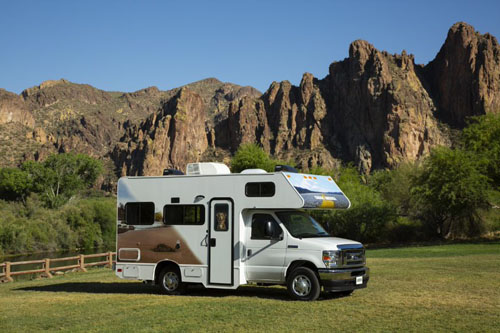
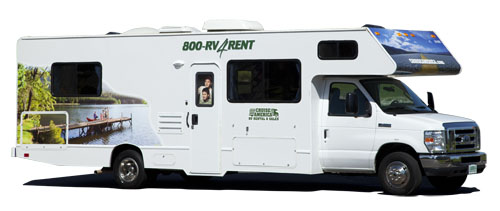
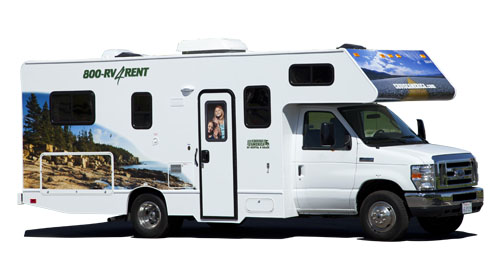
Choosing the right RV class for two people is paramount for a comfortable and enjoyable East Canada trip. For couples, a campervan (Class B) or a small Class C motorhome, often under 7.6 meters (25 feet), provides an ideal balance of comfort, essential amenities like a shower and toilet, and ease of driving and parking. These smaller rented motorhomes are particularly suited for navigating East Canada's winding coastal roads and charming, smaller towns, where larger RVs can feel cumbersome. For example, a "rent rv example A1" or "rv rental denver example Category Van" are often ideal for a couple, featuring front air conditioning and a recent model. Locking in your dates and vehicle choice well in advance, especially for popular periods like peak summer (July-August) and the vibrant fall foliage season (early September-October), is highly recommended. Booking 3-6 months ahead ensures you secure your preferred RV rental model and advantageous rates, potentially saving 15-25% on peak-season prices. While pre-planning has its perks, remember that many national and provincial parks reserve 25-30% of their spots for first-come, first-serve arrivals, offering flexibility for spontaneous travelers. Understanding your insurance options before you pick up your rented motorhome ensures complete peace of mind throughout your East Canada adventure. Basic insurance is always included in your rental, and for the most comprehensive coverage, you can select that option during your search to see all relevant insurance options from our suppliers like El Monte and Cruise America. We always recommend considering additional liability, collision damage waiver, and personal effects coverage. It's also wise to verify if your personal auto insurance or credit card benefits offer any existing RV rental coverage. You can upgrade to a top-level deductible for extra peace of mind, knowing you're fully covered.Pre-Trip Prep - Packing Checklist for East Canada
A well-prepared packing checklist is essential for a comfortable RV rental adventure in East Canada, ensuring you have everything you need without overpacking. Your rented motorhome will typically come with basic kitchen essentials and linens, but bringing specific items can enhance your experience. Consider layers for clothing, as East Canada's weather can be quite variable, even in summer.🎬 Video coming soon
Clothing:
- T-shirts, long-sleeved shirts, sweaters/fleeces for layering
- Waterproof and windproof jacket & pants for unpredictable coastal weather
- Comfortable walking/hiking shoes for exploring national parks and trails
- Casual evening wear for dining out or relaxing at the campground
- Swimsuit for beaches or hot tubs, if your campground offers them
- Hat and gloves, even in summer, especially for cooler coastal areas like Newfoundland
Kitchen & Food:
- Reusable grocery bags for farmers' market visits
- Basic spices, salt, pepper, cooking oil to personalize your RV meals. Discover new favorites with our RV-friendly recipes playlist.
- Coffee/tea & reusable mugs for morning views
- Small cooler for day trips and picnics
- Water bottles for staying hydrated on hikes
Safety & Comfort:
- First-aid kit for minor emergencies
- Flashlight or headlamp for navigating campsites at night
- Insect repellent (especially for mosquitoes and black flies, prominent in summer)
- Sunscreen for protection during outdoor activities
- Binoculars for wildlife viewing, from whales to puffins
- Portable power bank for charging devices in areas with limited hookups
- Roadside assistance contacts and the Bandana 24/7 support number for any urgent needs
Documents & Navigation:
- Driver's license (a standard car license is sufficient for all motorhome classes) and an International Driving Permit if applicable for visitors from non-English-speaking countries.
- RV rental agreement & insurance papers readily accessible.
- Campground reservations & confirmations, especially for popular parks during peak season.
- Physical map of East Canada for areas with no cell service.
- Downloaded offline maps (e.g., Google Maps, iOverlander) for reliable navigation.
At the Campground - Setup, Hookups & Etiquette
Upon arriving at your chosen campground in East Canada, the process of settling in is straightforward and contributes to a relaxing experience. First, check in at the office to receive your site number and any essential park information, including quiet hours or fire restrictions. Once at your designated site, strategically position your rented RV for the best view and easiest hookup access. Always use leveling blocks on uneven ground to ensure comfort inside and proper function of your appliances like the refrigerator. Connecting your RV to utility hookups follows a standard, safe order. First, connect your electrical shore power to the campground pedestal. Second, connect your freshwater hose to the potable water supply. Third, if your site offers sewer hookups, connect your sewer hose to the campground's drain. When it's time to depart, reverse this order, disconnecting the sewer first, then freshwater, and finally electrical, to minimize spills and ensure cleanliness. Observing proper campground etiquette is key to a harmonious experience with fellow travelers. Respect quiet hours, typically from 10 PM to 7 AM, by keeping noise to a minimum. Always maintain a clean campsite, disposing of garbage properly in designated receptacles, and be mindful of your neighbors' privacy. Keep pets on a leash and always clean up after them. Be aware of and observe any local fire bans, using designated fire pits safely and responsibly. Familiarize yourself with provincial park booking specifics, as many popular parks in East Canada require reservations months in advance, though some offer a percentage of first-come, first-serve sites.rv rental for couples-Specific Tips for East Canada
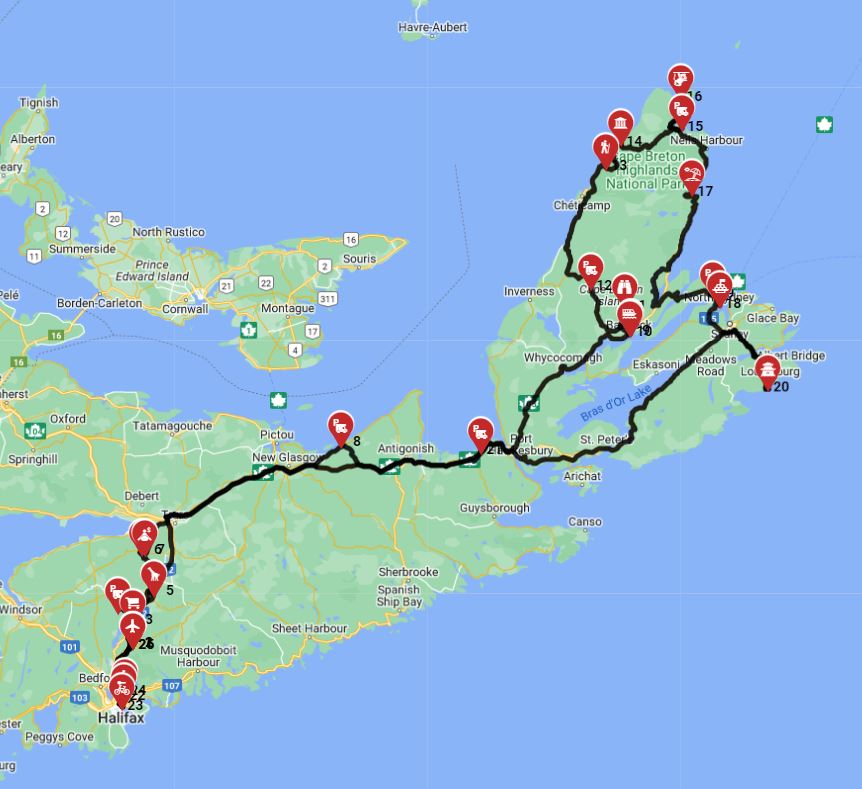
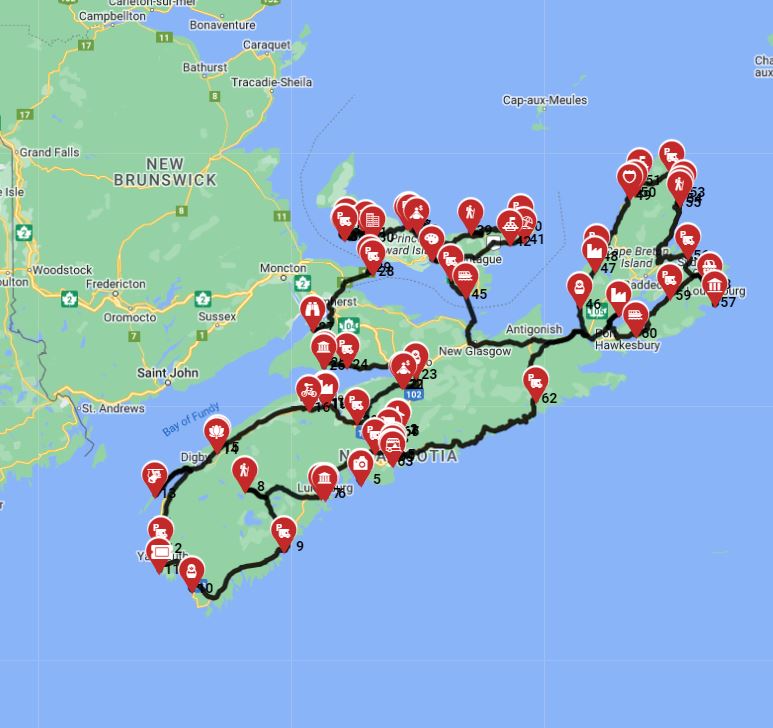
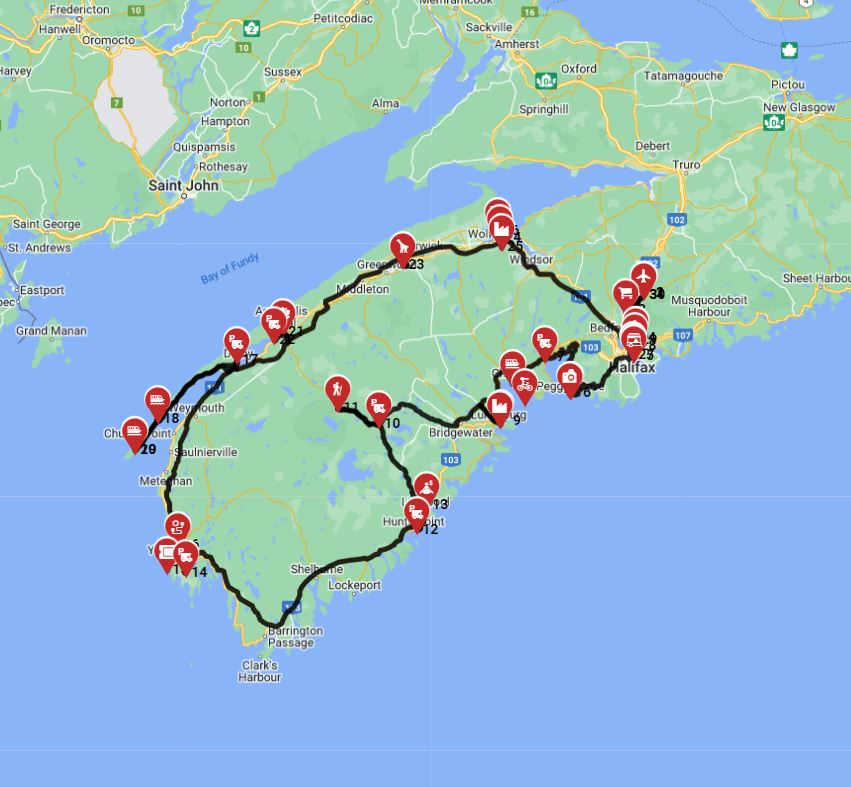
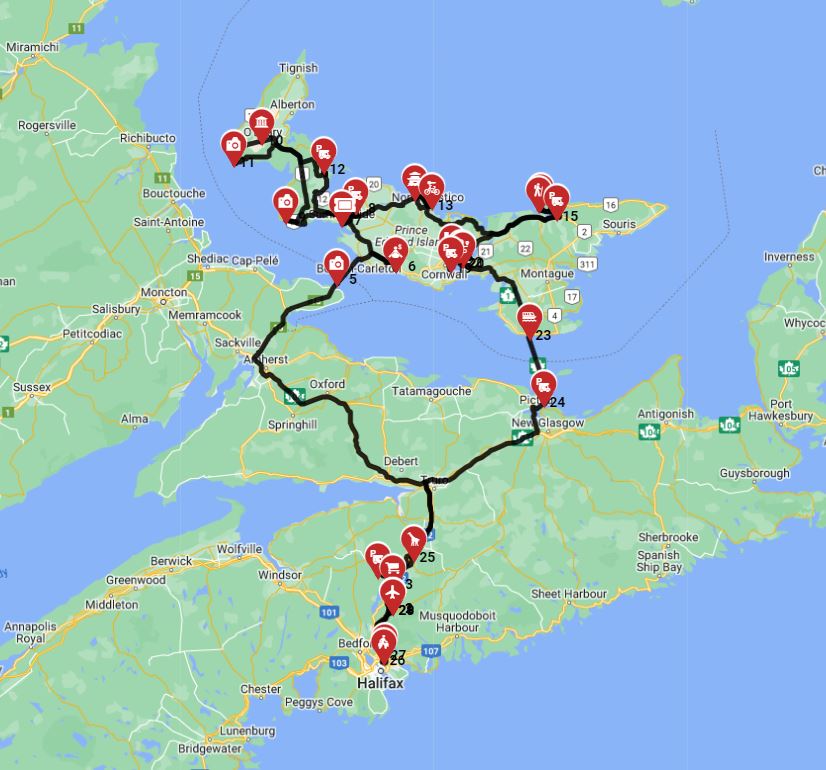
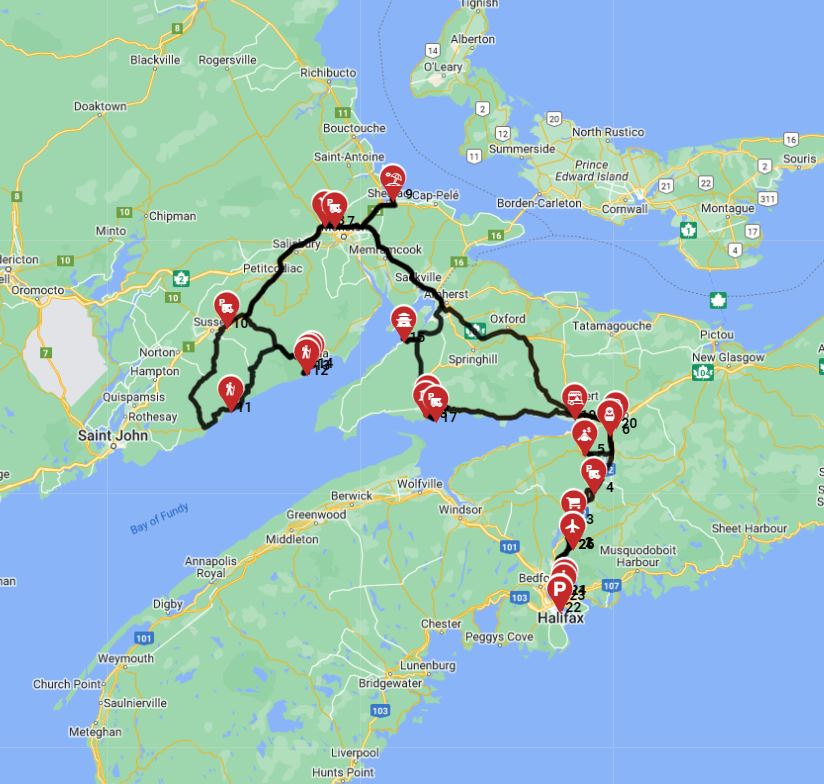
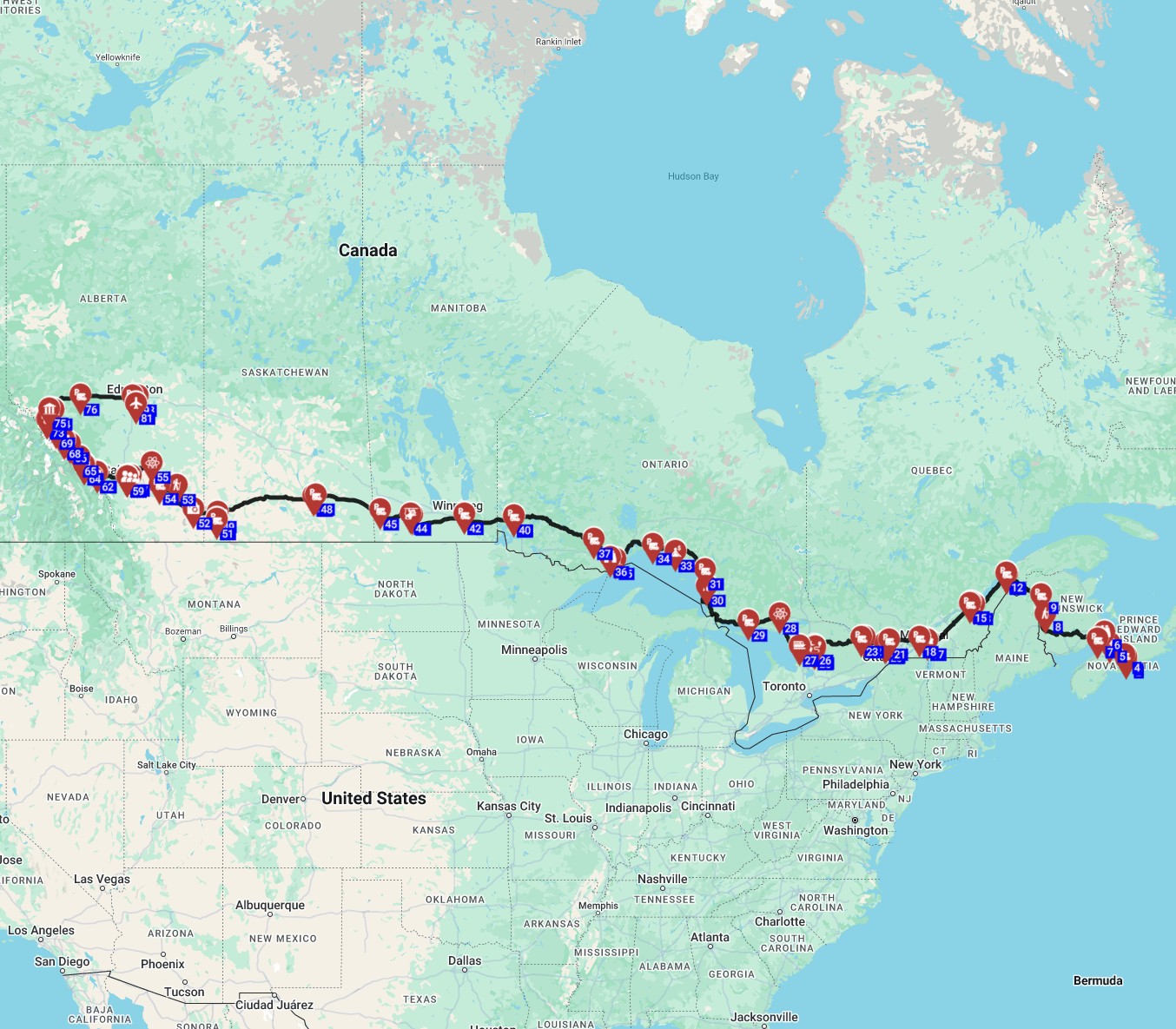
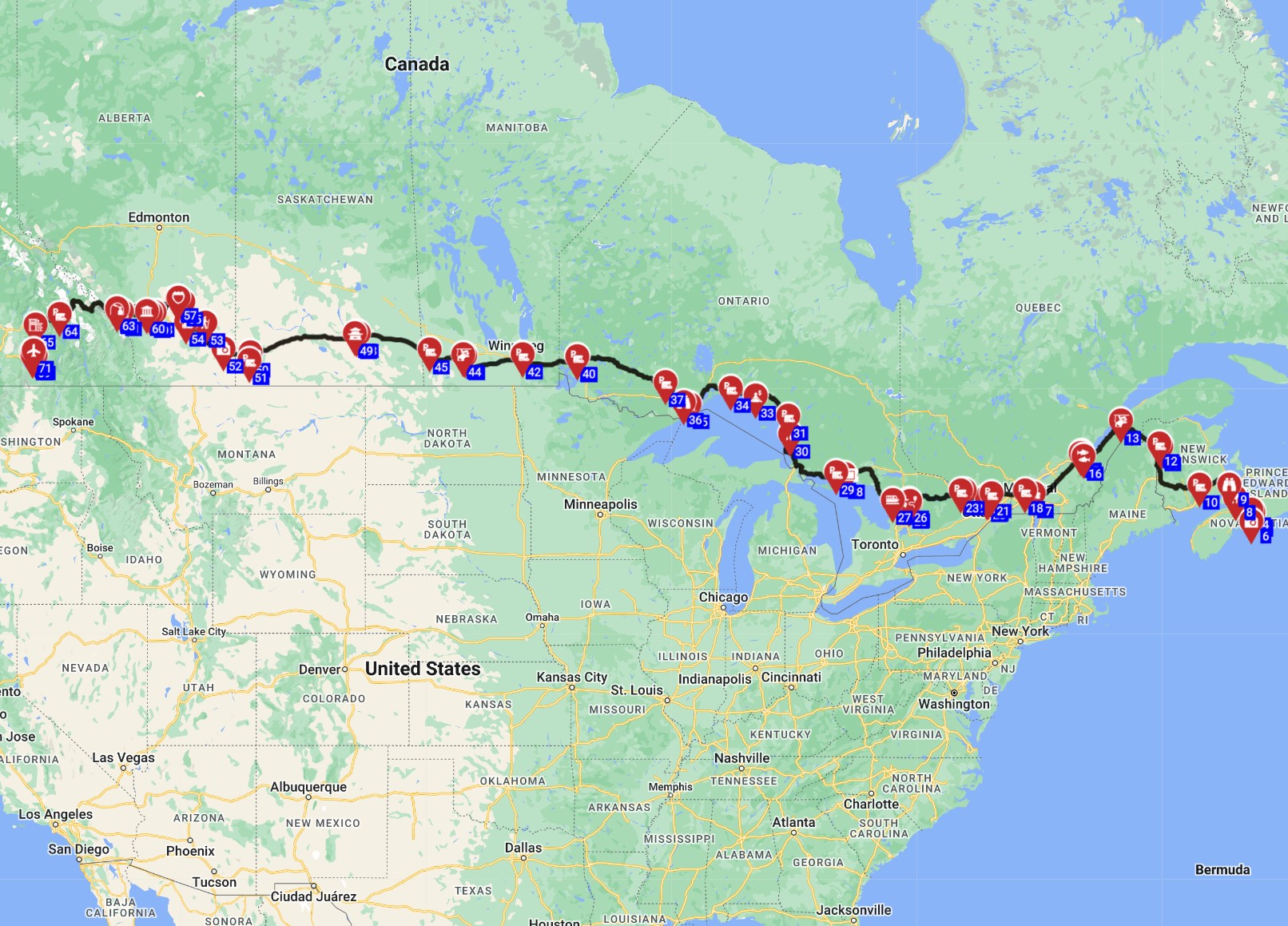
For couples exploring East Canada by RV, opting for a smaller, more nimble vehicle like a campervan (Class B) or a compact Class C motorhome is highly recommended. These smaller models, such as the "Patagonia Camper 4x4 double cab" or "hire campervan example Paradise S/T," are easier to navigate through East Canada's charming, often historic towns and winding coastal roads, which are not always suited for larger vehicles. Imagine parking effortlessly near a quaint cafe in Lunenburg, Nova Scotia, or a fishing wharf in Newfoundland. Planning your itinerary to include intimate experiences enhances the romantic aspect of your trip. Seek out secluded coves in Nova Scotia for a private beach stroll, enjoy a quiet sunset over the Bay of Fundy from a picturesque lookout, or explore artisan shops in rural Prince Edward Island together. Consider One-Way RV Rental in East Canada - Price Guide 2026 to maximize your exploration without retracing your steps. Embrace culinary exploration by visiting local farmers' markets and fishmongers, which are abundant across East Canada. Utilize your rented RV's kitchen facilities to prepare fresh, regional seafood and produce, creating romantic meals with a stunning view right outside your window. From delicious lobster in Prince Edward Island to fresh berries in New Brunswick, East Canada offers a feast for two. Balance adventurous excursions with ample downtime to truly connect and unwind. Incorporate days where you can simply relax at a scenic campground, read a book by the ocean, or enjoy each other's company without a packed schedule. Slow travel, averaging max 100-150 km per day, allows you to truly feel the place, connect to the culture, the food, and the scenery. Consider specific themed journeys to make your trip unique, such as a 'Lighthouse Tour' along the Atlantic coast, visiting iconic beacons like Peggy's Cove, or a 'Maritime Flavours Trail' to discover unique local tastes and cultural experiences together. For more inspiration and detailed route plans, explore the various options available through RV PLANET (rvplan.net).Common Mistakes to Avoid in East Canada
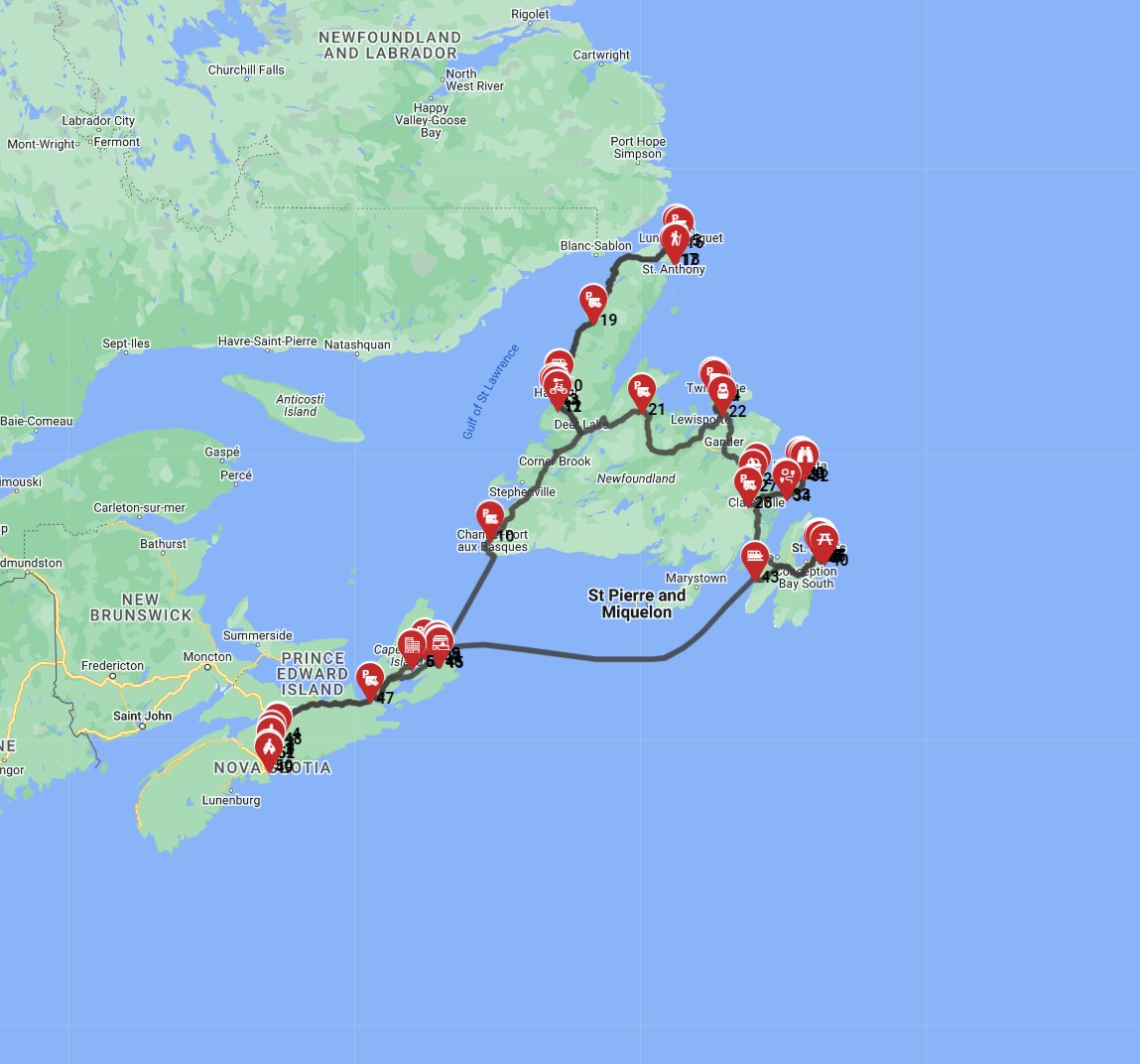
Underestimating travel times is a common oversight when planning an RV rental trip in East Canada. Instead, factor in scenic detours along routes like the Cabot Trail, essential ferry schedules (such as the Nova Scotia-Newfoundland route which requires advance booking), and potential delays on rural roads. Google Maps estimates don't always account for RV speeds or spontaneous stops at charming towns. Not booking campgrounds in advance is another frequent mistake, especially during peak season (July-August) and for popular national or provincial parks like Cape Breton Highlands National Park or Fundy National Park. Instead, reserve your spots months ahead, particularly if you have specific locations in mind. Many sites fill up quickly, though some parks do reserve 25-30% of spots for first-come, first-serve. Always call ahead before driving a long distance to confirm availability. Relying solely on cell service for navigation and communication is not advisable in East Canada. Instead, download offline maps and carry a physical road map, as cell service can be spotty to non-existent in many beautiful, remote areas, particularly in Newfoundland and parts of Nova Scotia and New Brunswick. Ignoring seasonal considerations can lead to unexpected challenges. Instead, pack layers of clothing and check local weather forecasts frequently, as East Canada's weather can be unpredictable, even in summer, with cooler coastal breezes and sudden rain showers. Be aware of seasonal road closures or attraction operating hours, especially outside of peak season. Our RV Travel Guide to East Canada - Tips and Top Spots 2026 offers further insights. Neglecting local regulations, particularly regarding wild camping and fire bans, can lead to issues. Instead, familiarize yourself with provincial rules; for example, some provincial parks have strict rules about generator use or quiet hours. Always respect local signage and environmental guidelines. Over-scheduling your trip can detract from the relaxed nature of RV travel. Instead, allow for flexibility in your itinerary. East Canada is best enjoyed with a relaxed pace, providing opportunities to discover hidden gems, linger at a charming fishing village, or simply enjoy a quiet evening by the campfire. Remember our advice: travel slowly, max 100-150 km per day on average, to truly connect with the culture and scenery.How much does it cost to rent an RV for a week in Canada
The cost to rent an RV for a week in East Canada for a couple can range significantly, typically from CAD $1,000 to CAD $2,500+ during peak season (July-September) for 2026. This price range depends on the RV class, time of year, rental company (such as Apollo or Britz), selected mileage packages, and additional insurance or amenity options. This figure usually covers the base rental rate but excludes crucial operational expenses like fuel, campground fees, food, and attractions. The base rental rate for a week in East Canada varies greatly by RV type. For couples, a campervan (Class B) or a small Class C motorhome like the "rent rv example A1" (ideal for a couple, with a shower and toilet) are generally more affordable, while peak summer and fall foliage seasons command higher prices. Additional rental fees often include mileage packages (some offer limited free kilometers, others charge per kilometer), optional insurance upgrades, cleaning fees (e.g., a toilet dumping fee if not returned empty), and one-way fees if you plan to pick up in one city and drop off in another, which could add CAD $150-$500. Operating costs form a significant part of the total budget. Fuel is a major expense, especially with varying gas prices across provinces and for larger rented motorhomes, which might consume 11-25 liters per 100 km. Campground fees typically range from CAD $30-70 per night for serviced sites (offering electricity and water hookups). Propane for heating/cooking and dumping fees for waste tanks are also factors to consider. Finally, remember to budget for personal expenses such as groceries, dining out, ferry crossings (e.g., to Newfoundland or PEI), attraction entrance fees, and souvenirs. For a detailed guide on budgeting, refer to our Cheap RV Rental in East Canada - Budget Guide 2026 and RV Rental in East Canada - Prices and Best Deals 2026 articles.How much to rent an RV for a couple months
Renting an RV for a couple of months in East Canada can range from CAD $6,000 to CAD $15,000 or more for 2026, often offering a lower daily rate compared to weekly rentals, but overall costs are substantial due to extended duration, high mileage accumulation, and continuous operational expenses like fuel and campground fees. Long-term rentals require careful financial planning to account for all variables. Many rental companies offer a reduced daily or weekly rate for rentals exceeding a month, reflecting the extended commitment from the renter. This can make the *per-day* cost more attractive than shorter trips, but the cumulative total remains significant. For example, a 2-berth motorhome like the "2 Berth Sandpiper" (featuring a 140/190cm double bed and 85-liter fresh water tank) might have a daily rate of around CAD $150-200 for a short trip, but this could drop to CAD $100-120 per day for a multi-month rental. While daily rates decrease, the total cost for a multi-month rental, including substantial mileage, fuel (a rented motorhome like the "MHLUX" can have a 320-liter fuel tank), continuous campground fees, and ongoing maintenance responsibilities, will be considerable. Ensure your rental package includes sufficient mileage or clearly understand the per-kilometer overage charges, as long trips will inevitably accumulate extensive driving. Consider extended insurance coverage for peace of mind over a longer trip, and be aware of your responsibilities for routine maintenance, such as checking tire pressure and fluid levels, during a prolonged rental period. For further details on extended rentals, consult our Weekly RV Rental in East Canada - Pricing 2026 resource.What are the drawbacks of renting an RV
While offering unparalleled freedom and the ability to travel at your own pace, common drawbacks of renting an RV for a trip to East Canada include the significant overall cost beyond the base rental, the learning curve for driving and operating a large vehicle, the time required for setup and breakdown at campgrounds, and potential limitations on flexibility if adhering to strict itineraries. It's important to approach RV travel with realistic expectations. The true total cost of an RV rental can be higher than initially perceived. Beyond the rental rate, factors like mileage charges (if not unlimited), varying fuel prices across different provinces, daily campground fees (CAD $30-70/night), insurance upgrades, cleaning fees, and propane costs can significantly inflate your budget. We believe in full transparency: what you see is what you pay, with no surprise fees at pickup, but it's crucial to factor in these additional expenses. Driving and maneuvering challenges are another consideration. Rented RVs handle differently than typical cars; they are wider, taller, and longer, requiring more caution when turning, backing up, and navigating narrow roads or parking lots in cities like Halifax. Drive slowly and carefully, and you can drive almost anywhere without issues. No need to stress - just use common sense and pay attention. An operational learning curve exists for first-time renters. Understanding how to hook up utilities (water, electrical shore power, sewer), manage waste tanks, operate the generator (if available), and troubleshoot minor issues takes time and patience. Our 24/7 support is available for pre-booking and post-booking coordination, but on-the-road operational learning is part of the adventure. Less spontaneity can be a drawback, as popular campgrounds in East Canada's national and provincial parks often require reservations months in advance, limiting spontaneous overnight stops during peak season. However, many parks do offer a percentage of first-come, first-serve spots, allowing some flexibility.Which RV rental company in Canada is the best
Determining the 'best' RV rental company in Canada depends heavily on individual needs, budget, and desired RV type, with popular options like CanaDream, Cruise Canada, Apollo, and Britz being prominent for their wide fleets and national presence. Smaller local companies might also offer more personalized service or unique vehicle types, so comparing across suppliers is key. Bandana Caravan partners directly with over 50 leading RV suppliers worldwide, including these major players, to provide comprehensive choices. CanaDream is known for offering a wide range of newer models, generally well-maintained, with multiple pickup locations across Canada. They are often chosen for quality vehicles and comprehensive service. Cruise Canada typically presents a more budget-friendly option with a large fleet, though vehicles may be older; their numerous locations make one-way rentals convenient for exploring vast areas like East Canada. Fraserway RV, another major player, is renowned for high-quality vehicles, excellent customer service, and a diverse fleet including premium options, often preferred by those seeking a more luxurious experience. For example, a Fraserway RV "C-Small" motorhome offers a 115-liter fresh water tank and sleeps 3. When selecting a supplier, compare factors such as vehicle age (e.g., "Up to 3 years on the road" versus "More than 4 years on the road"), included mileage (some offer unlimited, others have per-kilometer charges), insurance options (including the choice to upgrade to a top-level deductible), pickup/drop-off locations, and pet policies. Customer reviews can also provide valuable insights into service quality. Our platform allows you to compare final prices across suppliers, ensuring full transparency with what you see is what you pay, with no surprise fees at pickup. We are true RV Specialists, providing personal service from day one until your booking is confirmed.What is the 3-3-3 rule for RV travel
The 3-3-3 rule for RV travel is a widely recommended guideline for pacing your journey, suggesting that you should aim to drive no more than 300 miles (approximately 480 kilometers) in a day, stop driving by 3 PM, and stay at least 3 nights at each location. This rule is designed to promote a more relaxed and enjoyable RV rental experience, especially for couples exploring scenic regions like East Canada. We always recommend slow travel, averaging a maximum of 100-150 km per day, which aligns perfectly with this philosophy. Driving no more than 300 miles (480 km) per day encourages a relaxed pace, allowing ample time for scenic stops, unexpected discoveries, and connecting with the local culture and scenery. This approach significantly reduces driver fatigue, making the journey itself a part of the vacation rather than just a means to an end. Stopping driving by 3 PM provides a generous window to arrive at your campground, navigate to your site, and complete the necessary setup (hooking up utilities, leveling the RV) in daylight. This allows you time to relax, unpack a little, or explore the immediate area before dusk, rather than rushing. Staying at least 3 nights at each location encourages a slower travel style, giving you ample opportunity to explore local attractions, participate in campground activities, and truly unwind without constantly packing up and moving. This approach is ideal for truly experiencing destinations such as the charming towns of Prince Edward Island or the rugged beauty of Newfoundland.What is the 4-4-4 rule for RV travel
The 4-4-4 rule for RV travel is an alternative pacing guideline, similar to the 3-3-3 rule, which advises driving no more than 400 miles (approximately 640 kilometers) in a day, stopping by 4 PM, and staying at least 4 nights at each destination. This rule suits couples who wish to cover more ground on their RV rental adventure in East Canada while still maintaining a comfortable pace. Driving no more than 400 miles (640 km) per day allows for covering more distance than the 3-3-3 rule, which can be beneficial for those with less time or a desire to reach distant destinations more quickly, such as traversing New Brunswick or Quebec. While a bit faster, it still aims to prevent excessive driver fatigue and allows for some sightseeing along the way. Stopping by 4 PM provides a buffer for setting up camp and enjoying late afternoon activities, although with slightly less daylight than the 3 PM rule. This ensures you're settled before dark and can still enjoy an evening at the campground or a local dinner. Staying at least 4 nights at each destination encourages deeper exploration of the area. This approach fosters a greater sense of settling in, reduces the stress of constant movement, and allows for more immersive experiences at locations like Fundy National Park or Halifax. It's a balanced strategy for seeing more of East Canada without feeling rushed.Is it cheaper to rent an RV or stay in hotels
For couples, whether renting an RV is cheaper than staying in hotels in East Canada often depends on the duration of the trip, the type of RV, the frequency of dining out versus cooking meals, and the cost of hotels in the planned destinations. Typically, a rented RV can offer savings on accommodation and food while incurring significant fuel and campground costs. Rented RVs offer a primary advantage by combining accommodation and transport costs. Having a kitchen, often equipped with a gas stove and refrigerator (like the "MH2 - IDUNN" campervan with a 90-liter refrigerator), allows for significant savings on food by preparing meals instead of dining out. RVs also provide the flexibility to stay in scenic locations at relatively low campground fees, usually CAD $30-70 per night for serviced sites in East Canada. Hotels, conversely, eliminate the need to worry about fuel costs for accommodation, campground fees, or the operational complexities of an RV. Hotels often offer more amenities like pools or gyms and services such as housekeeping. However, hotel rates can range widely from CAD $100-300+ per night in East Canada, and meals out can quickly add up. Hotel stays may also necessitate renting a car, adding another expense. When comparing costs, factor in that RVs have additional expenses like mileage charges, propane for heating/cooking, dumping fees for waste tanks, and insurance upgrades. Hotels may have resort fees or parking charges. Generally, longer RV trips (typically 10+ days) where you frequently utilize the kitchen and travel to areas with expensive hotel markets often make RV rentals more cost-effective overall. For inspiration, check out our Luxury RV Rental in East Canada - Premium Prices 2026 options if you're looking for a more upscale experience.What I wish I knew before renting an RV
Many first-time RV renters often reflect on wishing they had known more about the comprehensive *total* costs involved, the importance of detailed trip planning versus pure spontaneity, the operational learning curve of the RV, and the variability of cell service in remote areas of East Canada. Being prepared for these aspects can significantly enhance your experience. The true total cost extends beyond the initial rental fee. Factors like mileage charges (if not unlimited, typically $0.43/km overage for some suppliers), varying fuel prices in the region, daily campground fees (CAD $30-70/night), optional insurance upgrades, cleaning fees (e.g., €200 for inside cleaning if not returned clean), and propane costs can significantly inflate your budget. Our commitment to full transparency means no hidden fees or surprises at pickup, but understanding all potential expenses upfront is crucial. For budgeting, don't forget that RV PLANET routes allow you to itemize expenses. Driving challenges are a reality with a rented RV. These vehicles, even smaller ones like a "Category Van" (typically RV size - Small), handle differently than cars. They are wider, taller, and longer, requiring more caution when turning, backing up, and navigating narrow roads or parking lots. Drive slowly and carefully, and you can drive almost anywhere without issues. No need to stress - just use common sense and pay attention. An operational learning curve is part of the experience. Understanding how to hook up utilities (water, electrical, sewer), manage waste tanks, operate the generator (if applicable), and troubleshoot minor issues takes time and patience. While our 24/7 support assists with booking, on-road learning is hands-on. Booking campgrounds in advance is often essential. Especially in East Canada's popular national and provincial parks, prime campsites can be fully booked months ahead, limiting spontaneous overnight stops during peak season. However, many national and state parks reserve only 25-30% of spots, with the rest being first-come-first-serve. Reassure yourself: you'll find a spot. If not at the first campground, then the next one. Call ahead before driving. Connectivity issues are common in remote parts of East Canada. Cell service can be unreliable in many beautiful areas, so download offline maps and essential information, and consider bringing offline entertainment before you lose signal. Packing wisely is key, as space in any rented RV is limited. Prioritize essentials like comfortable walking shoes, layers of clothing for varied weather, rain gear, and a good cooler for day trips, rather than over-packing unnecessary items. A standard car driver's license is sufficient for all motorhome classes, so no special permit is needed for driving.What You Shouldn't Miss
An RV rental journey through East Canada offers a mosaic of romantic and adventurous experiences for couples. Here are a few must-do highlights:- Drive the Cabot Trail, Nova Scotia: This world-renowned scenic highway on Cape Breton Island offers breathtaking ocean views, lush forests, and charming villages. Stop at numerous look-offs, take a hike on one of the many trails in Cape Breton Highlands National Park, and discover local artisan crafts.
- Explore the Bay of Fundy, New Brunswick & Nova Scotia: Witness the world's highest tides at Hopewell Rocks in New Brunswick, where you can walk on the ocean floor at low tide and kayak among the flowerpot rocks at high tide. Enjoy quiet sunsets and incredible coastal vistas.
- Discover Prince Edward Island's Charm: Drive along scenic coastal routes on PEI, stopping at picturesque lighthouses, red sand beaches (like the "Singing Sands"), and indulging in fresh seafood. Visit Anne of Green Gables sites and savor the island's relaxed pace.
- Go Whale Watching in Newfoundland: From Trinity Bay or Witless Bay Ecological Reserve, embark on a boat tour to spot majestic whales, including humpbacks and minke, often breaching near dramatic cliffs and icebergs during late spring to early summer.
- Experience Quebec's Gaspe Peninsula: Drive the scenic Route 132 around the Gaspe Peninsula, with its rugged coastline, charming fishing villages, and Percé Rock. Enjoy hiking, wildlife viewing, and the unique blend of Acadian and Quebecois culture.
Final Thoughts
An RV rental journey through East Canada with your loved one promises an intimate and unforgettable adventure, blending majestic landscapes with charming coastal towns. From the highest tides of the Bay of Fundy to the serene beauty of Prince Edward Island's beaches, you'll discover a region rich in natural wonders and warm hospitality. Remember to plan slowly, savoring each moment and allowing for those spontaneous discoveries that make RV travel so special. With a well-chosen campervan and thoughtful preparation, you'll have a mobile home-away-from-home that offers both comfort and the freedom to explore East Canada's hidden gems. Embrace the open road, the fresh maritime air, and the joy of shared experiences. We're here to help you every step of the way, from comparing prices to ensuring a smooth booking process, so you can focus on creating lasting memories together. Get inspired for your next trip and plan a truly unique couple's adventure in East Canada! We're confident you'll fall in love with the freedom and romance of RV travel.On the routes offered through RV PLANET routes, you can itemize and track every expense along the way for easy budgeting.