For live availability and current prices, start with our RV Rental California - Complete Guide 2026 guide.
In This Guide
- Top 5 Tips for RV Rental in California
- Before You Book - Class, Dates, Insurance
- Pre-Trip Prep - Packing Checklist for California
- On the Road - Driving, Fueling, Navigation
- At the Campground - Setup, Hookups and Etiquette
- RV Rental-Specific Tips for California
- Common Mistakes to Avoid in California
- How much does an RV rental in California cost per day
- Where can you boondock an RV in California
- What permits do you need for RV camping in California
- What are common RV challenges in California
- When is the best time to RV in California
- What are some hidden gem RV spots in California
- What is the best RV type for California travel
- How do you prepare for RV emergencies in California
California, with its breathtaking coastlines, majestic national parks, and vibrant cities, offers an unparalleled backdrop for a romantic getaway, and a rented RV transforms this dream into a reality for couples. Imagine waking up to the sound of crashing waves in Big Sur, cooking a delicious breakfast together with fresh local ingredients, or sharing a sunset over the Grand Canyon after a scenic drive – all from the comfort and intimacy of your own mobile home. As true RV specialists, we understand that planning the perfect couples' escape means thinking about every detail, ensuring your adventure is filled with joy, not logistical worries. For live availability and current prices, start with our RV Rental California - Complete Guide 2024 guide, your ultimate resource for planning. Whether you're a seasoned RVer or embarking on your first motorhome adventure, we’re here to help you navigate the golden state with full transparency and unparalleled support.
Top 5 Tips for RV Rental in California
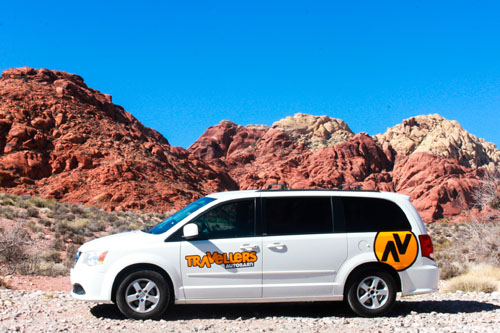
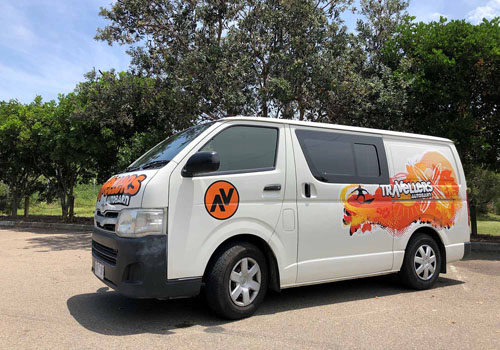
1. Booking your RV and campsites well in advance, especially for peak seasons, is crucial to securing your preferred dates and locations, with many popular California state parks requiring reservations 6 months out for summer dates. 2. Choosing an RV class that matches your group size and comfort preferences, such as a compact Class B campervan like the "rv rental denver example Category Van" for a couple, is key to navigating California's diverse terrain and road types. These smaller vehicles, often under 6 meters in length, are easier to park and handle. 3. Factor in all costs beyond the initial rental fee, including fuel, campground fees (typically $20-$80+ per night), food, and activities, for an accurate budget before your trip. 4. Plan flexible itineraries to allow for spontaneous stops and adjustments based on weather or local conditions, embracing the freedom a rented motorhome provides. 5. Understand California's unique driving considerations, such as mountain passes in the Sierra Nevada and varying speed limits for RVs, which are often 55 mph (88 km/h) on highways, ensuring a safe and enjoyable journey. On the routes offered through RV PLANET routes, you can itemize and track every expense along the way for easy budgeting.
🎬 Video coming soon
Before You Book - Class, Dates, Insurance
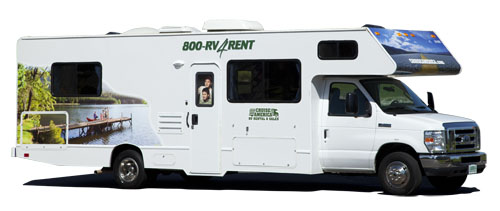
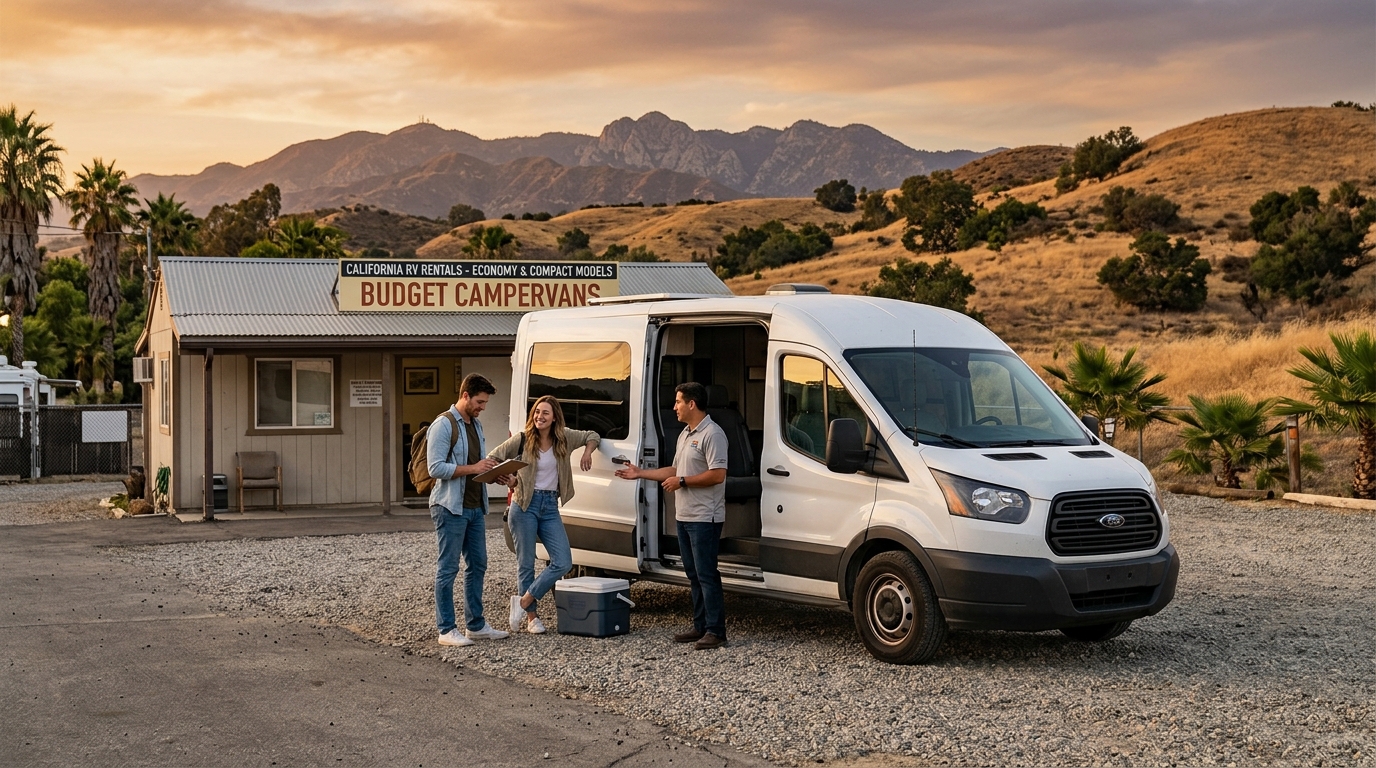
Selecting the right RV class significantly influences your California travel experience, with Class B campervans often being ideal for couples seeking flexibility and easy navigation, while Class C motorhomes, like the "cruise america rv rental example Explorer" with 4 sleeping places and a 7.1m length, balance maneuverability with more living space. Class A motorhomes, offering luxurious amenities and ample space, are perfect for those prioritizing comfort on extended trips. To secure optimal pricing and availability for your RV rental, it is advisable to lock in your travel dates as early as possible, particularly for popular California destinations during peak seasons like summer or spring break. Our platform offers full transparency, so what you see is what you pay, with no surprise fees at pickup. When considering insurance for your RV rental, basic coverage is always included, and you can explore more comprehensive options, including upgrading to a top-level deductible for extra peace of mind, by selecting them during your initial search. For a detailed breakdown of costs, check out our "RV Rental in California - Prices and Best Deals 2024" guide. If you're looking for something more luxurious, our "Luxury RV Rental in California - Premium Prices 2024" guide provides insights into high-end options.
Pre-Trip Prep - Packing Checklist for California
A well-organized packing checklist tailored to California's diverse climates ensures a comfortable RV trip, addressing needs from coastal breezes to desert heat and mountain chill. Essential clothing includes layers suitable for varying temperatures, such as light jackets, swimwear, and comfortable hiking shoes for exploring national parks. Kitchen essentials for your RV should include basic cooking utensils, non-perishable food items, and reusable water bottles to minimize waste, making on-the-road meals a breeze; for recipe ideas, explore our RV-friendly recipes playlist. Safety and navigation items like a first-aid kit, emergency roadside assistance contacts, and physical maps (in case of no cell service in remote areas) are crucial for California's varied terrains. Important documents should include your standard car driver's license (which is sufficient for all motorhome classes), RV rental agreement, insurance details, and any necessary campground reservations or permits.
On the Road - Driving, Fueling, Navigation
Navigating California's diverse landscapes requires specific considerations for RV driving, including managing mountain grades, understanding length restrictions on certain roads (though RVs can generally go almost anywhere with care), and being aware of specific RV speed limits, which are usually 55 mph (88 km/h) on state highways. Drive slowly and carefully, and you can drive almost anywhere without issues. No need to stress - just use common sense and pay attention. When driving a rented motorhome in California, maintaining a safe following distance is especially important due to longer braking times and increased vehicle weight, particularly on congested freeways or winding mountain roads. Fueling an RV often requires larger gas stations with easy access, and it's prudent to refuel before entering remote areas like national parks where stations may be sparse or non-existent. For navigation, consider using RV-specific GPS systems or apps that account for vehicle height and weight restrictions, helping avoid unsuitable routes like very narrow roads or low bridges. Be prepared for varying cell service coverage across California, especially in national parks and remote forests, by downloading offline maps or carrying physical maps as a backup.
At the Campground - Setup, Hookups and Etiquette
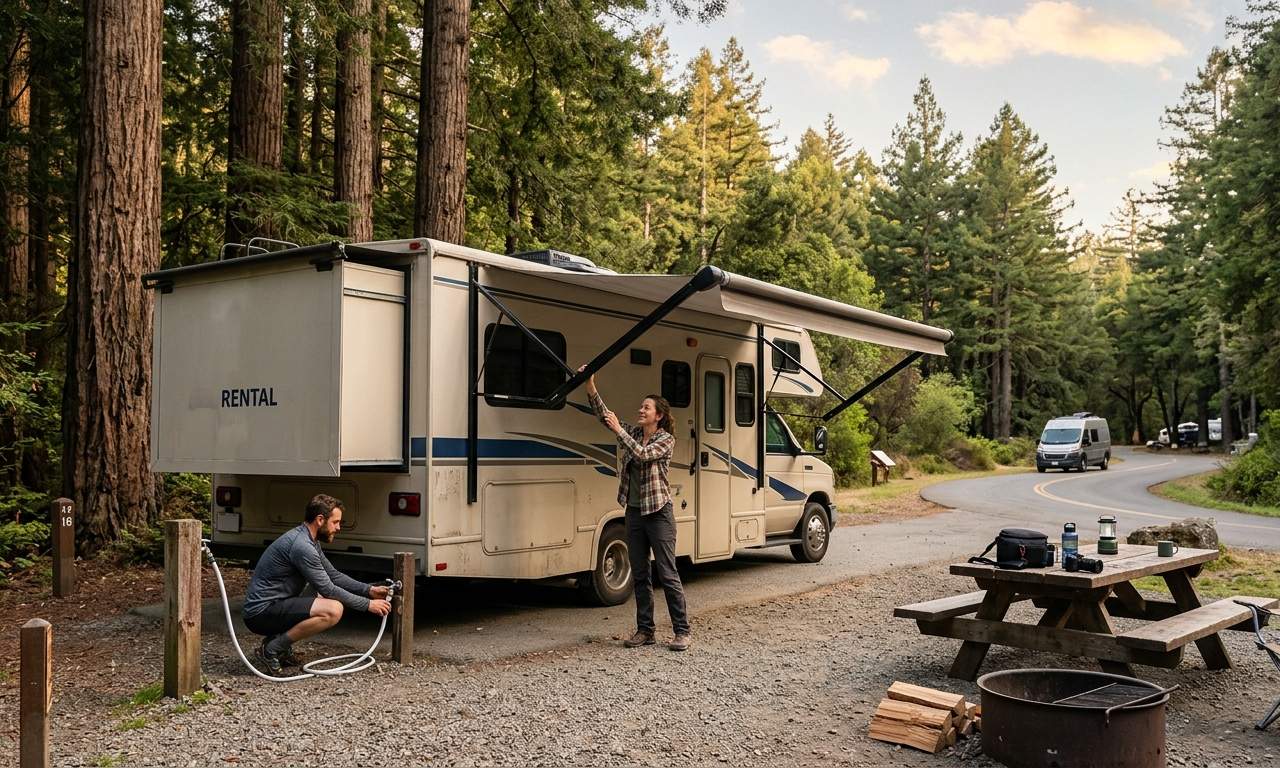
Efficiently setting up your RV at a campground involves a systematic approach to ensure comfort and safety, starting with leveling the vehicle and extending slide-outs if your rented motorhome has them. The standard order for hookups begins with connecting the sewer hose, followed by the fresh water hose, and then plugging in the electrical cord to prevent cross-contamination and ensure proper power flow. Respecting campground etiquette, such as adhering to quiet hours (often 10 PM to 6 AM), keeping your campsite tidy, and managing waste properly, contributes to a pleasant experience for everyone. Before departing, ensure all hookups are disconnected in reverse order (electrical, water, then sewer, followed by dumping tanks) and stored securely. For finding campsites and campgrounds during your trip, we recommend using RV PLANET (rvplan.net) - a great resource for locating available spots along your route. Understanding specific rules for campfires, pet policies, and waste disposal at individual California campgrounds can prevent issues and enhance your stay, especially during wildfire season when fire restrictions are common.
RV Rental-Specific Tips for California
Maximizing your California RV rental experience involves tailoring your trip to unique opportunities, such as seeking out free overnight parking options for budget-conscious travelers or exploring premium add-ons for a luxury adventure. For those on a budget, look for free overnight parking options like designated Walmart lots (with permission), Bureau of Land Management (BLM) land, or specific rest areas, always checking local regulations first. To enhance comfort for longer trips or extended road trips, consider renting an RV with specific features like larger holding tanks (e.g., a "Class A - Thor ACE 30" offers a 189 Liter fresh water tank), or an onboard generator for boondocking capabilities. For couples, a nimble campervan like the "hire campervan example Paradise S/T" (small RV size, ideal for a couple, with shower and toilet) offers excellent flexibility for exploring quaint towns or coastal drives. Our team at Bandana RV consists of true RV specialists, not just a travel agency side department, ensuring you get expert advice for your specific needs. We also offer pre-planned routes through our Rent&Plan service, available at rvplan.net, designed by professionals to guide your journey smoothly. For adventure seekers, plan routes that explore California's diverse landscapes, from desert canyons to Redwood forests, remembering to travel slowly, max 100-150 km per day on average, to fully connect to the scenery and culture.
Common Mistakes to Avoid in California
Avoiding common RV rental mistakes in California can significantly enhance your trip, such as planning for flexible travel dates and routes instead of rigidly adhering to a tight schedule. Many national and state parks reserve only 25-30% of spots online; the rest are first-come-first-serve, so flexibility is your friend. You'll find a spot. If not at the first campground, then the next one. Call ahead before driving. Instead of underestimating California's vastness, plan realistic daily driving distances to allow for ample time to explore and relax at each destination, typically no more than 100-150 km per day. Rather than neglecting to book popular campgrounds in advance, especially during peak seasons or for popular national parks, secure your reservations months ahead to avoid disappointment. Instead of overlooking essential RV-specific gear like extra water tanks or leveling blocks, ensure you pack according to your planned activities and destinations. Rather than ignoring local regulations, familiarize yourself with specific rules regarding boondocking, fire restrictions, and waste disposal in different California regions to ensure compliance and avoid issues. Remember, a standard car driver's license is sufficient for all motorhome classes (Class A, Class B, and Class C) in California.
How much does an RV rental in California cost per day
The daily cost of an RV rental in California typically ranges from $75 for smaller campervans to over $300 for luxury Class A motorhomes, with prices fluctuating based on RV class, rental duration, season, and specific amenities. For example, a compact Class B campervan, ideal for a couple, might start from $75-$150 per day, while a family-friendly Class C like the "rv rentals utah example Sunrise Escape" with 5 sleeping places could be $150-$250, and a spacious Class A "Class A - Thor ACE 30" for 6 sleepers could be $250-$400+. Budgeting for an RV trip in California extends beyond the rental fee to include significant costs for fuel, which can vary widely depending on mileage (e.g., a large motorhome might consume 20-25 liters/100 km) and gas prices, along with campground fees, which can range from $20 for basic sites to $80+ for full hookup sites in popular state or national parks. Additional expenses like food, activities, potential insurance upgrades (such as our optional top-level deductible for extra peace of mind), and propane should also be factored into your total trip budget. Peak travel seasons, such as summer and major holidays, generally see higher rental rates and increased demand for RVs and campsites across California, so booking in advance is always beneficial. For tracking all your expenses and finding detailed pricing, remember that RV PLANET routes allow you to itemize and track every expense for easy budgeting. You can find more information on costs in our "RV Rental Deals in California - Latest Offers 2024" guide.
Where can you boondock an RV in California
Boondocking, or dispersed camping, in California is legally permitted on vast expanses of Bureau of Land Management (BLM) land and within National Forests, offering free, primitive camping experiences away from established campgrounds. Specific areas within BLM lands in the California desert, like parts of Anza-Borrego Desert State Park vicinity or near Joshua Tree National Park, provide popular boondocking opportunities, often requiring self-sufficiency for water, waste, and power. Many National Forests, such as the Inyo National Forest or the Shasta-Trinity National Forest, allow dispersed camping usually beyond a specified distance (e.g., 1 mile) from developed recreation areas, requiring adherence to Leave No Trace principles. Rules for boondocking vary by specific land management agency and location, often including limits on stay duration (e.g., 14 days in a 28-day period), fire restrictions (especially during wildfire season), and proper waste disposal requirements. Equipment like solar panels for power, a robust fresh water storage system (e.g., a "Van" campervan might have an 83 Liter fresh water tank), and portable waste tanks are highly recommended for extended boondocking trips in California's diverse environments.
What permits do you need for RV camping in California
RV camping in California generally requires reservations for established campgrounds in popular destinations like National Parks, State Parks, and many National Forests, rather than specific camping permits for the RV itself. National Park System campgrounds, such as those in Yosemite (e.g., Upper Pines campground) or Death Valley, often require reservations booked months in advance, especially during peak season, and may also require park entrance fees or a national park pass ($80 annual pass covers entry to all national parks). California State Parks also operate on a reservation system, with sites becoming available typically six months in advance and filling up quickly, particularly for coastal or popular inland locations like Big Sur. While dispersed camping on BLM land or in National Forests usually doesn't require a specific permit for the act of camping, fire permits (like the California Campfire Permit, free online) are often mandatory for any open flame use, even with a contained fire pit, to prevent wildfires. Understanding regulations for specific land types, including restrictions on generator use, quiet hours, and waste disposal, is crucial regardless of permit requirements, and signage at park entrances or ranger stations will provide the latest information.
What are common RV challenges in California
Common RV challenges in California include navigating steep mountain grades (such as on Highway 395 in the Eastern Sierra), dealing with narrow winding roads (especially in coastal areas like Highway 1 in some sections), managing water and dumping logistics in remote areas, and coping with inconsistent cell service across diverse environments. Mountain driving in California requires careful attention to gear selection, engine braking, and monitoring brake temperatures, especially on routes like the Tioga Pass (Highway 120) into Yosemite, which climbs to 9,943 feet (3,031 meters). Drive slowly and carefully, and you can drive almost anywhere without issues. No need to stress - just use common sense and pay attention. Finding appropriate places for water replenishment and waste dumping can be challenging in less developed regions, necessitating planning stops at RV parks or designated dump stations. Power management, particularly when boondocking, is a key consideration, often requiring generators, solar setups, or careful monitoring of battery life to keep your onboard refrigerator (e.g., a "Paradise Family 5" has an 80L fridge) and lights running. Varying cell service quality, from excellent in urban areas to non-existent in national parks and wilderness, impacts navigation and communication, making offline maps and satellite communicators valuable tools.
When is the best time to RV in California
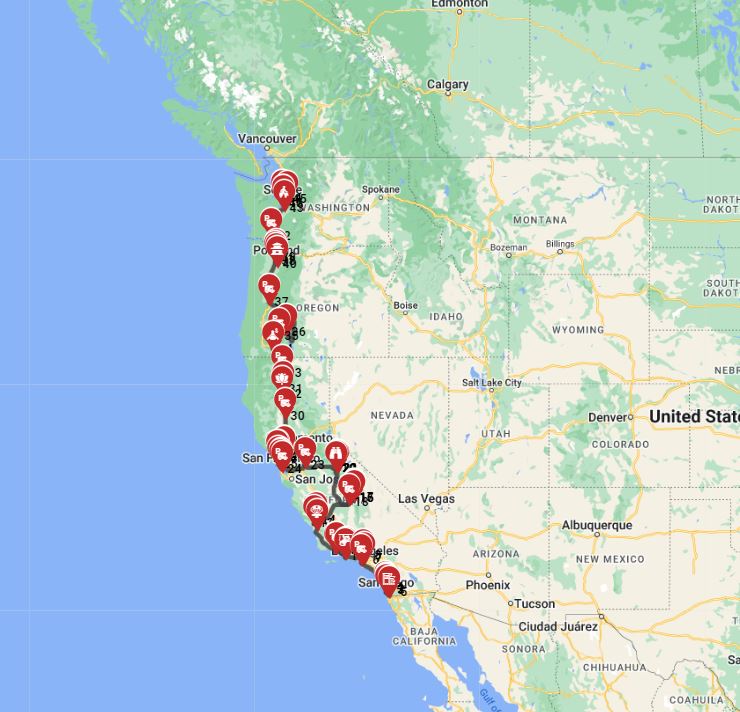
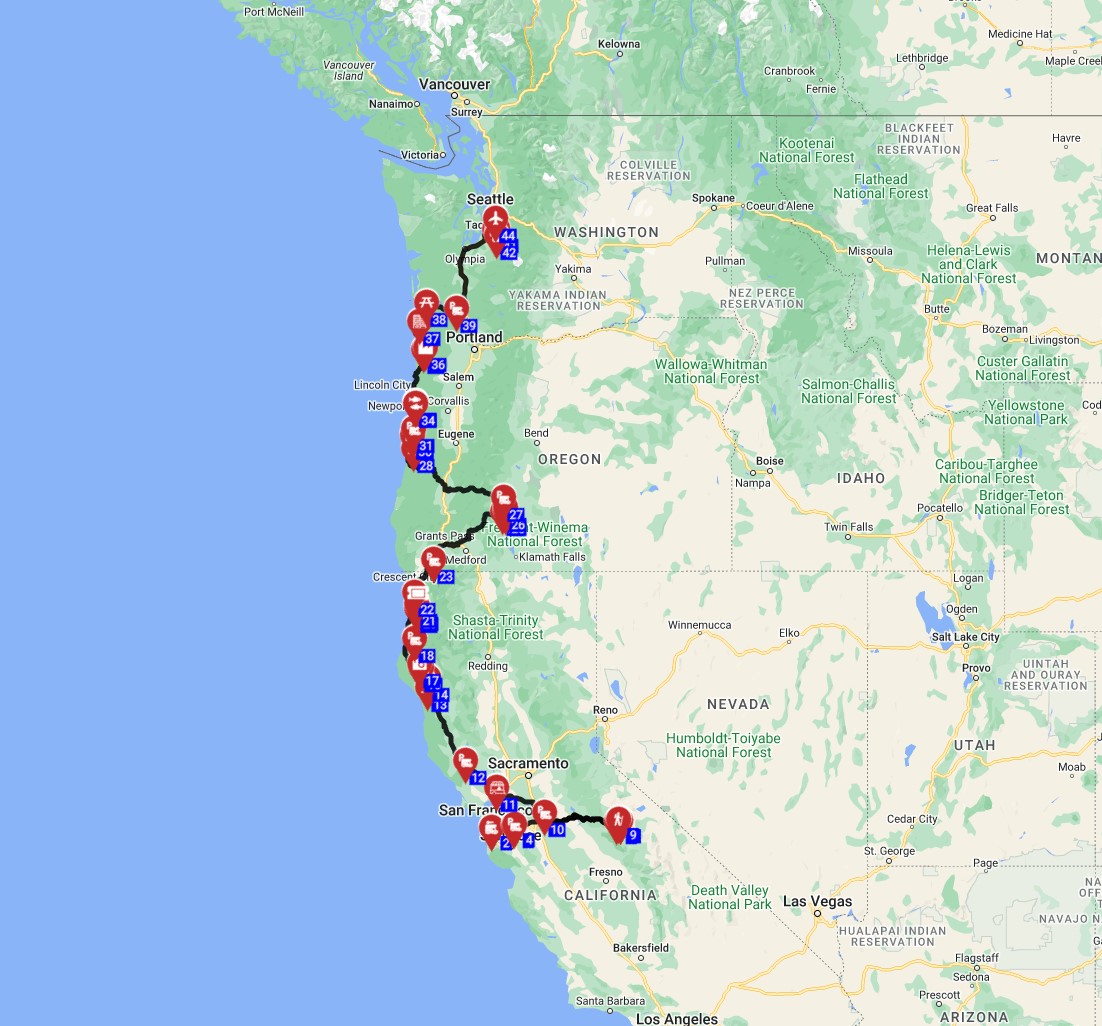
The best time to RV in California significantly depends on your desired activities and destinations, as the state experiences diverse climates and seasonal phenomena, but spring (April-May) and fall (September-October) often offer ideal weather and fewer crowds. Spring in California provides pleasant temperatures across many regions, making it excellent for desert wildflowers, coastal drives, and exploring national parks before the peak summer rush. Fall offers cooler temperatures, stunning fall foliage in mountain regions like the Eastern Sierra, and a reduction in tourist crowds, which can lead to easier campground reservations. Summer (June-August) is peak season, ideal for high-elevation mountain parks (like Yosemite above 8,000 feet) and beaches, but comes with higher temperatures in inland areas, significant crowds, and the highest demand for RV rentals and campsites, making booking even more critical. Winter (November-March) is best for desert regions like Palm Springs or Death Valley, or for skiing in the Sierra Nevada, though many mountain roads and campgrounds may be closed due to snow. If you're considering an extended journey up the Pacific coast, the
What are some hidden gem RV spots in California
Beyond the well-known national parks, California offers numerous "hidden gem" RV spots, including lesser-known state parks, county parks, and dispersed camping areas that provide unique experiences and fewer crowds. Prairie Creek Redwoods State Park, offering scenic RV camping among giant redwoods, often provides a more tranquil experience than its national park counterparts, with many sites suitable for a Class C motorhome up to 7 meters. Anza-Borrego Desert State Park, especially its dispersed camping options on designated washes and primitive campgrounds, allows for unique stargazing and off-road exploration during the cooler months, away from typical tourist hotspots, and is perfect for self-contained campervans. The Eastern Sierra region, particularly outside the main Yosemite entrances, features numerous county and national forest campgrounds like those near June Lake, offering stunning mountain views and access to hiking and fishing with fewer crowds. Pismo Beach North Beach Campground allows for RV camping directly adjacent to the beach with ocean views, a less common offering in California that provides a unique coastal experience for a romantic couples' trip. For inspiration on exploring these and other incredible locations, our Rent&Plan service at rvplan.net offers 1,300+ pre-planned routes across 5 continents, including detailed itineraries for the USA, complete with points of interest and activity suggestions like those found in the
What is the best RV type for California travel
The best RV type for California travel depends heavily on your specific itinerary, group size, and comfort preferences. Class B campervans are ideal for solo travelers or couples seeking flexibility and easy navigation through cities and narrow mountain roads, offering better fuel efficiency (e.g., 10-15L/100km) but limited amenities. For instance, a small "Category Van" is ideal for a couple, offering front air conditioning, shower, and toilet, making it perfect for intimate trips. Class C motorhomes provide a good compromise, suitable for families or small groups (e.g., a "CA-25" accommodates 5 people and has a 151 Liter fresh water tank), offering more amenities than Class B and easier handling than larger Class A vehicles, making them versatile for California's state parks and coastal routes. Class A motorhomes offer the most luxury and space, best suited for longer trips with larger groups (e.g., a "Class A - Thor ACE 30" sleeps 6 with seat belts for 7) and when comfort is a priority, though they can be challenging to navigate on smaller roads or find parking in crowded areas. Remember, Bandana RV exclusively rents motorhomes and campervans, so you won't find travel trailers or towable RVs in our selection. For a broader perspective on RV options, consult our "RV Rental USA - Complete Guide 2024" which covers various types across the country.
How do you prepare for RV emergencies in California
Preparing for RV emergencies in California involves creating a comprehensive emergency kit, understanding potential environmental hazards like wildfires, and having a communication plan for areas with limited cell service. An emergency kit should include a well-stocked first-aid kit, basic vehicle repair tools, extra water (at least 5 gallons/19 liters per person per day) and non-perishable food, flashlights, a tire repair kit, and jumper cables. Familiarize yourself with California's wildfire season (typically late spring through fall) and monitor local fire danger ratings, understanding evacuation routes and fire restrictions in your planned travel areas, particularly around national forests and parks. Develop a communication strategy for remote areas, such as carrying a satellite messenger or informing friends/family of your itinerary, as cell service can be unreliable in national parks and mountainous regions. Enroll in a roadside assistance program specific to RVs, as breakdowns for larger vehicles can be more complex and costly. Keep emergency contact numbers readily accessible, including the California Highway Patrol (911 for emergencies) and your RV rental supplier. Bandana RV offers supportive pre-booking assistance and post-booking coordination, ensuring you have the resources needed to prepare for a safe and enjoyable journey.
What You Shouldn't Miss
- Coastal Drives on Highway 1: Drive a comfortable campervan along Highway 1 from San Francisco to Big Sur, enjoying dramatic ocean vistas and picturesque towns like Carmel-by-the-Sea.
- Yosemite National Park's Majesty: Explore Yosemite Valley's iconic waterfalls and granite cliffs, reserving your campground spot well in advance during peak season for guaranteed access to these natural wonders.
- Wine Tasting in Napa Valley: Park your RV at a nearby resort or designated RV park and indulge in a romantic day of wine tasting and gourmet dining in California's renowned wine country.
- Desert Serenity in Joshua Tree: Experience the unique landscape of Joshua Tree National Park, especially at sunset, where the yucca trees stand silhouetted against vibrant skies, offering a truly magical setting for couples. Many campgrounds here are first-come-first-serve.
- San Diego's Urban Beaches: Enjoy the relaxed beach vibe of San Diego, from Coronado Island's white sands to the vibrant Gaslamp Quarter, easily accessible with a smaller rented motorhome.
Looking for expert insights from Avi Bandana? Top 5 Adventures - recommendations from Avi Bandana
Avi Bandana, our founder, often shares his favorite RV adventures, emphasizing immersive experiences. He recommends exploring California's less-traveled routes, "to truly feel the place, connect to the culture, the food, and the scenery," he advises. For couples, his top pick might be a multi-week exploration of California's state parks, perhaps combining coastal drives with the serene beauty of the Eastern Sierra. The flexibility of a rented campervan allows for spontaneous detours to local farmers' markets or hidden beaches, truly embodying the "Life is now!" philosophy. He also highlights the importance of connecting with local communities and trying regional cuisines, making every meal an adventure.
Why Book with Bandana Caravan
Full Transparency, No Surprises
We believe in clear communication and honest pricing. With Bandana Caravan, the price you see is the price you pay, with no hidden fees or unexpected charges when you pick up your rented motorhome in California. We ensure full price transparency, just like we'd expect for ourselves.
24/7 Support for Your Peace of Mind
Our commitment to you starts long before your trip begins. From comparing quotes to assisting with your booking and post-booking coordination, our dedicated team is here 24/7 to support you. We want you to feel confident and well-prepared for your California RV adventure.
True RV Specialists at Your Service
Bandana Caravan is not a side project of a large travel agency; we are true RV specialists. Our team lives and breathes motorhome travel, with over 23 years of hands-on experience helping tens of thousands of travelers explore the world by RV since our founding in 2001. We genuinely know RV travel and love helping people discover it.
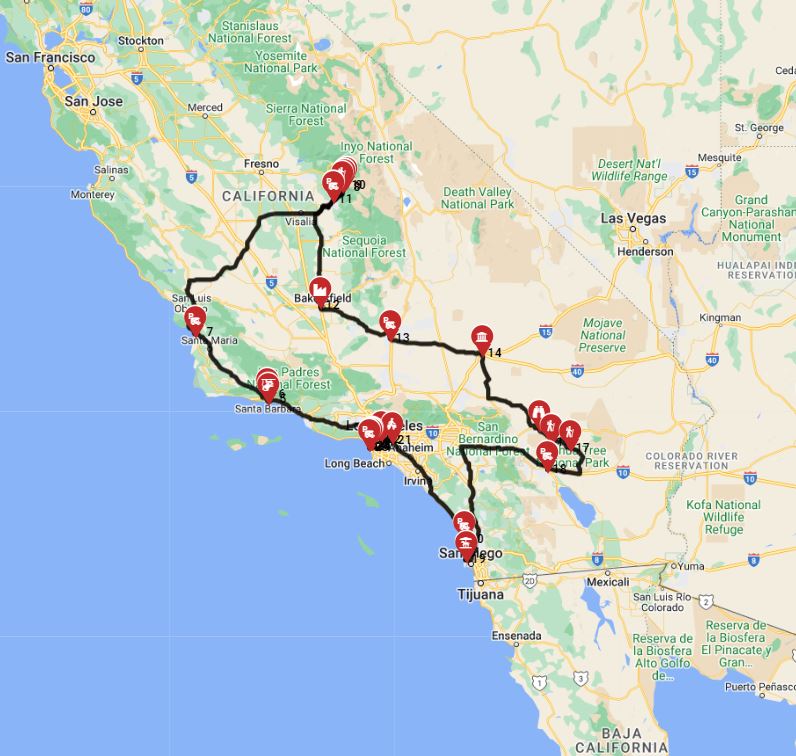
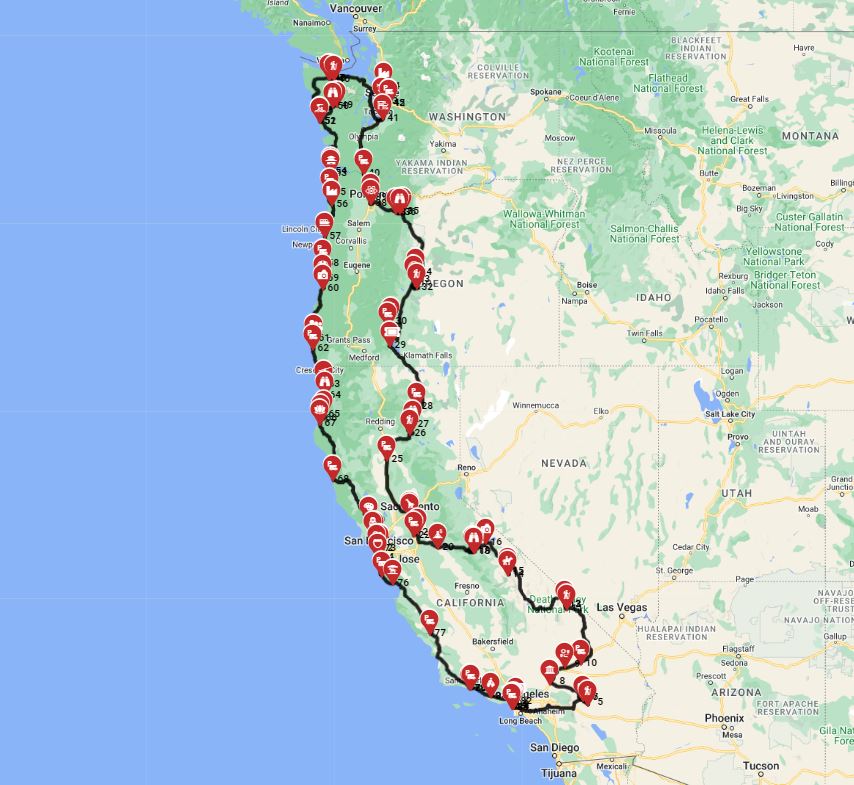
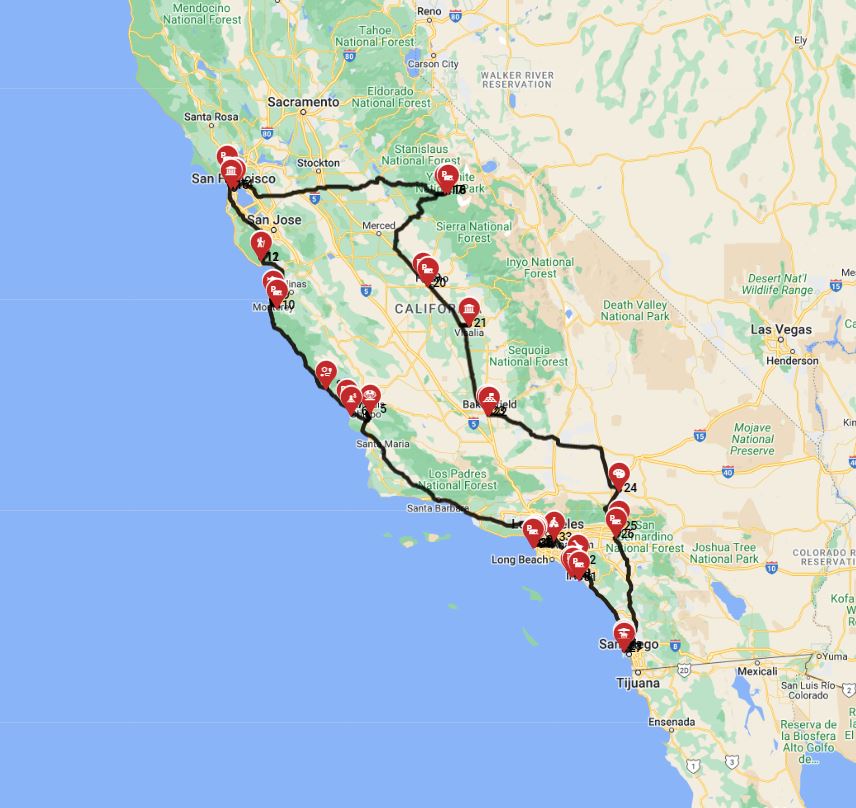
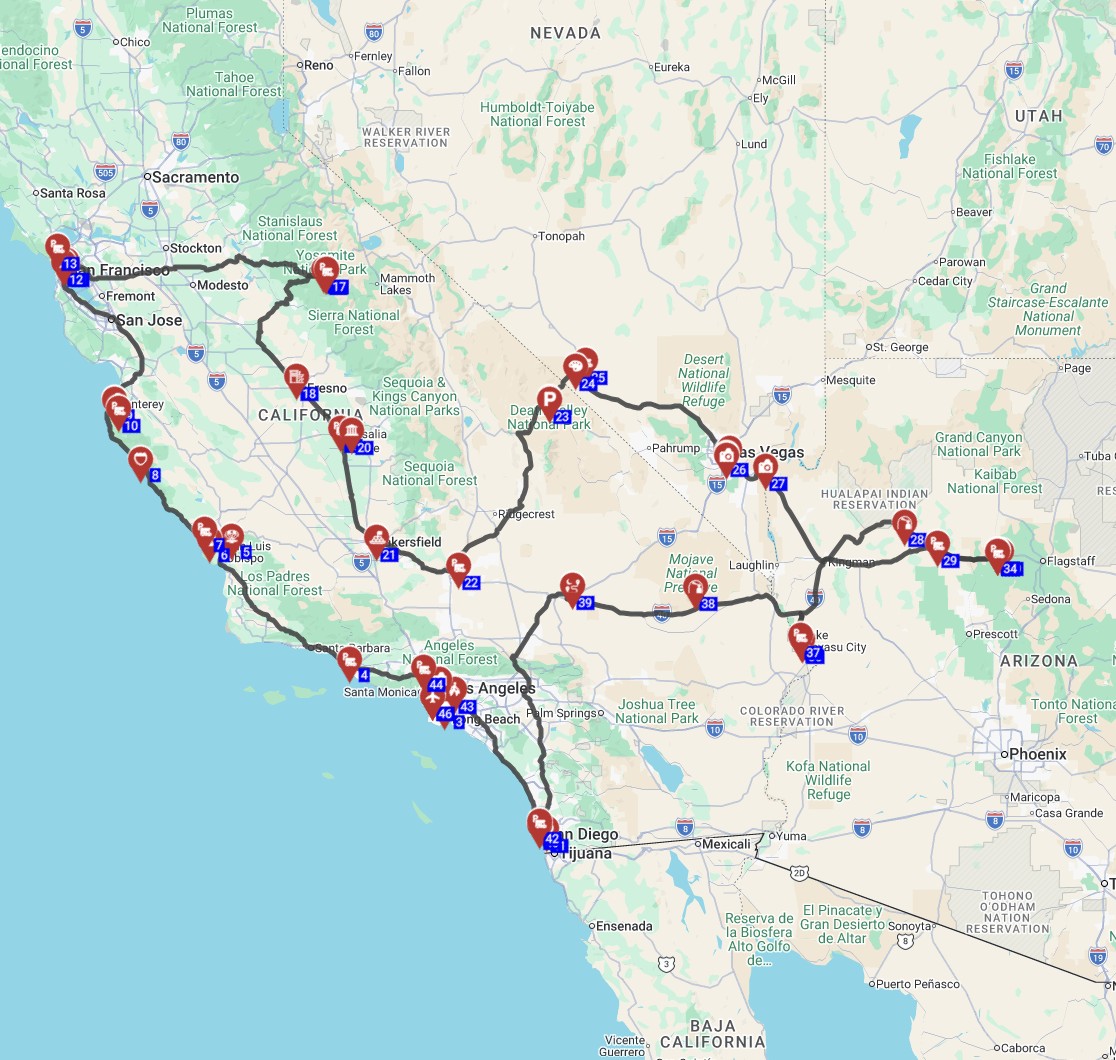
Exclusive Rent&Plan Routes
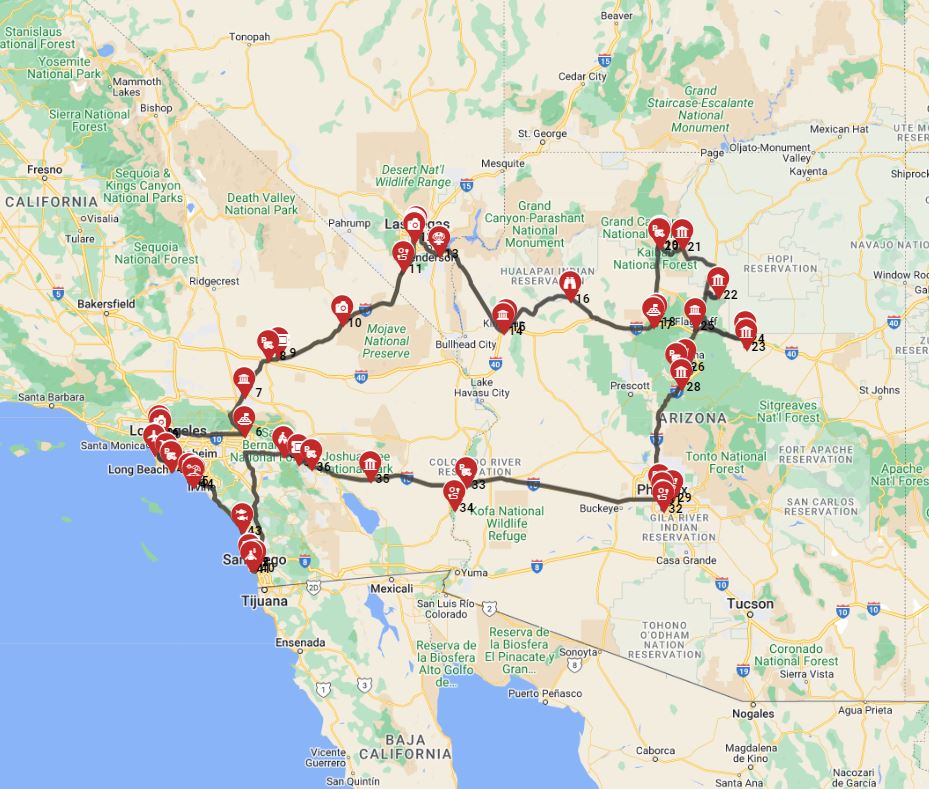
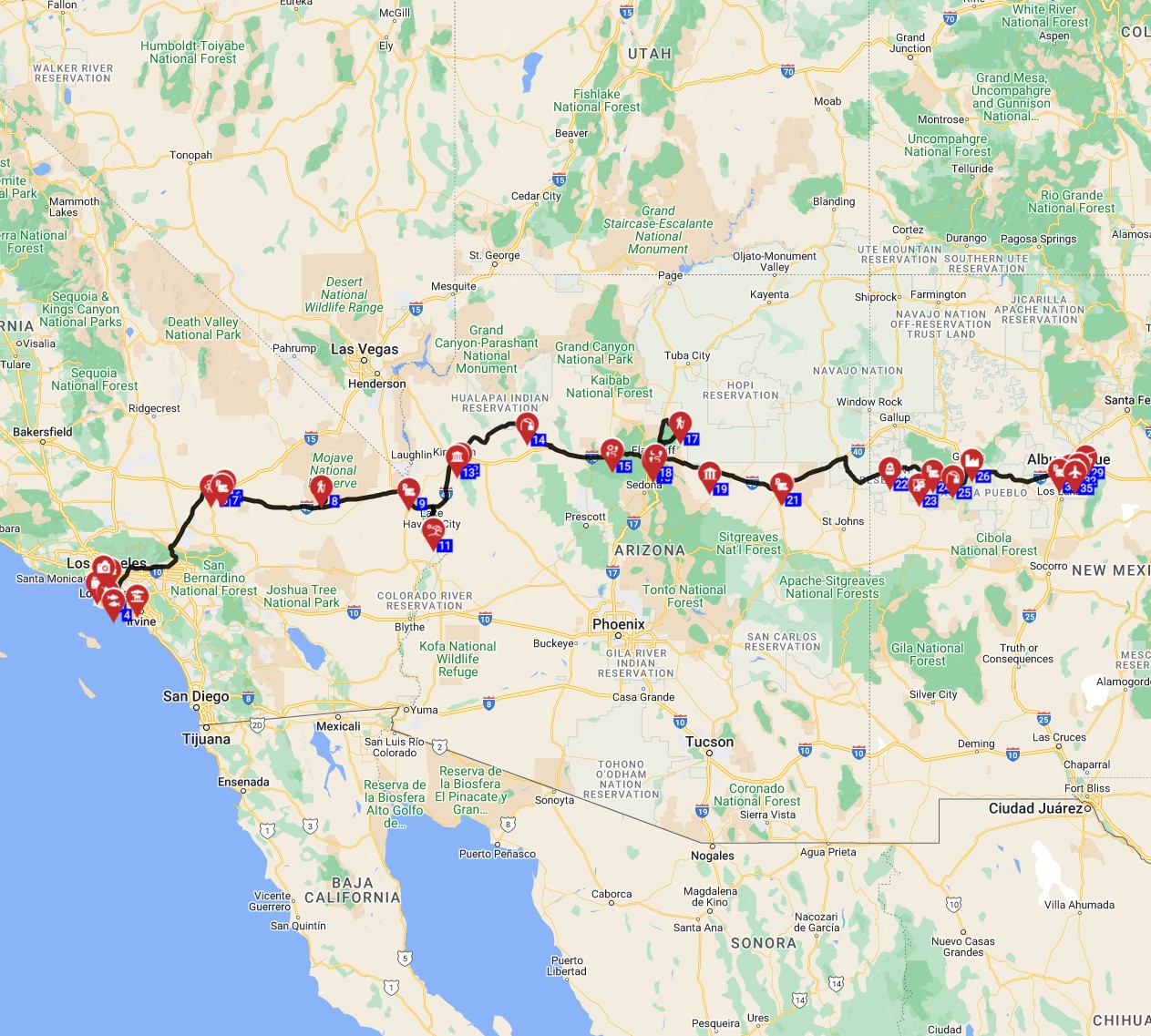
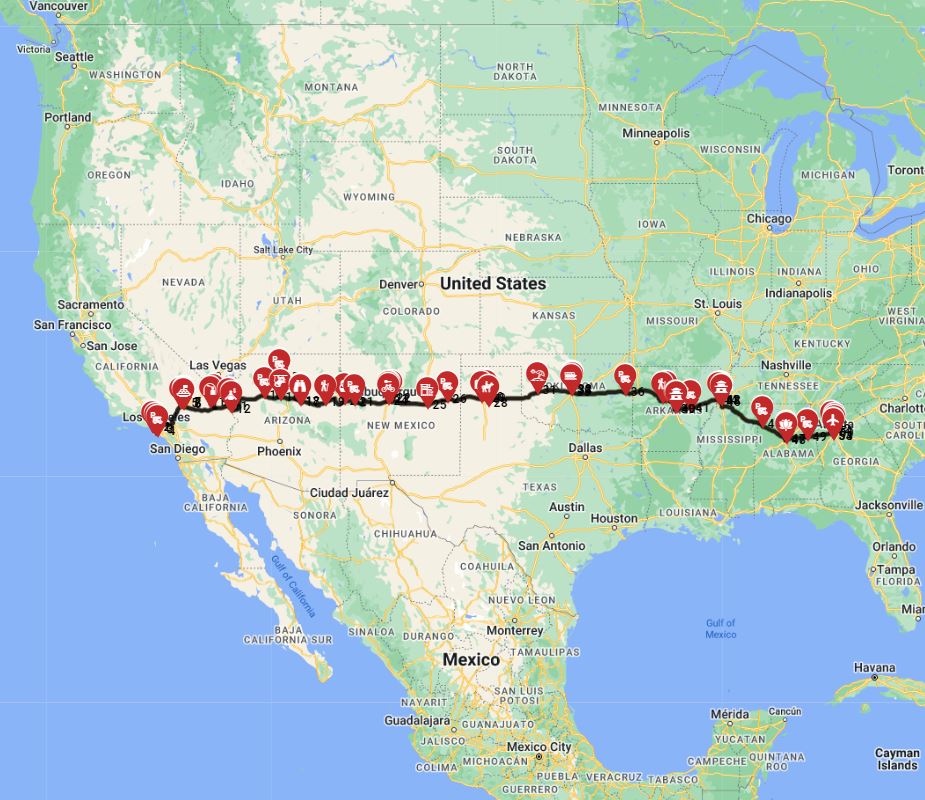
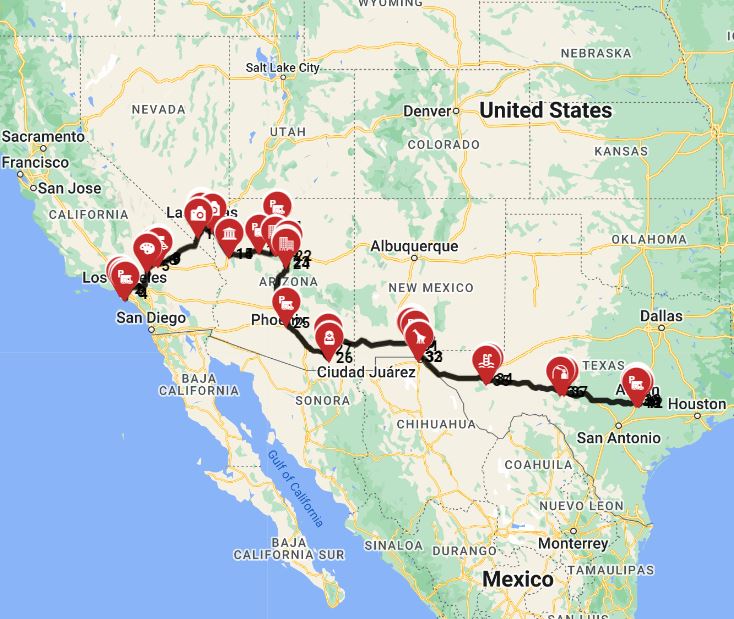
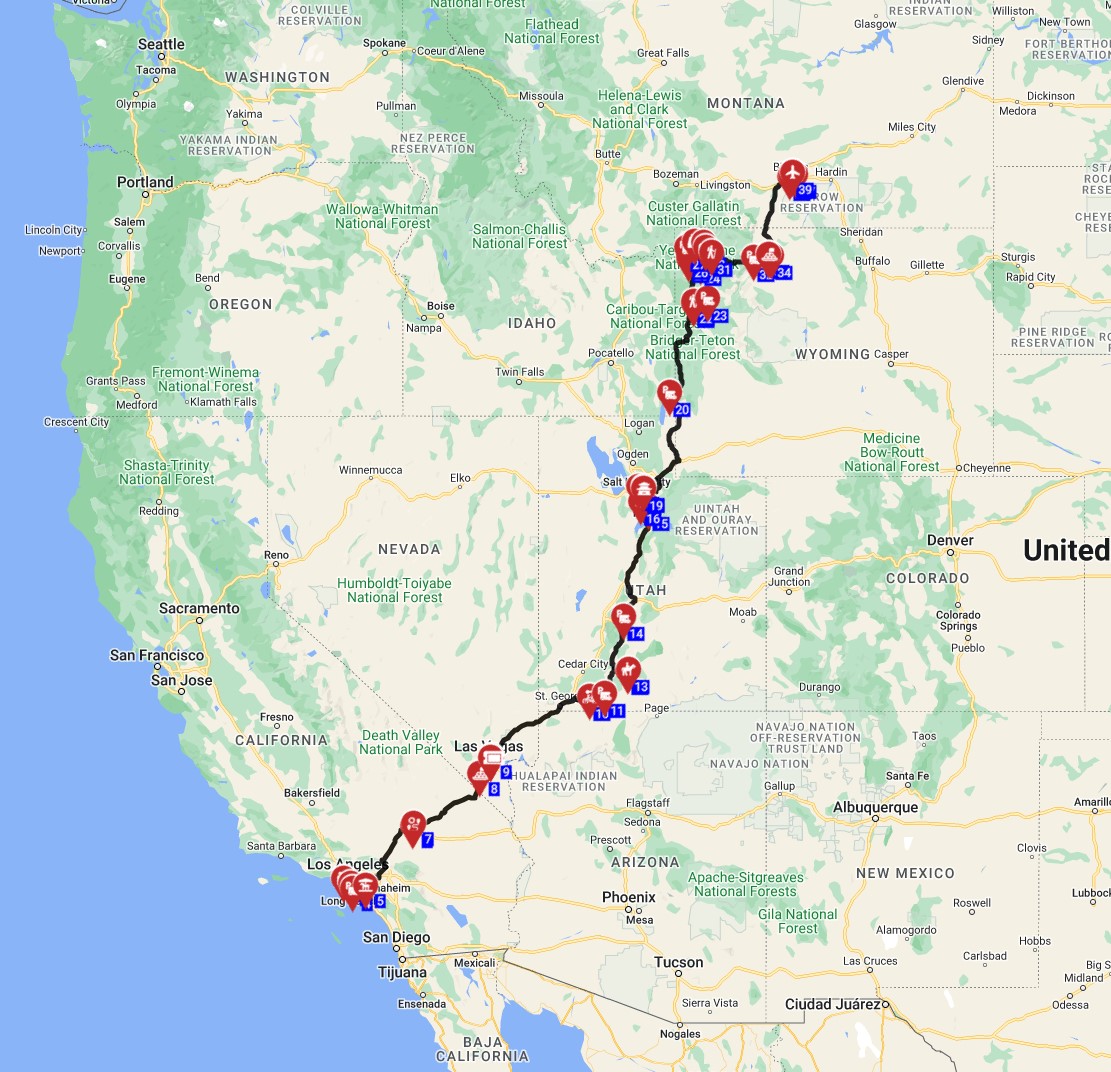
Planning your romantic California getaway is effortless with our exclusive Rent&Plan service. Through our sister company, RV PLANET (rvplan.net), we offer access to over 1,300 pre-planned routes across 5 continents, meticulously crafted by professionals. Plus, enjoy a 25% planning discount when you use rvplan.net to organize your trip, making your journey from
Bandana Caravan has direct partnerships with over 50 leading RV suppliers worldwide, including trusted names like El Monte, Cruise America, Apollo, and Britz. We offer bookings in more than 30 currencies with complete price transparency, covering 50+ countries with local expertise and support. You can trust our extensive network and deep experience to provide an exceptional RV rental experience.
Final Thoughts
Embarking on a romantic RV adventure through California promises memories that will last a lifetime. Imagine waking up with your loved one to a new, breathtaking view each morning, whether it's the golden glow of a desert sunrise or the mist rolling in from the Pacific. A rented motorhome provides the perfect blend of freedom, comfort, and intimacy, allowing you to explore at your own pace and truly connect with each other and the incredible landscapes around you. Remember our tips for planning, driving, and camping, and know that Bandana Caravan is with you every step of the way, offering transparent pricing and expert advice. You’re not just renting a vehicle; you’re unlocking a world of shared experiences and unforgettable moments.
So, pack your bags, choose your perfect rented campervan or motorhome, and get ready to create your own unique love story on the open roads of California. The Golden State is waiting to enchant you with its endless beauty and romantic possibilities. We are here to ensure your journey is seamless and filled with joy.
Compare Motorhome Prices for California Now and start planning your dream couples' retreat today!