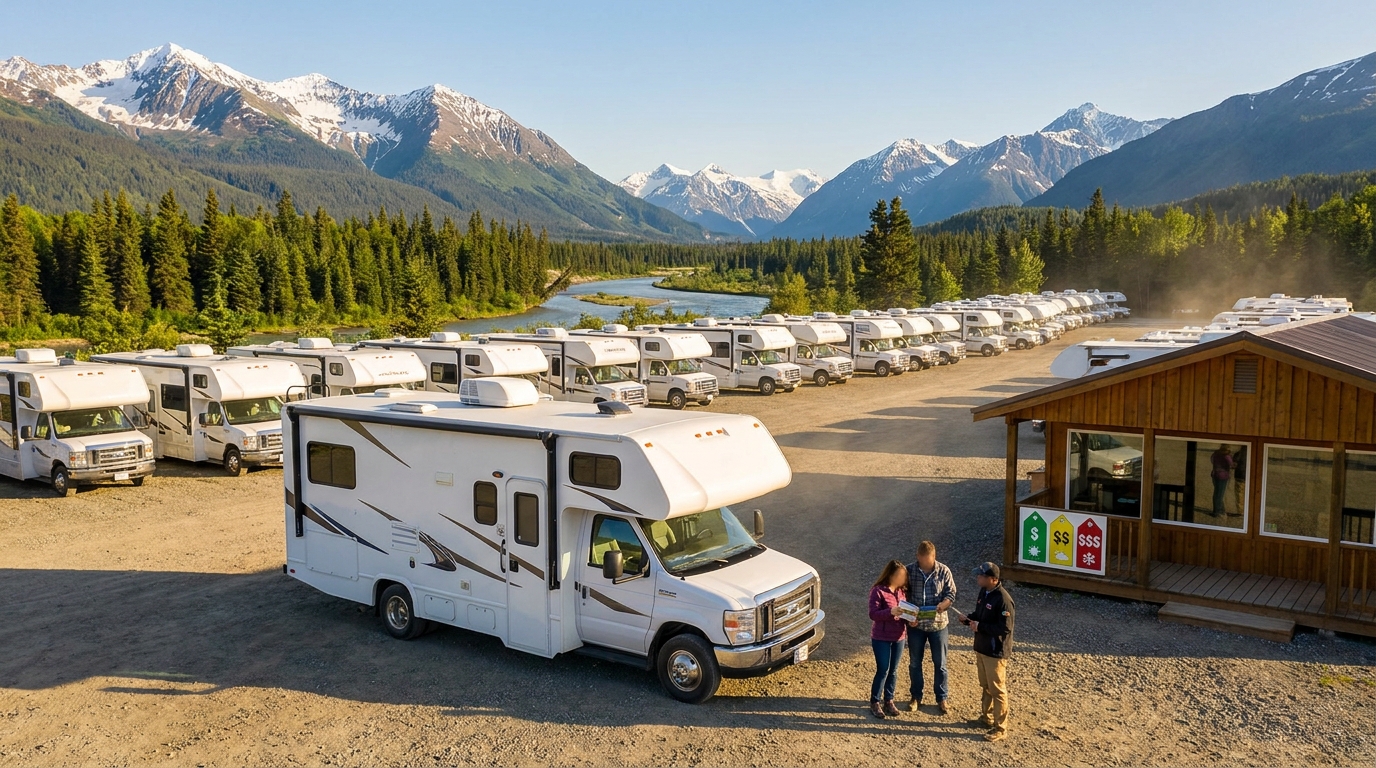
For live availability and current prices, start with our RV Rental Alaska - Complete Guide 2026 guide.
In This Guide
- Top 5 Tips for Rv Rental in Alaska
- Before You Book - Class, Dates, Insurance
- Pre-Trip Prep - Packing Checklist for Alaska
- On the Road - Driving, Fueling, Navigation
- At the Campground - Setup, Hookups and Etiquette
- Rv Rental-Specific Tips for Alaska
- Common Mistakes to Avoid in Alaska
- What is the 3-3-3 rule for RVs?
- What is the 4-4-4 rule for RV travel?
- Should I rent an RV in Alaska?
- What do I need to know before renting an RV?
- How much rent RV in Alaska average cost?
- Is it cheaper to rent an RV or stay in a hotel?
- What is the best time of year to RV to Alaska?
- What not to forget on an RV trip?
Imagine yourself amidst the vast, breathtaking wilderness of Alaska, where towering mountains meet glittering glaciers and wildlife roams free. An RV trip in Alaska offers an unparalleled opportunity for couples to share an intimate, unforgettable adventure, transforming a mere vacation into a journey of discovery and connection. With a rented motorhome or campervan, you set your own pace, choosing where to linger and what hidden gems to uncover.
For live availability and current prices, start with our RV Rental Alaska - Complete Guide 2024 guide. At Bandana RV, we specialize in helping you navigate the unique world of RV travel, particularly in a destination as grand as Alaska. We believe in full transparency, meaning no hidden fees and no surprises, so you can focus on the adventure ahead. You can always compare final prices across suppliers directly on our platform, ensuring what you see is truly what you pay.
Top 5 Tips for Rv Rental in Alaska
Securing your ideal RV for an Alaskan adventure requires foresight and careful planning, especially when considering the state's unique environment. First, book early, particularly for summer travel (June-August), to guarantee preferred RV models and dates, as availability can be limited and prices dynamic. Second, choose an RV class suitable for Alaskan terrain and your travel style; consider Class B campervans or smaller Class C motorhomes for better maneuverability and efficiency on diverse roads. Third, pack layers of clothing, robust emergency supplies, and a comprehensive first-aid kit for the state's famously variable weather and remote conditions. Fourth, meticulously plan your route with frequent fuel stops and service areas in mind, because stretches between amenities can be surprisingly long. Finally, familiarize yourself with wildlife safety protocols, particularly regarding bears and moose, and commit to practicing Leave No Trace principles to preserve Alaska's pristine wilderness for everyone.
Before You Book - Class, Dates, Insurance
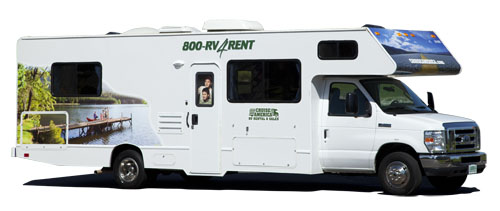
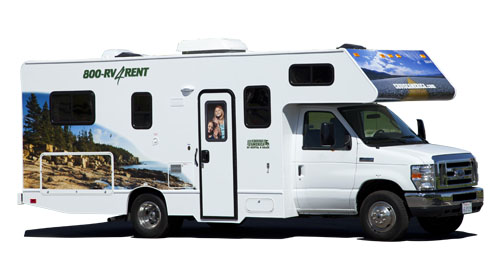
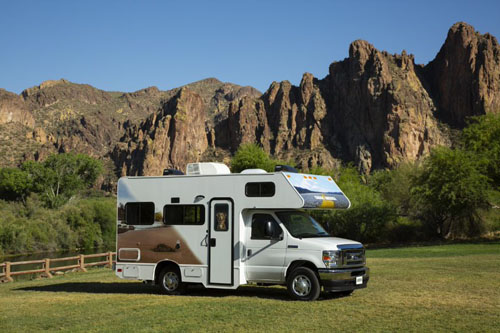
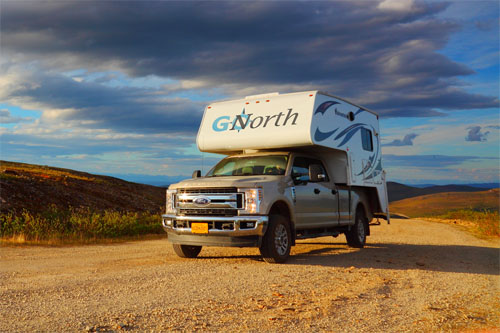
Selecting the right RV for your Alaskan adventure involves considering your group size, desired comfort, and the types of roads you plan to travel. For couples, a smaller Class B campervan, like the rv rental denver example Category Van, is ideal, offering nimble handling and easy parking, often equipped with a shower and toilet. Families might prefer a Class C motorhome, such as a "cruise america rv rental example Explorer", which balances size and maneuverability with more living space and amenities like a larger refrigerator and gas stove. While 4x4 options like a "4x4 Truck Camper Gold" can offer better ground clearance for truly off-the-beaten-path experiences, most paved highways are accessible by standard motorhomes. Peak season for RV rental in Alaska is typically June through August; booking 6-12 months in advance is highly recommended to ensure availability and potentially better rates. Standard car licenses are sufficient for all our motorhome classes, but an International Driving Permit (IDP) is recommended for international visitors. Basic insurance is always included, but you can upgrade to a top-level deductible for extra peace of mind directly on our platform, providing greater financial protection for your trip.
🎬 Video coming soon
Pre-Trip Prep - Packing Checklist for Alaska
A well-prepared packing list is essential for a comfortable and safe RV trip through Alaska's diverse climates and remote areas, ensuring you're ready for anything the Last Frontier throws your way. You'll encounter significant temperature swings, from warm days to chilly nights, even in summer, along with potential lack of connectivity. Here's what to consider packing:
- Clothing:
- Layers (base, mid, outer/rainproof)
- Warm hat, gloves, scarf
- Waterproof hiking boots
- Extra socks
- Quick-dry clothing
- Kitchen:
- Non-perishable food items
- Reusable water bottles/jugs
- Coffee/tea supplies
- Basic cooking utensils (check what's included with rental)
- Biodegradable soap
- Safety:
- Comprehensive first-aid kit (including bear spray if comfortable carrying and trained)
- Satellite phone or personal locator beacon (PLB) for remote areas
- Headlamps/flashlights with extra batteries
- Roadside assistance contact information
- Offline maps (e.g., downloaded on phone, paper maps)
- Emergency whistle
- Documents:
- Driver's license and passport/ID
- RV rental agreement
- Insurance documents
- Campground reservations
- Copies of important documents
Planning your meals and cooking in your rented RV is a fantastic way to save money and enjoy fresh food amidst stunning scenery. You can find inspiration and practical ideas in our RV-friendly recipes playlist.
On the Road - Driving, Fueling, Navigation
Navigating Alaska by RV requires awareness of unique road conditions, extended distances between services, and specific driving practices to ensure a smooth and enjoyable journey. Alaskan roads can vary significantly, from well-maintained paved highways to extensive gravel surfaces, and frost heaves are common even on major routes, so it’s essential to drive defensively and be prepared for sudden changes in the road. Drive slowly and carefully, and you can drive almost anywhere without issues. No need to stress - just use common sense and pay attention. Fuel stations can be sparse on some stretches, especially on routes like the Alaska Highway or Dalton Highway, so always top off your tank when opportunities arise and consider carrying extra fuel if venturing into very remote areas. Cell service is often limited outside major towns, making offline maps, a dedicated GPS device, or even traditional paper maps essential for reliable navigation and safety; considering a satellite phone for emergency communication is a smart move for deep wilderness travel. Always be vigilant for wildlife, including moose, caribou, and bears, especially at dawn and dusk; know how to react to animal crossings and maintain appropriate distances to ensure both your safety and theirs.
At the Campground - Setup, Hookups and Etiquette
Setting up your RV at an Alaskan campground involves a systematic approach to ensure comfort and proper functioning, while also respecting the local environment and fellow campers. Upon arrival, first position your rented RV on a level spot, then deploy leveling blocks as needed, and extend any slide-outs if your model has them. Connect your hookups in the following order: secure the sewer hose, then attach the fresh water hose, and finally, plug in the electrical cord, ensuring all connections are tight and leak-free. Familiarize yourself with campground-specific rules regarding quiet hours, generator use, and campfires, which are crucial for maintaining a peaceful environment and showing consideration for other campers. Always practice Leave No Trace principles, especially in Alaska's pristine wilderness, by properly disposing of all waste, minimizing your environmental footprint, and being consistently mindful of local wildlife.
Rv Rental-Specific Tips for Alaska
Choosing the right rented RV can significantly enhance your Alaskan adventure, whether you're traveling as a couple, family, or with a specific budget or luxury in mind. For couples seeking a romantic getaway, a compact Class B campervan, like an alaska rv rental example Paradise S/T, or a smaller Class C motorhome like an "alaska rv rental example Category B", offers intimacy and ease of handling. These models often feature a comfortable double bed, a compact kitchen, and a private shower and toilet, perfect for cozy evenings. For families, choose a motorhome with sufficient sleeping capacity and consider models with a dinette or seating area separate from the cab, allowing kids to relax or nap during drives, along with full amenities to reduce reliance on public facilities. Budget-conscious renters can look for smaller, more fuel-efficient RVs, plan meals to cook onboard, and utilize free overnight camping spots (boondocking) on public lands after researching local regulations, saving significantly on accommodation costs. Luxury seekers should explore premium Class A motorhomes or high-end Class C models offering amenities like slide-outs for increased living space, upgraded kitchen appliances, integrated entertainment systems, and robust heating systems for cooler Alaskan nights. Regardless of your profile, ensure your chosen rented RV has adequate fresh water and waste tank capacities for potential boondocking and strong heating systems, which are vital for comfortable Alaskan nights.
Common Mistakes to Avoid in Alaska
Many first-time RV renters to Alaska make common mistakes that can impact their trip; being aware of these can ensure a smoother, more enjoyable journey. Overpacking is a frequent error; instead, pack versatile layers and essentials, utilizing your RV's storage efficiently while always keeping weight in mind, especially for models with a 1,500-pound cargo capacity. Underestimating driving distances and the time between services can lead to stress and missed opportunities; instead, plan realistic daily itineraries, factoring in slower speeds on unpaved roads and frequent stops for fuel and sightseeing, adhering to our recommendation of max 100-150 km per day. Ignoring wildlife safety protocols is dangerous in Alaska; instead, educate yourself on bear and moose safety, store all food properly, and maintain a safe distance from all animals, typically 25 yards for most wildlife and 100 yards for bears. Failing to book campgrounds in advance, particularly during peak summer season, can leave you without a spot; while many national and state parks offer 25-30% first-come-first-serve sites, it's wise to call ahead before driving long distances. Relying solely on cell service for navigation and communication is risky in Alaska's remote areas; instead, download offline maps, carry a physical paper map, and consider a satellite communication device for emergencies. Lastly, neglecting vehicle suitability for Alaskan terrain can lead to issues; instead, choose an RV with appropriate ground clearance for your planned route, and always check tire pressure and fluid levels before setting out, as some gravel roads can be challenging.
What is the 3-3-3 rule for RVs?
The 3-3-3 rule for RVs is a popular guideline advising travelers to drive no more than 300 miles a day, arrive at their destination by 3 PM, and stay for at least 3 nights. This rule is designed to promote a relaxed travel pace, allowing more time for sightseeing, enjoying campgrounds, and avoiding driving fatigue, which is especially beneficial on longer trips or through scenic areas like Alaska. While a general guideline, the 3-3-3 rule can be particularly useful in Alaska where scenic stops are frequent, road conditions can be variable, and wildlife encounters require attentiveness, encouraging a slower, more immersive experience rather than rushing through destinations. Adhering to this rule helps prevent burnout, reduces the stress of setting up and breaking down camp daily, and offers flexibility for unexpected delays or spontaneous adventures.
What is the 4-4-4 rule for RV travel?
The 4-4-4 rule for RV travel is an alternative guideline suggesting driving no more than 400 miles a day, arriving at your destination by 4 PM, and staying for at least 4 nights, offering a slightly more aggressive pace than the 3-3-3 rule. Similar to the 3-3-3 rule, the 4-4-4 approach aims to balance travel time with relaxation and exploration, allowing for deeper engagement with each location. For an Alaskan RV trip, this rule provides a framework for managing long distances between towns and attractions, ensuring sufficient time to experience the vast wilderness and unique local cultures without feeling constantly rushed. It also helps in securing campsites, as arriving earlier increases chances, and a longer stay reduces the frequency of packing and unpacking, offering a more stable base for day trips and local immersion.
Should I rent an RV in Alaska?
Renting a motorhome or campervan in Alaska is highly recommended for those seeking a flexible, immersive, and profoundly connected experience with the state's vast wilderness and unique culture. An RV offers the freedom to explore at your own pace, venture off the main tourist routes to discover local communities and hidden gems like the "alaska rv rental example Paradise Family 5", and fully embrace the solitude and grandeur of Alaskan landscapes. This mode of travel provides a unique opportunity for wildlife viewing directly from your mobile basecamp and allows for spontaneous stops at scenic overlooks or trailheads, fostering a deeper connection to nature. While it presents unique challenges like navigating remote roads, preparing for varying weather, and understanding wildlife etiquette, these aspects contribute to the transformative sense of adventure that RVing in Alaska offers, making it a truly rewarding way to experience the Last Frontier. It also provides self-sufficiency in areas with limited services and greater flexibility to adapt to weather changes or unexpected discoveries, enhancing the overall journey.
For more insights, consider viewing our "RV Travel Guide to Alaska - Tips and Top Spots 2024".
What do I need to know before renting an RV?
Before renting an RV for your Alaskan adventure, it's crucial to understand the available vehicle types, specific rental agreement details, comprehensive insurance options, and the practicalities of RV operation. Research different motorhome classes like Class B campervans (e.g., a "hire campervan example Paradise S/T") or Class C motorhomes (like a "rent motorhome example E3") to determine which best suits your group size, budget, and comfort preferences, considering factors like maneuverability and amenities. Carefully review the rental agreement for mileage limits, generator usage fees, pet policies, specific pickup/drop-off procedures, and any restrictions on travel to certain areas, particularly unpaved roads in Alaska. Understand your insurance coverage options; basic liability is usually included, but consider additional collision damage waivers or personal property insurance for extra peace of mind and the top-level deductible reimbursement we offer as an optional upgrade. Familiarize yourself with basic RV systems, including how to operate the water pump, electrical hookups, sewage tanks, and appliances, as this knowledge will be essential for a smooth trip. For Alaska, specifically inquire about the rented RV's cold-weather capabilities, tire condition for potentially rougher roads, and any recommended emergency equipment the rental company provides or suggests carrying. Our comprehensive "RV Rental USA - Complete Guide 2024" also provides valuable context for broader travel within the United States.
How much rent RV in Alaska average cost?
The average cost to rent an RV in Alaska varies significantly based on factors such as RV class, rental season, duration, and included amenities, and like flight tickets, prices are dynamic and change daily. Expect daily rental rates to range from approximately $150 to $400 USD or more, with Class C motorhomes typically falling in the $200-$300 range during peak summer months (June-August). Peak season rentals are generally more expensive due to high demand, while shoulder seasons (May, September) might offer slightly lower rates. Longer rental periods often come with discounted daily rates, and additional costs like mileage fees (often per-mile over a certain allowance), generator usage fees, preparation fees, and optional insurance can add significantly to the total trip cost. Factoring in fuel costs, which can be higher in remote Alaskan areas, campsite fees (averaging $20-$50 per night), and potential one-way drop-off fees, a two-week RV trip in Alaska could easily range from $3,000 to $7,000+ depending on choices and itinerary. Booking well in advance (6-12 months) and comparing quotes from multiple providers can help secure better rates and ensure availability for your desired dates and RV type. For detailed budgeting and tracking all ancillary costs, RV PLANET routes allow travelers to itemize and track every expense along the way. On the routes offered through RV PLANET routes, you can itemize and track every expense along the way for easy budgeting.
You can find more pricing insights in our "RV Rental Deals in Alaska - Latest Offers 2024" and "Weekly RV Rental in Alaska - Pricing 2024" guides.
Is it cheaper to rent an RV or stay in a hotel?
Whether it's cheaper to rent an RV or stay in a hotel in Alaska depends on several variables, including trip duration, group size, travel style, and specific choices for accommodation and dining. For families or groups of 4-6 people, an RV can often be more cost-effective than booking multiple hotel rooms, as it consolidates accommodation and transportation costs into one package. While the upfront RV rental cost, fuel, and campsite fees can seem substantial, the ability to cook your own meals in a rented RV significantly reduces dining expenses compared to eating out for every meal, which is a major cost saving. In Alaska, where hotel options can be limited and expensive in remote areas, an RV provides flexible and often more affordable lodging with access to stunning natural locations that hotels simply can't offer. However, for solo travelers or short trips focused solely on cities, a hotel might sometimes be less expensive, especially when considering the fuel consumption, hookup fees, and the initial learning curve of operating an RV. Ultimately, a rented RV typically offers better value for longer trips, larger groups, and those prioritizing flexibility and immersive experiences in nature, rather than strictly seeking the absolute lowest per-night accommodation cost.
What is the best time of year to RV to Alaska?
The best time of year to RV to Alaska for most travelers is during the peak summer months of June, July, and August, offering the warmest weather, longest daylight hours (up to 19 hours in Anchorage in June), and full availability of attractions and services. June and early July provide excellent opportunities for wildlife viewing, vibrant wildflowers, and fishing, with temperatures typically ranging from 50-70°F (10-21°C). Late July and August remain popular, featuring comfortable temperatures, ripe berries, and the start of fall colors in some northern areas, though rain can be more frequent. For those seeking to avoid peak crowds and potentially find lower rates, the shoulder seasons of May and September offer unique advantages. May showcases Alaska awakening from winter, with less crowded roads and attractions, burgeoning wildlife, and often clearer skies, though some services might have limited hours. September brings stunning fall foliage, especially inland, and excellent chances to see the Northern Lights as nights grow longer, though temperatures begin to drop and some seasonal businesses close by mid-month. Regardless of the month, RVing in Alaska requires preparedness for variable weather conditions, including rain and cooler temperatures, even in summer.
What not to forget on an RV trip?
On an RV trip, especially to a destination like Alaska, essential items often overlooked include robust emergency supplies, proper navigation tools, and provisions for off-grid living. Beyond standard clothes and toiletries, ensure you pack a comprehensive first-aid kit, vehicle-specific emergency tools (jumper cables, tire pressure gauge), and basic repair items for the rented RV. Crucially for Alaska, do not forget multiple layers of clothing for varying weather, waterproof gear, sturdy hiking boots, and bear spray (if comfortable and trained in its use) for wilderness excursions. For navigation, always have offline maps (digital and paper), a GPS device, and consider a satellite phone or personal locator beacon (PLB) due to limited cell service in vast areas. Essential provisions include extra water, non-perishable food items, a cooler for perishables, and a method for filtering or purifying water in remote areas. Other often-forgotten items include headlamps or flashlights with extra batteries, industrial-strength bug repellent (especially for Alaskan summers), binoculars for wildlife viewing, and a good quality camera to capture the stunning landscapes.
What You Shouldn't Miss
Alaska is a land of unparalleled natural beauty and adventure, offering countless experiences for RV travelers. For couples, the intimacy of exploring these vast landscapes together, from hiking to whale watching, is truly special. Here are some of Avi Bandana's top recommendations for your unforgettable journey:
- Drive the Seward Highway: This iconic 200-kilometer (125-mile) route between Anchorage and Seward is consistently ranked among the most scenic drives in North America, winding past mountains, glaciers, and coastal wildlife.
- Explore Denali National Park: Spend several days immersing yourselves in the wilderness of Denali. While private vehicles can only go so far, a rented RV is perfect for accessing the park entrance and its numerous hiking trails and bus tours. With 170+ sites at Riley Creek Campground, you'll find a spot to truly connect with nature.
- Experience Glacier Bay National Park: Although RVs can't drive directly into Glacier Bay, you can access boat tours from nearby Gustavus. The sight of massive tidewater glaciers calving into the sea is a truly humbling experience.
- Go wildlife viewing in Homer: Known as the "Halibut Fishing Capital of the World," Homer also offers incredible opportunities to see sea otters, bald eagles, and even bears on guided tours. RV parking is abundant, making it a perfect base.
- Discover the history of Fairbanks: Dive into the gold rush era, visit the Fountainhead Antique Auto Museum, and, if your trip extends into late August or September, chase the magnificent Northern Lights from your cozy motorhome.
- Take a scenic flightseeing tour: From Anchorage, Fairbanks, or Talkeetna, a flightseeing tour provides a breathtaking aerial perspective of Alaska's vast mountains, icefields, and wilderness, an unforgettable shared experience.
Looking for expert insights from Avi Bandana? Top 5 Adventures - recommendations from Avi Bandana
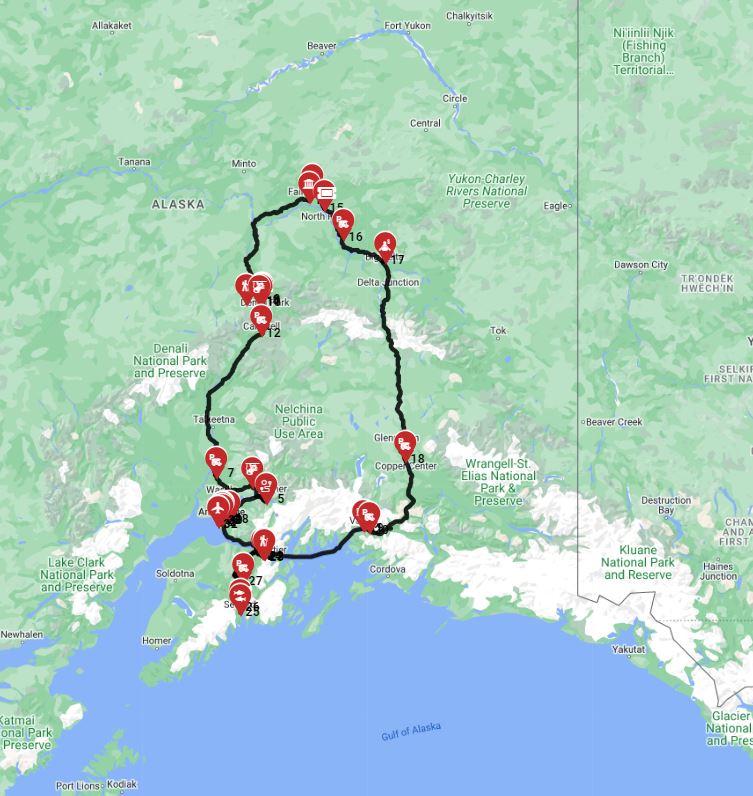
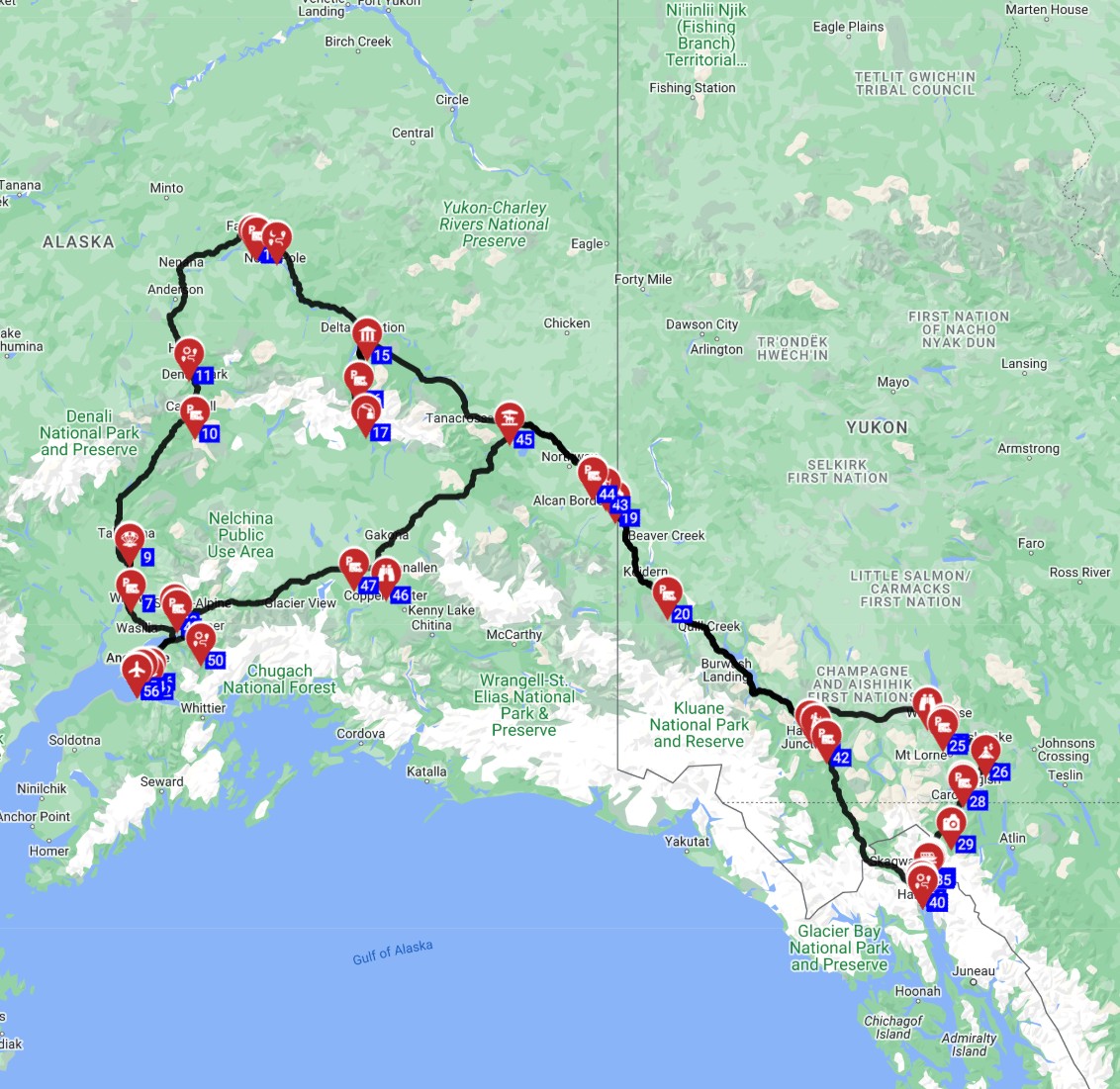
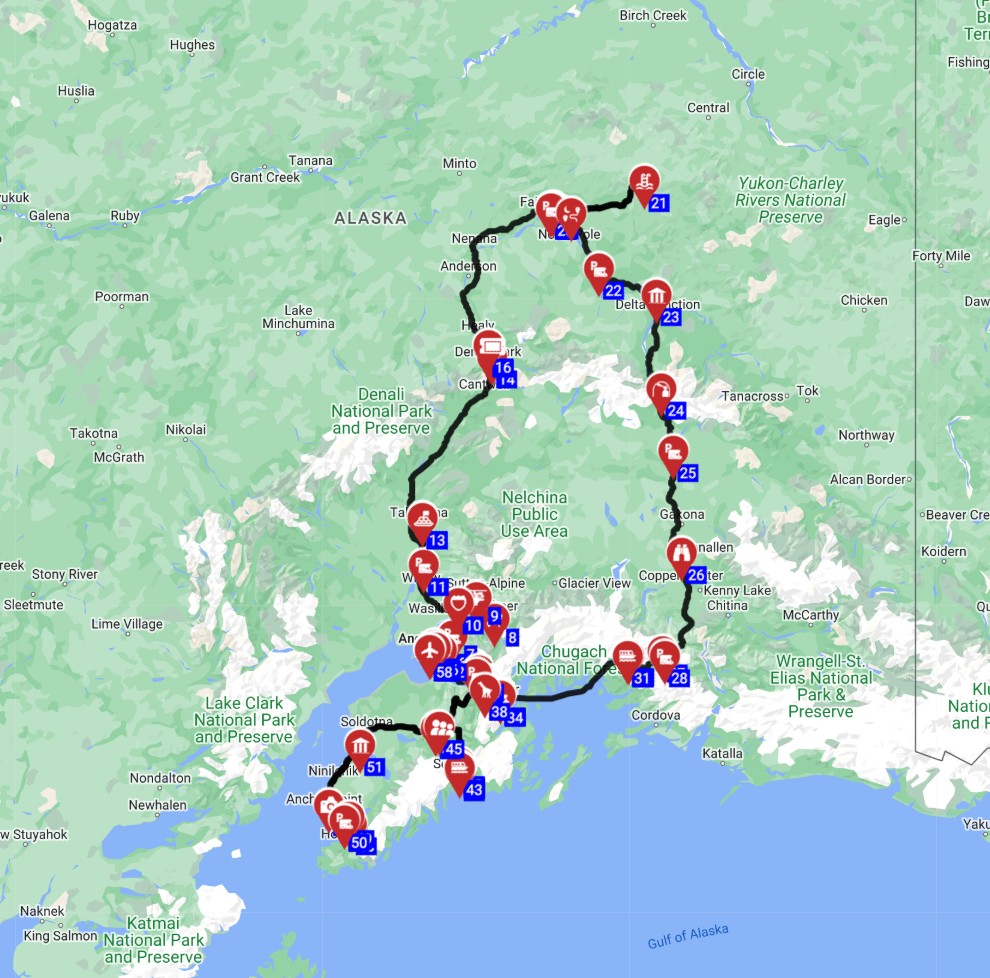
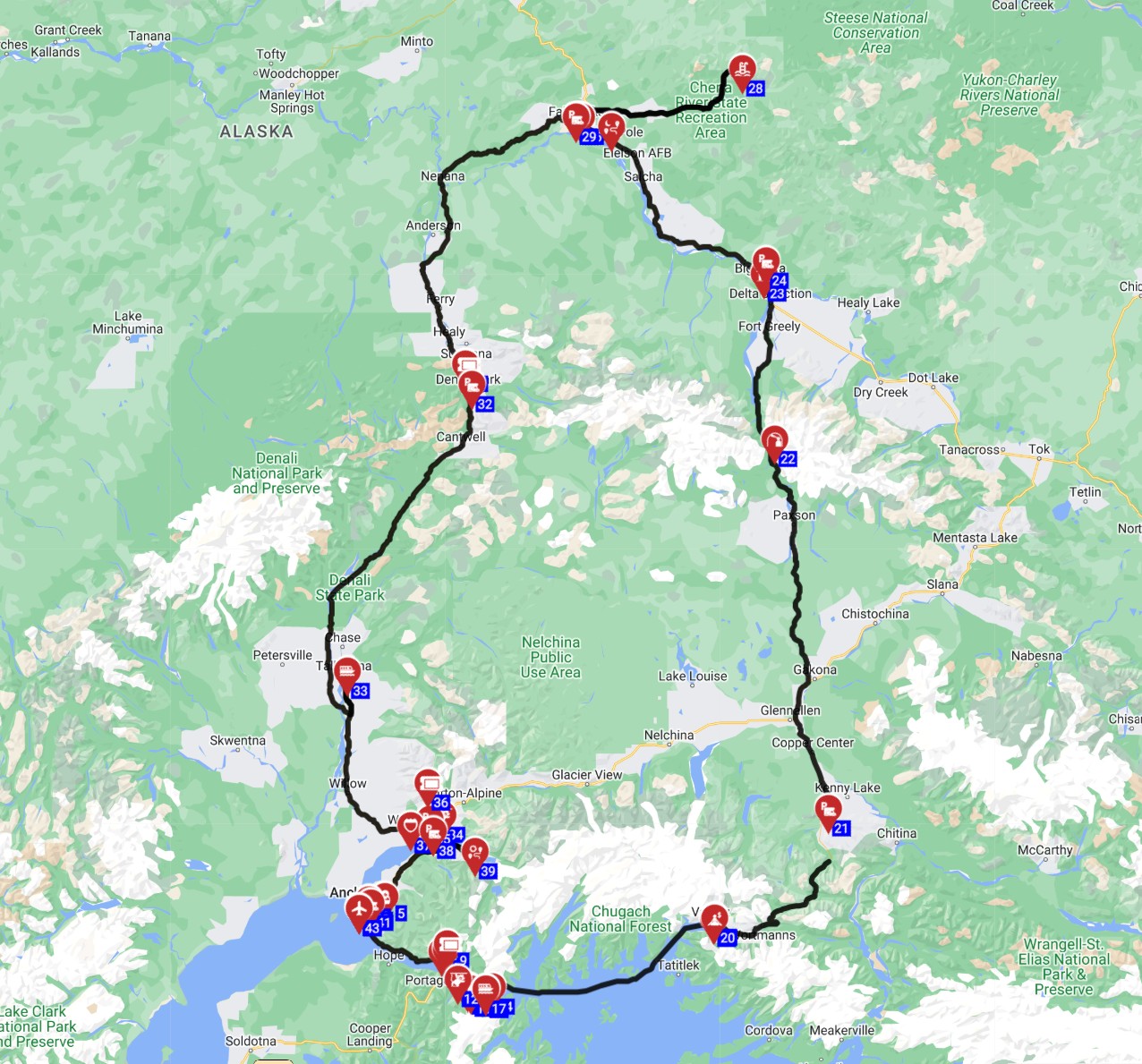
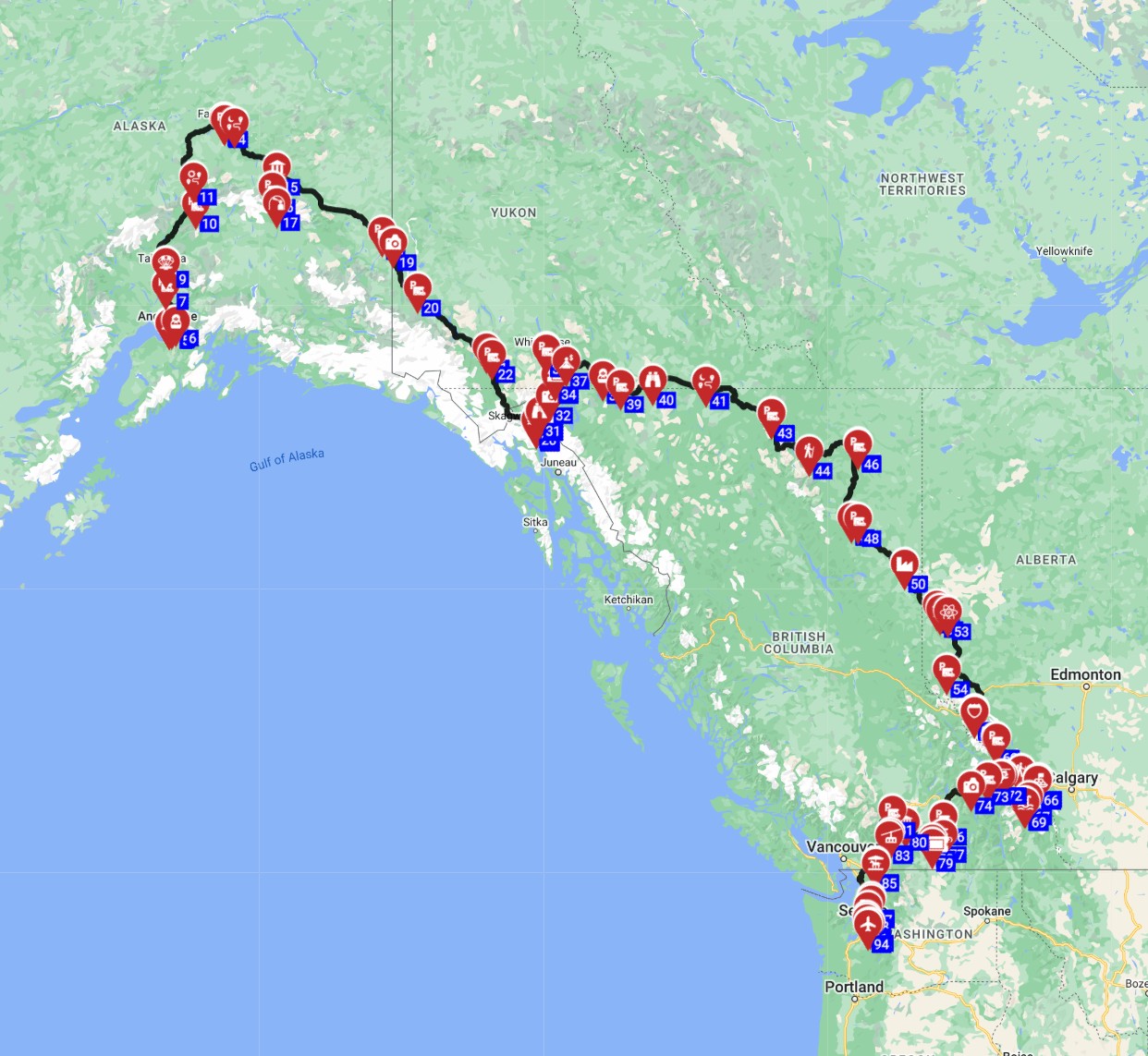
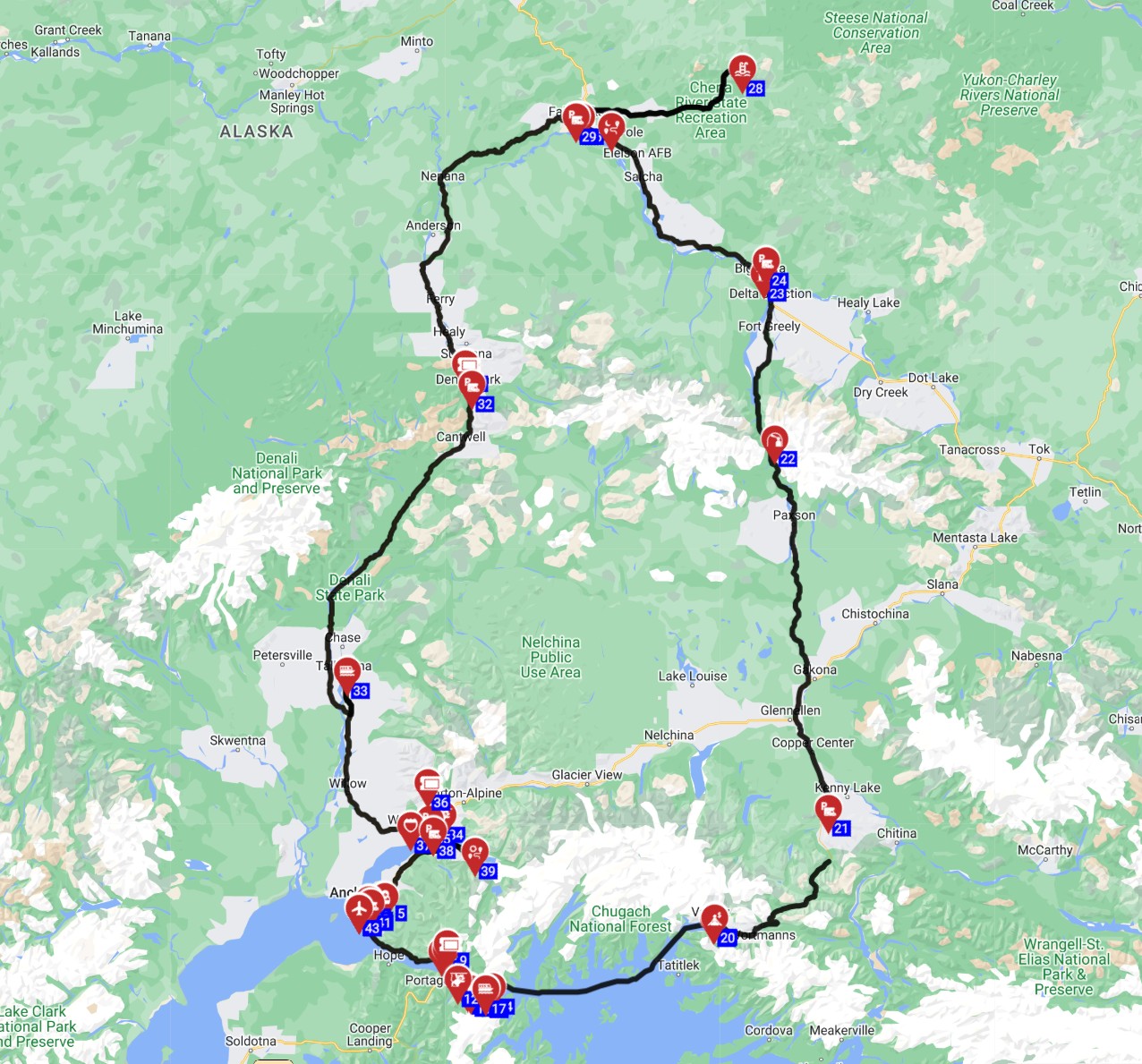
To help you plan your ideal route, our sister company, RV PLANET, offers expertly crafted itineraries. Here are a few recommended RV route plans for Alaska, perfect for couples or small groups:
This extensive 23-day "
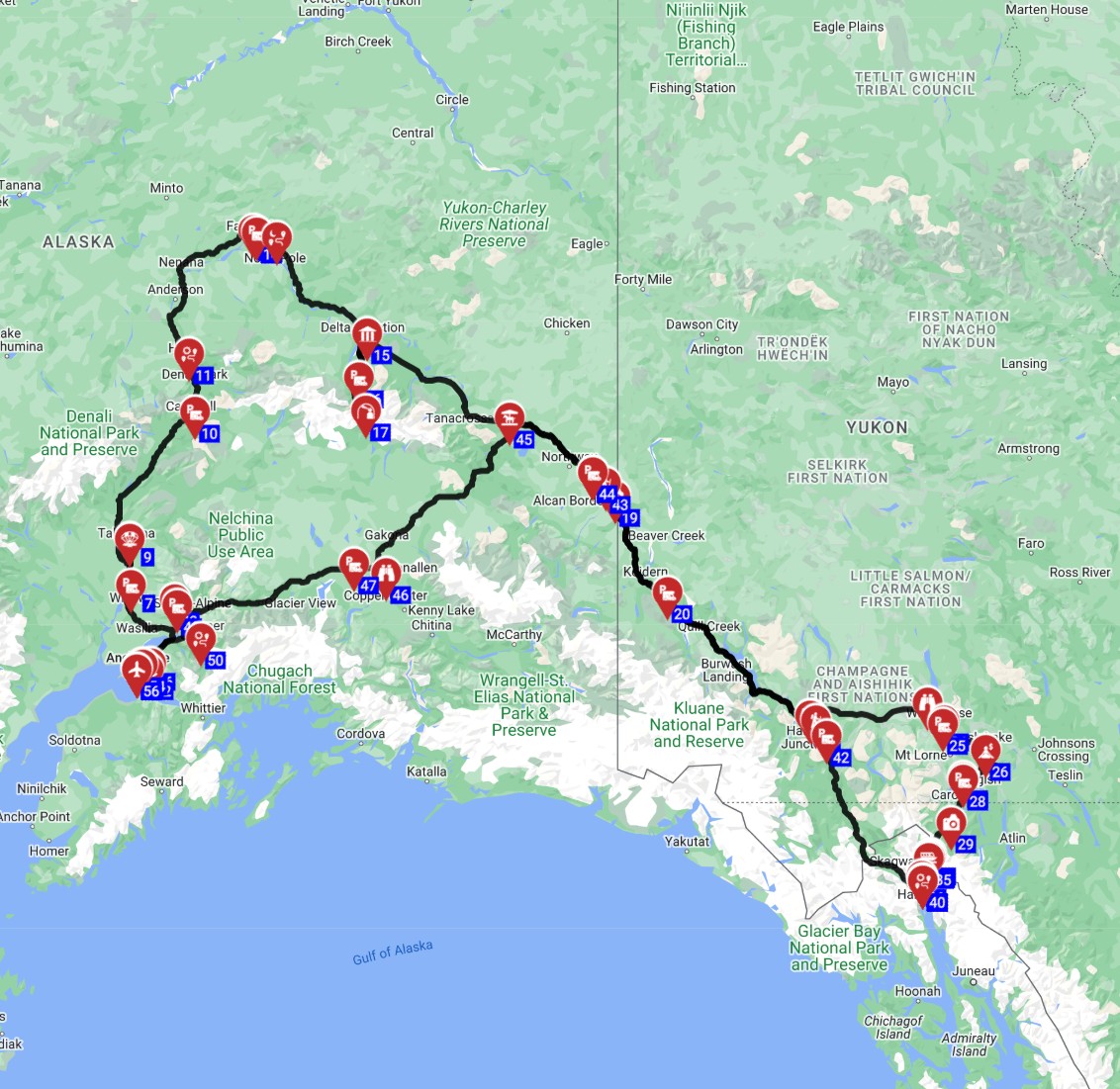
The shorter 11-day "
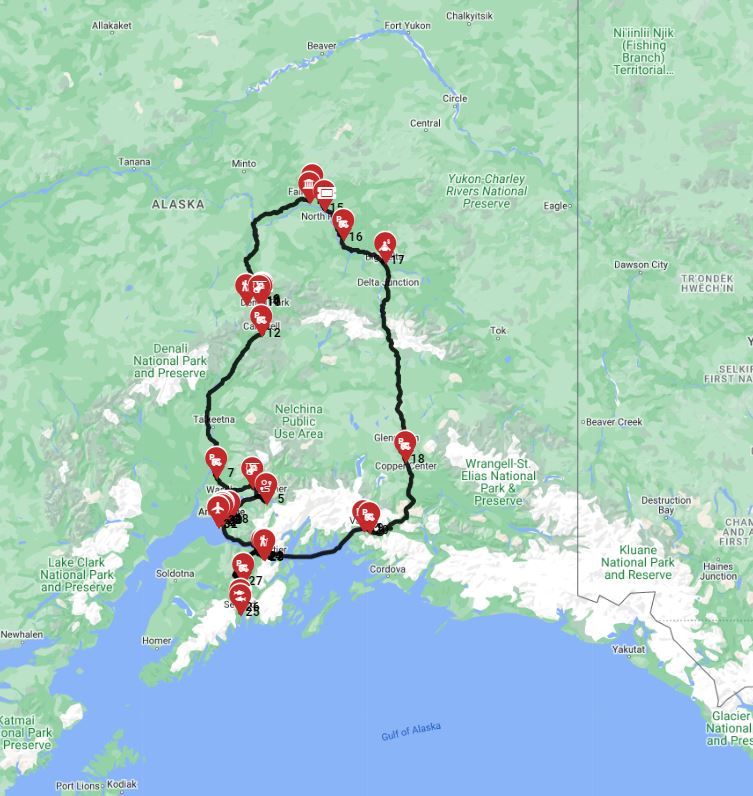
For a different perspective, consider the 15-day "
Final Thoughts
An RV trip through Alaska is more than just a vacation; it's a profound journey into one of the world's last great wild frontiers. It offers couples the chance to forge deeper connections amidst landscapes of breathtaking beauty, where every turn of the road brings a new wonder. From the serene solitude of a lakeside campsite to the thrill of spotting a grizzly bear from your motorhome window, Alaska delivers experiences that will stay with you long after the journey ends.
We are here to support you in every step of planning your Alaskan RV adventure, ensuring you have the right vehicle and the peace of mind that comes with full transparency and dedicated support. So, pack your bags, prepare for the majestic, and get ready to create incredible memories together on the open road. Discover top destinations, planning tips, all in one place!
Ready to embark on your romantic Alaskan RV adventure? Find Motorhome Rentals in Alaska Now!