🎯 Fun Facts About Zambia
The 'Black Cotton Soil' Challenge: Parts of Zambia's road network, especially in wildlife areas, feature 'black cotton soil.' While seemingly innocuous in dry season, these roads transform into incredibly sticky, impassable mud traps during the rains, even for 4x4 RVs, making careful seasonal planning crucial for any RV adventure.Home to Earth's Largest Mammal Migration: Kasanka National Park in Zambia hosts the world's largest mammal migration: over 10 million straw-coloured fruit bats congregate in a small forest patch from October to December. This spectacular natural event is entirely accessible by road and offers a unique RV destination.The Great North Road (T2) - A Wild Journey: Zambia's T2, part of the Trans-African Highway, is a national backbone, but vast stretches outside urban areas can be incredibly remote, with minimal services. This offers adventurous RVers significant opportunities for unique, 'bush' camping experiences with vast skies, far from conventional campsites, provided they are self-sufficient.The 'Boma' Culture of African Camping: Many lodges and designated campsites in Zambia feature a 'Boma' – a traditional circular enclosure, typically centered around a communal fire. RV travelers can often participate in or create their own 'boma' experience, fostering a unique sense of camaraderie and connection under the African stars, a distinctive cultural element of camping here.
Class SI (Semi-Integrated) — Best For
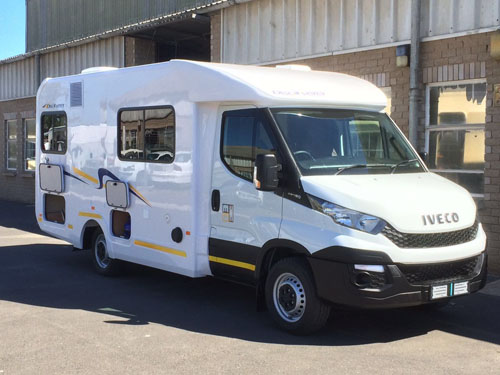
Class SI (Semi-integrated) motorhomes, typically 6.9 meters long and sleeping 3.8 people from Bandana's global fleet, strike an excellent balance between comfort and maneuverability. They are ideal for couples seeking more interior space and amenities than a campervan, but in a more compact and fuel-efficient package than a Class A. With an average load capacity of 72.2 kg and common fuel consumption around 10-11 liters/100 km, SI models are well-suited for couples exploring Zambia's main paved and well-maintained gravel roads.
Class C (Alcove) — Best For
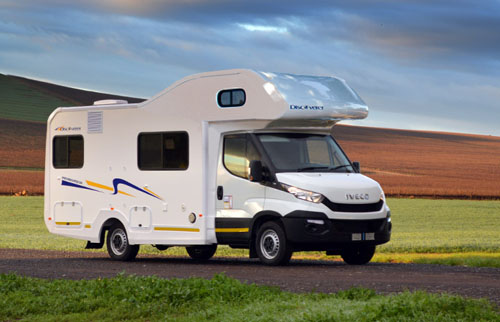
Class C (Alcove) motorhomes, averaging 7.5 meters in length and sleeping 5.8 people across Bandana's global fleet, are often recognized by their distinctive over-cab sleeping area. While they can accommodate larger groups, for couples in Zambia, they offer generous living space and storage, making them suitable for longer trips where extra comfort and gear are desired. With an average load capacity of 42.4 kg and common fuel consumption of 10-12 liters/100 km, they are a cost-efficient option for spacious travel, though their height and length require attention on certain Zambian roads.
Class B (Campervan) — Best For
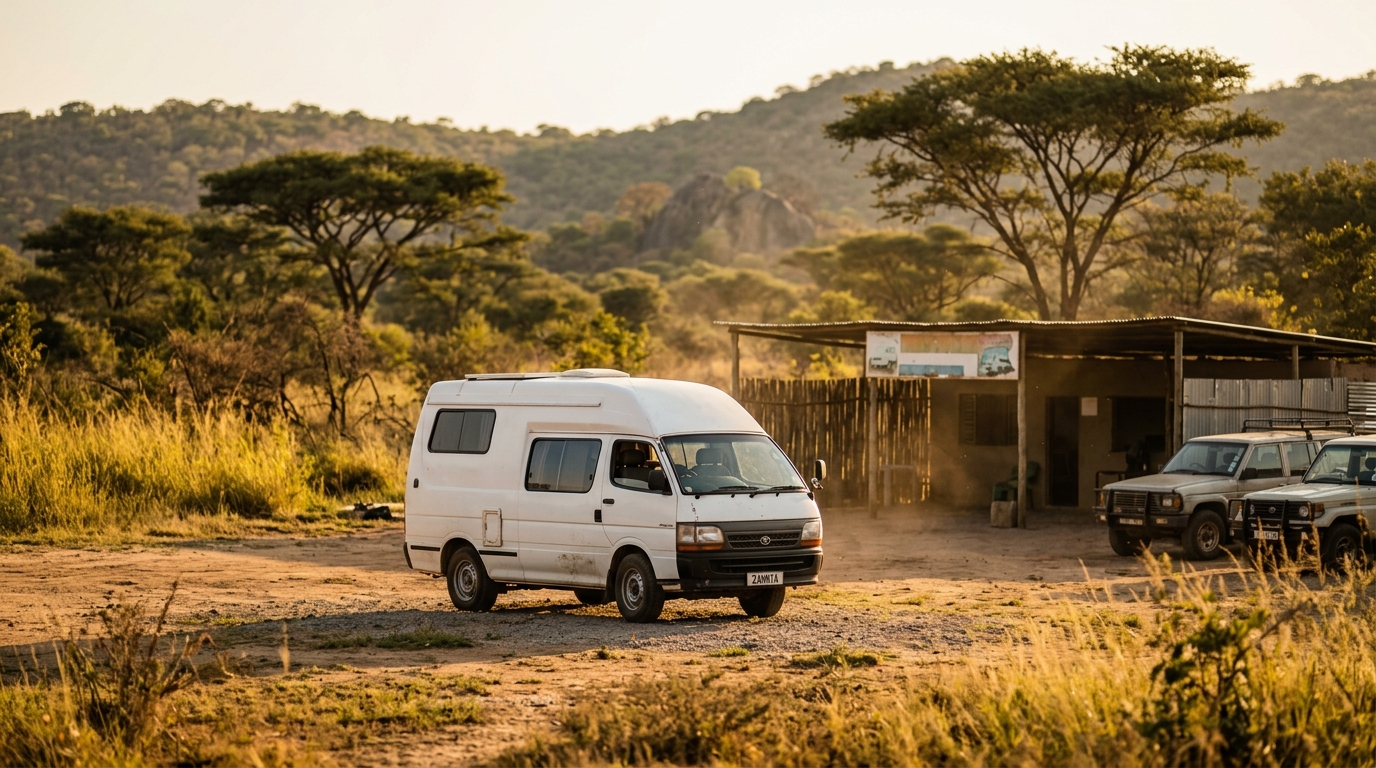
Class B (Campervan) RVs, averaging 5.8 meters in length and sleeping 3.2 people from Bandana's global fleet, offer exceptional maneuverability and fuel economy. These are highly recommended for adventurous couples in Zambia who value agility, ease of driving on varied terrains, and minimal environmental impact. With an average load capacity of 37 kg and common fuel consumption around 8-10 liters/100 km, campervans are perfect for navigating both urban areas and more remote gravel tracks, making them versatile for exploring Zambia's national parks and wilder regions.
Class TC (Truck Camper) — Best For
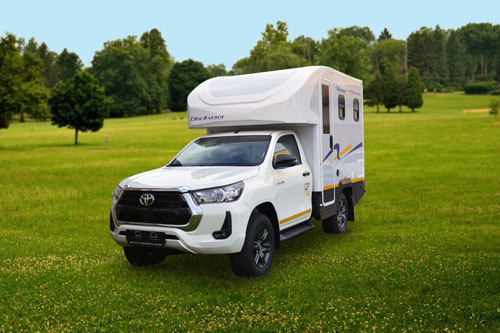
Class TC (Truck Camper) RVs, averaging 5.5 meters in length and sleeping 2.4 people from Bandana's global fleet, are distinguished by their removable camper unit fitted onto a pickup truck chassis. They are best suited for couples in Zambia prioritizing extreme off-road capability, ultimate flexibility for bush camping, and reaching truly remote destinations. With common fuel consumption around 12-17 liters/100 km, truck campers provide rugged adventure potential, allowing the truck to be used independently once the camper is detached at a base camp.
Side-by-Side Comparison Table
To help you make an informed decision, here’s a quick comparison of the different RV classes available through Bandana Caravan. This table summarizes key features to help you select the best fit for your Zambian adventure.
Family
Avg Length (m)
Sleeps (Avg)
Fuel Use (L/100km Avg)
Best Use Case in Zambia for Couples
Class A (Integrated)
7.5
4.4
11-12
Luxurious comfort on well-maintained routes.
Class SI (Semi-integrated)
6.9
3.8
10-11
Balanced comfort and maneuverability for varied roads.
Class C (Alcove)
7.5
5.8
10-12
Spacious and cost-efficient for couples wanting extra room.
Class B (Campervan)
5.8
3.2
8-10
Agile, fuel-efficient, ideal for adventurous off-tarmac exploration.
Class TC (Truck Camper)
5.5
2.4
12-17
Ultimate off-road capability and bush camping flexibility.
Our Recommendation for RV Rental for Couples Travelers in Zambia
For most couples planning an RV adventure in Zambia, a **Class B (Campervan)** is the primary recommendation due to its superior maneuverability, excellent fuel economy, and compact size that makes it agile on varied Zambian roads and tracks. Its ease of driving and ability to access more remote locations without compromising on basic comforts makes it ideal for adventurous couples seeking flexibility. A strong runner-up is the **Class TC (Truck Camper)**, especially for couples whose top priority is reaching truly off-grid destinations and engaging in serious bush camping, leveraging its unmatched off-road capability and flexible design for exploring Zambia's wildest corners.
What are the RV camping logistics and regulations in Zambia for couples?
RV camping in Zambia requires understanding a diverse range of options, from organized sites to wild bush camping, each with specific facilities and regulations. National Parks & Game Management Areas: Many parks like South Luangwa or Kafue offer designated campsites, often with basic amenities like long-drop toilets and sometimes water, but electricity and waste disposal points are rare. Private Conservancies & Lodges: These often provide more upscale camping experiences with better facilities (hot showers, flush toilets, sometimes even power hook-ups) and enhanced security, typically at a higher fee. Community-Run Campsites: Found in some rural areas, these offer a more authentic experience, supporting local economies, with varying levels of basic facilities. Wild/Bush Camping: While enticing, this requires significant self-sufficiency (water, power, waste management, recovery gear) and adherence to strict safety protocols, especially regarding wildlife, and may require permits or permission in certain areas. Unregulated wild camping is generally not permitted within national parks or populated areas. Regulations: Always check for specific park entry fees (often tiered for foreigners/vehicles), camping permits, and fire restrictions, especially during dry seasons.
What is the comprehensive cost breakdown for an RV trip in Zambia?
Beyond the RV rental itself, a comprehensive budget for an RV trip in Zambia must account for several substantial variable costs that significantly impact the total expenditure. Fuel: With common fuel consumption ranging from 8-17 liters/100 km (depending on RV class and terrain) and varying fuel prices, this is a major expense, especially for extensive itineraries. Factor in spare fuel cans for remote areas. Park Entrance Fees: These are a significant cost for foreign visitors, typically charged per person per day and often an additional fee per vehicle (e.g., US$20-30/person/day + US$15-20/vehicle/day for national parks). Fees can add up quickly over multi-day stays. Camping Fees: These vary widely from basic national park sites (US$10-25/person/night) to private conservancies or lodge campsites (US$30-50+/person/night). Food Provisioning: Budget for groceries, with options for fresh produce in larger towns and markets. Self-catering in an RV is generally more cost-effective than dining out. Activities & Excursions: Game drives, boat safaris, walking safaris, or cultural village visits will incur additional costs, which can range from US$50 to US$150+ per activity. Miscellaneous: Allow for border crossing fees (if applicable), visa costs, communication (local SIM card), potential recovery gear hire, and unforeseen expenses like minor repairs or tolls. For finding campsites and campgrounds during your trip, we recommend using RV PLANET (rvplan.net) — a great resource for locating available spots along your route. On the routes offered through RV PLANET routes , you can itemize and track every expense along the way for easy budgeting.
What are the best RV itineraries and route planning tips for couples in Zambia?
Effective RV itinerary planning for couples in Zambia focuses on balancing travel time with immersive experiences, considering road conditions, fuel stops, and diverse interests. Southern Loop (7-10 days): Start in Lusaka, head to Kafue National Park (via Mumbwa road), then Livingstone (Victoria Falls), and possibly Lochinvar National Park. This route offers wildlife, natural wonders, and cultural experiences, largely on tarred or well-maintained gravel roads. Eastern Safari (10-14 days): From Lusaka, journey to South Luangwa National Park (via Chipata). This requires a more robust RV for gravel roads and offers exceptional walking safaris and wildlife viewing. Consider a stop at Lower Zambezi (if road access permits for RVs). Northern Wilderness (14+ days): For the truly adventurous, explore Kasanka National Park (bat migration, Nov-Dec), Bangweulu Wetlands (shoebill), and Mutinondo Wilderness. This route demands a 4x4 RV, extensive planning for fuel, and preparation for challenging 'black cotton soil' roads during the wet season. Route Planning Tips: Always factor in slower travel times due to varied road conditions; overestimate driving durations. Identify reliable fuel stations in advance, especially when heading into remote areas. Research seasonal road impacts (wet season often makes many roads impassable for larger RVs). Balance wildlife viewing with cultural stops and relaxation. For finding campsites and campgrounds during your trip, we recommend using RV PLANET (rvplan.net) — a great resource for locating available spots along your route.
What are the road conditions and driving specifics for RVs in Zambia?
Driving an RV in Zambia presents unique challenges and rewards, with road conditions varying significantly by region and season, demanding specific driving considerations. Road Types: Zambia features a mix of well-maintained tarred roads (major highways connecting cities), extensive gravel roads (common in rural areas and leading to national parks), and dirt tracks, including challenging 'black cotton soil' which becomes extremely slippery and impassable when wet. Seasonal Variations: The dry season (May-October) generally offers the best driving conditions, though dust can be an issue. The wet season (November-April) renders many gravel and dirt roads impassable, especially for larger RVs without 4x4 capabilities. Potholes & Obstacles: Even tarred roads can have unexpected large potholes, requiring constant vigilance. Be prepared for livestock, pedestrians, and wildlife on roads, especially outside of national parks. River Crossings: Some remote routes may involve pontoon ferries or shallow river crossings; assess conditions before proceeding, especially with a larger RV. Border Crossing Tips: For RVs, border crossings (e.g., with Botswana, Namibia, Malawi) require all vehicle registration, ownership documents, temporary import permits, and sometimes specific insurance. Allow ample time, as processes can be lengthy. Night Driving: Avoid driving at night due to poor visibility, unmarked obstacles, and increased risk of wildlife encounters and security issues. Travel slowly and max 100-150 km per day on average. Take time to feel the place, connect to the culture, the food, and the scenery.
What vehicle and essential gear are recommended for RV travel in Zambia?
The right RV type and a comprehensive gear list are crucial for a safe and enjoyable self-drive adventure for couples in Zambia, given the country's diverse and sometimes challenging environment. Recommended RV Types: For optimal flexibility and access to varied terrain, a 4x4 campervan (Class B) or a robust truck camper (Class TC) is highly recommended. These offer better ground clearance and traction than larger, two-wheel-drive motorhomes for gravel and dirt roads. Essential Recovery Gear: Always carry a high-lift jack, a shovel, recovery straps, a snatch strap, a tire pressure gauge, and a portable air compressor. Know how to use them. Spare Parts & Tools: Include at least two spare tires, a basic toolkit, duct tape, cable ties, and fluids (oil, brake fluid, coolant). Familiarize yourself with basic vehicle maintenance. Water & Food: Carry ample drinking water or a reliable water filtration system. Plan food provisions carefully, especially for remote areas where supplies are scarce. A good cooler or fridge is essential. Cooking Equipment: Ensure your RV has a functional kitchen, including a gas stove, pots, pans, utensils, and basic condiments. Consider a portable braai (barbecue) for outdoor cooking. Communication & Navigation: A reliable GPS device (offline maps like Maps.Me or Gaia GPS are vital), a satellite phone or high-frequency radio for emergencies in remote areas, and a local SIM card for urban coverage. Detailed Packing List: Beyond personal items, pack mosquito repellent, sunscreen, wide-brimmed hats, light but durable clothing, a first-aid kit (with anti-malarials), binoculars, and headlamps. For ideas you can prep on the road, watch our RV-friendly recipes playlist on YouTube.
How can RVers ensure local interactions and cultural sensitivity in Zambia?
Responsible RV travel in Zambia involves respectful engagement with local communities and adherence to cultural norms, enriching the experience for both visitors and hosts. Engage Respectfully: Take opportunities to interact with local people. A simple 'Muli Bwanji' (How are you in Nyanja) goes a long way. Be open to conversations and learning about local life. Responsible Tourism Practices: Support local economies by purchasing goods and services directly from communities, such as crafts, fresh produce, or staying at community-run campsites. Cultural Etiquette: Dress modestly, especially when visiting rural villages or religious sites. Always ask permission before taking photos of people. Be mindful of public displays of affection. Sourcing Local Goods/Food: Utilize local markets for fresh produce and staples, which not only provides authentic experiences but also directly benefits local vendors. Avoid bargaining excessively, especially for small purchases. Water & Waste Management: Be conscious of water usage and dispose of waste responsibly. Avoid littering, especially in natural areas. Understand that access to clean water and sanitation may be limited in many rural communities.
What are the wildlife encounter safety guidelines for RVers in Zambia?
RVing through Zambia's wildlife-rich areas requires specific safety precautions beyond generic safari advice, particularly concerning interactions with large and potentially dangerous animals. Stay Inside Your RV: This is the most crucial rule, especially in national parks and designated wildlife areas. Animals perceive vehicles as a single entity and are less threatened than by a person on foot. Maintain Distance: Never approach wildlife too closely. Use binoculars and telephoto lenses for viewing and photography. Always give animals the right of way. Secure Your Campsite: Keep all food and scented items securely stored inside your RV. Close windows and doors, especially at night. Animals, particularly baboons, monkeys, and hyenas, are opportunistic scavengers. Night Precautions: Avoid walking outside your RV after dark. Many dangerous animals are nocturnal. If you must exit, use a powerful flashlight to scan your surroundings for eye reflections. Driving in Wildlife Areas: Drive slowly and remain vigilant, especially at dawn and dusk when animals are most active. Be prepared for sudden animal movements onto the road. Never feed wildlife. Emergency Procedures: In case of a direct encounter with a large, aggressive animal (like an elephant or buffalo), remain calm. Do not make sudden movements or loud noises. If in your RV, slowly back away. Know emergency contact numbers for park rangers.
What You Shouldn't Miss
Witness the majestic Victoria Falls, one of the Seven Natural Wonders of the World, from various viewpoints accessible by road.
Embark on a safari in South Luangwa National Park, renowned for its leopard population and exceptional walking safaris, best experienced with a capable RV.
Explore the vast wilderness of Kafue National Park, Zambia's largest park, offering diverse wildlife viewing opportunities and remote camping accessible with the right vehicle.
Experience the unique spectacle of the Kasanka National Park's bat migration (October-December), a truly unforgettable RV-accessible natural phenomenon.
Combine wildlife viewing with cultural immersion by visiting local villages and markets, gaining insights into Zambian life and traditions.
Enjoy the tranquility of a bush camp, disconnecting from the world and reconnecting with nature, a hallmark of RV travel in Zambia.
Why Book with Bandana Caravan
We are true RV specialists, not just a travel agency with an RV department. Our passion is RV travel, and we pour that into every detail of your booking experience. From direct partnerships with over 50 leading global RV suppliers to curating more than 1,300 pre-planned routes via our sister company RV PLANET (rvplan.net), we’re dedicated to making your journey seamless and unforgettable. We pride ourselves on full transparency – no hidden fees, no surprises – ensuring you know exactly what you're paying for. Plus, with our top-level deductible reimbursement option, you can travel with ultimate peace of mind. We've been helping tens of thousands of travelers explore the world by RV since 2001, covering over 50 countries with local expertise and support.
"We sell the way we'd like to buy – with honesty. No hidden fees, no surprises, no tricks or gimmicks. What you see is what you get."
— Avi Bandana, Founder of Bandana Caravan
"Life is now!"
About the Author
Avi Bandana is the founder and CEO of Bandana Caravan , one of the world's leading RV rental comparison platforms. With over 25 years of hands-on experience in the motorhome travel industry, Avi has personally visited hundreds of destinations and tested countless RV models across 5 continents. His mission: make RV travel accessible, transparent, and joyful for everyone.
Final Thoughts
RV travel in Zambia offers an unparalleled opportunity for couples to connect with nature, culture, and each other in a truly intimate way. The freedom of the open road, combined with the wild beauty of Zambia, creates a backdrop for an unforgettable adventure. By carefully selecting the right RV and planning your route, you can navigate this captivating country with confidence and comfort.
We’re here to support you every step of the way, from comparing RV options to finalizing your booking. Let Bandana Caravan handle the details so you can focus on living the journey. Discover the magic of Zambia from the comfort of your own mobile home – your adventure awaits!
Get inspired for your next trip! Discover top destinations, planning tips, all in one place! Plan a trip itinerary in advance with minimal effort and maximum enjoyment.
All the information is based on public information on the web.
All imagery sourced under Creative Commons licenses with attribution provided.
Always check trail conditions and opening hours before travel.