In This Guide
- The 4 RV Families Compared for Couples in North Canada
- Class A (Integrated) - Best For Couples in North Canada
- Price Comparison by RV Class for Couples in North Canada
- Class SI (Semi-Integrated) - Best For Couples in North Canada
- Class C (Alcove) - Best For Couples in North Canada
- Class B (Campervan) - Best For Adventurous Couples in North Canada
- Side-by-Side Comparison Table
- Our Recommendation for RV Rental for Couples Travelers in North Canada
- Which motorhome rental company is the best in North Canada?
- How much to rent an RV for a couple months in North Canada?
- Which RV rental site is best for North Canada?
- Is it cheaper to rent an RV in North Canada or stay in hotels?
- How much to rent an RV for a week in North Canada?
- Where is the cheapest place to rent an RV in North Canada?
- Can you sleep anywhere in a campervan in North Canada?
- Essential Planning Tips for a Romantic RV Trip in North Canada
- What You Shouldn't Miss
- Why Book with Bandana Caravan
- Final Thoughts
- Frequently Asked Questions
Embarking on a romantic RV rental adventure in North Canada offers an unparalleled way for couples to connect with nature and each other, away from the hustle and bustle. Imagine waking up to serene wilderness views, cooking breakfast together in your cozy mobile home, and spending evenings under the vast Northern sky, perhaps even witnessing the spectacular Aurora Borealis. This region, encompassing Yukon, Northwest Territories, and Nunavut, presents unique and breathtaking landscapes perfect for an intimate escape. For live availability and current prices, start with our RV Rental North Canada - Complete Guide 2026 guide.
The 4 RV Families Compared for Couples in North Canada
Choosing the right RV family is critical for a successful North Canada adventure, especially for couples, influencing maneuverability on remote roads, comfort in varied climates, and overall trip budget. North Canada's unique terrain, including potential gravel roads and extreme weather, means vehicle robustness and self-sufficiency are paramount. For couples, balancing living space with vehicle size and fuel efficiency becomes a key decision factor for extended trips. Understanding the differences between Class A, Class SI (Semi-Integrated), Class C, and Class B (Campervan) motorhomes will help you select the perfect mobile home for your romantic journey into the wilderness.
Class A (Integrated) - Best For Couples in North Canada
Class A integrated motorhomes are best for couples seeking maximum space, luxury, and comfort during their North Canada adventure, offering a home-like experience with extensive amenities. These large RVs often feature lengths around 7.5 meters and can comfortably sleep 4-6 people, though they provide exceptional spaciousness for two travelers. Their robust construction can be advantageous on longer, well-maintained Northern routes like the Alaska Highway, providing stability and ample storage for supplies for extended trips into remote areas.
Fuel consumption for Class A vehicles typically ranges from 11-12 Liters/100 km, a consideration for budgeting due to North Canada's remote fuel stops where prices can be higher. Trade-offs include higher rental costs, lower maneuverability on narrow or unpaved northern roads, and potentially higher fuel expenses. If your romantic getaway prioritizes spacious living and premium amenities over extreme off-road capability, a Class A motorhome can be a magnificent choice. On the routes offered through RV PLANET routes, you can itemize and track every expense along the way for easy budgeting.
Price Comparison by RV Class for Couples in North Canada
RV rental prices for couples in North Canada vary significantly based on the class of vehicle, duration, seasonality, and specific supplier. Prices are dynamic, updating daily based on availability and demand, much like flight tickets. The table below pulls real example prices from Bandana's live search for various durations and RV classes to give you a realistic cost breakdown.
Live April Price Comparison — RV Class × Trip Length
| Trip length | Class A | Class B | Class C | Class SI | Class TC |
|---|---|---|---|---|---|
| 1 week 15/04 → 22/04 | Check prices | 2,104.99 $ AU | 2,732.81 $ AU | 2,841.60 $ AU | 2,994.96 $ AU |
| 2 weeks 15/04 → 29/04 | Check prices | 3,019.55 $ AU | 4,126.15 $ AU | 4,304.95 $ AU | 4,801.80 $ AU |
| 1 month 01/04 → 30/04 | Check prices | 5,302.20 $ AU | 7,426.25 $ AU | 7,706.46 $ AU | 7,907.99 $ AU |
Estimates only — flex-rate prices change daily based on availability and season.
It's important to remember that these prices are estimates only; the search box at the top of the page provides live, up-to-the-minute numbers for your specific travel dates and locations. When planning your budget for a rented motorhome trip, remember to account for ancillary costs like fuel, campground fees, and groceries. On RV PLANET routes, travelers can itemize and track every expense along the way for easy budgeting.
Class SI (Semi-Integrated) - Best For Couples in North Canada
Class SI semi-integrated motorhomes are best for couples in North Canada who desire a balanced blend of comfort and maneuverability, offering more amenities than a campervan without the bulk of a Class A. These units typically average 6.9 meters in length, comfortably sleeping around 3-4 people, making them perfectly spacious for two. With an average load capacity of about 72.2 kg, there's ample room for your gear.
These vehicles, often consuming 10-11 Liters/100 km, strike a good balance for navigating both paved highways and potentially less-maintained Northern roads, offering better fuel economy than Class A models. They are ideal for couples seeking comfortable living, kitchen facilities to prepare delicious RV-friendly recipes playlist, and a dedicated washroom for mid-to-long-term trips across the territories. Class SI models provide sufficient space for essential gear needed for Northern travel, such as bear safety equipment and extra provisions, while remaining manageable to drive and park in diverse locations.
Class C (Alcove) - Best For Couples in North Canada
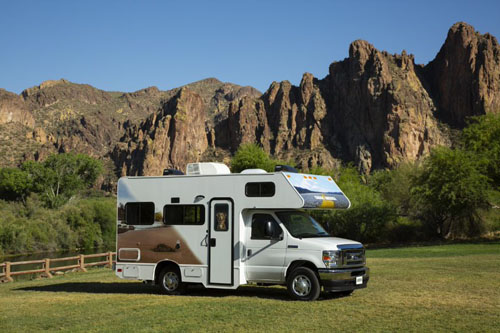
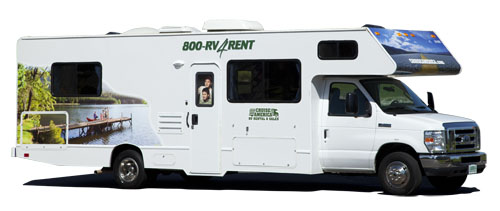
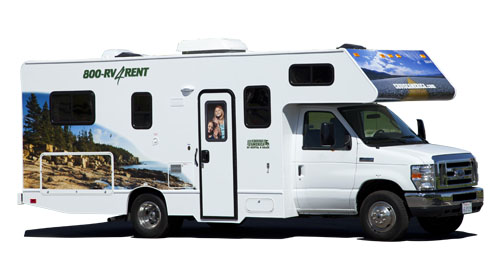
Class C alcove motorhomes are best for couples in North Canada prioritizing a cost-effective option with robust construction and a distinctive overhead cab bunk. While often designed for families and averaging 7.5 meters in length, sleeping up to 6 people, the extra sleeping space in the alcove can be cleverly utilized by couples for additional storage, which is particularly beneficial for remote North Canada travel requiring more gear and supplies.
Fuel consumption for Class C RVs typically ranges from 10-12 Liters/100 km, offering a reasonable balance between interior space and operating cost. Their sturdy build is often well-suited to the demands of Northern roads, providing a reliable option for exploring areas like the Alaska Highway or sections of the Stewart-Cassiar. With a rented Class C, couples can enjoy a comfortable interior with all necessary amenities while navigating the vast landscapes with confidence.
Class B (Campervan) - Best For Adventurous Couples in North Canada
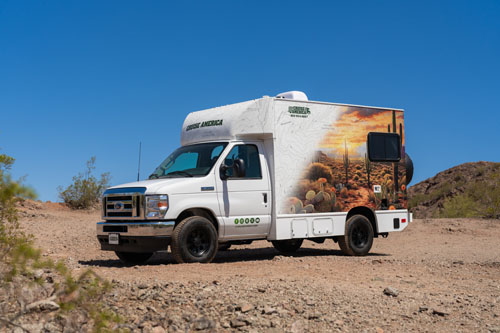
Class B campervans are best for adventurous couples in North Canada who prioritize maneuverability, fuel efficiency, and the flexibility to access more remote or less developed campsites. These compact mobile homes typically average 5.8 meters in length, perfectly sized for two travelers, and offer an average load capacity of 37 kg, allowing for essential gear.
With typical fuel consumption of 8-10 Liters/100 km, these vehicles are the most economical on fuel, a significant advantage given North Canada's potentially high fuel costs and long distances. Their compact size allows for easier navigation on narrower northern roads, parking in small towns, and offers greater access to wild camping spots or boondocking opportunities where larger RVs might struggle. Campervans provide essential amenities in a minimalist package, encouraging a focus on the outdoor experience while still offering comfortable shelter from extreme weather conditions.
Side-by-Side Comparison Table
This table provides a concise comparison of key features for each RV family, helping couples quickly assess which type aligns best with their North Canada travel style and needs. Our goal is full transparency, providing you with all the details you need to make an informed decision for your romantic escape.
| Family | Avg Length (m) | Sleeps | Fuel Use (L/100km) | Best Use Case in North Canada |
|---|---|---|---|---|
| Class A (Integrated) | 7.5 | 4.4 | 11-12 | Luxury, spacious travel on major Northern highways |
| Class SI (Semi-Integrated) | 6.9 | 3.8 | 10-11 | Balanced comfort and maneuverability for varied Northern routes |
| Class C (Alcove) | 7.5 | 5.8 | 10-12 | Cost-effective, robust option with extra storage for remote travel |
| Class B (Campervan) | 5.8 | 3.2 | 8-10 | Agile, fuel-efficient exploration of remote areas and wild camping |
Our Recommendation for RV Rental for Couples Travelers in North Canada
For most couples venturing into North Canada, we recommend a **Class SI (Semi-integrated)** motorhome as the primary choice. This class offers an excellent balance of comfort, amenities, and maneuverability, providing enough space for two travelers and their gear without being overly cumbersome on Northern roads, and delivering reasonable fuel efficiency. It’s an ideal option for a week-long trip or an extended road trip of two weeks or more.
As a strong runner-up, especially for more adventurous couples prioritizing remote access and off-grid capabilities, the **Class B (Campervan)** is highly recommended. Its compact size, superior fuel economy, and ease of parking make it perfect for exploring beyond traditional campgrounds and navigating challenging sections of routes like the Dempster Highway, aligning with the need for robust tires and extra clearance for northern conditions. Bandana RV specializes in connecting you with the right vehicle from our 50+ leading RV suppliers worldwide, ensuring you find a rental motorhome that perfectly fits your romantic North Canada plans.
Which motorhome rental company is the best in North Canada?
Determining the 'best' motorhome rental company in North Canada depends on individual traveler priorities like price, vehicle selection, customer service, and specific suitability for Northern travel. Bandana stands out by offering a peer-to-peer marketplace that provides a vast selection of RVs from local owners, often including vehicles specifically equipped or more suitable for the unique demands of true Northern travel in regions like the Yukon or Northwest Territories. This model often translates to more competitive pricing, a wider variety of unique vehicles not found in traditional fleets, and access to local owners who can offer invaluable advice on navigating remote northern roads and respecting Indigenous lands. For North Canada, 'best' often means a company or platform that offers robust vehicles, clear guidance on limited services, and support for safety protocols like bear safety and satellite communication, which Bandana helps facilitate through its diverse owner network, along with our 24/7 support before and after your booking.
How much to rent an RV for a couple months in North Canada?
Renting an RV for a couple of months in North Canada can range from approximately $5,000 to over $15,000 CAD, depending heavily on the RV class, the specific two-month period (seasonality), and the booking lead time. Longer rental durations typically benefit from reduced daily or weekly rates, making multi-month trips more cost-effective per day compared to shorter rentals. For remote North Canada travel over several months, budgeting must also account for significant fuel costs (10-17 Liters/100 km for Bandana's typical fleet), potential ferry fees (e.g., Alaska Marine Highway), and increased provisions due to limited services.
Consider opting for a Class B Campervan or Class SI Semi-integrated for better fuel efficiency over long distances to help manage overall expenses, and plan for extra clearance or robust tires if venturing onto gravel sections like the Dempster Highway. To find precise pricing for a couple-month rental, it's best to use Bandana's search tool with your exact dates, which factors in dynamic flex rates and any available long-term discounts. Remember, our full transparency means no hidden fees or surprises.
Which RV rental site is best for North Canada?
For couples seeking an RV rental in North Canada, Bandana is often considered best due to its extensive selection of privately owned vehicles and unique advantages over traditional rental companies. We were founded in 2001 and have over 23 years helping tens of thousands of travelers explore the world by RV, building direct partnerships with 50+ leading RV suppliers worldwide including El Monte, Cruise America, Apollo, and Britz.
Bandana provides access to a diverse fleet, including potentially more robust or specialized vehicles better suited for Northern conditions, which are often lacking in standard rental inventories. Our platform facilitates direct communication with owners, who can offer tailored advice on navigating remote northern roads, understanding boondocking opportunities in the territories, and even sharing insights on cultural sensitivity in Indigenous communities. This approach often leads to better value and a more personalized rental experience, crucial for a demanding trip to the true North.
Is it cheaper to rent an RV in North Canada or stay in hotels?
For couples traveling in North Canada, renting an RV can often be cheaper than staying in hotels, especially for longer trips or when exploring remote areas where hotel options are scarce and expensive. An RV combines accommodation and transportation costs, and allows for self-catering, significantly reducing meal expenses compared to dining out in remote Northern communities where restaurant prices can be high. Our RV PLANET routes can help you budget ancillary costs.
However, the total cost of an RV trip includes the rental fee, fuel (a major consideration in the North with prices often higher and distances long), campground fees (if not boondocking), and provisions. In contrast, hotels involve nightly rates, and often additional costs for parking, and all meals eaten out, which can quickly accumulate. For two months in North Canada, a rented RV offers not just potential savings but also unparalleled flexibility, access to stunning natural locations, and the ability to cook and store food, which is invaluable in areas with limited grocery stores or restaurants.
How much to rent an RV for a week in North Canada?
The cost to rent an RV for a week in North Canada typically ranges from $700 CAD for a compact campervan to over $2,500 CAD for a larger Class A motorhome, varying significantly by season, RV class, and booking lead time. Weekly rates for Class B campervans, averaging 5.8 meters, generally fall on the lower end, while larger Class SI (6.9m) and Class C (7.5m) models are mid-range, and Class A (7.5m) integrated RVs are at the higher end.
Prices are usually highest during the peak summer months (June-August) and around major holidays due to increased demand in popular North Canada destinations like Whitehorse or Yellowknife. The 'Price Comparison by RV Class in North Canada' table above provides current examples of weekly rental rates from Bandana's live search, allowing you to estimate costs based on your preferred RV class. Always remember to factor in additional costs such as fuel (especially important in remote areas), insurance, and campground fees when budgeting for your week-long trip.
Where is the cheapest place to rent an RV in North Canada?
Generally, the cheapest places to rent an RV in Canada are major urban centers like Vancouver, Calgary, or Toronto due to higher competition and larger fleets. However, for a trip specifically to North Canada (Yukon, NWT, Nunavut), renting from these southern hubs can incur significant one-way fees and additional fuel costs to reach the Northern territories. One-way rentals are available with most suppliers, but a drop-off fee may apply, typically ranging from $250-$1000 CAD.
For a North Canada adventure, the most practical approach is often to rent from gateway cities like Whitehorse (Yukon) or Yellowknife (NWT), even if daily rates might be slightly higher than in distant southern cities, to save on relocation expenses and time. To find the best value, consider booking during the shoulder seasons (late spring/early fall) and comparing prices across different RV classes, focusing on the total cost including fuel for the Northern leg. Bandana's platform allows you to compare options from various owners in these Northern gateway cities, sometimes finding more competitively priced older or smaller models that are perfectly suited for rugged Northern conditions.
Can you sleep anywhere in a campervan in North Canada?
No, you generally cannot sleep anywhere in a campervan in North Canada; while regulations vary by province and territory, unauthorized overnight parking or 'boondocking' is restricted in many areas. In the Northern territories (Yukon, NWT, Nunavut), opportunities for wild camping on Crown land are often more plentiful than in southern Canada, but still require respecting local regulations, private property, and Indigenous land claims.
Always look for designated campsites, public lands where boondocking is permitted, or ask permission from private landowners; parking overnight in urban areas or alongside major highways is often illegal or discouraged. Specific to North Canada, safety protocols are paramount for wild camping: be prepared for bear safety, carry satellite communication devices in areas without cell service, and understand the implications of long daylight hours (up to 24 hours in summer) or darkness, depending on the season. Prioritize cultural sensitivity when traveling through Indigenous communities, ensuring you understand local customs and seek permission before camping or accessing certain areas.
Essential Planning Tips for a Romantic RV Trip in North Canada
Planning an RV rental adventure for two in North Canada requires a bit more foresight than other destinations, but the rewards are immense. Remember, Bandana is with you before, during, and after your booking to ensure a smooth process. Our true RV specialists are here to help.
Driving in North Canada: Rules, Road Conditions, Speed Limits
In North Canada, driving is on the right side of the road, and speed limits typically range from 50 km/h in urban areas to 90-100 km/h on highways. While many major routes like the Alaska Highway are paved, be prepared for long stretches of gravel roads, especially when exploring more remote areas or taking routes like the Dempster Highway (737 km of gravel). Drive slowly and carefully, and you can drive almost anywhere without issues. No need to stress - just use common sense and pay attention. Some roads may require vehicles with higher clearance or more robust tires, so always check local conditions before you set out.
Fuel and Connectivity in Remote Areas
North Canada features vast distances between communities, meaning fuel stops can be few and far between. Always ensure your rental motorhome has a full tank before leaving a major town, and consider carrying extra fuel in approved containers for very remote stretches. Cell service is unreliable outside major centers, so a satellite phone or satellite messenger is a wise safety investment for emergencies. Many campgrounds offer Wi-Fi, but expect it to be slower than what you're used to.
Camping and Wild Camping in North Canada
For finding campsites and campgrounds during your trip, we recommend using RV PLANET (rvplan.net) - a great resource for locating available spots along your route. Many national and territorial parks, like Kluane National Park, reserve only 25-30% of their spots for advance booking; the rest are first-come, first-serve. This means even spontaneous travelers will find a spot. If not at the first campground, then the next one. Always call ahead before driving a long distance. For wild camping on Crown land, be aware of local regulations, respect private property, and practice Leave No Trace principles. Always be "bear aware" and store food properly to avoid wildlife encounters.
Safety and Environmental Responsibility
Safety in North Canada means being prepared for anything. This includes carrying bear spray, knowing how to use it, and understanding wildlife etiquette. Inform someone of your route and expected return time, especially for remote excursions. Pack layers for varying weather conditions, even in summer, as temperatures can drop quickly. When traveling through Indigenous lands, show respect for local customs and traditions.
National Park Permits and Tolls
To access national parks in North Canada, such as Ivvavik National Park or Nahanni National Park Reserve, you'll need a park pass. These can usually be purchased at park gates or visitor centers. There are generally no major toll roads in the Canadian North, but always check your planned route on RV PLANET (rvplan.net) for any unexpected fees or road closures.
What You Shouldn't Miss
- Driving the Alaska Highway: This epic 2,200 km route from Dawson Creek, BC to Delta Junction, AK, offers incredible wildlife viewing and historical significance, perfect for couples seeking a legendary road trip.
- Exploring Tombstone Territorial Park, Yukon: Often called the "Patagonia of the North," its dramatic peaks and accessible hiking trails near the Dempster Highway make it a must-see for adventurous couples.
- Witnessing the Northern Lights: From late August to April, head to areas like Yellowknife, NWT, one of the best places on Earth to see the Aurora Borealis dance across the sky.
- Visiting Dawson City, Yukon: Step back in time to the Klondike Gold Rush era with a charming historic town, still featuring wooden boardwalks and period architecture.
- Paddling or Boating on Great Slave Lake, NWT: The deepest lake in North America, offering stunning landscapes and fishing opportunities for a tranquil couple's activity.
- Looking for expert insights from Avi Bandana? Top 5 Adventures - recommendations from Avi Bandana
Final Thoughts
A romantic RV rental adventure in North Canada is an experience like no other, offering couples the freedom to explore majestic landscapes, witness incredible wildlife, and create unforgettable memories together. Whether you choose the cozy convenience of a campervan or the spacious comfort of a semi-integrated motorhome, the journey through the Yukon, Northwest Territories, and Nunavut promises to be deeply enriching.
Remember to travel slowly, averaging a maximum of 100-150 km per day, to truly immerse yourselves in the vast beauty, rich culture, and unique culinary delights of the North. With Bandana's transparent pricing and dedicated support, planning your dream trip is straightforward and stress-free. So, pack your bags, choose your perfect rented RV, and get ready to fall in love all over again on the open roads of North Canada!
Ready to plan your unforgettable journey? Compare RV Rental for Couples in North Canada now!