In This Guide
- Best Morocco RV Itinerary for rv rental for couples — Overview
- 7-Day Classic Route in Morocco
- 14-Day Extended Journey in Morocco
- Recommended RVPlan Trip for Morocco
- Must-See Stops Along the Way (Avi Bandana Picks)
- Daily Driving Distances & Drive Times in Morocco
- Best RV Class for This Itinerary — Couple & Family Picks
- How much does it cost to rent an RV in Morocco
- Can you wild camp in Morocco
- What are the roads like in Morocco
- Is it safe to RV in Morocco
- What documents do I need to enter Morocco with a camper van
- How long can you keep a foreign registered camper van in Morocco
- What kind of RV is best for Morocco
- Do I need a 4x4 camper van in Morocco
- Where can I empty my RV in Morocco
- Is Morocco motorhome friendly
- How do I navigate Morocco by RV
- Where can I fill up with water for RV in Morocco
- Is there WIFI in Morocco for RV
- What are the regulations for wild camping in Morocco
- What are the driving laws in Morocco
Best Morocco RV Itinerary for rv rental for couples — Overview
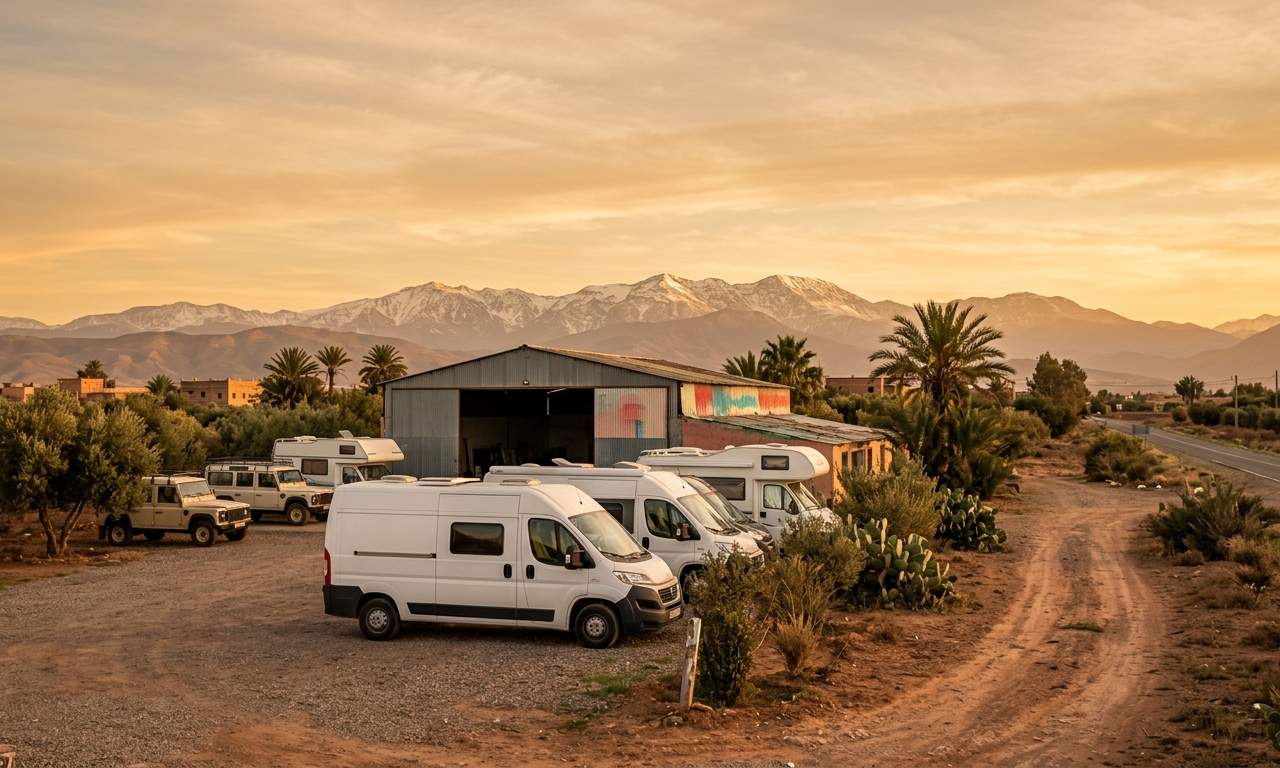
A couples' RV adventure in Morocco typically spans 7 to 14 days, covering approximately 1000-2000 km, offering a blend of imperial cities, stunning coastlines, and dramatic desert landscapes. The ideal seasons for RV travel are spring (March-May) and autumn (September-November), providing pleasant temperatures and avoiding extreme summer heat or winter chills. A typical route for couples combines cultural immersion in cities like Marrakech and Fes with natural beauty along the Atlantic coast and through the Atlas Mountains. For live availability and current prices, start with our RV Rental Morocco - Complete Guide 2026 guide.
7-Day Classic Route in Morocco
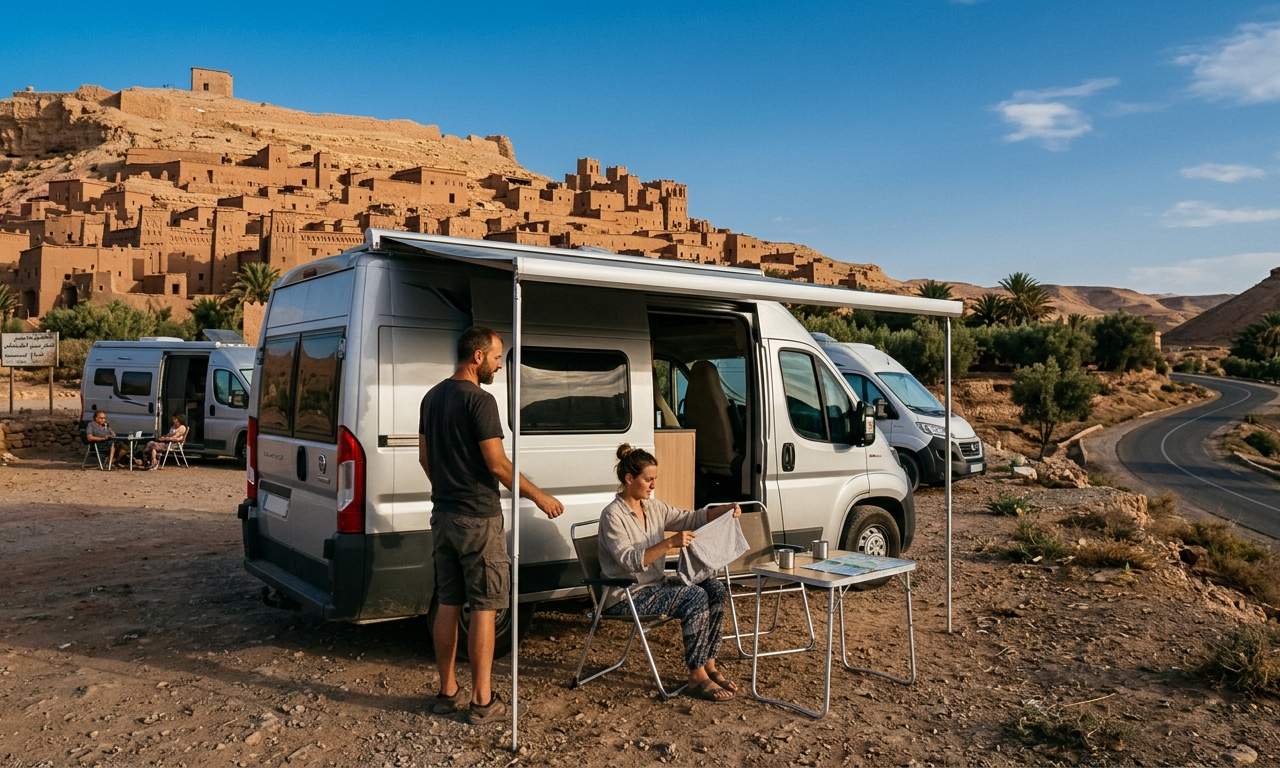
Embark on a classic 7-day Moroccan RV journey designed for couples, covering approximately 1000 km of diverse landscapes. Day 1 involves arriving in Marrakech, picking up your rented RV, and exploring the vibrant city, with an overnight stay at a Marrakech campsite. On Day 2, drive approximately 190 km to Essaouira, enjoying its coastal charm and medina before settling into an Essaouira campsite. Day 3 sees you travel about 175 km to Agadir, where you can relax on the beach and explore the marina, camping overnight in Agadir. Day 4 takes you inland for an 80 km drive to Taroudant, a historic walled city often called 'Little Marrakech,' with camping in the Taroudant area. Day 5 involves a scenic 200 km drive through the Atlas Mountains to Ouarzazate, visiting film studios and camping there. Day 6, you'll drive about 200 km, including a visit to the ancient kasbah of Aït Benhaddou, before returning to Marrakech for your final night at a campsite. Day 7 is for returning your RV and departing, after enjoying your last moments in Marrakech.
14-Day Extended Journey in Morocco
For a more immersive experience, consider an extended 14-day RV journey through Morocco, covering around 2,000 km and offering deeper exploration. Days 1-3 can be spent in Marrakech and its surroundings, perhaps with a day trip to the Ourika Valley or the High Atlas foothills, with overnight stays in Marrakech. Days 4-5 involve a 190 km drive to Essaouira, where you can soak in the coastal atmosphere and explore the medina and port, camping overnight in Essaouira. Days 6-7 cover a roughly 255 km route from Essaouira to Agadir and then inland to Taroudant, the 'Little Marrakech,' for an overnight stay. Days 8-9 are dedicated to a 200 km drive from Taroudant to Ouarzazate and Aït Benhaddou, exploring the UNESCO Kasbah and film studios before camping near Ouarzazate. Days 10-11 traverse about 200 km from Ouarzazate to the Dades Gorges and Todra Gorge, experiencing stunning canyon scenery, with overnight camping near Todra Gorge. On Days 12-13, a 160 km drive leads you to the Sahara Desert at Merzouga for a camel trek and desert camp experience. Day 14 involves a longer drive of approximately 460 km across varied landscapes to the ancient imperial city of Fes, with overnight accommodation. Day 15 is for exploring Fes, returning your RV, and departing, having immersed yourselves in its vibrant medina.
Recommended RVPlan Trip for Morocco
While a specific RVPlan trip may not be immediately available for 'rv rental for couples in Morocco,' Bandana's 'Rent & Plan' service empowers couples to create their dream itinerary with expert assistance. This service provides access to specialized trip-planning software, allowing users to customize routes, discover points of interest, and optimize daily distances for a seamless Moroccan adventure. You can explore numerous pre-planned routes across 5 continents via RV PLANET (rvplan.net), which can serve as inspiration for your bespoke Moroccan itinerary.
Must-See Stops Along the Way (Avi Bandana Picks)
Avi Bandana's personal picks for an authentic Moroccan experience include the vibrant Jemaa el-Fnaa square in Marrakech, an essential hub for food, entertainment, and culture. Visiting an Argan oil cooperative in the Essaouira region offers insight into traditional Moroccan production and supports local women's initiatives. Exploring the ancient Ksar of Aït Benhaddou, a UNESCO World Heritage site, provides a glimpse into historic fortified architecture and cinematic backdrops. Wandering through the blue-painted streets of Chefchaouen offers a unique aesthetic and serene atmosphere in the Rif Mountains. Experiencing a traditional Berber dinner in a village near the Atlas Mountains allows for authentic cultural interaction and culinary delights.
Daily Driving Distances & Drive Times in Morocco
Avi Bandana recommends a maximum of 100 miles or 150 km per day on average to ensure a relaxed pace, allowing ample time for exploration and unexpected discoveries. Traveling slowly enables couples to truly absorb Morocco's diverse landscapes and engage with local culture without feeling rushed. For example, the drive from Marrakech to Essaouira is approximately 190 km, taking about 2.5-3 hours. Ouarzazate to Aït Benhaddou is a shorter 30 km drive, around 0.5 hours. The journey from Fes to Chefchaouen covers about 200 km and can take around 4 hours due to mountainous roads.
Best RV Class for This Itinerary — Couple & Family Picks
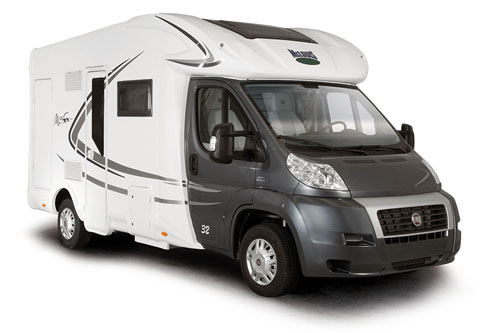
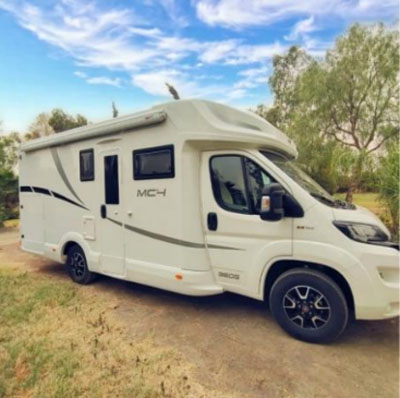
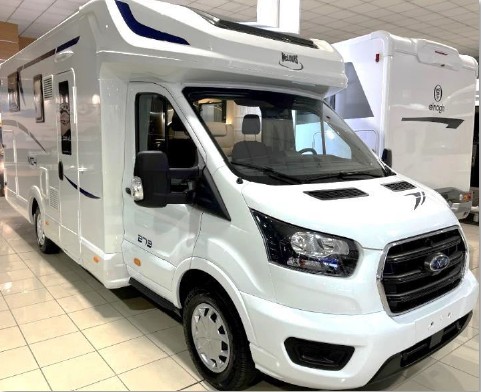
For couples exploring Morocco, the Class B - Camper Van is an ideal choice for navigating its varied terrain and bustling cities. Bandana's fleet of these nimble vehicles averages 5.8 meters in length and comfortably accommodates two adults. With an average fuel consumption of 8-10 Liters/100 Km, these agile vans offer excellent maneuverability for narrow streets and mountain roads while providing all essential amenities for two. For a family considering this journey, the Class C - Alcove motorhome is highly recommended, offering more space with Bandana's fleet averaging 7.5 meters in length and accommodating 4.4 adults with 5.8 sleeping places. This class provides ample living and sleeping areas, making longer trips more comfortable for families, typically consuming 10-12 Liters/100 km. Bandana's 'Rent & Plan' service integrates RV rental with a ready-made itinerary, crafted by travel experts and accessible via full trip-planning software, streamlining your Moroccan adventure by removing planning headaches.
For couples seeking a nimble and efficient travel companion, a Class B Camper Van is an excellent choice. For instance, the "rv rental denver example Category Van" (average 5.8 meters, 2-3 adults) or the "hire campervan example Paradise S/T" (small RV, ideal for a couple) are great options. If you're planning a family trip, a larger Class C motorhome like the "24' Class C Motorhome" (medium RV, 4 sleeping places) or the "29’ Class C Motorhome" (large RV, 6 sleeping places) would provide the necessary space and amenities.
How much does it cost to rent an RV in Morocco
The cost of renting an RV in Morocco varies significantly based on vehicle class, rental duration, and season, typically ranging from €70 to €150 per day for a standard camper van. A comprehensive cost analysis for an RV trip to Morocco should budget for daily RV rental, fuel (diesel is widely available at approximately €1.0-€1.2/liter, though types can vary slightly by region), camping fees (€5-€15/night), and ferry fees if arriving from Europe (e.g., Algeciras to Tangier Med can be €200-€400 return for an RV and two people). Additionally, budget for food (eating out can be very affordable, €5-€15 per meal, or self-catering), activities, potential visa fees, and an emergency fund for unexpected expenses like minor repairs or roadside assistance. Travelers exploring the region may also find the Cheap RV Rental in Morocco - Budget Guide 2026 helpful for managing costs. For ideas you can prep on the road, watch our RV-friendly recipes playlist on YouTube. On the routes offered through RV PLANET routes, you can itemize and track every expense along the way for easy budgeting.
.Can you wild camp in Morocco
Wild camping, or boondocking, is generally tolerated in Morocco if done discreetly and respectfully, particularly in rural or less populated areas, but always ensure you are not on private land or protected areas. In-depth guidance for safe, legal, and responsible wild camping practices advises seeking permission from landowners if camping near villages, avoiding national parks or ecologically sensitive sites, and ensuring you leave absolutely no trace behind. It's crucial to practice environmental responsibility and 'Leave No Trace' principles in Morocco's diverse ecosystems, meaning all waste, including grey and black water, must be properly disposed of at designated dump stations to protect the natural beauty of the desert, coast, and mountains. For more on this, check out our guide to RVing in Morocco.
What are the roads like in Morocco
Morocco's roads are varied, ranging from well-maintained highways (autoroutes) connecting major cities to narrower, sometimes unpaved, and challenging routes in mountainous or remote regions. Specific road conditions for RVs often include winding mountain passes in the High Atlas, requiring careful driving and lower speeds, and occasional potholes or uneven surfaces, especially on secondary roads. Navigation challenges can arise from limited signage in some areas, the presence of pedestrians, cyclists, and livestock on roads, and the need to be aware of local driving habits, making night driving generally unadvisable for RVs.
Is it safe to RV in Morocco
RVing in Morocco is generally considered safe, especially when exercising common sense, respecting local customs, and taking standard travel precautions. Emergency preparedness for RVs should include having contacts for roadside assistance and breakdown services, which are available in major cities but can be sparse in remote areas, and knowing the locations of medical facilities. Cultural etiquette and interaction tips, such as dressing modestly, being respectful when parking in villages, engaging politely with local vendors (haggling is customary), and understanding photography etiquette (always ask permission before taking photos of people), significantly enhance safety and a positive experience. If you're planning a broader trip, our guide RV Rental Morocco - Complete Guide 2026 covers comprehensive travel advice.
What documents do I need to enter Morocco with a camper van
To enter Morocco with a camper van, you will need your passport (valid for at least six months beyond your intended stay), your vehicle registration document, an International Driving Permit (alongside your national license), and proof of vehicle insurance that specifically covers Morocco. Step-by-step instructions for border crossing procedures involve obtaining a temporary import document (often a D16ter form), which typically allows your vehicle to stay for six months, and clearing customs. Insurance nuances are critical; ensure your Green Card insurance explicitly lists Morocco (MA) as covered, as standard European comprehensive policies often exclude it, necessitating separate border insurance or an extension from your provider. For more on this, see our guide on navigating Moroccan borders with your RV.
How long can you keep a foreign registered camper van in Morocco
A foreign-registered camper van can typically remain in Morocco for up to six months within a single calendar year under a temporary import permit, which is usually stamped into your passport upon entry. Vehicle temporary import extensions can be sought through Moroccan customs authorities (Douane) in major cities, a process that requires documentation and can be time-consuming. Similarly, visa extensions for personal stay beyond the standard 90 days are handled by the local police (Sûreté Nationale) and require demonstrating sufficient funds and a valid reason for extended residence.
What kind of RV is best for Morocco
For couples exploring Morocco, a Class B Camper Van or a smaller Class SI Semi-integrated motorhome is generally best due to their maneuverability on narrow roads and ease of parking in cities and villages. A detailed breakdown of vehicle suitability for Moroccan terrain highlights that while a large, heavy RV might struggle on some winding mountain roads or tight medina entrances, a compact vehicle offers greater flexibility. Good ground clearance is beneficial for unpaved sections, but a 4x4 is not strictly necessary for most popular tourist routes, only for serious off-roading adventures. Consider the "Altiplano 4x4 Comfort" or the "Andino 4x4" for their suitability on varied terrain.
Do I need a 4x4 camper van in Morocco
A 4x4 camper van is not strictly necessary for most common tourist routes in Morocco, as major roads and access to popular destinations are generally navigable by 2WD vehicles with reasonable ground clearance. However, a detailed breakdown of vehicle suitability for Moroccan terrain shows that a 4x4 becomes highly recommended, if not essential, for specific adventurous routes, such as venturing deep into the Sahara desert beyond paved roads (e.g., off-road tracks to remote desert camps), or tackling some of the more rugged passes in the High Atlas Mountains. For couples planning to stick to well-traveled paths and main attractions, a standard RV will suffice, but for intrepid explorers seeking off-the-beaten-path experiences, a 4x4 provides invaluable capability and peace of mind.
Where can I empty my RV in Morocco
Reliable dump stations for emptying grey and black water tanks in Morocco are primarily found at official campsites, which are becoming increasingly equipped for RVs. Detailed information on local RV infrastructure indicates that while some larger petrol stations or truck stops might offer facilities, they are less common than in Europe, so planning routes around campsites is advisable. Always ensure proper waste disposal to maintain environmental responsibility and respect local communities, avoiding emptying tanks in undesignated areas. For finding such facilities, RV PLANET routes can be a helpful resource.
Is Morocco motorhome friendly
Morocco is increasingly motorhome friendly, offering a growing network of campsites, dedicated parking areas, and a welcoming attitude from locals towards RV travelers. Cultural etiquette and interaction tips tailored for RVers suggest that integrating into local life, such as engaging politely with local vendors, being mindful when parking in villages, and practicing respectful photography etiquette, contributes to a very positive motorhome experience. The country's diverse landscapes and relatively low cost of living, combined with the warmth of its people, make it an attractive destination for RV touring. Exploring the Cheap RV Rental in Morocco - Budget Guide 2026 can help you plan your budget-friendly adventure.
How do I navigate Morocco by RV
Navigating Morocco by RV is best managed using a combination of reliable offline GPS apps (like Maps.me or OsmAnd), which are excellent for detailed maps even without internet, supplemented by Google Maps for real-time traffic updates when connected. Connectivity solutions for RVers are crucial for navigation and staying connected; purchasing a local SIM card (e.g., Maroc Telecom, Inwi, or Orange) upon arrival provides affordable data for mobile hotspots and online mapping. Specific road conditions and navigation challenges include narrow city streets and medinas where RVs are often restricted, requiring parking on the outskirts and using taxis or walking, and some remote routes having limited cell signal, emphasizing the importance of offline maps.
Where can I fill up with water for RV in Morocco
Potable water sources for RVs in Morocco are reliably found at official campsites, which are equipped for refilling tanks, and at many petrol stations, particularly those catering to trucks or larger vehicles. Detailed information on local RV infrastructure suggests carrying a water filter for peace of mind, as water quality from non-official taps can vary, and purchasing bottled water for drinking is always a safe option. Beyond major cities, finding potable water can be more challenging, so it's advisable to fill up whenever an opportunity arises and consider carrying extra water storage for remote excursions, alongside options for propane/gas bottle refills which are also more common in urban centers.
Is there WIFI in Morocco for RV
While free public Wi-Fi is generally limited to hotels, cafes, and some restaurants in Morocco, reliable internet access for RVers is primarily achieved through purchasing a local SIM card and using it for mobile hotspot functionality. Connectivity solutions for RVers include readily available local SIM cards from providers like Maroc Telecom, Inwi, or Orange at airports, convenience stores, or official outlets, offering affordable data packages for navigation, communication, and entertainment. Having a personal mobile hotspot ensures consistent Wi-Fi availability within your RV, crucial for planning routes, researching attractions, and staying connected with family and friends throughout your Moroccan journey, even in areas without dedicated RV park Wi-Fi.
What are the regulations for wild camping in Morocco
Official regulations for wild camping in Morocco are somewhat ambiguous, but it is generally tolerated in remote, non-private, and non-protected areas, provided campers adhere to principles of discretion and respect for the environment and local communities. In-depth guidance on safe, legal, and responsible wild camping practices includes avoiding designated urban areas, private property (unless explicit permission is granted), and ecologically sensitive zones such as national parks or nature reserves. Environmental responsibility and 'Leave No Trace' principles are paramount: always pack out all trash, dispose of grey and black water only at appropriate dump stations, avoid disturbing wildlife, and ensure any fires are contained and fully extinguished to preserve Morocco's diverse landscapes. For more on this, explore RV Camping in Morocco: Tips for Responsible Travel.
What are the driving laws in Morocco
Key driving laws in Morocco mandate adherence to posted speed limits (typically 60 km/h in urban areas, 100 km/h on national roads, and 120 km/h on highways), compulsory use of seatbelts for all occupants, and a strict zero-tolerance policy for driving under the influence of alcohol or drugs. Drivers must carry their international driving permit, national license, vehicle registration, and insurance documents at all times, and be prepared for checkpoints, particularly on major routes. It's also important to be aware of local customs, such as giving way to traffic from the right at roundabouts (unless otherwise signed), and the frequent presence of pedestrians, cyclists, and animals, particularly in rural areas. Understanding these driving customs is vital for a safe journey; check out our guide to navigating Morocco by RV for more tips.
What You Shouldn't Miss
- Immerse yourselves in the bustling atmosphere of Jemaa el-Fnaa square in Marrakech for a taste of authentic Moroccan life.
- Visit an Argan oil cooperative near Essaouira to learn about local traditions and support women's initiatives.
- Explore the ancient, fortified Ksar of Aït Benhaddou, a stunning UNESCO World Heritage site that has served as a backdrop for many films.
- Wander through the picturesque blue streets of Chefchaouen for unique photo opportunities and a serene mountain escape.
- Savor a traditional Berber dinner in a village near the Atlas Mountains for genuine cultural exchange and delicious local cuisine.
- Experience the dramatic landscapes of the Dades and Todra Gorges, with opportunities for scenic drives and short hikes.
Final Thoughts
Renting an RV in Morocco for a couples' trip offers an unparalleled way to experience the country's diverse beauty and rich culture at your own pace. From the bustling souks of Marrakech to the serene coastal breezes of Essaouira and the dramatic landscapes of the Atlas Mountains, your rented motorhome becomes your comfortable, mobile basecamp for adventure.
Remember to plan your route, book your RV in advance, and embrace the slow travel philosophy to truly connect with the heart of Morocco. We're here to help you navigate the details, ensuring your journey is as smooth and enjoyable as possible. Get inspired for your next trip and start planning your unforgettable Moroccan RV adventure today!