In This Guide
- Best Japan RV Itinerary for rv rental for couples — Overview
- 7-Day Classic Route in Japan
- 14-Day Extended Journey in Japan
- Recommended RVPlan Trip for Japan
- Must-See Stops Along the Way (Avi Bandana Picks)
- Daily Driving Distances & Drive Times in Japan
- Best RV Class for This Itinerary — Couple & Family Picks
- What is the best time of year to RV in Japan?
- Do you need a special license to drive an RV in Japan?
- How much does it cost to rent an RV in Japan?
- Is it easy to drive an RV in Japan?
- Are there tolls in Japan for RVs?
- What are the rules for RV camping in Japan?
- Can you sleep in an RV in Japan?
- Where can I find RV parks in Japan?
- How do you dispose of RV waste in Japan?
Best Japan RV Itinerary for rv rental for couples — Overview
Embarking on an RV journey through Japan as a couple offers an unparalleled blend of freedom, cultural immersion, and breathtaking scenery. A typical trip for two involves exploring diverse landscapes, from majestic mountains to serene coastlines, with the flexibility to delve into Japan's rich cultural tapestry at your own pace. For a truly rewarding experience, a minimum of 7 days is recommended to savor the journey. However, a 10 to 14-day itinerary, covering approximately 800-1500 km (500-930 miles), allows for a more comprehensive exploration without feeling rushed. The ideal seasons for RV travel in Japan are spring (March-May), celebrated for the iconic cherry blossoms and mild weather, and autumn (September-November), renowned for its stunning fall foliage and pleasant temperatures, both offering spectacular visual feasts for couples.
7-Day Classic Route in Japan
This 7-day route is thoughtfully designed for couples seeking a quintessential Japanese RV experience, focusing on the scenic Kanto and Chubu regions. It balances natural beauty, cultural immersion, and relaxation, ensuring daily drives remain manageable, averaging no more than 100 miles (150 km) per day for a comfortable pace. For live availability and current prices, start with our RV Rental Japan - Complete Guide 2026 guide.
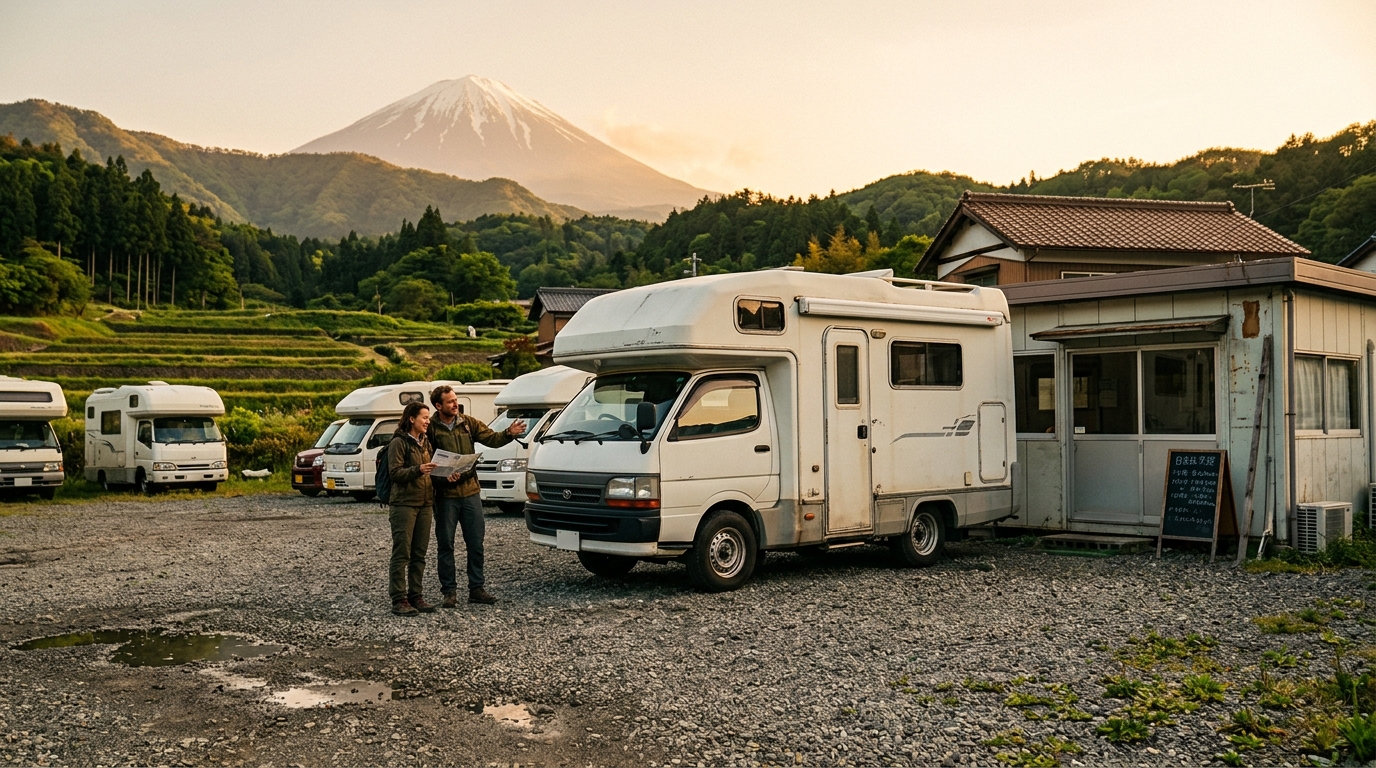
- Day 1: Tokyo (pickup) → Hakone (approx. 90 km): Begin your adventure by picking up your rented RV in Tokyo and heading towards Hakone, a mountain resort town famed for its stunning views of Mount Fuji and relaxing onsen (hot springs). Overnight at a *Michi-no-eki* (roadside station) in Hakone or a local campground.
- Day 2: Hakone → Izu Peninsula (Atami/Itō) (approx. 60 km): Enjoy a scenic coastal drive along the Izu Peninsula. Explore charming towns like Atami with its castle and ropeways, or the artistic Itō. Find a peaceful campground on the Izu Peninsula for your overnight stay.
- Day 3: Izu Peninsula → Fuji Five Lakes (Kawaguchiko) (approx. 110 km): Journey towards the Fuji Five Lakes region, specifically Kawaguchiko, for iconic views of Mount Fuji, often reflected in the tranquil lakes. Enjoy lake activities or visit charming local spots before settling into a campground near Kawaguchiko.
- Day 4: Kawaguchiko → Kofu (approx. 50 km): A shorter drive today takes you to Kofu, the capital of Yamanashi Prefecture, known for its vineyards and Kofu Castle Park. Experience the local wine region and enjoy a relaxed evening, perhaps at a *Michi-no-eki* in Yamanashi.
- Day 5: Kofu → Chichibu (approx. 90 km): Head towards Chichibu, a region celebrated for its natural beauty, including the scenic Nagatoro Gorge. Visit the historic Chichibu Shrine for a dose of culture. Overnight at a campground or *Michi-no-eki* in the Chichibu area.
- Day 6: Chichibu → Nikko (approx. 130 km): Drive to Nikko, a UNESCO World Heritage site famous for its elaborately decorated shrines and temples, as well as the majestic Kegon Falls. Immerse yourselves in the spiritual and natural beauty of this historic area. Overnight at a Nikko campground or *Michi-no-eki*.
- Day 7: Nikko → Tokyo (drop-off) (approx. 140 km): Conclude your romantic RV journey with a scenic drive back to Tokyo for RV drop-off, reflecting on the incredible memories made.
14-Day Extended Journey in Japan
For those who have more time, this 14-day itinerary builds upon the classic route, extending into the majestic Japanese Alps and the culturally rich Hokuriku Coast, ensuring a deeply immersive experience. This extended journey prioritizes a relaxed pace, with average daily drives remaining within 100 miles (150 km), allowing ample time for exploration and connection. For those planning a broader trip, our guide RV Rental Japan - Prices and Best Deals 2026 offers further insights into various routes and cost considerations.
- Kanto & Fuji Wonders (Days 1-4): Start in Tokyo, then journey through Hakone, the Izu Peninsula, Fuji Five Lakes (Kawaguchiko), and Kofu, absorbing iconic natural beauty and cultural sites that define this vibrant region.
- Japanese Alps & Traditional Towns (Days 5-8): Head north to explore Matsumoto, with its stunning castle; the traditional mountain town of Takayama; the UNESCO-listed village of Shirakawa-go; and the artistic city of Kanazawa. This segment offers a deep dive into traditional Japanese life and breathtaking mountainous landscapes.
- Cultural Coasts & Return (Days 9-14): Discover the rugged beauty of the Noto Peninsula, the contemporary art hub of Toyama, the cultural heartland of Nagano, the charming resort town of Karuizawa, and the spiritual sites of Nikko, before your return to Tokyo. This section offers a diverse range of experiences, from coastal drives to cultural exploration.
Recommended RVPlan Trip for Japan
While a specific RVPlan trip curated for Japan is not yet available on RV PLANET (rvplan.net), we are continually expanding our library of expertly crafted itineraries. We encourage you to explore the diverse range of pre-planned RV routes available for other popular destinations globally through RVPlan.net. These plans offer invaluable convenience and in-depth local insights, designed to make your trip planning effortless and maximize your adventure. For those seeking budget-friendly options, our Cheap RV Rental in Japan - Budget Guide 2026 article provides tips on finding the most affordable RV rentals.
Must-See Stops Along the Way (Avi Bandana Picks)
Avi Bandana, our founder and a seasoned RV traveler, emphasizes that the true magic of RVing in Japan lies in authentic cultural immersion and local experiences. He recommends actively seeking out opportunities that connect you with the heart of Japanese life.
- Traditional Visits: Look for chances to visit a family-run sake brewery, a historic merchant house in a preserved town, or a local artisan's workshop. These experiences offer deep insights into Japanese craftsmanship and community life. Consider our guide on Luxury RV Rental in Japan - Premium Prices 2026 if you're seeking premium cultural experiences.
- Traditional Restaurants: Savor local flavors at authentic eateries—think a soba noodle shop in Nagano, a fresh sushi counter in a coastal town, or a bustling *izakaya* (Japanese pub). Engaging with local chefs and understanding regional ingredients is a highlight.
- Traditional Markets: Explore vibrant local markets, such as the morning market in Takayama or the fish market in Kanazawa. These offer a sensory delight and a chance to interact with vendors, discovering regional produce and specialties.
- Local Industry: Gain insights into Japan's rich heritage by visiting a pottery studio in Mashiko, a washi paper workshop in Gifu, or a traditional textile dyeing house. These encounters reveal the dedication and artistry behind local industries.
Daily Driving Distances & Drive Times in Japan
To truly embrace the spirit of slow travel and enjoy the journey, Avi Bandana suggests a comfortable maximum of 100 miles (150 km) per day on average for your Japanese RV adventure. This approach allows couples to linger at points of interest, explore hidden gems, and truly soak in the local culture without feeling rushed. For example, the drive from Tokyo to Hakone is approximately 90 km (56 miles) and typically takes about 1.5 to 2 hours, depending on traffic. A picturesque route from Kawaguchiko to Matsumoto covers about 140 km (87 miles), usually requiring 2.5 to 3 hours of driving time. Shorter, scenic drives, like the roughly 70 km (43 miles) from Kanazawa to Shirakawa-go (taking about 1 hour and 15 minutes), highlight the varied and manageable distances you can expect throughout Japan.
Best RV Class for This Itinerary — Couple & Family Picks
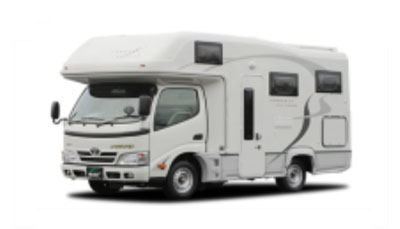
Choosing the right RV class is paramount for comfort and enjoyment on your Japanese road trip. Bandana's comprehensive "Rent & Plan" service simplifies this choice by offering a wide range of vehicles. For couples seeking agility and ease of navigation, the Class B - Camper Van is highly recommended. These compact vehicles, averaging around 5.8 meters in length, are perfect for Japan's often narrower roads and bustling urban environments. Bandana's global fleet of Class B camper vans typically accommodates an average of 2.7 adults, providing ample space for two while maintaining excellent fuel efficiency, with common consumption around 8-10 Liters/100 km. This makes them an economical and practical choice for a romantic getaway. If you're traveling as a family or a couple who prefers more living space and amenities, consider the Class C - Alcove. Averaging about 7.5 meters in length, these RVs offer generous living and sleeping areas, extra room for luggage, and a more comfortable home-away-from-home feel, typically consuming around 10-12 Liters/100 km. You can compare prices and find the perfect vehicle for your needs by checking our RV Rental Japan - Prices and Best Deals 2026 guide.
What is the best time of year to RV in Japan?
The most opportune times for an RV adventure in Japan are generally during spring (March to May) and autumn (September to November). These periods offer mild temperatures and are celebrated for their stunning seasonal beauty. Spring is particularly magical for witnessing the cherry blossoms (*sakura*), usually from late March to early April, though this also means campgrounds can be busier and require advance booking. Autumn offers a different kind of spectacular, with vibrant fall foliage displaying a breathtaking spectrum of colors, particularly from late October to mid-November, making it ideal for outdoor activities. Summer (June-August) can be quite hot and humid, with typhoon season peaking in August and September, which might affect travel plans and outdoor enjoyment. Winter (December-February) is best suited for those interested in snow sports in regions like Hokkaido or the Japanese Alps, but be aware that many campgrounds close, and road conditions can be challenging due to snow and ice.
Do you need a special license to drive an RV in Japan?
For most international visitors, a special RV license is not required to drive an RV in Japan, provided your home country's driver's license can be legally used. The essential document for most foreign drivers is an International Driving Permit (IDP) obtained in your home country *before* arriving in Japan, issued under the 1949 Geneva Convention. This IDP, when presented with your valid national driver's license and passport, permits you to drive legally in Japan for up to one year. It's vital to ensure your national license is current and that your IDP is issued by an authorized agency in your country, as permits issued under the 1968 Vienna Convention, for instance, may not be accepted.
How much does it cost to rent an RV in Japan?
The cost to rent an RV in Japan for couples typically falls between ¥15,000 and ¥30,000 (approximately $100-$200 USD) per day. This daily rate is influenced by factors such as the RV class, the rental season, and the rental duration. When budgeting for your Japanese RV trip, remember to account for significant additional expenses beyond the rental fee. Japan's extensive expressway system includes substantial tolls; utilizing an ETC (Electronic Toll Collection) card, often available with your rental, is highly recommended for efficiency and potential savings. Fuel prices are comparable to many Western countries, with Bandana's fleet vehicles typically consuming 8-12 Liters/100 km, depending on the RV class. Campsite fees for designated RV parks or private campgrounds can range from ¥2,000 to ¥6,000 per night, offering amenities that enhance the camping experience. Don't forget to budget for other potential costs such as mobile Wi-Fi rental, parking fees in cities, and food expenses, especially if you plan to indulge in local cuisine at restaurants or markets. For a more detailed cost breakdown, consult our guide on Cheap RV Rental in Japan - Budget Guide 2026. On the routes offered through RV PLANET routes, you can itemize and track every expense along the way for easy budgeting.
Is it easy to drive an RV in Japan?
Driving an RV in Japan can be a rewarding experience, but it requires careful planning and awareness of local conditions. While Japanese roads are generally well-maintained, navigating them in an RV presents unique challenges compared to driving in other countries. Many older towns and rural areas feature narrower roads, making a smaller RV class, such as a camper van, a more practical choice for couples. Familiarizing yourself with Japanese road signs beforehand is crucial, as English signage can be inconsistent. A reliable GPS system with English navigation is indispensable for on-road research and communication. Utilizing an ETC (Electronic Toll Collection) card is essential for seamless travel on Japan's expressways, as manual toll booths can be less frequent or convenient for foreign visitors. Ensuring consistent internet connectivity via a pocket Wi-Fi device or local SIM card is also vital for navigation and on-the-go information.
Are there tolls in Japan for RVs?
Yes, Japan's expressways and many scenic routes incorporate tolls, which can represent a significant portion of your RV trip's budget. Toll prices vary based on vehicle size and distance traveled, with RVs generally falling into categories that incur higher fees than standard passenger cars. To streamline your journey and manage these costs effectively, obtaining an ETC (Electronic Toll Collection) card, typically offered with RV rentals, is highly recommended. This system allows for automatic toll payments and can offer discounts for off-peak travel, ensuring a smoother and potentially more economical experience.
What are the rules for RV camping in Japan?
RV camping regulations in Japan are quite strict, strongly favoring designated camping areas and discouraging wild camping, which is generally illegal and culturally frowned upon. Overnight parking is widely permitted at *Michi-no-eki* (roadside stations), which offer restrooms, shops, and dining, but are primarily intended for rest, not extended stays or full camping setups. While convenient for short overnight stops, setting up awnings or outdoor cooking areas at *Michi-no-eki* is usually prohibited to respect public spaces and local customs. For a more traditional camping experience with amenities like electricity, water hook-ups, and dedicated space, booking a spot at one of Japan's numerous private or public campgrounds is necessary. Always observe local signage and etiquette—avoid excessive noise, keep areas clean, and be aware that open fires are restricted to designated zones within official campgrounds. For ideas you can prep on the road, watch our RV-friendly recipes playlist on YouTube.
Can you sleep in an RV in Japan?
Yes, sleeping in your rented RV in Japan is legal and safe, primarily within designated *Michi-no-eki* (roadside stations) or official campgrounds. *Michi-no-eki* are specifically designed for travelers' rest, offering well-maintained facilities like restrooms with 24-hour access, making them a popular choice for overnight RV parking. However, it's crucial to remember these are not formal campgrounds; extended stays or setting up full camp (e.g., awnings, outdoor cooking) is generally prohibited. For amenities such as electricity, water, and dedicated camping space, booking a site at one of Japan's many private or public campgrounds is the way to go. Wild camping or parking in undesignated public areas like temple car parks or nature reserves is typically not allowed and can lead to fines or cultural misunderstandings, so always opt for official locations.
Where can I find RV parks in Japan?
Discovering RV parks and camping facilities across Japan is made easier through various online resources, dedicated apps, and even guidebooks, offering a diverse array of options beyond the ubiquitous *Michi-no-eki*. Official "RV Park" branded sites provide dedicated spaces with essential amenities like power hook-ups and waste disposal, and advance booking is highly recommended, especially during peak seasons. Many municipalities and national parks also operate public campgrounds, which vary in their offerings but generally permit full RV camping setups. Private campgrounds, frequently located near popular tourist destinations or scenic areas, usually boast the most comprehensive facilities, including hot showers, laundromats, and recreational areas. Online platforms and apps such as 'Carstay' or 'RV Park Japan' are excellent resources for locating and booking sites, often providing information in English, which greatly aids in planning your journey across Japan.
How do you dispose of RV waste in Japan?
Disposing of RV waste in Japan requires strict adherence to local regulations, with designated facilities primarily available at official campgrounds and some larger RV parks. Grey water (from sinks and showers) and black water (from toilets) must be emptied only at specific waste disposal stations, which are not commonly found at *Michi-no-eki*. Many private and public campgrounds offer dedicated facilities for this purpose; always confirm these services when booking your site. Japan places a strong emphasis on trash separation, with rigorous rules for sorting burnable waste, non-burnables, plastics, and recyclables. Be prepared to sort your trash diligently and use the designated bins provided at campgrounds or *Michi-no-eki*. Water refill points are generally available at most campgrounds and some larger *Michi-no-eki*, but it's always wise to top up your fresh water tank whenever you have the opportunity.
What You Shouldn't Miss
- Immerse yourselves in the serenity of Hakone’s volcanic hot springs and enjoy breathtaking views of Mount Fuji.
- Drive along the scenic coastal roads of the Izu Peninsula, discovering charming seaside towns and hidden beaches.
- Capture the iconic reflections of Mount Fuji at Lake Kawaguchiko, a truly unforgettable sight.
- Explore the historic beauty of Nikko, a UNESCO World Heritage site, with its stunning shrines, temples, and natural waterfalls.
- Indulge in the local flavors at a traditional Japanese market, sampling regional delicacies and experiencing the vibrant atmosphere.
- Seek out a serene *onsen* (hot spring) in a less-traveled area for an authentic and deeply relaxing experience.
Final Thoughts
An RV trip through Japan with your loved one is more than just a vacation; it's an intimate journey through culture, nature, and shared discovery. The flexibility of having your own mobile accommodation allows you to create moments that are uniquely yours, from waking up to stunning mountain views to enjoying quiet evenings by a serene lake.
Embrace the slower pace of RV travel, allow yourselves to be surprised by the unexpected beauty of Japan's landscapes, and savor the intimate moments that only a road trip can provide. With Bandana Caravan, planning this dream journey is straightforward, transparent, and tailored to your needs, ensuring your focus remains on creating unforgettable memories together.
Ready to start planning your romantic Japanese RV adventure? Explore our range of vehicles and curated routes to find the perfect fit for your couple's getaway!