In This Guide
- Best Canada RV Itinerary for rv rental for couples - Overview
- 7-Day Classic Route in Canada
- 14-Day Extended Journey in Canada
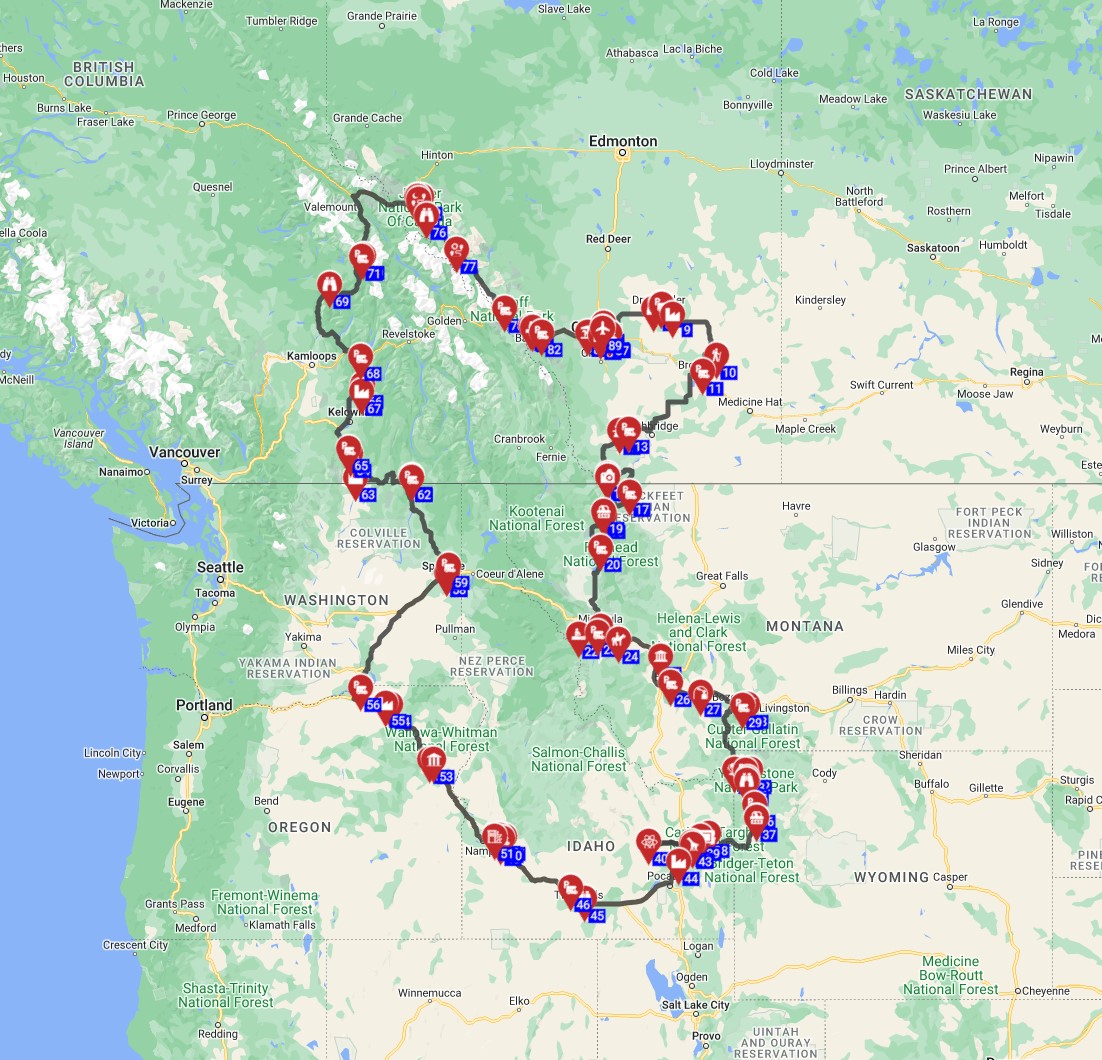
- Recommended RVPlan Trip for Canada
- Must-See Stops Along the Way (Avi Bandana Picks)
- Daily Driving Distances & Drive Times in Canada
- Best RV Class for This Itinerary - Couple & Family Picks
- How much does an RV trip for couples in Canada cost?
- What are the best places for RV camping and boondocking in Canada for couples?
- What are unique regional challenges for RVing in Canada, including road conditions and ferry travel?
- How should couples prepare for wildlife encounters during an RV trip in Canada?
- How can couples stay connected in remote Canadian RV areas?
- What emergency preparedness and travel insurance are recommended for an RV trip in Canada?
- What cultural nuances and local etiquette should RVers know when traveling in Canada?
- How can couples RV responsibly and sustainably in Canada?
- What You Shouldn't Miss
- Why Book with Bandana Caravan
- Final Thoughts
- Frequently Asked Questions
Best Canada RV Itinerary for rv rental for couples - Overview
A typical RV trip for couples in Canada spans 7 to 14 days, often covering between 1,000-2,000 kilometers, allowing for a deep immersion into diverse landscapes. The ideal season for RV travel in Canada is generally from late spring through early fall (May to October), when weather is most favorable and all facilities are open. Couples can choose from a range of experiences, from coastal drives and island hopping to rugged mountain adventures and urban explorations, all from the comfort of their rented motorhome. Many national and provincial parks reserve only 25-30% of their spots online, leaving the rest for first-come, first-served arrivals, which can be great for flexible travelers.7-Day Classic Route in Canada
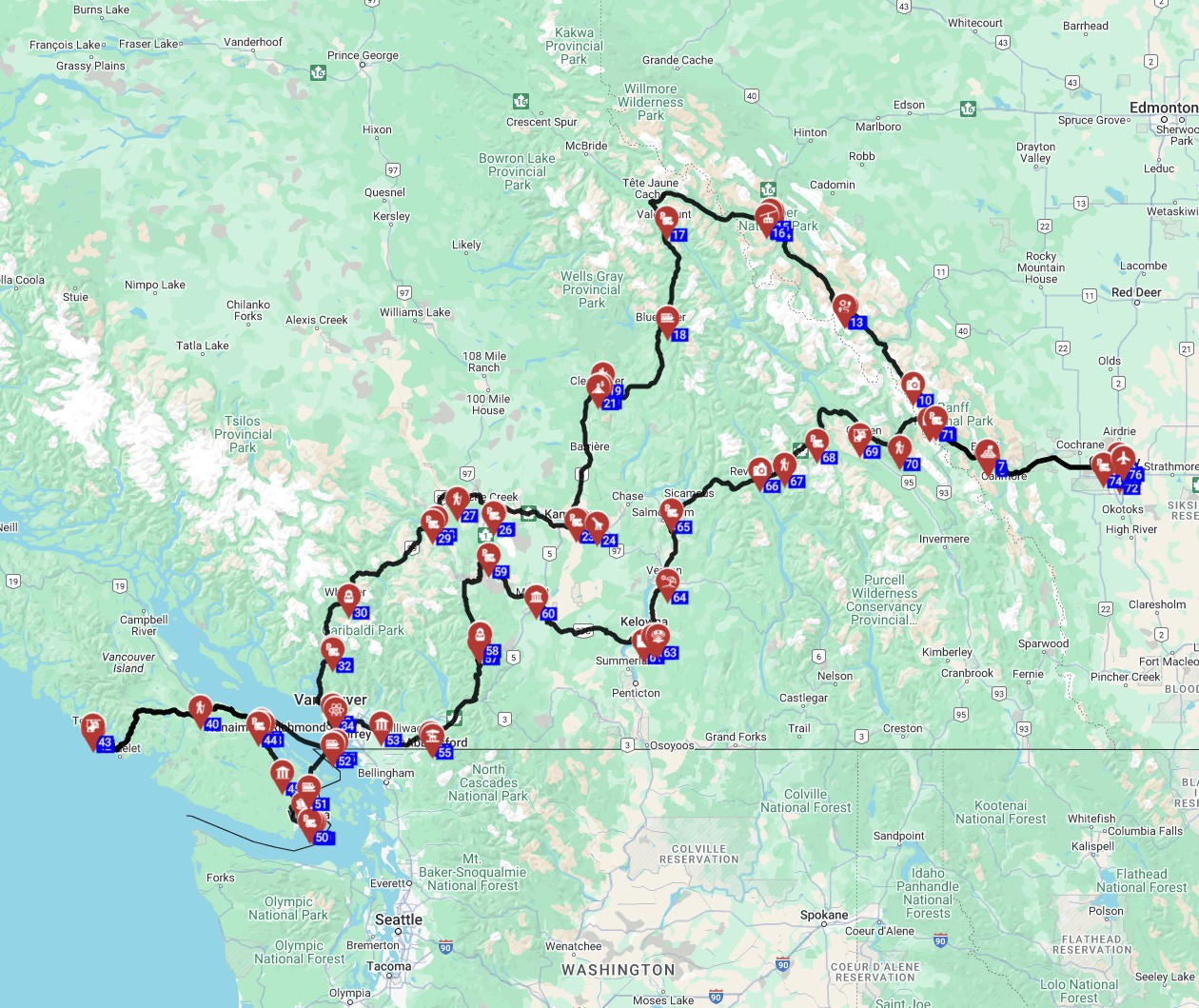
A popular 7-day classic RV itinerary for couples often focuses on the stunning Pacific Coast of British Columbia, starting and ending in Vancouver. This route can begin on Day 1 with a drive of approximately 60 km from Vancouver to Nanaimo, BC, followed by a scenic ferry ride (which requires advance booking for RVs) to Vancouver Island, where you can explore Nanaimo's charming waterfront. Day 2 involves a picturesque 200 km drive to Tofino, BC, to experience the wild beauty of Pacific Rim National Park Reserve, featuring 75 km of rugged coastline and ancient rainforest. Day 3 is a well-deserved rest day in Tofino, perfect for beach walks, romantic sunsets, or even surfing lessons. On Day 4, journey approximately 170 km to Parksville, BC, to relax at Rathtrevor Beach Provincial Park. Days 5 and 6 bring you approximately 150 km south to Victoria, BC, Canada's Garden City, where you can explore the provincial capital, stroll through the world-renowned Butchart Gardens, and enjoy the vibrant Inner Harbour; Day 6 offers another rest day for deeper exploration. Finally, Day 7 involves a return journey of approximately 115 km and a ferry back to Vancouver. This allows you ample time to discover the magic of the region without rushing.14-Day Extended Journey in Canada
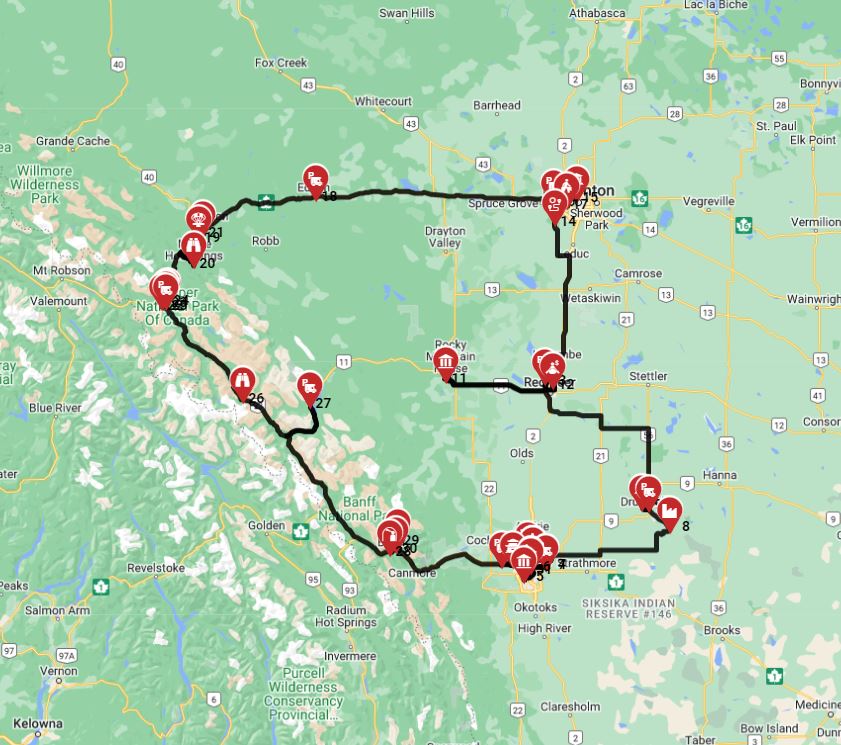
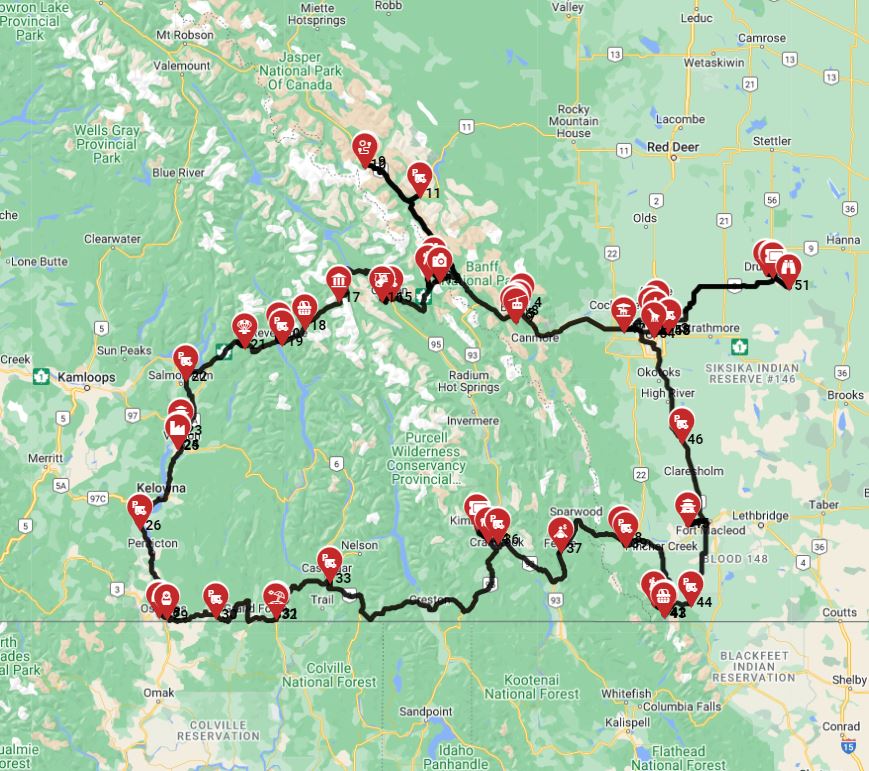
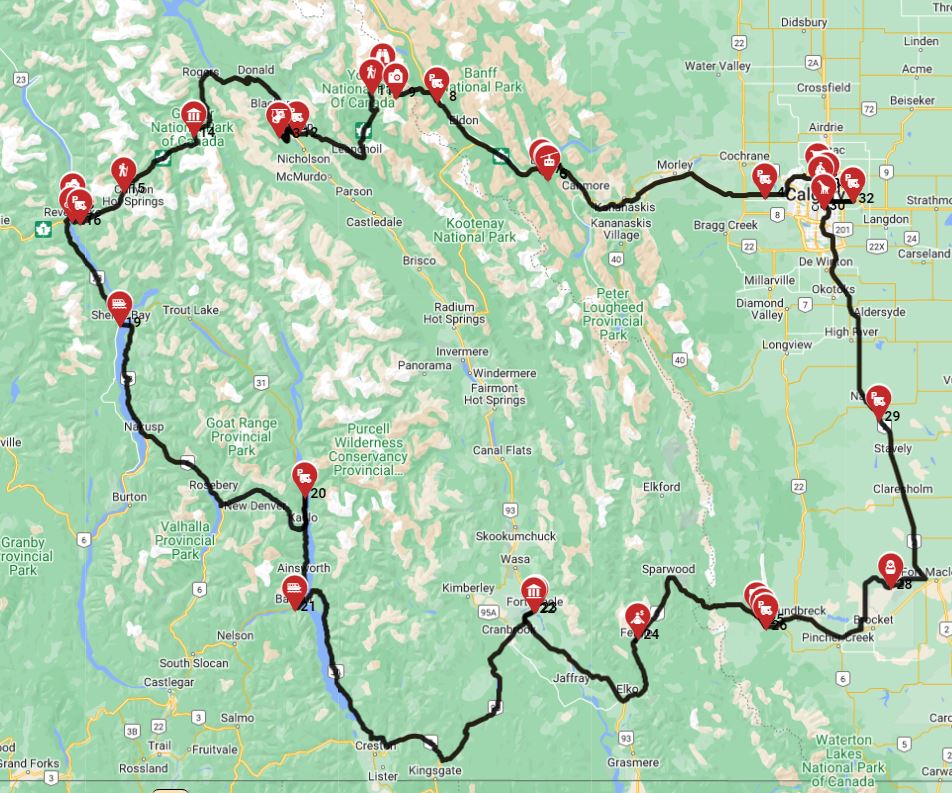
For couples seeking a more expansive adventure, a 14-day extended journey through the Canadian Rockies and Okanagan Valley is an excellent choice. Days 1-3 involve driving from Calgary approximately 130 km into Banff National Park, Alberta, where you can explore Banff townsite and iconic Lake Louise, offering 3 scenic hiking areas. Days 4-6 bring you approximately 290 km along the breathtaking Icefields Parkway to Jasper National Park, Alberta, home to Athabasca Falls and numerous natural features. Days 7-8 see you drive about 280 km to Revelstoke, BC, where Mount Revelstoke National Park offers forest hikes. For finding campsites and campgrounds during your trip, we recommend using RV PLANET (rvplan.net) - a great resource for locating available spots along your route. Days 9-10 head approximately 200 km into the sunny Okanagan Valley, BC (Kelowna/Penticton), a prime spot for wine tasting with over 200 wineries and lake activities. Days 11-12 consist of a scenic 400 km drive to Vancouver, BC, allowing for city exploration including Stanley Park and Granville Island. Days 13-14 provide a rest day in Vancouver for last-minute exploration or departure preparations. This itinerary, with average daily drives of 100-150 km, ensures a relaxed and memorable experience.Recommended RVPlan Trip for Canada
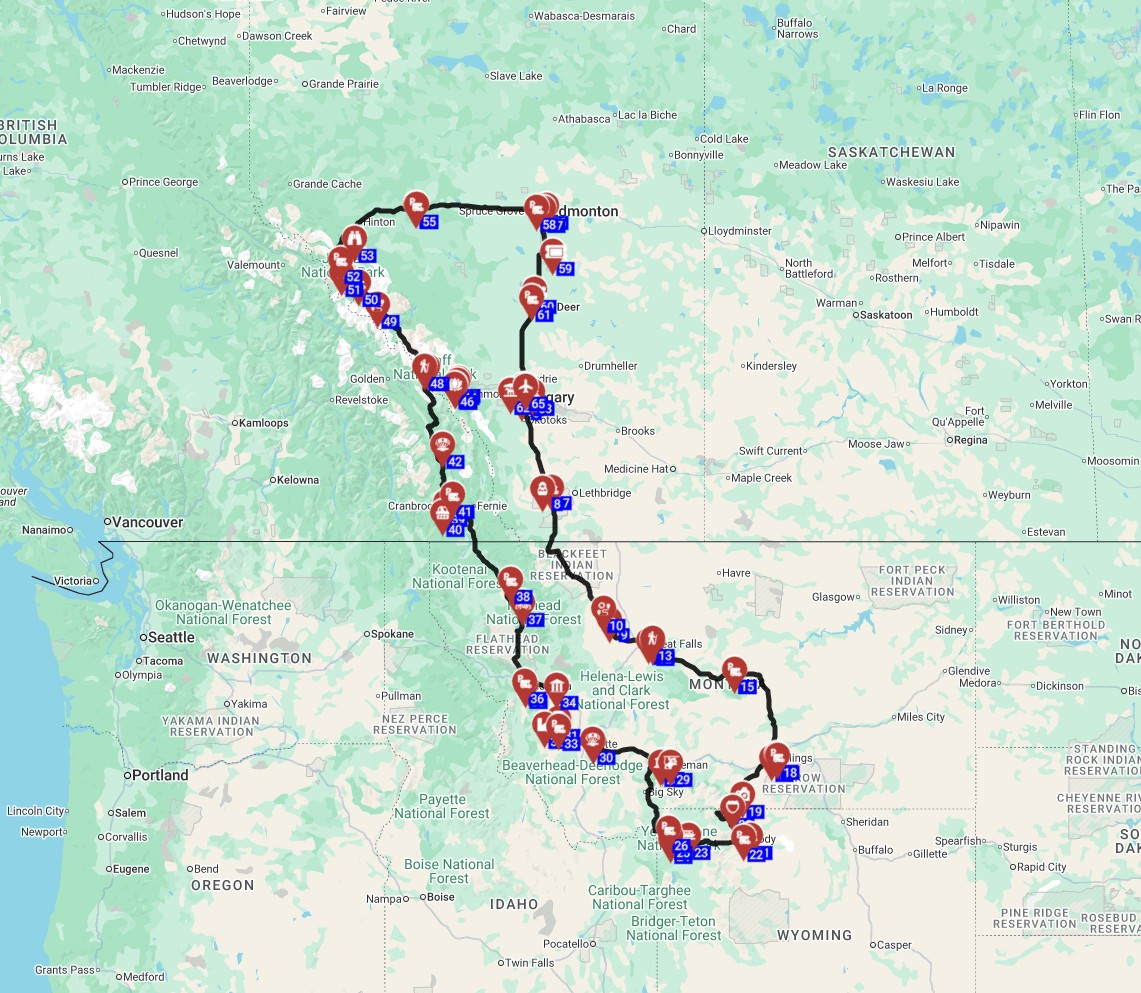
For an truly epic and comprehensive journey across the vast Canadian landscape, the "Halifax to Whitehorse - Exploring Canada’s Heartland in a Motorhome" itinerary is an exceptional choice for adventurous couples. This extensive 37-day route covers an impressive 9199.1 km, guiding you from the Atlantic coast of Halifax all the way to the rugged Yukon territory of Whitehorse. Along the way, you'll encounter a rich tapestry of Canadian experiences, including 1 amusement park, 1 wildlife watch, 1 aquarium, 3 art galleries, 2 beaches, 1 bike rental opportunity, 1 botanical garden, 1 cable railway, 1 canoe/kayak/rafting spot, 2 caves, 1 cruise terminal/sailing experience, 2 day tours, 1 extreme activity, 1 family activity, 1 heritage site, 4 hiking areas, 3 historical sites, 1 horseback riding adventure, 2 local industry visits, 6 museums, 4 natural features, 2 parks, 2 picnic areas, 5 points of interest, 1 scenic route, 2 science sites, 1 swimming area, 1 tourist attraction, 2 traditional markets, 3 traditional restaurants/fine dining, and 4 traditional visits, alongside 2 zoos. This itinerary provides a comprehensive and immersive exploration of diverse Canadian landscapes and cultures, meticulously planned by professionals.Must-See Stops Along the Way (Avi Bandana Picks)
Canada offers an abundance of breathtaking and culturally rich destinations for RV travelers. Looking for expert insights from Avi Bandana? Top 5 Adventures - recommendations from Avi Bandana:- **Immerse in Indigenous culture** at Site d'Interprétation Micmac de Gespeg in Quebec, offering a profound historical perspective.
- **Experience local craftsmanship and community spirit** at the Fort Nelson Farmers Market in British Columbia, where you can find unique handmade goods and fresh produce.
- **Discover regional flavors and history** with a visit to Lake of the Woods Brewing Company in Ontario, a prime example of local industry and craft.
- **Enjoy authentic Canadian cuisine** at traditional restaurants along your chosen route; from East Coast seafood to Alberta beef, the culinary journey is part of the adventure.
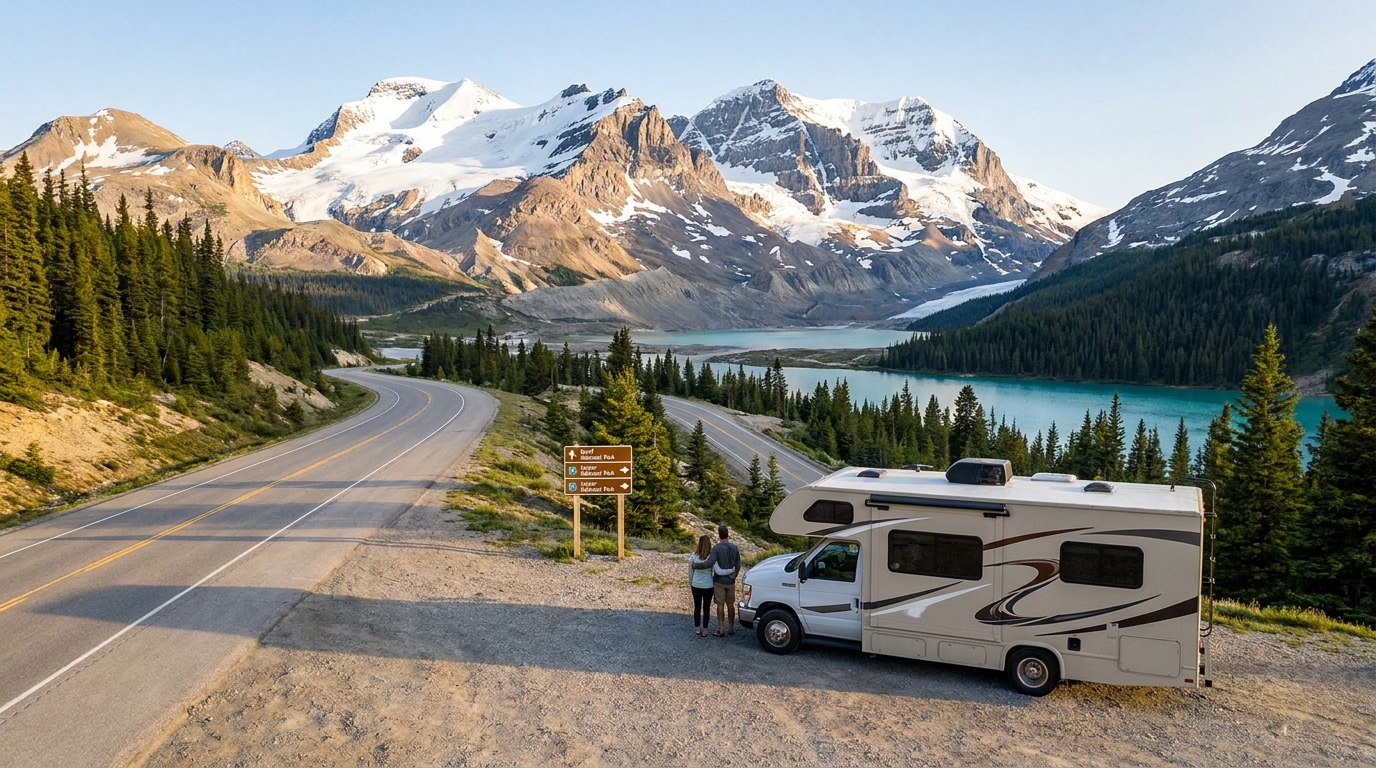
- **Drive the scenic Icefields Parkway** between Banff and Jasper National Parks, recognized as one of the world's most spectacular drives, with 93 glaciers visible along its 232-kilometer stretch.
Daily Driving Distances & Drive Times in Canada
To truly savor the vast and varied Canadian landscape, Avi Bandana recommends maintaining a leisurely pace of a maximum of 100 miles or 150 km per day on average. This approach allows ample time for spontaneous stops, exploring charming small towns, taking unplanned hikes, and connecting deeply with the scenery and local culture. For example, the drive from Banff to Lake Louise is approximately 60 km and takes about 1 hour, while the journey from Montreal to Quebec City is roughly 250 km, requiring 2.5-3 hours of driving. Driving slowly and carefully, you can navigate almost anywhere in Canada without issues, regardless of RV size. No need to stress - just use common sense and pay attention to road signs and conditions. This slow travel philosophy ensures your RV adventure is a relaxing and enriching experience, not just a race from one point to the next.Best RV Class for This Itinerary - Couple & Family Picks
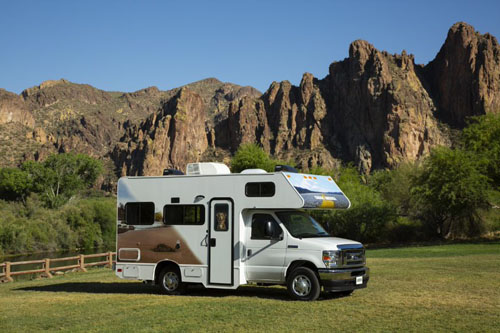
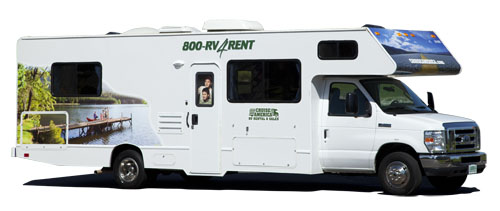
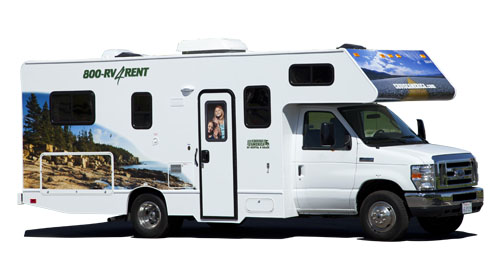
Choosing the right RV for your romantic Canadian adventure is crucial for comfort and flexibility. For couples, Bandana's Class B - Camper Van is often ideal, averaging around 5.8 meters in length with sleeping capacity for 2-3 people, offering features like a front air conditioner, a compact kitchen with a stove, a small refrigerator, and a private toilet and shower, making it perfect for intimate trips. These agile vehicles, such as the "Combi Van" with its 5-meter length and automatic transmission, or the "rv rental denver example Category Van" are easy to maneuver and park in tighter spots. For families or those desiring more space, a Class C - Alcove motorhome, typically 7.5 meters long and sleeping up to 6, like the "24' Class C Motorhome", offers a larger living area, more storage, and additional amenities like a microwave and a more spacious dining area. Our Rent&Plan service combines RV rental with expert-crafted itineraries by professionals, simplifying your trip preparation and ensuring you select the perfect motorhome for your journey.How much does an RV trip for couples in Canada cost?
An RV trip for couples in Canada typically costs between CAD $200-$500 per day, encompassing rental fees, fuel, campground fees, food, and activities. Rental costs for a Class B Camper Van average CAD $100-$250 per night, varying significantly by season, booking lead time, and rental duration. Beyond the base rental, couples should budget for fuel, which can be a substantial expense given Canada's vast distances and dynamic prices; for budgeting and tracking every expense, consider using RV PLANET routes to itemize costs. Campground fees generally range from CAD $30-$80 per night for a powered site, while National Park passes can cost CAD $20 per day or CAD $140 for an annual pass, depending on your duration. Groceries will also be a factor, with potential food inflation in more remote areas. Remember that prices are dynamic, much like flight tickets, and the final price is set at the actual booking time. You can upgrade to a top-level deductible for extra peace of mind, an optional but recommended expense.What are the best places for RV camping and boondocking in Canada for couples?
Canada offers numerous romantic campgrounds in its vast National and Provincial Parks, such as those in Banff, Jasper, and Pacific Rim, providing scenic beauty and amenities ideal for couples. These sites often feature electrical hookups, potable water, and washroom facilities, and popular spots like Lake Louise Campground in Banff National Park fill up quickly during peak season. Boondocking, or dispersed camping, is generally permitted on vast tracts of Crown Land in many provinces and territories, offering free and remote camping experiences. However, regulations for boondocking vary significantly by territory and region; for instance, British Columbia's Recreation Sites and Trails BC website lists thousands of free or low-cost sites, while Ontario's Crown Land Use Policy Atlas provides guidance on permitted areas. Always research specific provincial government websites for detailed regulations, fire bans, and designated areas, as "is it allowed" often depends on exact location and local bylaws. Planning ahead with resources like RV PLANET (rvplan.net) can help locate both managed campgrounds and potential boondocking spots.What are unique regional challenges for RVing in Canada, including road conditions and ferry travel?
RVing in Canada presents unique regional challenges, including significantly varying road conditions, which can range from pristine paved highways to gravel or unpaved sections, especially in northern or rural areas like parts of the Alaska Highway. Ferry travel is a substantial logistical consideration, particularly for major routes such as BC Ferries serving Vancouver Island or the Newfoundland ferry system, as these often require advance booking due to limited space for larger vehicles and can incur considerable costs for RVs. Seasonal weather impacts also necessitate flexible planning, from intense summer heatwaves in the Prairies to early autumn snow in the Rockies or sudden spring thaws causing muddy roads, so checking local conditions regularly is vital. Driving slowly and carefully, you can drive almost anywhere without issues. No need to stress - just use common sense and pay attention to signs and weather advisories.How should couples prepare for wildlife encounters during an RV trip in Canada?
Couples embarking on an RV trip in Canada should prepare for wildlife encounters by understanding and adhering to specific regional safety protocols, especially for bears, which are prevalent across many Canadian regions including the Rockies and Pacific Coast. Essential protocols include storing all food, cooking gear, and scented items in bear-proof containers or securely inside the RV, never leaving food unattended, and cooking at a distance from sleeping areas if possible. When hiking, making noise (like calling out "hey bear!") helps to avoid surprising animals, and carrying bear spray (and knowing how to use it safely) is highly recommended in many areas. Furthermore, familiarize yourselves with specific guidelines from Parks Canada or provincial park authorities regarding interactions with other wildlife such as moose, deer, and smaller animals like raccoons, as approaching or feeding any wildlife can pose risks to both animals and humans.How can couples stay connected in remote Canadian RV areas?
Staying connected in remote Canadian RV areas requires strategic planning beyond relying on basic cell service, as cellular coverage can be sporadic or entirely non-existent in many vast wilderness regions. Couples can typically utilize Wi-Fi services that are often available at private campgrounds, though these may be slower or come with an additional fee. Alternatively, public libraries in towns along your route frequently offer free Wi-Fi access. For more consistent connectivity, especially for digital nomads or those needing reliable internet, consider investing in a portable cellular booster to amplify weak signals, or, for truly remote locations, a portable satellite internet device like Starlink provides reliable internet access almost anywhere in Canada. Planning is key, as is managing expectations for constant high-speed internet when deep in nature.What emergency preparedness and travel insurance are recommended for an RV trip in Canada?
Comprehensive emergency preparedness for an RV trip in Canada is essential and includes having a well-stocked first-aid kit, a membership to a reputable roadside assistance service (like CAA/AAA), and a detailed plan for breakdowns, especially in remote areas where cell service might be limited. Travel insurance is highly recommended, with policies specifically covering medical emergencies (as provincial health coverage may not suffice for out-of-province incidents), trip interruption or cancellation, and crucially, RV breakdown towing, which can be exceptionally expensive in remote Canadian locations. Before your trip, familiarize yourselves with the locations of the nearest medical facilities, hospitals, or walk-in clinics along your planned route, and always carry physical or digital copies of important documents, including health insurance details, driver's licenses, and emergency contact information.What cultural nuances and local etiquette should RVers know when traveling in Canada?
RVers traveling in Canada should be aware of several cultural nuances and local etiquette points to ensure a respectful and enriching experience. It is important to show respect for Indigenous communities and their traditional lands, especially when visiting areas within or adjacent to First Nations territories; look for interpretive centers or cultural experiences to learn more. Canadians are generally known for their politeness, so basic courtesies such as saying "please," "thank you," and holding doors are highly valued. Be mindful of differing tipping expectations in restaurants (generally 15-20% of the bill) and services. Additionally, provincial liquor laws vary across the country, so be sure to understand local regulations regarding alcohol consumption and transportation. Observing speed limits, yielding to pedestrians, and maintaining a clean campsite also reflect good etiquette and contribute to a positive travel environment.How can couples RV responsibly and sustainably in Canada?
Couples can RV responsibly and sustainably in Canada by strictly adhering to "Leave No Trace" principles, which are crucial for preserving the country's pristine natural environments. This includes proper waste disposal, packing out everything you pack in, and utilizing designated dump stations for grey and black water waste to prevent pollution. Minimizing campfire impacts means using existing fire rings, keeping fires small, ensuring they are completely extinguished, and observing any local fire bans. Practicing water conservation, especially in areas prone to drought or with limited resources, and choosing eco-friendly cleaning products for your RV also significantly helps reduce your environmental footprint. Supporting local businesses, respecting wildlife by maintaining a safe distance, and educating yourselves on specific local environmental regulations all contribute to a positive impact on the communities and landscapes you visit. Consider using a rented Campervan for its smaller environmental footprint and better fuel efficiency.What You Shouldn't Miss
When planning your romantic RV adventure in Canada, there are countless magical moments awaiting you.- **Cruise the Cabot Trail, Nova Scotia:** This 298 km scenic highway on Cape Breton Island offers dramatic coastal views, charming fishing villages, and abundant wildlife sightings.
- **Hike in Banff National Park, Alberta:** Explore iconic trails around Lake Louise and Moraine Lake, enjoying turquoise waters and towering peaks. With a rented motorhome, you have a mobile headquarters to venture out to national parks.
- **Explore Quebec City's Historic Old Town, Quebec:** Wander through North America's only walled city, a UNESCO World Heritage site, with its cobblestone streets and European charm.
- **Discover the UNESCO Joggins Fossil Cliffs, Nova Scotia:** Witness the world's most complete fossil record of the "Coal Age" (310 million years ago) stretching along 15 km of coastline.
- **Witness the Northern Lights in Yukon:** Head north during the darker months for a chance to see the spectacular Aurora Borealis dancing across the sky. The Halifax to Whitehorse - Exploring Canada’s Heartland in a Motorhome itinerary is ideal for this.
- **Indulge in Okanagan Valley Wine Tasting, British Columbia:** Spend a leisurely day touring vineyards and tasting world-class wines in a picturesque setting.

Vancouver Round Trip - West Canada Cycling Adventure
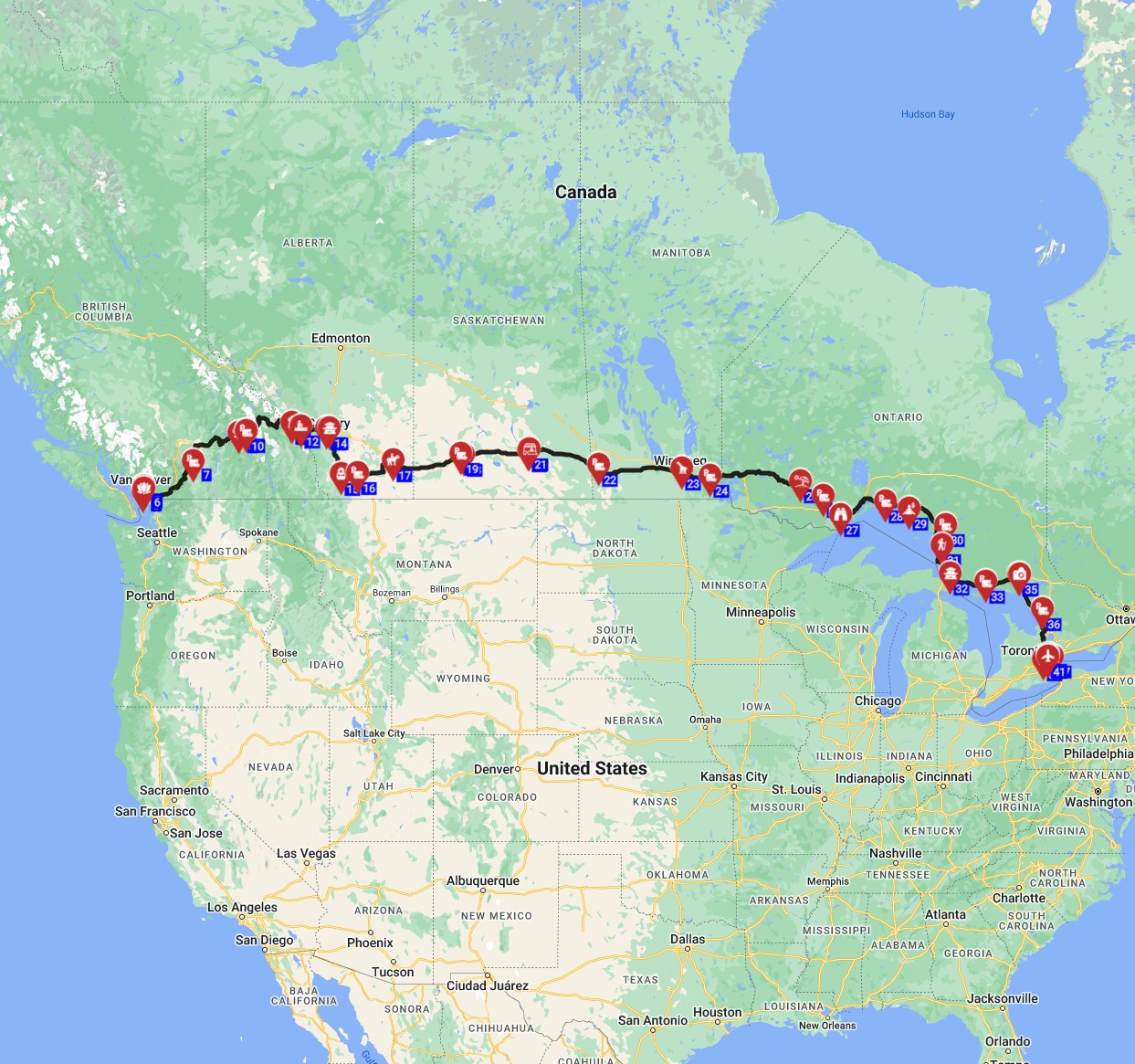
Vancouver to Toronto - Trans Canada West to East
Final Thoughts
An RV trip for couples in Canada is more than just a vacation; it's an opportunity to create lasting memories, explore stunning natural beauty, and reconnect on the open road. From the majestic Rockies to the charming coastal towns, Canada offers an endless canvas for your romantic adventure. Don't let the planning intimidate you. With the right preparation, a comfortable rental motorhome, and the support of true RV specialists like Bandana RV, your dream trip is within reach. Embrace the freedom of the road, the comfort of your mobile home, and the joy of discovering new places together. Start dreaming, start planning, and get ready for an unforgettable journey. We're here to help you every step of the way, ensuring your Canadian RV rental experience is as smooth and delightful as possible. Discover top destinations, planning tips, all in one place! Plan a trip itinerary in advance with minimal effort and maximum enjoyment.On the routes offered through RV PLANET routes, you can itemize and track every expense along the way for easy budgeting.