In This Guide
- Can You Drive an RV in West Canada? License & Age Rules
- Road Conditions & Terrain in West Canada
- RV Size Limits, Bridges & Restricted Zones
- Fuel: Diesel vs. Petrol & Cost per 100 km
- Tolls, Vignettes & Border Rules
- Driving Tips for RV Rental for Couples Travelers
- Recommended RV Class for West Canada Roads
- Should I Choose a Compact Van Instead of a Large RV in West Canada?
- Can I Park Anywhere? Free & Wild Camping Rules in West Canada
- Can I Drive an RV Into the City Center? Heights, Tunnels & Local Signage
- How Much Does an RV Trip for Couples in West Canada Cost?
- What Permits and Passes Do I Need for RVing in West Canada?
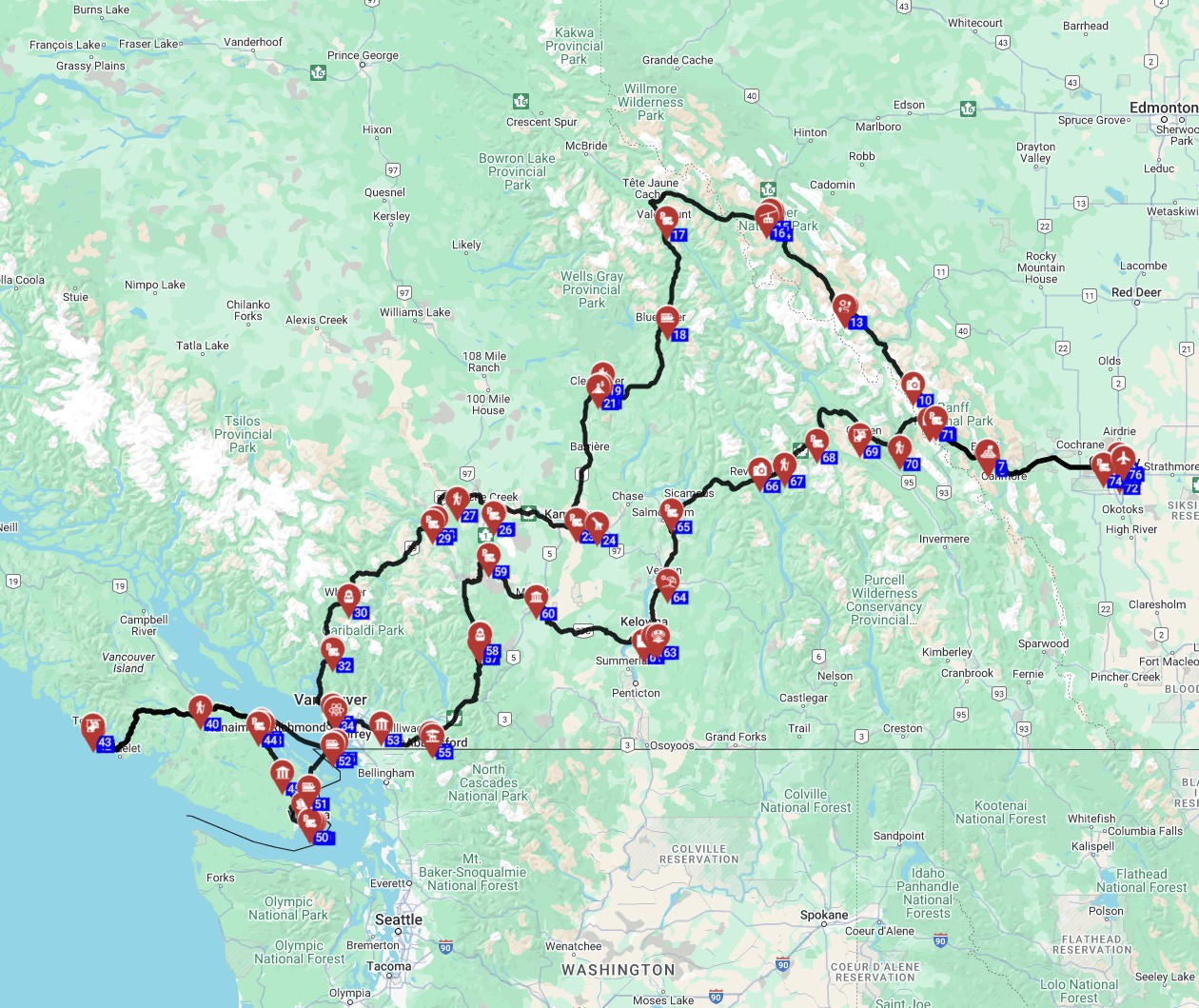
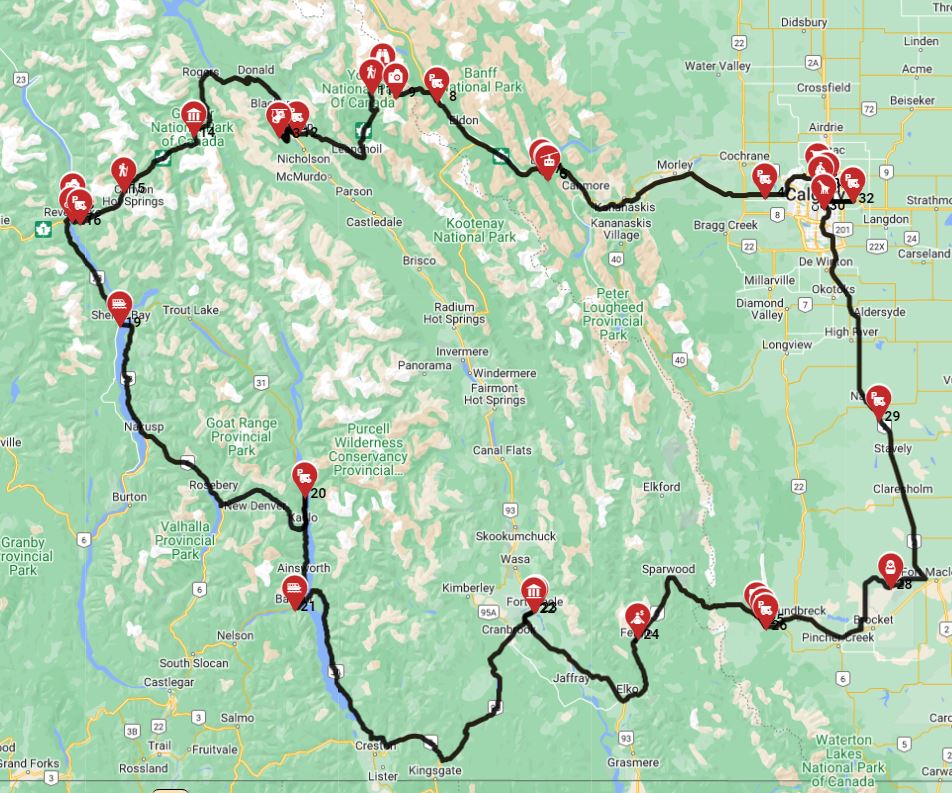
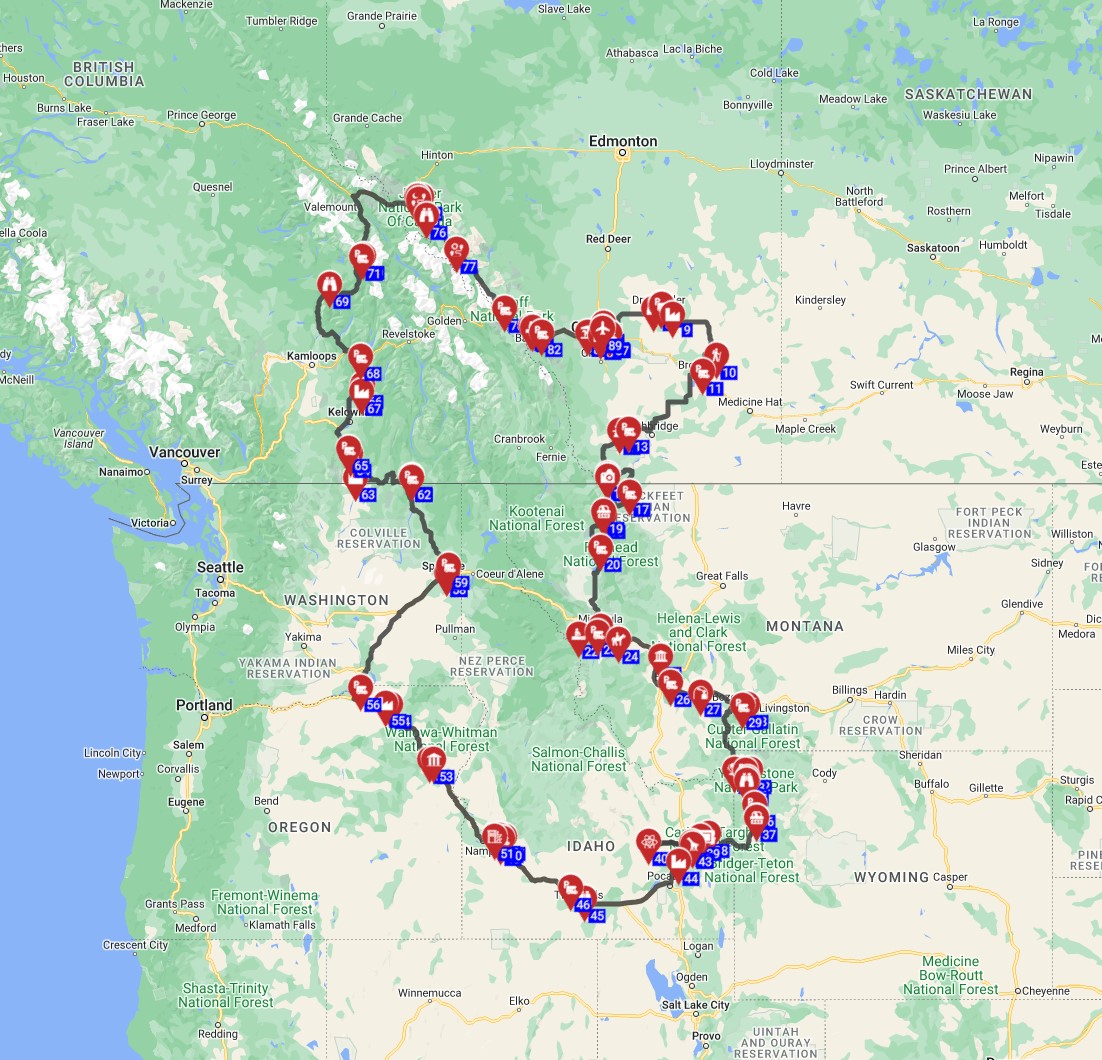
- What Are the Best Scenic RV Routes and Hidden Gems for Couples in West Canada?
- Where Can Couples Find RV Supplies and Services in West Canada?
- How to Stay Safe During an RV Trip in West Canada?
- Can I Bring My Pet on an RV Trip in West Canada?
West Canada offers an unparalleled backdrop for a romantic RV rental for couples, brimming with majestic mountains, sparkling lakes, and vibrant cities just waiting to be explored. Imagine waking up to the crisp mountain air, a hot cup of coffee in hand, with your beloved by your side, ready for another day of adventure in your comfortable mobile home. For live availability and current prices, start with our RV Rental West Canada - Complete Guide 2024 guide. At Bandana RV, we specialize in helping you plan the perfect journey, making sure your West Canada RV rental adventure is seamless and unforgettable. Our team consists of true RV specialists, not just a side department of a generic travel agency, so you know you're getting expert advice from people who genuinely love RV travel.
Can You Drive an RV in West Canada? License & Age Rules
Yes, most RVs under 11,000 kg (25,000 lbs) in West Canada can be driven with a standard Class 5 (or equivalent) driver's license, which is the common license for passenger vehicles. This means that for most rental motorhomes, you won't need any special permits or a Commercial Driver's License (CDL), making your planning much simpler. The minimum rental age for an RV in West Canada is 21 years old across our suppliers, with no young driver surcharges or vehicle class restrictions based on age, opening up more options for couples.
For foreign drivers, a valid driver's license from your home country is required; if it is not in English or French, an International Driving Permit (IDP) is also highly recommended, though not mandatory in all cases. We always advise carrying both your national license and an IDP to ensure a smooth experience. Our goal is full transparency: what you see is what you pay, with no surprise fees at pickup, including licensing requirements.
Road Conditions & Terrain in West Canada
West Canada boasts generally excellent and well-maintained paved highways, even through majestic mountainous regions like the Canadian Rockies, making RV travel straightforward and enjoyable for couples. Travelers will encounter diverse terrain, including dramatic mountain passes, picturesque coastal routes along the Pacific, expansive prairies further east, and dense forests across British Columbia. These varied landscapes encourage slow, scenic driving, allowing ample opportunity for you and your partner to pull over at viewpoints, capture breathtaking vistas, and explore unique natural wonders at your own pace. With a rented RV, you have the flexibility to chase sunsets or linger in a charming mountain town, truly connecting with the scenery and local culture. We recommend traveling slowly, aiming for a maximum of 100-150 km per day on average, to truly immerse yourselves in the experience.
RV Size Limits, Bridges & Restricted Zones
On West Canada's primary highways and major routes, RVs generally face few height, length, or weight restrictions, as the infrastructure is robustly built to accommodate larger vehicles. While low bridges are uncommon on main thoroughfares, drivers should remain vigilant for clear signage on older secondary roads or at specific national and provincial park entrances, which may occasionally have height restrictions that you'll need to observe. Unlike some European regions, West Canada does not have environmental zones that restrict RV access, though some areas may implement temporary fire bans or specific wildlife interaction rules, depending on the current environmental conditions.
When planning ferry travel, particularly with BC Ferries to explore Vancouver Island or the Gulf Islands, be aware that length and height surcharges apply, and it is highly recommended to book your ferry crossing well in advance, especially during peak season, to secure your spot. Our extensive network of over 50 leading RV suppliers worldwide, including trusted partners like El Monte and Cruise America, ensures we have the right size motorhome for your West Canada adventure.
Fuel: Diesel vs. Petrol & Cost per 100 km
Both diesel and petrol are widely available across West Canada, with diesel predominantly fueling larger RV models like a Class C Alcove (10-12 Liters/100 km) and Class SI Semi-integrated (10-11 Liters/100 km) vehicles, while Class B Camper Vans (8-10 Liters/100 km) may run on either. Based on Bandana's global fleet averages and typical fuel prices in West Canada in 2024, an RV consuming 10-12 Liters/100 km could cost approximately $18-$22 CAD per 100 km to fuel, though prices can fluctuate. For cost-conscious couples, choosing a more fuel-efficient RV class like a Class B Camper Van, such as the "rv rental denver example Category Van" or "2 Berth Hi Top" which are ideal for a couple, can help significantly manage your overall expenses. When considering your total trip costs, remember that on RV PLANET routes, travelers can itemize and track every expense along the way for easy budgeting, which is a key part of our Rent&Plan service. On the routes offered through RV PLANET routes, you can itemize and track every expense along the way for easy budgeting.
Tolls, Vignettes & Border Rules
West Canada has very few toll roads or vignettes, simplifying travel for couples embarking on an RV adventure. The notable exceptions are specific electronic toll bridges near Vancouver, such as the Golden Ears Bridge and Port Mann Bridge, which utilize license plate recognition for billing. Travelers will not encounter European-style vignette systems in West Canada. This means less administrative hassle and more time enjoying the open road in your rented motorhome. If considering a cross-border trip into the United States, couples should be prepared for standard customs and immigration procedures, and be aware of restrictions on bringing certain food items or agricultural goods across the border. Always check current regulations before crossing.
Driving Tips for RV Rental for Couples Travelers
Couples should prioritize slow, scenic driving to fully appreciate West Canada's stunning landscapes, allowing for spontaneous stops at viewpoints, hiking trails, and charming small towns. Sharing driving responsibilities can greatly enhance the travel experience, reducing fatigue and allowing both partners to relax and enjoy the journey equally. Pre-planning routes and identifying romantic or secluded campsites ensures a smoother trip and minimizes stress, especially in popular areas like Banff and Jasper National Parks where reservations are highly recommended during peak season. Always be prepared for rapidly changing weather conditions in mountainous regions by checking forecasts regularly and packing layers, and understand wildlife safety protocols to safely enjoy encounters with local fauna, especially bears. Remember, traveling in a rented campervan means having a cozy base to return to after a day of exploration, perfect for cooking delicious meals together. Our RV-friendly recipes playlist can provide some culinary inspiration for your journey!
🎬 Video coming soon
Recommended RV Class for West Canada Roads
For couples exploring West Canada, a Class B Camper Van (averaging 5.8m in length) or a Class SI Semi-integrated RV (averaging 6.9m in length) is highly recommended for an optimal balance between comfort and maneuverability. Class B Camper Vans, like the "rv rental denver example Category Van" or "Juliette 2-3," with features such as "Front Air condition" and "Shower," are ideal for a couple, offering excellent agility for winding mountain roads and easier parking in towns and national parks. These smaller motorhomes typically consume 8-10 Liters/100 km, making them quite fuel-efficient. Class SI Semi-integrated RVs provide more interior space and amenities, such as a dedicated bed and bathroom, while still being manageable on most West Canadian roads. Both options offer a cozy, intimate setting perfect for a romantic getaway, allowing you to easily navigate everything from city streets to scenic mountain routes. You can find excellent options and compare prices for these vehicle types in "RV Rental West Canada - Prices and Best Deals 2024".
Should I Choose a Compact Van Instead of a Large RV in West Canada?
For couples, there is generally no significant issue driving most RV sizes in West Canada, as major roads are well-suited for larger vehicles. While a compact van (Class B Camper Van, averaging 5.8m in length) offers greater maneuverability and fuel efficiency (8-10 Liters/100 km), a larger RV often provides superior comfort, interior space, and amenities that can enhance a romantic getaway. Many couples appreciate the extra room for relaxing, a more spacious kitchen, and a dedicated bathroom that a Class C motorhome can offer, even if it's slightly larger. A compact van may offer a slight advantage in very tight parking situations or on specific, narrow unpaved park roads, but for overall touring and comfort on a couples' trip, the trade-off for a slightly larger Class SI Semi-integrated RV (averaging 6.9m) is often worthwhile. Drive slowly and carefully, and you can drive almost anywhere without issues. No need to stress - just use common sense and pay attention.
Can I Park Anywhere? Free & Wild Camping Rules in West Canada
Wild camping or 'boondocking' is generally restricted in West Canada's national and provincial parks, where overnight stays require designated campground reservations or permits. These parks are popular, especially in peak season, so booking 3-6 months in advance is highly recommended. For those who enjoy spontaneous travel, many national/state parks reserve 25-30% of spots for first-come-first-serve arrivals, so you'll often find a spot, even if it's not at the first campground you check. Always call ahead before driving to confirm availability. Camping on Crown land is often permitted in some areas, but it requires thorough research into specific regional maps and regulations, and may necessitate a permit. Overnight parking in most towns, cities, or on private land requires explicit permission, and while some commercial parking lots (e.g., Walmart) may tolerate it, always confirm with management to avoid fines. Rules vary significantly by region; couples should always check local regulations and follow local laws before parking overnight to ensure a hassle-free trip. We are committed to full transparency, making sure you have all the information you need.
Can I Drive an RV Into the City Center? Heights, Tunnels & Local Signage
Couples can almost always drive an RV into West Canada's city centers on major routes, as urban infrastructure is generally accommodating for recreational vehicles. It is crucial to pay close attention to local signage, particularly for height limits on parking garages and underpasses, as well as any specific resident-only parking restrictions. While West Canadian cities like Vancouver or Victoria may have some tighter streets, main thoroughfares are perfectly suitable for RVs. Finding appropriate RV parking can be challenging in central areas, especially for larger Class C motorhomes. For convenience, consider parking on city outskirts and utilizing public transport for exploring the urban core on foot or by public transit. Drive slowly and carefully, and you can drive almost anywhere without issues. No need to stress - just use common sense and pay attention to signs and surroundings.
How Much Does an RV Trip for Couples in West Canada Cost?
The cost of an RV trip for couples in West Canada involves several factors, with the RV rental fee being the primary expense, typically ranging from $150-$300 CAD per day for a Class B Camper Van or Class C motorhome, depending on seasonality and booking lead time. Fuel costs are also significant; for a typical RV consuming 10-12 Liters/100 km, expect to spend approximately $18-$22 CAD per 100 km in 2024. Campground fees range from $30-$70 CAD per night for a powered site, with national park campgrounds often being on the higher end and requiring a Parks Canada Discovery Pass (approx. $151.25 CAD annually for a group). Budgeting should also account for food expenses, which can be minimized by cooking most meals in your RV, activities like national park tours, potential ferry fees (e.g., BC Ferries often charges $150-$250 for a standard RV plus passengers), and RV-specific insurance, which you can upgrade to a top-level deductible for extra peace of mind. For instance, a week-long trip during peak season could start around $1000-$1500 CAD for the RV alone, plus $500-$800 for fuel, and $210-$490 for campsites, totaling approximately $1700-$2800 CAD before food and activities. Keep in mind that prices are dynamic like flight tickets and change daily based on availability, seasonality, and supplier marketing decisions, so the final price is set at actual booking time. We compare final prices across 50+ suppliers, ensuring full transparency with no hidden fees or surprises.
What Permits and Passes Do I Need for RVing in West Canada?
Couples planning an RV trip through West Canada's national parks will need a Parks Canada Discovery Pass, which offers unlimited admission to over 80 Parks Canada administered places for a full year and costs approximately $151.25 CAD for a family/group. While provincial parks generally don't require an overarching pass, individual park entries or camping fees may apply at each site, typically ranging from $10-$20 CAD per vehicle for day use. It is essential to be aware of and adhere to local fire bans, especially during dry summer months (June-August), which are widely communicated and strictly enforced. Understanding wildlife interaction rules, such as not feeding animals and securing food, is crucial to ensure safety and compliance with regulations. Always research the specific requirements for each park or region you plan to visit before your trip. For pre-planned routes that include all necessary permits and passes, consider our Rent&Plan service through RV PLANET (rvplan.net), which offers professionally crafted itineraries.
What Are the Best Scenic RV Routes and Hidden Gems for Couples in West Canada?
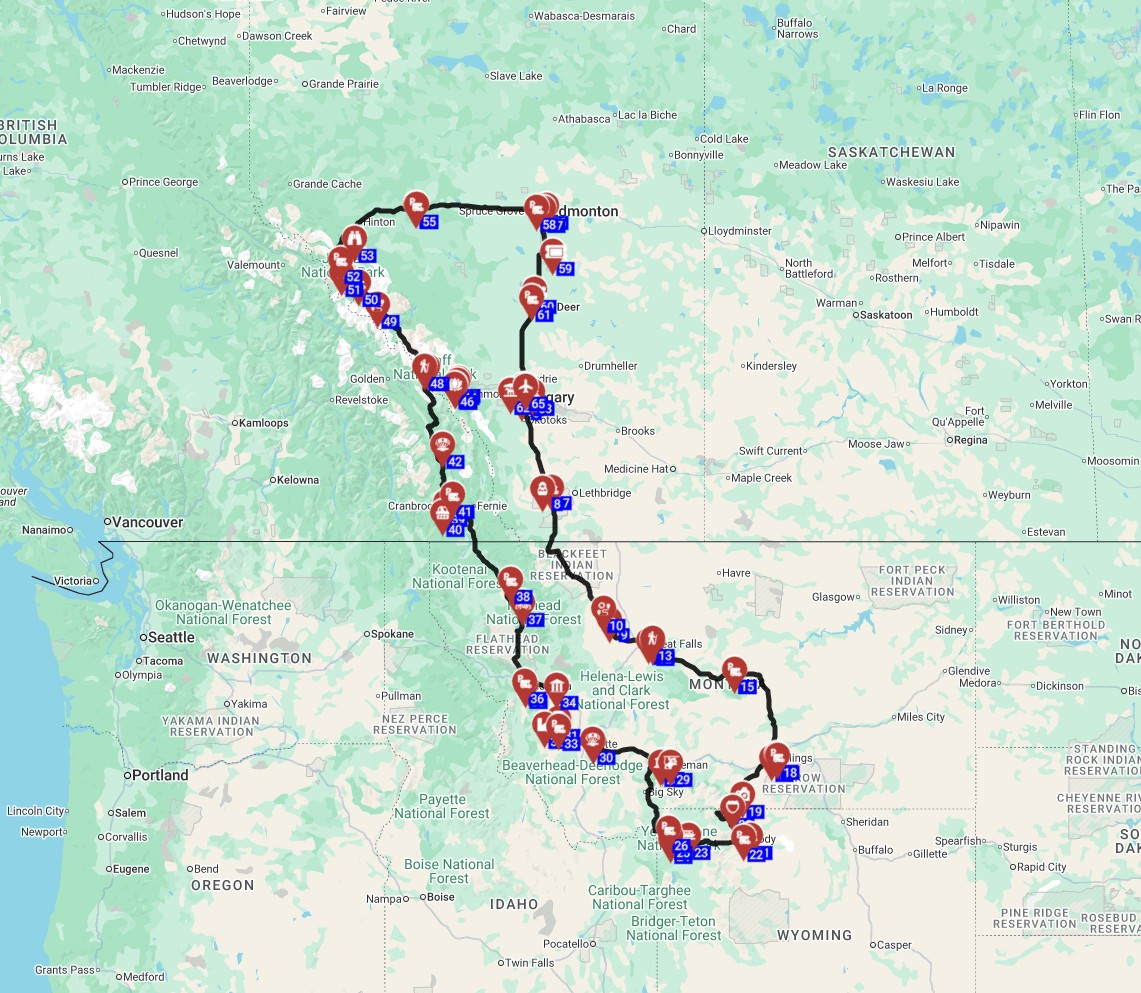
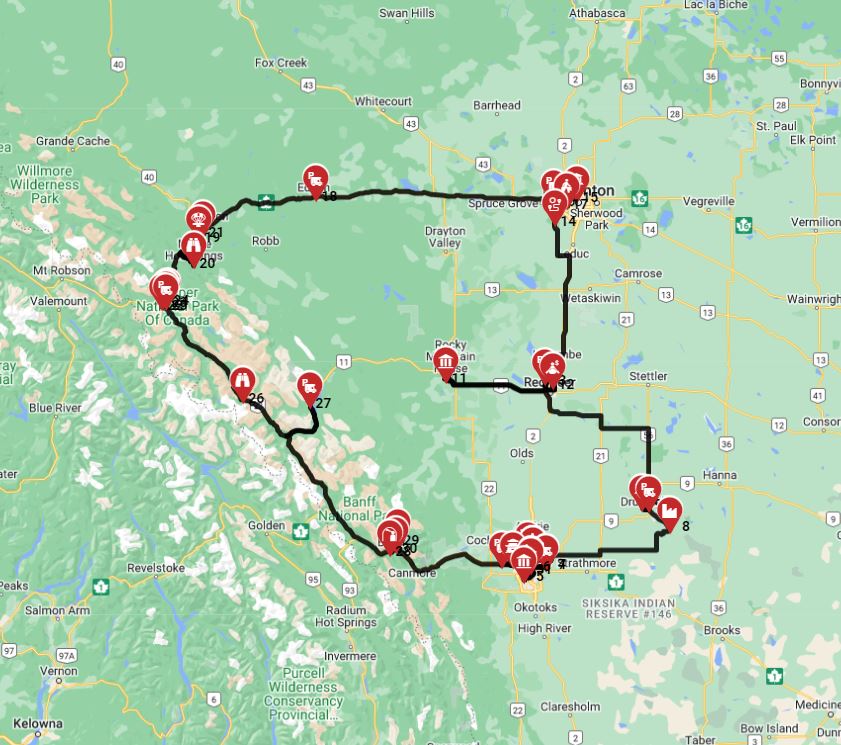
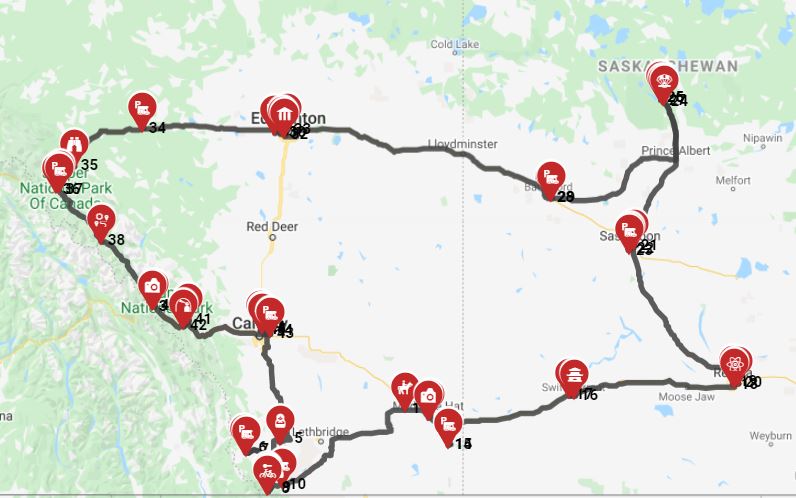
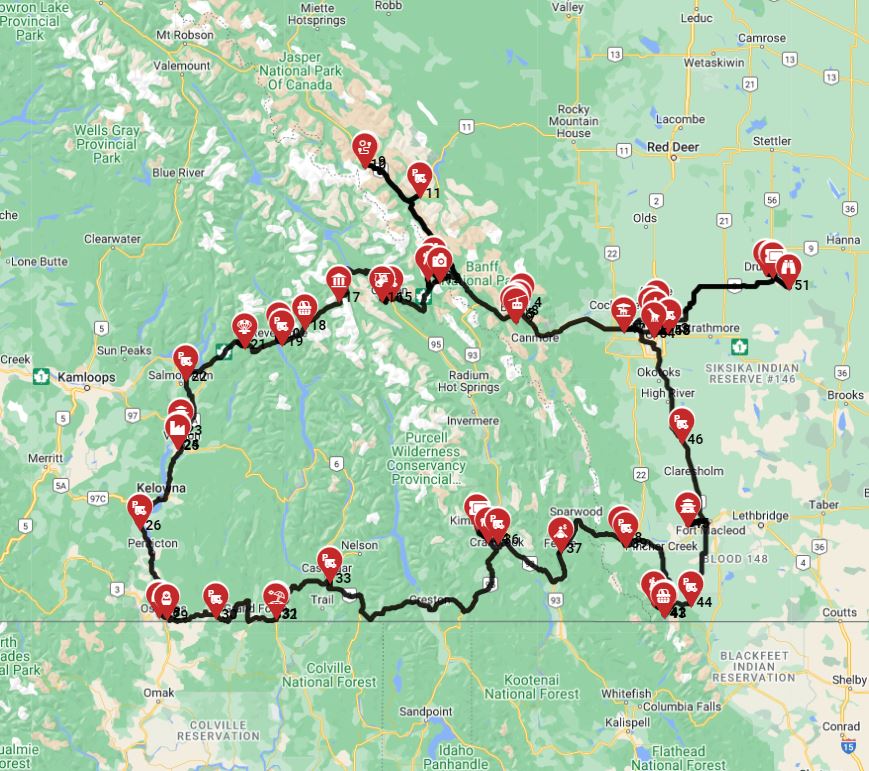
Iconic RV routes perfect for couples include the world-renowned Icefields Parkway (Alberta), a 232 km journey offering stunning mountain vistas, glaciers, and over 100 viewpoints, and British Columbia's Sea-to-Sky Highway (Highway 99), boasting dramatic coastal and mountain scenery from Vancouver to Whistler. For lesser-known scenic routes and hidden gems, consider exploring the Crowsnest Pass in Alberta for its historical sites and charming towns, the Kootenay Rockies in BC for hot springs and rugged landscapes, or the Okanagan Valley for vineyards and lakeside relaxation, such as in Kelowna. Couples can also enrich their trip by seeking out unique cultural experiences, such as engaging with Indigenous tourism opportunities to learn about the rich history and traditions of First Nations communities across the region. A fantastic option for couples looking for an active and scenic adventure is the "

Where Can Couples Find RV Supplies and Services in West Canada?
Couples can find a wide range of RV supplies at large retailers like Canadian Tire and Walmart, particularly in larger towns and cities across West Canada. Specialized RV dealerships, such as Fraserway RV or CanaDream, also offer comprehensive supplies and services, including parts and repairs. Propane refills are readily available at many gas stations, U-Haul locations, and dedicated RV parks and resorts, which often have dedicated filling stations for convenience. Reliable dump stations for wastewater are common at RV parks (often included with a campsite fee), some gas stations, and municipal facilities, frequently available for a small fee, typically $5-$15 CAD. For connectivity, major urban centers offer strong cell service, but coverage can become spotty in remote mountain valleys and national parks, so consider offline maps or a satellite communicator for essential communication in very remote areas. This extensive network of support ensures your RV rental experience is as smooth as possible, allowing you to focus on enjoying your trip.
How to Stay Safe During an RV Trip in West Canada?
Staying safe during an RV trip in West Canada involves being prepared for wildlife encounters, particularly with bears, moose, and deer; couples should carry bear spray, store all food properly in bear-proof containers or inside the RV, and understand wildlife safety protocols like making noise on trails. In remote areas, access to emergency services may be limited due to lack of cell service, so carrying a satellite communicator for situations beyond cellular range is advisable, and always know how to contact 911 for emergencies. Driving safety in mountainous terrain requires using lower gears for engine braking on descents, staying updated on weather conditions, and regularly checking tire pressure to handle varied road conditions safely. Always keep a safe distance from wildlife, never approach them for photos, and use designated wildlife viewing areas. At Bandana RV, we provide 24/7 support for any questions before, during, and after your booking, ensuring you feel confident and secure on your adventure.
Can I Bring My Pet on an RV Trip in West Canada?
Generally, couples can bring their pets on an RV trip in West Canada, as many rental companies like Bandana offer pet-friendly RV options, though specific policies and potential fees (often $50-$150 CAD per rental) may apply. Many campgrounds across the region, including some in national and provincial parks, are pet-friendly, but leash laws are strictly enforced, and certain trails or attractions may restrict pet access to protect wildlife or sensitive ecosystems. For instance, pets might not be allowed on some backcountry trails in Banff National Park. Always research pet-friendly attractions, trails, and dining options in advance to ensure a smooth and enjoyable experience for both you and your furry companion. When comparing options on our platform, you can filter for pet-friendly motorhomes, ensuring a comfortable journey for every member of your traveling duo.
What You Shouldn't Miss
- **The Icefields Parkway:** Drive this breathtaking 232 km route between Banff and Jasper, stopping at iconic spots like Lake Louise, Moraine Lake, and the Athabasca Glacier.
- **Vancouver's Stanley Park:** Explore this urban oasis by bike, enjoying seawall views, forest trails, and vibrant totem poles.
- **Hot Springs in the Kootenay Rockies:** Unwind in natural mineral hot springs like Radium Hot Springs or Fairmont Hot Springs after a day of hiking.
- **Whale Watching in Victoria:** Take a boat tour from Victoria on Vancouver Island to spot orcas, humpbacks, and other marine wildlife.
- **Indigenous Cultural Experiences:** Connect with First Nations culture through guided tours, art galleries, and cultural centers across BC and Alberta.
- Looking for expert insights from Avi Bandana? Top 5 Adventures - recommendations from Avi Bandana.
Final Thoughts
An RV adventure through West Canada offers couples an incredible opportunity to create cherished memories, from the towering peaks of the Rockies to the serene Pacific coastline. With the freedom of a rented motorhome, you can customize your romantic getaway to your heart's content, exploring at your own pace and discovering hidden gems together. We're here to support you every step of the way, ensuring your booking process is straightforward and your journey is filled with joy and discovery. Compare final prices across suppliers - what you see is what you pay, with no surprise fees at pickup, making your planning stress-free.
Don't just dream about it; make it a reality. Embark on an unforgettable road trip for two, where every turn reveals a new vista and every stop brings you closer. Discover top destinations, planning tips, all in one place with Bandana RV, your trusted partner for motorhome adventures.