For live availability and current prices, start with our RV Rental Sweden - Complete Guide 2026 guide.
In This Guide
- Can You Drive an RV in Sweden? License & Age Rules
- Road Conditions & Terrain in Sweden
- RV Size Limits, Bridges & Restricted Zones
- Fuel: Diesel vs. Petrol & Cost per 100 km
- Tolls, Vignettes & Border Rules
- Driving Tips for rv rental for couples Travelers
- Recommended RV Class for Sweden Roads
- Should I Choose a Compact Van Instead of a Large RV in Sweden?
- Can I Park Anywhere? Free & Wild Camping Rules in Sweden
- Can I Drive an RV Into the City Center? Heights, Tunnels & Local Signage
- How Much Does an RV Trip for Couples in Sweden Cost?
- When is the Best Time for Couples to Rent an RV in Sweden?
- What are the Best RV Itineraries for Couples in Sweden?
- How Can Couples Experience Local Culture While RVing in Sweden?
- How Can Couples Practice Sustainable RV Travel in Sweden?
- What Should Couples Do in an RV Emergency in Sweden?
Can You Drive an RV in Sweden? License & Age Rules
Yes, you can drive most RVs in Sweden with a standard B driving license, provided the vehicle's gross vehicle weight does not exceed 3,500 kg. This weight limit covers many camper vans and smaller semi-integrated motorhomes, making them accessible for most couples. For larger RVs exceeding 3,500 kg, a C1 or C driving license is required, consistent with regulations in other EU countries. While the minimum driving age in Sweden is 18, most RV rental companies stipulate a minimum driver age of 21, and some may require drivers to be at least 25, often with a minimum period of holding the license, such as one or two years. For drivers holding a license from outside the EU/EEA, it is strongly advised to carry an International Driving Permit (IDP) alongside your national license. This ensures legal compliance and facilitates smoother recognition by authorities and rental companies.
Road Conditions & Terrain in Sweden
Sweden boasts an extensive and exceptionally well-maintained road network, ensuring that RV travel for couples is generally smooth and pleasant. The country's terrain offers significant diversity, from the flat, scenic coastal routes that characterize the southern regions, to the more winding roads that meander through dense forests, alongside countless lakes, and into the undulating, sometimes mountainous, landscapes of the north. While the main roads and motorways are predominantly paved and in excellent condition, venturing into more remote or less-traveled areas might involve navigating gravel roads. These are typically well-graded but necessitate reduced speeds for safety and comfort. For couples planning an RV adventure, Sweden's superior road infrastructure actively encourages a relaxed, scenic driving pace, allowing for ample opportunities to pause and soak in the varied and captivating Swedish landscapes.
RV Size Limits, Bridges & Restricted Zones
Sweden's infrastructure is generally accommodating for a wide range of RV sizes, but it's crucial for drivers to remain vigilant for specific height and weight restrictions. These are most commonly encountered on older bridges, within certain tunnels, and particularly in some urban environmental zones. Most major roads and motorways provide ample clearance, often exceeding 4 meters, but drivers should always pay close attention to signage indicating height limits, especially when entering smaller towns or historically preserved areas. Major cities like Stockholm and Gothenburg implement 'environmental zones' (miljözoner). These zones may restrict older diesel vehicles based on their Euro emission class, so verifying your RV's emissions standard is essential. Additionally, when planning island hopping or crossing larger waterways via ferries, be aware that these vessels have their own specific length and weight restrictions. It is always advisable to book ferry crossings in advance and confirm your RV's dimensions to avoid any last-minute issues.
Fuel: Diesel vs. Petrol & Cost per 100 km
Diesel is the predominant and most widely available fuel type for RVs across Sweden, with petrol stations readily accessible throughout the country, even in more remote areas. For RVs, common fuel consumption figures vary by class. Based on typical averages, a Class B Camper Van might consume 8-10 liters per 100 km, while larger Class SI Semi-integrated models typically use 10-11 liters per 100 km. Class C (Alcove) and Class A (Integrated) motorhomes generally consume between 10-12 liters per 100 km, and Class TC (Truck Campers) can range from 12-17 liters per 100 km. Fuel prices in Sweden are notably high. If diesel costs approximately 20-25 SEK per liter, an RV consuming 10 liters per 100 km would incur a fuel cost of around 200-250 SEK for every 100 kilometers traveled. Some rental providers, such as Bandana, may offer fuel discount cards or specific fuel management policies for certain RVs, which can help mitigate these significant fuel expenses. On the routes offered through RV PLANET routes, you can itemize and track every expense along the way for easy budgeting.
Tolls, Vignettes & Border Rules
Sweden does not operate a national vignette system for toll roads. Instead, it utilizes congestion charges in its major cities and specific bridge tolls, with payments often handled automatically. Congestion charges (trängselskatt) are applied when entering and exiting the central areas of Stockholm and Gothenburg during weekdays. Your vehicle's license plate is automatically registered, and billing typically follows to the vehicle owner. A significant toll road is the Øresund Bridge, connecting Sweden to Denmark, where charges apply for crossing and are also managed electronically. While internal border checks are minimal within the Schengen Area, it is always recommended to carry valid identification, such as a passport or national ID card, when traveling between Sweden and neighboring countries. To simplify your journey, some RV rental companies may offer pre-purchased toll passes or integrate toll payments into your rental agreement, helping couples avoid the hassle and potential fines associated with missed payments.
Driving Tips for rv rental for couples Travelers
When RVing in Sweden, prioritizing **wildlife awareness** is paramount, particularly during dawn and dusk, as moose, deer, and reindeer are frequently encountered on rural roads. It's essential to reduce speed and be prepared to stop suddenly. Strict adherence to **Swedish speed limits** is crucial—typically 30-50 km/h in urban areas, 70-90 km/h on rural roads, and up to 110 km/h on motorways. Fines are substantial and often enforced by automated cameras. Embrace the beloved **'fika' culture** by scheduling frequent, relaxing stops at scenic viewpoints or charming roadside cafés for coffee and pastries; this enhances the couple's travel experience. Always **turn on headlights**, even during daylight hours, as it is a legal requirement in Sweden for all vehicles. Finally, be prepared for **varying road conditions** depending on the season. Winter driving necessitates snow tires and extra caution, while summer roads are generally excellent, encouraging a leisurely pace to fully enjoy the scenery.
Recommended RV Class for Sweden Roads
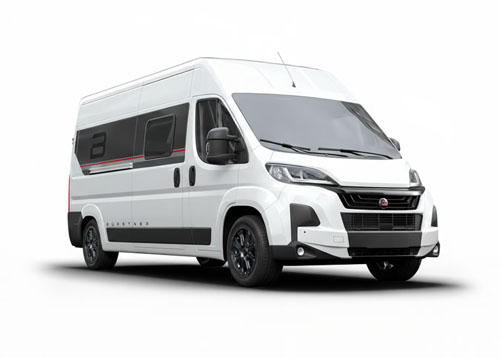
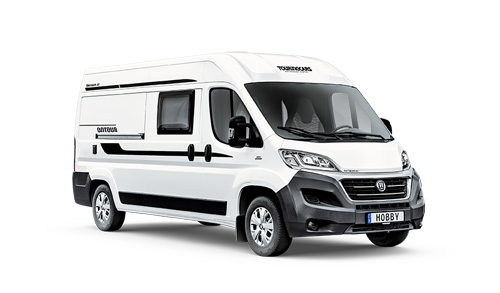
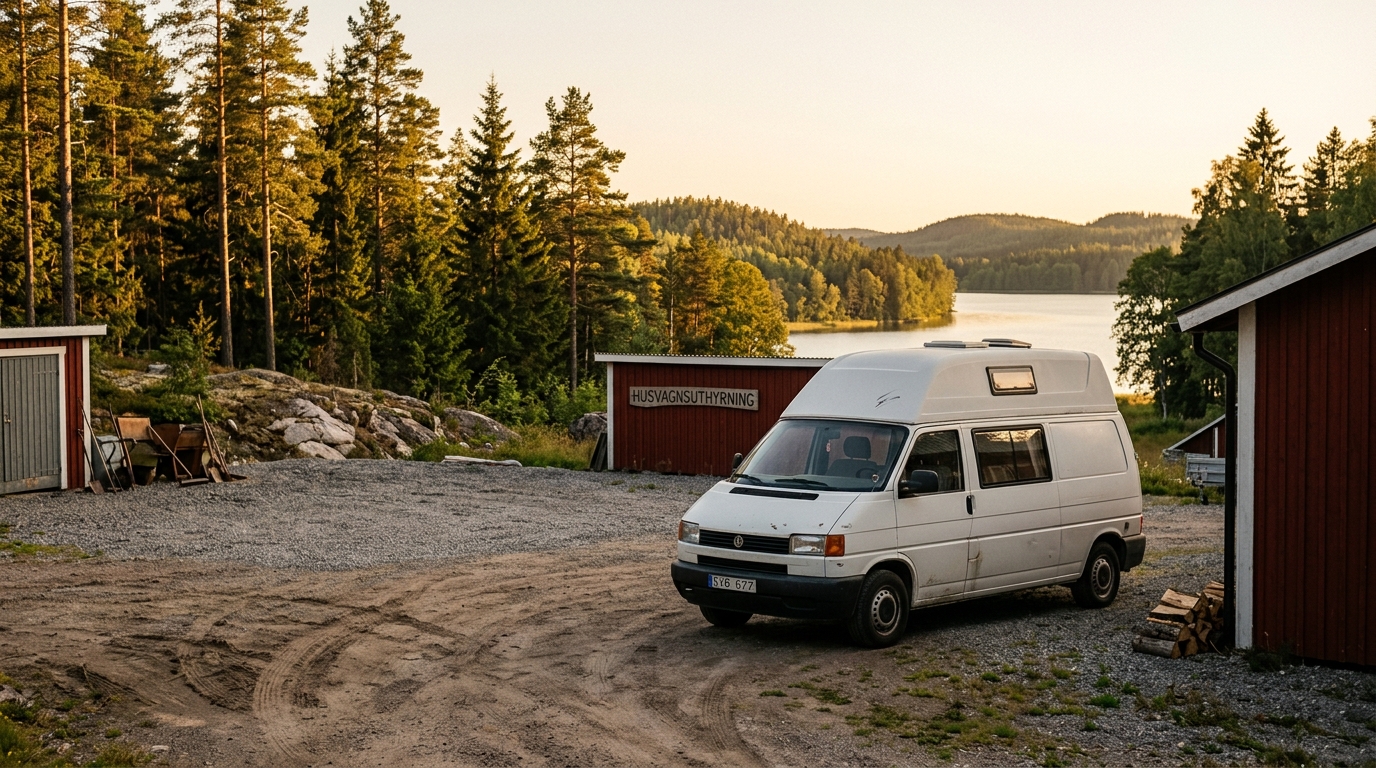
For couples embarking on an RV adventure in Sweden, Class B Camper Vans and Class SI Semi-integrated RVs are highly recommended. These vehicle classes strike an excellent balance between maneuverability, onboard comfort, and overall suitability for the country's diverse road network. Class B Camper Vans, typically around 5.8 meters in length (as seen in Bandana's fleet, ideal for 2 adults), are exceptionally agile and easy to park, navigating through smaller towns or more remote, narrower areas with ease, offering a cozy and efficient experience perfect for active couples. Class SI Semi-integrated RVs, averaging about 6.9 meters in length and often accommodating 3-4 adults in Bandana's fleet, provide significantly more interior space and amenities than a camper van. These offer enhanced comfort for couples seeking a bit more luxury and living area on their Swedish journey, without being overly cumbersome. Both recommended classes handle Sweden's well-maintained roads with confidence and offer sufficient ground clearance, providing an optimal combination of driving pleasure and on-board convenience for two travelers.
Should I Choose a Compact Van Instead of a Large RV in Sweden?
Generally, driving larger RVs on Sweden's excellent road network presents no significant issues, and for many couples, the enhanced comfort and space of a larger vehicle often outweigh the marginal gains in maneuverability offered by a compact van. Compact Vans, such as Class B Camper Vans, indeed excel in urban environments, offering easier parking and navigation through tighter historic centers or very narrow country lanes, and they typically boast better fuel efficiency. However, larger RVs, like the Class SI Semi-integrated or Class C Alcove models, provide more generous living, sleeping, and storage spaces. This can significantly improve overall comfort for couples on extended trips or if you prefer having more amenities readily available. While a compact van is an ideal choice for minimalist travelers prioritizing agility and the potential for stealthier overnight parking, couples should carefully weigh this against their desire for a more spacious kitchen, a dedicated bathroom area, and a comfortable lounge space that a larger RV provides as a relaxing retreat after a day of exploration. For ideas you can prep on the road, watch our RV-friendly recipes playlist on YouTube.
Can I Park Anywhere? Free & Wild Camping Rules in Sweden
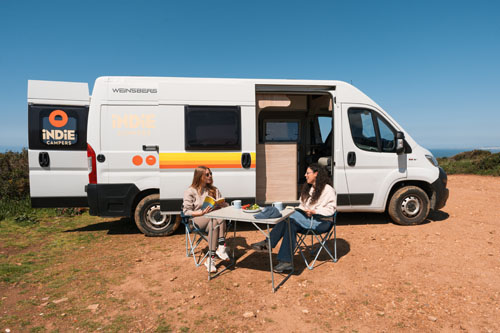
Sweden's unique 'Allemansrätten' (the Right of Public Access) generally permits temporary wild camping with an RV, allowing couples to stay for a night or two in suitable locations without disturbing private land or the natural environment. This right means you can typically park your RV overnight on public land, provided it is not cultivated land, within sight of residential houses, or in designated nature reserves or national parks where specific restrictions always apply. Crucially, RVers must strictly adhere to 'leave no trace' principles: never litter, always dispose of grey and black water exclusively at designated facilities, and avoid making open fires during dry periods or where prohibited. Finding suitable wild camping spots requires discretion; look for quiet lay-bys, unpaved forest roads, or discreet areas that are clearly not private property and where you won't obstruct traffic or disturb residents. Remember that rules can vary by region, so it's always wise to check local regulations and follow local law before deciding to park overnight.
Can I Drive an RV Into the City Center? Heights, Tunnels & Local Signage
Yes, you can generally drive an RV into Swedish city centers, but it requires careful attention to local signage concerning height restrictions, environmental zones, and specific parking regulations. Most central areas are accessible, but drivers must be vigilant for height limits on bridges, underpasses, and within multi-story car parks, which may be too low for larger RVs. Cities like Stockholm and Gothenburg implement environmental zones (miljözoner) and congestion charges (trängselskatt) that might restrict older or less eco-friendly vehicles and apply fees, so verifying your RV's compliance with these regulations is essential. Finding suitable parking for an RV in busy city centers can indeed be challenging; consider utilizing peripheral parking areas that offer excellent public transport connections into the core city, ensuring a convenient transition to exploring on foot or via public transit. Always observe local road signs diligently, as they provide critical information about no-entry zones, residents-only streets, or specific parking rules that RVs must strictly adhere to.
How Much Does an RV Trip for Couples in Sweden Cost?
The total cost for an RV trip for couples in Sweden typically ranges from €100 to €300+ per day. This broad estimate is influenced by several key factors, including rental fees, fuel consumption, campsite charges, food expenses, and the cost of chosen activities. RV rental costs for couples vary significantly based on the season and the specific RV class selected; for instance, a Class B Camper Van might cost €80-€150 per day, while a more spacious Class SI Semi-integrated could range from €120-€200 per day during the peak summer season. Fuel remains a notable expense in Sweden, with diesel prices hovering around 20-25 SEK per liter. Budgeting approximately €20-€30 per 100 km is advisable, depending on your RV's fuel efficiency (Bandana's fleet typically averages 8-12 L/100km). Campsite fees generally fall between €20-€40 per night for a basic pitch, with premium sites or those offering extensive amenities potentially costing €40-€60+. Managing food costs can be significantly reduced by cooking most meals in your RV; grocery prices are comparable to other Western European countries, but dining out can be quite expensive. Remember to budget for specific activities or attractions, such as guided tours, museum entries, or ferry tickets, which can add €20-€100+ per day depending on your interests.
When is the Best Time for Couples to Rent an RV in Sweden?
The optimal time for couples to rent an RV in Sweden largely hinges on their desired experiences, as each season offers distinct advantages, from the endless daylight of summer to the ethereal magic of the Northern Lights in winter. Summer (June-August) is ideal for warm weather, typically ranging from 18-25°C, and offers the phenomenon of the midnight sun in the far north. This season is perfect for hiking, swimming, kayaking, and exploring the charming archipelagos, though it is also the busiest and most expensive period. Autumn (September-October) presents spectacular fall foliage, fewer crowds, and cooler, crisp temperatures between 5-15°C, making it excellent for peaceful hikes, foraging, and enjoying cozy evenings in your RV. Winter (November-March) is for couples seeking a unique adventure, with opportunities to witness the Northern Lights, enjoy dog sledding, or go skiing. However, this season requires an RV equipped for cold weather and careful planning around shorter daylight hours and potentially snow-covered roads. Spring (April-May) offers a 'shoulder season' experience with thawing landscapes, blossoming nature, and moderate temperatures (5-15°C), typically featuring fewer tourists and generally lower prices. Couples should thoughtfully consider their preferred activities and tolerance for crowds and varying weather conditions when selecting their ideal travel season.
What are the Best RV Itineraries for Couples in Sweden?
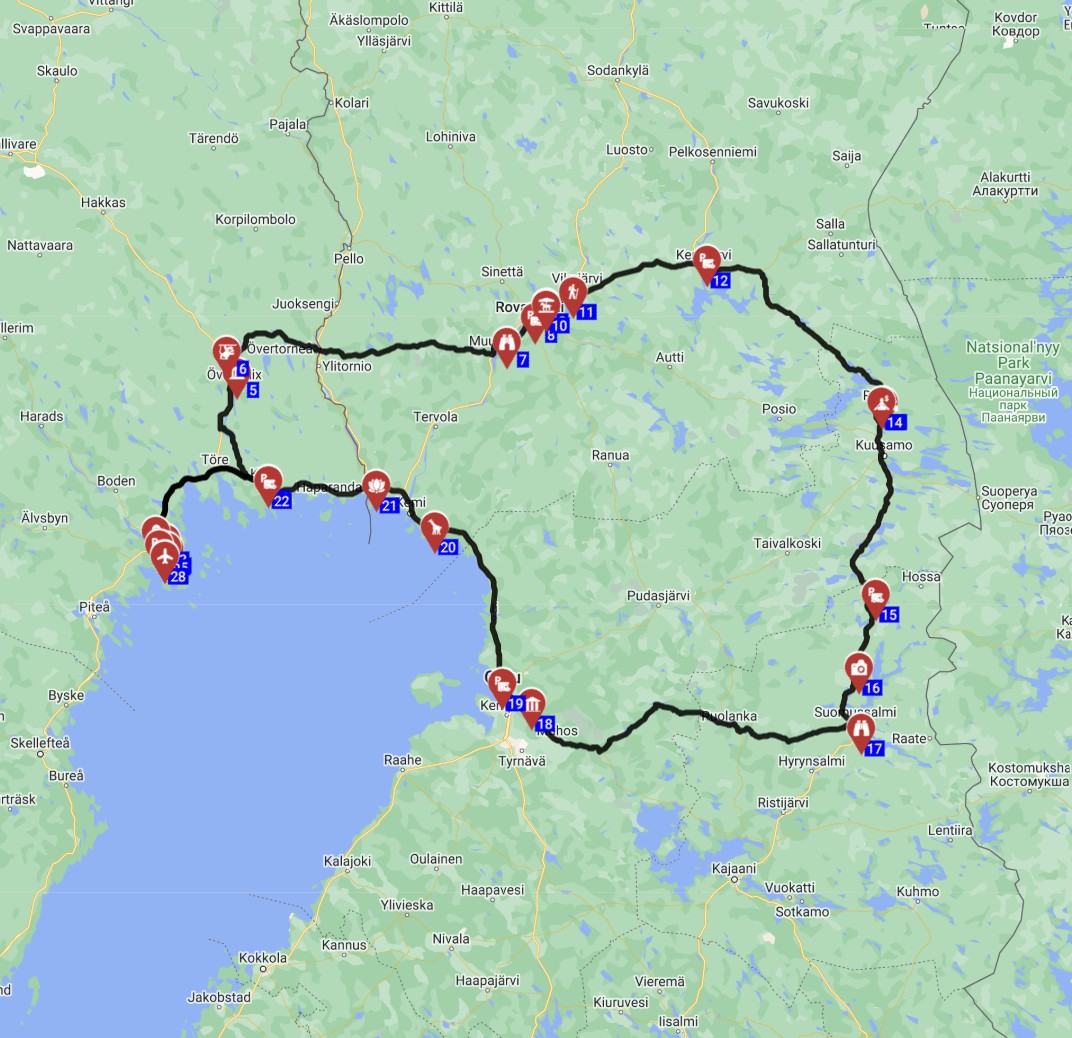
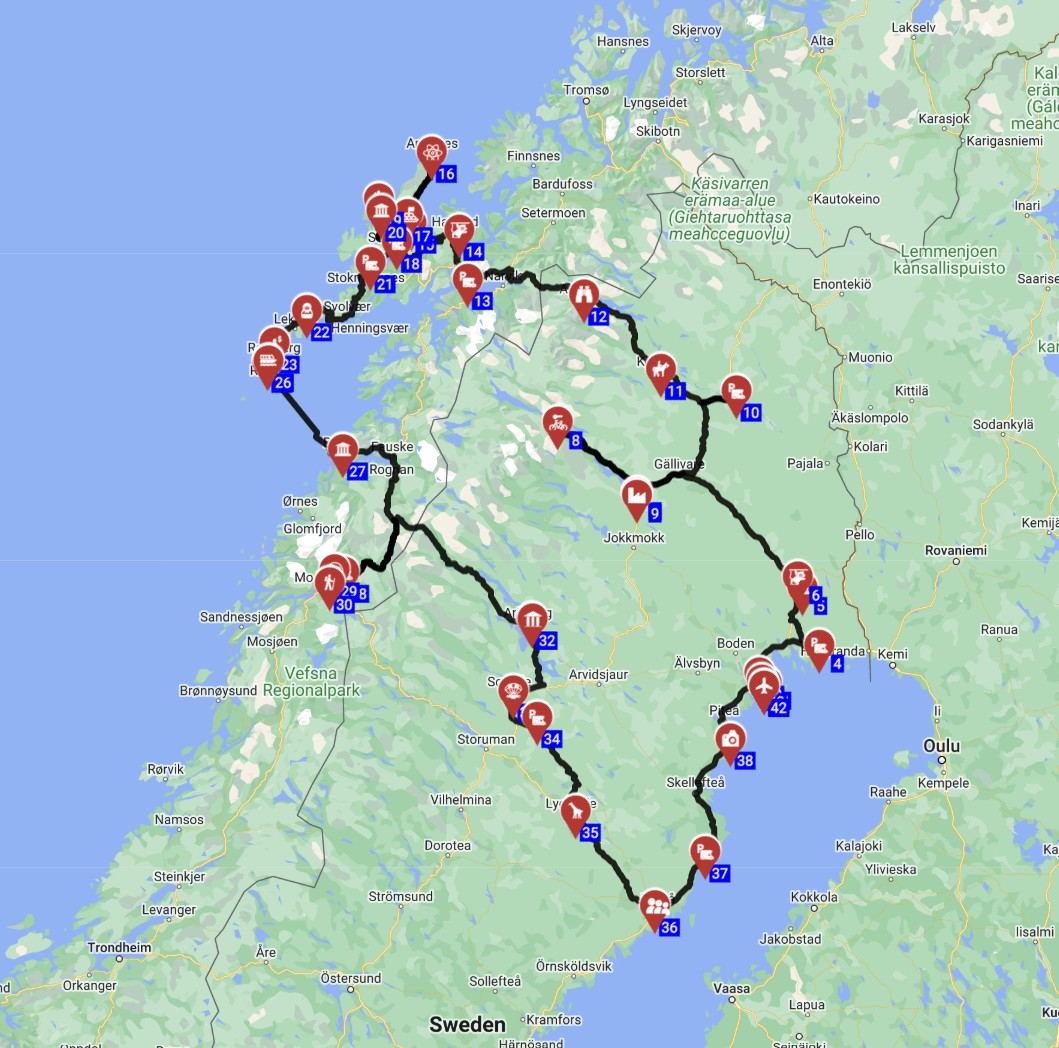
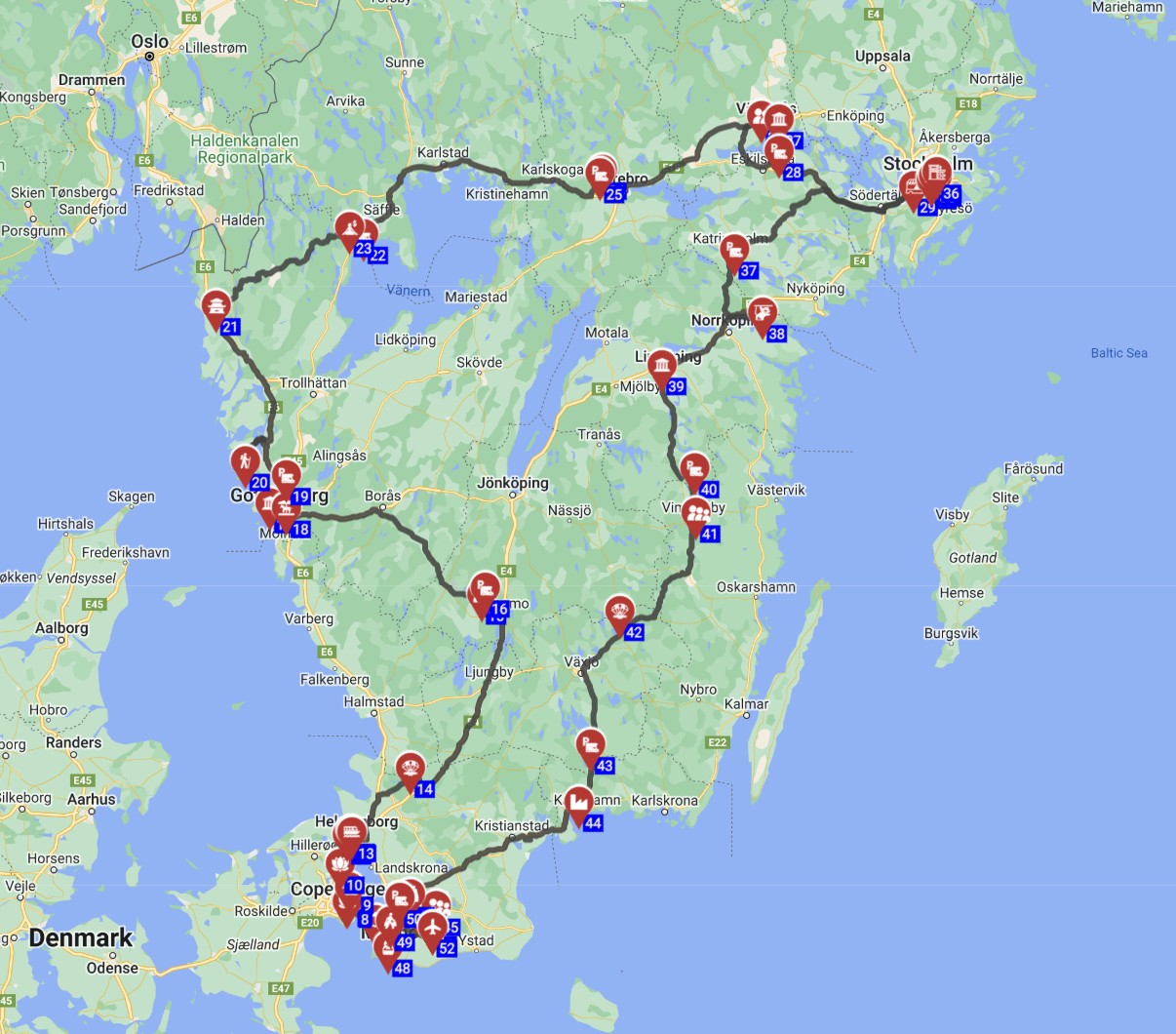
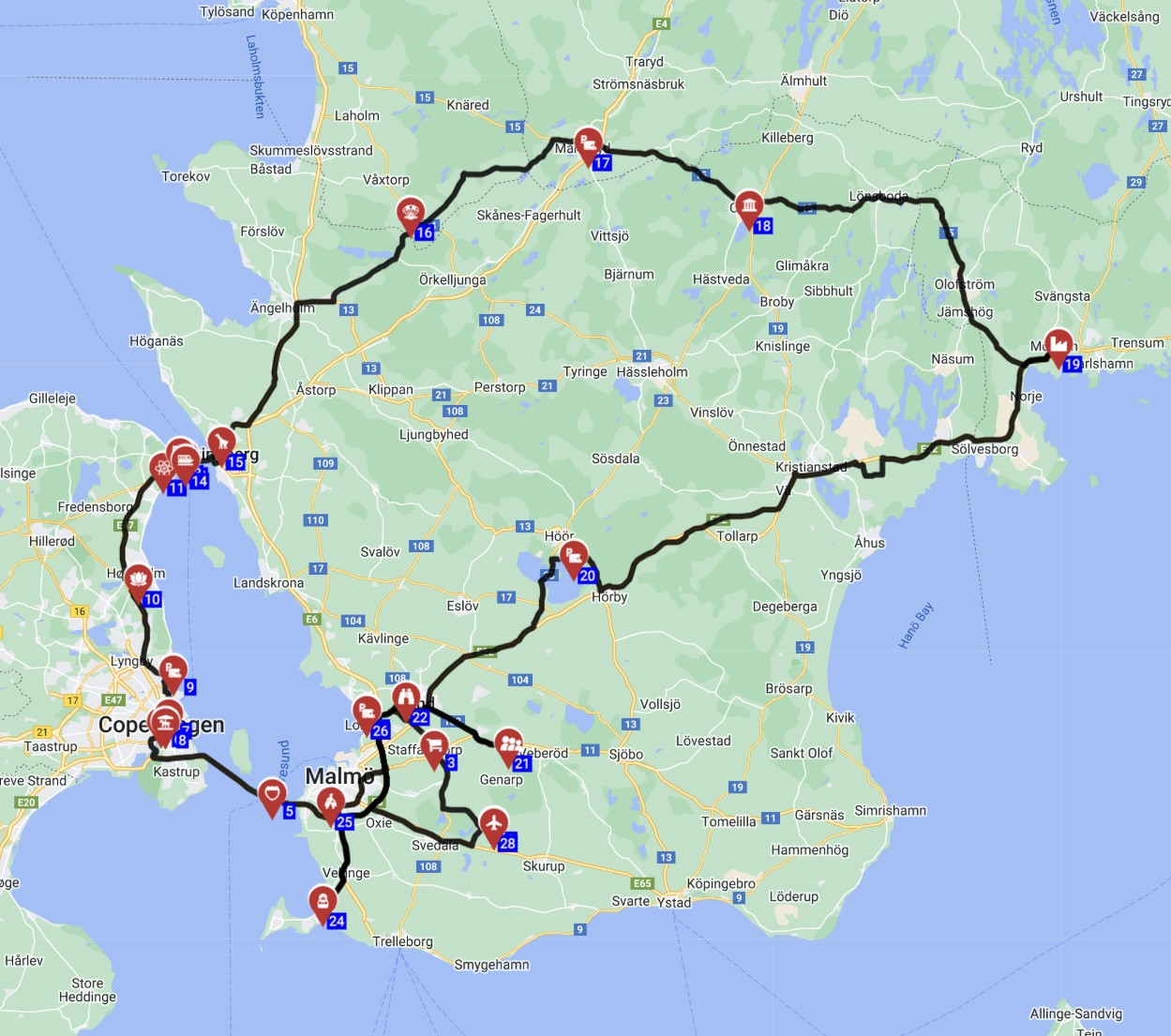
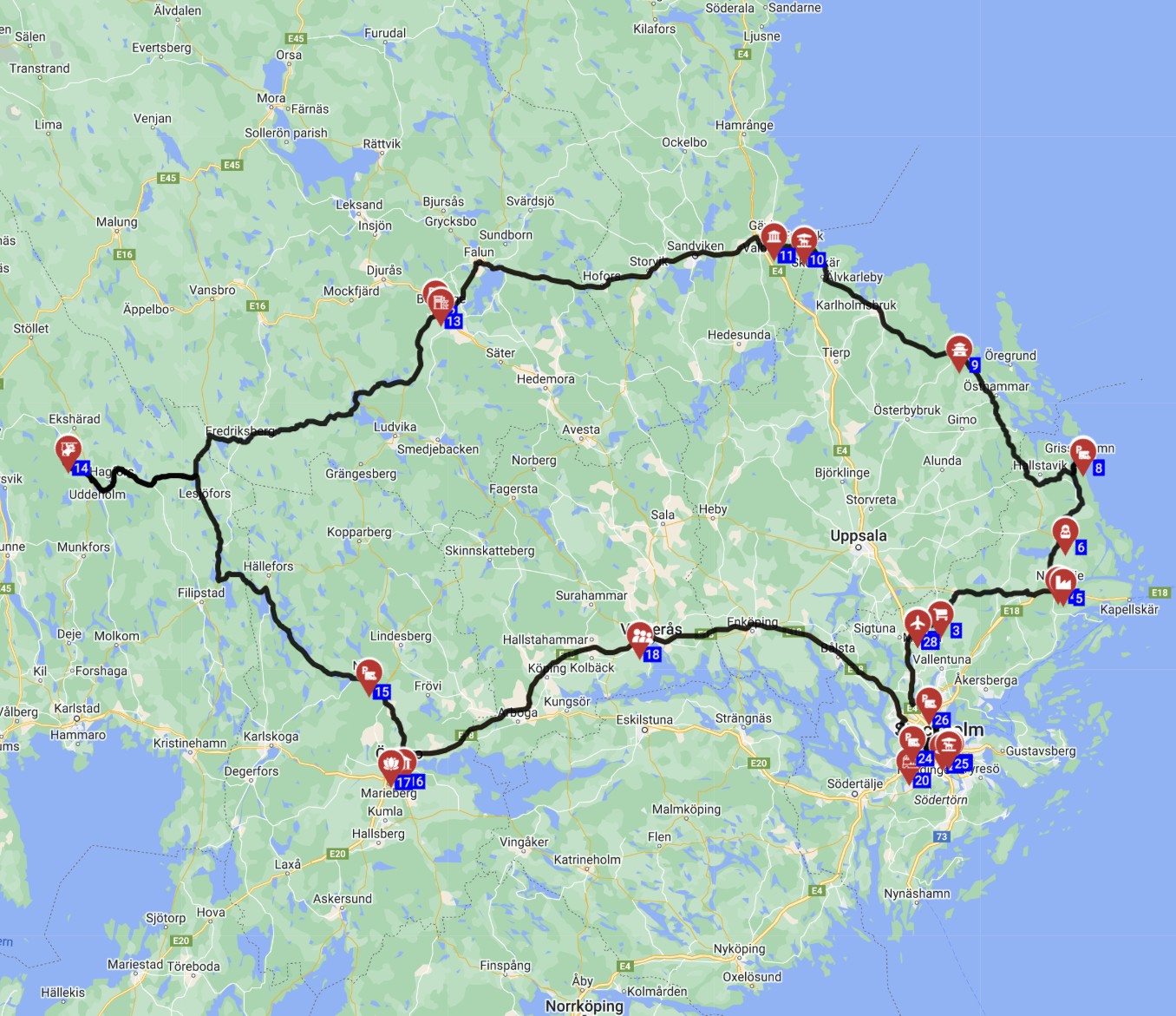
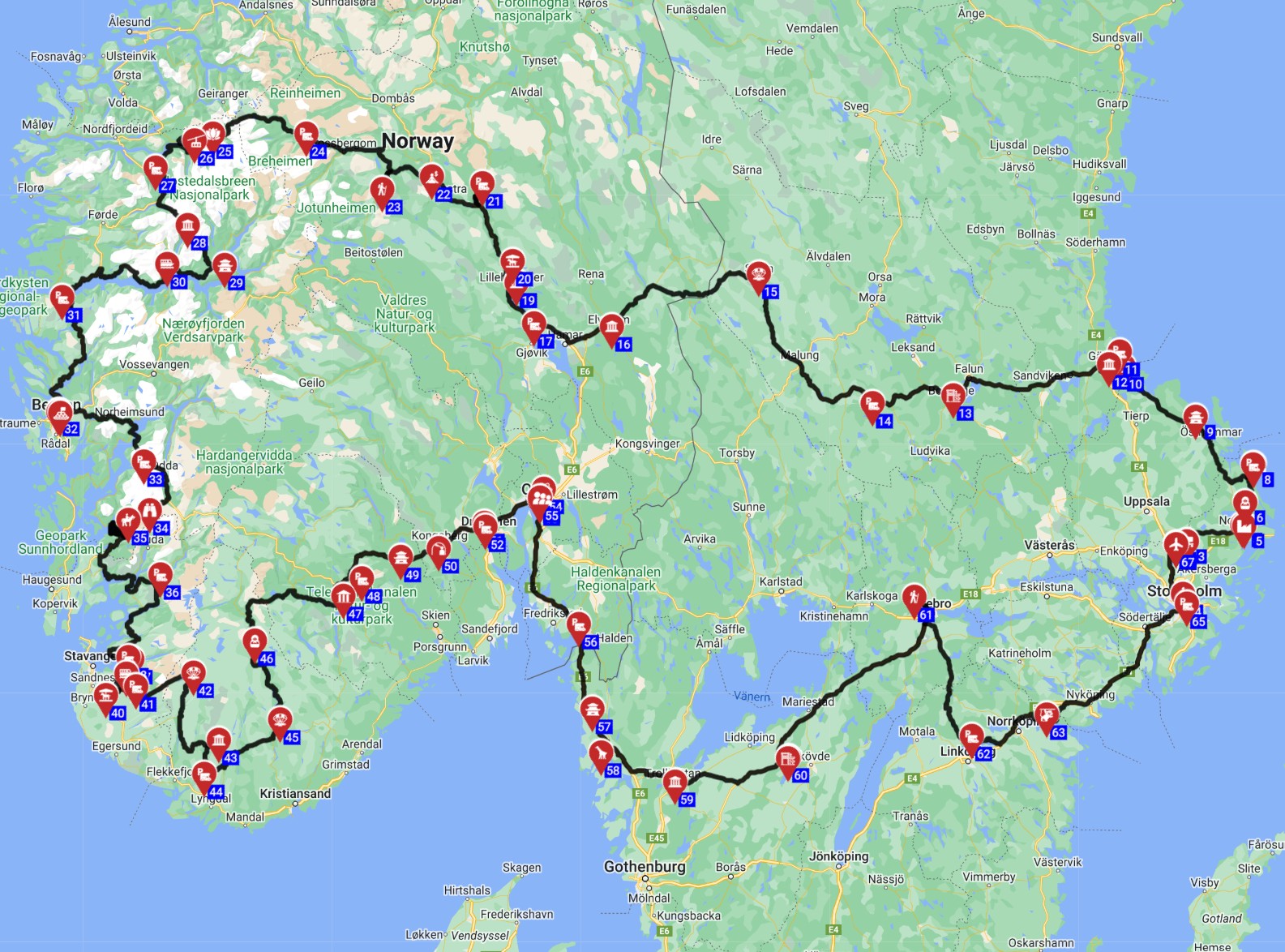
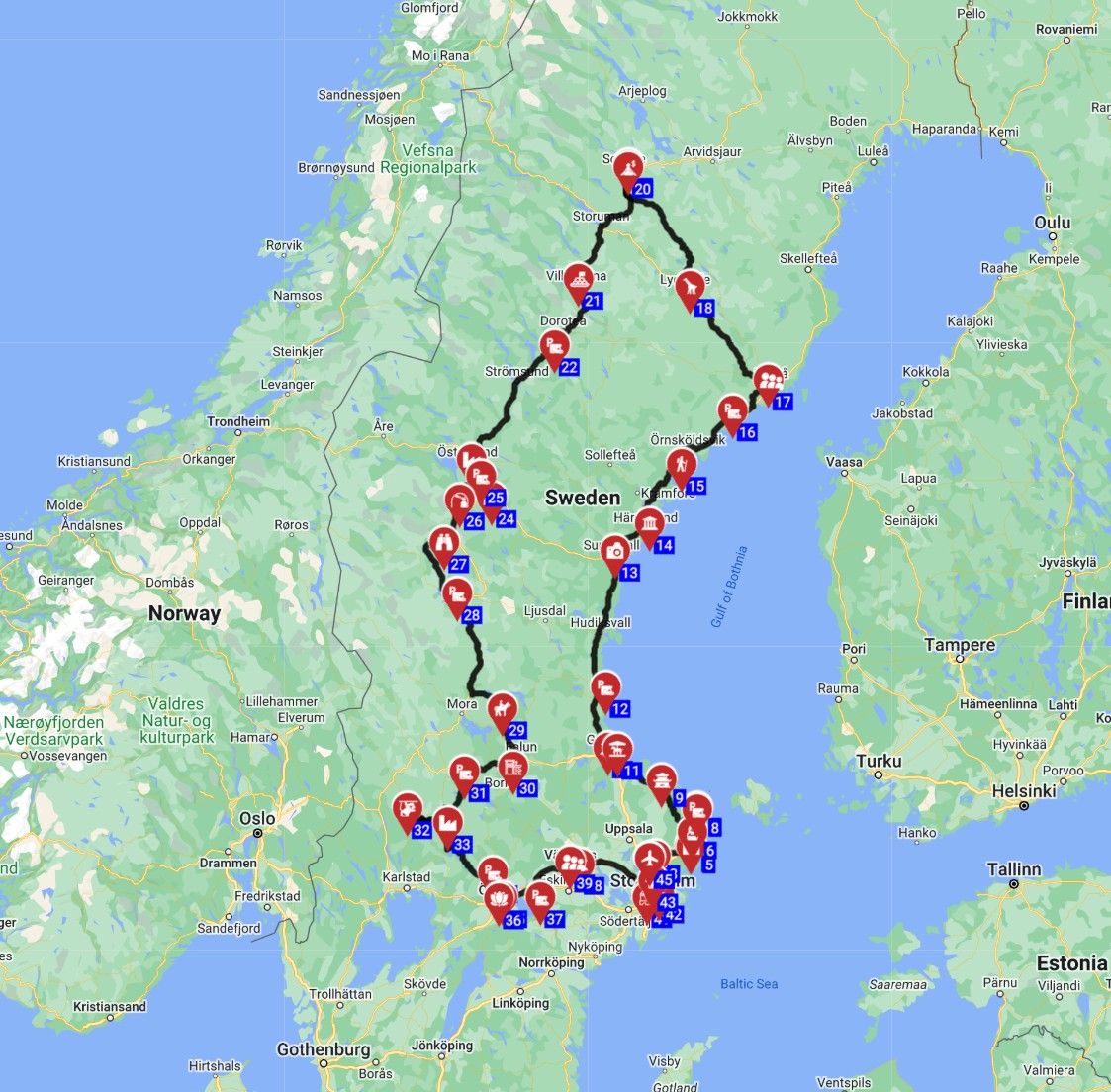
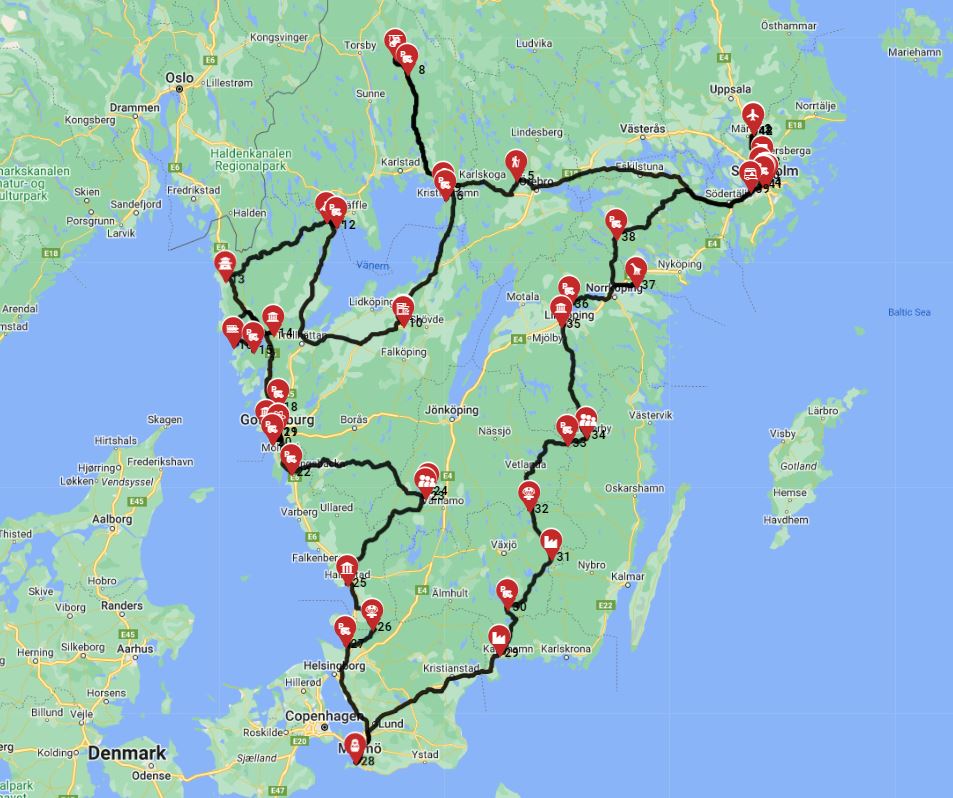
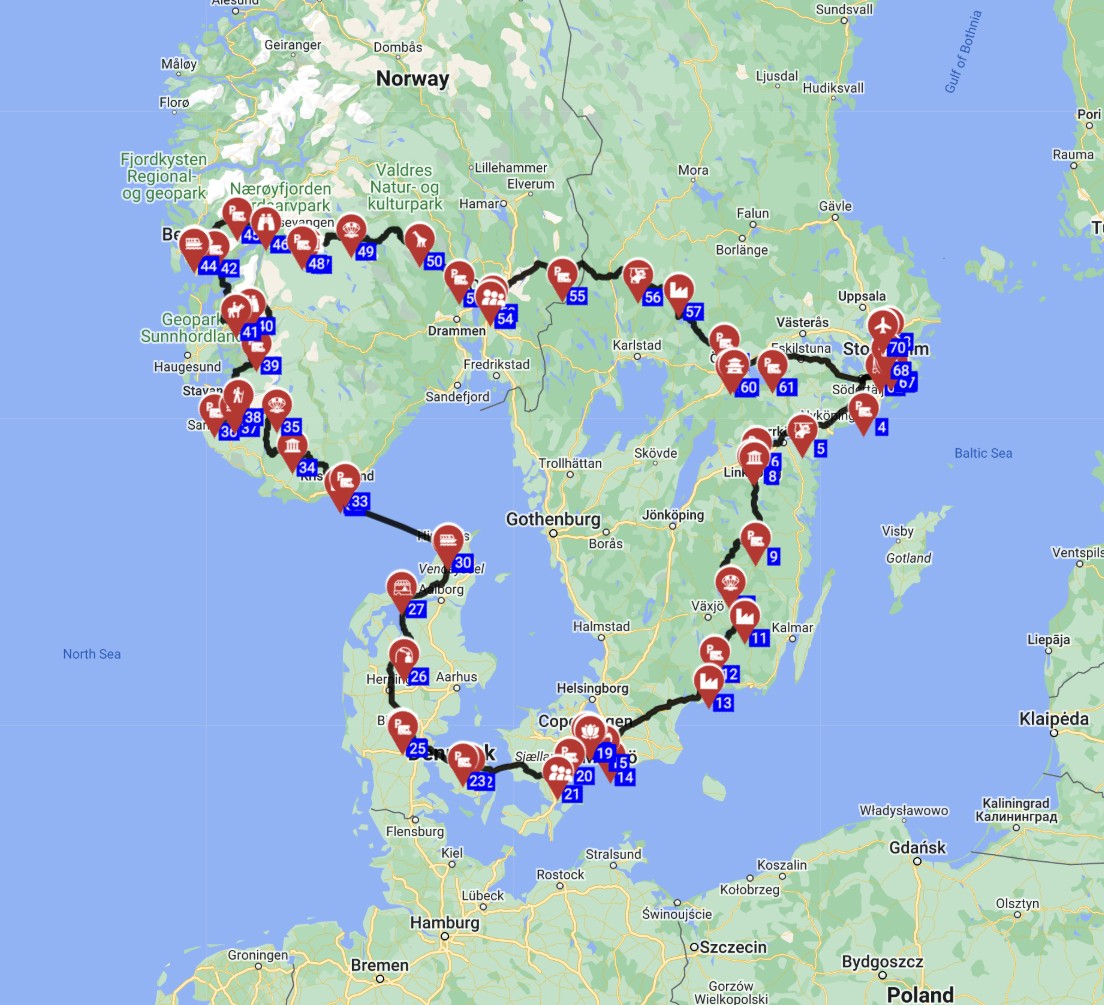
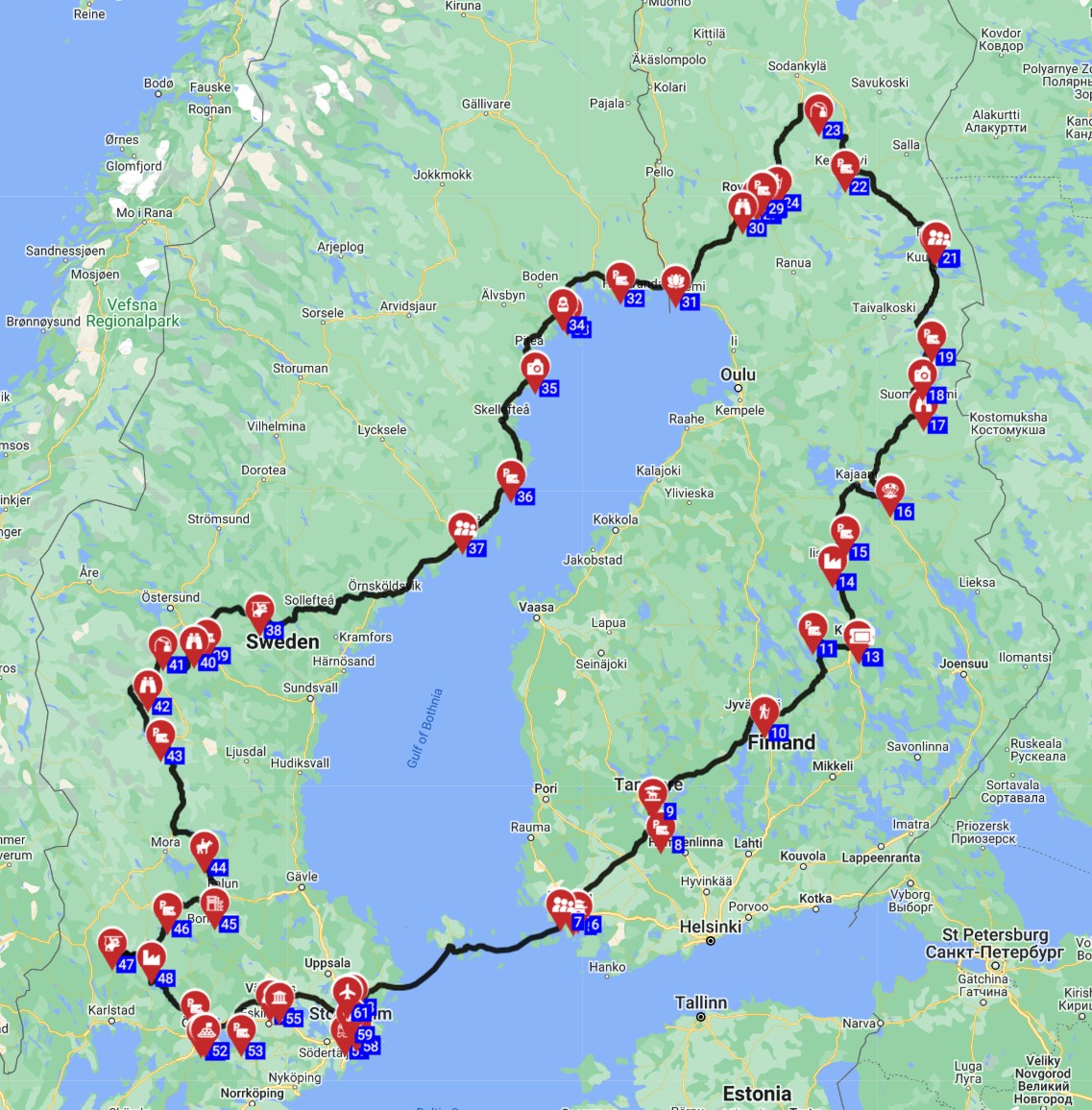
Sweden offers a diverse array of curated RV itineraries perfectly suited for couples, ranging from serene coastal explorations and historical trails to adventurous Arctic Circle expeditions, all tailored to various interests and seasonal preferences. For a taste of coastal charm, the **Bohuslän Coastline (West Coast)** itinerary invites you to explore picturesque fishing villages like Smögen and Fjällbacka, savor fresh seafood, and discover charming islands—ideal for summer travel heading north from Gothenburg. Delve into Sweden's cultural heartland with the **Great Lakes & Dalarna** route, visiting Lake Vättern, Lake Siljan, traditional red cabins, and witnessing the famous Dala horse crafts, offering a rich blend of nature and heritage. For an East Coast adventure, the **Swedish Archipelago** exploration, beginning near Stockholm, allows you to discover thousands of islands and coastal towns like Vaxholm and Sandhamn, perfect for kayaking, swimming, and experiencing the unique island lifestyle. For the truly adventurous, the **Arctic Circle & Northern Lights Chase (Norrland)** itinerary is a must, leading you north to Kiruna or Abisko National Park to experience Sámi culture, dog sledding, and the magical Aurora Borealis, especially in winter. Lastly, a southern journey on **Skåne's Castles & Countryside** route reveals lush agricultural landscapes, medieval castles, stunning white sandy beaches, and vibrant cities like Malmö and Lund, offering a rich immersion in history and nature.
How Can Couples Experience Local Culture While RVing in Sweden?
Couples can achieve a deep immersion in Swedish culture during their RV journey by actively embracing local traditions such as 'fika,' visiting regional markets, engaging with communities, and understanding common social etiquette. Actively participate in 'fika,' the quintessential Swedish coffee break, by seeking out local bakeries or finding a scenic spot to enjoy coffee and a pastry together—it's a delightful and easy way to connect with the local rhythm. Explore farmers' markets (Bondens Marknad) to sample local produce, artisan crafts, and regional specialties, which offer direct interaction with Swedish producers and valuable insights into local culinary traditions. Seek out local festivals or community events in the towns you visit, especially during summer and midsummer celebrations, to experience Swedish traditions firsthand. Practicing 'Allemansrätten' responsibly is also key, as respect for nature and communal spaces is a core Swedish value, often leading to positive interactions with locals. Be mindful of social etiquette, which often values modesty, punctuality, and a reserved demeanor; a friendly 'Hej' (hello) and 'Tack' (thank you) are simple yet effective ways to connect with Swedes and enhance your cultural experience.
How Can Couples Practice Sustainable RV Travel in Sweden?
Practicing sustainable RV travel in Sweden aligns perfectly with the nation's strong environmental consciousness and involves diligent waste management, resource conservation, selecting eco-friendly campsites, and minimizing your overall ecological impact. Utilize Sweden's excellent waste sorting and recycling infrastructure by carefully separating plastics, glass, paper, metal, and organic waste at designated recycling stations, which are commonly found across the country. Conserve water by taking shorter showers, using water-saving practices when washing dishes, and only refilling your fresh water tank when necessary, being mindful of Sweden's precious freshwater resources. Always dispose of grey and black water responsibly at official dump stations, which are available at campsites and some service areas, never discharging them directly into nature. Opt for eco-friendly campsites that demonstrate a commitment to sustainability through energy-saving measures, waste reduction programs, or the use of renewable energy sources. Reduce your carbon footprint further by choosing a more fuel-efficient RV class, like a Class B Camper Van, and planning routes that minimize unnecessary mileage. Supporting local communities and reducing transport emissions can also be achieved by buying local and seasonal produce from farmers' markets or smaller shops. Finally, always adhere strictly to 'leave no trace' principles when wild camping, ensuring you leave your surroundings exactly as you found them, or ideally, even cleaner.
What Should Couples Do in an RV Emergency in Sweden?
In the unlikely event of an RV emergency in Sweden, couples should prioritize safety by knowing the local emergency numbers, having immediate access to their rental company's roadside assistance information, and being prepared for common incidents such as breakdowns or wildlife encounters. For immediate life-threatening emergencies, including police, ambulance, or fire services, dial 112, the universal European emergency number, which operates 24/7 and is equipped to handle calls in multiple languages. In case of an RV breakdown or mechanical issue, immediately contact your rental company's roadside assistance or the provided emergency number; ensure you have this critical information readily accessible before your trip commences. If involved in a wildlife collision, particularly with larger animals like moose, always report the incident to the police by dialing 112 immediately, even if the animal leaves the scene, and follow their instructions. For medical non-emergencies, locate a local 'vårdcentral' (health center) or 'apotek' (pharmacy) for assistance, or call 1177 for medical advice in Sweden. When traveling in remote areas, ensure your mobile phone is fully charged (consider bringing a power bank), carry an offline map of the region, pack extra water, and include a basic first-aid kit; if venturing far off the beaten path, inform someone of your intended route and expected return time.
What You Shouldn't Miss
- Explore the Swedish Archipelagos: From Stockholm's eastern islands to the west coast's granite shores, discover charming fishing villages, secluded coves, and unique island hopping opportunities, perfect for kayaking or simply enjoying the coastal scenery.
- Experience Fika Culture: Regularly pause your journey for 'fika,' the essential Swedish coffee break. Find a cozy café in a historic town or a scenic viewpoint to savor coffee and pastries, integrating a key cultural ritual into your road trip.
- Journey through Lapland in Winter: For a truly unique experience, venture north into Swedish Lapland. Witness the magical Northern Lights, try dog sledding, or visit a Sámi village to learn about indigenous culture.
- Discover the Great Lakes Region: Drive through central Sweden, exploring the picturesque shores of Lake Vättern and Lake Siljan, and immerse yourselves in the cultural heritage of Dalarna, known for its traditional crafts and red wooden cabins.
- Go Wild: Embrace Allemansrätten: Utilize Sweden's 'Right of Public Access' for responsible wild camping in designated areas. This offers unparalleled freedom to find your own secluded spots amidst stunning natural beauty, but always practice leave-no-trace principles.
- Chase Waterfalls and Fjords: While Sweden is known for its forests and lakes, explore its impressive waterfalls and dramatic fjords, particularly in the western and northern regions, for breathtaking natural landscapes.
Final Thoughts
Renting an RV for a couples' trip in Sweden offers an unparalleled blend of freedom, flexibility, and intimate connection with the stunning Scandinavian landscape. By planning thoughtfully and embracing the unique culture and natural beauty of Sweden, you're set for an unforgettable adventure.
From the vibrant cities to the serene wilderness, a Swedish RV road trip promises romantic vistas, cozy nights, and memories that will last a lifetime. Let Bandana Caravan help you find the perfect vehicle for your dream Swedish escape.