In This Guide
- Can You Drive an RV in North Canada? License & Age Rules
- Road Conditions & Terrain in North Canada
- RV Size Limits, Bridges & Restricted Zones
- Fuel: Diesel vs. Petrol & Cost per 100 km
- Tolls, Vignettes & Border Rules
- Driving Tips for rv rental for couples Travelers
- Recommended RV Class for North Canada Roads
- Should I Choose a Compact Van Instead of a Large RV in North Canada?
- Can I Park Anywhere? Free & Wild Camping Rules in North Canada
- Can I Drive an RV Into the City Center? Heights, Tunnels & Local Signage
- Can you rent an RV to drive across Canada?
- Can I rent and drive a car in Canada with a US driver's license?
- What licence do I need to drive an RV in Canada?
- Can you walk around in a motorhome while driving in Canada?
- Where can I park my RV for free in Canada?
- Can Americans RV in Canada?
- Do you need a different license to drive an RV in Canada?
- Can you rent an RV with a regular license?
- How much does it cost to rent an RV for a week in Canada?
- Will my car insurance cover an RV rental?
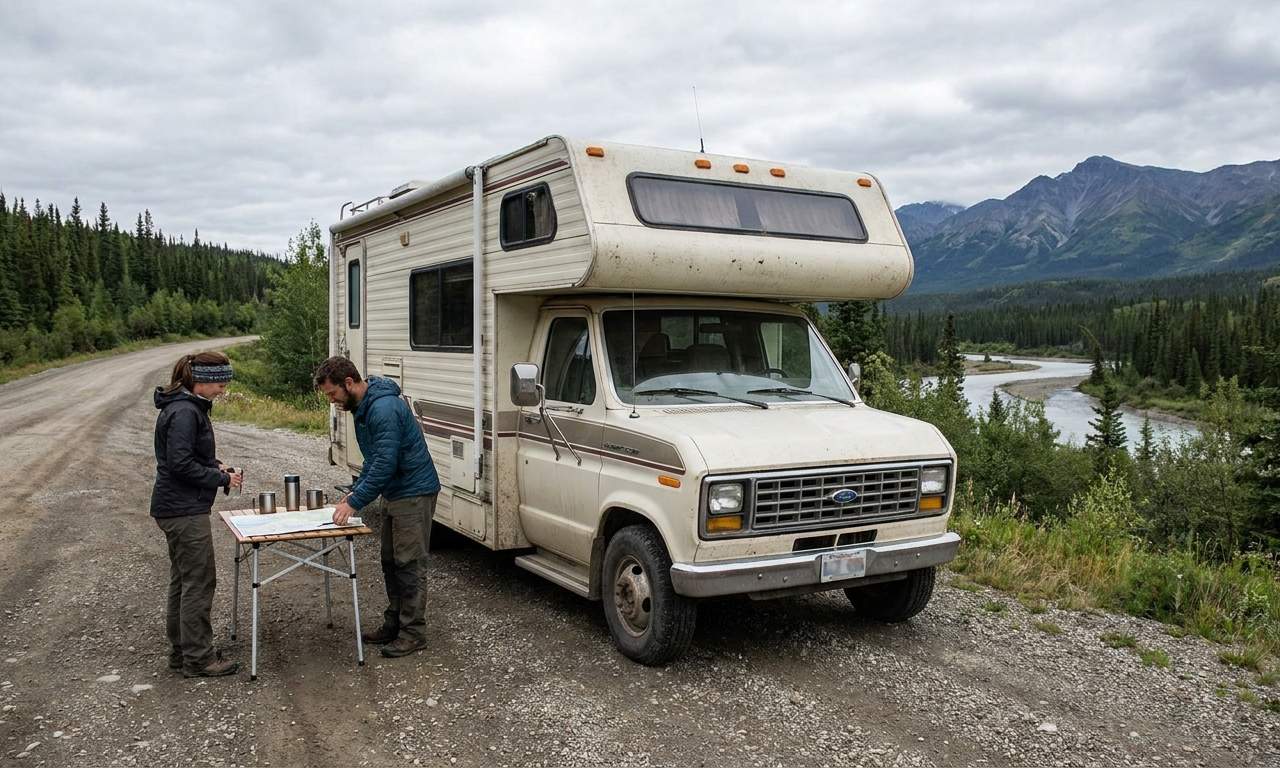
Can You Drive an RV in North Canada? License & Age Rules
Most standard RVs, generally those under 4,500 kg (10,000 lbs), can be driven in North Canada with a regular Class 5 driver's license (or the equivalent U.S. Class D license) for drivers typically aged 21 or older. This means if you can operate a standard car, you are likely qualified to drive the majority of rental RVs, including popular Class B camper vans and many Class C motorhomes. While U.S. driver's licenses are valid for short-term stays, carrying an International Driving Permit (IDP) is recommended for those with licenses from non-English or non-French speaking countries, though it's not strictly required for U.S. citizens. It's important to note that specific rental companies might have their own minimum age policies, often set at 21 or 25, so always confirm these details when booking your chosen RV. No specialized higher license category is usually necessary for typical rental RVs in North Canada, unless you are considering exceptionally large vehicles that significantly exceed common weight thresholds.
Road Conditions & Terrain in North Canada
North Canada's road network presents a varied landscape, featuring well-maintained paved highways alongside extensive gravel sections, such as those found on portions of the Alaska Highway and the Dempster Highway. For couples venturing into this region, it’s essential to anticipate driving at slower, more cautious speeds due to the varying quality of road surfaces and the ever-present possibility of wildlife encounters. Many remote stretches in North Canada offer limited services, making meticulous route planning for fuel stops and carrying essential emergency supplies a critical part of preparing for your RV journey. Be prepared for significant variations in weather, as even warm summer days can give way to sudden storms or early autumn snowfall, which can dramatically impact driving conditions. The overall experience for couples should focus on enjoying the breathtaking scenic journey rather than rushing, allowing ample time for spontaneous stops, photography, and adapting to the unique northern conditions.
RV Size Limits, Bridges & Restricted Zones
North Canada generally offers a more relaxed approach to vehicle size restrictions compared to some older, densely populated cities found elsewhere. Most major routes and towns are accustomed to RV traffic, meaning height, weight, and environmental restrictions are typically uncommon for standard rental RVs. However, couples planning their route should be aware of potential ferry weight and length limitations if their itinerary involves water crossings to more remote communities; pre-booking ferry spots is often essential for these journeys. Seasonal road closures can occur due to heavy snow or permafrost thaw, particularly affecting mountain passes or less-maintained gravel roads, so it is vital to check current road conditions before setting out. While specific bridge load limits are rare on the main routes, it’s always prudent to verify these if venturing onto particularly remote or unpaved access roads to ensure the safety of your rented RV.
Fuel: Diesel vs. Petrol & Cost per 100 km
Fuel availability, particularly for diesel, can be a significant consideration in North Canada’s vast and remote areas, requiring meticulous planning to avoid running out of fuel. While petrol (gasoline) is more widely available than diesel, both fuels tend to be considerably more expensive in the northern territories and remote communities compared to southern Canada. For instance, Bandana's Class B Camper Vans typically consume around 8-10 Liters per 100 km, while larger Class SI Semi-integrated and Class C motorhomes can range from 10-12 Liters per 100 km. Based on current 2026 estimates, fuel costs in North Canada could range from CAD $1.80 to $2.50+ per liter. This means a Class SI RV averaging 11 L/100km might incur fuel costs of approximately CAD $20-$28 per 100 km. To manage this, it is strongly recommended to fill up your RV's tank whenever you have the opportunity and to consider carrying extra fuel if your route includes very remote roads. On the routes offered through RV PLANET routes, you can itemize and track every expense along the way for easy budgeting.
Tolls, Vignettes & Border Rules
For couples embarking on an RV adventure in North Canada, a significant advantage is the general absence of toll roads and vignette requirements across the Yukon, Northwest Territories, and the northern parts of British Columbia and Alberta, which simplifies travel planning considerably. When crossing the U.S.-Canada border, couples must have proper identification, such as valid passports for U.S. citizens, along with a current driver's license, the RV rental agreement, and proof of insurance for the vehicle. Travelers are required to declare all goods at the border, and restrictions are in place for items like firearms, certain food products, and excessive quantities of alcohol or tobacco. You won't need to worry about pre-purchasing specific toll passes or vignettes for RV travel solely within North Canada or for entry from the United States.
Driving Tips for rv rental for couples Travelers
Embracing a slow, scenic pace is key for couples exploring North Canada's magnificent landscapes; plan for longer travel times between destinations and allow for frequent stops for photos and relaxation. Vigilance for wildlife is paramount, especially during dawn and dusk, as large animals like moose, caribou, and bears are frequently found on or near roadways. Be prepared for remote stretches by always carrying an emergency kit, extra water and food, and consider renting a satellite communication device, as cell service is often non-existent between communities. When navigating unpaved or gravel road sections, reduce your speed, increase your following distance, and be mindful of dust and potential stone chips; be aware that some rental agreements may have restrictions on specific gravel roads. Lastly, travel respectfully through Indigenous traditional territories, being mindful of local customs, seeking permission before entering private lands, and respecting rules regarding activities like berry picking on reserve lands.
Recommended RV Class for North Canada Roads
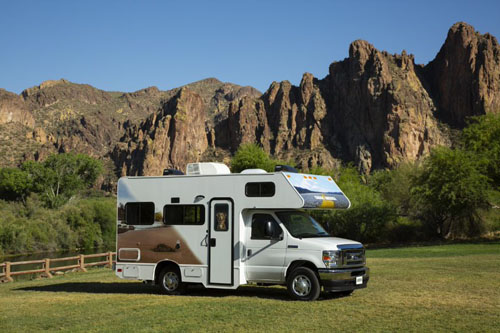
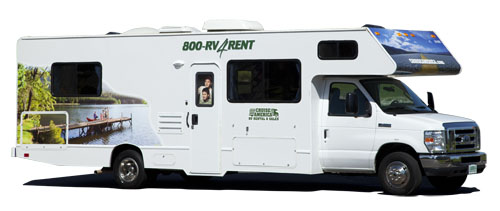
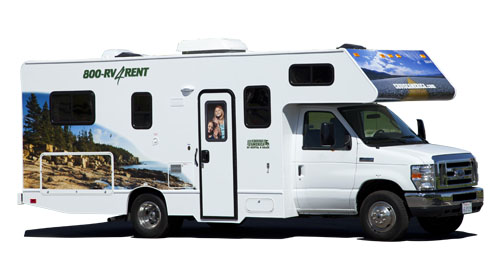
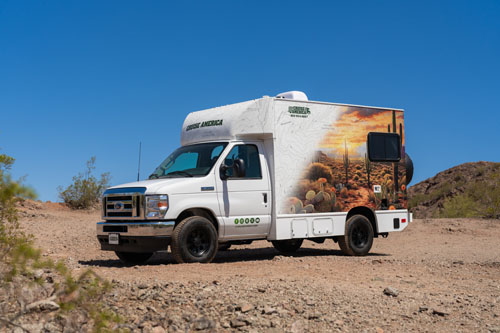
For couples planning an exploration of North Canada, a Class B Camper Van or a Class SI Semi-integrated RV generally offers an excellent balance of comfort, maneuverability, and suitability for the diverse northern road conditions. A Class B Camper Van, with an average length of 5.8 meters and seating for up to 2.7 adults (depending on specific models), is agile, offers good fuel economy (typically 8-10 Liters/100 Km), and is easy to park. These units often provide better ground clearance for navigating gravel roads and accessing more secluded campsites. For those desiring more interior space and amenities than a Class B, a Class SI Semi-integrated RV, averaging 6.9 meters in length and accommodating around 3.4 adults, remains manageable on North Canada’s main routes with moderate fuel consumption (typically 10-11 Liters/100 Km). If extreme ruggedness and access to very remote areas are priorities, a Class TC Truck Camper (average length 5.5m, suitable for 2.1 adults) could also be considered, though interior space is more compact and fuel consumption is higher (12-17 Liters/100 km).
Should I Choose a Compact Van Instead of a Large RV in North Canada?
While most larger RVs, such as Class C or Class A motorhomes, can navigate North Canada’s main paved and well-maintained gravel routes without significant issues, a compact van often provides distinct advantages. These advantages include better fuel economy, enhanced maneuverability in tighter spaces, and improved access to more secluded campsites or trailheads. Larger RVs (e.g., Class C or Class A) offer superior comfort, more living and storage space, and larger fresh/grey water tanks, which can be highly desirable for extended trips in remote areas where services are scarce. Conversely, compact vans, like Class B Camper Vans, are more nimble, easier to park in smaller spots, generally more fuel-efficient, and better equipped for navigating narrower or rougher access roads to certain boondocking locations or natural attractions. The decision for couples often comes down to balancing the desire for spacious comfort and extensive amenities against the flexibility, easier driving, and broader access offered by a more compact vehicle; both types are capable of delivering a fantastic North Canadian adventure.
Can I Park Anywhere? Free & Wild Camping Rules in North Canada
In North Canada, free and wild camping, often referred to as boondocking, is widely available and frequently encouraged, particularly on the vast stretches of Crown land. This offers unique wilderness experiences for couples seeking solitude and immersion in nature. On Crown land, dispersed camping is generally permitted for up to 21 days in one spot, provided travelers strictly adhere to 'Leave No Trace' principles, packing out all garbage and waste. Within National and Territorial Parks, overnight stays are restricted to designated campgrounds, and fees typically apply. Many roadside pullouts and rest areas along northern highways are suitable for overnight parking; always look for explicit signage indicating any restrictions. When traveling through Indigenous territories or near communities, it is essential to seek permission before camping on private or traditional lands or utilize designated services. It's crucial to always check local regulations and follow local laws before parking overnight, especially concerning fire bans and protected areas.
Can I Drive an RV Into the City Center? Heights, Tunnels & Local Signage
Yes, driving an RV into city centers like Whitehorse, Yellowknife, or Dawson City is generally straightforward in North Canada. These communities are accustomed to RV traffic and typically offer ample parking, often with designated areas for larger vehicles. Northern cities generally do not feature the restrictive low bridges, narrow streets, or environmental zones that might hinder RV travel in older, more densely populated urban centers elsewhere. While specific height or weight restrictions are rare on main city routes, it is prudent for couples to be aware of their RV’s dimensions for navigating tight turns or finding suitable parking spots. Always pay close attention to local signage regarding parking restrictions, designated RV parking areas, and any temporary road closures to ensure a smooth urban experience.
Can you rent an RV to drive across Canada?
Yes, RV rentals are widely available across Canada, including for ventures into North Canada, offering couples incredible flexibility to explore its vast and diverse landscapes. Many rental companies offer one-way rentals between major cities, although these often incur additional fees, particularly for longer distances like cross-Canada journeys. It is crucial to confirm the rental company's policies regarding mileage limits and whether their vehicles are permitted on unpaved or gravel roads, which are common in North Canada, such as the Dempster Highway or certain sections of the Alaska Highway. Always discuss your intended North Canada itinerary with the rental provider to ensure your chosen RV and rental agreement adequately cover the specific routes and conditions you anticipate experiencing.
Can I rent and drive a car in Canada with a US driver's license?
Yes, a valid U.S. driver's license is generally accepted for renting and driving an RV or car in Canada for up to six months, making it a straightforward process for couples to embark on a North Canadian adventure. Ensure your U.S. driver's license is current and in good standing, and always carry the physical card with you while driving. While an International Driving Permit (IDP) is not typically required for U.S. citizens driving in Canada, it can be useful as additional identification or if your license is not in English or French. Alongside your driver's license, you should carry your passport, the RV rental agreement, and proof of insurance when traveling in Canada, especially when approaching border crossings.
What licence do I need to drive an RV in Canada?
For the vast majority of commonly rented RVs suitable for couples exploring North Canada, a standard provincial driver's license (Class 5 in Canada, or the equivalent U.S. Class D) is sufficient to drive an RV anywhere in Canada. This applies as long as the vehicle's Gross Vehicle Weight Rating (GVWR) is typically below approximately 11,000 lbs (5,000 kg), which covers most Class B, C, and Semi-integrated motorhomes ideal for couples. Higher-class licenses are usually only required for very large, heavy RVs exceeding specific weight thresholds or those equipped with air brakes, none of which are typically found in standard rental fleets. Always confirm specific license requirements with your chosen RV rental company to ensure compliance, but generally, if you can drive your car, you can drive most rental RVs.
Can you walk around in a motorhome while driving in Canada?
No, it is illegal and highly unsafe to walk around or be unrestrained in a motorhome while it is in motion on Canadian roads; all occupants must be properly seated and buckled up at all times. Canadian traffic laws mandate that all passengers, including children, must be wearing a seatbelt in designated seating positions whenever the vehicle is moving. This critical safety regulation is designed to prevent serious injuries in the event of sudden stops, collisions, or unexpected road hazards, which can be particularly relevant on North Canada's remote and sometimes unpredictable roads. Couples should plan breaks to stretch, use facilities, and allow passengers to move around safely only when the RV is parked.
Where can I park my RV for free in Canada?
In North Canada, free RV parking is widely available on extensive tracts of Crown land (public land), at many roadside pullouts, and sometimes in designated municipal areas, offering abundant opportunities for couples to enjoy boondocking. Crown land is the most common option in the remote northern territories; travelers must adhere to 'Leave No Trace' principles, including proper waste disposal and respecting the environment. Many highway rest areas and scenic pullouts along major routes allow for overnight parking, but always check for signage indicating any restrictions. While less common in remote North Canada, some larger towns or retail centers may permit overnight parking in their lots; it is always best to ask permission first. For unique experiences, consider membership networks like Harvest Hosts or Boondockers Welcome, though options may be more limited in the far North; alternatively, seek out local advice for lesser-known free spots. Always verify local regulations for free camping, especially within municipal boundaries or sensitive ecological areas.
Can Americans RV in Canada?
Yes, Americans can absolutely RV in Canada, including the vast northern territories, provided they have valid identification, a current driver's license, and proper vehicle documentation for border crossing. U.S. citizens need a valid passport to enter Canada and must present it along with their driver's license and the RV rental agreement (or proof of ownership if bringing their own RV) to Canadian customs officials. Proof of insurance for the RV is also required, which is typically provided by the rental company or your personal insurance for your own vehicle. There are no specific restrictions preventing U.S. citizens from RVing in North Canada, but travelers must adhere to Canadian customs and immigration laws, including declarations for goods and restrictions on certain items like firearms.
Do you need a different license to drive an RV in Canada?
No, for the vast majority of commonly rented RVs suitable for couples, a standard provincial (Class 5) or U.S. state (Class D) driver's license is sufficient to drive an RV anywhere in Canada, including the North. The requirement for a different, higher-class license generally only applies to very large, heavy RVs (exceeding approximately 11,000 lbs GVWR) or commercial vehicles, which are not typically available in standard rental fleets. This means that if you possess a valid license to drive a regular passenger vehicle, you are most likely qualified to drive the Class B, Class C, or Semi-integrated RVs commonly rented for couple's trips. Always confirm with your specific RV rental company about their license requirements to ensure compliance.
Can you rent an RV with a regular license?
Yes, you can absolutely rent and drive most RVs, particularly the Class B camper vans, Class SI semi-integrated, and Class C motorhomes ideal for couples, with a regular, non-commercial driver's license in Canada. RV rental companies primarily cater to leisure travelers, and their standard fleet vehicles are designed to be driven by individuals holding a basic passenger vehicle driver's license. The key factor is the RV's Gross Vehicle Weight Rating (GVWR); as long as it falls below the threshold for requiring a commercial or specialized license (typically around 11,000 lbs or 5,000 kg), your regular license is sufficient. It's always recommended to review the specific licensing requirements provided by your chosen rental company during the booking process to ensure everything is in order for your North Canada trip.
How much does it cost to rent an RV for a week in Canada?
The cost to rent an RV for a week in Canada, especially for North Canada travel, typically ranges from CAD $1,000 to $3,000+, varying significantly based on the RV class, season, rental duration, and included amenities. Base rental prices for a compact Class B camper van might start at the lower end, while a larger Class C or Semi-integrated RV for a week during peak summer in 2026 could easily exceed $2,000. Beyond the base rental, couples should budget for additional costs including mileage packages (critical for extensive North Canada routes), comprehensive insurance, preparation fees, and propane refills. Fuel will be a substantial expense, given North Canada's higher prices (as detailed earlier); also consider costs for campground fees (if not boondocking), national/provincial park permits, and provisioning for extended periods in remote areas. One-way rental fees, if applicable, can add several hundred to over a thousand dollars to the total cost, depending on the pick-up and drop-off locations.
Will my car insurance cover an RV rental?
While some personal car insurance policies may offer limited coverage for RV rentals, it is crucial for couples to confirm specific terms with their provider and strongly consider supplemental rental insurance, especially for a North Canada trip. Contact your personal auto insurance company directly to inquire about coverage for recreational vehicle rentals in Canada, paying close attention to deductibles, coverage limits, and any exclusions for RVs. Some premium credit cards offer rental vehicle insurance as a benefit, but RVs are frequently excluded from these policies, so carefully review the terms and conditions. Most RV rental companies offer comprehensive insurance packages (e.g., Collision Damage Waiver, Supplemental Liability Insurance) that are highly recommended, providing peace of mind given the remote and sometimes challenging driving conditions in North Canada.
What You Shouldn't Miss
- Drive the Dempster Highway: For the truly adventurous, experiencing this gravel road from Dawson City to Inuvik, crossing the Arctic Circle, is an iconic North Canada RV journey.
- Explore the Northern Lights: Plan your trip between August and April for the best chances to witness the spectacular Aurora Borealis in places like Yellowknife (NWT) or Whitehorse (Yukon).
- Witness the Midnight Sun: Experience nearly 24 hours of daylight in the summer months and perhaps even enjoy a game of golf at midnight in Whitehorse or Yellowknife.
- Discover Yukon's Gold Rush History: Visit Dawson City, a National Historic Site, to step back in time and explore the Klondike Gold Rush era.
- Encounter Wildlife: Keep a safe distance and enjoy sightings of bison, caribou, moose, and bears that are common along northern highways; always be prepared for unexpected encounters.
- Soak in Natural Hot Springs: Relax and rejuvenate in the natural hot springs scattered throughout the Yukon and Northern British Columbia, like Takhini Hot Springs or Liard River Hot Springs.
Final Thoughts
An RV adventure through North Canada offers a unique and intimate connection with some of the most remote and stunning landscapes on earth. It’s an opportunity for couples to create unforgettable memories, from witnessing the ethereal dance of the Northern Lights to navigating the vast, open roads under the Midnight Sun. Planning is key, especially when it comes to fuel, road conditions, and wildlife encounters, but the rewards of such an immersive journey are truly immeasurable.
We encourage you to embrace the spirit of adventure that North Canada promises. With a little preparation and a sense of wonder, your RV rental for couples trip can be the ultimate exploration of the wild. Let Bandana Caravan help you find the perfect vehicle for your romantic northern escape, and start planning an experience that will stay with you long after you return.
Ready to discover the magic of North Canada by RV? Compare your options and find the perfect motorhome for your couple's getaway today!