For live availability and current prices, start with our RV Rental Germany - Complete Guide 2026 guide.
In This Guide
- Can You Drive an RV in Germany? License & Age Rules
- Road Conditions & Terrain in Germany
- RV Size Limits, Bridges & Restricted Zones
- Fuel: Diesel vs. Petrol & Cost per 100 km
- Tolls, Vignettes & Border Rules
- Driving Tips for rv rental for couples Travelers
- Recommended RV Class for Germany Roads
- Should I Choose a Compact Van Instead of a Large RV in Germany?
- Can I Park Anywhere? Free & Wild Camping Rules in Germany
- Can I Drive an RV Into the City Center? Heights, Tunnels & Local Signage
- What is a Stellplatz?
- Are there free motorhome stops in Germany?
- Is it easy to drive an RV in Germany?
- How much does it cost to camp in Germany?
- How much does it cost to RV in Germany?
- What is the best time to RV in Germany?
Imagine embarking on an unforgettable journey through Germany with your loved one, the open road stretching before you, and the comfort of your own mobile home. RV travel for couples in Germany offers an unparalleled sense of freedom and intimacy, allowing you to explore historic castles, charming villages, and stunning natural landscapes at your own pace. With a rented RV, you can wake up to a new view every day, sharing breakfasts overlooking vineyards or dinners beside serene lakes. For live availability and current prices, start with our RV Rental Germany - Complete Guide guide.
At Bandana RV, we specialize in helping couples find the perfect motorhome for their romantic escape. We believe in full transparency, meaning no hidden fees and no surprises. We're true RV specialists, not just a side department of a general travel agency, and our 24/7 support ensures you're never alone from the moment you start comparing prices to the completion of your booking. Let's dive into everything you need to know to plan your dream couples RV adventure in Germany.
Can You Drive an RV in Germany? License & Age Rules
Most standard national driving licenses, such as an EU B license or a US Class D license, are perfectly valid in Germany for driving RVs up to 3,500 kg, which covers most campervans and many Class C motorhomes. For non-EU license holders, an International Driving Permit (IDP) is strongly recommended to easily translate your license and avoid any potential misunderstandings with local authorities. To drive larger motorhomes over 3,500 kg but under 7,500 kg, a C1 license or its equivalent from your home country is typically required, though many couples find smaller vehicles more suitable for German roads. The minimum driver age for most RV rentals in Germany is 21 years old across our partner suppliers, with no young driver surcharges or vehicle class restrictions based on age, making it accessible for a wider range of travelers. We make sure all details like these are upfront, giving you confidence in your booking.Road Conditions & Terrain in Germany
Germany boasts an extensive network of highly maintained roads, including the famous autobahns and picturesque regional routes, making RV travel generally smooth and enjoyable for couples. While autobahns offer efficient high-speed travel for reaching destinations quickly, we often find that couples prefer the more leisurely pace of regional roads (Bundesstraßen, Landstraßen) that wind through charming villages and offer captivating landscapes perfect for romantic stops. The terrain varies significantly, from the flat northern plains to the rolling hills of central Germany and the dramatic mountainous regions like the Bavarian Alps, which may require more cautious driving and potentially lower gears for larger RVs. Urban areas have well-paved streets, and while historical city centers can feature narrower roads and limited parking, you can drive almost anywhere without issues by simply driving slowly and carefully and paying attention. No need to stress-just use common sense.RV Size Limits, Bridges & Restricted Zones
While Germany's infrastructure accommodates a variety of RV sizes, drivers must be highly aware of marked height, width, and weight restrictions, especially when navigating older roads or entering historical towns. Low bridges and tunnels, particularly in rural or older urban areas, are clearly signposted; always heed these warnings to prevent accidental damage to your rented motorhome. Critically, many German cities enforce "Umweltzonen" (environmental zones) in their centers, where only vehicles with a valid "Umweltplakette" (environmental sticker), typically green, are permitted to enter. These stickers can usually be purchased online before your trip or at TÜV stations upon arrival. For example, a compact campervan like the "luxury rv rentals example Carthago Malibu 600" or a "rent rv example A1" would be ideal for navigating these zones. Ferry limits are generally not a concern within Germany itself, but for those planning extended adventures into neighboring countries or islands, it's wise to check specific vehicle dimensions in advance.Fuel: Diesel vs. Petrol & Cost per 100 km
The vast majority of RVs available for rent in Germany, including Bandana's fleet, run on diesel fuel ('Diesel' or 'Dieselkraftstoff'), which is widely available at service stations throughout the country. Petrol ('Benzin' or 'Super') RVs are less common, so couples should always confirm their rental vehicle's fuel type before departing for their trip. Our global fleet averages indicate common fuel consumption for smaller RVs perfect for couples, such as Class B Camper Vans like the "rv rental denver example Category Van," at 8-10 liters/100 km, and Class SI Semi-integrated models like the "2 Berth Rover" at 10-11 liters/100 km. While fuel costs fluctuate, couples should budget approximately €15-€20 per 100 km for diesel, based on average consumption and current fuel prices in . Remember that on RV PLANET routes, travelers can itemize and track every expense along the way for easy budgeting, ensuring full transparency in your travel costs.Tolls, Vignettes & Border Rules
RVs under 3,500 kg generally do not incur tolls on German autobahns, as tolls primarily apply to heavy goods vehicles (lorries - 'LKW-Maut'), simplifying domestic travel for couples. Germany does not use a vignette system for passenger vehicles or lighter RVs, which means no extra stickers are needed for driving on German highways, unlike some neighboring countries. For couples planning to cross borders into countries like Austria, Switzerland, or the Czech Republic during their extended road trip, be aware that vignettes or specific toll payments for all vehicles, including RVs, will be required. Some Bandana partner suppliers may offer options for pre-purchasing toll passes for adjacent countries, which can help avoid fines and streamline border crossings, making your international RV adventure smoother.Driving Tips for rv rental for couples Travelers
Embrace the scenic route: Germany's well-maintained regional roads, such as the famous Romantic Road, offer charming villages and picturesque landscapes that are perfect for couples, encouraging a slower pace of travel. We always recommend slow travel, averaging a maximum of 100-150 km per day. Take time to feel the place, connect to the culture, the food, and the scenery, as this allows for a truly immersive and romantic experience. Understand speed limits: Pay close attention to posted speed limits, which vary from unlimited on some autobahn sections (though RVs should always maintain a safe and reasonable speed, typically capped at 100 km/h for vehicles over 3.5 tons, or 80 km/h in some zones) to 100 km/h on others, 100 km/h outside urban areas, and 50 km/h in towns. Plan your parking: Utilize navigation apps that show 'Stellplätze' (designated motorhome parking) to avoid issues, especially in popular tourist areas. Environmental Zone Compliance: If planning city visits, ensure your RV has the necessary green 'Umweltplakette' for environmental zones; these can often be purchased online or at TÜV stations upon arrival for a small fee. Learn basic road signs: Familiarize yourselves with key German road signs like 'Einbahnstraße' (one-way street) and 'Sackgasse' (dead end) to navigate confidently and stress-free.🎬 Video coming soon
Recommended RV Class for Germany Roads
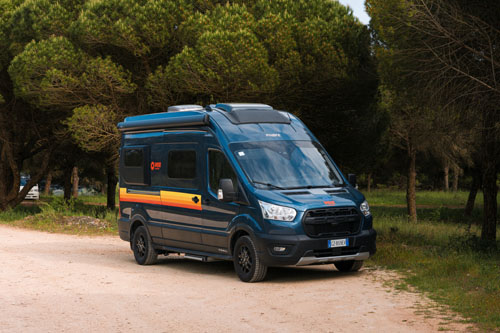
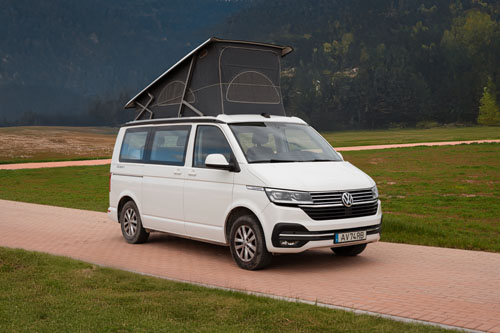
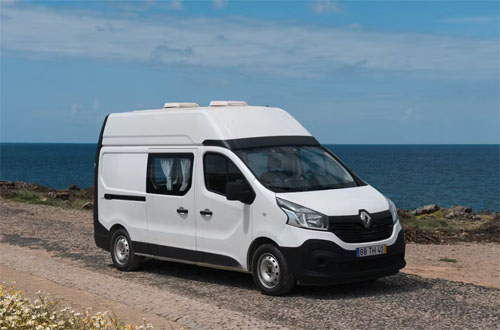
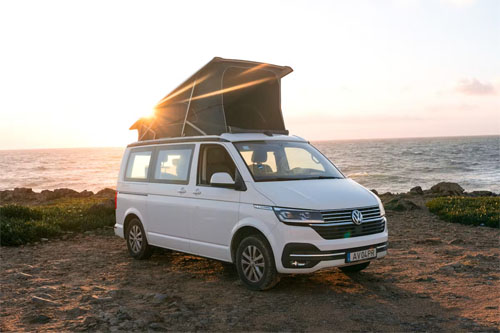
For couples exploring Germany, a Class B Camper Van or a Class SI Semi-integrated RV offers an excellent balance of maneuverability for diverse roads and comfortable living space. Class B Camper Vans, like the "2 Berth Hi Top" or "Knaus BoxDrive 680ME," averaging 5.8 meters in length, are ideal for couples seeking nimble vehicles that can easily navigate tighter village streets and fit into smaller parking spots with ease. These models often feature a functional kitchen with a gas stove and refrigerator, perfect for preparing intimate meals on the go. You can find many more RV-friendly recipes playlist online to inspire your culinary adventures. Class SI Semi-integrated RVs, with an average length of 6.9 meters, provide more internal space and amenities for couples who desire greater comfort without sacrificing too much maneuverability. These classes offer good fuel efficiency, typically 8-11 liters/100 km for Bandana's fleet, making them economical choices for extensive touring across Germany's varied landscapes. For more in-depth pricing and deals, consider our RV Rental in Germany - Prices and Best Deals guide.Should I Choose a Compact Van Instead of a Large RV in Germany?
While larger RVs are generally manageable on Germany's excellent road network, a compact van or campervan offers superior maneuverability for couples keen on exploring tight historic city centers and navigating narrow village streets. Compact vans (Class B Camper Vans), like the "Juliette 2-3" or "Hitop Camper," are significantly easier to park in urban environments and often have fewer restrictions regarding height and width when entering older towns, making them perfect for city exploration. However, opting for a larger Semi-integrated (Class SI) or Alcove (Class C) RV, such as a "Comfort Luxury" or "Explorer" model, provides significantly more indoor living space, a larger kitchen, and a more comfortable bathroom, which can enhance the experience for couples on longer trips, offering a more luxurious home-away-from-home feel. Ultimately, the choice depends on your travel style: a compact van for maximum flexibility and urban access, or a larger RV for greater comfort and extended stays in less congested areas, both allowing you to drive almost anywhere without issues if you drive slowly and carefully.Can I Park Anywhere? Free & Wild Camping Rules in Germany
Wild camping or unregulated overnight parking is largely prohibited across Germany, with strict rules in nature reserves and on private property, so it's essential for couples to understand the local regulations. Germany, however, offers an extensive and highly organized network of designated motorhome parking areas known as 'Stellplätze,' providing legal and often free or low-cost alternatives for overnight stays. These are a fantastic solution, readily available and designed specifically for RVs. While sleeping in your rented campervan for a single night to restore driving fitness might be tolerated on public parking lots (not private land), setting up camp, extending your stay, or displaying camping behavior (e.g., unfolding awnings, setting out chairs) will be considered illegal wild camping. Rules vary by region, so always check local regulations and call ahead before driving to ensure you'll find a spot. If not at the first campground, then the next one, as there are abundant options. For more information on finding places to stay, check out our RV Camping in Germany - Best Campgrounds guide.Can I Drive an RV Into the City Center? Heights, Tunnels & Local Signage
You can generally drive an RV into most German city centers, but it requires diligent attention to local signage regarding vehicle dimensions and environmental restrictions. Many German cities, including popular destinations like Berlin, Munich, and Cologne, have "Umweltzonen" (environmental zones) in their centers, necessitating a valid "Umweltplakette" (green environmental sticker) for entry. Drivers must be particularly vigilant for specific height limits, especially for low bridges, tunnels, and underground parking garages, which are often unsuitable for larger RVs. For instance, a campervan like a "Duo - Campervan" or "Combi Van" would have an easier time maneuvering than a larger Class C. Familiarize yourself with local signage, such as 'Einbahnstraße' (one-way street) and restrictions on residents-only parking, to navigate urban areas smoothly. Remember, drive slowly and carefully, and you can drive almost anywhere without issues. No need to stress - just use common sense and pay attention.What is a Stellplatz?
A Stellplatz is a designated motorhome parking space, unique to Germany and central Europe, offering a legal and often cost-effective option for overnight stays, distinct from traditional campsites. These spots can range from simple parking areas with no amenities to well-equipped sites providing electricity, fresh water, and waste disposal facilities, usually for a nominal fee or sometimes free, making them ideal for couples. Stellplätze are typically found in or near towns, offering convenient access to local attractions, shops, and restaurants, providing an authentic local experience. They are easily located using dedicated apps like Campercontact or park4night, or through prominent road signs indicating 'Wohnmobilstellplatz'. Many of these offer tranquil settings for a romantic evening.Are there free motorhome stops in Germany?
Yes, Germany offers a substantial number of free motorhome stops, primarily in the form of basic Stellplätze, which are ideal for budget-conscious couples. Many municipalities provide free Stellplätze in quieter areas or on the outskirts of towns to encourage tourism, often without services or with minimal facilities like waste disposal points. While officially free, some Stellplätze might request a small voluntary contribution or have limitations on stay duration, such as 24-48 hours. It's crucial to differentiate these legal free stops from wild camping, which is largely prohibited; always use designated Stellplätze to ensure compliance with local regulations and enjoy a stress-free overnight stay. For even more budget tips, explore our Cheap RV Camping in Germany - Budget Sites guide.Is it easy to drive an RV in Germany?
Driving an RV in Germany is generally considered easy due to the country's world-class road infrastructure, clear and consistent signage, and disciplined driving culture. Autobahns are well-maintained and allow efficient travel, while regional roads offer scenic alternatives, both typically providing smooth driving surfaces. Navigating larger vehicles in historic town centers or through narrow village streets can be challenging, requiring extra caution and awareness of vehicle dimensions, but it's entirely manageable. Familiarity with German road signs, speed limits (which are clearly posted), and environmental zone rules (Umweltzonen) will significantly enhance the ease of your RV journey, making it a relaxed and enjoyable experience for couples. Remember, drive slowly and carefully, and you can drive almost anywhere without issues.How much does it cost to camp in Germany?
The cost of camping in Germany varies widely depending on the type of facility, location, and season, typically ranging from €10 to €50 per night for couples. Designated Stellplätze (motorhome parking spots) are the most budget-friendly option, often costing €0-€15 per night for basic services, or sometimes including electricity and water for a slightly higher fee. Traditional campsites ('Campingplätze') offer more amenities like showers, laundry facilities, and sometimes restaurants, with prices usually between €25-€50 per night for two adults. Expect higher prices in popular tourist regions like the Bavarian Alps or along major rivers, and during peak season (July-August). Booking in shoulder seasons (May-June, September-October) can often yield better rates and fewer crowds for your romantic RV trip.How much does it cost to RV in Germany?
The overall cost of an RV trip in Germany for couples typically ranges from €80 to €150 per day, encompassing rental fees, fuel, and basic overnight parking, though this can vary significantly based on choices and seasonality. RV rental costs average €60-€120 per day for a Class B Camper Van or Class SI Semi-integrated model, depending on the season and duration of your trip. Fuel expenses, primarily diesel, will add approximately €15-€20 per 100 km, based on Bandana's fleet averages and current prices. Beyond rental and fuel, couples should budget for Stellplatz/campsite fees (€0-€50/night), groceries (€30-€50/day) for delicious meals prepared in your onboard kitchen, environmental stickers (€5-€15 one-off), and attractions (€20-€50+ per person/day). While RVing can be an initial investment, it offers remarkable flexibility and significant savings on accommodation and dining compared to traditional hotel and restaurant travel, making it a cost-effective and truly personal option for couples exploring Germany. Our 25% planning discount when using rvplan.net also helps keep overall trip costs down. For more detailed budgeting, check out the RV PLANET routes where you can itemize and track every expense.What is the best time to RV in Germany?
The best time for couples to RV in Germany is generally during the late spring (May-June) and early autumn (September-October), offering a delightful combination of pleasant weather and fewer crowds. These shoulder seasons provide mild temperatures, ideal for outdoor activities like hiking and cycling, and comfortable driving conditions, with vibrant landscapes and a relaxed atmosphere perfect for a romantic getaway. Summer (July-August) brings the warmest weather and numerous festivals, but also means higher prices for rentals and campsites, and more crowded popular attractions. Winter (November-April) can be challenging for RV travel due to cold weather, potential snow, and fewer open campsites, though Christmas markets offer a unique, festive, and incredibly romantic experience for those couples prepared for cold-weather camping in a winterized motorhome. Consider our Winter RV Rental in Germany - Pricing Guide if a winter adventure appeals to you.What You Shouldn't Miss
Looking for expert insights from Avi Bandana? Top 5 Adventures - recommendations from Avi Bandana:
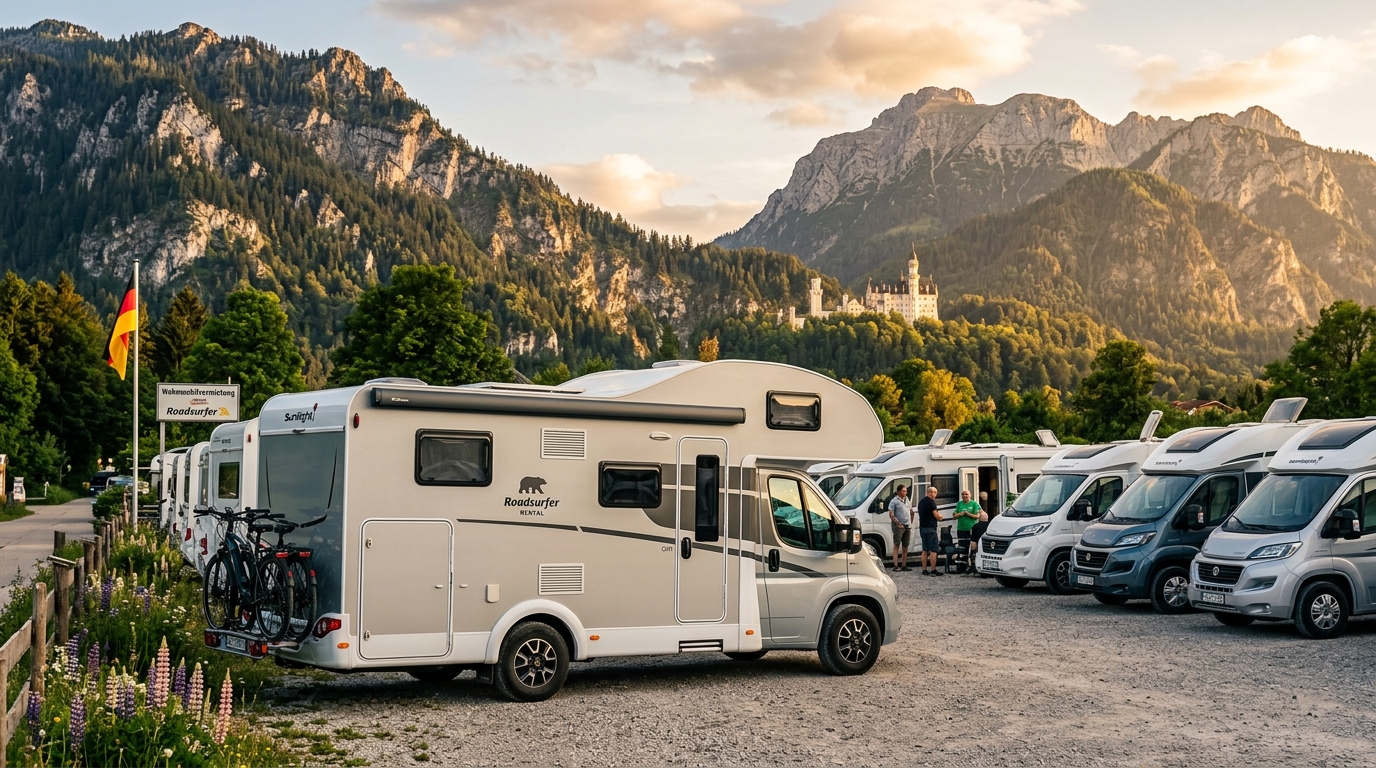
- **Explore the Romantic Road:** Drive through Bavaria, stopping at enchanting medieval towns like Rothenburg ob der Tauber and Fussen, home to Neuschwanstein Castle, a perfect backdrop for a couple's photo.
- **Wine Tasting along the Moselle Valley:** Navigate the winding Moselle River, renowned for its steep vineyards and picturesque villages, enjoying local Riesling with stunning views right from your rented campervan. Many Stellplätze are available directly by the river.
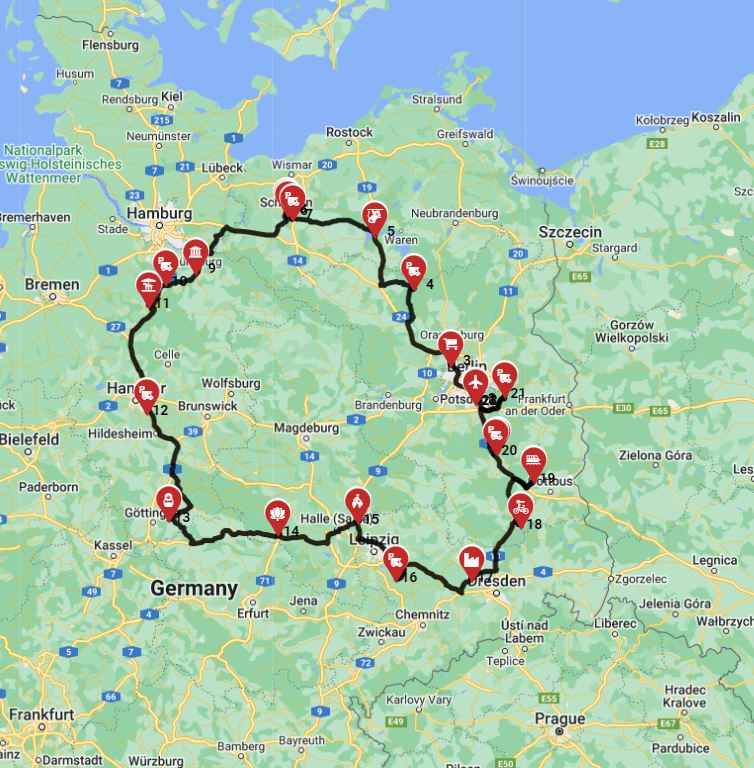
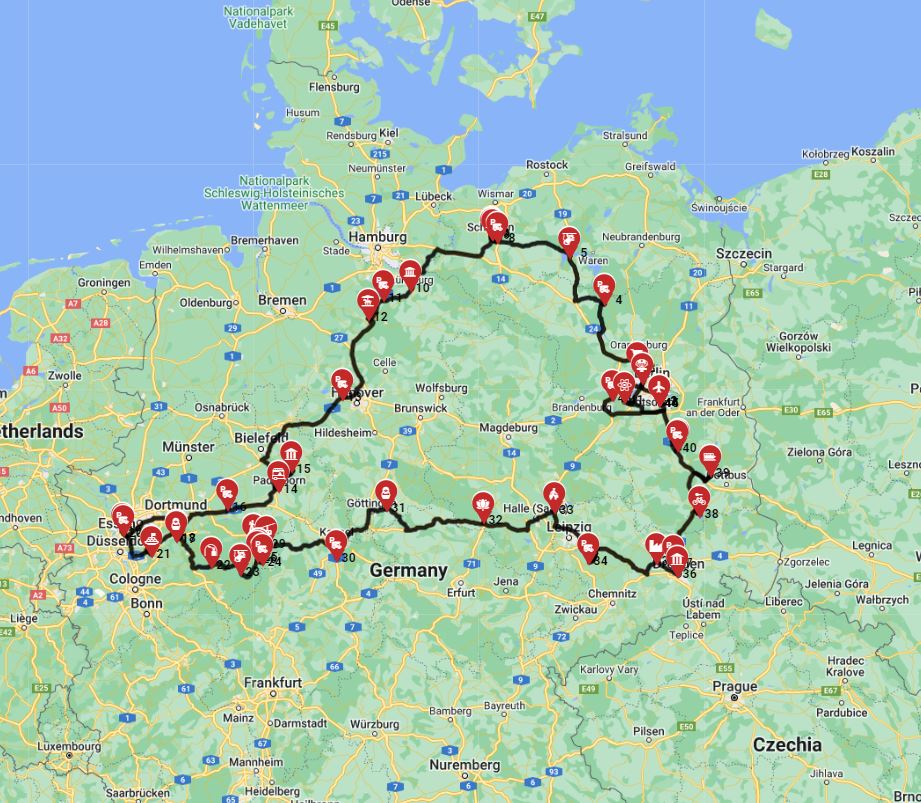
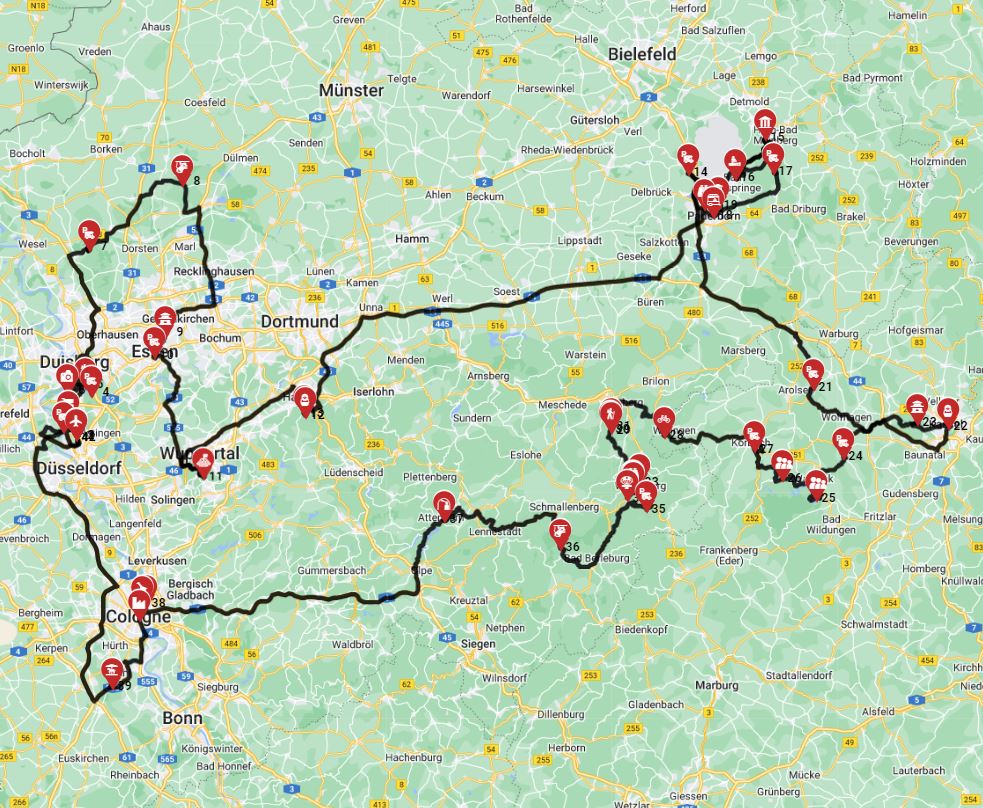
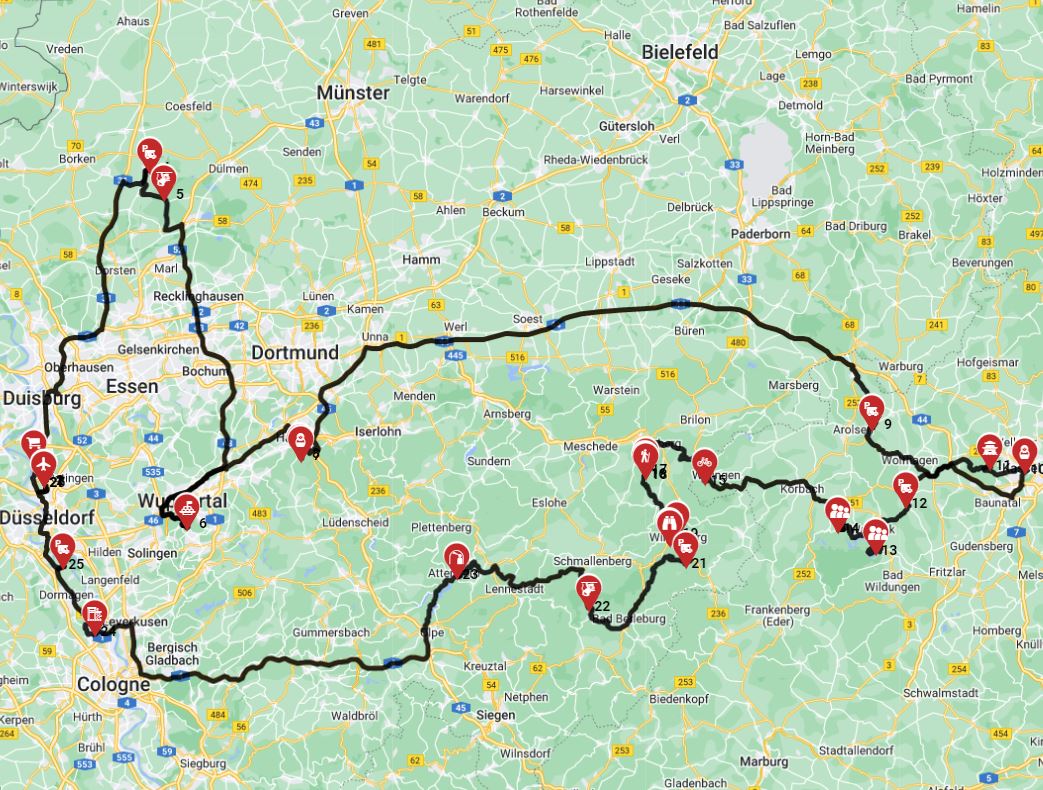
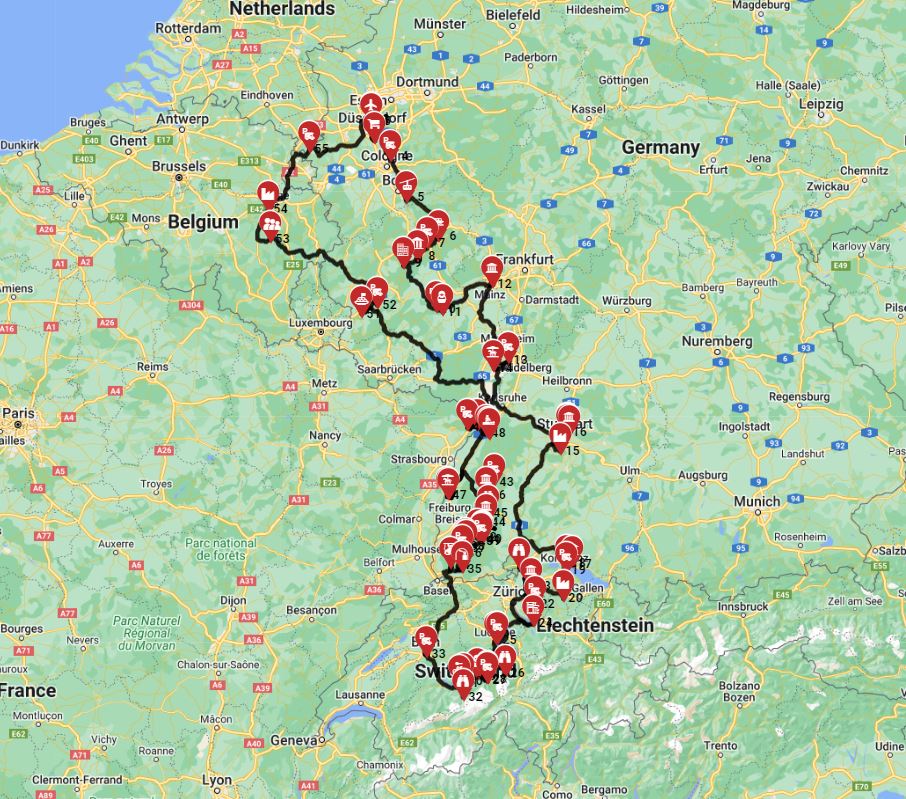
- **City Exploration with an Umweltplakette:** Head to vibrant cities like Hamburg, Berlin, or Frankfurt. With your green environmental sticker, park your compact campervan or motorhome at a city-edge Stellplatz and use public transport to explore museums, galleries, and delicious local cuisine. The "Frankfurt Roundtrip - North Germany - Including Hamburg & Berlin" route plan covers 15 days and 2230.1 km, including 2 museums and 2 traditional restaurants.
- **Relax in the Black Forest:** Drive through the dense, evergreen forests and discover charming spas, cuckoo clock workshops, and indulge in a slice of Black Forest cake. It’s an idyllic setting for a relaxing week-long trip.
- **Castle Hopping in the Rhine Valley:** Cruise along the majestic Rhine River, stopping to explore the multitude of castles perched on hillsides. A rented RV gives you the freedom to linger in these historic spots as long as you wish.
Final Thoughts
A romantic RV adventure through Germany offers an unparalleled opportunity for connection, discovery, and unforgettable memories. From the freedom of exploring charming villages and majestic castles to the intimacy of cooking meals together in your rented motorhome, the journey is truly yours to shape. With Bandana Caravan, you have a trusted partner every step of the way, providing transparent pricing and expert guidance.
We handle the details so you can simply live the journey. Whether you envision a week-long trip winding through picturesque landscapes or an extended road trip across Europe, Germany offers an incredible backdrop for your love story. Don't let planning challenges deter you; our Rent&Plan service and 25% planning discount at rvplan.net are designed to make your trip effortless and enjoyable.
Ready to ignite your wanderlust and create lasting memories with your partner? The roads of Germany are calling! Discover top destinations, planning tips, all in one place, and plan a trip itinerary in advance with minimal effort and maximum enjoyment.
On the routes offered through RV PLANET routes, you can itemize and track every expense along the way for easy budgeting.