In This Guide
- Can You Drive an RV in Chile? License & Age Rules
- Road Conditions & Terrain in Chile
- RV Size Limits, Bridges & Restricted Zones
- Fuel: Diesel vs. Petrol & Cost per 100 km
- Tolls, Vignettes & Border Rules
- Driving Tips for RV Rental for Couples Travelers
- Recommended RV Class for Chile Roads
- Should I Choose a Compact Van Instead of a Large RV in Chile?
- Can I Park Anywhere? Free & Wild Camping Rules in Chile
- Can I Drive an RV Into the City Center? Heights, Tunnels & Local Signage
- Which RV Types (2WD vs 4WD) are Best for Chilean Terrains?
- What is the Total Budget for an RV Trip in Chile?
- How to Get Internet and Stay Connected While RVing in Remote Chile?
- How Do RV Logistics Like Water, Waste, and Propane Work in Chile?
- What Should Couples Do in an RV Emergency in Chile?
- What Cultural Tips are Essential for RV Travel in Chile?
- How Can RV Couples Ensure Safety and Security in Chile?
- What You Shouldn't Miss
- Why Book with Bandana Caravan
- Final Thoughts
- Frequently Asked Questions
Can You Drive an RV in Chile? License & Age Rules
Foreign drivers can operate an RV in Chile, typically requiring a valid national driver's license and an International Driving Permit (IDP).
For most RVs, including Class A, Class B campervans, and Class C motorhomes, a standard car driver's license from your home country is sufficient. An International Driving Permit (IDP) is highly recommended for visitors from non-English-speaking countries to ensure smooth interactions with local authorities and is generally inexpensive to obtain before your trip. The minimum driver age for RV rentals in Chile is 21 years old, with no young driver surcharges or vehicle class restrictions based on age, making it accessible for a wide range of couples.
Bandana RV works with reputable suppliers like El Monte and Apollo, who ensure their vehicles meet all local regulations, giving you peace of mind from the moment you book. Remember, a straightforward Class B passenger car license, or its equivalent, is usually all you need for an unforgettable couples' escape in Chile.
Road Conditions & Terrain in Chile
Chile offers diverse road conditions, ranging from well-maintained paved highways like the Pan-American (Ruta 5) to challenging gravel and unpaved routes, especially in Patagonia and the Atacama Desert.
Couples should expect varied terrain, including winding mountain passes in the Andes, scenic coastal roads, and long stretches of straight highway in the central and northern regions. The iconic Carretera Austral (Route 7) in Patagonia is largely gravel and requires slower speeds and careful driving, making it an adventurous and rewarding route. Urban areas, particularly Santiago, have higher traffic density and complex intersections, where a more relaxed approach is suitable for couples exploring the country's natural beauty. Drive slowly and carefully, and you can drive almost anywhere without issues. No need to stress - just use common sense and pay attention to local conditions.
🎬 Video coming soon
RV Size Limits, Bridges & Restricted Zones
While Chile doesn't have widespread national RV size restrictions, specific routes, bridges, or tunnels may have height and weight limits, especially in older towns or remote areas.
For ferries, such as those along the Carretera Austral in Patagonia, RV length and weight are critical factors for booking and pricing, with longer vehicles typically incurring higher costs. Always check ferry schedules and requirements in advance for routes like those between Puerto Montt and Chaitén. Environmental zones are not as common for RVs in Chile as in some European cities, but drivers should always look for local signage indicating any temporary or permanent restrictions.
Fuel: Diesel vs. Petrol & Cost per 100 km
Diesel is the predominant fuel type for RVs in Chile and is widely available, while petrol (gasoline) is also common for smaller vehicles.
Globally, Bandana's fleet of Class B Camper Vans typically consumes 8-10 Liters/100 km, Class SI Semi-integrated RVs average 10-11 Liters/100 km, and Class C Alcove models generally use 10-12 Liters/100 km. Fuel costs fluctuate, but couples should budget for approximately CLP 1,100-1,200 per liter, factoring in potential longer distances between stations in remote regions. For easy budgeting and tracking all your expenses, including fuel and tolls, consider using the tools available on RV PLANET routes when planning your adventure. Some rental RVs may include fuel discount cards, which can offer savings over the course of a trip, so always inquire with your supplier. On the routes offered through RV PLANET routes, you can itemize and track every expense along the way for easy budgeting.
Tolls, Vignettes & Border Rules
Chile's major highways, particularly around Santiago and other large cities like Arica and Puerto Montt, utilize electronic tolls (TAG system) or manual toll booths.
It is crucial to understand the electronic toll system, as missing payments can result in fines; check with your rental company about pre-purchased TAG passes or how to manage payments. Vignettes (road tax stickers) are not typically required for RVs in Chile, but cross-border travel to neighboring countries like Argentina will involve specific customs and vehicle import procedures. Ensure all vehicle documentation, including registration, insurance, and explicit authorization from the rental company for international travel, is in order for any border crossings.
Driving Tips for RV Rental for Couples Travelers
Embrace a slower pace: Chile's stunning landscapes are best enjoyed by taking your time, especially on winding roads or gravel sections in regions like Patagonia. We always recommend traveling slowly, aiming for a maximum of 100-150 km per day on average, allowing you time to feel the place, connect to the culture, the food, and the scenery.
Prioritize safety: Always drive defensively, maintain adequate following distances, and be aware of unexpected obstacles like livestock or potholes, particularly in rural areas. Planning your stops: For couples, planning meal breaks and overnight parking in advance, especially in remote regions, ensures a relaxed journey. You'll find many excellent campgrounds; many national/state parks reserve 25-30% of spots for first-come-first-serve arrivals, so don't stress. You'll find a spot. If not at the first campground, then the next one. Call ahead before driving to confirm availability. Stay connected: Use offline maps and download key phrases in Spanish to navigate and interact with local communities more easily. Respect local etiquette: Observe speed limits, yield to pedestrians, and be mindful of road rules, which can sometimes differ from your home country.
Recommended RV Class for Chile Roads
For couples, a Class B Camper Van is highly recommended for Chile's varied roads due to its maneuverability and ease of parking, with Bandana's fleet offering models around 5.8 meters in length like the "Category Van" or "2 Berth Hi Top".
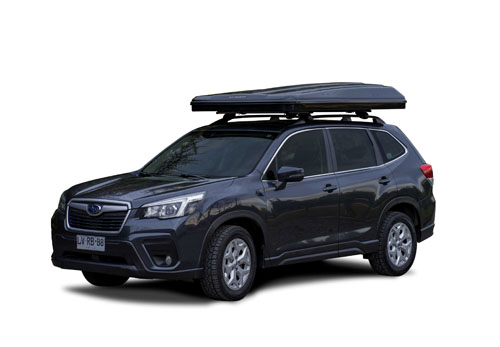
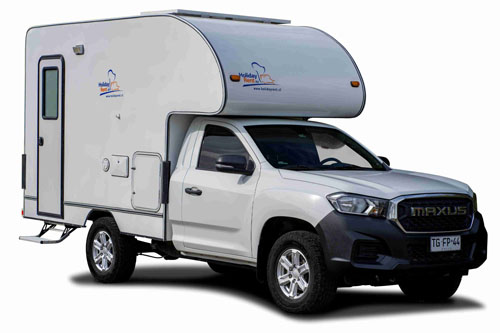
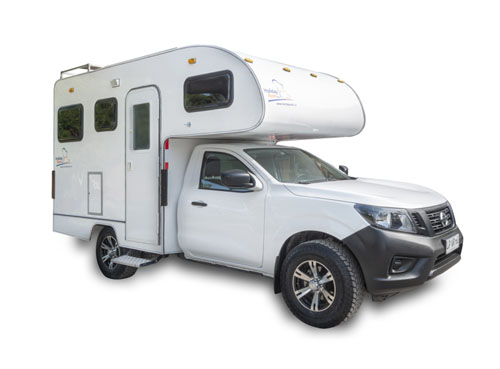
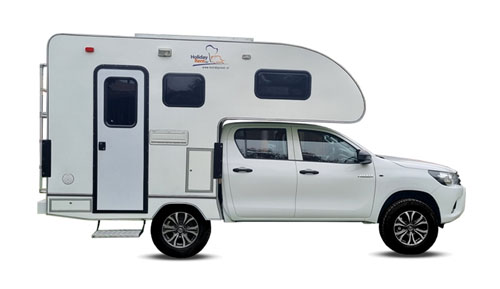
These campervans, typically sleeping 2-3 adults, offer good fuel efficiency, often around 8-10 Liters/100 km, and are well-suited for navigating both paved highways and more challenging gravel roads, especially along the Carretera Austral. Alternatively, a Class SI Semi-integrated RV, with an average length of 6.9 meters, such as the "2 Berth Rover" or "2 Berth Tamar", provides more living space and amenities for couples who appreciate extra comfort, while still being manageable on most routes. For those seeking enhanced off-road capability in areas like Patagonia, a Class TC Truck Camper, averaging 5.5 meters in length like the "Patagonia Camper 4x4 double cab" or "4x4 Scout Adventure Truck Camper Gold", can be an excellent choice for a rugged couples' adventure in Chile.
Should I Choose a Compact Van Instead of a Large RV in Chile?
Generally, driving any RV size in Chile is feasible, and for couples, the added comfort and indoor space of a larger RV often outweigh minor maneuverability concerns.
A compact Class B Camper Van, with an average length of 5.8 meters, genuinely helps in navigating tight historic city centers or narrow, winding mountain passes, particularly in areas like Santiago or around lakes. However, for longer trips or if you prioritize amenities like a separate shower, a more spacious Class SI (average 6.9m length) or even a Class C Alcove (average 7.5m length) RV provides a better trade-off for couples seeking more interior room. Ultimately, the choice depends on your comfort preferences and the specific regions you plan to explore, as many major routes in Chile are suitable for all RV sizes. Drive slowly and carefully, and you can drive almost anywhere without issues. No need to stress - just use common sense and pay attention.
Can I Park Anywhere? Free & Wild Camping Rules in Chile
Wild camping (boondocking) in Chile is generally tolerated in many remote, unfenced areas, but it is not explicitly legal nationwide, and rules vary significantly by region.
Couples should prioritize ethical practices by choosing spots that leave no trace, respecting private property signs, and avoiding protected natural areas or indigenous lands. Designated campgrounds, both public and private, are widely available throughout Chile and offer facilities like water, electricity, and dump stations, particularly around popular destinations such as Torres del Paine or the Lake District. Always check local regulations and adhere to any posted signs or local law before parking overnight, especially near national parks or populated areas like those near Punta Arenas or Calama - Airport.
Can I Drive an RV Into the City Center? Heights, Tunnels & Local Signage
Yes, RVs can generally be driven into Chilean city centers, though it often presents challenges with parking and navigating congested streets.
Drive slowly and carefully, and you can drive almost anywhere without issues. No need to stress - just use common sense and pay attention. Pay close attention to local signage indicating height limits for tunnels, low bridges, and parking garages, as well as width restrictions on narrower streets in older city districts. Environmental zones or restrictions for specific vehicle types are less common for RVs in Chile than in some other countries, but always remain vigilant for local regulations, especially in bustling hubs like Santiago. For a more relaxed experience, consider parking your rented RV on the outskirts of cities and using public transport or taxis to explore the city center, which can save time and reduce stress.
Which RV Types (2WD vs 4WD) are Best for Chilean Terrains?
For most major Chilean routes, including the Pan-American Highway and well-traveled tourist areas like the Lake District or parts of the Atacama, a standard 2WD RV is perfectly adequate for couples.
However, if your itinerary includes extensive travel on rugged gravel roads, such as significant portions of the Carretera Austral, exploring very remote Patagonia, or venturing onto less-traveled tracks in the Atacama, a 4WD RV or a Truck Camper (Class TC) with higher ground clearance is highly recommended. While Bandana's global fleet offers robust Class B Camper Vans and Class SI Semi-integrated RVs that perform well on general roads, they are typically 2WD. Assessing your specific route's terrain and the level of adventure you seek before choosing between a 2WD and 4WD RV will ensure comfort and accessibility for your couples' adventure in Chile.
What is the Total Budget for an RV Trip in Chile?
A comprehensive budget for an RV trip in Chile for couples should factor in rental costs, fuel, tolls, ferries, groceries, activities, and campground fees.
Rental costs vary significantly by RV class, season, and duration; typically, expect to pay $100-$180 USD per day for a compact campervan like the "RV rental denver example Category Van" during shoulder season, with prices increasing for larger Class C motorhomes or peak travel. Fuel will be a major expense, with global fleet averages like 8-11 Liters/100 km for many RV types, so budget for this based on your planned mileage and current prices around CLP 1,100-1,200 per liter. Include estimates for tolls (especially around cities like Santiago), ferry crossings (e.g., in Patagonia for $50-$150 USD per vehicle), daily groceries (budget $30-$50 USD/day for two), any desired excursions or park entrance fees (e.g., Torres del Paine entrance fee is approx. $35 USD per person), and campground fees which can range from basic ($10-$20 USD/night) to full-service ($25-$40 USD/night). Many national/state parks reserve 25-30% of spots for first-come-first-serve arrivals. For detailed budgeting, the itineraries offered through RV PLANET routes allow travelers to itemize and track every expense along the way for easy financial planning. Remember, prices are dynamic, like flight tickets, and change daily based on availability, seasonality, and supplier marketing decisions.
How to Get Internet and Stay Connected While RVing in Remote Chile?
Staying connected while RVing in remote Chilean areas requires proactive planning, as cell service can be spotty outside major towns and along routes like the Carretera Austral.
Purchasing a local SIM card (e.g., Entel, Movistar, Claro) upon arrival, readily available at airports in cities like Santiago - Airport, is highly recommended for mobile data access, which is generally reliable in populated areas. Consider bringing a mobile hotspot device or using your phone's hotspot feature for multiple devices, but manage data usage carefully in areas with limited connectivity. Many campgrounds and some cafes in towns like Puerto Montt offer Wi-Fi, though speeds and reliability can vary. It's always a good idea for couples to download offline maps, translate key phrases in Spanish, and essential communication apps before heading into very remote regions.
How Do RV Logistics Like Water, Waste, and Propane Work in Chile?
Managing RV logistics in Chile involves planning for water refills, grey/black water dump stations, and propane refills to ensure a comfortable trip for couples.
Water fill-ups are often available at gas stations, established campgrounds (which can cost $25-$40 USD/night for full service), and sometimes in small towns; always confirm water potability before filling your fresh water tank (many RVs have tanks around 80-150 Liters). Dump stations for grey and black water are primarily found at established campgrounds and a limited number of service stations; plan your route to ensure access, especially when traveling between major cities. Propane refills (gas licuado) can be found at specialized 'carga de gas' stations or ferreterías (hardware stores) in larger towns, but check your rented RV's tank connection type. For cooking up delicious meals in your campervan kitchen, remember to consult our RV-friendly recipes playlist for inspiration. In remote regions, responsible waste management, including carrying out all trash and conserving water, is crucial for ethical travel.
What Should Couples Do in an RV Emergency in Chile?
In case of an RV breakdown in Chile, couples should first ensure their safety by pulling over to a safe location, turning on hazard lights, and placing a reflective triangle behind the vehicle.
Contact your rental company immediately, as they typically provide roadside assistance or guidance on local repair services. Remember, Bandana provides support before and after your booking, coordinating with suppliers who offer in-trip assistance. Essential emergency contact numbers in Chile include 131 for an ambulance (ambulancia), 132 for firefighters (bomberos), and 133 for police (Carabineros de Chile). Always carry a well-stocked first-aid kit, a spare tire, basic tools, and sufficient water and non-perishable food, especially when traveling in remote areas like those found along "RV Camping in Chile - Best Campgrounds 2026" routes, where assistance might take longer to arrive.
What Cultural Tips are Essential for RV Travel in Chile?
Understanding Chilean cultural nuances enhances the RV travel experience for couples, fostering positive interactions with local communities across the country.
Basic Spanish phrases are highly valuable for communication, especially in small towns; even a few words like 'Hola' (hello), 'Gracias' (thank you), and 'Por favor' (please) go a long way. Observe local road etiquette, which may include unique signaling or right-of-way customs, and always drive courteously. When visiting small communities, try local eateries (picadas), shop at local markets, and show respect for traditions and privacy, contributing positively to the local economy. Chileans are generally welcoming, and making an effort to engage with locals will enrich your experience immeasurably.
How Can RV Couples Ensure Safety and Security in Chile?
Ensuring RV safety and security in Chile involves proactive measures, from securing your vehicle to being aware of your surroundings in both urban and rural settings.
Always lock your RV doors and windows when leaving it unattended, and use any additional security features provided by the rental company, such as alarms or deadbolts. To avoid petty crime, especially in larger cities like Santiago or Valparaíso, avoid displaying valuables, park in well-lit, secure areas, and don't leave items in plain sight inside the RV. When parking overnight, opt for designated campgrounds or well-reviewed safe spots, and trust your instincts about locations; general awareness is key in any travel scenario. You can also upgrade to a top-level deductible for extra peace of mind, an optional enhancement offered by Bandana's partner suppliers.
What You Shouldn't Miss
- **Stargazing in the Atacama Desert:** Drive your campervan north to the Elqui Valley or San Pedro de Atacama for incredible night sky tours, capitalizing on the world's clearest skies.
- **The Carretera Austral:** Embrace the adventure of this legendary gravel road in Patagonia, stopping at untouched national parks like Queulat and Pumalín.
- **Wine Country Exploration:** Park your motorhome near Santiago and explore the fertile valleys of Maipo, Casablanca, or Colchagua for tastings and picturesque vineyards.
- **Ferry Hopping through the Fjords:** Experience Chile's unique geography by taking an RV-friendly ferry through the Patagonian fjords, an unforgettable part of any Southern Chilean journey.
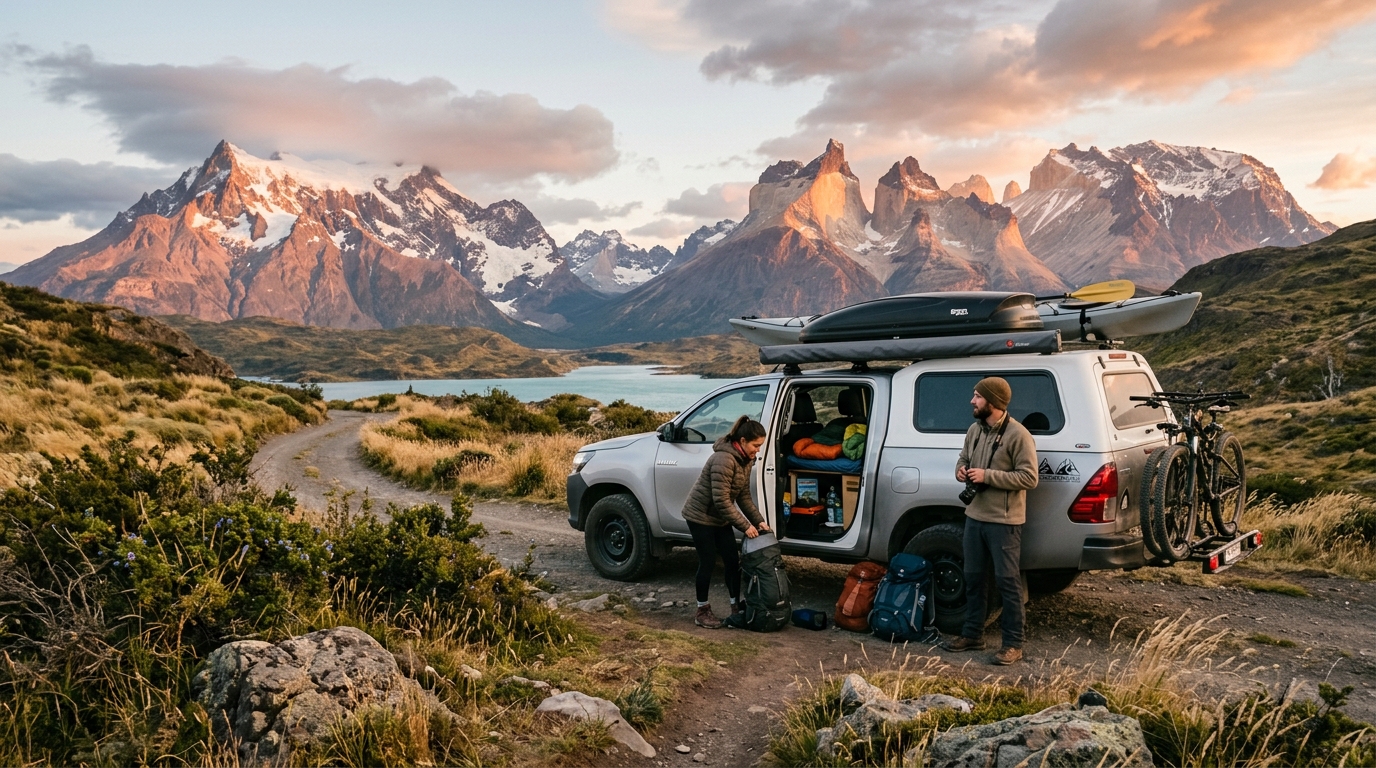
- **Hiking in Torres del Paine:** Even if you're not doing the full "W" or "O" trek, a day hike or two with your rented RV as your base in Torres del Paine National Park is a must for breathtaking views.
- **Visit Valparaíso's Colorful Hills:** Explore the vibrant, UNESCO-listed port city of Valparaíso, parking your RV on the outskirts and taking public transport up the charming, labyrinthine hills.
Looking for expert insights from Avi Bandana? Top 5 Adventures - recommendations from Avi Bandana
Final Thoughts
Embarking on a romantic RV adventure through Chile is an experience unlike any other, offering the freedom to discover breathtaking landscapes and create intimate moments together. From the dramatic peaks of Patagonia to the starry skies of the Atacama, your rented motorhome becomes your cozy, mobile home, allowing you to chase sunsets and wake up to new wonders every day.
With Bandana RV, you're not just booking a vehicle; you're gaining a partner who understands the intricacies of RV travel in Chile. We're here to support you with full transparency, expert advice, and access to top-tier suppliers, ensuring your journey is smooth and enjoyable. We handle the details, you live the journey – personal service from day one until your booking is confirmed.
So, why wait? Get inspired for your next trip, discover top destinations, and begin planning your perfect romantic RV escape in Chile. Compare Motorhome Prices for Chile now and start dreaming about the open road!