For live availability and current prices, start with our RV Rental Boston - Complete Guide 2026 guide.
In This Guide
- Can You Drive an RV in Boston? License & Age Rules
- Road Conditions & Terrain in Boston
- RV Size Limits, Bridges & Restricted Zones
- Fuel: Diesel vs. Petrol & Cost per 100 km
- Tolls, Vignettes & Border Rules
- Driving Tips for rv rental for couples Travelers
- Recommended RV Class for Boston Roads
- Should I Choose a Compact Van Instead of a Large RV in Boston?
- Can I Park Anywhere? Free & Wild Camping Rules in Boston
- Can I Drive an RV Into the City Center? Heights, Tunnels & Local Signage
- What are the requirements for an RV driver's license in Massachusetts?
- Do you have to be 25 to drive an RV?
- How much is it to rent an RV in Boston?
- Can I rent an RV with a driver's license?
- How much does RV rental insurance cost?
- Where to buy RV rental insurance?
Can You Drive an RV in Boston? License & Age Rules
In Massachusetts, a standard Class D driver's license is sufficient for operating most recreational vehicles (RVs) for personal use, provided the RV has a Gross Vehicle Weight Rating (GVWR) of 26,000 pounds (11,794 kg) or less. For RVs exceeding 26,000 pounds GVWR, a Class B or Class A commercial driver's license (CDL) may be required, depending on whether the vehicle is a single unit or towing a heavy trailer. The minimum driving age for an RV rental in Massachusetts is typically 21, though some rental companies may require drivers to be 25 years or older, especially for larger or premium models. Foreign drivers can operate an RV in Massachusetts with a valid driver's license from their home country for up to one year, often recommended in conjunction with an International Driving Permit (IDP) for ease of translation and recognition.
Road Conditions & Terrain in Boston
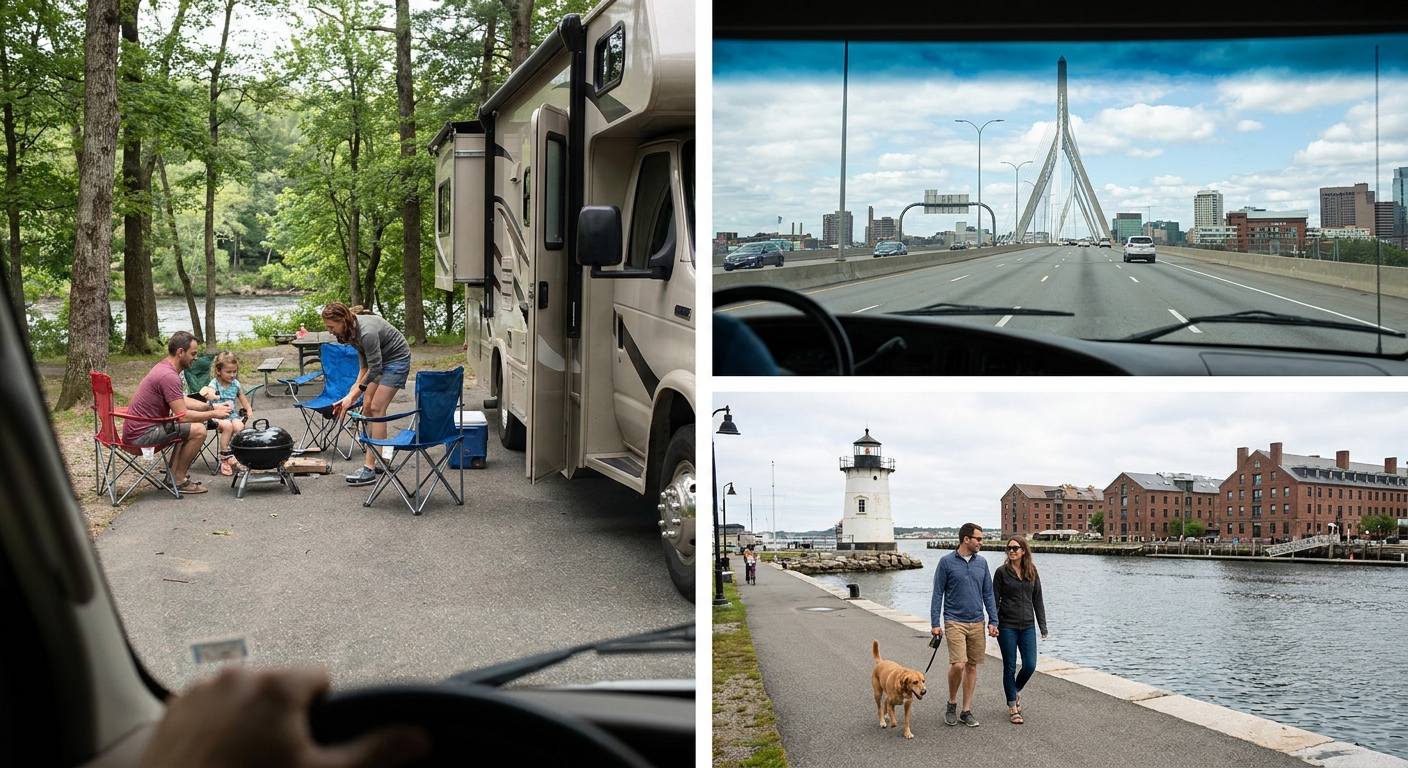
Boston's urban roads can be narrow, congested, and feature a mix of cobblestone streets in historic areas and rougher pavement in others, requiring careful and slow driving for RVs. The terrain around Boston is generally flat to gently rolling hills, particularly as you move away from the immediate coast, making it suitable for RV travel without extreme inclines. For couples, navigating Boston's unique road system in an RV offers an adventure; planning routes carefully and allowing extra time for travel will enhance the experience. Beyond the city, New England offers scenic drives through rural areas with well-maintained state and national park roads, perfect for a leisurely RV trip.
RV Size Limits, Bridges & Restricted Zones
Boston is notorious for low bridges, particularly on parkways like Storrow Drive and Memorial Drive, which have height restrictions often as low as 10 feet (3.05 meters) – significantly below typical RV heights. RV drivers must pay extremely close attention to height limit signage on all routes, as collisions with low bridges are a frequent issue for unprepared drivers. Many historic urban areas and residential streets in Boston may have width or length restrictions, or be difficult for larger RVs to navigate and park. There are no specific environmental zones restricting RVs within Boston itself, but drivers should be mindful of noise regulations and emissions in residential areas. Ferry services to islands like Martha's Vineyard or Nantucket have strict length, height, and weight limits for vehicles, and reservations for RVs are often required far in advance and can be costly.
Fuel: Diesel vs. Petrol & Cost per 100 km
Most RVs in Bandana's global fleet, especially those in the Class B, C, and SI categories, typically run on diesel fuel, known for better fuel efficiency. Diesel fuel is widely available at gas stations across Massachusetts, though may be less common at smaller, urban stations. Based on Bandana's global fleet averages, a Class SI - Semi-integrated RV typically consumes 10-11 Liters/100 km, a Class C - Alcove 10-12 Liters/100 km, and a Class B - Camper Van 8-10 Liters/100 km. At an average fuel cost (e.g., $1.05/liter for diesel in 2026), an RV consuming 10 L/100 km would cost approximately $10.50 per 100 km in fuel. Couples should budget for significant fuel costs, especially when covering long distances, and inquire about any potential fuel discount cards offered with their RV rental. On the routes offered through RV PLANET routes, you can itemize and track every expense along the way for easy budgeting.
Tolls, Vignettes & Border Rules
Massachusetts uses an all-electronic tolling system (E-ZPass MA) on its turnpikes, bridges, and tunnels, including major routes like the Massachusetts Turnpike (I-90) and the Tobin Bridge. RV renters will typically be billed for tolls directly by the rental company, which will often include an administrative fee, or they may be able to utilize a transponder provided by the rental service. It is highly advisable to clarify the toll payment method with your rental provider to avoid unexpected charges or fines, as some Bandana RVs allow pre-purchasing toll passes. There are no 'vignettes' (time-based road tax stickers) required for driving in Massachusetts or neighboring US states. Driving across state borders within the US with an RV rental is generally straightforward, with no special border rules beyond ensuring your license and registration are valid for interstate travel.
Driving Tips for rv rental for couples Travelers
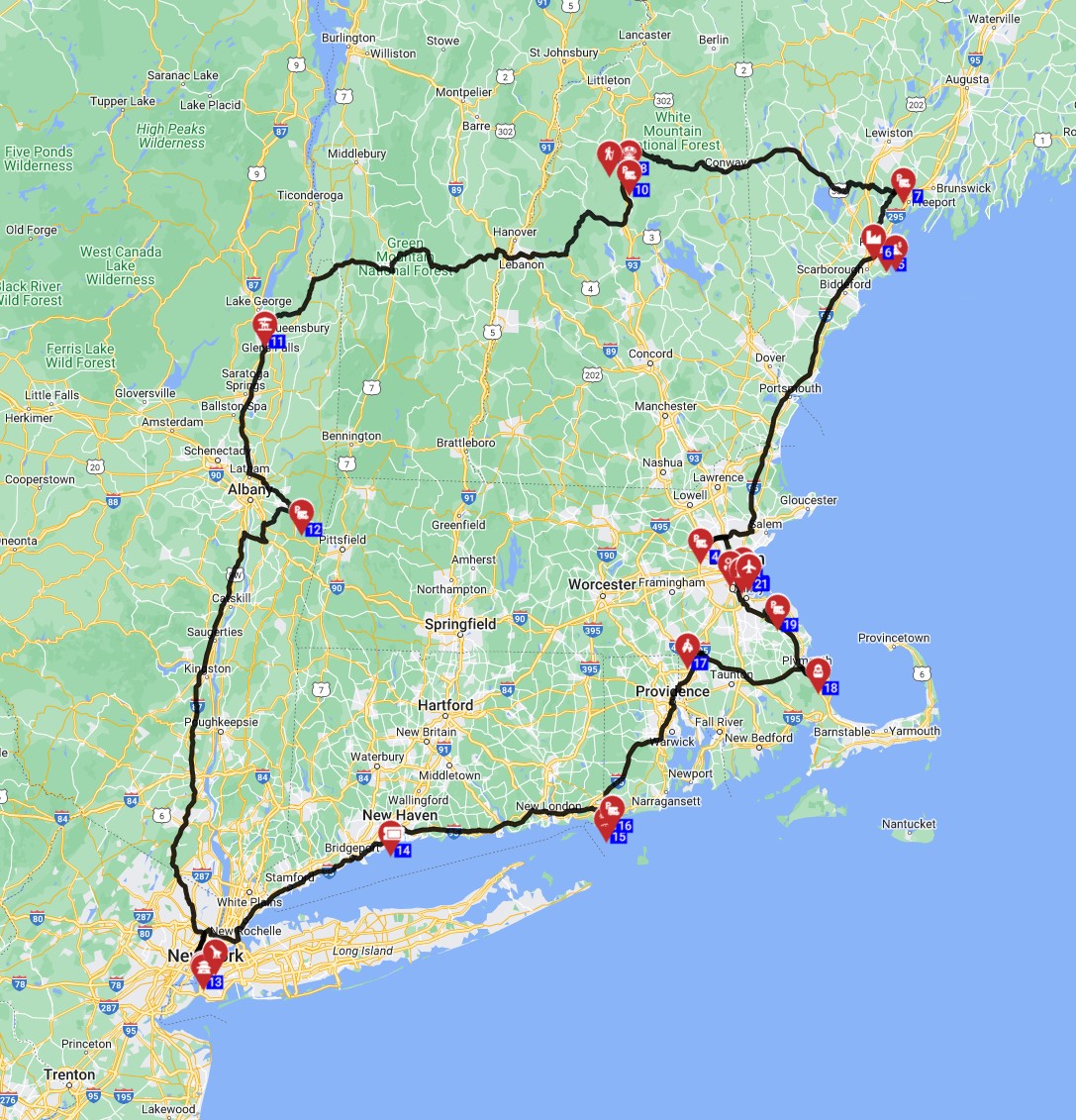
**Pre-Plan Routes Carefully:** Utilize GPS with RV-specific routing (often available on rental RV systems or apps) to avoid low bridges, narrow streets, and restricted areas in Boston. **Budget for Urban Parking:** Research RV-friendly parking garages or peripheral lots in advance, as street parking for RVs is virtually non-existent or highly challenging in Boston. **Consider Public Transportation:** For city sightseeing, park your RV at an outlying campground or commuter rail station and use Boston's 'T' (subway) or commuter rail to get into the city center. **Take it Slow:** Boston's traffic can be dense, and its historic streets require a slower pace. Enjoy the journey, especially when navigating around other vehicles and pedestrians. **Pack for Comfort & Romance:** Ensure your RV is stocked with essentials for comfortable couple's travel, from cozy bedding to a small cooking setup for intimate meals on the road. For ideas you can prep on the road, watch our RV-friendly recipes playlist on YouTube.
Recommended RV Class for Boston Roads
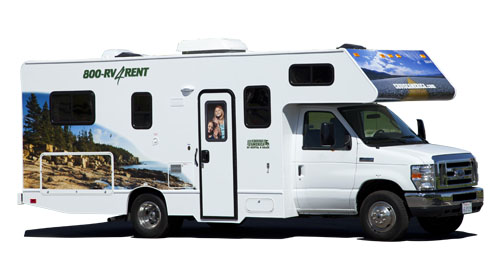
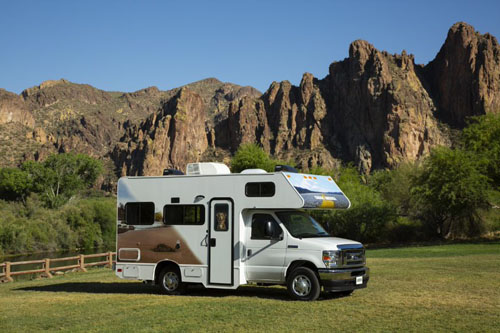
For navigating Boston's urban environment and surrounding areas, a Class B - Camper Van or a Class SI - Semi-integrated RV is generally recommended for couples. Class B Camper Vans, with an average length of 5.8 meters (based on Bandana's global fleet average), offer excellent maneuverability, easier parking, and sufficient amenities for two travelers. Class SI - Semi-integrated RVs, averaging 6.9 meters in length, provide a comfortable balance of interior space and relative agility, making them suitable for couples seeking more living room without the bulk of larger Class A or C models. While larger Class C (avg 7.5m) or Class A (avg 7.5m) RVs offer more space, their size can make navigating narrow city streets, finding parking, and avoiding low bridges significantly more challenging in and around Boston.
Should I Choose a Compact Van Instead of a Large RV in Boston?
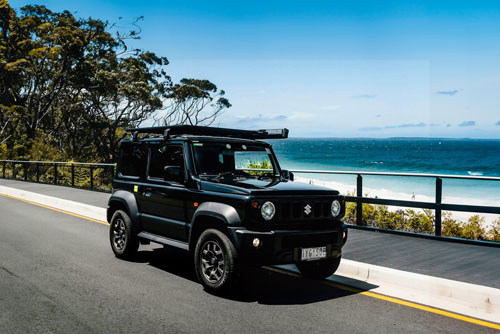
For RV rentals for couples specifically exploring Boston and its immediate, often congested surroundings, choosing a compact van (Class B Camper Van) over a large RV is often a practical decision. A compact van, averaging 5.8 meters in length, offers superior maneuverability for tight city streets, easier parking in smaller spots, and better clearance for low bridges and tunnels. While larger RVs offer more indoor space and amenities, the potential stress of driving and parking them in Boston can outweigh the comfort benefits for an urban-focused trip. However, if your itinerary includes extended stays at campgrounds outside the city or touring wider New England roads, a larger Class SI or C RV might offer a better balance of space and comfort, provided you plan your city entries carefully. Ultimately, the choice depends on your comfort level with driving larger vehicles and how much time you intend to spend directly within Boston's dense core versus exploring the more open roads of the region.
Can I Park Anywhere? Free & Wild Camping Rules in Boston
No, free or 'wild camping' (overnight parking outside designated campgrounds) is generally not permitted and actively discouraged within Boston city limits or in most populated areas of Massachusetts. State and local laws prohibit overnight RV parking on public streets, rest stops, and most public lands in the Boston area. Couples should plan to stay at established RV parks or campgrounds located outside the city, such as those in the surrounding suburbs or nearby state parks, which offer hookups and amenities. Many of these outlying campgrounds offer convenient access to Boston via public transportation (commuter rail or subway) or are a reasonable drive away. Rules vary by region — always check local regulations and follow local law before parking overnight, as fines for illegal parking can be substantial.
Can I Drive an RV Into the City Center? Heights, Tunnels & Local Signage
Yes, you can physically drive an RV into Boston's city center, but it comes with significant challenges including extremely low bridges, narrow streets, dense traffic, and scarce parking. Drivers must pay close attention to local signage, particularly for height limits on parkways (like Storrow Drive and Memorial Drive, which are infamous for low clearances), tunnel restrictions, and weight limits on certain historic bridges. Many downtown streets are one-way or have tight turns, making navigation difficult for anything larger than a compact Class B van. There are no specific environmental zones banning RVs, but city driving is generally discouraged for larger vehicles due to logistical complexities. For a stress-free visit, it's often best to park your RV at a campground outside the city and use Boston's excellent public transportation (the 'T') for sightseeing.
What are the requirements for an RV driver's license in Massachusetts?
In Massachusetts, a standard Class D driver's license is sufficient for operating most recreational vehicles (RVs) for personal use, provided the RV's Gross Vehicle Weight Rating (GVWR) is 26,000 pounds (11,794 kg) or less. For RVs with a GVWR exceeding 26,000 pounds, a Class B or Class A commercial driver's license (CDL) may be required; Class B is for single vehicles over this weight, while Class A is for combinations over this weight. Most RVs commonly rented by couples, such as Class B camper vans, Class SI semi-integrated, and many Class C alcoves, fall well within the 26,000-pound limit, thus only requiring a standard Class D license. Always verify the specific GVWR of your chosen RV rental and consult the Massachusetts Registry of Motor Vehicles (RMV) or your rental provider for exact licensing requirements to ensure compliance.
Do you have to be 25 to drive an RV?
While Massachusetts state law permits individuals aged 18 and older to obtain a standard Class D driver's license, most RV rental companies in Boston and nationwide impose a minimum age requirement of 21, and often 25, to rent and drive an RV. The reason for this higher age requirement is typically due to insurance policies, as younger drivers are often considered a higher risk. For couples, if one driver is under 25, it's crucial to confirm the specific age policy of your chosen rental provider as early as possible to avoid complications. Some rental agencies may offer rentals to drivers between 21 and 24 years old but might apply an additional 'young driver' surcharge.
How much is it to rent an RV in Boston?
The cost to rent an RV in Boston varies widely based on the RV class, rental duration, season, and specific amenities, typically ranging from $100 to $300+ per night. For couples, a compact Class B Camper Van might cost $100-$200 per night, while a Class SI Semi-integrated RV could be $150-$250 per night. Beyond the nightly rate, a comprehensive cost breakdown should include fuel (e.g., $10.50 per 100 km for an average RV), tolls (potentially with administrative fees), campground fees (typically $40-$80 per night), and potential add-ons like kitchen kits, linen packages, and roadside assistance. Factor in potential hidden fees such as cleaning fees, dump fees (if not done by renter), security deposits, and insurance costs, which can add a significant amount to the overall rental expense. Booking during the off-season (fall/winter, excluding holidays) can often yield lower rates compared to peak summer months, but availability of campgrounds and attractions may be limited.
Can I rent an RV with a driver's license?
Yes, you can rent an RV with a standard, valid driver's license, provided it meets the requirements for the RV's Gross Vehicle Weight Rating (GVWR) and the rental company's age restrictions. For the vast majority of RVs available for rent by couples, a standard Class D driver's license issued in Massachusetts or a valid equivalent from another US state or foreign country (often with an International Driving Permit) is sufficient. Always present your physical driver's license at the time of pickup, and ensure it is current, not expired, and free of serious endorsements or restrictions. Rental companies will verify your license details, and some may require additional identification or proof of address.
How much does RV rental insurance cost?
The cost of RV rental insurance can range from $15 to $50+ per day, depending on the coverage level, deductible, RV value, and the rental company or third-party insurer. Basic liability insurance is often included by rental companies, but this typically only covers damages to other vehicles or property, not the rented RV itself. Couples should budget for additional coverage options, such as collision damage waiver (CDW) or comprehensive insurance, to protect against damage to the RV. Many personal auto insurance policies or credit cards may offer some coverage for RV rentals, but it's critical to verify the specifics and limitations with your provider before relying on them, as RVs are often excluded. Some rental providers offer their own supplemental insurance packages at the time of booking, which can simplify the process but may be more expensive than third-party options.
Where to buy RV rental insurance?
RV rental insurance can typically be purchased directly from the rental company at the time of booking or pickup, through your personal auto insurance provider, or via third-party specialized RV insurance providers. Most RV rental companies offer their own insurance packages (e.g., collision damage waivers, liability top-ups) as an add-on, providing a convenient 'one-stop-shop' solution. It is highly recommended to contact your existing auto insurance carrier to inquire if your personal policy extends coverage to RV rentals and what its limitations are. Specialized third-party insurers like RVshare or Outdoorsy (if booking through peer-to-peer platforms) or general travel insurance providers often offer dedicated RV rental coverage, which can sometimes provide more comprehensive protection or better rates. Always compare options and read the policy details carefully to understand what is covered, deductibles, and any exclusions before finalizing your RV rental insurance for your Boston trip.
What You Shouldn't Miss
- Explore the historic cobblestone streets of Beacon Hill, finding charming spots perfect for a romantic stroll.
- Visit the Museum of Fine Arts Boston for a dose of culture and inspiration, showcasing a vast collection of art.
- Take a scenic drive along the Massachusetts North Shore, perhaps stopping at Salem or Gloucester for a coastal breeze.
- Enjoy a day trip to Lexington and Concord, retracing the steps of American history and enjoying the picturesque countryside.
- Experience a Boston Duck Tour for a unique perspective of the city, blending land and water travel in a fun amphibious vehicle.
- Spend an afternoon exploring the Boston Public Garden, perhaps with a leisurely boat ride on the iconic Swan Boats.
Final Thoughts
Renting an RV for a couple's trip to Boston and the surrounding New England area offers a unique blend of city exploration and scenic adventure. By choosing the right vehicle and planning your routes carefully, you can navigate the charming, albeit sometimes challenging, streets and discover the rich history and natural beauty of Massachusetts. Remember to prioritize smaller, more maneuverable RVs like campervans or semi-integrated models, and always double-check bridge clearances and local regulations.
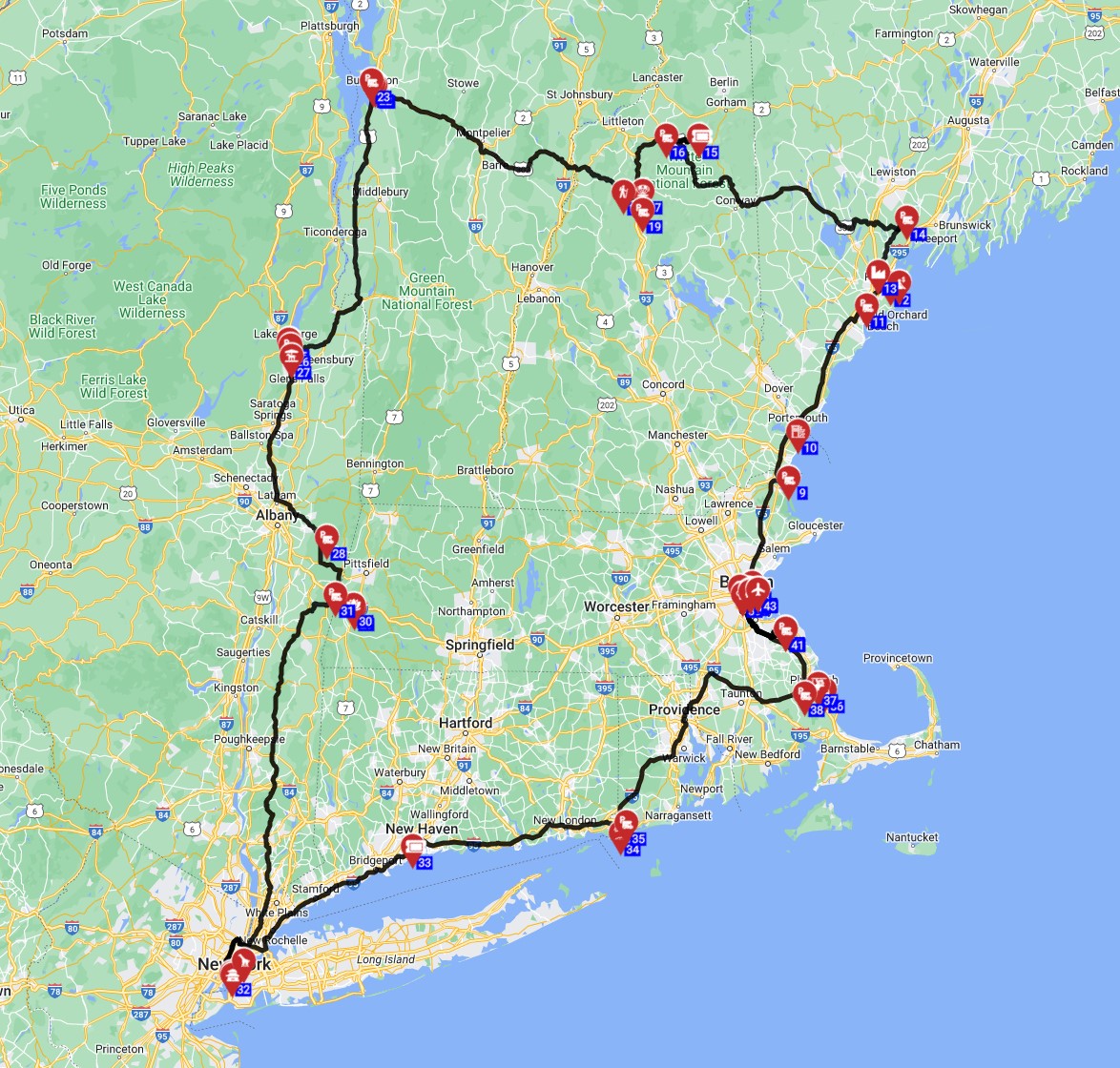
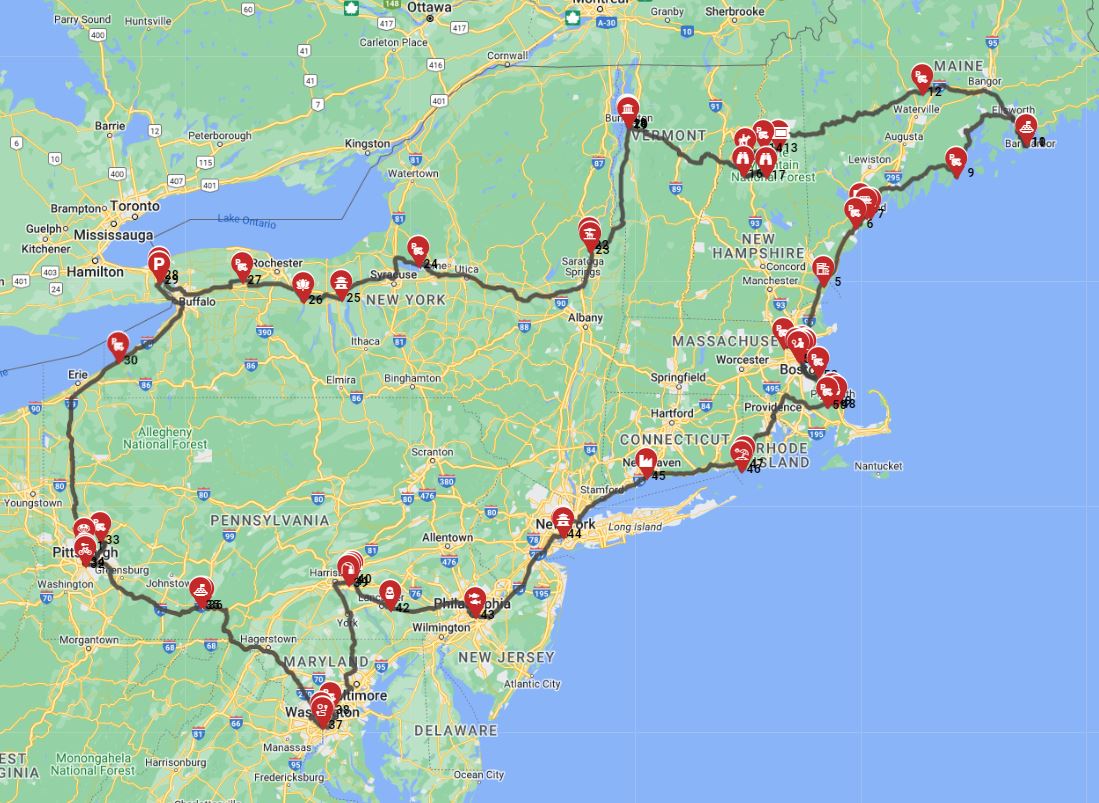
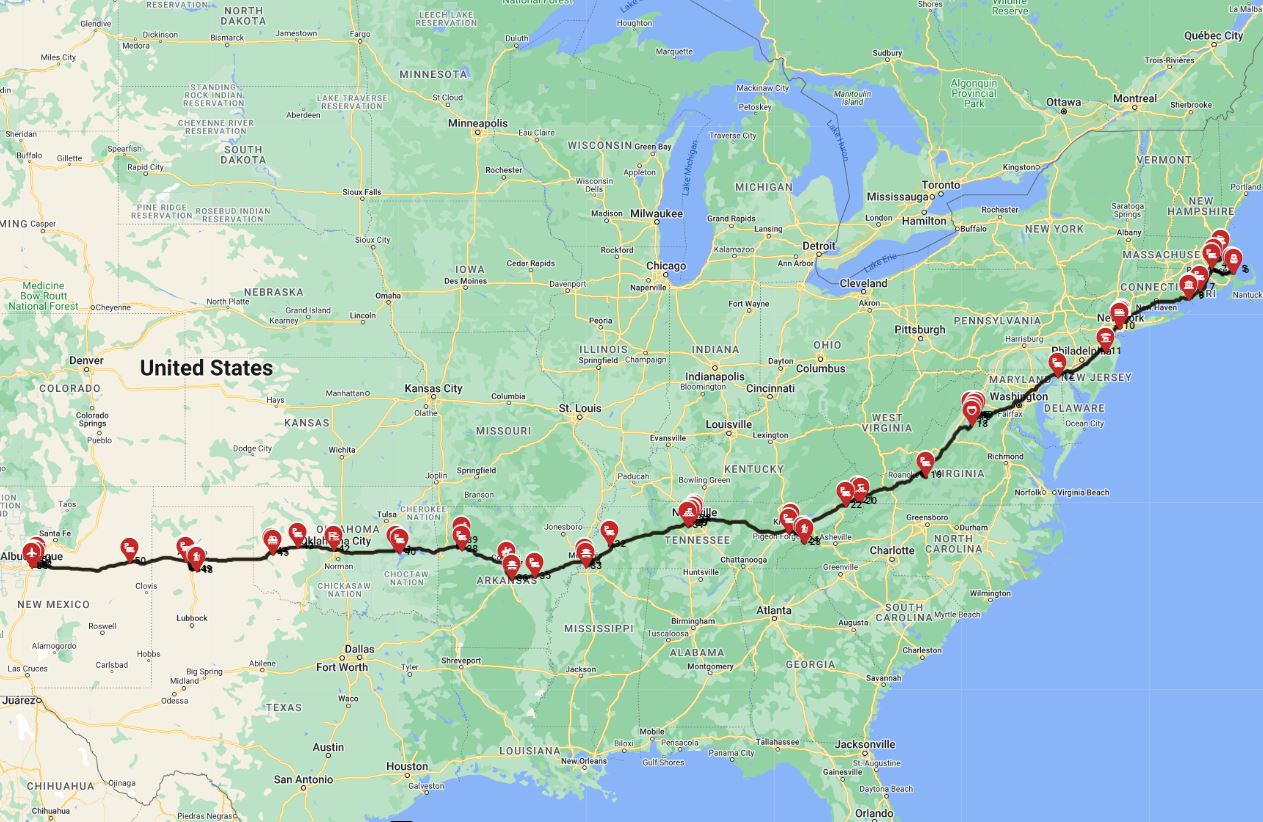
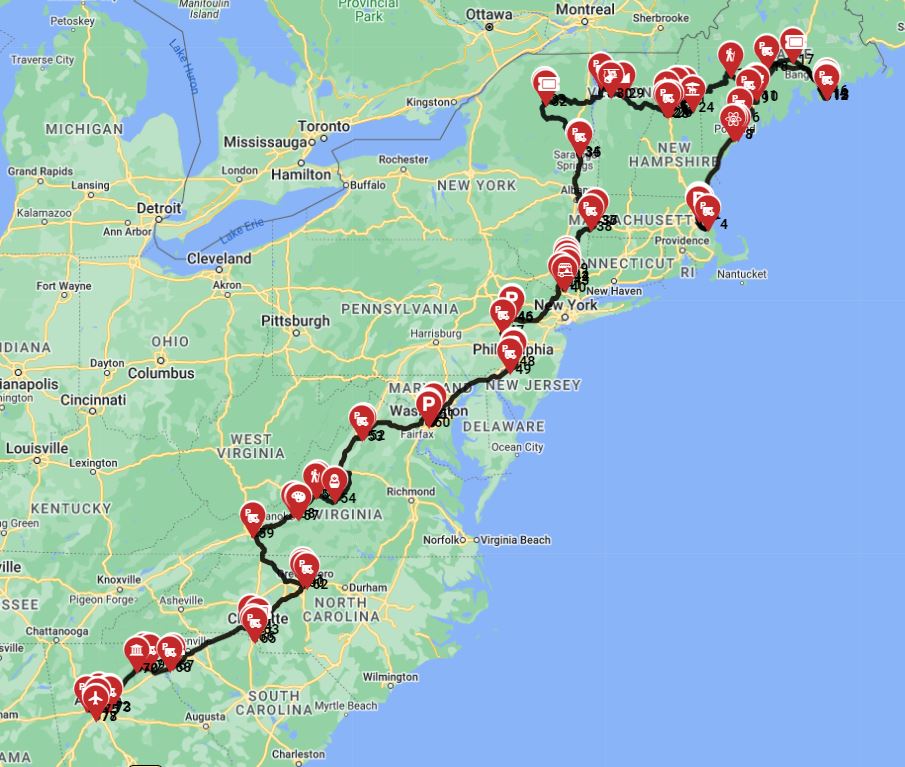
Embrace the flexibility of RV travel to craft a romantic getaway that perfectly suits your style. From exploring historic sites to enjoying coastal drives, your rented RV will be your comfortable home base for an unforgettable New England experience. For detailed route planning and inspiration, explore the curated trips on RV PLANET (rvplan.net) to discover pre-designed itineraries that cater to various interests and durations, helping you maximize your adventure.
Find Motorhome Rentals in Boston