For live availability and current prices, start with our RV Rental West Canada - Complete Guide 2026 guide.
In This Guide
- Where to Camp in West Canada — Top Options
- Campground Types in West Canada (National, Private, Wild)
- Featured RV Park or Campground in West Canada
- Hookups & Amenities — What to Expect
- Booking Windows & Reservations in West Canada
- Nearby Supermarkets & Resupply Points
- Best RV Class for Camping in West Canada
- How to Save on Campgrounds in West Canada
- What is the best time to rent an RV in West Canada
- How much does it cost to rent an RV in West Canada
- How do I choose the right RV for a couple in West Canada
- What do I need to know about driving an RV in West Canada
- Are there any pet-Themed RV rentals in West Canada
- How do you find free camping spots in West Canada
- What are some romantic RV trip itineraries for couples in West Canada
- How do you prepare for an RV trip in remote areas of West Canada
- What are the RV rental requirements in West Canada
- Is West Canada RV-friendly for couples with accessibility needs
Where to Camp in West Canada — Top Options
Western Canada offers diverse camping experiences perfect for couples, from iconic national parks like Banff and Jasper to serene provincial parks and well-equipped private campgrounds. For breathtaking mountain scenery and incredible hiking, focus your exploration on the Canadian Rockies, specifically Banff, Jasper, and Yoho National Parks. The Okanagan Valley provides a delightful mix of lakes and wine tours, while Vancouver Island offers stunning coastal adventures. For those seeking a more tranquil escape, consider the romantic and scenic spots in Waterton Lakes National Park or the Kootenay Rockies, which often feature secluded and picturesque settings ideal for couples.
Campground Types in West Canada (National, Private, Wild)
Couples RVing in West Canada have a spectrum of camping options. National Parks, managed by Parks Canada, typically offer basic amenities such as water and dump stations, with some sites providing power, all set within stunning natural landscapes. Reservations for these highly sought-after spots often fill up months in advance. Private RV parks provide a wider range of amenities, including full hookups (electric, water, sewer), Wi-Fi, laundry facilities, and sometimes even pools, with prices and atmospheres varying significantly. For the truly adventurous and self-sufficient couple, dispersed camping (boondocking) on Crown Land in British Columbia and Alberta is legal in many areas. These free, secluded spots require a commitment to 'leave no trace' principles, including careful attention to local wildlife and legal boundaries. On the routes offered through RV PLANET routes, you can itemize and track every expense along the way for easy budgeting.
Featured RV Park or Campground in West Canada
While specific campground recommendations can vary based on the exact location and time of year, couples aiming for a memorable RV experience in West Canada should prioritize parks that offer scenic views, convenient proximity to attractions, and essential amenities. Campgrounds with stunning mountain vistas, such as those found near Canmore or Lake Louise in Alberta, or lakeside locations in the Okanagan Valley, are particularly appealing. For those exploring the coast, Vancouver Island offers numerous charming campgrounds with ocean views. When selecting a site, look for options that offer a good degree of privacy, fire pits for romantic evenings, and easy access to hiking trails or other couple-friendly activities.
Hookups & Amenities — What to Expect
When RVing as a couple in West Canada, you can expect a range of hookup options. Electric hookups commonly come in 15, 30, and 50 amp configurations with standard North American connectors. Water and sewer hookups are also widely available, though their presence varies by campground type. Private RV parks typically offer full hookups, providing the most convenience. National and provincial park campgrounds often feature basic hookups like water and power, with central dump stations available. Beyond hookups, additional amenities can include clean washrooms, hot showers, and coin-operated laundry facilities, often accompanied by picnic tables and fire pits at individual sites. Be aware that cell service can be unreliable in remote areas, so having offline maps or satellite communication options is a good idea.
Booking Windows & Reservations in West Canada
Securing campground reservations in popular West Canada destinations, especially within national parks, often requires booking several months in advance, particularly for couples planning a trip during peak season. For meticulous planners, national parks like Banff and Jasper typically open their reservation systems 3-6 months ahead (e.g., reservations for summer often become available in January), and prime spots can fill almost immediately. Spontaneous travelers can often find success with first-come, first-served (FCFS) sites, as many national parks reserve a percentage of their spots for this purpose. Last-minute availability can also be found at private campgrounds, particularly if you arrive early in the day or travel during the shoulder seasons. Remember, calling ahead before driving to a campground is always a wise move to confirm availability.
Nearby Supermarkets & Resupply Points
Couples on an RV adventure through West Canada will find it easy to resupply groceries and essentials in the numerous supermarkets and stores located in both major towns and smaller communities along popular routes. Major grocery chains like Safeway, Save-On-Foods, Superstore, and Walmart are commonly found, alongside local independent grocers. It's highly recommended to do your primary resupply in larger urban centers such as Calgary, Vancouver, or Kamloops before venturing into more remote areas of the Rockies or coastal regions, where shopping options might be more limited.
Best RV Class for Camping in West Canada
For couples exploring West Canada by RV, Class B Camper Vans and smaller Class SI (Semi-integrated) RVs often hit the sweet spot, offering a fantastic balance of maneuverability for scenic routes and comfortable living for two. Class B camper vans, typically around 5.8 meters in length (like Bandana's fleet), are excellent for 2-3 adults, boasting good fuel economy (around 8-10 liters per 100 km) and agile handling, making them perfect for national park roads, city parking, and even some boondocking. The Class SI semi-integrated RVs (averaging 6.9 meters in length in Bandana's fleet, accommodating 3-4 adults) offer more interior space and amenities than a Class B, while still being manageable for couples desiring extra comfort and storage without the bulk of larger motorhomes. These smaller classes are generally more suitable for navigating challenging mountain routes, adhering to narrow park road restrictions, and securing spots in popular, often compact, campgrounds.
How to Save on Campgrounds in West Canada
Couples can significantly reduce their campground expenses in West Canada by employing smart strategies, such as leveraging discount programs, traveling during the shoulder seasons, and opting for more budget-friendly municipal or regional sites. Exploring campground discount cards or membership programs can offer substantial savings at participating RV parks. Traveling in the shoulder seasons—late spring (May-June) or early fall (September-October)—provides a dual benefit of lower prices and fewer crowds, allowing you to bypass peak summer rates and booking pressures. For even greater savings, consider municipal or regional campgrounds over private resorts; they often provide essential amenities at more affordable rates. Alternatively, for the truly budget-conscious and self-sufficient, embracing boondocking or dispersed camping on legal Crown Land offers free stays, though it requires careful planning and preparedness.
What is the best time to rent an RV in West Canada
The ideal time to rent an RV for a couple's trip in West Canada hinges on your desired activities and budget, with the shoulder seasons—late spring and early fall—often presenting a sweet spot for favorable weather, fewer crowds, and better value. Summer (July-August) typically offers the warmest weather and full access to all roads and attractions, but it also comes with the highest rental and campground prices, the largest crowds, and necessitates booking reservations far in advance. The shoulder seasons (May-June and September-October) are particularly well-suited for couples, providing pleasant weather for hiking and sightseeing, fewer tourists, and often lower rental and camping fees, though some higher-elevation roads might still have seasonal closures in early spring or late fall. Winter (November-April) offers a unique experience but demands specialized winterized RVs, constant vigilance for road closures, and thorough preparation for snow and icy conditions.
How much does it cost to rent an RV in West Canada
The cost to rent an RV for couples in West Canada can vary, with smaller, couple-friendly models typically ranging from approximately $100-$300+ CAD per night. Your total trip budget will be significantly influenced by the daily rental rate, fuel consumption, campground fees, and chosen activities. Beyond the rental fee, couples should anticipate substantial fuel costs due to Western Canada's vast distances; for instance, Bandana's Class B vans typically consume 8-10 liters per 100 km, while Class SI RVs use around 10-11 liters per 100 km. Additional expenses to factor in include campground fees (ranging from $20-$100+ CAD per night), a Parks Canada Discovery Pass if visiting national parks, food, activities, and potential 'hidden fees' such as mileage limitations, generator usage charges, preparation fees, and optional insurance upgrades. To manage costs, consider traveling in the shoulder season, exploring free dispersed camping options, and cooking most meals aboard your rented RV. For ideas you can prep on the road, watch our RV-friendly recipes playlist on YouTube.
How do I choose the right RV for a couple in West Canada
Selecting the ideal RV for a couple's West Canada adventure involves balancing comfort, maneuverability, and budget. Compact Class B camper vans or smaller Class SI models are often the top choices due to their agility and ease of use on scenic routes. Consider the RV's size and maneuverability: smaller options, like Bandana's Class B (~5.8m) or Class SI (~6.9m) RVs, are simpler to drive, park, and navigate winding mountain roads, which may have length restrictions. Evaluate your desired amenities and comfort level; determine if a built-in bathroom and shower, a more spacious kitchen, or a dedicated sleeping area is crucial for your travel style. Remember that Class SI RVs generally offer more interior space than Class B vans. Finally, assess your camping preferences: if boondocking is a priority, ensure the RV has adequate fresh water capacity and battery life, as well as propane for off-grid living. Smaller RVs often come with lower rental costs and better fuel efficiency, contributing to overall trip savings.
What do I need to know about driving an RV in West Canada
Driving an RV in West Canada requires careful attention to mountain terrain, specific road rules, wildlife precautions, and preparing for variable weather conditions to ensure a safe and enjoyable trip for couples. Be ready for mountain driving, which often includes steep grades and winding roads; utilize lower gears for downhill descents to prevent brake overheating, and always observe posted speed limits, especially in known animal corridors. Implement specific wildlife safety protocols: constantly watch for animals like bears, elk, and deer on roads, particularly at dawn and dusk, never feed wildlife, and carry bear spray while hiking, understanding its proper use. Familiarize yourself with RV-specific logistics such as licensing requirements – a standard driver's license is typically sufficient for most RV classes – and the insurance specifics provided by your rental company. Prepare for seasonal variations by checking provincial road reports (e.g., DriveBC, 511 Alberta) for potential closures (especially mountain passes) and weather warnings, and understand how weather impacts RVs, such as the need for winter tires in colder seasons.
Are there any pet-friendly RV rentals in West Canada
Yes, many RV rental companies in West Canada offer pet-friendly units, allowing couples to bring their furry companions along for the adventure, although specific regulations and additional fees often apply. It is essential to confirm the pet policy directly with your rental provider, as restrictions on size, breed, or number of pets may exist, and additional cleaning fees or deposits are common. When researching campgrounds, be aware that pet policies also vary; while many national parks permit leashed pets in campgrounds and on certain trails, others have restrictions in sensitive wildlife areas. For a smooth trip with your pet, plan your routes to include access to veterinary services and pack all necessary pet supplies, including food, water, a leash, waste bags, and a pet first-aid kit.
How do you find free camping spots in West Canada
Couples can discover legal free camping spots, also known as boondocking or dispersed camping, in West Canada primarily by exploring Crown Land in British Columbia and Alberta. Utilizing specialized mapping tools and adhering to responsible camping practices are key to finding these locations. Vast areas of public Crown Land are available for 'random camping,' typically limited to 14-day stays in one spot, offering solitude and significant cost savings. Recommended tools for identifying legal boondocking locations include apps like iOverlander, The Dyrt, or provincial government mapping portals (e.g., BC's FrontCounter BC, Alberta's Public Land Use Zones maps). Practicing proper wildlife considerations, ensuring all food is securely stored, and strictly adhering to 'leave no trace' principles are paramount for both your safety and the preservation of these natural areas.
What are some romantic RV trip itineraries for couples in West Canada
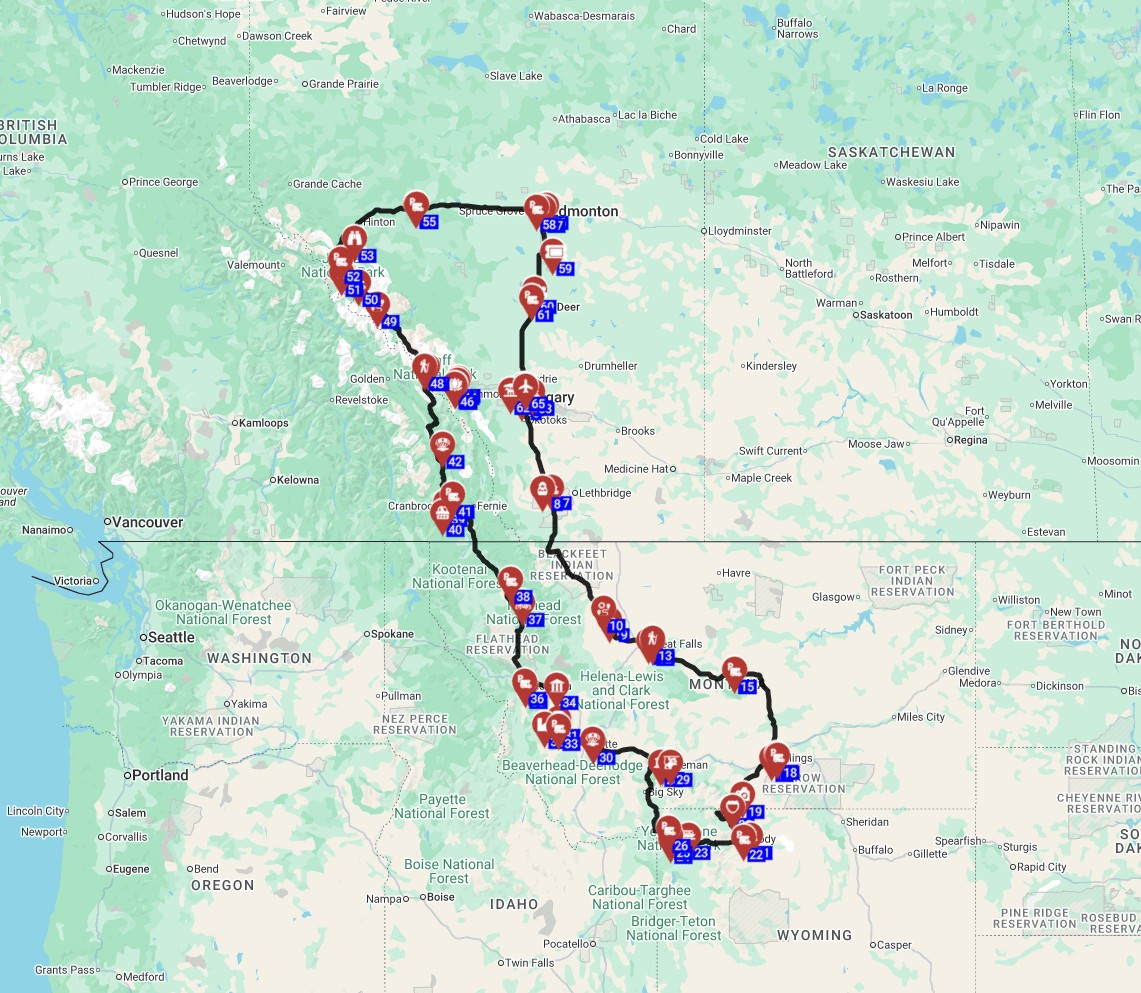
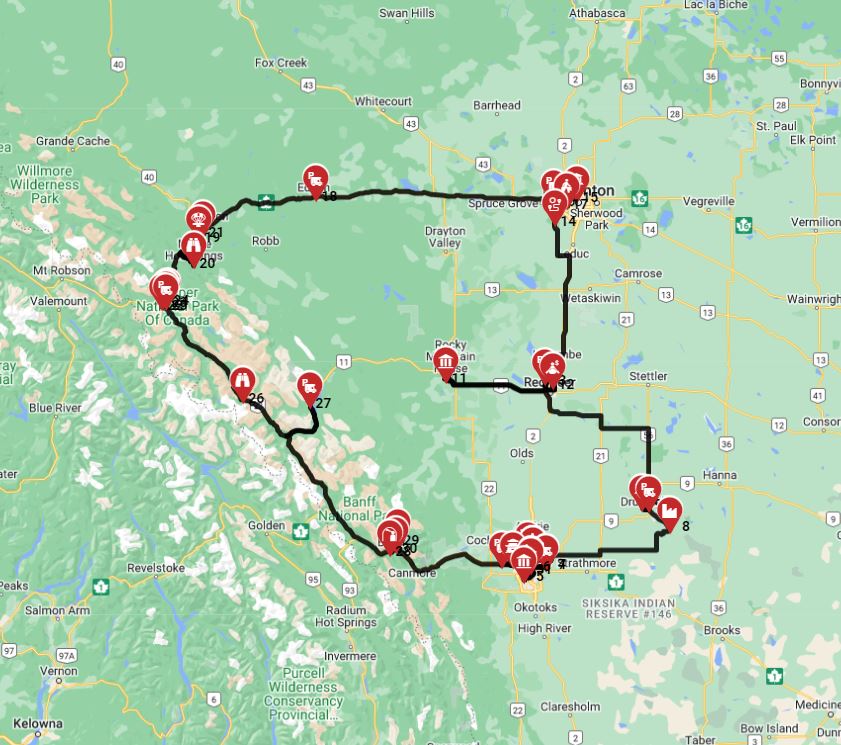
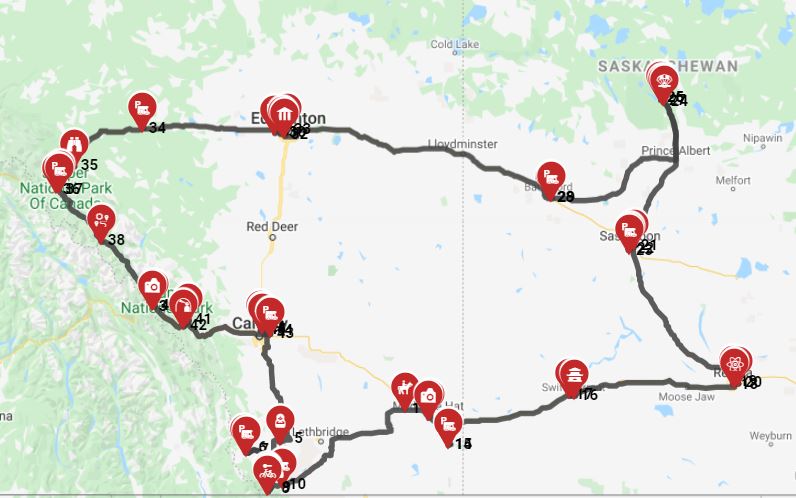
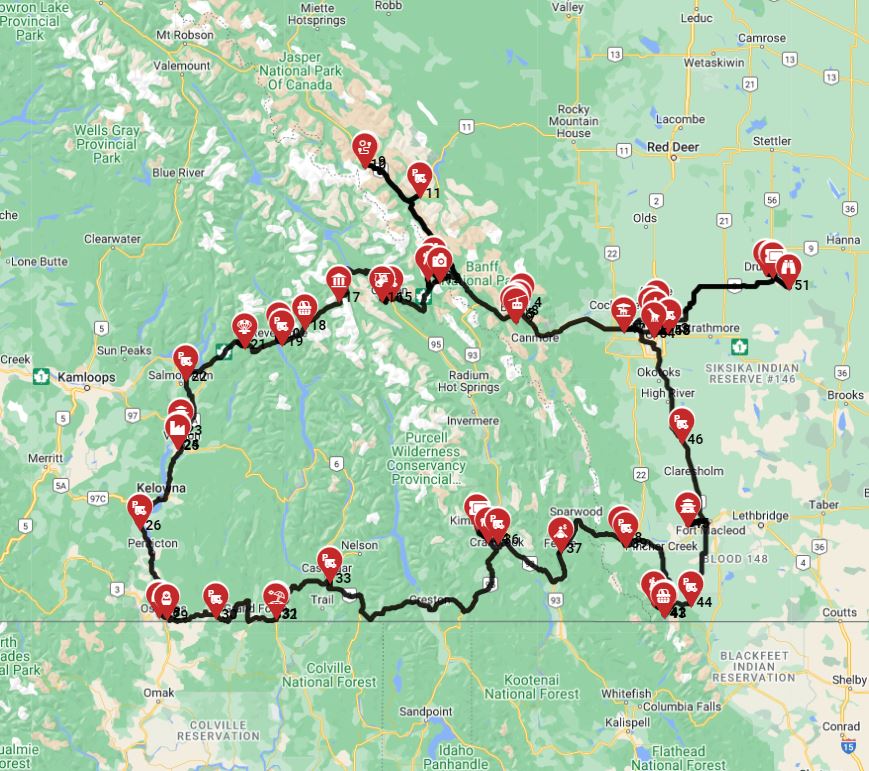
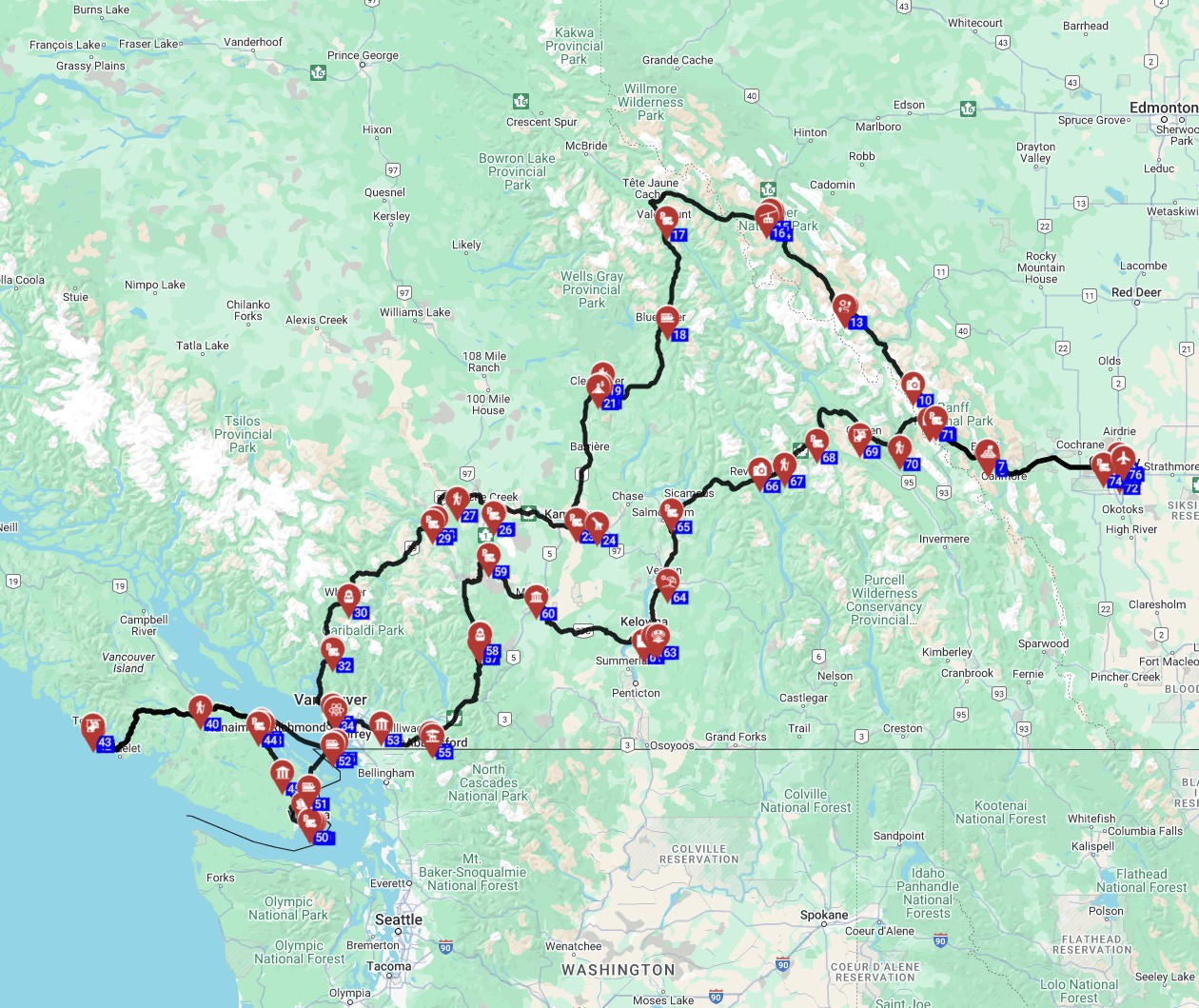
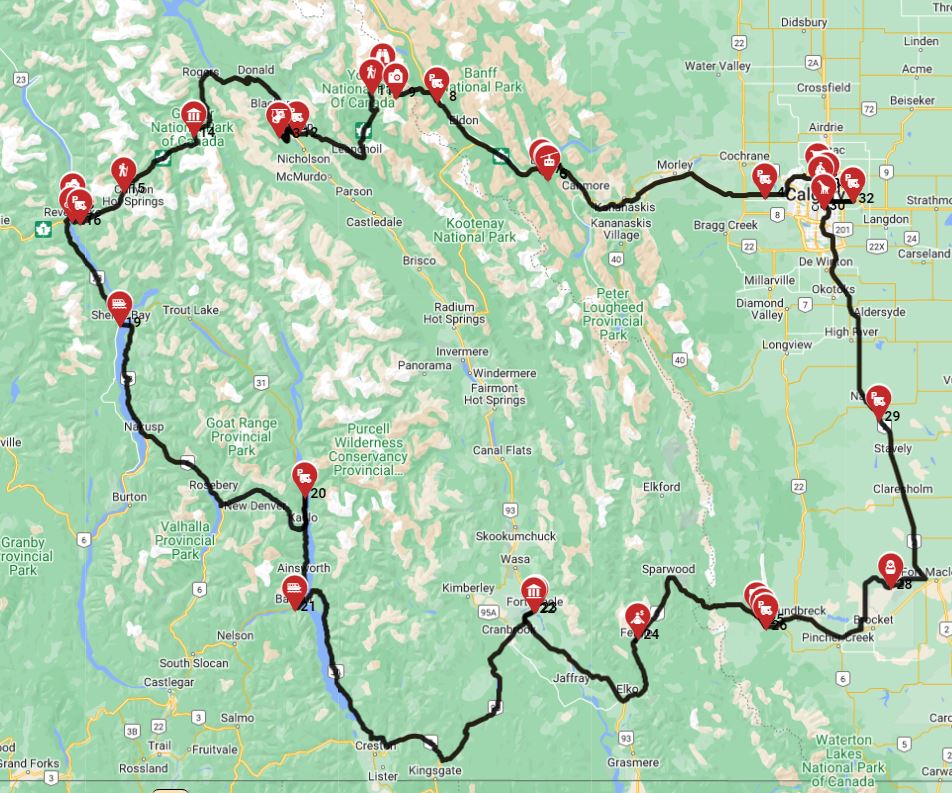
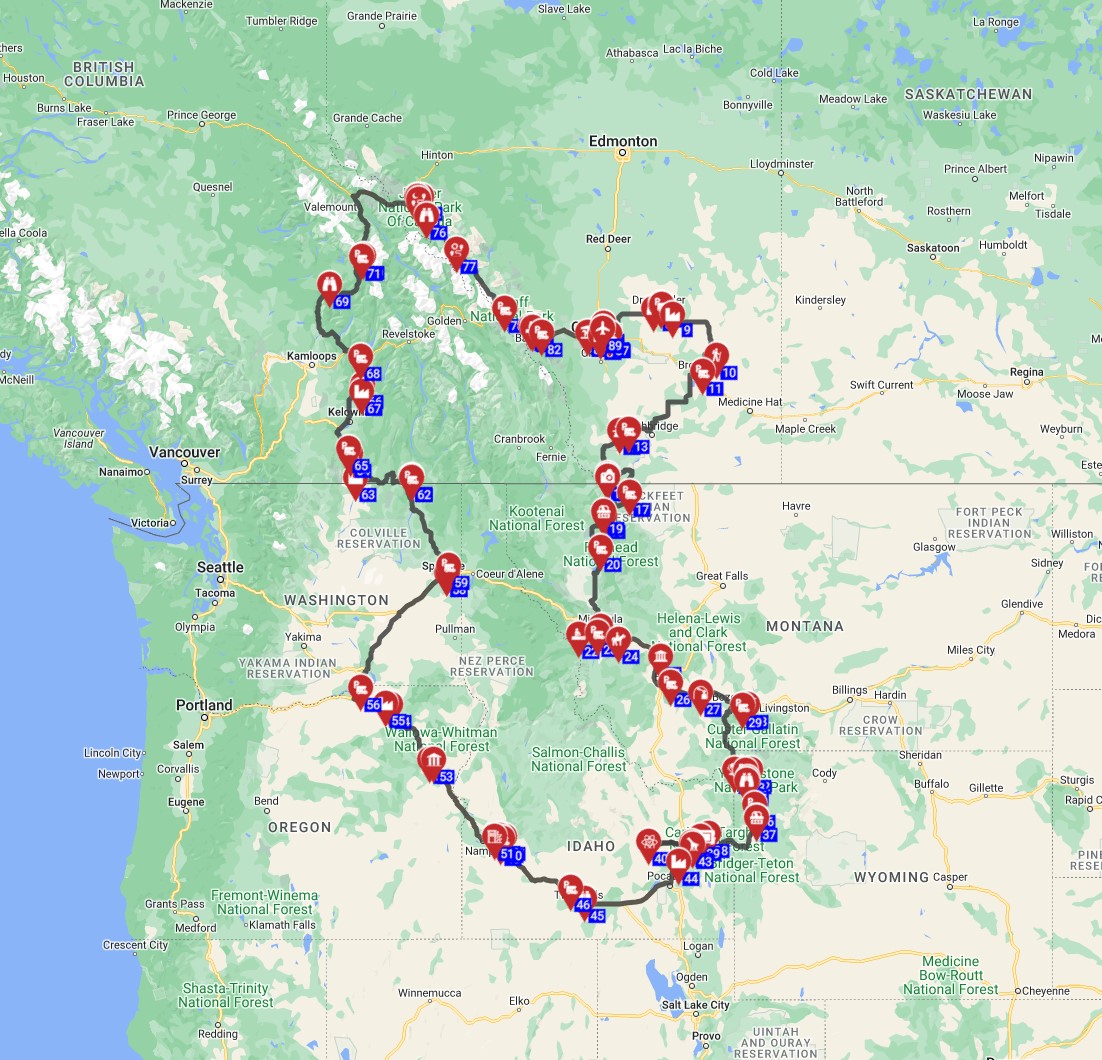
Romantic RV trip itineraries for couples in West Canada often feature iconic routes that showcase the region's stunning natural beauty, from the Canadian Rockies to the Pacific coast. Consider a classic Canadian Rockies loop, perhaps starting and ending in Calgary, passing through Banff, Jasper, Lake Louise, and Canmore, offering breathtaking mountain vistas, opportunities for couples' hikes, and incredible stargazing. Alternatively, the Okanagan Valley provides a romantic wine-touring experience, combining vineyard visits with lakeside relaxation and exploration of charming towns. For coastal romance, a drive along Vancouver Island, venturing to Tofino and Ucluelet, offers stunning ocean views, ancient rainforests, and chances for whale watching. To elevate the romance, plan to book unique, secluded campsites, pack gourmet picnic supplies, and seek out activities like soaking in hot springs or taking scenic gondola rides.
How do you prepare for an RV trip in remote areas of West Canada
Preparing for an RV trip in West Canada's remote areas necessitates meticulous planning for connectivity, emergency situations, wildlife encounters, and ensuring you have all essential supplies and gear. Address connectivity by acknowledging that cell service dead zones are common; consider carrying satellite communication options (like a Garmin inReach) and downloading offline maps for navigation and emergency contacts. Prioritize emergency preparedness by packing a comprehensive first-aid kit, extra water and food, and ensuring you have your roadside assistance information readily available, while also informing someone of your itinerary. Implement specific wildlife safety protocols: always secure food properly, carry bear spray and know how to use it, and review information on safely encountering local wildlife like bears and elk. Develop detailed packing lists tailored for Western Canada's diverse climates, including appropriate layering clothing, rain gear, sturdy hiking boots, and any specialized equipment needed for activities like boondocking.
What are the RV rental requirements in West Canada
RV rental requirements in West Canada typically include possessing a valid driver's license (often a standard Class 5 or equivalent), meeting a minimum age requirement (usually 21, though some suppliers require 25 for larger Class A motorhomes), and having appropriate insurance coverage. A standard driver's license from your home country or province is generally sufficient for operating most rental RV classes (like Class B, C, or SI) for personal use; an International Driving Permit is recommended if your license isn't in English. Couples should discuss insurance specifics with their rental company, as basic liability coverage is usually included, but purchasing additional collision or comprehensive coverage is highly recommended for peace of mind. Other common requirements include presenting a major credit card for a security deposit and rental payment, and adhering to the rental agreement's terms regarding mileage limits, pet policies, and cancellations.
Is West Canada RV-friendly for couples with accessibility needs
West Canada is increasingly becoming RV-friendly for couples with accessibility needs, with a growing number of rental companies offering accessible RV models and an increasing number of campgrounds and attractions featuring accessible facilities. When planning your trip, inquire with rental companies, such as Bandana, about the availability of specific RVs designed with accessibility features like wheelchair ramps, wider doorways, and accessible bathrooms. Couples should prioritize campgrounds that offer accessible campsites, which may include paved paths and accessible washroom/shower facilities, particularly in larger private parks or newer national and provincial park developments. Many popular attractions and visitor centers in national parks, along with select paved trails, are designed with wheelchair accessibility in mind; utilizing resources from Parks Canada and provincial tourism boards can provide detailed accessibility information for RVers with mobility challenges.
Final Thoughts
Embarking on an RV adventure for two in West Canada promises an unforgettable journey filled with stunning landscapes and intimate experiences. From the majestic Rockies to the rugged coastlines, a rented RV provides the perfect mobile basecamp for exploring this vast and beautiful region at your own pace. Remember to book in advance, pack smart, and embrace the freedom of the open road.
With Bandana Caravan's commitment to transparency and support, planning your romantic RV getaway becomes a seamless and enjoyable process. We're here to help you find the perfect vehicle and offer the insights you need to create lasting memories. So, start dreaming, start planning, and get ready to discover the magic of West Canada together!