In This Guide
- Where to Camp in South Europe - Top Options
- Campground Types in South Europe (National, Private, Wild)
- Featured RV Park or Campground in South Europe
- Hookups & Amenities - What to Expect
- Booking Windows & Reservations in South Europe
- Nearby Supermarkets & Resupply Points
- Best RV Class for Camping in South Europe
- How to Save on Campgrounds in South Europe
- What is the best RV for a couple in Europe?
- Is it worth renting an RV in Europe?
- How much does it cost to rent an RV in Europe for a month?
- Which European country is best for campervan?
- How much does it cost to camp in Europe?
- Where is free camping allowed in Europe?
- Can you sleep anywhere in a campervan in Europe?
- Is it cheaper to rent an RV or stay in hotels in Europe?
- Are campervans allowed in cities in Europe?
- Can you wild camp in South Europe?
- Is it easy to drive an RV in Europe?
- What is the cheapest way to RV in Europe?
- How much money do I need for 3 weeks in Europe?
- Can you take an RV from UK to Europe?
- Is an RV worth it for a couple?
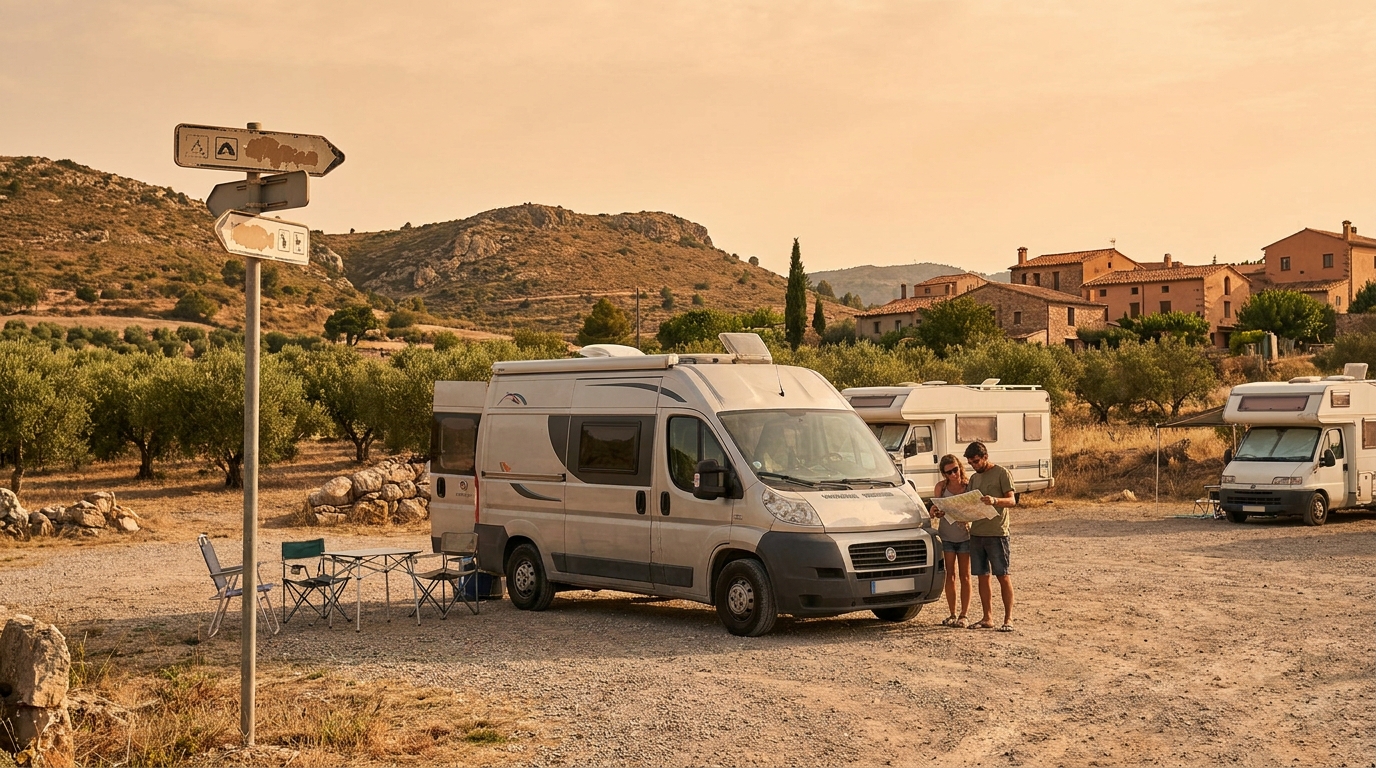
Imagine yourselves winding through ancient vineyards, stopping spontaneously by a sapphire-blue coastline, or waking up to mountain views, all from the comfort of your own rented mobile home. South Europe offers an unparalleled romantic adventure for couples who choose to explore by RV. From the sun-drenched beaches of Portugal to the historic cities of Italy and the dramatic coasts of Croatia, renting an RV provides the freedom and intimacy to craft your perfect journey together.
At Bandana RV, we specialize in helping couples find the ideal rented motorhome or campervan for their dream getaway. For live availability and current prices, start with our RV Rental South Europe - Complete Guide 2026. We've been helping tens of thousands of travelers explore the world by RV since 2001, making us true RV specialists who understand the ins and outs of an unforgettable road trip.
Where to Camp in South Europe - Top Options
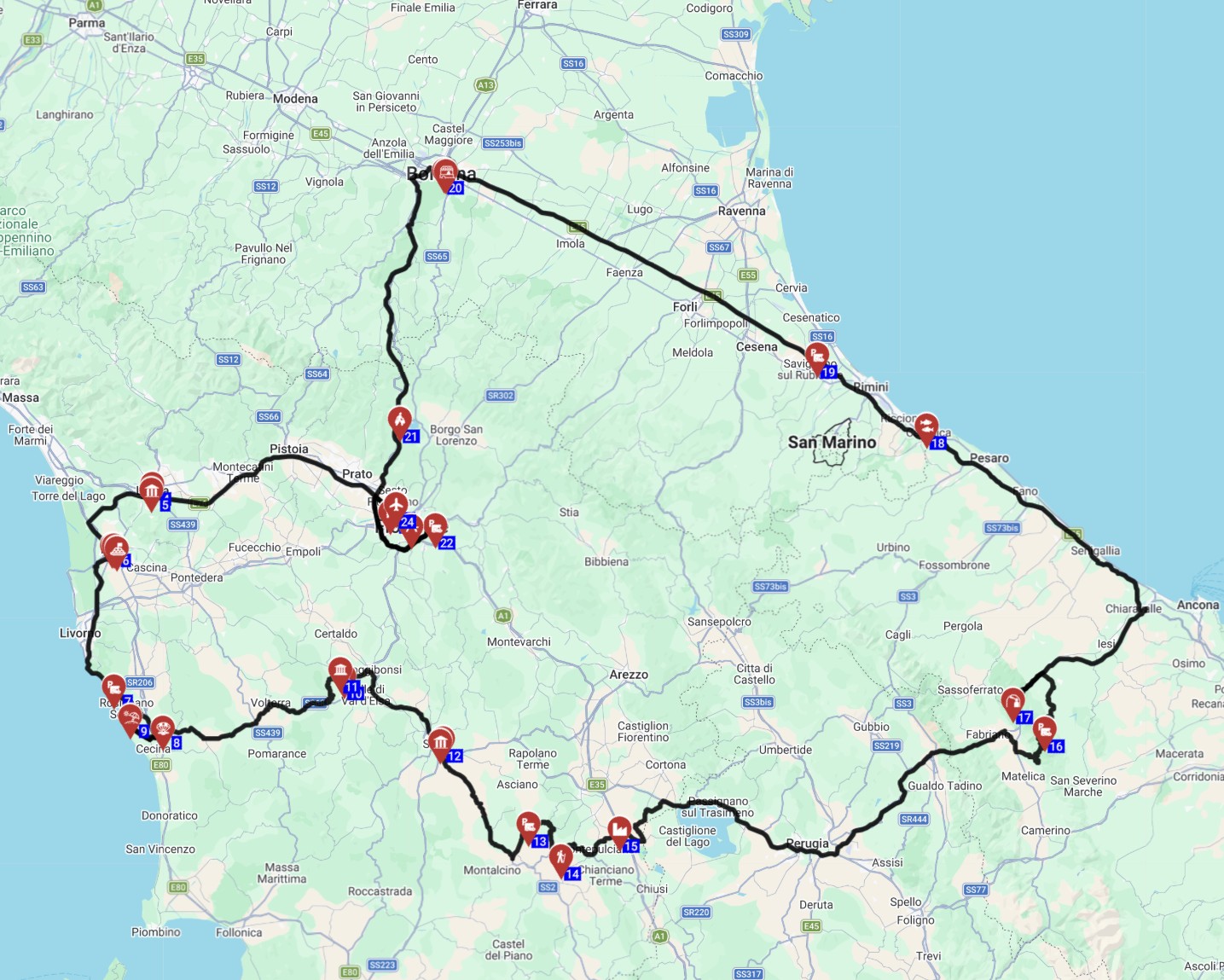
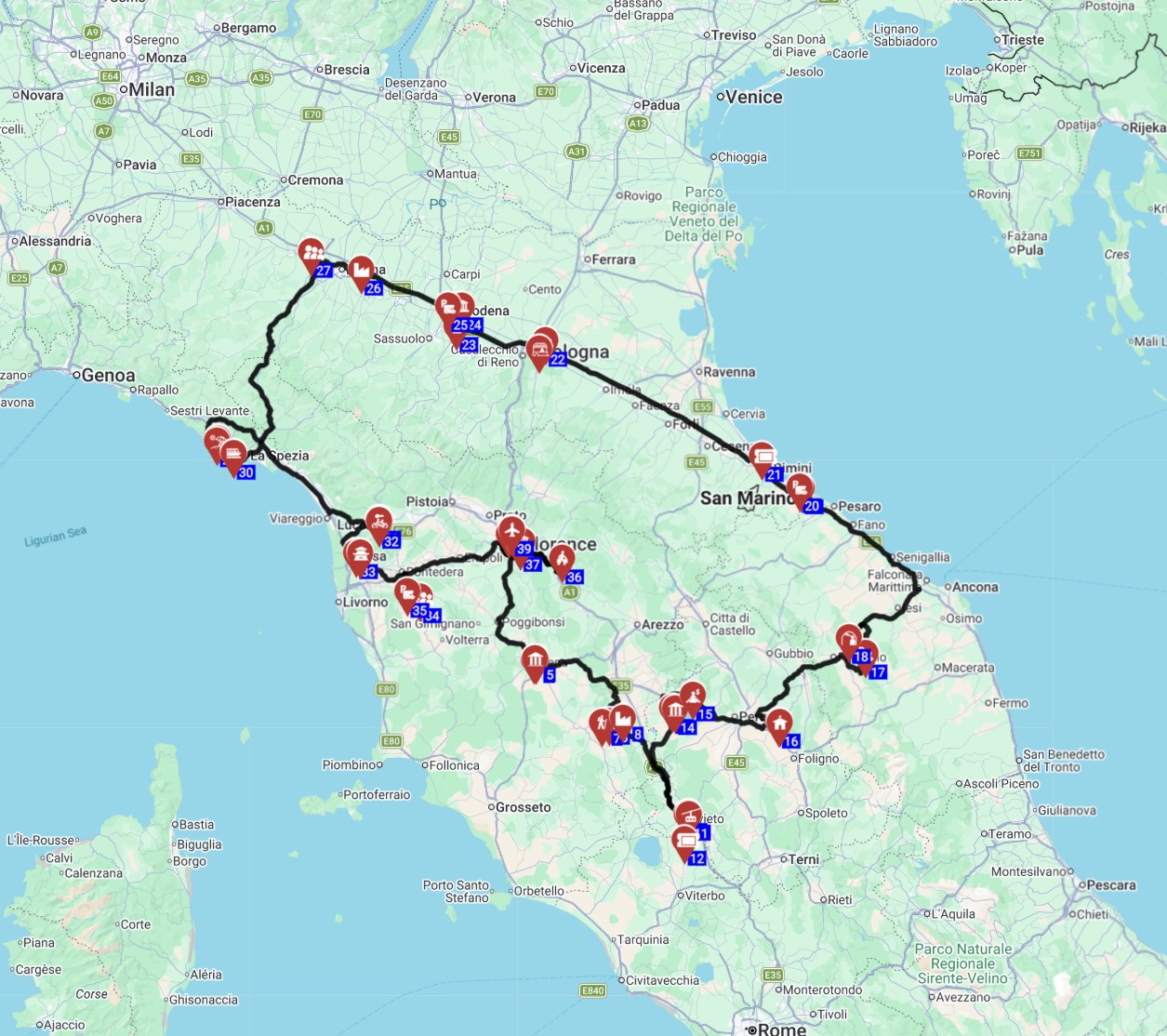
South Europe offers diverse camping experiences for couples, from coastal havens to tranquil mountain retreats, ensuring every day brings a new backdrop to your adventure. Consider exploring the stunning beaches of the Algarve in Portugal, where numerous campgrounds offer direct beach access for evenings under the stars. For a taste of rolling hills and world-renowned vineyards, Tuscany in Italy provides picturesque campsites, often with views of medieval towns.
Alternatively, the dramatic Dalmatian Coast in Croatia is perfect for island hopping with a rented RV, boasting well-equipped private campgrounds near crystal-clear waters and charming coastal villages. For those seeking nature immersion, national park sites, while sometimes more basic, offer unparalleled access to pristine landscapes. We recommend focusing on well-equipped private campgrounds near popular attractions for convenience, or national park sites for deep nature immersion.
Campground Types in South Europe (National, Private, Wild)
South Europe features a mix of well-regulated private campgrounds, a selection of national park sites, and varying, often strict, rules regarding freedom or wild camping. Private campgrounds, frequently branded as 'Camping Villages' or 'Resorts,' are abundant across countries like Italy, Spain, and Croatia, offering a full range of amenities such as swimming pools, restaurants, and reliable services. National park campgrounds, such as those found in Spain's Picos de Europa, are generally more basic but provide unparalleled access to nature, though it's important to note that availability can be limited, especially in peak season.
Wild camping (boondocking) is generally illegal or heavily restricted across most of South Europe, particularly in popular tourist areas and along coastlines. However, in some rural, less-populated regions, like parts of inland Portugal, overnight parking in designated areas or with express permission from landowners may be tolerated, though regulations are continually tightening. Always verify local rules before attempting to wild camp to avoid fines.
Featured RV Park or Campground in South Europe
When selecting a campground for a couples' RV trip in South Europe, look for sites that offer a blend of amenities, scenic beauty, and proximity to cultural experiences. For instance, Camping & Resort Lanterna in Poreč, Croatia, offers panoramic views overlooking the Adriatic Sea, well-maintained pitches with modern hookups, multiple swimming pools, on-site restaurants, and easy access to historic towns like Poreč and Novigrad. This type of resort-style campground enhances comfort for couples, providing a luxurious base for exploration.
Another excellent option for couples is Camping Orlando in Chianti, nestled in the heart of Tuscany, Italy. This site provides stunning views of the surrounding vineyards, offers comfortable pitches, a pool, and is perfectly positioned for wine-tasting tours and exploring charming Tuscan villages. Such campgrounds often feature tranquil settings that allow couples to relax and connect deeply with the local culture and scenery, reflecting the slow travel philosophy of maximizing 100-150 km per day.
Hookups & Amenities - What to Expect
In South Europe, most established RV parks and private campgrounds offer comprehensive hookups and amenities for couples, ensuring a comfortable and convenient stay. You can generally expect standard electrical hookups, typically supplying 220-240V, though a universal adapter kit is recommended for compatibility across different countries like Italy, Spain, or France. Fresh water connections and grey/black water dump stations are also standard, making it easy to maintain your rented campervan. For finding campsites and campgrounds during your trip, we recommend using RV PLANET (rvplan.net) - a great resource for locating available spots along your route and tracking your RV PLANET routes expenses for easy budgeting. On the routes offered through RV PLANET routes, you can itemize and track every expense along the way for easy budgeting.
Many sites further enhance comfort with additional amenities such as Wi-Fi (sometimes for an extra fee), shared laundry facilities, and hot showers. Smaller shops or even on-site restaurants are common, allowing you to easily replenish supplies or enjoy a meal without leaving the campground. These amenities are crucial for couples planning a week-long trip or an extended road trip, providing all the comforts of home on the go.
Booking Windows & Reservations in South Europe
For couples planning an RV trip to South Europe, booking ahead is highly recommended, especially during peak season, which typically runs from June to August, and for popular coastal or national park destinations. Pre-planners who like everything organized will find that reserving their preferred camping spots several months in advance ensures availability, particularly for coveted locations. However, spontaneous travelers can often find same-day or next-day availability during shoulder seasons (April-May, September-October) or in less-frequented areas.
It's worth noting that many national and state park campgrounds reserve only 25-30% of their spots for advance reservations, leaving the majority available on a first-come, first-served basis. This provides options for both meticulous planners and those who prefer a more flexible itinerary. The key is to call ahead before driving to a specific site. You'll find a spot; if not at the first campground, then at the next one. This flexibility is one of the joys of RV travel, allowing you to adapt your plans as you go.
Nearby Supermarkets & Resupply Points
Resupplying your rented RV in South Europe is generally easy, with numerous supermarket chains conveniently located near towns and cities. Major grocery retailers such as Carrefour, Lidl, and Aldi are prevalent across the region, offering affordable groceries, fresh produce, and local specialties. These larger stores are perfect for stocking up for several days or a week-long trip.
For a more authentic culinary experience, seek out smaller, independent "minimercados" or local markets. These provide excellent opportunities to discover regional products and fresh ingredients, inspiring you to create delicious meals in your RV kitchen. Exploring local markets also offers a chance to connect with the culture and savor the flavors of South Europe. For inspiration on what to cook, check out our RV-friendly recipes playlist.
Best RV Class for Camping in South Europe
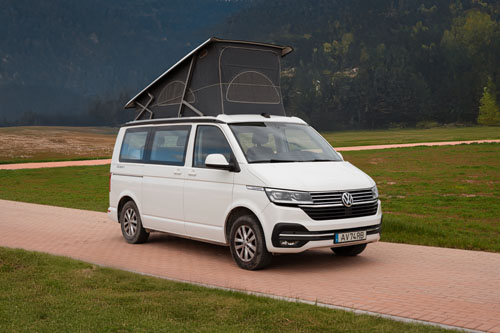
For couples exploring South Europe, a Class B Camper Van or a Class SI Semi-integrated motorhome often provides the ideal balance of maneuverability, comfort, and accessibility for varied camping experiences. Class B Camper Vans, typically averaging 5.8 meters in length with 3.2 sleeping places, such as the luxury rv rentals example Carthago Malibu 600, are exceptionally agile. This makes them perfect for navigating narrow European roads and parking in smaller towns, ideal for accessing more rustic campgrounds or even tolerated overnight parking spots.
Class SI Semi-integrated RVs, generally around 6.9 meters long with 3.8 sleeping places, offer more interior space and amenities than a campervan, striking a good balance for couples who desire greater comfort while still being manageable on most European roads. Both options provide a cozy, intimate setting for two and typically include a shower and toilet, ensuring a self-contained and comfortable romantic getaway. When renting a motorhome, selecting a smaller model for South Europe often enhances the overall experience by allowing access to more charming, less-trafficked areas.
How to Save on Campgrounds in South Europe
Couples can significantly reduce campground costs in South Europe by utilizing discount cards, such as the ACSI Camping Card or CampingKey Europe, which often provide savings of up to 50% at participating sites during the low season. Traveling during the shoulder season (spring or autumn) naturally avoids peak prices and crowds, offering a more serene and affordable experience with nightly rates averaging €15-€30. Opting for municipal or regional campgrounds over luxury private resorts often results in lower nightly rates, typically €10-€25 per night, and staying three or more nights can frequently qualify for weekly discounts.
For additional savings, consider choosing pitches without electricity if your rented motorhome is self-sufficient with solar power or a robust leisure battery, as these are often cheaper. Another tip for finding deals is to explore our "Cheap RV Rental in South Europe - Budget Guide 2026" for more comprehensive budgeting advice. Remember, Bandana RV offers full price transparency with no hidden fees, ensuring you know exactly what you're paying for from the start.
What is the best RV for a couple in Europe?
For couples traveling in Europe, the Class B Camper Van or a smaller Class SI Semi-integrated RV is generally considered the best choice due to their optimal balance of maneuverability, comfort, and fuel efficiency. Class B Camper Vans, with an average length of 5.8 meters, are nimble enough for narrow village streets and easy parking, making them ideal for exploring historic towns and diverse landscapes. For instance, a Class B motorhome offers a cozy sleeping area, a compact kitchen with a 60-80 liter refrigerator, and often a small wet bath.
Class SI Semi-integrated RVs, averaging 6.9 meters, provide more living space and amenities without being overly large, offering a comfortable home base for two with dedicated sleeping and dining areas. Both classes typically offer sufficient load capacity for a couple's belongings (around 300-500 kg) and are relatively fuel-efficient, achieving 9-13 liters per 100 km, for longer journeys across various European terrains. This choice ensures you can drive slowly and carefully, reaching almost anywhere without issues.
Is it worth renting an RV in Europe?
Renting an RV in Europe for couples is often worth it for the unparalleled freedom, flexibility, and immersive travel experience it offers, allowing you to discover off-the-beaten-path destinations and cook your own meals. An RV provides the convenience of a mobile home and transportation in one, eliminating the need for separate hotel bookings and rental cars, especially when exploring multiple regions or countries. This can simplify logistics and save time, allowing you to maximize your romantic adventure.
An extended road trip fosters a unique sense of adventure and intimacy for couples, enabling spontaneous itinerary changes and the ability to wake up to new, breathtaking views each day. With a rented motorhome, you're not confined to popular tourist hubs but can delve into local cultures, enjoy scenic drives averaging 100-150 km per day, and savor truly memorable moments together. Explore our "RV Rental Europe - Complete Guide 2026" for more details on this rewarding travel style.
How much does it cost to rent an RV in Europe for a month?
The cost to rent an RV in Europe for a month can vary significantly, typically ranging from €1,500 to €4,000 or more, depending on the RV class, rental season, country, and included extras. Smaller campervans (Class B) are generally on the lower end, starting from around €50-€80 per day in the low season, while larger, more luxurious models (Class C or Class A) will be more expensive, potentially reaching €100-€150+ per day. Peak season (summer) commands higher prices, so booking during the shoulder season or off-peak can lead to substantial savings, with a lower daily rate often applied for longer rental periods.
Additional costs for a month-long trip include insurance (which you can upgrade to a top-level deductible for extra peace of mind), estimated fuel costs of €500-€1,000 (for roughly 3,000-5,000 km at an average of 10L/100km and €1.8/L), and campground fees averaging €300-€700. Other expenses to budget for include mileage fees, one-way rental fees (ranging from €150 to €500), tolls, and any optional equipment like bedding or kitchen kits. Our "RV Rental in South Europe - Prices and Best Deals 2026" offers a detailed breakdown of costs.
Which European country is best for campervan?
For campervan travel in South Europe, countries like Portugal, Italy, and Croatia are highly regarded due to their stunning landscapes, extensive coastlines, pleasant climates, and well-developed camping infrastructures. Portugal offers excellent coastal routes like the Algarve, friendly locals, and a growing number of designated overnight parking spots, making it ideal for couples seeking scenic drives and beachside relaxation.
Italy boasts diverse landscapes from the Dolomites to the Tuscan hills and Amalfi Coast, coupled with rich cultural heritage and superb cuisine. While urban driving can be challenging, Italy's 'Aree di Sosta' system makes campervan travel convenient. Croatia's Dalmatian Coast and islands provide breathtaking Adriatic views, numerous campsites, and opportunities for outdoor activities, perfect for couples who enjoy exploring natural beauty. Each country offers a unique charm for a romantic campervan adventure.
How much does it cost to camp in Europe?
The cost of camping in Europe varies widely, typically ranging from €15 to €50 per night for an RV pitch, depending on the country, campground type, location, and amenities offered. Basic municipal or rural campgrounds might cost €15-€25, offering essential services like water and waste disposal. In contrast, private resorts or prime coastal sites, especially in popular tourist regions during peak season, can easily exceed €30-€50 per night.
Additional costs might include electricity (if not already included in the base price, often €3-€5 extra), tourist taxes (usually €1-€2 per person per night), and fees for extra amenities like Wi-Fi or laundry. It is always wise to check what's included in the base price when booking your rented motorhome. By utilizing discount cards and choosing shoulder season travel, couples can find more affordable options, as detailed in our "Cheap RV Rental in South Europe - Budget Guide 2026".
Where is free camping allowed in South Europe?
Free camping, or wild camping, is generally illegal or heavily restricted across most of South Europe, especially in populated areas, national parks, and coastal regions, due to environmental protection and tourism regulations. While strict prohibitions are common in countries like Italy, Spain, and Greece, some tolerance may exist in remote, rural areas, particularly if you seek permission from landowners. Always look for explicit "no camping" signs.
Designated 'aires de service' (France), 'Stellplätze' (Germany), or similar overnight parking areas for RVs exist in many countries. These offer free or low-cost overnight stays with basic services like water and waste disposal and are a legal alternative to wild camping. Always research specific country and regional regulations meticulously, as laws can vary and fines for illegal wild camping can be substantial (e.g., €150-€500 in some protected areas). It's always best to be a responsible traveler and respect local guidelines.
Can you sleep anywhere in a campervan in Europe?
No, you cannot generally sleep anywhere in a campervan in Europe, as regulations regarding overnight parking and wild camping vary significantly by country and even by local municipality, with most South European countries having strict rules against it. While some countries, particularly in Scandinavia, have 'freedom to roam' laws allowing wild camping, South European nations like Italy, Spain, Portugal, and Greece largely prohibit it outside of designated campsites or official overnight parking areas.
Tolerated overnight parking might be found in very remote areas, specific public parking lots, or with explicit permission from private landowners, but it's never guaranteed and often carries the risk of fines. It is crucial to consult local laws to avoid issues and ensure respectful travel. For peace of mind and access to amenities, choosing official campgrounds is always the safest and most convenient option when enjoying your rented motorhome.
Is it cheaper to rent an RV or stay in hotels in Europe?
For couples traveling in South Europe, renting an RV can often be cheaper than staying in hotels, particularly for longer trips (e.g., a two-week adventure or more) or when exploring multiple destinations, as it combines accommodation and transportation costs. The primary savings come from self-catering; cooking your own meals in the RV kitchen significantly reduces dining expenses compared to eating out for every meal. This flexibility allows for substantial savings, especially when stocking up at local supermarkets.
While RV rental costs, fuel, and campground fees add up, these can be less than the combined expense of separate car rentals, hotel rooms, and restaurant meals, especially if you opt for smaller RVs like a Class B Camper Van and utilize budget-friendly campgrounds or designated low-cost overnight parking spots. Factoring in the freedom and unique experiences, the overall value often makes renting a motorhome a more economical and enriching choice for couples.
Are campervans allowed in cities in Europe?
Campervans are generally allowed in European cities, but navigating and parking them within historic city centers can be challenging due to narrow streets, restricted access zones (ZTLs), and limited parking spaces. Drive slowly and carefully, and you can drive almost anywhere without issues. No need to stress - just use common sense and pay attention to signage. Many European cities have also implemented Low Emission Zones (LEZs) or Zero Emission Zones (ZEZs) which may restrict older or larger diesel campervans, requiring prior registration or specific vehicle classes. It's always best to check city-specific regulations before entering.
It's often more practical for couples to park their rented campervan in designated RV parking areas or campsites on the outskirts of cities and use efficient public transport to explore the city center. This approach saves time and avoids the stress of navigating tight historical areas, allowing you to fully enjoy the cultural sites. Our "RV Travel Guide to South Europe - Tips and Top Spots 2026" provides more local driving advice.
Can you wild camp in South Europe?
Wild camping in South Europe is largely prohibited or highly restricted in most countries, including popular destinations like Italy, Spain, Portugal, and Greece, due to environmental protection and tourism regulations. While some rural or mountainous regions might unofficially tolerate discreet overnight parking for a single night, particularly if no 'no camping' signs are present, it is never guaranteed and often carries the risk of fines, which can range from €50 to several hundred euros.
For couples seeking a natural camping experience, it is safer and more responsible to utilize official campsites, designated 'aires' or 'Stellplätze' (motorhome service areas), or seek explicit permission from private landowners. These options provide necessary amenities and ensure you are camping legally and respectfully. For a seamless trip, consider planning your overnight stops in advance using platforms like RV PLANET (rvplan.net).
Is it easy to drive an RV in Europe?
Driving an RV in Europe is generally manageable, but it requires adaptation to narrower roads, different driving rules, and varying city access restrictions compared to North America or other regions. Drive slowly and carefully, and you can drive almost anywhere without issues. No need to stress - just use common sense and pay attention. Smaller RV classes, like Class B Camper Vans or Class SI Semi-integrated models (averaging 5.8m to 6.9m in length), are significantly easier to maneuver, especially on winding coastal roads, through historic villages, and when parking.
A standard car driver's license is sufficient for all motorhome classes in South Europe, and an International Driving Permit (IDP) is recommended for visitors from non-English-speaking countries, though not always mandatory. Familiarity with local road signs, tolls (often paid via 'vignettes' or electronic systems), and parking regulations for each country is crucial. A GPS system designed for RVs can be highly beneficial for navigating challenging routes and avoiding low bridges or restricted zones, ensuring a smooth and enjoyable journey.
What is the cheapest way to RV in Europe?
The cheapest way for couples to RV in Europe involves renting a smaller, more fuel-efficient campervan, traveling during the shoulder or off-season, and maximizing self-catering. Opt for a Class B Camper Van, which averages 9-11 liters/100 km fuel consumption, significantly reducing your biggest running cost. Prices for these models can start from around €70-€90 per day in the low season.
Utilize discount cards for campgrounds, prioritize municipal or regional campsites (often €15-€25/night) over luxury private resorts, and seek out designated free or low-cost overnight parking areas (e.g., 'Aires' in France, 'Stellplätze' in Germany). Cooking most of your meals in the rented RV, making use of local markets for fresh ingredients, and taking advantage of free attractions and nature-based activities will further lower overall trip expenses. Our "RV Rental Deals in South Europe - Latest Offers 2026" guide helps you find current savings.
How much money do I need for 3 weeks in Europe?
For a 3-week RV trip in South Europe, a couple should budget approximately €3,000 to €6,000 or more, covering RV rental, fuel, campgrounds, food, and activities, depending on their travel style. This budget typically includes RV rental costs ranging from €1,000 to €2,500 (depending on season and RV type), plus estimated fuel costs of €500-€1,000 (for roughly 3,000-5,000 km at 10L/100km and €1.8/L). Expect to spend €300-€700 for campground fees (averaging €15-€35/night).
Allow €500-€800 for groceries and self-catering in your rented motorhome, significantly reducing dining expenses. An additional €500-€1,000 should cover attractions, tolls (which vary by country and can include vignettes or direct payments), and miscellaneous expenses. Luxury choices, extensive dining out, or numerous paid tours will push the budget higher, while a more budget-conscious approach can bring it down. RV PLANET (rvplan.net) routes allow you to itemize and track every expense for easy budgeting throughout your journey.
Can you take an RV from UK to Europe?
Yes, you can take an RV from the UK to Europe, typically via ferry or the Eurotunnel, though post-Brexit travel now involves more paperwork and considerations. You will need a valid passport, and an International Driving Permit (IDP) is recommended for visitors from non-English-speaking countries, although not strictly mandatory in all EU nations. Ensure you have your vehicle registration documents and proof of insurance that covers EU travel; a Green Card is highly recommended for peace of mind.
Be aware of differing road rules, speed limits (which can be lower for RVs, e.g., 90 km/h on highways), and vehicle size restrictions in various European countries. Research emission zone requirements for your rented RV, as some older models may be restricted or require prior registration in certain cities. Planning your border crossings and understanding the local regulations will ensure a smooth journey into South Europe. For one-way options, consult our "One-Way RV Rental in South Europe - Price Guide 2026".
Is an RV worth it for a couple?
For many couples, an RV trip is absolutely worth it, offering a unique blend of adventure, flexibility, and intimacy that traditional travel often lacks. It provides the freedom to explore at your own pace, creating a personalized itinerary without the constraints of hotel check-ins or fixed dining reservations, ideal for spontaneous romantic getaways. You can chase the sunset along a scenic coastline or extend your stay in a charming village that captures your heart.
A rented motorhome facilitates deep immersion in natural landscapes and local cultures, allowing couples to bond over shared experiences, cook together with fresh local ingredients, and enjoy private moments amidst stunning backdrops. It's a mobile home base that lets you savor every moment of your journey, making it a truly unforgettable and worthwhile experience for two.
What You Shouldn't Miss
- Algarve Coastline, Portugal: Drive along the stunning Portuguese Algarve, discovering hidden beaches and dramatic cliffside views perfect for sunset picnics with your rented campervan.
- Tuscan Hill Towns & Vineyards, Italy: Explore the romantic, rolling hills of Tuscany, stopping for wine tastings and charming medieval villages, with plenty of beautiful RV park options.
- Dalmatian Coast & Islands, Croatia: Experience the breathtaking Adriatic Sea by hopping between islands like Hvar and Korčula, accessible via ferry with your motorhome, and camping near historic towns.
- Meteora Monasteries, Greece: Witness the awe-inspiring ancient monasteries perched on towering rock pillars in Meteora, a unique and unforgettable RV destination with camping nearby.
- Spanish Vías Verdes: Rent a campervan and access Spain's converted railway lines for scenic cycling and walking, a peaceful way to immerse yourselves in nature.
- Italian Lake Garda: Enjoy picturesque lakeside towns, water sports, and hiking around Lake Garda, a fantastic spot for an active couple's RV adventure.
Final Thoughts
Renting an RV for a couples' adventure in South Europe offers an unparalleled opportunity to create lasting memories together. Imagine sharing intimate moments against breathtaking backdrops, from coastal sunsets to charming village squares, all from the comfort of your own mobile home. The flexibility, freedom, and unique experiences truly set this travel style apart.
Whether you're meticulous planners or prefer to embrace spontaneity, Bandana RV is here to support you every step of the way. We believe in transparency, genuine expertise, and helping you discover the joys of RV travel. So, pack your bags, set your sights on South Europe, and get ready to embark on the romantic road trip of a lifetime!
Ready to start planning your perfect getaway? Discover top destinations, planning tips, all in one place! Find rv rental for Rentals in South Europe now and compare prices for your romantic adventure.