In This Guide
- Is RVing in Scandinavia worth it?
- How much does it cost to rent an RV in Scandinavia?
- When is the best time to RV in Scandinavia?
- Where to Camp in Scandinavia - Top Options
- Campground Types in Scandinavia (National, Private, Wild)
- Featured RV Park or Campground in Scandinavia
- Hookups & Amenities - What to Expect
- Booking Windows & Reservations in Scandinavia
- Nearby Supermarkets & Resupply Points
- Best RV Class for Camping in Scandinavia
- How to Save on Campgrounds in Scandinavia
- What are the best RV routes in Scandinavia?
- How long does it take to drive through Scandinavia?
- What documents do I need to rent an RV in Scandinavia?
- What are the driving laws for RVs in Scandinavia?
- Can you wild camp in Scandinavia?
- Is it safe to RV in Scandinavia?
- What do you need to know before going to Scandinavia?
Imagine yourself and your loved one waking up to breathtaking fjord views, surrounded by pristine nature, with the freedom to explore at your own pace. A romantic RV camping trip in Scandinavia offers just that-an unparalleled opportunity for couples to connect with each other and the stunning landscapes of Northern Europe. For live availability and current prices, start with our RV Rental Scandinavia - Complete Guide 2026 guide.
Is RVing in Scandinavia worth it?
RVing in Scandinavia is highly worth it for couples seeking unparalleled freedom, flexibility, and direct access to some of Europe's most breathtaking natural landscapes. The ability to move at your own pace, wake up to stunning fjord views, pristine forests, or serene lakesides, and spontaneously discover charming local towns creates a truly immersive and intimate travel experience. You'll find yourself making lasting memories, whether it's cooking a cozy dinner in your rented motorhome with local ingredients or enjoying a quiet sunrise over a remote lake. For many couples, a rented RV trip can also be a cost-effective way to explore multiple Scandinavian countries compared to traditional hotel stays and car rentals, especially when combining self-catering with strategic camping choices. With options from a compact campervan to a more spacious motorhome, you can tailor your adventure to your unique preferences.
How much does it cost to rent an RV in Scandinavia?
The cost of renting an RV in Scandinavia for couples varies significantly based on factors like RV class, season, rental duration, and pick-up location, typically ranging from €100 to €250 per night for a smaller, couple-friendly model during peak season (June-August). Prices are dynamic, similar to airline tickets, so booking in advance often secures better deals. Beyond rental fees, a detailed budget should account for fuel, campground fees, road tolls, and potentially significant ferry costs. For example, Class SI Semi-integrated models average 10-11 Liters/100 km fuel consumption, while Class B Camper Vans are more efficient at around 8-10 Liters/100 km, impacting your overall fuel expenses. Campground fees can range from €20-€60 per night. Road tolls are especially prevalent in Norway through systems like AutoPASS, and often automated, requiring careful planning. Ferry costs can range from minor local crossings to hundreds of Euros for international or longer routes, so pre-booking these is highly recommended. Budgeting strategies include cooking most meals in your rented RV kitchen to save on dining costs, taking advantage of wild camping where legal, utilizing campground discount cards, and pre-booking ferries for RVs well in advance to potentially secure better rates and ensure space. To help track all these expenses and manage your budget efficiently, RV PLANET routes allow you to itemize and track every expense along the way. On the routes offered through RV PLANET routes, you can itemize and track every expense along the way for easy budgeting.
When is the best time to RV in Scandinavia?
The best time for couples to RV in Scandinavia largely depends on desired experiences, with the peak summer months of June through August offering the warmest weather, longest daylight hours, and full service availability. This is the ideal period to experience the Midnight Sun in the far north, where the sun never sets, creating endless daylight for exploration. For those seeking fewer crowds, lower prices, and unique seasonal beauty, the shoulder seasons of May and September are ideal, providing vibrant spring blooms or spectacular autumn foliage, though some services may have reduced hours or be closed. Winter RVing (October-April) offers the magical opportunity to chase the Northern Lights and experience snow-covered landscapes, but it comes with significant challenges. These include colder temperatures, limited road access, mandatory winter tires, and fewer open campsites, requiring a specially equipped rented RV and careful planning. Our "RV Rental Deals in Scandinavia - Latest Offers 2026" guide can help you find seasonal discounts.
Where to Camp in Scandinavia - Top Options
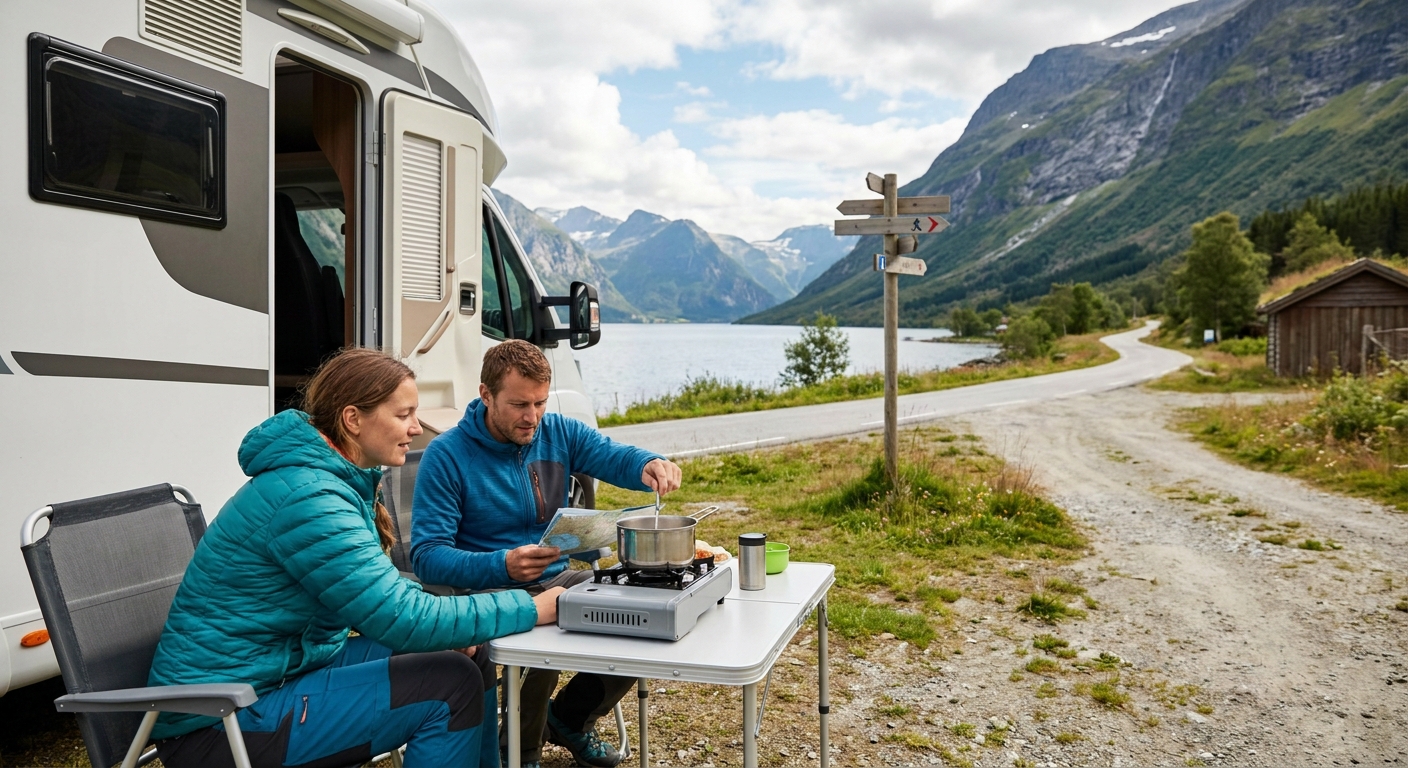
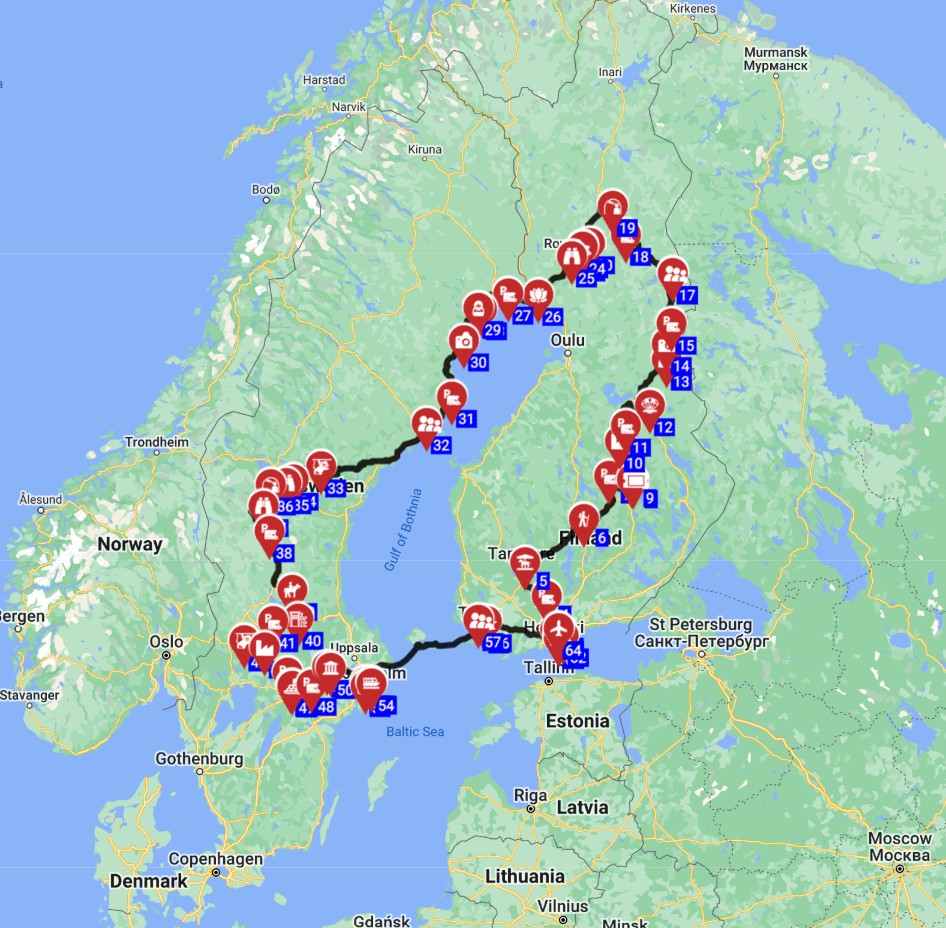
Norway's fjord region offers dramatic landscapes and access to stunning hiking trails, often with campgrounds situated directly by the water or mountains, such as those along the Geirangerfjord or in the Lofoten Islands. Sweden provides abundant lakeside and forest campgrounds, perfect for enjoying 'Allemansrätten' close to nature reserves, with over 1,000 official campsites offering various facilities. Denmark's coastlines feature family-friendly campsites with easy access to beaches and charming seaside towns like Skagen or Bornholm, ideal for relaxed exploration. Finland's Lakeland region also boasts thousands of serene spots amidst its extensive network of lakes. Many of these top destinations offer a mix of private, municipal, and even remote primitive sites for couples seeking different levels of immersion and amenities. For inspiration on where to go, consider pre-planned itineraries like the Lulea Round trip - Timeless Scandinavia: Fjords, Forests, and History available through RV PLANET.
Campground Types in Scandinavia (National, Private, Wild)
Couples RVing in Scandinavia will encounter several campground types, each offering a distinct experience. National park campgrounds typically offer basic facilities, prioritizing immersion in nature, and often operate on a first-come, first-served basis, with only 25%-30% of spots reservable online in advance. Private campgrounds are abundant across Scandinavia, providing a wide range of amenities like electric hookups (typically a 2-pin CEE plug with 220-240V), showers, laundry, and often shops or restaurants, with varying price points. Wild camping (or 'freedom camping') is largely permitted under 'Allemansrätten' (the Right to Roam) in Sweden, Norway, and Finland, allowing overnight stays for a night or two away from inhabited buildings. This is provided you leave no trace, do not disturb the landowner, and maintain a respectful distance (typically 150 meters) from homes. Denmark has much stricter regulations, generally limiting wild camping to designated primitive sites, making official campgrounds the primary option there.
Featured RV Park or Campground in Scandinavia
When selecting an RV park in Scandinavia, couples should prioritize locations that offer a balance of natural beauty, convenient access to local attractions, and amenities suited for a comfortable stay. Consider the Lofoten Beach Camp in Norway, offering stunning coastal views and direct beach access, perfect for a romantic sunset. Look for campgrounds near national parks or scenic routes that provide electric hookups, clean facilities, and perhaps direct access to hiking, kayaking, or cycling paths for active couples. Many top-rated sites feature waterfront pitches, proximity to charming villages for cultural immersion, and on-site services like small shops or cafes, enhancing the overall travel experience. For a truly authentic local experience, try seeking out smaller, less-touristed municipal campgrounds that offer a glimpse into local life. Our "RV Travel Guide to Scandinavia - Tips and Top Spots 2026" can provide more specific recommendations.
Hookups & Amenities - What to Expect
Most Scandinavian campgrounds offer essential hookups including electricity (typically a 2-pin CEE plug with 220-240V), fresh water refill points, and grey/black water dump stations. Couples should expect modern and clean facilities, with showers often requiring a small fee or tokens, and laundry services commonly available at private campgrounds. While Wi-Fi is frequently offered, it may be an extra cost and connectivity can vary, especially in more remote areas. Basic amenities like waste disposal and often a communal kitchen are standard, providing excellent opportunities to prepare delicious meals with local produce. For those who enjoy cooking on the road, exploring some RV-friendly recipes playlist can add a special touch to your adventure.
Booking Windows & Reservations in Scandinavia
For couples planning an RV trip to Scandinavia, booking campgrounds in advance is highly recommended during the peak summer months (June-August), especially for popular destinations or specific sites, to secure desired spots. Many national park campgrounds operate on a first-come, first-served basis, with some only releasing 25%-30% of spots for online reservations, ensuring that even without a booking, a place can almost certainly be found, if not at the first site, then at a nearby alternative. Spontaneous travelers during shoulder seasons (May, September) will find more flexibility, often able to book same-day or next-day, though calling ahead before driving to a remote campground is always wise. Don't stress too much about finding a spot; a bit of flexibility goes a long way. Checking a few options ahead of time is a smart move.
Nearby Supermarkets & Resupply Points
Couples RVing in Scandinavia can easily resupply at major supermarket chains like Rema 1000, Kiwi, and Coop in Norway; ICA and Coop in Sweden; and Netto, Føtex, and SuperBrugsen in Denmark. These stores are typically well-stocked with groceries, fresh produce, and often ready-made meals, providing convenient options for self-catering to save on dining costs. For a more authentic experience, look for local markets in towns and villages to find regional specialties, fresh seafood, and artisan products to enjoy at your campsite. Stopping at these markets allows you to immerse yourselves in the local culture and gather unique ingredients for memorable meals in your rented motorhome. Remember to bring reusable bags, as plastic bags often come with a small fee.
Best RV Class for Camping in Scandinavia
For couples exploring Scandinavia, a Class B Camper Van is often the most suitable choice, offering excellent maneuverability on narrow fjord roads and city streets. Vehicles like the "Category Van" are ideal for a couple, featuring front air conditioning, a shower, and a toilet, and are small enough for easy navigation. Bandana's fleet of campervans typically averages 5.8 meters in length and comfortably accommodates 2 adults. Alternatively, a Class SI Semi-integrated RV provides a comfortable balance of space and drivability, with models such as "2 Berth Rover" or "2 Berth Tamar" ideal for couples seeking a bit more living area without the bulk of larger models. These offer features like automatic transmission, front and roof air conditioning, a shower, and a toilet. Both Class B and Class SI generally offer better fuel efficiency for Scandinavian road trips, with Class B Camper Vans typically consuming 8-10 Liters/100 km and Class SI Semi-integrated models around 10-11 Liters/100 km, based on Bandana's global fleet averages. Consider what amenities are important for your comfort; do you prioritize a dedicated shower/toilet or are you happy with campground facilities?
How to Save on Campgrounds in Scandinavia
One of the most effective ways for couples to save on campground fees in Scandinavia is by utilizing campground discount cards, such as those offered through Bandana's rental partners, which can provide significant savings on daily rates. Consider traveling during the shoulder seasons (May, September) to benefit from lower prices and fewer crowds, as peak summer rates are often higher for comparable sites. Opting for municipal or regional campgrounds over private resorts, staying for three or more nights to access weekly rates, and utilizing designated wild camping spots where legally permitted can further reduce accommodation expenses. For instance, in Sweden, Norway, and Finland, 'Allemansrätten' allows for free overnight stays in many natural areas, as long as you adhere to "leave no trace" principles. Our "Cheap RV Rental in Scandinavia - Budget Guide 2026" can offer more budget-friendly tips.
What are the best RV routes in Scandinavia?
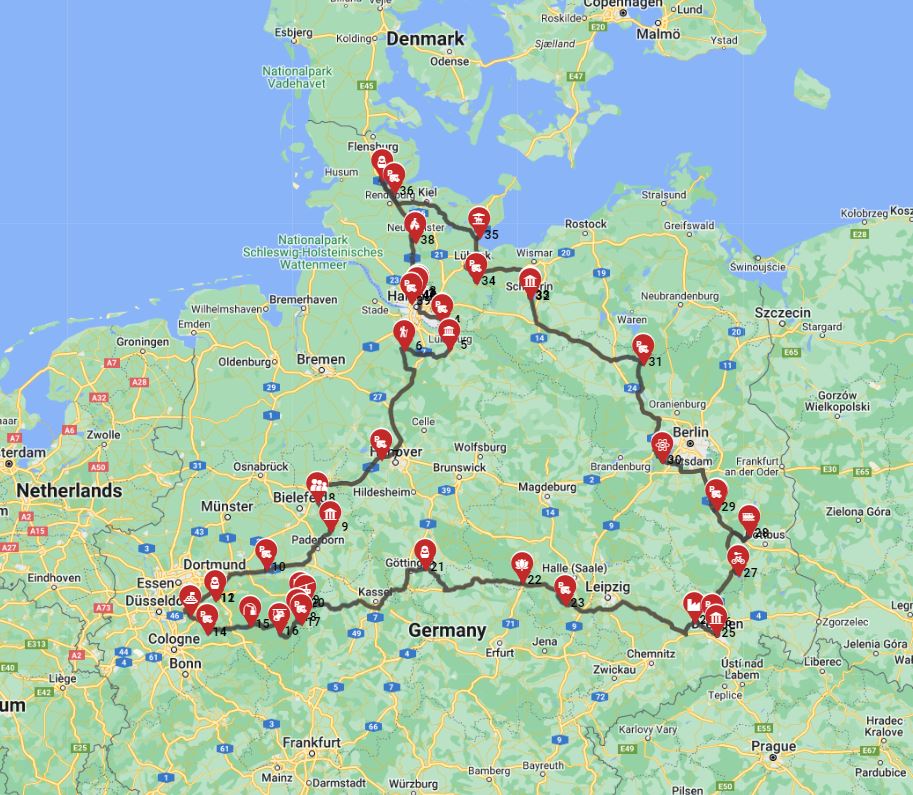
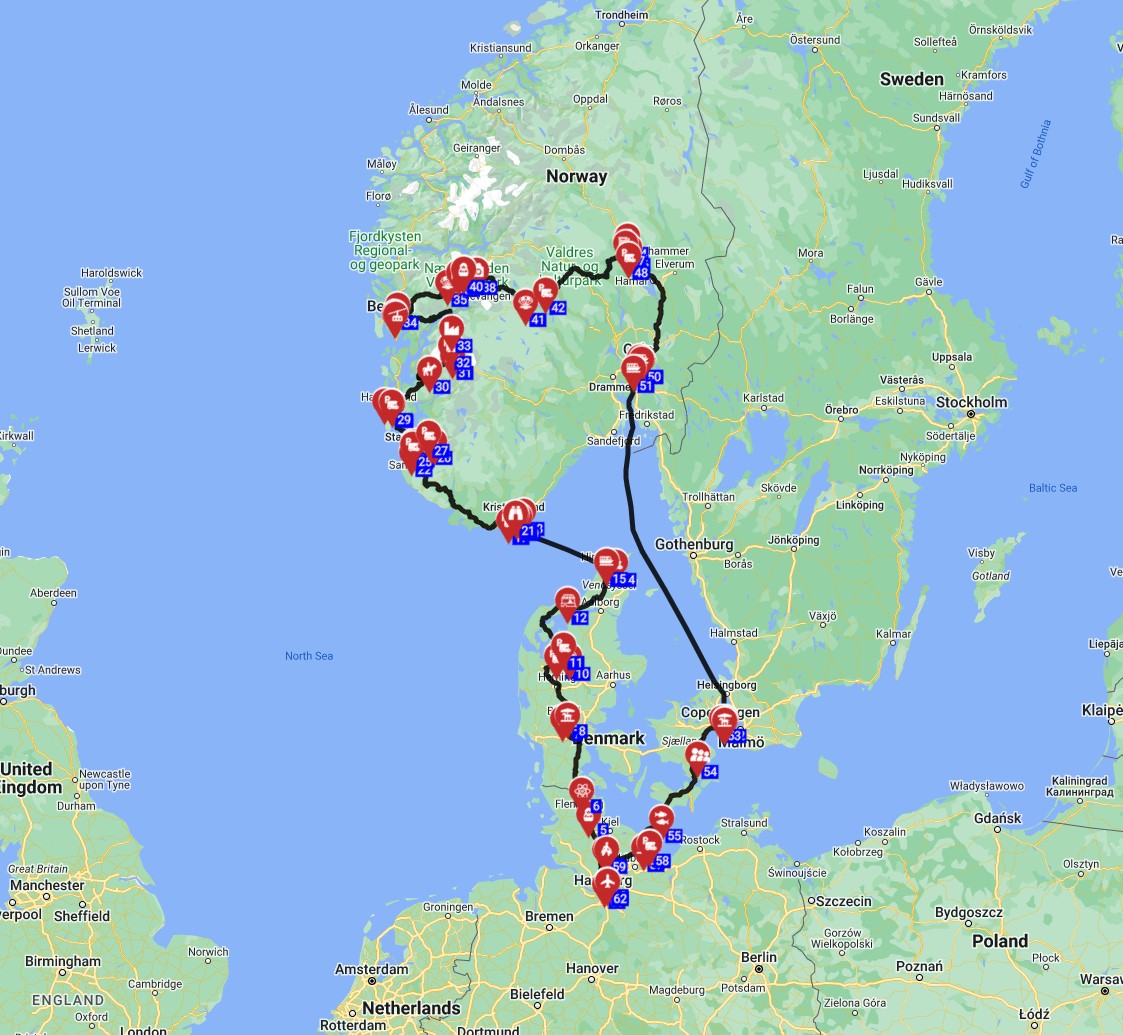
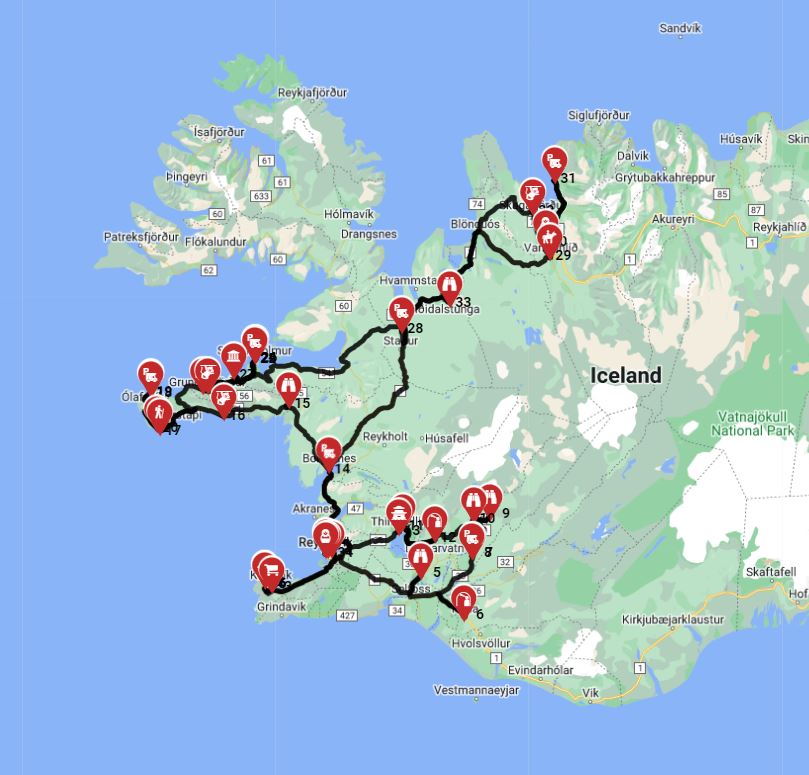
For couples, some of the best RV routes in Scandinavia include Norway's dramatic Atlantic Road and scenic fjord routes like Geirangerfjord and the Lofoten Islands, offering unparalleled coastal beauty and hiking opportunities. In Sweden, the West Coast's Bohuslän archipelago provides charming fishing villages and fresh seafood, while the interior offers vast forests and lakes perfect for tranquility; consider venturing into Lapland for a truly authentic wilderness experience and connection with Sami culture. Denmark's island-hopping routes, particularly on Funen and Bornholm, present picturesque coastal drives, historic castles, and easy cycling, while Finland's Lakeland region offers thousands of lakes and dense forests for serene escapes, encouraging travelers to seek out less-touristed local gems and interact with small communities. When planning your journey, remember to travel slowly, averaging a maximum of 100-150 km per day. This allows you ample time to feel the place, connect to the culture, the food, and the scenery. Our pre-planned route plans, such as "Lulea Round trip - Timeless Scandinavia: Fjords, Forests, and History" with its 2,910 km over 15 days, featuring 1 horse riding and 3 museum stops, are perfect for couples looking for expertly curated adventures. You can even get a 25% planning discount when you use rvplan.net for your route planning.
How long does it take to drive through Scandinavia?
Driving through Scandinavia can take anywhere from a quick week-long tour of a single country to an immersive 4-6 week journey exploring multiple nations, depending on the desired pace and depth of exploration for couples. A comprehensive RV trip covering key highlights of Norway, Sweden, and Denmark typically requires at least 3 weeks to allow for leisurely drives, ample time for sightseeing, hiking, and enjoying local culture without feeling rushed. Factor in slower travel speeds on scenic routes, frequent stops for photographs, ferry crossings (especially in Norway), and potential rest days when planning your itinerary to ensure an enjoyable and sustainable pace. For example, the Lulea Round trip - Timeless Scandinavia: Fjords, Forests, and History is designed for 15 days, allowing plenty of time to experience everything without rushing. Consider our "Weekly RV Rental in Scandinavia - Pricing 2026" guide for duration-based costs.
What documents do I need to rent an RV in Scandinavia?
To rent an RV in Scandinavia, couples will typically need a valid car driver's license from their home country, which must be held for at least one to three years depending on the rental company's policy. A standard car driver's license is sufficient for all motorhome classes (Class A, Class B, and Class C), with no special license, CDL, or additional permits required. An International Driving Permit (IDP) is highly recommended for visitors from non-English-speaking countries as a translation of your national license, although it is not mandatory in most cases. Other essential documents include a passport for identification, a major credit card for the security deposit and payment, and a printed copy of your RV rental agreement to present at pickup. Remember, Bandana ensures full transparency, so there are no hidden fees or surprises regarding document requirements.
What are the driving laws for RVs in Scandinavia?
RV drivers in Scandinavia must adhere to specific driving laws, including speed limits which are often lower for larger vehicles than for passenger cars; for example, RVs over 3.5 tons may be limited to 80 km/h on rural roads. Headlights must be on at all times, even during daylight hours, which is a common rule across all Scandinavian countries. Road tolls are common, particularly in Norway (e.g., AutoPASS system), and often automated, so familiarizing yourself with payment methods or ensuring your rental RV has the necessary transponder is crucial. Also, be aware of environmental zones in larger cities, which may require specific vehicle registrations or incur charges. Mandatory winter tire use (studded or non-studded) is enforced during specific periods in Norway, Sweden, and Finland, typically from November to April. Drivers should be prepared for varying road conditions including narrow fjord roads, mountain passes, and tunnels, while also carrying a reflective vest and warning triangle in case of breakdown. Drive slowly and carefully, and you can drive almost anywhere without issues. No need to stress - just use common sense and pay attention.
Can you wild camp in Scandinavia?
Wild camping is widely permitted for couples RVing in Sweden, Norway, and Finland under the principle of 'Allemansrätten' (the Right to Roam), which grants public access to nature. This right allows you to stay overnight for 1-2 nights on uncultivated land, as long as you 'don't disturb, don't destroy' and maintain a respectful distance (typically 150 meters) from inhabited houses. While Denmark has much stricter regulations, generally limiting overnight stays to designated primitive campsites or specific 'shelters', the other Scandinavian countries offer incredible opportunities for responsible freedom camping, away from crowded sites. Practicing strict 'Leave No Trace' principles is paramount when wild camping, which includes packing out all trash, disposing of human waste properly, respecting privacy, avoiding open fires during dry periods, and ensuring no damage is done to flora or fauna, preserving the pristine environment for others. This freedom offers unparalleled intimacy for a couples' adventure.
Is it safe to RV in Scandinavia?
RVing in Scandinavia is generally very safe for couples, owing to low crime rates and well-maintained infrastructure across all countries. The primary safety considerations revolve around driving conditions, particularly navigating narrow, winding roads, potentially encountering wildlife like reindeer, and adapting to varying weather, especially outside of peak summer. However, locals are typically very friendly and helpful. With proper planning, adherence to local driving laws, and common-sense precautions such as securing belongings and being mindful of weather forecasts, couples can enjoy a secure and worry-free RV adventure. Remember, you can always upgrade to a top-level deductible for extra peace of mind, offering added security for your journey. Bandana also provides support before and after your booking, so you're never alone in the planning process.
What do you need to know before going to Scandinavia?
Before embarking on an RV trip to Scandinavia, couples should be aware of the local currencies, which are Norwegian Krone, Swedish Krona, and Danish Krone; Euros are generally not universally accepted. While English is widely spoken, especially in tourist areas, learning a few basic phrases in Norwegian, Swedish, or Danish can enhance your interactions with locals. Packing in layers is crucial due to variable weather, even in summer, including waterproof and windproof outerwear, alongside comfortable walking shoes for exploring diverse terrains. Familiarize yourselves with basic emergency numbers for each country, consider purchasing a local SIM card or eSIM for reliable connectivity, and research cultural etiquette to enhance interactions with locals and make the most of your journey. Remember, Bandana RV offers true RV specialists who genuinely know RV travel and are here to help you every step of the way, making your Scandinavian adventure truly unforgettable.
What You Shouldn't Miss
- **The Norwegian Fjords:** Drive the scenic routes around Geirangerfjord and Nærøyfjord, stopping at numerous viewpoints and small villages. Take a ferry ride through the majestic fjords.
- **Lofoten Islands, Norway:** Explore picturesque fishing villages, white sandy beaches, and dramatic mountains under the Midnight Sun or Northern Lights. Hike to iconic spots like Reinebringen for incredible panoramas.
- **Swedish Lapland & Abisko National Park:** Experience the pristine Arctic wilderness, from dog sledding and Northern Lights viewing in winter to hiking and foraging in summer.
- **The Danish Coastline:** Cycle along the charming coastal paths of Zealand or Funen, visiting historic castles and relaxed seaside towns like Skagen, known for its unique light.
- **Finland's Lakeland Region:** Discover thousands of tranquil lakes by canoe or kayak, enjoy sauna culture, and experience the quiet beauty of dense forests.
- Looking for expert insights from Avi Bandana? Top 5 Adventures - recommendations from Avi Bandana
Final Thoughts
A romantic RV camping trip in Scandinavia offers couples an incredible blend of adventure, natural beauty, and intimate moments. From the dramatic fjords of Norway to the serene lakes of Finland and the charming coastlines of Denmark, the region is perfectly suited for exploration in a rented motorhome or campervan. With a bit of planning and the right vehicle, you'll discover a world of possibilities for creating unforgettable memories together.
At Bandana, we are passionate about helping you craft these perfect journeys. We're true RV specialists who understand the nuances of international RV travel and are committed to providing full transparency and dedicated support from your first inquiry to your confirmed booking. So, pack your bags, plan a trip itinerary in advance with minimal effort and maximum enjoyment, and get ready to experience the magic of Scandinavia, just the two of you.
Discover top destinations, planning tips, all in one place! Get inspired for your next trip!
🎬 Video coming soon