In This Guide
- Where to Camp in France — Top Options
- Campground Types in France (National, Private, Wild)
- Featured RV Park or Campground in France
- Hookups & Amenities — What to Expect
- Booking Windows & Reservations in France
- Nearby Supermarkets & Resupply Points
- Best RV Class for Camping in France
- How to Save on Campgrounds in France
- What are the best routes and unique destinations for couples RVing in France?
- What cultural etiquette and phrases should couples know for RV travel in France?
- What should couples pack for an RV adventure in France?
- How do couples navigate tolls, narrow roads, and city centers in a French RV?
- How do couples ensure connectivity and handle emergencies while RVing in France?
Where to Camp in France — Top Options
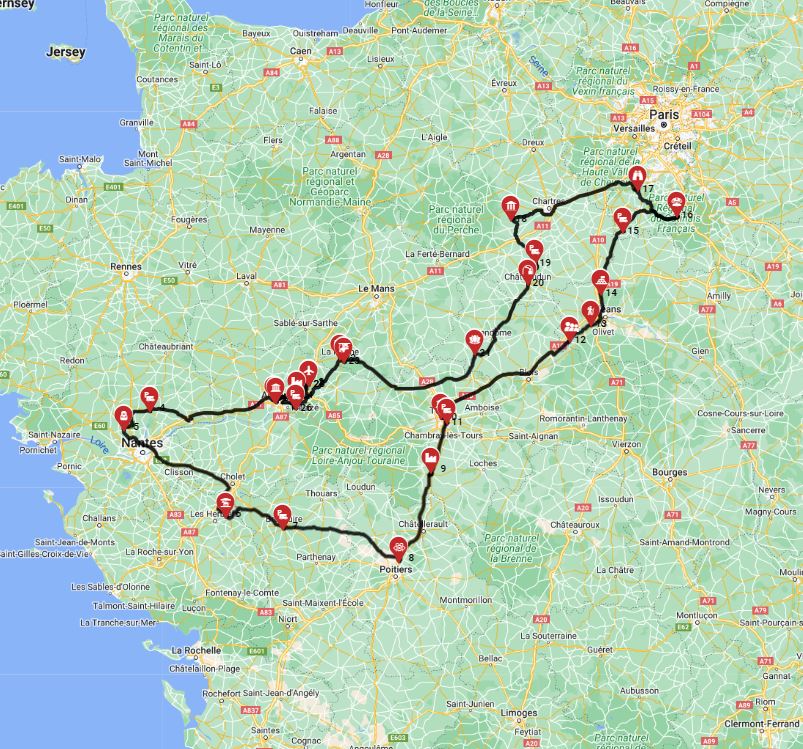
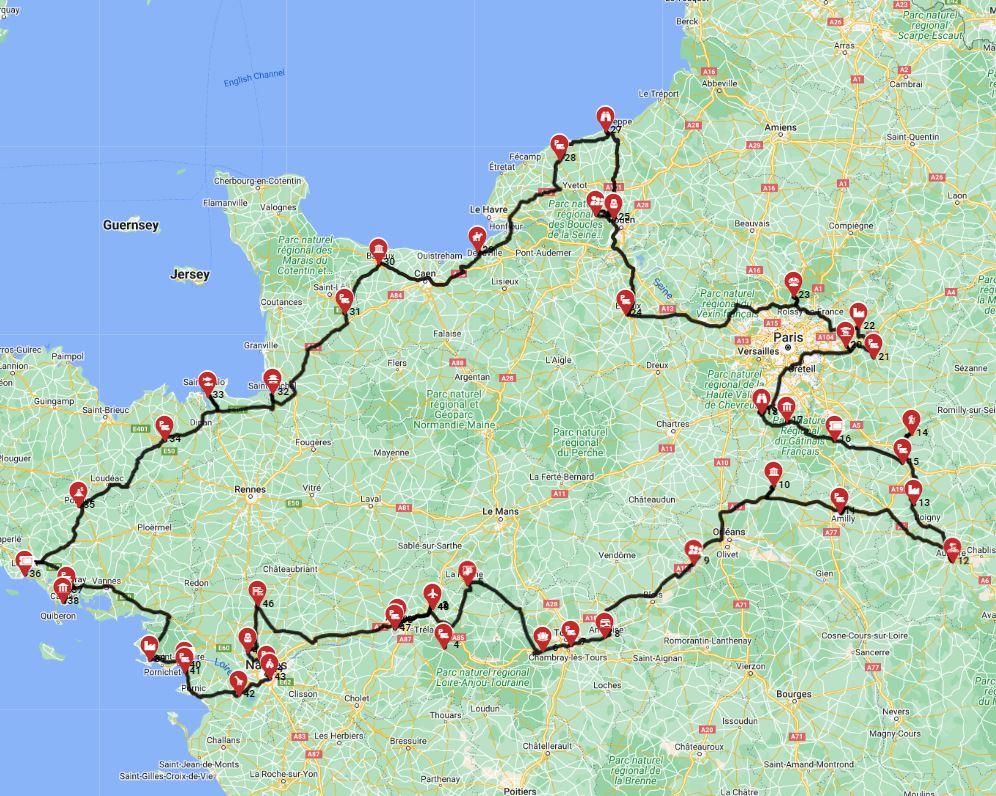
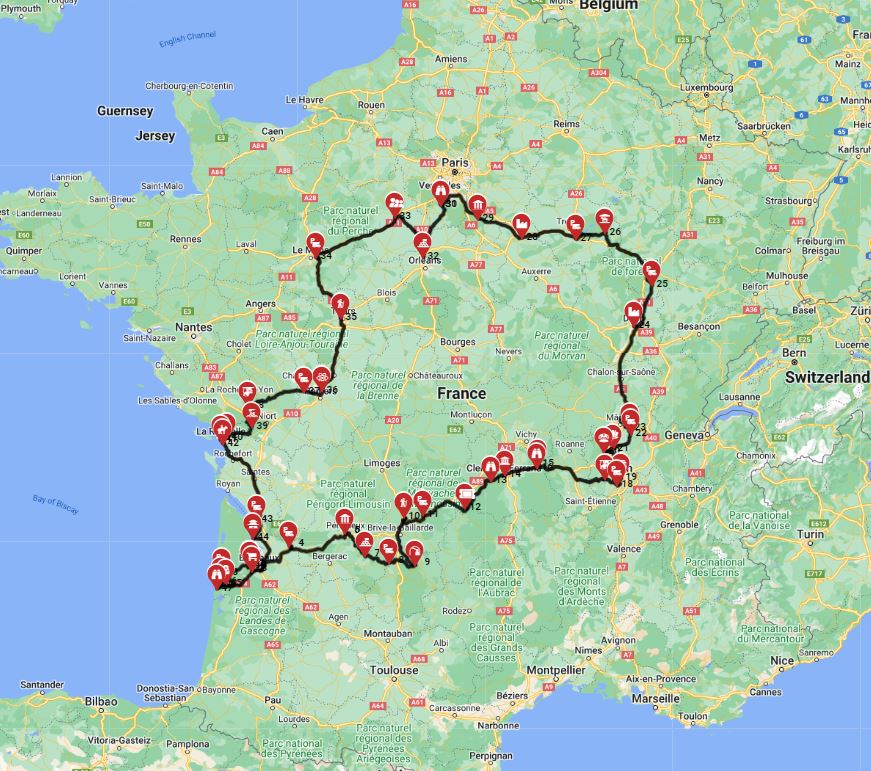
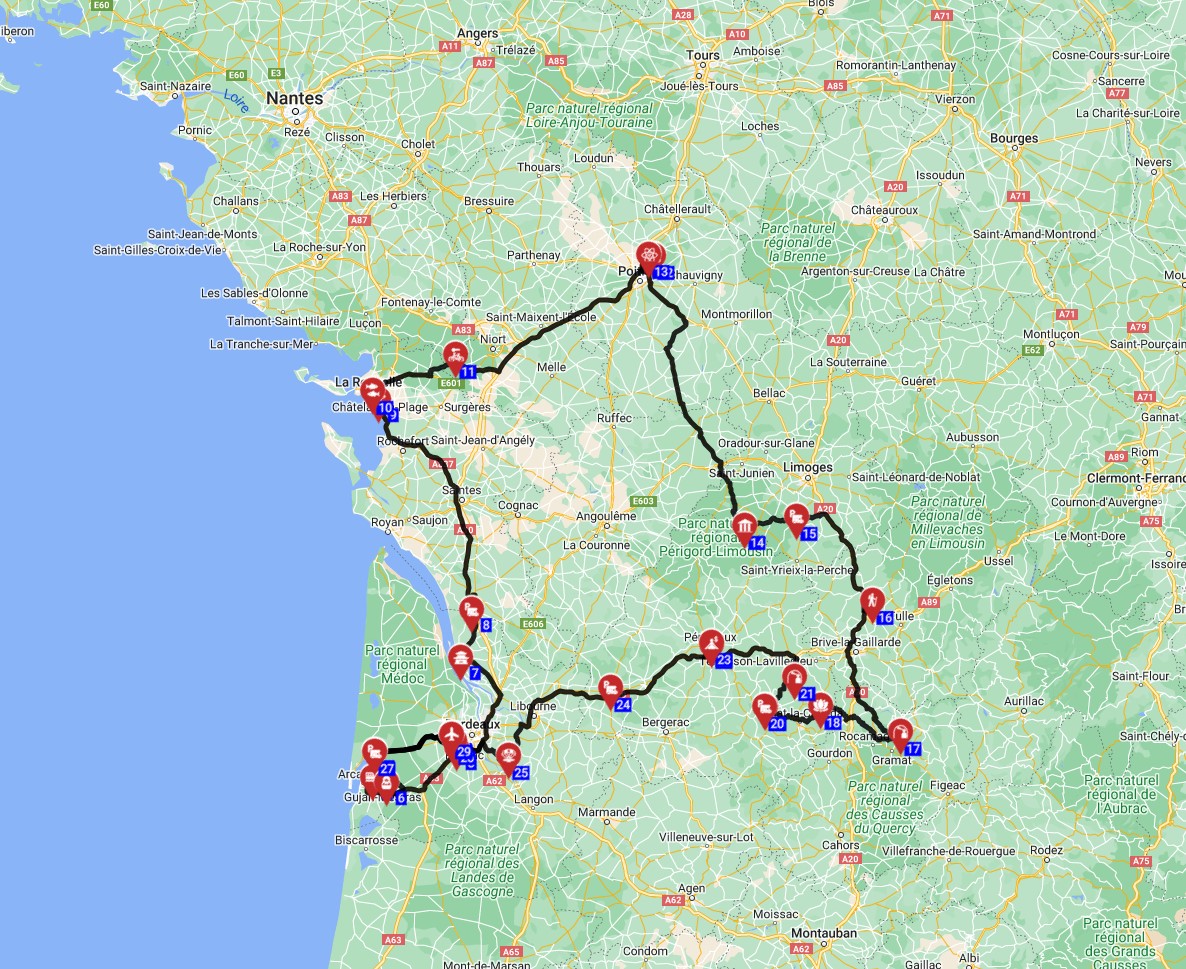
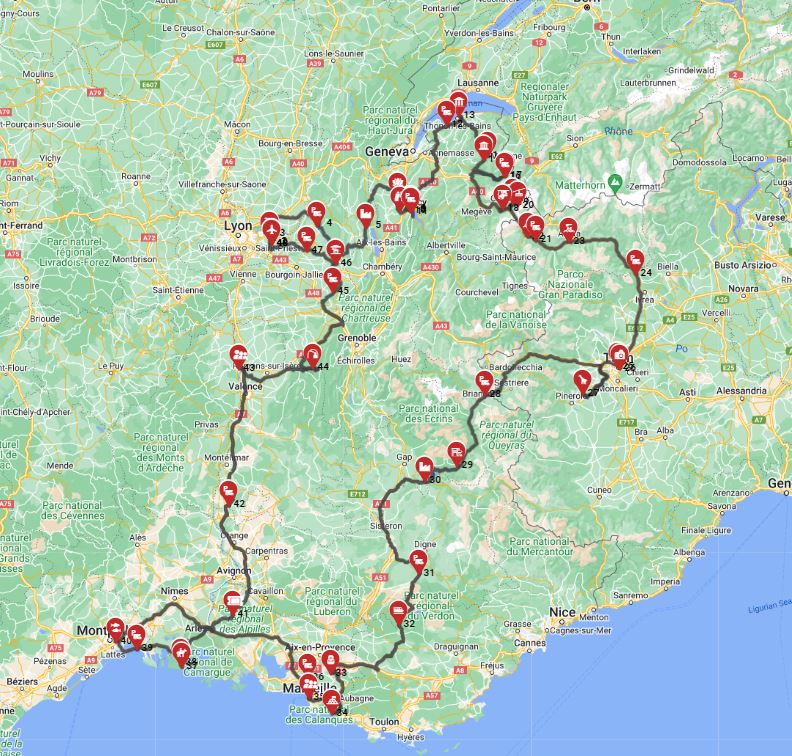
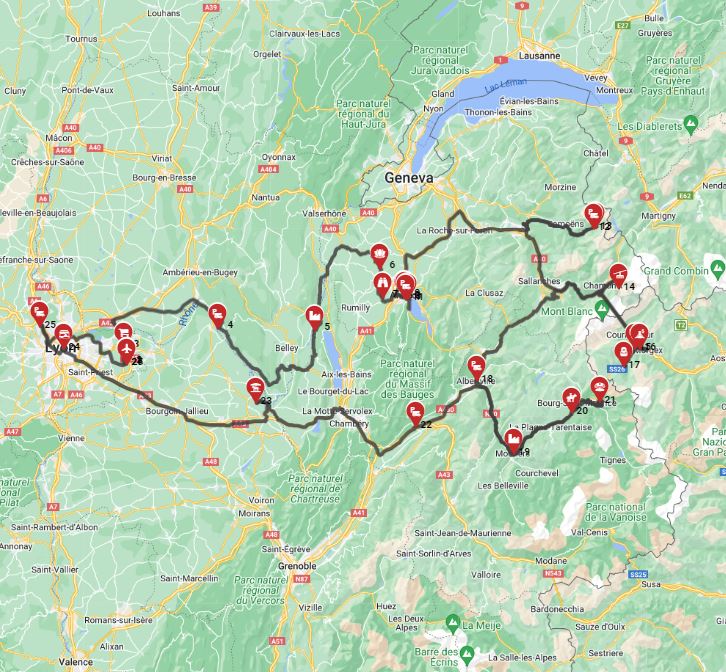
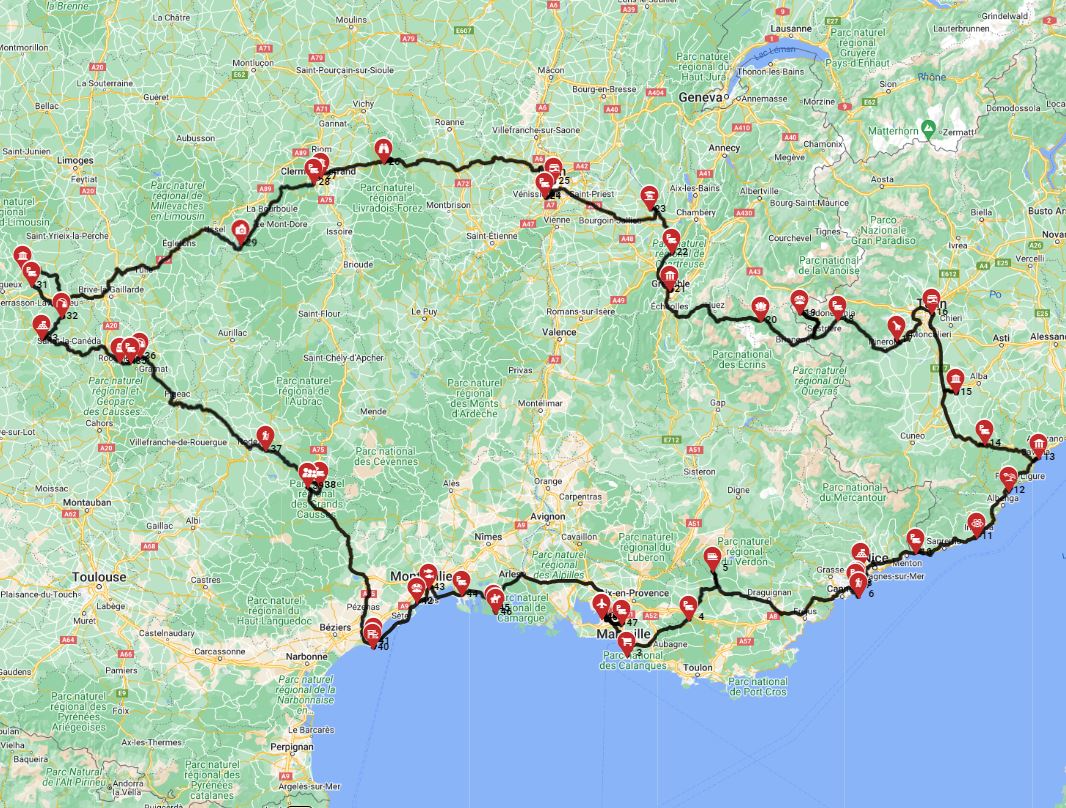
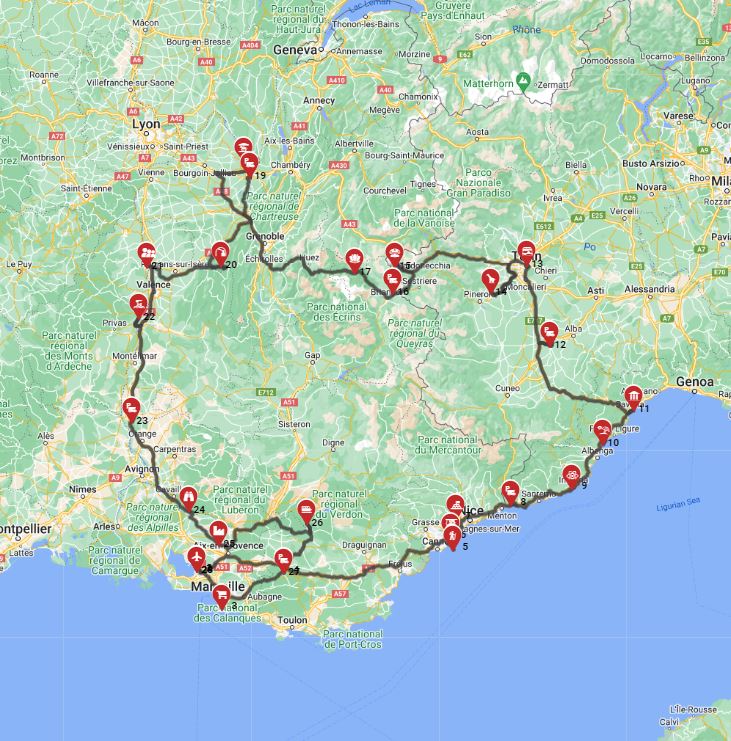
France offers an incredible diversity of landscapes perfect for RV exploration by couples. You can explore scenic regions like the Mediterranean coast in Provence or the French Alps, discover prehistoric sites and medieval castles in the Dordogne, or embrace the wild coastlines and Celtic heritage of Brittany. Popular destinations like Provence or the Côte d'Azur provide vibrant experiences, while quieter, less-traveled areas offer a more intimate and romantic escape.
Leveraging online resources and campground directories is key to uncovering hidden gems. Look for regions that align with your interests, whether it's wine tasting in Alsace, exploring lavender fields in Provence, or enjoying the dramatic natural beauty of the Gorges du Verdon. Each region presents unique opportunities for couples to connect with the French landscape and culture.
Campground Types in France (National, Private, Wild)
France offers a rich tapestry of campground types, catering to various preferences and budgets for RV-loving couples. You'll find highly-rated private campsites with extensive amenities, simpler municipal and regional campgrounds often run by local authorities, and, importantly, strictly regulated rules around 'wild camping'.
Private Campgrounds: These are often rated 3-5 stars and boast comprehensive amenities such as swimming pools, on-site restaurants, and organized entertainment. While offering maximum comfort, they generally come with a higher price tag. They are a good option for couples seeking a resort-style experience.
Municipal/Regional Campgrounds: More basic than private sites, these are frequently operated by local authorities. They typically offer fewer amenities but are more affordable and can provide a more authentic local experience, often situated in or near charming villages.
National Park Campgrounds: Designed to preserve the natural environment, these sites are often very basic, with strict rules to maintain ecological balance. They are perfect for couples prioritizing nature and eco-friendly practices, offering a truly immersive outdoor experience.
Aires de Service: France is renowned for its extensive network of 'aires de service' – dedicated motorhome stopovers. Many are free or low-cost and provide essential services like fresh water and waste disposal, ideal for convenient overnight parking and quick resupplies.
France Passion: This unique network allows self-sufficient RVs to stay overnight for free at farms, vineyards, and artisan producers. A membership is required, and it offers unparalleled opportunities for cultural immersion and direct interaction with local businesses.
Wild Camping: It's crucial to understand that wild camping is generally illegal outside of designated areas in France. While enforcement can vary, sticking to legal options is best to avoid fines and ensure sustainable travel practices, respecting local regulations and the environment.
Featured RV Park or Campground in France
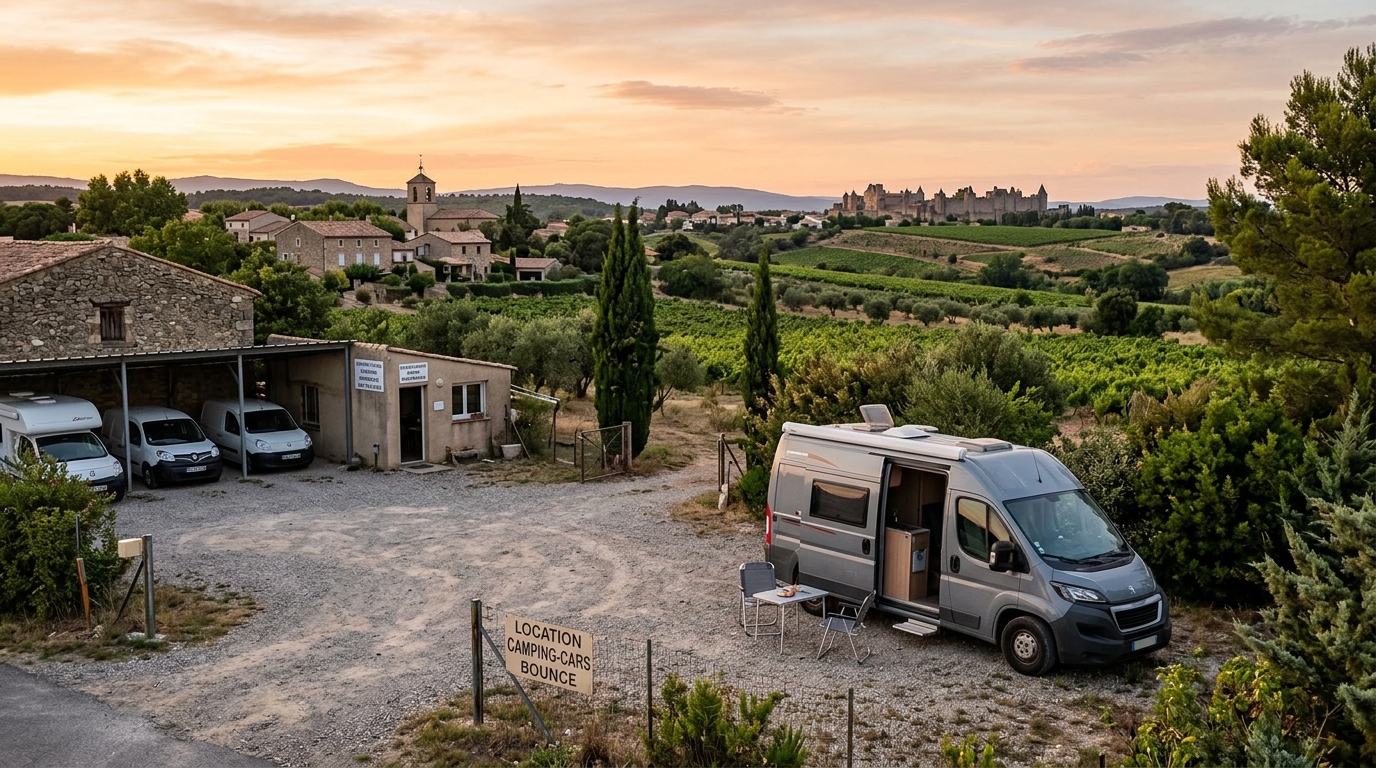
While specific recommendations can vary greatly depending on the region you're exploring, couples seeking a featured RV park in France should prioritize sites offering a harmonious blend of tranquility, essential amenities, and convenient proximity to romantic or scenic attractions. Look for campgrounds celebrated for their peaceful atmosphere, breathtaking views, and easy access to local delights like vineyards, scenic hiking trails, or picturesque villages.
Consider amenities that genuinely enhance a couple's experience, such as private shower facilities for added comfort, on-site dining options for romantic evenings, or bike rentals perfect for leisurely exploration of the surrounding countryside. Often, smaller, independently run campgrounds are highlighted for their unique character and the authentic cultural immersion they provide, offering a more personal and memorable stay.
Hookups & Amenities — What to Expect
When RV camping in France, couples can generally expect developed campgrounds to offer standard amenities such as reliable electric hookups, readily available fresh water access, and convenient grey/black water disposal points. The electrical connectors are typically standard across Europe, ensuring compatibility.
Electricity: The standard supply is 230V, 50Hz. You will need a European CEE blue 3-pin campsite adapter for the hookup, and potentially a CEE7/7 'Schuko' plug adapter for specific outlets within the RV.
Water: Fresh water taps are usually found at pitches or central points. While many sites provide water, bringing your own hose and a selection of connectors is always a good idea for maximum convenience.
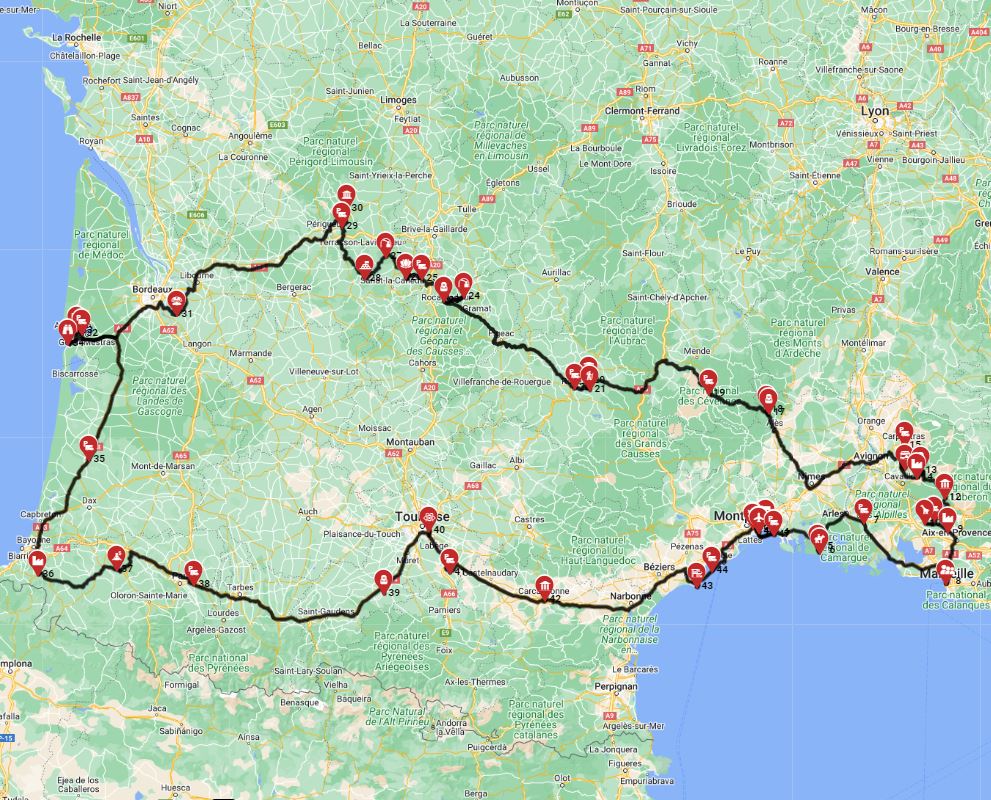
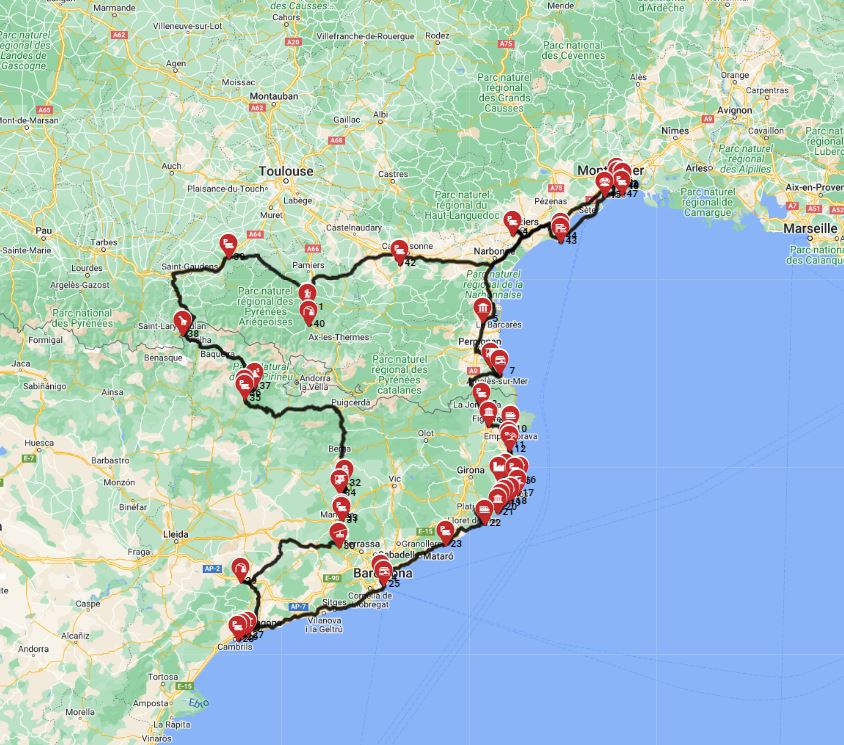
Waste Disposal: Grey and black water dump stations, known as 'vidange', are standard at most developed sites, usually located at a central service point. On the routes offered through RV PLANET routes, you can itemize and track every expense along the way for easy budgeting.
Showers & Toilets: Facilities are generally kept clean, though some older municipal sites might offer more basic amenities. Hot water is typically included, adding to the comfort.
Wi-Fi: Many larger sites offer Wi-Fi, but be aware that it can sometimes be slow or limited to reception areas, particularly in more rural locations. Consider having an alternative connectivity solution.
Laundry: Most larger campgrounds provide washing machines and dryers for a fee, which is a very useful amenity for longer trips.
Booking Windows & Reservations in France
For couples planning their RV camping adventure in France, booking popular campgrounds well in advance is essential, particularly for the high season (July-August). Spontaneous travelers might find more flexibility during the shoulder seasons or at less-traveled sites, but it’s always wise to have a plan.
High Season (July-August): Expect campgrounds in sought-after regions like the Côte d'Azur, Provence, and popular coastal areas to fill up quickly. Booking several months ahead is highly recommended to secure your preferred spot.
Shoulder Season (May-June, Sept-Oct): This period offers greater booking flexibility. It’s often possible to book just a few days ahead or even secure same-day spots, though calling ahead is always advisable to confirm availability.
National Park Campgrounds: Many national park campgrounds release only 25%-30% of their spots for reservations, with the majority operating on a first-come, first-served basis. Arrive early if you haven't booked.
Reassurance: While a specific first-choice campground might be full, couples will almost certainly find a place to stay. If your first option is unavailable, the next campground or the next town often has openings, especially if you call ahead to inquire.
Couples Tip: Opting for off-peak travel can lead to fewer crowds, more booking flexibility, and often more romantic, quiet settings, enhancing the overall experience.
Nearby Supermarkets & Resupply Points
Resupplying your RV in France is a convenient and straightforward affair for couples, thanks to an extensive network of hypermarkets and supermarkets easily accessible in most towns and cities. You'll find major supermarket chains readily available, offering everything from groceries to household essentials.
Look out for national chains such as Carrefour, E.Leclerc, Auchan, Super U, and Intermarché, alongside the more budget-friendly options like Lidl and Aldi. These stores provide a wide selection and competitive prices, making it easy to stock up for your travels.
Hypermarkets: Typically located on the outskirts of larger towns, these massive stores offer the most extensive selections and often the best prices, perfect for a significant stock-up. Their presence makes RVing a very practical choice for longer trips.
Supermarkets: Smaller branches found within towns and villages are ideal for quick stops and daily essentials, ensuring you're never far from necessary supplies.
Local Markets (*Marchés*): Don't miss the opportunity to visit local markets, usually found in town squares. Here, you can discover fresh produce, artisanal cheeses, regional specialties, and soak in the authentic French culture – a delightful experience for any couple.
Fuel Stations: Many hypermarkets also feature their own fuel stations, which often have more competitive prices compared to those found directly on the motorways (*autoroutes*).
Best RV Class for Camping in France
For couples embarking on an RV adventure in France, the Class B Camper Van and Class SI Semi-integrated RVs generally emerge as the most practical and comfortable choices. Their maneuverability and compact size are significant advantages on France's often narrow roads and within charming historic city centers, while still offering essential amenities for two travelers.
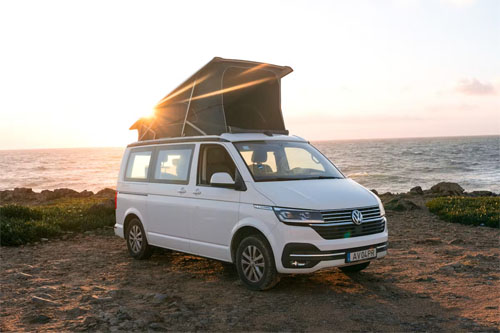
Class B - Camper Van: With an average length of around 5.8 meters across Bandana's global fleet, these are highly maneuverable, making them easier to navigate on narrow French roads and simpler to park. They are ideal for couples, offering sufficient comfort and facilities without being cumbersome. Fuel consumption is typically efficient, averaging 8-10 Liters/100 km, and their compact nature makes them excellent for discreet overnight parking options (boondocking).
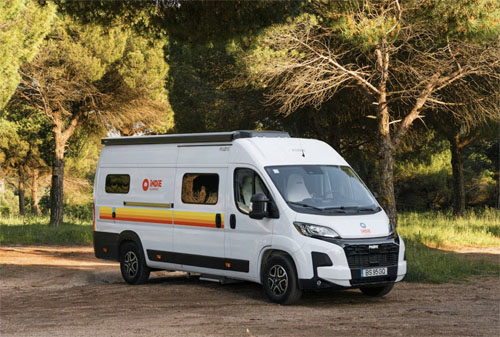
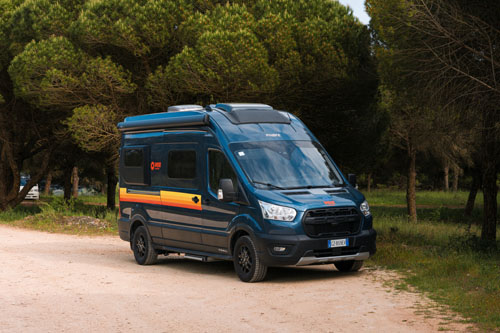
Class SI - Semi-integrated: Averaging approximately 6.9 meters in length, these RVs provide more living space and amenities than a camper van, striking a good balance. They are designed for comfort and offer a good compromise between living space and ease of driving compared to larger Class C (avg. 7.5m) or Class A (avg. 7.5m) motorhomes, which can present challenges on rural French roads and in city centers.
When considering your rental, think about the ease of driving and parking. The smaller footprint of a Class B or SI model will significantly enhance your experience, allowing for more spontaneous exploration of France's picturesque villages and countryside.
How to Save on Campgrounds in France
Couples can significantly reduce their RV camping expenses in France by strategically utilizing discount cards, traveling during the advantageous shoulder seasons, and opting for municipal or regional sites over more luxurious, private resorts.
Discount Cards: Investing in campground discount cards, such as the ACSI Camping Card or Camping Cheques, can unlock significant savings at participating sites, particularly during the off-peak seasons. These cards often provide reduced rates for pitches, making extended stays more affordable.
Shoulder Season Travel: Traveling in May-June or September-October not only means fewer crowds but also noticeably lower campground prices. This period often provides a more romantic and peaceful experience, allowing for greater flexibility in booking.
Municipal & Regional Campgrounds: These sites are frequently more affordable than private, resort-style parks. They can also offer a more authentic French experience, immersing you in local life and supporting local economies.
Longer Stays: Many campgrounds offer weekly rates that are more economical than nightly rates. If your itinerary allows for longer stays in one location, always inquire about these discounted packages.
France Passion & Aires: Maximize your savings by utilizing the free or low-cost overnight stays offered through the *France Passion* network and the numerous *aires de service*. These options provide essential parking and basic services without the premium cost of traditional campgrounds.
What are the best routes and unique destinations for couples RVing in France?
Beyond the well-trodden paths, France offers a wealth of unique routes and destinations perfect for couples exploring by RV. Consider venturing along the Alsace Wine Route for a charming blend of vineyards and picturesque villages, or marvel at the dramatic turquoise waters of the Gorges du Verdon, Europe's grandest canyon, ideal for hiking and kayaking. The Dordogne Valley beckons with prehistoric caves, stunning castles, and a tranquil river, offering a historical and peaceful escape.
For those seeking rugged coastlines and a distinct Celtic heritage, Brittany provides wild Atlantic beaches and ancient megaliths. The Jura Mountains and their pristine lakes offer a less-discovered gem for nature-loving couples, complete with hiking opportunities and unique local cheeses and wines. These less-known regions, especially when explored during the shoulder seasons (May-June, September-October), promise more intimate and authentic experiences, allowing couples to truly connect with the French countryside away from the peak-season crowds.
What cultural etiquette and phrases should couples know for RV travel in France?
Understanding basic French cultural etiquette and mastering a few key phrases can significantly enhance your RV travel experience in France, fostering positive interactions with locals and a deeper appreciation for the culture. Politeness and respect are highly valued, and even a small effort in the local language is often greatly appreciated.
Greetings: Always begin interactions with a polite greeting. Use 'Bonjour' (good day) or 'Bonsoir' (good evening) when entering any shop, restaurant, or addressing someone. Remember to say 'Au revoir' (goodbye) when leaving.
Politeness: Frequent use of 'S'il vous plaît' (please) and 'Merci' (thank you) is customary and appreciated. Addressing adults as 'Madame' or 'Monsieur' shows respect, especially when interacting with campground staff or shopkeepers.
Dining: Tipping is not obligatory in France as a service charge is usually included in the bill. However, rounding up the bill or leaving a few extra euros for excellent service is a common and appreciated gesture. It's also considered polite to wait for the bill to be presented rather than asking for it prematurely.
Driving: Be mindful of speed limits and road signs, which are strictly enforced. On narrow country roads, a brief flash of headlights can signal you are passing, but always do so with caution.
Local Markets: Engage with vendors, try samples, and use your basic French phrases. Locals appreciate the effort, which can lead to more authentic interactions and recommendations.
Essential Phrases: 'Parlez-vous anglais?' (Do you speak English?), 'Je ne comprends pas' (I don't understand), 'Où sont les toilettes?' (Where are the toilets?), and 'L'addition, s'il vous plaît' (The bill, please) will be incredibly useful.
What should couples pack for an RV adventure in France?
For a comfortable and enjoyable RV adventure in France, couples should pack versatile clothing suitable for varying weather conditions, essential personal items, and specific gear tailored for European RV travel. Attention to detail in packing can make a significant difference to your journey.
Clothing: Focus on layers for changing temperatures. Pack comfortable walking shoes, swimwear for coastal or lakeside stops, and a reliable light rain jacket. Evenings can be cooler, so a warmer layer is advisable.
Documents: Ensure all essential documents are in order: passports, valid driver's licenses (an International Driving Permit is often recommended for non-EU licenses), your RV rental agreement, travel insurance details, and credit cards for expenses.
Navigation: While GPS devices with European maps are invaluable, always carry a physical map as a backup. Ensure your mobile phone has a suitable data plan for reliable connectivity and navigation apps.
RV-Specific Gear:
- Power Adapter: A European CEE blue 3-pin campsite adapter is essential for hookups. A CEE7/7 'Schuko' plug adapter might also be useful for certain outlets.
- Levelling Blocks: Critical for ensuring your RV is stable and level on potentially uneven pitches, especially common at 'aires'.
- Water Hose & Connectors: A long hose with various connectors is highly recommended for refilling fresh water tanks efficiently.
- Safety Vest & Warning Triangle: These are legally required to be carried in your vehicle in France.
- Basic Tool Kit: For minor on-the-road repairs or adjustments.
Entertainment: Books, travel games, portable speakers, and charging cables will enhance downtime. A power bank is also a useful item for keeping devices charged on the go.
Kitchen Essentials: Pack reusable shopping bags, small food containers for leftovers, and, of course, a corkscrew – it's France, after all!
Health & Safety: A basic first-aid kit, any necessary prescription medications, sunscreen, insect repellent, and hand sanitizer are important additions to your packing list.
How do couples navigate tolls, narrow roads, and city centers in a French RV?
Navigating France's roads in an RV as a couple requires preparation, an awareness of local signage, and sometimes strategic route planning to ensure a smooth and stress-free journey. France's infrastructure is generally excellent, but some specific considerations are key for RV drivers.
Tolls (*Péages*): Many French motorways (*autoroutes*) are toll roads. You can use dedicated 't' (télépéage) lanes if you have an electronic tag or 'CB' (credit card) lanes for payment. Avoid lanes marked with height restrictions or for *poids lourds* (heavy goods vehicles) unless they are applicable to your RV's size. Budgeting for tolls is advisable, or alternatively, plan routes using national roads (N-roads), which are free, slower, and often more scenic.
Narrow Roads: Rural and village roads can be very narrow, and a smaller RV, like a Class B campervan or a Class SI semi-integrated model, is highly advantageous for maneuverability. Having a co-pilot for guidance, especially when entering villages or negotiating tight turns, is invaluable. Be prepared to pull over to allow oncoming traffic to pass on single-lane routes.
City Centers: It's generally best to avoid driving into major French city centers with an RV. Look for designated parking areas on the outskirts or utilize park-and-ride facilities, then explore the city using efficient public transport. Be aware of Low Emission Zones (ZFE) in many French cities; while rental RVs usually meet standards, it’s wise to check requirements and consider obtaining a Crit'Air sticker if necessary.
How do couples ensure connectivity and handle emergencies while RVing in France?
Maintaining connectivity and being prepared for emergencies are crucial aspects of RV travel for couples in France. Solutions for internet and phone access are readily available, and having a plan for breakdowns or medical needs ensures peace of mind.
Internet/Phone Connectivity: Upon arrival, purchasing a local prepaid SIM card from providers like Orange, SFR, or Bouygues Telecom is an affordable way to manage data and calls. Alternatively, an eSIM plan offers flexibility and immediate connectivity without needing a physical SIM. Always check if your home country's mobile plan includes affordable EU roaming options. While campsite Wi-Fi is often available, its reliability can vary, so don't rely on it solely.
Emergencies: Memorizing key emergency numbers is vital: 112 is the European emergency number, while 15 (SAMU - medical), 17 (Gendarmerie/Police), and 18 (Pompiers - fire department) are specific French services. Comprehensive travel insurance is essential to cover medical emergencies, trip cancellations, and lost belongings. Understand your rental company's policy for breakdowns and roadside assistance; keep their emergency contact number readily accessible.
Breakdowns: In case of a breakdown, contact your rental company's roadside assistance immediately as per your rental agreement. If you need to stop on the roadside, legally required safety gear includes wearing a safety vest and placing a warning triangle. Be aware that repair services might be slower in rural areas, so patience is key.
What You Shouldn't Miss
- Drive the scenic Alsace Wine Route, stopping at charming villages like Colmar and Riquewihr for wine tasting and picturesque scenery.
- Explore the lavender fields of Provence (especially in summer) and visit hilltop villages like Gordes or Roussillon.
- Cruise along the stunning coastline of Brittany, discovering its rugged beauty, ancient sites like Carnac, and fresh seafood.
- Marvel at the turquoise waters and dramatic cliffs of the Gorges du Verdon – consider renting a kayak or paddleboat for a unique perspective.
- Discover the medieval castles and prehistoric caves of the Dordogne Valley, offering a journey back in time.
- Enjoy leisurely strolls through picturesque French towns, sample local delicacies at street markets, and savor the country's renowned cuisine and wine.
Final Thoughts
RVing in France as a couple offers an unparalleled opportunity for romantic adventures, cultural immersion, and breathtaking scenic discoveries. By choosing the right RV class, planning your routes thoughtfully, and embracing the local lifestyle, you can craft an unforgettable journey through this beautiful country.
Embrace the slower pace of travel that an RV affords. Take the time to explore charming villages, indulge in exquisite French cuisine, and savor the diverse landscapes. With Bandana Caravan, you have a partner dedicated to making your French RV dream a reality, offering transparency, support, and a wealth of expertise.
Ready to embark on your romantic French RV adventure? Start planning today and discover the freedom of the open road!
For ideas you can prep on the road, watch our RV-friendly recipes playlist on YouTube.