For live availability and current prices, start with our RV Rental Canada - Complete Guide 2026 guide.
In This Guide
- Where to Camp in Canada - Top Options
- Campground Types in Canada (National, Private, Wild)
- Featured RV Park or Campground in Canada
- Hookups & Amenities - What to Expect
- Booking Windows & Reservations in Canada
- Nearby Supermarkets & Resupply Points
- Best RV Class for Camping in Canada
- How to Save on Campgrounds in Canada
- How much does it cost to rent an RV in Canada for a week
- What is the best month to RV in Canada
- Is RVing in Canada safe
- How long does it take to get used to driving an RV
- What are the rules for freedom camping in Canada
- Do I need an international driver's license to rent an RV in Canada
- Is it better to rent an RV or campervan for a couple
- What should I pack for an RV trip in Canada
- Can you cross the US border in a rented RV
- What is the best way to plan an RV trip across Canada
- What You Shouldn't Miss
- Why Book with Bandana Caravan
- Final Thoughts
- Frequently Asked Questions
Imagine yourselves waking up to the gentle lapping of a lake in Ontario, or brewing morning coffee with a backdrop of the majestic Canadian Rockies. Canada offers an unparalleled canvas for romantic RV adventures, perfect for couples seeking both serenity and excitement. With a rented RV, you unlock the freedom to explore vast natural wonders, charming small towns, and vibrant cities at your own pace. For live availability and current prices, start with our RV Rental Canada - Complete Guide 2024 guide, which provides extensive details on planning your adventure.
Where to Camp in Canada - Top Options
Canada offers diverse camping experiences for couples, ranging from the majestic mountains of the Canadian Rockies to the serene coastlines of the Maritimes. Popular destinations include Banff National Park in Alberta, Algonquin Provincial Park in Ontario, and Cape Breton Highlands National Park in Nova Scotia, each providing unique scenic beauty and activities like hiking, kayaking, and wildlife viewing.
For couples seeking adventure, consider exploring the West Coast's Tofino area, famous for its surf and ancient rainforests, or for a rugged wilderness experience, the Yukon Territory offers unparalleled natural beauty and opportunities for remote exploration. Smaller towns across British Columbia like Abbotsford, Coquitlam, Delta, and Gibsons also offer excellent access to natural parks and coastal drives, while cities like Halifax in Nova Scotia provide a charming urban starting point. To truly savor the experience, remember to travel slowly, aiming for a maximum of 100-150 km per day on average, allowing ample time to connect with the culture, food, and scenery.
Campground Types in Canada (National, Private, Wild)
In Canada, couples can choose from national parks, provincial parks, private campgrounds, and limited opportunities for wild camping, each offering distinct experiences. National and provincial parks provide scenic settings, well-maintained facilities, and access to trails and interpretive programs, often requiring reservations far in advance, especially during peak season. For instance, national parks like Banff often have 25-30% of their sites reserved, with the rest available first-come, first-served.
Private campgrounds typically offer more amenities like full hookups, Wi-Fi, and recreational facilities, catering to a comfortable stay, and are often easier to book last minute. Wild camping (also known as boondocking or dry camping) is legally restricted in many areas, though tolerated on some Crown land or specific designated sites. When engaging in wild camping, it's crucial to adhere strictly to Leave No Trace principles by packing out all trash, minimizing impact on vegetation, and properly disposing of human waste, ensuring the preservation of Canada's pristine wilderness for everyone.
Featured RV Park or Campground in Canada
When selecting an RV park for a romantic getaway in Canada, couples should prioritize locations offering scenic views, privacy, and amenities that enhance their experience. Look for campgrounds with well-spaced sites, access to hiking trails or water activities, and perhaps unique features like lakeside spots or mountain backdrops, such as those found in the Kootenay Rockies of British Columbia. Consider parks that offer full hookups for convenience, but also quiet zones or adult-only sections for a more serene atmosphere, ensuring a memorable and intimate escape.
Many private parks also boast amenities like communal fire pits for evening gatherings or hot tubs for relaxation after a day of exploring. Even in popular areas like Banff National Park, you can find more secluded sites by researching ahead or visiting during the shoulder seasons. Always call ahead to confirm availability and specific site features, especially if you have particular needs for your rented motorhome.
Hookups & Amenities - What to Expect
When camping in Canada, RV parks typically offer a range of hookups and amenities to enhance your stay, varying from basic to luxurious. Expect electrical hookups (most commonly 30-amp, with some 50-amp options), fresh water connections, and sewage dump stations at full-service sites, providing all the comforts of home. On the routes offered through RV PLANET routes, you can itemize and track every expense along the way for easy budgeting.
Many campgrounds also provide washrooms with flush toilets and hot showers, laundry facilities, and picnic tables and fire pits at individual sites, perfect for cooking delicious meals. While Wi-Fi access is often available, it can be unreliable in remote areas, so plan for potential digital detoxes. Remember that most Bandana RV rentals, even compact ones like the "rv rental denver example Category Van," come with essential features like a shower and toilet, making even basic campgrounds comfortable. For those who enjoy preparing their own meals, remember to check our RV-friendly recipes playlist for inspiration.
🎬 Video coming soon
Booking Windows & Reservations in Canada
For RV trips in Canada, couples planning ahead should secure campground reservations well in advance, especially for popular national and provincial parks, where booking windows often open 3-5 months prior to arrival. Popular sites, particularly during July and August, can book up within minutes of the reservation system opening, so being prepared is key.
While spontaneous travel is possible, many national park campgrounds reserve only 25%-30% of spots for reservations, with the remainder available on a first-come, first-served basis, particularly for same-day or next-day arrivals. Couples seeking flexibility can often find a place by calling ahead to smaller, regional, or private campgrounds, as availability tends to be higher outside peak season or in less frequented areas. Don't stress if your first choice is full-you'll find a spot; if not at the first campground, then the next one. Just call ahead before driving.
If you're considering a last-minute trip, our guide Last-Minute RV Rental in Canada - What to Expect 2024 can offer more tailored advice for finding available rentals and campgrounds.
Nearby Supermarkets & Resupply Points
For RVers in Canada, planning resupply stops is crucial, and major supermarket chains like Loblaws (including brands like Real Canadian Superstore, Zehrs), Sobeys, and Safeway are widely available in most towns and cities. These larger stores offer a comprehensive range of groceries, often including specialty items, ensuring you can stock your rented campervan with all your favorites.
For fresh produce and local goods, look for smaller independent grocery stores or farmers' markets, especially in rural or smaller communities like those found along the coast near Gibsons, which can offer a taste of local Canadian flavor. Always check opening hours, particularly in remote areas where stores may have limited hours or be closed on certain days, to ensure you can stock up on essentials without unexpected delays. Knowing your nearest resupply points will help you confidently plan your daily travel and culinary adventures.
Best RV Class for Camping in Canada
For couples exploring Canada, the best RV class often balances maneuverability with comfort, making Class B Camper Vans and Class SI Semi-integrated RVs ideal choices. Class B Camper Vans, averaging 5.8 meters in length in Bandana's fleet, offer excellent fuel efficiency (typically 8-10 Liters/100 km) and are agile for navigating smaller roads and national park campgrounds, providing comfortable sleeping for 2.7 adults on average. These are perfect for adventurous duos who want to reach more secluded spots, offering features such as front air conditioning, a shower, and a toilet in many models, like the "rv rental denver example Category Van."
Class SI Semi-integrated RVs, with an average length of 6.9 meters, provide more living space and amenities while maintaining good fuel economy (10-11 Liters/100 km), sleeping 3.4 adults on average. This class is well-suited for couples desiring a bit more room and storage capacity for longer trips, or for those who appreciate more robust onboard facilities. For navigating urban centers like Toronto or Vancouver, remember: drive slowly and carefully, and you can drive almost anywhere without issues. No need to stress - just use common sense and pay attention to your surroundings.
How to Save on Campgrounds in Canada
To save on campground fees in Canada, consider purchasing campground discount cards or memberships, such as those offered by Good Sam Club or Passport America, which can offer significant savings (up to 10-50% off nightly rates) throughout your trip. Booking during the shoulder season (late spring from May to June, or early fall from September to early October) often yields lower rates and fewer crowds compared to peak summer months, making your experience more affordable and peaceful.
Opting for municipal or regional campgrounds over private resorts can significantly reduce costs, as these often have simpler facilities but offer equally stunning natural settings. Staying three or more nights can sometimes unlock potential weekly rates, providing further savings. Additionally, some private RV parks offer discounts for booking longer stays, which is ideal for slow travel at 100-150 km per day. For a detailed breakdown of costs, including rental fees and other expenses, consult our RV Rental in Canada - Prices and Best Deals 2024 guide.
How much does it cost to rent an an RV in Canada for a week
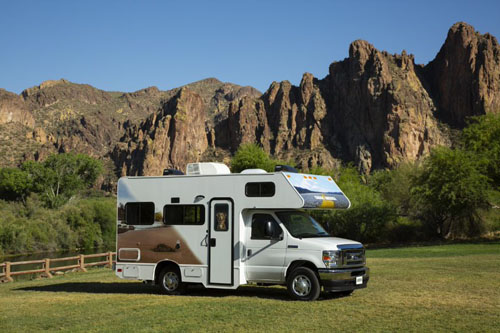
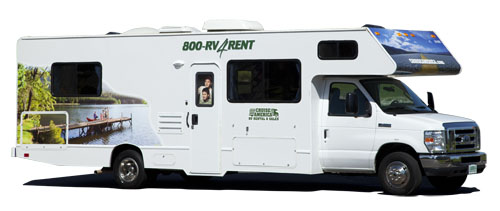
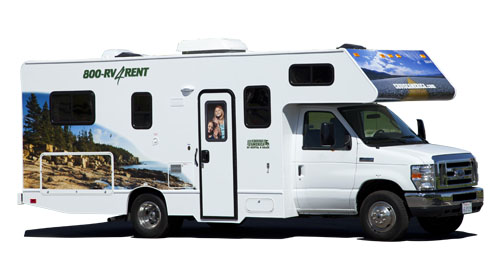
Renting an RV in Canada for a week typically ranges from CAD $800 to $2,000, varying based on RV class, rental season (peak summer is highest), and rental duration, but this is just one component of your overall trip budget. For example, a compact campervan like the "rv rental denver example Category Van" might fall on the lower end, while a larger Class C motorhome like the "cruise america rv rental example Explorer" would be on the higher end.
A comprehensive budget for an RV trip should also factor in fuel, which can be 10-17 Liters/100 km for Bandana's fleet, plus the current Canadian exchange rate if you're visiting from outside Canada. Groceries for two typically cost CAD $100-$150/week, while camping fees can range from CAD $30-$70/night for powered sites. Don't forget to budget for activities, propane refills, dump fees, and potential tolls. Factoring in the current exchange rate between your home currency and the Canadian dollar is crucial for accurate budgeting, as are unexpected expenses like propane refills or dumping fees. For easy budgeting and expense tracking along the way, we recommend exploring RV PLANET routes, where you can itemize every anticipated cost.
What is the best month to RV in Canada
The best months to RV in Canada for couples are typically June and September, offering a balance of pleasant weather, fewer crowds, and often better rental rates compared to the peak summer season. In June, you'll experience longer daylight hours and blooming wildflowers, with most attractions and campgrounds fully open, but before the busiest family travel period begins.
July and August provide the warmest weather and full access to all attractions and campgrounds, but also come with higher prices and more competition for spots, requiring earlier booking. The shoulder seasons of late spring (May-June) and early fall (September-early October) are ideal for couples seeking a more tranquil experience, although some facilities in more remote areas might have limited services or be closed. For specific regional considerations, like experiencing the vibrant fall foliage in Eastern Canada, September and early October are truly spectacular.
Is RVing in Canada safe
RVing in Canada is generally very safe, offering couples an incredible way to explore its vast landscapes, provided basic precautions and preparedness for specific Canadian challenges are taken. To ensure safety, be prepared for wildlife encounters by storing food properly in sealed containers or bear-proof lockers and knowing how to react to animals like bears and moose; familiarizing yourself with local wildlife guidelines and carrying bear spray (and knowing how to use it) is essential in many national parks.
Navigating limited cell service in remote areas requires pre-downloaded maps, a physical map, and offline communication tools like a satellite messenger device, especially when venturing off main highways. Always be mindful of varying road conditions, including gravel or unpaved Forest Service Roads, by adjusting your driving speed and checking road reports before departure. Having emergency preparedness supplies like a comprehensive first-aid kit, extra water, food, and warm blankets is crucial for remote travel, even for a rented motorhome, ensuring you're ready for any unexpected situation.
How long does it take to get used to driving an RV
Most couples can get comfortable driving an RV within a few hours to a day, especially with smaller models like Class B Camper Vans or Class SI Semi-integrated units, which handle much like a large SUV. Begin by practicing in a large, empty parking lot to familiarize yourselves with the RV's dimensions, braking distance, and turning radius before heading onto public roads.
Gradually move to less congested roads and take turns driving, communicating effectively about blind spots and maneuvers, which can help couples adapt quickly and confidently to operating their rental RV. Remember to check mirrors frequently and account for the extra length and height, especially when turning or parking. While driving in cities can seem daunting, drive slowly and carefully, and you can drive almost anywhere without issues. No need to stress - just use common sense and pay attention to signage.
What are the rules for freedom camping in Canada
Freedom camping, or boondocking, in Canada is permissible on designated Crown land in certain provinces, but it's crucial to understand provincial and municipal regulations as rules vary widely and often require adherence to strict environmental responsibility. Always confirm if a specific area allows wild camping, as many national and provincial parks prohibit it outside of designated sites, and trespassing on private land is strictly forbidden.
When permitted, always practice Leave No Trace principles by packing out all trash, minimizing impact on vegetation, and properly disposing of human waste in designated facilities or by burying it far from water sources. Respecting local ecosystems, particularly in sensitive Canadian wilderness and park systems, ensures the preservation of natural beauty for future generations and avoids potential fines. Utilize resources like local tourism offices or government websites to identify legal boondocking spots for your rented camper.
Do I need an international driver's license to rent an RV in Canada
No, generally, if your driver's license is in English or French and is issued by your home country, you do not need an International Driving Permit (IDP) to rent an RV in Canada. This applies to citizens of the United States and many other countries with licenses in one of Canada's official languages.
However, an IDP, which translates your license into multiple languages, can be highly beneficial as a supplementary document, especially if your license is not in English or French or if you encounter law enforcement. For couples, ensure both drivers have valid licenses and, if traveling from the US, that they are prepared with passports and any other required border crossing documents, understanding declaration rules for items to minimize wait times. A standard car driver's license is sufficient for all motorhome classes (Class A, Class B, and Class C) you might rent.
Is it better to rent an RV or campervan for a couple
For couples, choosing between an RV (like a Class C or SI) and a campervan (Class B) in Canada depends largely on desired comfort, maneuverability, and regional terrain, with campervans often preferred for flexibility. Campervans (Class B), such as the "rv rental denver example Category Van," are excellent for navigating tighter roads in national parks like the Canadian Rockies and offer better fuel efficiency (8-10 Liters/100 km), making them ideal for agile exploration and stealthier boondocking.
Larger RVs like Class SI (e.g., a "2 Berth Tamar") or Class C (like the "24' Class C Motorhome") provide more living space, amenities, and comfort for extended trips or for those who prefer full hookup campgrounds, especially when cruising on open highways through the Canadian prairies. While a Class B offers a more intimate feel and easier parking, a Class C or SI might be preferred if you value a larger kitchen, a dedicated dining area, or a separate bedroom. Evaluate your priorities: nimble adventure or spacious comfort for your Canadian road trip.
What should I pack for an RV trip in Canada
When packing for an RV trip in Canada, couples should prioritize versatile clothing layers, robust navigation tools, and specific gear to address the country's varied climate and wilderness. Essential items include waterproof and windproof outerwear, sturdy hiking boots, insect repellent (especially in summer), sun protection (hats, sunscreen), and a comprehensive first-aid kit; don't forget an emergency kit for your RV, including jumper cables, basic tools, and extra water.
For staying connected and navigating effectively in remote Canadian areas where cell service can be spotty, consider bringing a satellite messenger device for emergencies, a portable power bank for charging electronics, and downloading offline maps before you depart. Additionally, pack reusable water bottles, a small daypack for hikes, and any specific pet-travel essentials if you're bringing a furry companion, as Canada has many pet-friendly parks and trails. Our pre-planned routes from RV PLANET can guide you on what specific gear might be needed for different regions, including activities like canoeing or biking.
Can you cross the US border in a rented RV
Yes, couples can generally cross the US border in a rented RV from Canada, but it requires prior authorization from the rental company and careful adherence to all border crossing specifics. Before booking, ensure your chosen supplier explicitly allows cross-border travel into the USA, as some rental agreements may restrict this or require an additional fee.
Ensure you have all required documents, including valid passports for both travelers, your valid driver's licenses (an International Driving Permit is recommended if your license is not in English or French), and the RV rental agreement. The rental company will provide necessary vehicle registration and insurance paperwork, which must be readily accessible. Be prepared to declare all items, especially food, alcohol, and tobacco, to US Customs and Border Protection, and review prohibited items in advance (e.g., certain fruits, vegetables, and firearms) to minimize wait times and ensure a smooth crossing. For a comprehensive guide, including travel between Canadian provinces and the USA, check out our RV Rental USA - Complete Guide 2024.
What is the best way to plan an RV trip across Canada
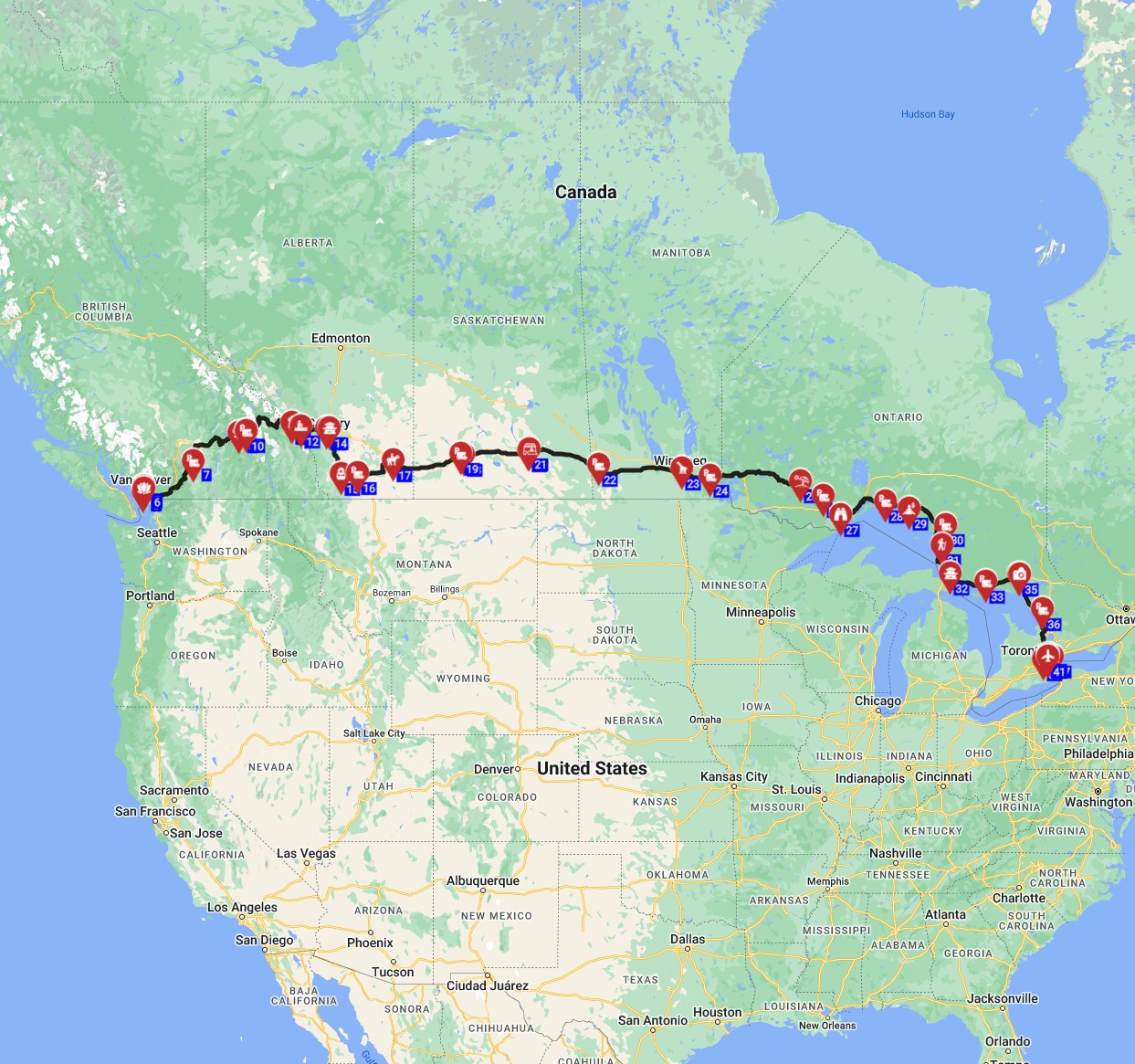
The best way to plan an RV trip across Canada involves balancing meticulous route planning with flexibility, incorporating cultural immersion, and strategically addressing connectivity in remote regions. Start by defining your primary interests-whether it's exploring Indigenous experiences along the North Shore of Lake Superior, sampling local food scenes in Montreal, attending regional festivals in Nova Scotia, or immersing yourselves in nature in the Pacific Rim National Park-then map out a general route, allowing ample time for unexpected discoveries.
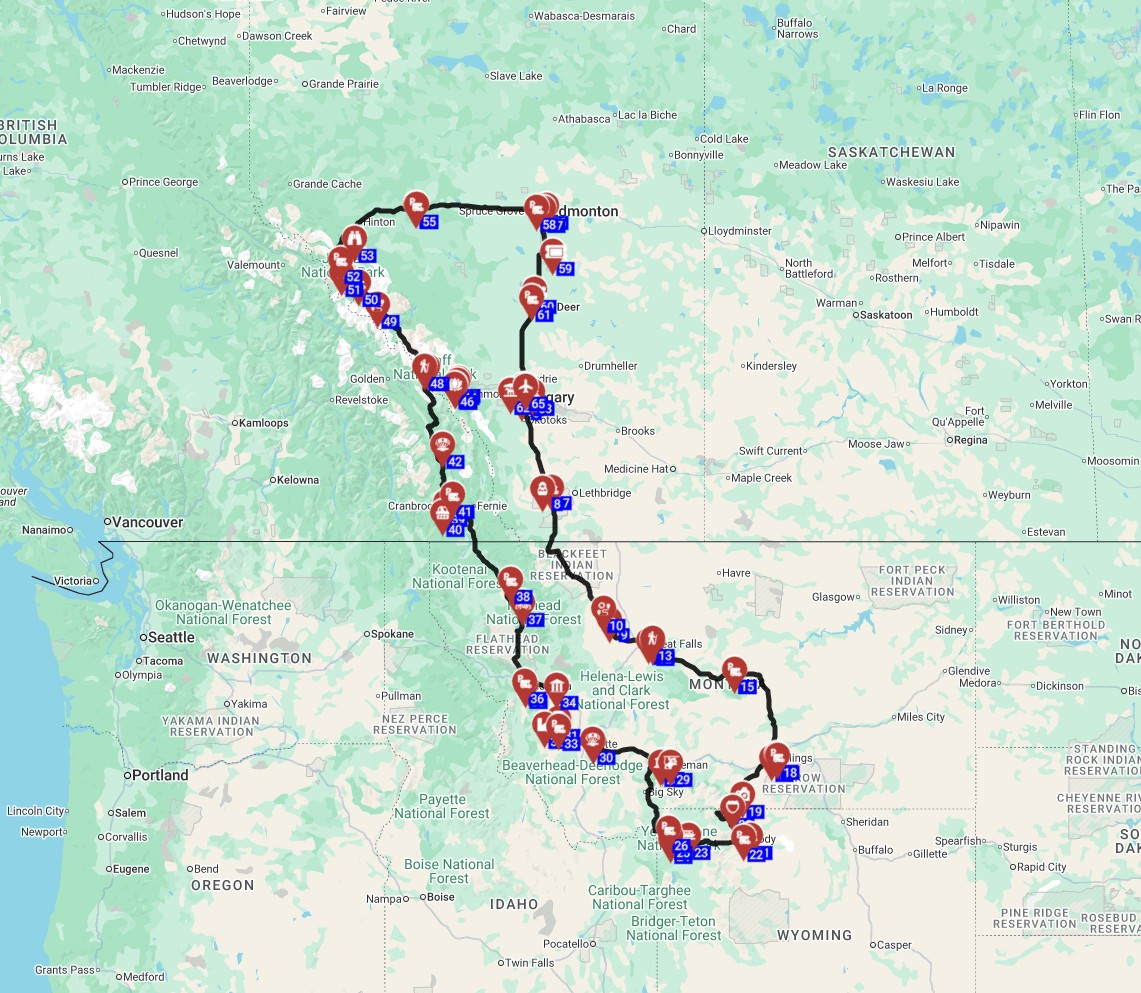
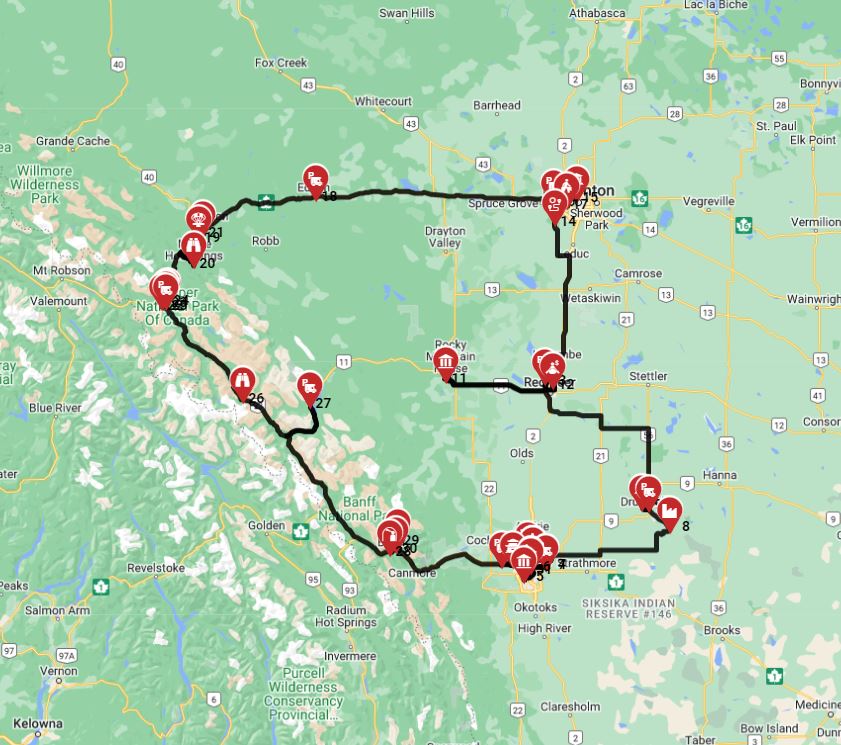
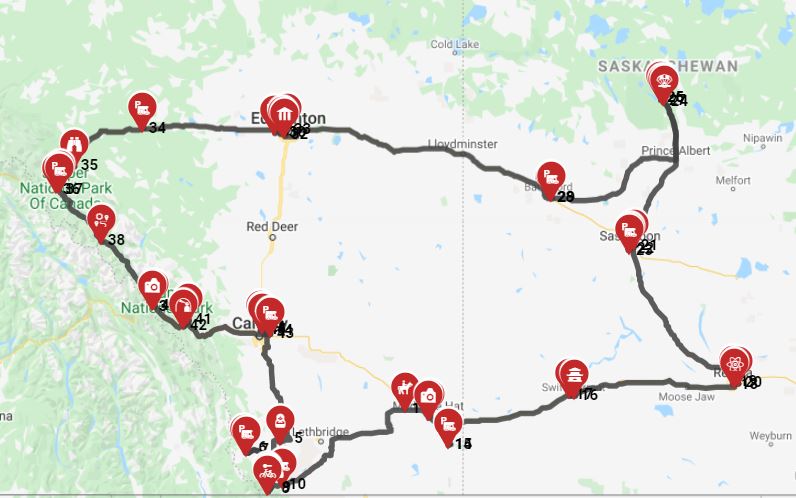
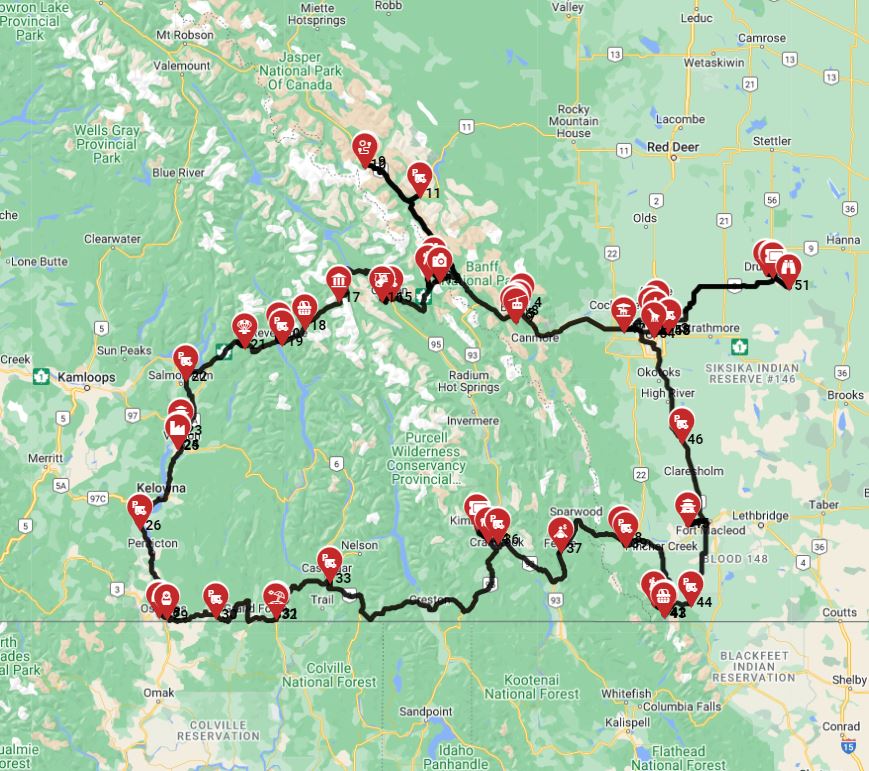
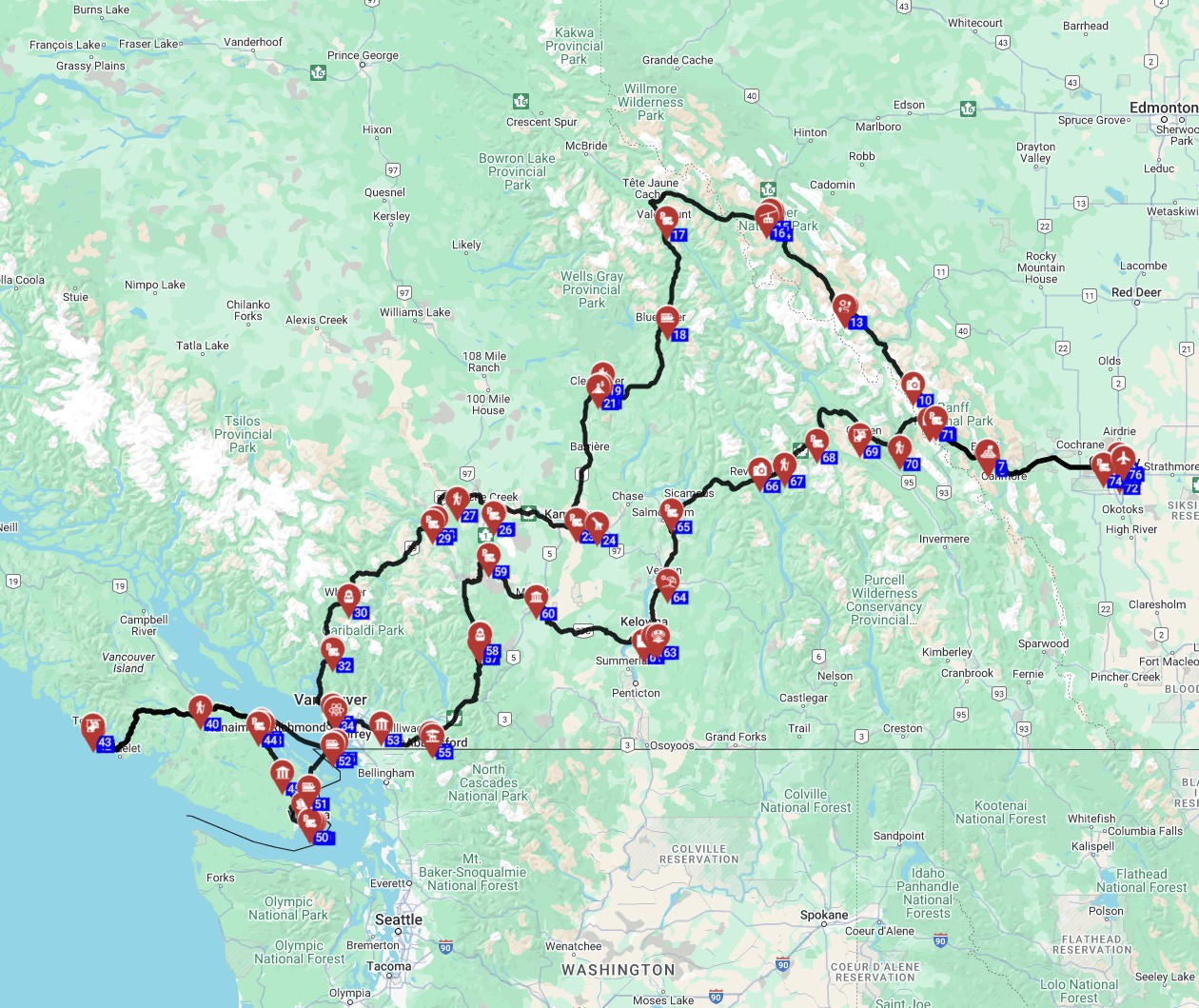
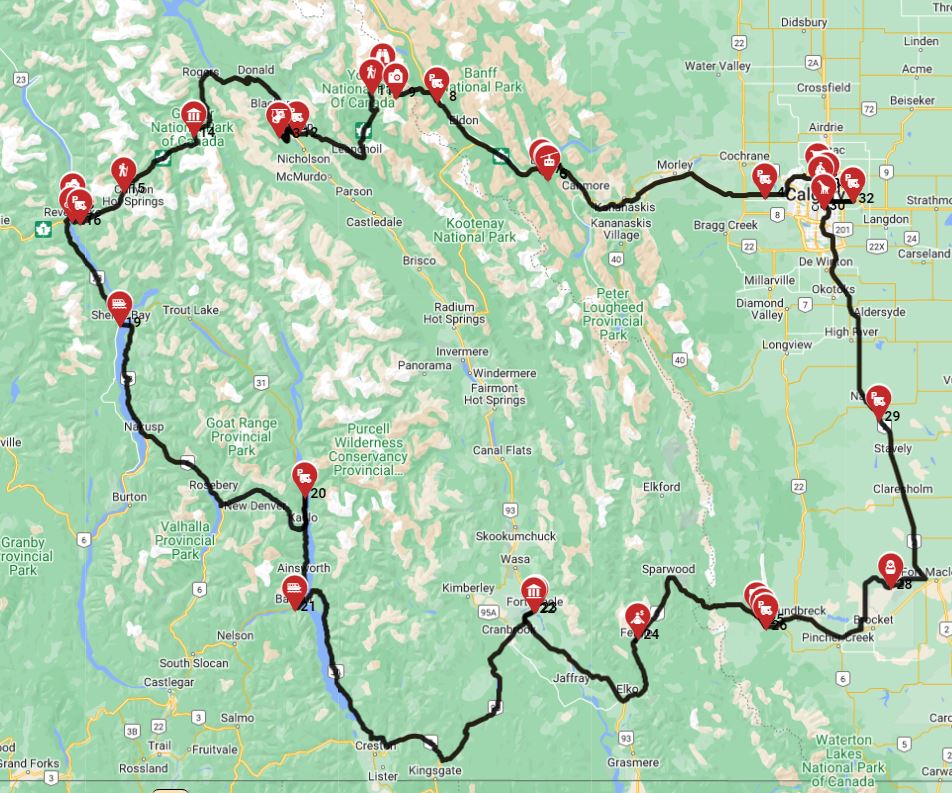
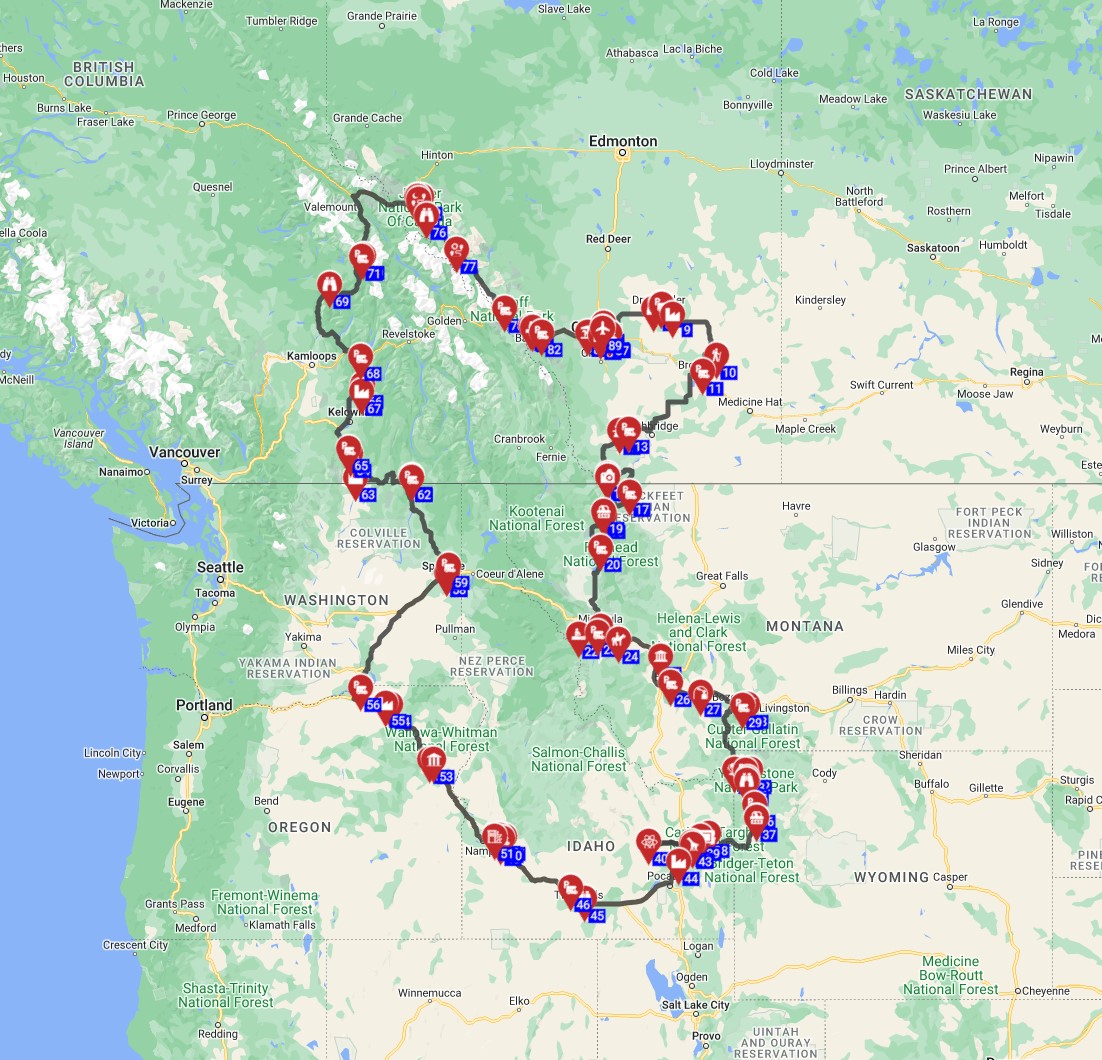
To stay connected and navigate effectively in remote Canadian areas, download offline maps, consider a satellite communication device for peace of mind, and research local cellular coverage along your planned route, ensuring a blend of adventure and preparedness. Remember the Bandana philosophy of slow travel: max 100-150 km per day on average, which gives you time to truly feel the place, connect to the culture, the food, and the scenery. For example, consider this detailed itinerary:
This "
What You Shouldn't Miss
- Drive the Icefields Parkway: This 232 km scenic route through the Canadian Rockies offers breathtaking views of glaciers, turquoise lakes, and wildlife. Stop for a hike to Peyto Lake or take a boat tour on Maligne Lake.
- Explore the Cabot Trail in Nova Scotia: A 298 km loop around Cape Breton Island, this route is renowned for its dramatic coastal scenery, charming fishing villages, and vibrant Celtic culture. Don't miss sampling fresh seafood.
- Experience Algonquin Provincial Park: Rent a canoe and paddle through its vast network of lakes and rivers, perfect for spotting moose and enjoying tranquil wilderness. This Ontario gem offers over 2,400 lakes and 1,200 km of streams and rivers.
- Discover Indigenous Culture in British Columbia: Visit First Nations cultural centers, art galleries, and historic sites to gain a deeper understanding of Canada's rich Indigenous heritage.
- Witness the Northern Lights in Yukon: Travel to Whitehorse during the darker months (late August to April) for a chance to see the spectacular aurora borealis dance across the night sky.
- Savor Quebec's Culinary Delights: Indulge in poutine, maple syrup treats, and French-inspired cuisine in cities like Montreal and Quebec City, immersing yourselves in the unique food culture.
Looking for expert insights from Avi Bandana? Top 5 Adventures - recommendations from Avi Bandana
Avi Bandana, our founder, personally recommends an expansive trip like the "Halifax to Whitehorse - Exploring Canada’s Heartland in a Motorhome" route, a 37-day, 9,199.1 km journey that truly showcases the diversity of Canada. This itinerary includes a vast array of 1 Amusement Park, 1 Animals Show / Wildlife watch, 1 Aquarium, 3 Art Galleries, 2 Beaches, 1 Bike Rental, 1 Botanical Garden, 1 Cable Railway, 1 Canoe / Kayak / Rafting experience, 2 caves, 1 Cruise Terminal / Sailing, 2 Day Tours, 1 Extreme Activity, 1 Family Activity, 1 Heritage site, 4 hiking areas, 3 Historical Sites, 1 Horseback Riding, 2 Local Industries, 6 Museums, 4 Natural Features, 2 Parks, 2 Picnic Areas, 5 Points Of Interest, 1 Scenic Route, 2 Science Sites, 1 Swimming spot, 1 Tourist Attraction, 2 Traditional Markets, 3 Traditional Restaurants / Fine Dining, 4 Traditional Visits, and 2 Zoos, providing an unparalleled experience for couples looking to immerse themselves in Canada's offerings.
Final Thoughts
A romantic RV adventure through Canada offers couples an unparalleled opportunity for connection, discovery, and unforgettable memories. From the awe-inspiring peaks of the Rockies to the tranquil Maritimes, the sheer diversity of landscapes and experiences awaits you.
Embrace the freedom of a rented motorhome to explore at your own pace, with the convenience of a mobile home base. Whether you're seasoned RVers or first-timers, planning your trip with Bandana Caravan ensures transparency, expert support, and access to the best vehicles and routes for your perfect romantic escape. So, pack your bags, set your sights on Canada, and prepare for an adventure that will strengthen your bond and create stories for a lifetime.
Get inspired for your next trip and compare Motorhome Prices for Canada now!