In This Guide
- Where to Camp in Asia - Top Options
- Campground Types in Asia (National, Private, Wild)
- Featured RV Park or Campground in Asia
- Hookups & Amenities - What to Expect
- Booking Windows & Reservations in Asia
- Nearby Supermarkets & Resupply Points
- Best RV Class for Camping in Asia
- How to Save on Campgrounds in Asia
- What is the 3-3-3 rule for RVing?
- Where can I park my RV without paying?
- Is wild camping legal in Asia?
- What is the 4-4-4 rule for RV?
- What is the 3-3-3 rule for RV camping?
- Which countries are RV friendly?
- Are there nudist RV parks?
- What is the 10 year RV rule?
- Is it cheaper to rent an RV or stay in a hotel?
- What is the 3-3-3 rule for campervan?
- What You Shouldn't Miss
- Why Book with Bandana Caravan
- Final Thoughts
- Frequently Asked Questions
Embarking on a romantic RV adventure through Asia offers couples an unparalleled blend of freedom, discovery, and intimacy. Imagine waking up to the serene landscapes of Japan, savoring breakfast together with a view of a tranquil lake, or exploring the ancient wonders of India at your own pace. For a comprehensive overview of RV travel in the continent, start with our RV Rental Asia - Complete Guide 2026 guide. Renting a motorhome provides a mobile haven, allowing you to tailor your journey, discover hidden gems, and truly connect with each other and the diverse cultures of Asia.
Where to Camp in Asia - Top Options
Japan offers couples well-developed infrastructure for RV camping, including 'Michi-no-Eki' roadside stations that provide free overnight parking, clean restrooms, and local produce markets, alongside numerous private campgrounds with varying amenities. South Korea provides a growing number of designated auto-camping sites, often located near national parks, stunning coastal areas, and other scenic regions, ensuring convenient access for a rented motorhome. While traditional RV parks are scarce in Southeast Asia, select glamping sites or basic parking spots may be found in popular tourist regions like Thailand and Vietnam, often requiring prior arrangement and offering a unique cultural experience. Couples planning their routes should focus on regions with emerging or established camping cultures rather than expecting widespread, full-service RV resorts across the entire continent, embracing the adventure that comes with exploration. Drive slowly and carefully, and you can drive almost anywhere without issues. No need to stress - just use common sense and pay attention, even in cities.
Campground Types in Asia (National, Private, Wild)
Asia presents a diverse range of campground types, including often basic national park sites, private campgrounds with varying amenities, and very limited, culturally sensitive opportunities for wild camping. National park campgrounds, particularly in Japan, typically offer minimal facilities but provide direct access to breathtaking nature and hiking trails, varying from designated plots in Japan to more rustic setups in other countries. Private campgrounds, which are more common in countries like Japan and South Korea, range from simple parking areas to full-service sites with electrical hookups, fresh water, and amenities like hot showers, sometimes even resembling glamping resorts. Wild camping, or 'free parking,' is generally not legal or widely tolerated across Asia, with specific regulations and cultural norms making it challenging; couples should research local laws meticulously and prioritize designated sites for safety and respect.
Featured RV Park or Campground in Asia
When selecting an RV park in Asia, couples should look for sites that offer secure parking, essential amenities, and a convenient location to desired attractions or natural landscapes. Prioritize locations known for good reviews and established infrastructure, particularly in countries like Japan (e.g., the extensive Road Station Michi-no-Eki network) or South Korea (e.g., numerous auto-camping sites near national parks). Key features to consider include clean facilities, accessibility to local attractions, security measures, and the availability of basic services, as dedicated RV parks with extensive facilities, like those found in North America, are less common globally. Always confirm current amenities and regulations directly with the campground, as offerings can differ significantly even within the same country, ensuring a comfortable stay in your rented RV.
Hookups & Amenities - What to Expect
RV hookups and amenities in Asia can vary widely, from full electric, water, and dump stations in more developed regions like Japan and South Korea, to basic facilities or none in remote areas. In countries with more established RV infrastructure, 220-240V electricity is common, though plug types vary (e.g., Type A/B in Japan, Type C/F in South Korea); always bring universal adapters for your rented campervan. Fresh water refill and grey/black water dump stations are typically found at designated RV parks, some roadside stations (Michi-no-Eki), or truck stops, but planning for self-sufficiency is advisable, especially on a long adventure. Wi-Fi, laundry facilities, and hot showers are usually available at private campgrounds or more modern 'auto-camping' sites, but may be sparse or non-existent in national park areas or remote locations, so prepare for varied levels of comfort. Remember, you can always enjoy cooking delicious meals right in your RV's kitchen, no matter the amenities, check out our RV-friendly recipes playlist for inspiration! On the routes offered through RV PLANET routes, you can itemize and track every expense along the way for easy budgeting.
Booking Windows & Reservations in Asia
For RV camping in Asia, couples should book popular campgrounds several months in advance, especially during peak season, to secure their preferred spots. Many national park campgrounds and popular sites in Japan and South Korea release a limited percentage (often 25%-30%) of spots for online reservations, with the remainder allocated on a first-come, first-served (FCFS) basis. Spontaneous travelers can often find spots last-minute by being flexible with their dates or opting for less-known campgrounds; you will almost certainly find a place if not at the first campground, then the next one. It is always advisable to call ahead to your intended campground before driving there, especially if arriving late or during busy periods, to confirm availability and avoid disappointment. Planning ahead ensures peace of mind, but flexibility is key!
Nearby Supermarkets & Resupply Points
When RVing in Asia, resupply points like local markets and international supermarket chains are generally accessible in or near urban centers and popular tourist routes, though availability diminishes in remote regions. In countries like Japan and South Korea, major chains such as AEON, Lotte Mart, or local convenience stores like FamilyMart and 7-Eleven (for essentials) are widespread and easy to find for your rented camper. For more remote areas, especially in Southeast Asia or some parts of China and India, local markets and smaller convenience stores will be your primary source for fresh food and basic supplies, requiring a degree of adaptability. Always plan ahead and stock up on provisions, water, and fuel when passing through larger towns, as services can be sparse and fuel types may vary in less developed regions; language apps can aid communication. For comprehensive planning, RV PLANET routes allow you to itemize and track every expense, including groceries and fuel, for easy budgeting.
Best RV Class for Camping in Asia
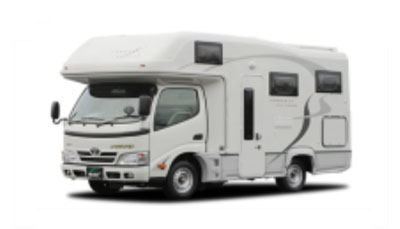
For RV camping in Asia, Class B Camper Vans and Class SI Semi-integrated motorhomes are often the best choices for couples due to their maneuverability on narrower roads and balanced amenities. Bandana's global fleet typically features Class B Camper Vans averaging 5.8 meters in length with sleeping for 3.2 people, ideal for two, offering excellent agility for navigating varied road conditions, like the "rv rental denver example Category Van" or "2 Berth Hi Top". Class SI Semi-integrated units average 6.9 meters, accommodating 3.8 sleepers, providing more comfort and internal space while remaining manageable for Asian roads compared to larger RVs, such as the "2 Berth Tamar" or "2 Berth Rover" models. These classes strike a good balance between self-sufficiency for boondocking-like experiences (where tolerated) and comfort for hookup-dependent stays, making them versatile for the Asian travel landscape. A standard car driver's license is sufficient for all motorhome classes.
How to Save on Campgrounds in Asia
Saving money on campgrounds in Asia can be achieved by utilizing discount cards, booking during the shoulder season, choosing municipal or regional parks, and opting for longer stays. Explore local camping passes or loyalty programs offered in specific countries, as Japan's Michi-no-Eki often has free overnight parking, though generally without hookups. Traveling during the shoulder season (spring or autumn) avoids peak prices and crowds, offering a more serene experience at reduced rates for your couples RV adventure. Opt for municipal or regional campgrounds over private resorts, as they often provide more basic facilities at a lower cost; staying three or more nights can also unlock weekly rates, which are more economical per night. Remember, prices for RV rentals, like flights, are dynamic and change daily based on availability, seasonality, and supplier marketing decisions, with the final price set at the actual booking time.
What is the 3-3-3 rule for RVing?
The '3-3-3 rule for RVing' is a popular guideline suggesting travelers drive no more than 300 miles (approximately 480 km) a day, arrive by 3 PM, and stay for a minimum of 3 nights, promoting a relaxed and enjoyable pace. This rule helps prevent driver fatigue, allows ample time to set up your rented motorhome before dark, and encourages travelers, especially couples, to explore their surroundings more deeply rather than rushing from place to place. Adhering to the 3-3-3 rule can significantly reduce travel stress, conserve fuel, and make the RV adventure more immersive and enjoyable for a couple exploring Asia.
Where can I park my RV without paying?
Finding places to park a rented RV without paying in Asia is generally challenging and highly restricted, with options typically limited to designated rest stops, certain supermarket parking lots (with prior permission), or rare, truly remote areas where wild camping is tolerated. In countries like Japan, 'Michi-no-Eki' (roadside stations) often provide free overnight parking, though without hookups, and are a popular option for 'boondocking' or 'free parking' with local etiquette to follow. Elsewhere in Asia, explicitly free and legal overnight RV parking is scarce; informal arrangements with private landowners or very remote spots might be possible, but always carry risks regarding safety, legality, and cultural sensitivity. It's crucial for couples to prioritize safety, respect local laws and customs, and avoid parking in areas that could be seen as intrusive or illegal, as local authorities are often not accustomed to RV free camping.
Is wild camping legal in Asia?
Wild camping, or 'free camping,' is generally not widely legal or easily accessible across most of Asia, with regulations varying drastically by country, ranging from strictly prohibited to tolerated in very remote, non-protected areas. In Japan, while technically illegal, it is widely tolerated in certain areas and at Michi-no-Eki roadside stations, provided campers are respectful, leave no trace, and adhere to specific site rules. In many other Asian countries, explicit laws often forbid wild camping, especially in national parks, protected areas, or private land, making it a risky endeavor both legally and for personal safety for couples traveling in a rented RV. Travelers should thoroughly research local laws and cultural norms for each specific region, opting for designated campgrounds or approved parking sites to ensure a legal, safe, and respectful journey.
What is the 4-4-4 rule for RV?
The '4-4-4 rule for RVing' is a variation of the 3-3-3 rule, advising travelers to drive no more than 400 miles (approximately 640 km) a day, arrive by 4 PM, and stay for at least 4 nights, offering a slightly more extended pace. This rule provides a bit more flexibility for longer daily drives compared to the 3-3-3 rule, while still emphasizing the importance of settling in before dark and enjoying extended stays at each location in your rented motorhome. For couples wanting to cover more ground in Asia but still desiring a relaxed experience, the 4-4-4 rule might be a suitable compromise, balancing travel with local exploration.
What is the 3-3-3 rule for RV camping?
The '3-3-3 rule for RV camping' is identical to the '3-3-3 rule for RVing,' recommending driving no more than 300 miles (480 km) a day, arriving at your campsite by 3 PM, and staying for a minimum of 3 nights to foster a relaxed and immersive camping experience. This principle is particularly beneficial for couples renting a motorhome in Asia, allowing ample time to enjoy the campground amenities, explore local sights without feeling rushed, and prevent travel burnout. By adhering to this rule, campers can fully embrace the 'slow travel' aspect of RVing, making the journey itself as enjoyable as the destinations. Remember, Bandana always recommends slow travel, aiming for a maximum of 100-150 km per day on average, to truly feel the place, connect to the culture, the food, and the scenery.
Which countries are RV friendly?
In Asia, countries generally considered more RV-friendly due to better infrastructure and clearer regulations include Japan and South Korea, offering designated RV parks, roadside stations, and a more developed camping culture. Japan boasts extensive 'Michi-no-Eki' roadside stations and private campgrounds, relatively good road quality, and a cultural appreciation for cleanliness and order, making it highly accessible for rented motorhome travelers. South Korea also has a growing number of well-maintained 'auto-camping' sites, excellent road infrastructure, and clear regulations, though navigation may require local SIM cards and translation apps. Other regions, such as parts of Southeast Asia, present significant challenges including varied road quality, limited RV-specific infrastructure (hookups, dump stations), language barriers, and complex local driving permits or vehicle import/export requirements for foreigners, making traditional RVing difficult or impossible for couples. For live availability and current prices, start with our RV Rental Asia - Complete Guide 2026 guide.
Are there nudist RV parks?
Nudist RV parks are extremely rare to non-existent in Asia, as public nudity is generally not culturally accepted and is often illegal across the continent. Cultural norms in most Asian countries strongly emphasize modesty and discretion, with public displays of nudity being considered offensive or inappropriate. Couples seeking such specific amenities would find Asia to be an unsuitable destination for nudist RVing, and attempting to engage in such practices could lead to serious legal or social repercussions. It is always best to be aware and respectful of local customs and laws during your travels in a rented motorhome.
What is the 10 year RV rule?
The '10-year RV rule' typically refers to a policy, often enforced by private RV parks in Western countries, that restricts older RVs (those more than 10 years old) from staying on their premises to maintain a certain aesthetic or quality standard. While prevalent in some Western countries, this rule is less commonly applied to RV rentals for foreigners in Asia, as the RV rental market itself is newer and less saturated with older vehicles. However, it's always wise for couples to confirm any specific age restrictions with individual campgrounds or rental providers in Asia, especially if they are renting from a local, independent provider, to avoid any surprises.
Is it cheaper to rent an RV or stay in a hotel?
Whether it is cheaper for a couple to rent an RV or stay in a hotel in Asia depends heavily on the duration of travel, desired comfort level, number of destinations, and the cost of fuel, tolls, and campground fees versus hotel rates. For shorter trips or those focused on bustling city centers like Tokyo or Seoul, hotels might be more economical, avoiding fuel costs, campground fees, and parking challenges inherent to RVs in urban environments. For longer, multi-destination road trips exploring natural areas, a rented RV can become more cost-effective, combining accommodation and transport, offering cooking facilities to save on restaurant meals, and providing greater flexibility. Couples should create a detailed budget including RV rental costs (Bandana's rates vary dynamically), fuel consumption (e.g., Bandana's global fleet Class B Camper Vans average around 10 Liters / 100 Km), tolls, campground fees, and food expenses for a realistic comparison.
What is the 3-3-3 rule for campervan?
The '3-3-3 rule for campervan' travel is the same principle as for RVs, advising couples to drive no more than 300 miles (480 km) a day, arrive by 3 PM, and stay for a minimum of 3 nights, promoting a leisurely and immersive travel style. This rule is particularly well-suited for campervan adventures in Asia, given that campervans (like Bandana's Class B Camper Vans such as the "rv rental denver example Category Van") are highly maneuverable and often preferred for navigating diverse road conditions, offering greater access to smaller towns and scenic routes. Following this guideline ensures that a couple can fully enjoy their rented campervan, allowing time for cooking, relaxing at the campsite, and exploring local culture without feeling constantly on the move, truly embodying the spirit of slow travel.
What You Shouldn't Miss
- Japan's Cherry Blossom Routes: Experience the magical RV PLANET routes during spring, camping near iconic spots like Mount Fuji or along coastal drives.
- South Korea's Coastal Drives: Explore the eastern coast, dotted with charming fishing villages and pristine beaches, ideal for a romantic rented motorhome getaway.
- Israel's Desert Oases: Discover the unique beauty of the Negev Desert, from ancient ruins to natural springs, offering a spiritual and tranquil couples experience.
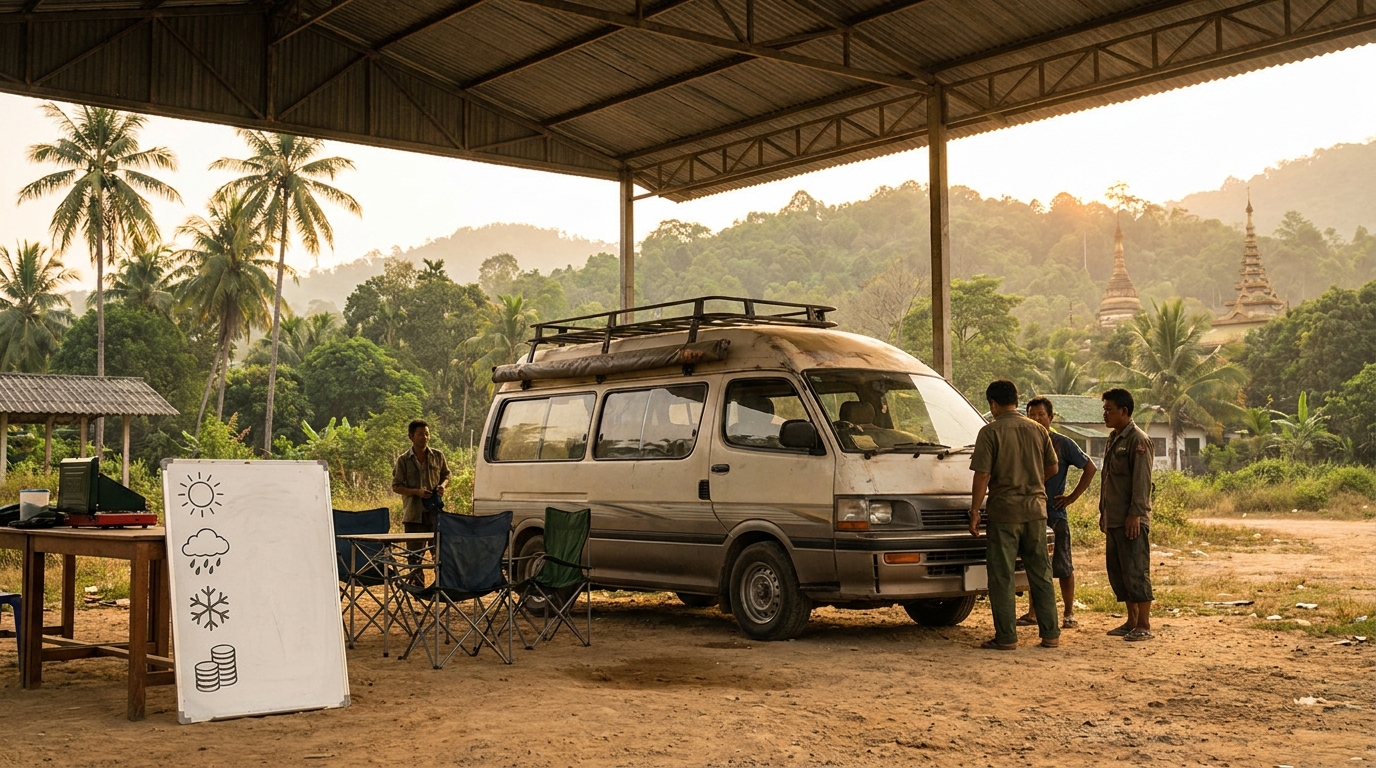
- India's Golden Triangle: While challenging for RVs, some tour operators offer customized minivan options for couples to experience the rich history of Delhi, Agra, and Jaipur.
- Taiwan's Taroko Gorge: Drive through breathtaking marble canyons and stay at nearby campgrounds for an unforgettable natural wonder.
Looking for expert insights from Avi Bandana? Top 5 Adventures - recommendations from Avi Bandana
🎬 Video coming soon
Final Thoughts
An RV camping trip for couples in Asia promises an unforgettable journey filled with cultural immersion, natural beauty, and intimate moments. From the bustling cities to tranquil countrysides, having your own rented motorhome gives you the flexibility and comfort to explore at your own pace, creating memories that will last a lifetime. With proper planning and the right vehicle, your romantic adventure across Asia is sure to be nothing short of spectacular.
So, what are you waiting for? Start dreaming, start planning, and get ready to experience the wonders of Asia from the unique perspective of your private mobile retreat. We're here to support you before, during, and after your booking, ensuring a smooth and joyful experience. Discover top destinations, planning tips, all in one place!
Compare Motorhome Prices for Asia for Couples