In This Guide
- Where to Camp in Alaska - Top Options
- Campground Types in Alaska (National, Private, Wild)
- Featured RV Park or Campground in Alaska
- Hookups & Amenities - What to Expect
- Booking Windows & Reservations in Alaska
- Nearby Supermarkets & Resupply Points
- Best RV Class for Camping in Alaska
- How to Save on Campgrounds in Alaska
- Can I park my RV anywhere in Alaska?
- What is the 3-3-3 rule for RVs and campers?
- Where is the best place to park an RV for free?
- Is boondocking legal in Alaska?
- What does FF mean in camping?
- What is the best time of year to RV to Alaska?
- How much are campsites in Alaska?
- What is the 200 rule for camping?
Where to Camp in Alaska - Top Options
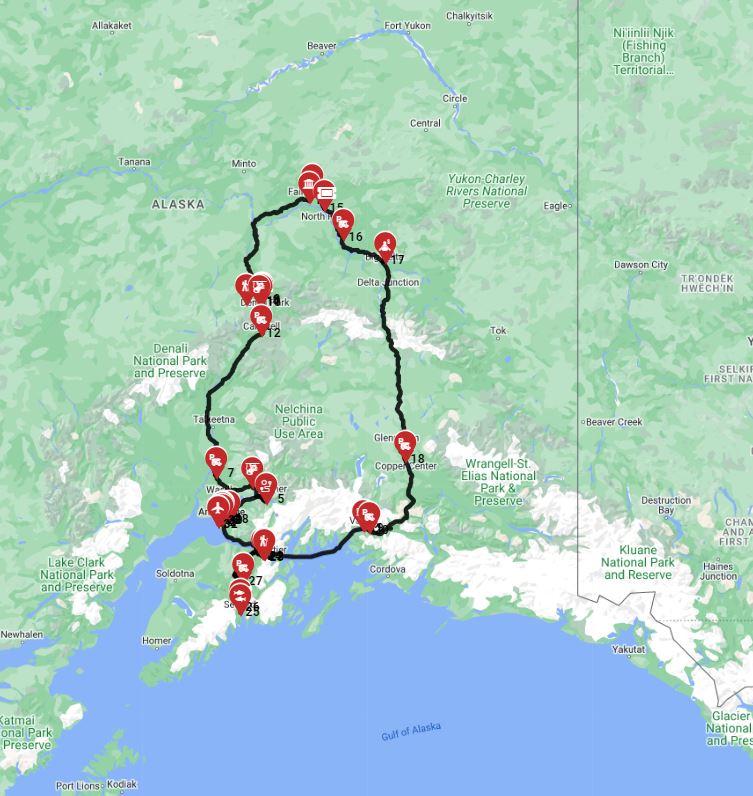
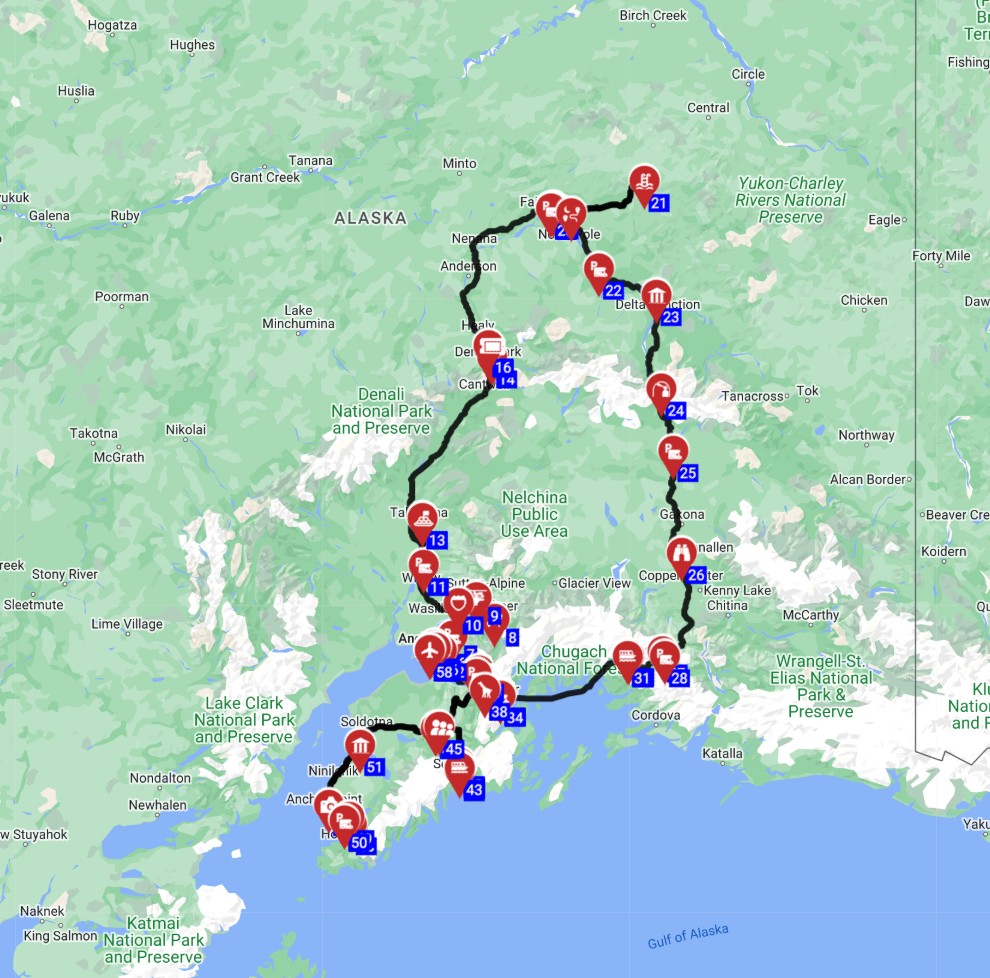
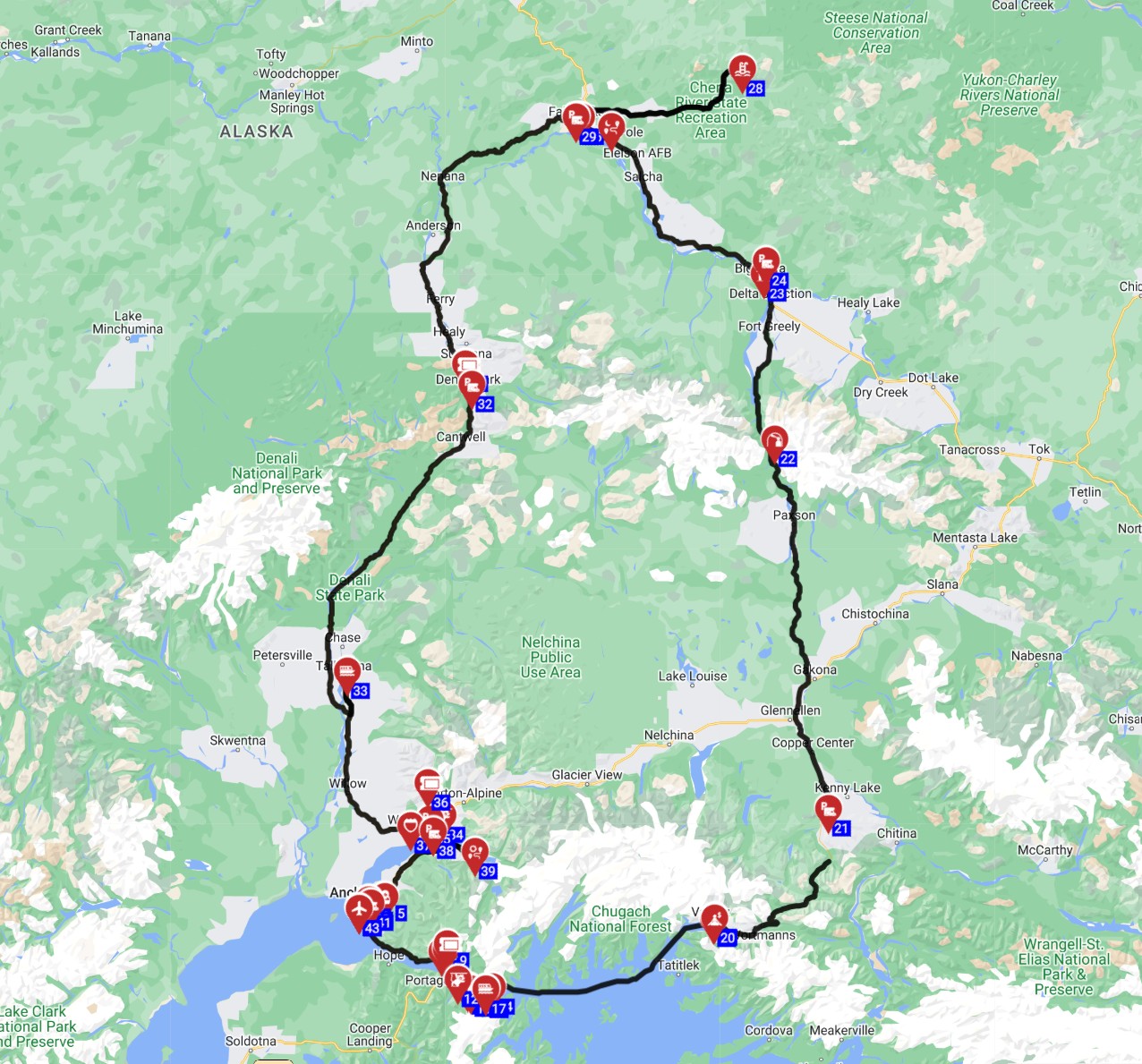
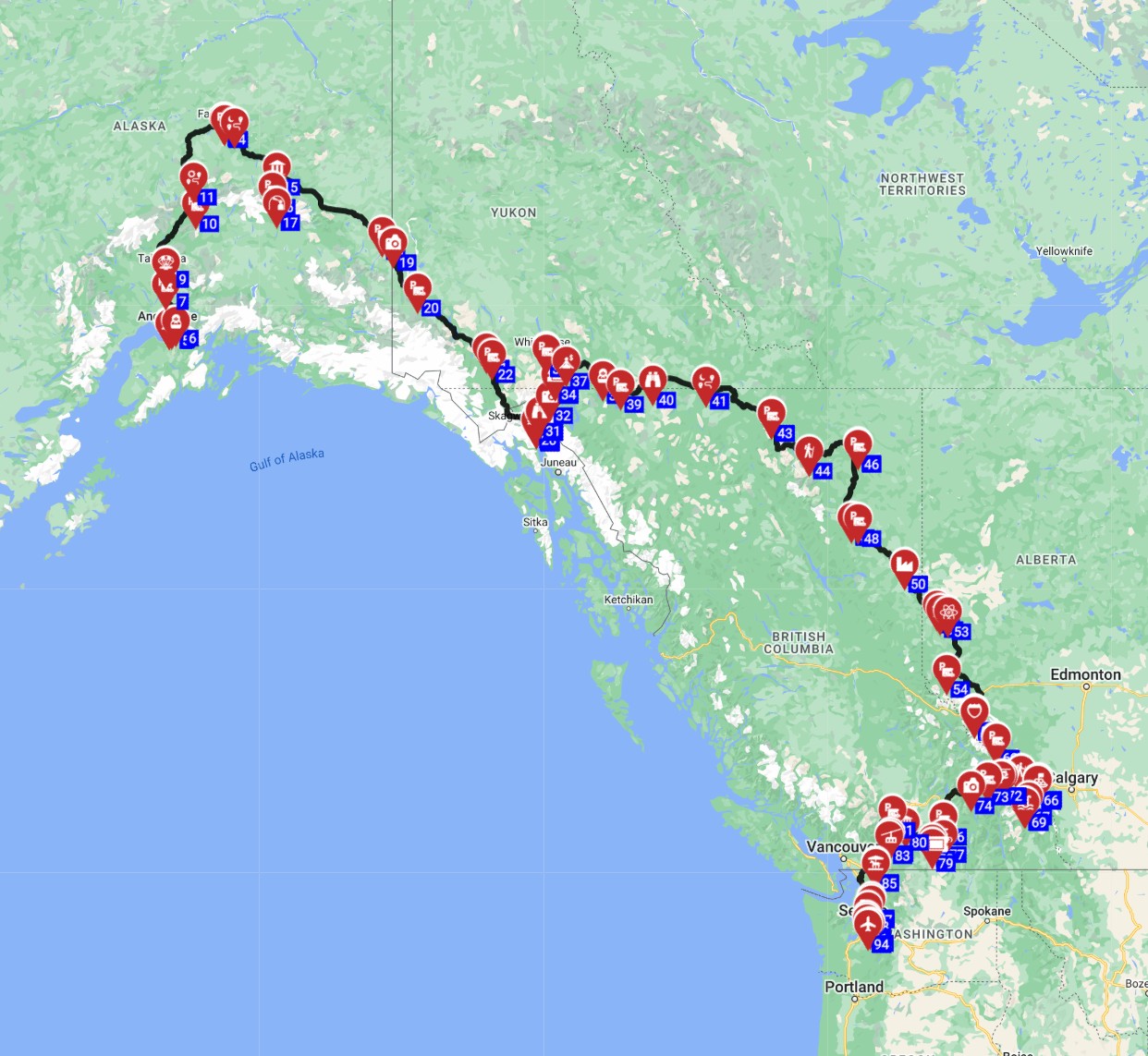
Alaska offers an incredible array of camping options, from well-appointed private RV parks to rugged wilderness sites, each providing a unique experience for couples in a rented RV. Denali National Park and Preserve presents unparalleled wildlife viewing opportunities and scenic beauty, though RV access within the park is restricted beyond Savage River, with designated campgrounds available. Consider an Anchorage Roundtrip - Alaska, an 11-day route that includes two animals shows/wildlife watches and two hiking areas, offering a perfect blend of adventure and comfort. The Kenai Peninsula, easily accessible from Anchorage, provides diverse coastal and mountain camping experiences, including access to world-class fishing, hiking trails, and glacier viewing. For those seeking a more rugged, dispersed camping experience amidst vast wilderness, Chugach National Forest is an ideal choice, located near Anchorage and Whittier. Alaska State Parks further enhance your choices, offering a wide range of developed campgrounds with varying amenities across the state, many available on a first-come, first-served basis. Remember to travel slowly, aiming for a maximum of 100-150 km per day on average, to truly connect with the culture, food, and scenery of each place.Campground Types in Alaska (National, Private, Wild)
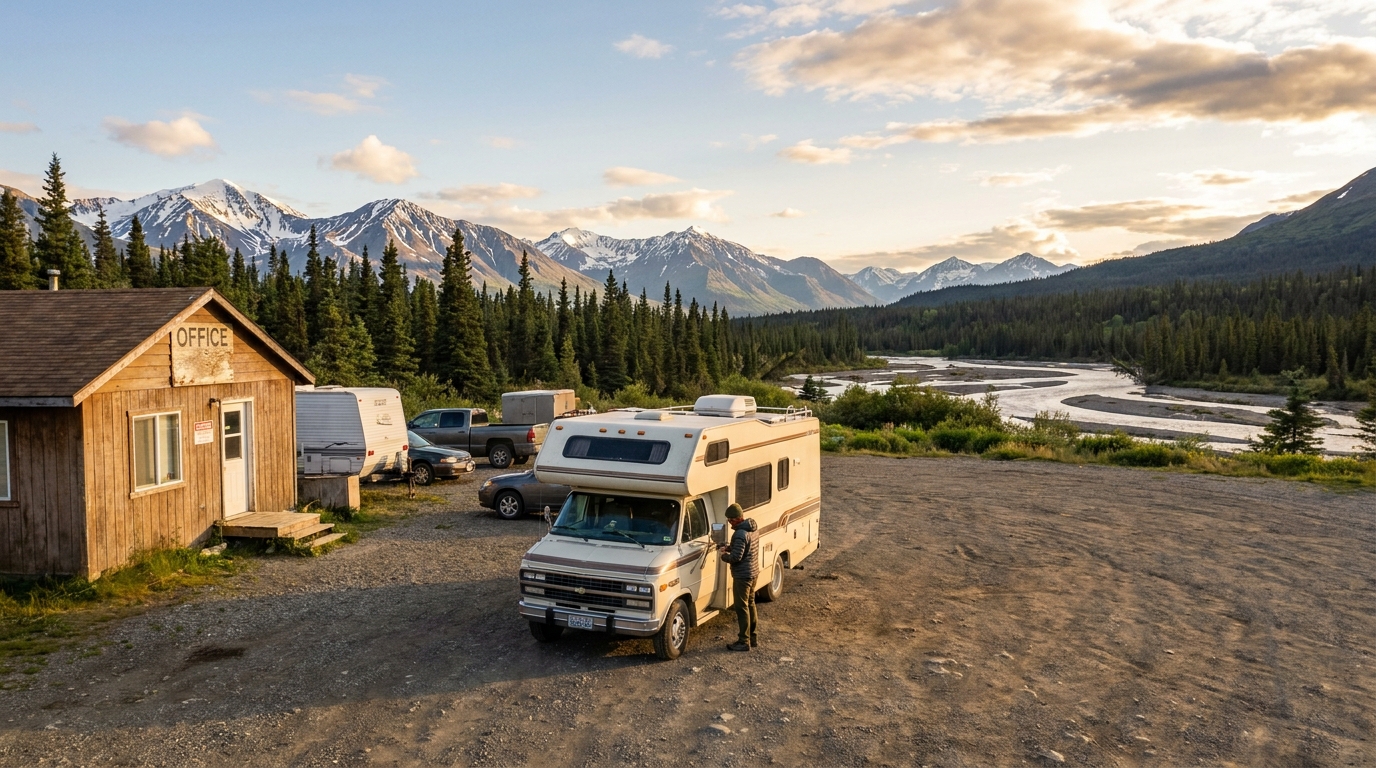
Alaska's diverse landscape offers various campground types, each suited to different preferences for your rented motorhome adventure. National Park Campgrounds, such as those found in Denali, are typically primitive or semi-developed, offering limited amenities like vault toilets and requiring advance reservations during peak season; access may also be restricted to smaller RVs beyond certain points. State Park Campgrounds provide a balance of natural immersion and amenities, often featuring basic services like water and vault toilets, with some offering electric hookups, available on a first-come, first-served (FCFS) or reservation basis. Private RV Parks are predominantly found in larger towns and popular tourist hubs like Anchorage and Fairbanks, providing full hookups, Wi-Fi, laundry facilities, showers, and dump stations for maximum comfort. For the adventurous couple, Wild Camping, also known as boondocking or dispersed camping, is legal and widely available on vast tracts of Bureau of Land Management (BLM) lands, National Forests (like Chugach), and some Alaska State Trust Lands, provided you adhere to specific regulations and Leave No Trace principles, offering a truly immersive wilderness experience. Remember that you can track all your trip expenses with RV PLANET routes for easy budgeting.Featured RV Park or Campground in Alaska
For a comfortable and convenient base in your rented motorhome while exploring Alaska, consider a private RV park like the Anchorage Ship Creek RV Park. This park serves as a prime example of urban camping in Alaska, offering convenient access to city attractions such as the Alaska Native Heritage Center and essential services like resupply points. These full-service private parks typically provide electric, water, and sewer hookups (often 30 or 50 amp), Wi-Fi, and amenities such as laundromats and private restrooms. Choosing a featured RV park like this allows you to enjoy a comfortable retreat after a day of adventuring, providing a welcome respite from more rustic camping options. When selecting an RV park, always look for proximity to local attractions, positive traveler reviews, and the specific amenities that align with your travel style and needs. Imagine preparing a delicious dinner in your fully-equipped campervan kitchen after a day of exploration. For great ideas on what to cook, check out our RV-friendly recipes playlist.Hookups & Amenities - What to Expect
When RV camping in Alaska, the type of hookups and amenities you can expect varies greatly by campground, from full-service to completely primitive. Full hookups, which typically include electric (30 or 50 amp), fresh water, and sewer connections, are primarily found at private RV parks and some of the more developed Alaska State Park campgrounds. In contrast, more remote federal and state campgrounds often provide only basic amenities such as vault toilets, communal potable water pumps, and picnic tables, with no individual electric or sewer hookups at each site. It's wise to be prepared for dry camping (boondocking) capabilities for several days if you plan to explore truly wild areas. Wi-Fi and reliable cell service can be highly spotty or even non-existent outside of major towns and developed private parks in Alaska's vast wilderness. For navigation and communication in these remote areas, consider bringing offline maps downloaded to your devices, a physical map, and potentially a satellite communicator for emergencies. Many campgrounds, even if they don't offer full individual site hookups, will provide on-site dump stations and fresh water fill-up points, allowing you to extend your dry camping adventures.Booking Windows & Reservations in Alaska
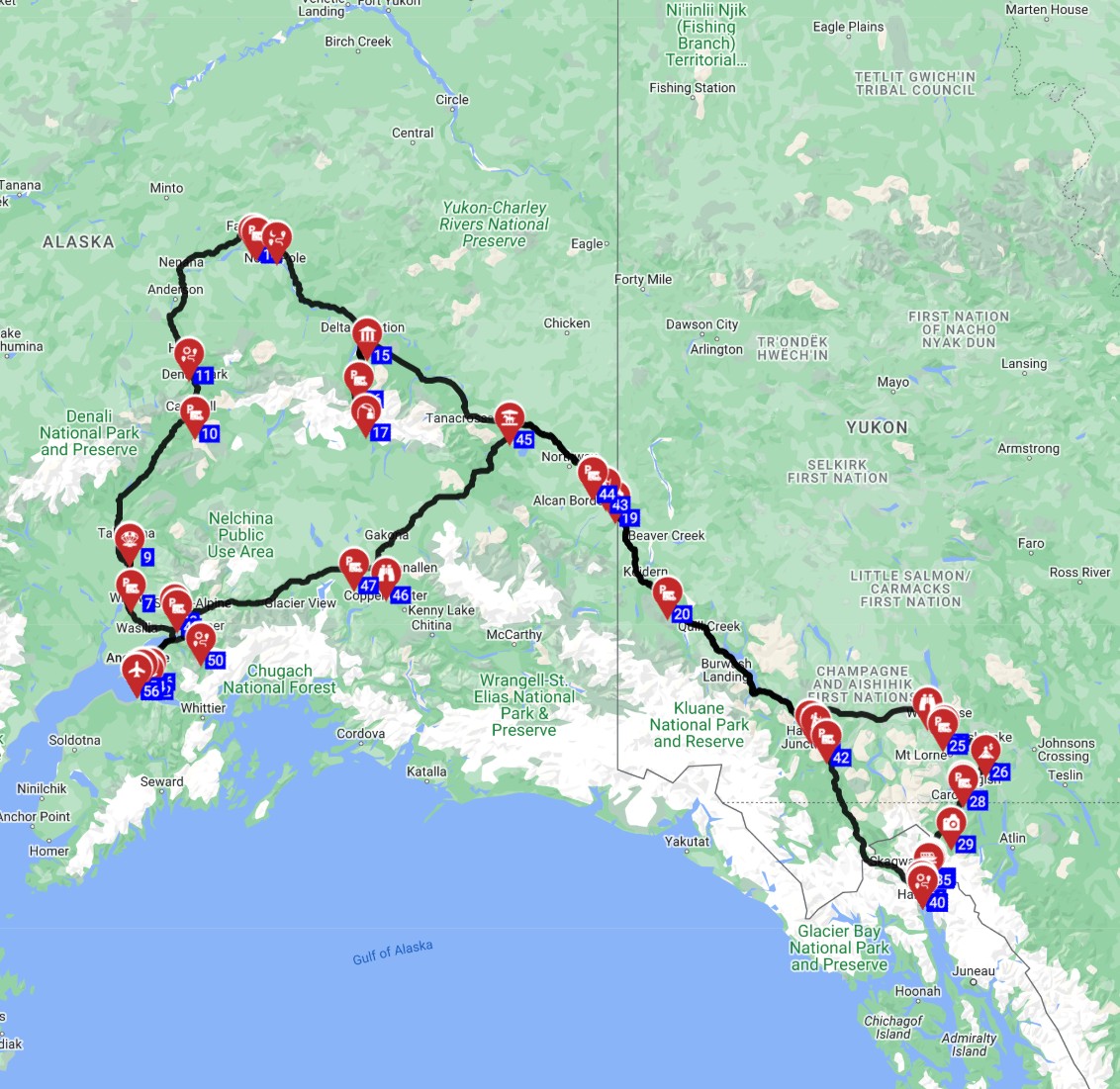
For popular National Park campgrounds in Alaska, such as Riley Creek in Denali, or prime private RV parks during the peak season of June through August, it is highly advisable for pre-planners to book your campervan or motorhome spot 6 to 12 months in advance. This ensures you secure your preferred sites and potentially benefit from early bird rates, offering up to a 25% saving. Many Alaska State Parks and less-trafficked federal campgrounds, however, operate on a first-come, first-served (FCFS) basis. It's important to note that many national and state parks reserve only about 25-30% of their spots online, leaving a generous 70-75% available for FCFS travelers. Spontaneous travelers can often find same-day or next-day availability at various campgrounds, particularly if they are flexible with their location and desired amenities. No need to stress about booking far in advance; you will almost certainly find a spot. If not at the first campground, then the next one will often have space. A smart strategy is always to call ahead to a campground before driving a long distance, especially if you're exploring destinations like our Anchorage Roundtrip Heading North - The Great Alaskan Wilderness Road Trip, which covers 15 days and over 1929.9 km, offering numerous tourist attractions, hiking areas, and wildlife viewing opportunities.Nearby Supermarkets & Resupply Points
Major towns in Alaska, including Anchorage, Fairbanks, and Juneau, are well-equipped with large supermarkets such as Fred Meyer and Carrs/Safeway, offering a comprehensive range of groceries, fresh produce, and camping supplies for your rented motorhome. These locations are ideal for stocking up for extended periods of travel. Smaller towns and communities situated along popular RV routes will also have local grocery stores or general stores, which can provide basic resupply needs, although selections might be more limited and prices slightly higher. It is always recommended to stock up sufficiently before venturing into remote areas, as distances between resupply points can be significant across Alaska's vast landscape, and options may become scarce. Bringing a cooler for additional cold storage is a practical tip, especially if you plan extended trips between larger towns or intend to engage in fishing and need to store your catch. Using detailed route planners like those found on RV PLANET can help you identify these crucial resupply stops along your journey.Best RV Class for Camping in Alaska
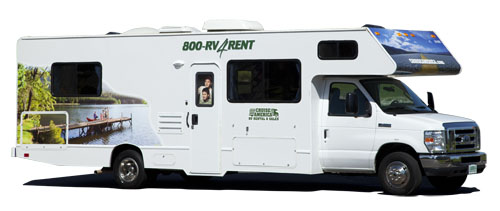
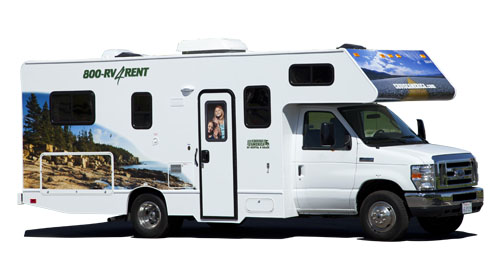
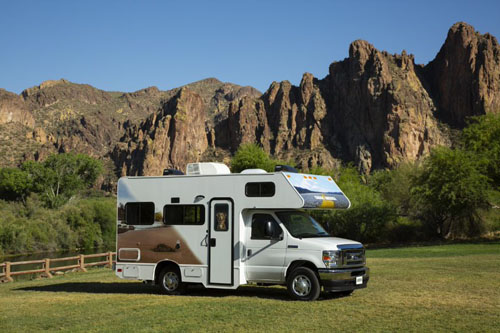
Choosing the best RV class for your Alaskan camping adventure depends largely on your travel style and desired level of comfort. Class B Camper Vans, like the "rv rental denver example Category Van," which averages 5.8m in length, offers 3.2 sleeping places, and has a global average fuel consumption of 8-10 L/100km, are excellent for maneuverability. These compact campervans are ideal for couples, allowing easier access to smaller, more secluded campsites and perfect for boondocking.🎬 Video coming soon
How to Save on Campgrounds in Alaska
Saving on campground fees in Alaska is achievable with a few smart strategies, ensuring your RV rental budget stretches further. One effective method is to leverage Bandana's exclusive campground discount cards or take advantage of any partnerships we may have, which can secure reduced rates at participating RV parks and campgrounds across the state. Traveling during the shoulder seasons (May and September) is another excellent way to save, as you'll encounter lower nightly rates and significantly fewer crowds compared to the bustling peak summer months. Prioritize municipal or regional campgrounds and Alaska State Parks over more expensive private resort-style RV parks; these public options typically offer more affordable rates for similar basic amenities. Consider booking longer stays, such as a week-long trip, as many campgrounds offer weekly rates that provide significant savings per night compared to daily bookings. If you're traveling with friends, sharing hookups at campgrounds that allow multiple RVs or groups per site can further split costs, making your camping adventure more economical. For pre-planned routes that incorporate cost-effective camping, look into the Rent&Plan options available through RV PLANET.Can I park my RV anywhere in Alaska?
No, you cannot legally park your rented RV anywhere you choose in Alaska, as parking is regulated by a combination of state laws, federal land management rules, and local ordinances. While Alaska is known for its vast wilderness, specific rules apply to ensure public safety and environmental preservation. Dispersed camping (boondocking) is generally permitted on vast tracts of Bureau of Land Management (BLM) land and within National Forests, provided you adhere to specific guidelines, including staying limits and Leave No Trace principles. Parking is strictly prohibited on private property without the owner's explicit permission, within most city limits overnight, and in many designated wilderness or environmentally sensitive areas. Always check local regulations and signage, especially in popular tourist areas or near urban centers like Anchorage, to avoid fines or towing.What is the 3-3-3 rule for RVs and campers?
The 3-3-3 rule is an informal but widely adopted guideline for RV travel, particularly useful in expansive regions like Alaska, suggesting travelers aim to drive no more than 300 kilometers (approximately 186 miles) a day, arrive at their campsite by 3 PM, and stay for at least 3 nights. Adhering to the '300 km' aspect helps prevent driver fatigue on Alaska's long, sometimes challenging roads, and allows for more relaxed sightseeing opportunities. Arriving 'by 3 PM' ensures ample time to find a campsite, especially for popular first-come, first-served (FCFS) spots, set up your rented motorhome before dark (which can be very late in Alaskan summer), and enjoy the afternoon. Staying for '3 nights' encourages travelers to fully experience each location, reducing the stress of constant packing and unpacking and deepening immersion in Alaska's natural beauty. This rule promotes a philosophy of slow travel, maximizing your enjoyment of your destination.Where is the best place to park an RV for free?
The best places to park a rented RV for free in Alaska are typically on designated dispersed camping areas within federal lands managed by the Bureau of Land Management (BLM) and National Forests, as well as on some state-managed lands. These areas, often referred to as boondocking sites, generally lack amenities like hookups or restrooms, requiring RVers to be entirely self-sufficient and diligently practice Leave No Trace principles, which is crucial for preserving the Alaskan wilderness. Resources like iOverlander, Campendium, and Gaia GPS are invaluable digital tools for finding legal and suitable boondocking sites, often with user reviews and critical information on current road conditions and cellular service availability. Always confirm current regulations with the managing agency before setting up camp, as rules can vary by specific area and season.Is boondocking legal in Alaska?
Yes, boondocking, also known as dispersed or wild camping, is generally legal and widely practiced in Alaska on extensive federal and state public lands, provided campers adhere to specific regulations and environmental guidelines. Permitted areas for your rented campervan or motorhome include Bureau of Land Management (BLM) lands, most National Forests (like Chugach), and certain Alaska State Trust Lands, where you can camp free of charge outside of developed campgrounds. It is typically not allowed within most National Park boundaries, on private property without explicit permission, or within most city limits, where overnight parking is often restricted. Practicing comprehensive wildlife safety, including proper food storage to prevent bear encounters, and having reliable navigation and communication tools (like satellite communicators) for remote areas is paramount when boondocking in Alaska. Remember that bear spray is illegal to fly with, so plan to purchase it in Alaska.What does FF mean in camping?
In camping, 'FF' is a commonly used abbreviation that stands for 'Full Hookups,' indicating a campsite provides connections for fresh water, electricity (typically 30 or 50 amp), and sewer. Campsites with FF are highly sought after by RVers for their convenience, allowing campers to use their rented RV's systems without relying on internal tank capacities or external facilities. In Alaska, full hookup sites are predominantly found at private RV parks and some larger state campgrounds, while more primitive federal and state sites typically offer fewer amenities or are dry camping only. Understanding 'FF' is crucial when booking, as it directly impacts your comfort level and the types of amenities you can expect during your RV trip, especially when planning a comprehensive itinerary like the "RV Travel Guide to Alaska - Tips and Top Spots 2026".What is the best time of year to RV to Alaska?
The best time of year to RV to Alaska for most travelers is during the summer months of June, July, and August, which offer the warmest temperatures, longest daylight hours (often 18-24 hours of daylight), and full availability of services and attractions. This is when wildlife is most active and accessible. For those seeking fewer crowds, potential Northern Lights viewing, or unique wildlife opportunities, the shoulder seasons of May (late spring) and September (early fall) are excellent alternatives. May offers blossoming landscapes and migratory bird viewing, though some services may still be ramping up and weather can be unpredictable. September provides stunning fall foliage and a higher chance of seeing the Northern Lights as nights lengthen and become darker, and tourist traffic is reduced, but be prepared for colder temperatures and potential early closures of some businesses and campgrounds.How much are campsites in Alaska?
Campsite prices in Alaska vary significantly based on location, amenities, and ownership, typically ranging from $0 for dispersed boondocking on public lands to over $80 per night for full-service private RV parks. State and federal campgrounds (e.g., Alaska State Parks, National Forests, Bureau of Land Management areas) generally cost between $20-$35 per night for basic sites, with some offering electric hookups for a slightly higher fee. Private RV parks, especially in popular tourist towns like Anchorage or Fairbanks, tend to be the most expensive, often starting from $40-$50 and easily exceeding $80 per night for full hookups and extensive amenities like laundry and Wi-Fi. Many remote or primitive sites on federal lands are free, but they offer no amenities and require self-sufficiency, making them a cost-effective option for experienced RVers seeking solitude. For planning and itemizing every expense, RV PLANET routes are an excellent resource.What is the 200 rule for camping?
The '200 rule' in camping refers to the common guideline of maintaining a minimum distance of 200 feet (approximately 60 meters) from water sources (lakes, rivers, streams) and established trails when dispersed camping in your rented motorhome or campervan. This rule is a core principle of Leave No Trace ethics, designed to protect sensitive riparian ecosystems, prevent water contamination, and preserve the wilderness experience for others. Adhering to the 200-foot rule helps prevent damage to vegetation, minimizes erosion, and reduces the likelihood of negative wildlife encounters at water sources, which is particularly vital in Alaska's pristine and bear-dense environments. When selecting a boondocking site in Alaska, always be mindful of this rule to ensure minimal environmental impact and respect for the natural landscape.What You Shouldn't Miss
- **Drive the Seward Highway**: This scenic route, named an All-American Road, offers stunning views of Turnagain Arm, glaciers, and wildlife, easily accessible from Anchorage.
- **Explore the Kenai Fjords National Park**: Take a boat tour from Seward to witness calving glaciers, diverse marine life like whales and sea otters, and dramatic coastal landscapes.
- **Visit Denali National Park**: While RV access is limited, taking a park bus into the interior offers unparalleled opportunities for wildlife viewing, including bears, moose, and caribou.
- **Hike in Chugach State Park**: Just outside Anchorage, this massive park provides numerous trails for all skill levels, from easy strolls to challenging mountain climbs, with incredible vistas.
- **Witness the Northern Lights**: If traveling in the shoulder seasons (September is great!), venture away from city lights for a chance to see the spectacular Aurora Borealis dance across the Alaskan sky.
- **Experience a Glacier Landing**: For an unforgettable adventure, take a flightseeing tour that lands on a glacier, offering a unique perspective of Alaska's immense ice fields.
Looking for expert insights from Avi Bandana? Top 5 Adventures - recommendations from Avi Bandana
Final Thoughts
An RV adventure in Alaska is more than just a trip; it's an immersive experience that brings you closer to nature and each other. From the majestic glaciers of the Kenai Peninsula to the wild expanses of Denali, your rented campervan or motorhome becomes your cozy, mobile sanctuary, allowing you to chase sunsets, stargaze, and discover hidden gems at your own pace. With Bandana RV, you’re not just booking a vehicle; you’re gaining a partner who understands the magic of RV travel and is committed to your peace of mind. We're here to provide full transparency, 24/7 pre-booking support, and the confidence that comes from booking with true RV specialists. So, start dreaming, start planning, and get ready to create incredible memories in Alaska. Life is now – let’s make your Alaskan RV romance a reality! Find RV Rentals in Alaska for CouplesOn the routes offered through RV PLANET routes, you can itemize and track every expense along the way for easy budgeting.