In This Guide
- Top 5 Tips for pet friendly RV Rental in Namibia
- Before You Book - Class, Dates, Insurance
- Pre-Trip Prep - Packing Checklist for Namibia
- On the Road - Driving, Fueling, Navigation
- At the Campground - Setup, Hookups & Etiquette
- Pet-Friendly RV Rental-Specific Tips for Namibia
- Common Mistakes to Avoid in Namibia
- What is the detailed cost breakdown for a pet-friendly RV rental in Namibia, including all expenses?
- How to ensure safety and emergency preparedness during an RV trip in Namibia with pets?
- What are the vehicle-specific challenges and preparations needed for RVing in Namibia?
- Is off-season or shoulder season travel advisable for pet-friendly RV rentals in Namibia?
- What are the best connectivity and communication solutions for an RV trip in remote Namibia?
- How to manage food and water logistics for remote RV trips in Namibia with pets?
- How to practice environmental and cultural sensitivity during a pet-friendly RV trip in Namibia?
- What are some hidden gems and unique off-the-beaten-path experiences for RVers in Namibia?
- What are the border crossing formalities for RV travelers to Namibia from neighboring countries?
- Top Cities for RV Rental in Namibia
- What You Shouldn't Miss
- Why Book with Bandana Caravan
- Final Thoughts
- Frequently Asked Questions
Namibia offers an extraordinary adventure for RV travelers, especially those who can't imagine leaving their beloved pets behind. Exploring Namibia's vast, wild landscapes with your furry companion by your side in a rented motorhome or campervan creates truly unforgettable memories. This guide is designed to help you navigate the unique aspects of pet-friendly RV travel in Namibia, ensuring a smooth and joyful journey for everyone.
For live availability and current prices, start with our RV Rental Namibia - Complete Guide 2026 guide. We are true RV specialists, dedicated exclusively to RV travel, offering unmatched personal experience and attention to the smallest details to help you find the easiest, safest, and most affordable way to rent an RV.
Top 5 Tips for pet friendly RV Rental in Namibia
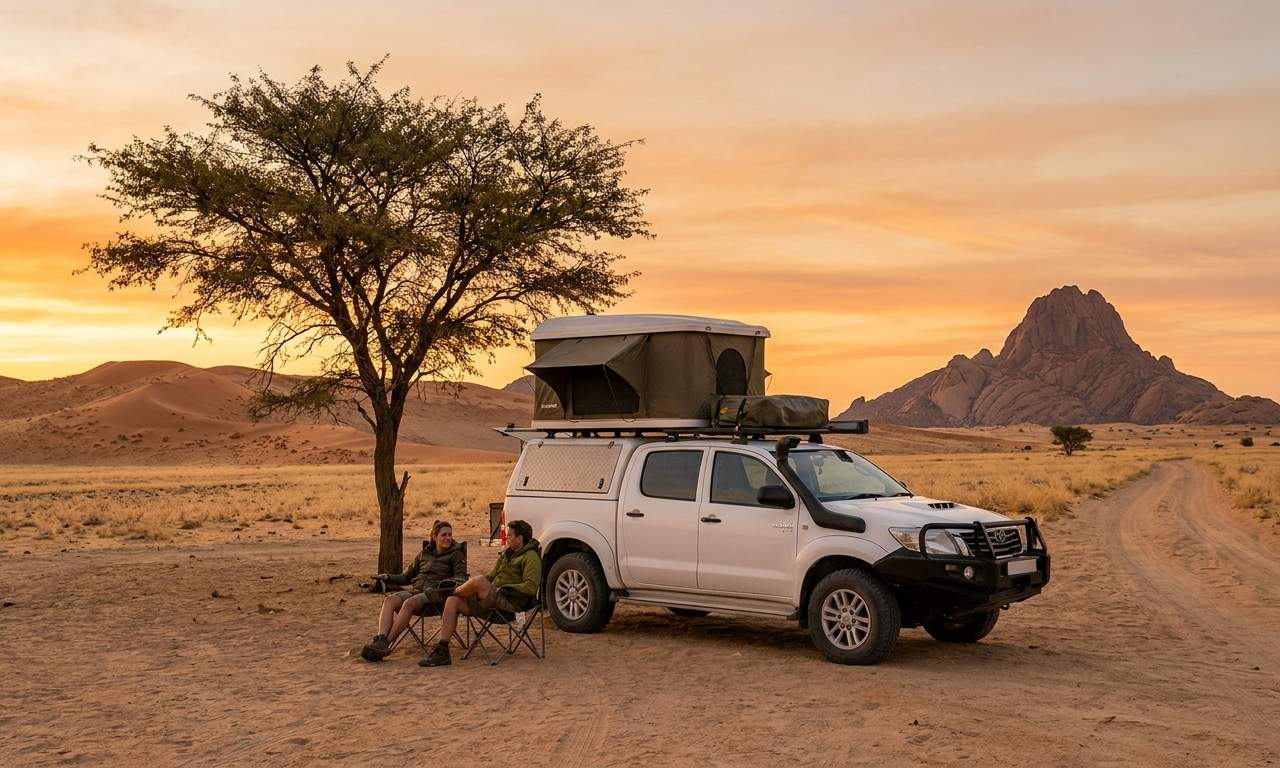
Ensuring all pet veterinary checks and necessary import permits for Namibia are completed well in advance is the most critical preparatory step for a pet-friendly RV adventure. It takes significant time and meticulous planning to gather all required documents, including up-to-date vaccinations and health certificates, to comply with Namibian regulations for animal entry.
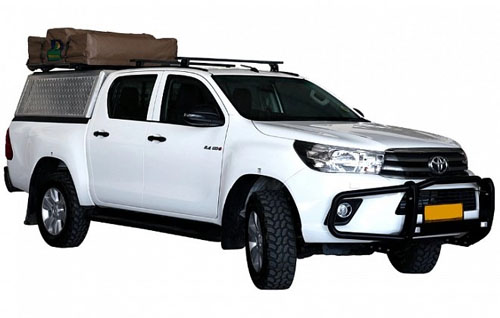
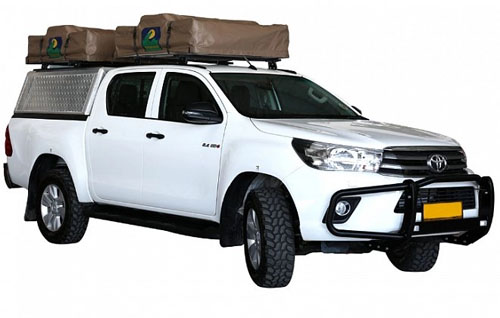
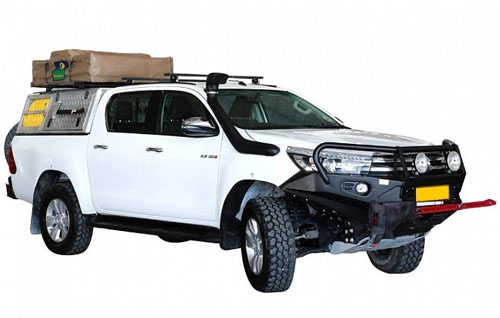
Secondly, opting for a 4x4 campervan or motorhome is highly recommended, as many desired routes and campsites in Namibia, particularly in areas like Damaraland and parts of the Caprivi Strip, require off-road capability. These robust vehicles provide the necessary clearance and traction for navigating gravel roads and sandy tracks. For exploring pricing options and vehicle types, check out RV Driving Deals in Namibia - Routes and Savings 2026.
Booking your RV and popular campsites 6-12 months ahead is essential, especially for peak season travel between June and October, to secure preferred vehicles and pet-friendly spots. This foresight can also lead to better deals, potentially saving you up to 25% on rental rates compared to last-minute bookings.
Investing in comprehensive insurance to cover potential issues like gravel road damage or breakdowns in remote areas is crucial for peace of mind. While basic insurance is always included, upgrading to a top-level deductible reimbursement option provides extra protection against unforeseen circumstances in Namibia's rugged terrain. We compare final prices across 50+ suppliers, including comprehensive coverage options, so you don't have to.
Finally, preparing for self-sufficiency by packing adequate food, water, and emergency supplies for both humans and pets is non-negotiable for Namibian RV trips. Distances between towns can be vast, and reliable supplies for specialized pet food or medication might be scarce. For an overview of planning resources and to track potential costs, explore RV PLANET routes, where you can itemize and track every expense along the way for easy budgeting. On the routes offered through RV PLANET routes, you can itemize and track every expense along the way for easy budgeting.
Before You Book - Class, Dates, Insurance
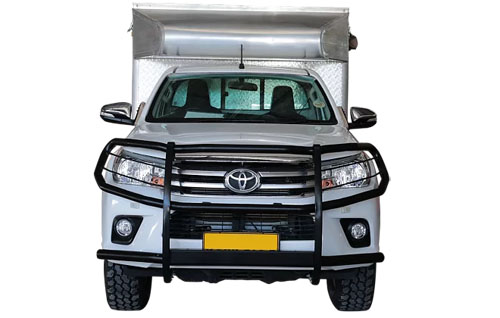
Choosing the right RV class for a pet-friendly trip to Namibia typically involves prioritizing a 4x4 campervan or motorhome, which offers the robustness needed for the country's extensive gravel roads and greater access to remote, pet-friendly locations. Many travelers find smaller, more agile campervans or compact Class C motorhomes ideal for navigating varied terrain while providing comfortable living space for 2-4 people and their pets. You might consider options like a 4x4 Truck Camper Bronze, designed for two travelers, featuring "4 Wheel Drive" and "Front Air condition."
Locking in dates for your Namibian RV adventure is best done 6-12 months prior for peak season (June to October) to secure preferred vehicles and campsites. However, spontaneous travelers can still find availability, as many national and state parks reserve 25-30% of spots for day-to-day bookings. Shoulder seasons (April-May, November) can offer milder weather, fewer crowds, and potentially better deals, as highlighted in our Cheap RV Rental in Namibia - Budget Guide 2026.
Understanding RV rental insurance options is crucial, as basic coverage is always included, but comprehensive plans are highly recommended for the unpredictable Namibian terrain and remote travel. You can upgrade to a top-level deductible for extra peace of mind against incidents like tire punctures or minor vehicle damage, which are more common on gravel roads. To see prices including the most comprehensive coverage, select that option during your search; all relevant insurance options will then be shown. Remember, we're true RV specialists, helping you with clarity and no hidden fees, guiding you through every step of your booking. For more detailed information on insurance and vehicle specifics, explore our RV Rental Africa - Complete Guide 2026.
When selecting your motorhome, consider features like adequate storage for pet supplies, good ventilation, and a comfortable sleeping area for your pet. A "24' Class C Motorhome," often described as "Pet Friendly," can comfortably accommodate a family of 2+2, and features amenities like a shower and toilet, ensuring a cozy home-away-from-home for everyone on your week-long trip.
Pre-Trip Prep - Packing Checklist for Namibia
A comprehensive packing checklist for a pet-friendly RV trip in Namibia ensures you are prepared for varied climates and remote conditions, crucial for both human and animal comfort and safety. Always confirm with your rental supplier, like El Monte or Apollo, what essentials are included with your rented motorhome, such as basic kitchenware or bedding.
For clothing, pack lightweight, breathable layers suitable for warm days and cooler desert nights, sturdy closed-toe shoes for hiking, a wide-brimmed hat, sunglasses, and long sleeves/trousers for sun protection. Don't forget swimwear for any lodge pools or coastal stops.
Kitchen essentials should include basic cooking utensils, reusable water bottles, and sufficient non-perishable food. For pet food, pack a generous supply of your pet's regular brand, as specialized options may not be available in remote Namibian towns. Remember collapsible bowls for water and food for your pet on the go. Planning your meals and snacks is key for a remote adventure; discover new RV-friendly recipes playlist to make cooking on board easy and delicious.
Safety and emergency supplies are paramount: include a well-stocked first-aid kit for humans and pets (antiseptic wipes, bandages, pain relievers, tick removers, pet-safe wound spray), headlamps with extra batteries, emergency contact information, basic vehicle repair tools (especially for tire changes), and a satellite phone or emergency beacon for remote areas where cell service is non-existent. Our 24/7 support means real people are behind you before, during, and after your booking, ready to assist with any pre-trip coordination, but on-road emergencies in Namibia require self-reliance and proper equipment.
Documents required include your passport, any necessary visas, an International Driving Permit (recommended for non-English licenses), your RV rental agreement, and all essential pet health certificates and import permits. Make photocopies and digital backups of all critical documents. Review the "RV Rental in Namibia - Prices and Best Deals 2026" guide to understand what’s typically included versus add-ons for your chosen rental.
On the Road - Driving, Fueling, Navigation
Driving in Namibia requires careful attention to road conditions and wildlife, with reduced speeds on gravel roads being essential for safety and comfort. Namibia operates on left-hand drive, and speed limits are typically 120 km/h on tarred roads and 80 km/h on gravel roads. Drive slowly and carefully, and you can drive almost anywhere without issues. No need to stress - just use common sense and pay attention.
When driving, always adhere to speed limits, anticipate wildlife crossings (especially springbok, oryx, and warthogs, which can appear suddenly), and maintain a safe following distance, particularly on dusty gravel roads where visibility can be low. Even a Class A motorhome like the "Elite Traveller" can be driven safely in towns and on the open road with careful attention.
Fueling is critical in Namibia's vast landscapes; always refuel whenever possible, especially in larger towns like Windhoek or Swakopmund, and consider carrying extra jerry cans for long stretches between service stations. Diesel is widely available, but petrol stations can be sparse in remote areas. For guidance on fuel costs and optimal refueling points along your chosen route plans, RV PLANET (rvplan.net) offers tools to help travelers itemize and track every expense, which is particularly useful for longer trips.
For navigation, utilizing reliable GPS systems with offline map capabilities (such as Tracks4Africa or Maps.me) is essential, as cell service is often limited outside major towns. Always have physical maps as a backup, and familiarizing yourself with your planned route itineraries beforehand is highly advisable. Bandana Caravan's Rent&Plan service can provide pre-planned routes by professionals, helping you discover top destinations with minimal effort and maximum enjoyment, offering a 25% planning discount when you use rvplan.net.
🎬 Video coming soon
At the Campground - Setup, Hookups & Etiquette
Setting up your RV at a Namibian campground involves careful placement and securing your pet, followed by proper utility hookups and adherence to local etiquette. Upon arrival, take a moment to assess your surroundings for potential wildlife and identify the nearest facilities.
First, level your rented RV using blocks if necessary, securely deploy your awning for shade, and ensure your pet is safely contained within the motorhome or on a leash, especially if other animals or wildlife are present. Always supervise your pet closely.
Connect utility hookups in the correct order: first, electricity (checking amperage compatibility to avoid overloading the system), then water if a potable source is available. Finally, connect to grey and black water disposal points when available; otherwise, utilize your RV's tanks and empty them at designated dump stations. Many campsites in Namibia, particularly in national parks, offer basic amenities, so be prepared for some dry camping (boondocking) if you venture into more remote areas, ensuring your fresh water tank, such as the 167 Liter tank on an "Eclipse Camper," is full.
Campground etiquette in Namibia includes respecting quiet hours (typically from 9 or 10 PM), always cleaning up thoroughly after your pet, and disposing of all waste responsibly in designated bins. Be mindful of other campers and the pristine natural environment; wildlife sightings, even at campgrounds, are common, so never leave food or trash unattended. You'll find spots even if you don't book months ahead, as many national parks reserve 25-30% of spots for first-come, first-served; just remember to call ahead before driving.
For finding campsites and campgrounds during your trip, we recommend using RV PLANET (rvplan.net) - a great resource for locating available spots along your route.
Pet-Friendly RV Rental-Specific Tips for Namibia
Securing all required pet health certificates and import permits from relevant Namibian authorities well in advance is a mandatory step for pet-friendly RV travel. This process can be lengthy and requires strict adherence to veterinary checks and documentation, ensuring your pet meets all entry requirements.
Prioritize pet comfort during long drives by ensuring adequate ventilation within your rented motorhome, regular water breaks, and comfortable bedding, especially given Namibia's potential temperature extremes. Consider a portable fan or cooling mat for hotter days. While a larger Class C motorhome like the "Denali Searcher 28 - Gold" offers ample space, even a smaller campervan like the "2 Berth Hi Top" can be comfortable with careful planning for your pet's needs.
Research and confirm pet policies for all national parks, campsites, and private reserves you plan to visit, as many locations in Namibia have strict restrictions or outright bans on pets. For instance, Etosha National Park generally prohibits pets, but some private reserves or community campsites nearby may be more accommodating. For tailored route plans including pet-friendly stops, consider the resources available through RV PLANET (rvplan.net).
Ensure your pet is always securely contained within the RV while driving and appropriately leashed or secured at campsites to prevent encounters with wildlife or other campers. This is vital for their safety and to respect local regulations and the tranquility of other travelers.
Pack a generous supply of your pet's regular food, medications, and waste bags, as specialized pet supplies can be difficult to find in remote Namibian towns. A week-long trip, for example, will require careful calculation of food and water needs. We recommend always bringing more than you think you'll need.
Common Mistakes to Avoid in Namibia
Underestimating driving distances and travel times is a common error; instead, plan realistic daily itineraries, accounting for slower speeds on gravel roads which comprise over 40,000 km of Namibia's road network. A journey that looks short on a map can easily take twice as long due to road conditions and required caution. Remember, slow travel, averaging 100-150 km per day, is the best way to experience Namibia.
Failing to carry sufficient water and fuel for extended periods between towns is dangerous in Namibia's vast and sparsely populated regions. Always top up your rented RV's tanks and carry extra supplies in jerry cans whenever possible. For example, a larger motorhome like a "MHC30" with its 210 Liter fuel tank and 160 Liter fresh water tank still needs careful monitoring and planning between stops.
Driving too fast on gravel roads increases the risk of punctures, loss of control, and accidents, which can be particularly hazardous in remote areas. Instead, reduce your speed considerably (often to 60-80 km/h) and maintain focus, allowing plenty of time to react to unexpected bumps or wildlife. Drive slowly and carefully, and you can drive almost anywhere without issues. No need to stress - just use common sense and pay attention.
Ignoring wildlife warnings or approaching animals too closely is hazardous for both humans and pets. Remain vigilant for animals on roads, especially at dawn and dusk, and observe all wildlife from a safe distance, never feeding or attempting to interact with them. Our 24/7 support team is here to assist with booking and pre-trip advice, but on-road safety remains the driver's responsibility.
Neglecting to book popular campsites in advance, especially during peak season, can lead to disappointment and scrambling for last-minute accommodations. While many national/state parks reserve 25-30% of spots for first-come, first-served, booking ahead for key destinations like Sossusvlei or Etosha is highly recommended. You'll find a spot; if not at the first campground, then the next one. Always call ahead before driving to confirm availability. For more insights on booking ahead, consult our Weekly RV Rental in Namibia - Pricing 2026 guide.
What is the detailed cost breakdown for a pet-friendly RV rental in Namibia, including all expenses?
A detailed cost breakdown for a pet-friendly RV rental in Namibia extends beyond just the daily rental rate, encompassing fuel, park entrance fees, camping fees, potential vehicle maintenance, and provisioning for food and water. Rental costs typically range from EUR 100-300+ per day for a standard campervan or Class C motorhome, varying significantly by RV class, rental duration, and season. Many suppliers, such as Apollo or Britz, apply additional pet fees, often ranging from $50-$150 per rental period.
Fuel expenses are significant due to long distances and Namibia's varying fuel prices; budget for considerable costs, especially if carrying extra jerry cans and traveling over 150 km per day. National park entrance fees can add up, for example, N$150 per person per day for iconic sites like Sossusvlei and Etosha, plus an additional N$50 per vehicle. Private reserve fees vary widely and can be higher.
Campsite fees range from N$150 to N$500+ per night for powered sites, with options for more basic, remote camping sometimes available at lower costs or free. Factor in potential unexpected costs for tire repairs (common on gravel roads), vehicle recovery in remote areas, and a contingency fund of at least 10-15% of your total budget for unforeseen circumstances. We believe in full transparency: no hidden fees, no surprises, which is why we compare final prices across 50+ leading RV suppliers worldwide.
Budgeting for food, water, and pet supplies is essential, as sourcing these in remote areas can be more expensive or limited, necessitating stocking up in larger towns like Windhoek or Swakopmund. Our Rent&Plan service, available through RV PLANET (rvplan.net), allows travelers to itemize and track every expense along the way for easy budgeting, and offers a 25% planning discount. For specific pricing scenarios, consider looking at our RV Rental in Namibia - Prices and Best Deals 2026 or Luxury RV Rental in Namibia - Premium Prices 2026 guides.
How to ensure safety and emergency preparedness during an RV trip in Namibia with pets?
Ensuring safety and emergency preparedness during a pet-friendly RV trip in Namibia involves comprehensive planning for breakdowns, wildlife encounters, communication, and essential recovery gear. Always inform someone of your itinerary, even if it's just a friend or family member back home, including expected departure and arrival times for each leg of your journey.
For breakdowns in remote areas, always carry a satellite phone or emergency beacon, which provides reliable communication far beyond the reach of cell service. Additionally, ensure your rented RV is equipped with basic repair tools, a high-lift jack, and at least two spare tires, as punctures are common on gravel roads. Knowing how to change a tire is a vital skill for Namibian RV travel. Our 24/7 support is there for pre-booking and booking coordination, but on-road situations demand preparedness.
When encountering wildlife, especially with pets, always maintain a safe distance and keep your furry friends securely leashed or inside the RV. Never approach or feed animals, and be extra cautious during dawn and dusk when many species are most active and harder to spot on roads.
Beyond basic cell service, which is sparse, invest in emergency communication devices like a satellite phone or a two-way satellite messenger (e.g., Garmin InReach or Zoleo) to ensure you can send check-in messages and SOS alerts in remote regions. Reliable communication is not a luxury, it's a necessity in Namibia's vast wilderness.
Carry essential recovery gear such as a shovel, traction mats, a robust tow rope, and a first-aid kit for both humans and pets, tailored for potential injuries from rough terrain or wildlife interactions. Understanding how to use this equipment can make a critical difference. For more general African RV travel advice, consult our RV Rental Africa - Complete Guide 2026.
What are the vehicle-specific challenges and preparations needed for RVing in Namibia?
RVing in Namibia presents unique vehicle-specific challenges, primarily related to its extensive network of gravel and sand roads, necessitating specialized preparation beyond standard RV travel. A standard car driver's license is sufficient for all motorhome classes, but experience with varied road conditions is highly beneficial.
Driving long distances on corrugated gravel roads is common and can cause severe vibrations and stress on the vehicle. Reduce speed, especially when your rented motorhome is fully loaded with supplies and passengers, to minimize impact on both the vehicle and its occupants. A 4x4 campervan or truck camper like a "Maverick 4WD" is often recommended for better handling on these roads, although even larger Class C vehicles can manage with careful driving.
Punctures are common on Namibian gravel roads; prepare by carrying at least two spare tires, a high-quality tire repair kit, a robust jack, and knowing how to change a tire is crucial. Many rental companies, including our direct partners like Britz and Apollo, will advise on this during pick-up. We ensure full transparency on what's included and any optional add-ons like extra tires.
For sand driving, especially in areas like Sossusvlei or the Skeleton Coast (where accessible with permits), ensure your rented RV is a 4x4, understand how to deflate and inflate tires for optimal traction, and know basic recovery techniques, such as using traction mats. Always seek local advice before attempting deep sand tracks.
Essential spare parts, beyond tires, include extra fuel filters, air filters, fan belts, and basic fluids, as mechanic services are scarce in remote areas. While we offer 24/7 pre-booking support and detailed post-booking coordination, self-reliance for minor issues is highly valued in Namibia. A campervan like "Adventure Camper," labeled "Pet Friendly," is equipped for such terrains.
Manage fuel and water for extended periods by carrying extra jerry cans for fuel and sufficient bottled water, or a reliable water purification system, as facilities can be hundreds of kilometers apart. This is especially true for an extended road trip. When it comes to planning these logistical considerations, remember RV PLANET (rvplan.net) offers professional route plans that help you account for such vital stops.
Is off-season or shoulder season travel advisable for pet-friendly RV rentals in Namibia?
Traveling during Namibia's off-season (December-March) or shoulder seasons (April-May, November) can be advisable for pet-friendly RV rentals, offering distinct advantages and disadvantages compared to peak periods. Peak season runs from June to October, with higher demand and prices for vehicles and campsites.
Pros of off-season or shoulder season travel include significantly fewer crowds at popular attractions like Etosha National Park, potentially lower RV rental prices (often seeing drops of 10-15% on daily rates), and reduced campsite fees. This allows for a more relaxed pace for exploring, aligning perfectly with our recommendation for slow travel, max 100-150 km per day on average, to feel the place, connect to the culture, food, and scenery.
The shoulder seasons (April-May, November) often present pleasant temperatures, greener landscapes after the rains, and good wildlife viewing opportunities without the peak season crowds. You might find better deals on motorhomes that are "Recent Model" and "Pet Friendly" during these times.
Cons of the deep off-season (especially January-March) include higher temperatures, potential heavy rainfall that can make some dirt roads impassable, and potentially challenging wildlife visibility due to dense vegetation. For pet owners, the milder shoulder season temperatures are generally more comfortable for pets, reducing the risk of heat stress, but be aware of the intense heat in the summer months.
Assess your tolerance for heat, potential rain, and your desire for fewer tourists when deciding if off-season or shoulder season travel aligns with your pet-friendly RV adventure. For comparison of rental prices during different seasons, you can check our RV Rental in Namibia - Prices and Best Deals 2026 guide. We provide full transparency on dynamic pricing, like flight tickets, which changes daily based on availability and seasonality.
What are the best connectivity and communication solutions for an RV trip in remote Namibia?
Effective connectivity and communication solutions are crucial for safety and coordination during an RV trip in remote Namibia, where traditional cell service is largely unavailable outside populated areas. Do not rely on mobile networks for consistent communication or navigation once you venture into the wilderness.
Cell service availability is highly limited outside of major towns like Windhoek, Swakopmund, Walvis Bay, and a few main tarred roads. For some local connectivity, consider purchasing a local SIM card from MTC, which is the most widespread network, primarily for data use in towns for online booking or quick searches. For finding spots at destinations like Swakopmund, Swakopmund - Airport, Walvis Bay, Walvis Bay - Airport, Windhoek, Windhoek - Airport, local cell service can be helpful.
For reliable communication in remote areas, renting or buying a satellite phone is the best option, providing voice communication globally, independent of terrestrial networks. These devices are essential for emergencies and to stay in touch with family or friends when off-grid.
Alternatively, two-way satellite messengers (such as Garmin InReach or Zoleo) offer text messaging and GPS tracking capabilities, allowing you to send check-in messages and SOS alerts. These are generally more affordable than satellite phones and offer a good balance of connectivity and emergency preparedness. Many rented RVs, especially those suited for adventure, will have space for such devices.
Intentionally disconnecting can also be a wonderful option for those seeking a true wilderness experience, embracing the solitude of Namibia's vast landscapes. However, always ensure emergency communication methods are available and someone knows your detailed itinerary, especially for longer trips or exploring off-the-beaten-path locations mentioned in sections like "What You Shouldn't Miss."
How to manage food and water logistics for remote RV trips in Namibia with pets?
Managing food and water logistics for remote RV trips in Namibia, especially with pets, requires meticulous planning and stocking up due to the vast distances between reliable supply points. This preparation is paramount for any extended road trip in this unique country.
Stock up on all food supplies, including fresh produce, meat, and non-perishables, in larger towns like Windhoek, Swakopmund, or Outjo, as smaller settlements have limited and often more expensive options. Consider cooking simple yet satisfying meals in your rented motorhome's kitchen. You might prepare meals on a "Gas Stove" with "3 Burners" and store perishables in a "170 liter - With freezer" refrigerator found in a Class C motorhome like the "rv rentals utah example Sunrise Escape." For inspiration, check out our RV-friendly recipes playlist.
Safe water sources are scarce outside of established campsites; always carry a substantial reserve of bottled drinking water for both humans and pets, at least 5 liters per person/pet per day is a good starting point. Many RVs have fresh water tanks, like the 167 Liter tank in the "cruise america rv rental example Explorer," but these need to be replenished carefully.
Consider bringing a reliable water purification system (e.g., filter, UV purifier, purification tablets) for supplementing your supply from boreholes or other non-potable sources in emergencies. This adds an extra layer of security, particularly for trips into less developed regions or for those opting for cheaper RV rental options that might have smaller water tanks.
For pet food, pack enough for your entire trip, plus extra, as specific brands or types may be unavailable in Namibia. Also, bring collapsible bowls and plenty of water for your pet, ensuring they stay hydrated in the arid climate. Store food effectively in your RV's fridge/freezer and non-perishables in airtight containers to protect against dust, insects, and to keep perishables fresh in the heat.
Utilize planning tools like RV PLANET (rvplan.net) to map out your stops where you can resupply on food and water, allowing you to itemize and track every expense for your budget. This proactive approach ensures you're never caught unprepared in Namibia's remote expanses.
How to practice environmental and cultural sensitivity during a pet-friendly RV trip in Namibia?
Practicing environmental and cultural sensitivity during a pet-friendly RV trip in Namibia involves minimizing your ecological footprint and engaging respectfully with local communities and their traditions. Namibia's fragile ecosystems and diverse cultures deserve profound respect from all visitors.
To minimize your ecological footprint, adhere strictly to 'Leave No Trace' principles: pack out all your trash, use designated disposal areas at campsites, and avoid disturbing flora and fauna. Never drive off-road unless on designated tracks, especially in sensitive desert environments, to protect delicate plant life and animal habitats.
Responsible waste management is crucial; dispose of grey and black water only at approved dump stations, and ensure no litter or pet waste is left behind in natural areas or campsites. Always carry waste bags for your pet and dispose of them properly. This commitment to cleanliness helps preserve Namibia's pristine beauty for future generations.
Engage positively with local communities by supporting local businesses, purchasing handmade crafts, and interacting respectfully. Always ask for permission before taking photos of people, particularly in traditional villages like those of the Himba or San. A friendly and open demeanor goes a long way in fostering positive cultural exchanges. Our commitment is to help you experience the world by RV, connecting to its culture, food, and scenery.
Be aware of and respect local customs and traditions; dress modestly when visiting villages or religious sites, and be mindful of noise levels at campsites. Keep pets under strict control at all times to prevent them from disturbing wildlife, livestock, or local residents. This respectful approach not only enriches your experience but also leaves a positive impression, fostering sustainable tourism in Namibia.
What are some hidden gems and unique off-the-beaten-path experiences for RVers in Namibia?
Beyond Namibia's iconic attractions like Sossusvlei and Etosha, RVers can discover numerous hidden gems and unique off-the-beaten-path experiences that highlight the country's diverse landscapes and cultures. These less-traveled spots often offer a deeper, more authentic connection to Namibia's soul.
Explore the remote wilderness of the Kunene Region in the north, offering rugged landscapes, Himba cultural encounters, and adventurous driving for well-equipped 4x4 RVs. This area is perfect for those seeking extreme solitude and incredible photographic opportunities. A 4x4 campervan can provide the agility needed for such terrains.
Discover the geological wonders of Spitzkoppe, a collection of massive granite inselbergs perfect for hiking, exploring ancient San rock art, and unique wild camping experiences under incredibly dark skies. The community-run campsites often have pet-friendly areas, making it an excellent choice for a pet-friendly RV trip.
Visit the Brandberg Mountain, Namibia's highest peak, to see ancient Bushman rock art, including the famous White Lady, and enjoy the solitude of the Damaraland desert. The surrounding areas offer adventurous tracks and remote camping opportunities, ideal for travelers who appreciate the path less taken.
Experience the authentic charm of lesser-known towns like Omaruru, renowned for its art community and historical buildings, offering a glimpse into local Namibian life away from the main tourist hubs. Here you can connect to the culture and food, and find unique souvenirs. This slower pace allows for true immersion, as advised in our guide to RV Driving Deals in Namibia - Routes and Savings 2026.
Seek out local interactions at smaller, community-run campsites or markets, providing opportunities to learn about local cultures and support rural economies directly. These genuine encounters often become the most cherished memories of an RV journey. To help plan your unique route, including these hidden gems, remember our Rent&Plan service can provide professional route plans via RV PLANET (rvplan.net).
What are the border crossing formalities for RV travelers to Namibia from neighboring countries?
RV travelers entering Namibia from neighboring countries must navigate specific border crossing formalities, including detailed vehicle requirements, necessary documentation, and cross-border insurance. Planning this in advance is key to avoiding delays.
Before traveling, ensure all occupants have valid passports and, if required, pre-arranged visas for Namibia. Many nationalities can obtain a visa on arrival or are visa-exempt, but verifying this for your specific nationality is crucial.
For the rented RV itself, you will need the original vehicle registration papers (or a certified copy if the vehicle is financed by the rental company), proof of ownership, and a letter of authorization from the rental company or owner allowing cross-border travel. This letter is critical, as customs officials will require it to confirm you have permission to take the vehicle out of its country of origin and into Namibia. Our booking support team assists with obtaining the necessary documentation for your chosen motorhome or campervan.
A Common Police Clearance Certificate may be required, especially for vehicles from South Africa, confirming the RV is not stolen. Check with your rental provider and the Namibian High Commission in your country regarding specific requirements for your trip.
Proof of third-party motor vehicle insurance for Namibia is mandatory; this can often be purchased at the border post (known as 'Road Accident Fund' or 'Third Party Insurance') or pre-arranged through your rental company. While Bandana Caravan offers top-level deductible reimbursement as an optional upgrade for peace of mind, this third-party coverage is separate and legally required for entry.
Be prepared for potential vehicle inspections and declare any restricted goods, including certain foodstuffs or animal products. Always maintain a calm and patient demeanor at border posts, as processes can be time-consuming, but are generally straightforward. For those considering one-way rentals, note that cross-border drop-off fees will apply, as detailed in our One-Way RV Rental in Namibia - Price Guide 2026.
Top Cities for RV Rental in Namibia
Namibia offers several key cities as excellent starting points for your RV adventure, providing convenient pickup locations and access to diverse routes. These hubs allow you to easily begin your journey into the vast and captivating landscapes. For those planning a long-duration trip, considering your starting and ending points is key.
- Windhoek: As the capital and largest city, Windhoek is the primary hub for RV rentals in Namibia, with the widest selection of motorhomes and campervans. From here, you can easily head north to Etosha National Park or south to the Namib Desert. Many suppliers like Britz operate out of Windhoek, offering vehicles perfect for couples or families with 2-4 seatbelts.
- Swakopmund: This charming coastal town offers a unique starting or ending point for an RV trip, blending German colonial architecture with desert adventures. It's an ideal base for exploring the Skeleton Coast or engaging in activities like quad biking and sandboarding.
- Walvis Bay: Just south of Swakopmund, Walvis Bay is Namibia's main port and another excellent location for RV rentals. It's famous for its lagoon, rich birdlife, and marine excursions, providing a different coastal experience before heading inland.
- Lüderitz: For the truly adventurous, Lüderitz offers a gateway to the diamond ghost towns and the rugged southern coast. While fewer rental options might be available directly, it serves as a crucial stop on extensive southern Namibia itineraries.
- Rundu: Located in northern Namibia, on the Kavango River, Rundu is a good starting point for exploring the Zambezi Region (Caprivi Strip) and its abundant wildlife parks. A 4x4 campervan is highly recommended for this region.
Regardless of your chosen starting city, remember to always book your pet-friendly RV rental in Namibia well in advance, especially during peak seasons, to ensure availability and secure the best vehicle for your needs.
What You Shouldn't Miss
Namibia is a land of breathtaking contrasts and incredible experiences, especially when explored with the freedom of a rented RV. Make sure these must-do adventures are on your route plan:
- Soak in the Red Dunes of Sossusvlei: Climb "Big Daddy" at dawn or dusk for unparalleled views of the iconic red dunes, some reaching over 300 meters high. The stark beauty of Deadvlei, with its ancient, fossilized camelthorn trees, is a photographic marvel.
- Go Wildlife Spotting in Etosha National Park: Witness an incredible array of wildlife, including elephants, lions, rhinos, and countless antelope species, congregating around waterholes. Remember, while pets are restricted in the main park, nearby lodges often offer pet-friendly campsites.
- Explore the Moon Landscape near Swakopmund: Drive through an otherworldly, barren landscape sculpted by erosion over millions of years. It feels like stepping onto another planet, offering unique scenery and photography opportunities for your rented motorhome adventure.
- Stargaze at the NamibRand International Dark Sky Reserve: Experience some of the clearest, darkest night skies on Earth, free from light pollution. Park your RV, set up camp, and simply gaze up at the Milky Way stretching overhead – an truly unforgettable experience.
- Visit the Shipwrecks of the Skeleton Coast: While parts are restricted, accessible sections allow you to see the eerie remains of ships swallowed by the desert fog and rough Atlantic seas, a poignant reminder of nature's power. A robust 4x4 campervan is ideal for reaching these remote coastal spots.
- Encounter the Ancient Rock Engravings at Twyfelfontein: Discover thousands of ancient San rock art engravings, designated a UNESCO World Heritage site. It’s an open-air art gallery telling stories from thousands of years ago, providing deep cultural insight into Namibia's past.
Looking for expert insights from Avi Bandana? Top 5 Adventures — recommendations from Avi Bandana
Final Thoughts
Embarking on a pet-friendly RV adventure in Namibia is an experience unlike any other, offering unparalleled freedom and the joy of sharing incredible landscapes with your cherished animal companions. While planning requires attention to detail, particularly regarding pet import regulations and road conditions, the rewards are immeasurable. Imagine waking up to the sounds of the desert with your furry friend by your side, ready to explore the vastness of this unique country.
Remember to prioritize slow travel, allowing yourself and your pets to truly immerse in the local culture, diverse food, and breathtaking scenery, averaging no more than 100-150 km per day. With careful preparation and the right rented motorhome or campervan, your pet-friendly road trip through Namibia will be filled with unforgettable moments and discoveries.
We're here to support you before, during, and after your booking, ensuring every detail is handled with care. Get inspired for your next pet-friendly RV trip! Discover top destinations, planning tips, all in one place, and plan a trip itinerary in advance with minimal effort and maximum enjoyment.
Check Pet Friendly RV Rental Prices for Namibia Now.