In This Guide
- Top 5 Tips for pet friendly RV Rental in Center Europe
- Before You Book - Class, Dates, Insurance
- Pre-Trip Prep - Packing Checklist for Center Europe
- On the Road - Driving, Fueling, Navigation
- At the Campground - Setup, Hookups and Etiquette
- Pet friendly RV Rental-Specific Tips for Center Europe
- Common Mistakes to Avoid in Center Europe
- Which European country is most dog friendly?
- Can I take my dog in a rental RV?
- Is Europe RV friendly?
- What are some tips for traveling with dogs in an RV?
- What is the 333 rule for campervan?
- How much does it cost to rent an RV in Europe?
- Can you rent an RV if you have dogs?
- Is it cheaper to rent an RV or stay in a hotel?
- What is the 3-3-3 rule for RV travel?
- How hard is it to travel Europe with a dog?
- What You Shouldn't Miss
- Why Book with Bandana Caravan
- Final Thoughts
- Frequently Asked Questions
Exploring Center Europe with your beloved pet in a rented RV offers unparalleled freedom and a unique way to experience diverse cultures and stunning landscapes. Imagine waking up to the rolling hills of Bavaria, sharing a morning coffee with your furry friend, and then heading off to a charming Austrian village - all from the comfort of your mobile home. This comprehensive guide will equip you with all the essential tips and insights for a smooth and enjoyable pet friendly RV rental adventure in Center Europe. For live availability and current prices, start with our RV Rental Center Europe - Complete Guide 2026 guide.
Top 5 Tips for pet friendly RV Rental in Center Europe
Ensuring a successful pet friendly RV rental in Center Europe hinges on thorough preparation and understanding local nuances.
- **Research Pet Policies:** Always confirm the specific pet-friendly rules, fees, and any breed restrictions with your chosen rental company in advance. Most Bandana partners offer pet-friendly options, but a non-refundable pet fee, typically ranging from €50-€150 per rental, is common to cover extra cleaning.
- **Understand Local Regulations:** Familiarize yourself with country-specific pet import requirements, such as the mandatory EU Pet Passport (which must include up-to-date rabies vaccinations and microchip details), and local leash laws or public transport rules in Central European countries. Germany, for example, is generally very dog-friendly, but leash laws vary by region.
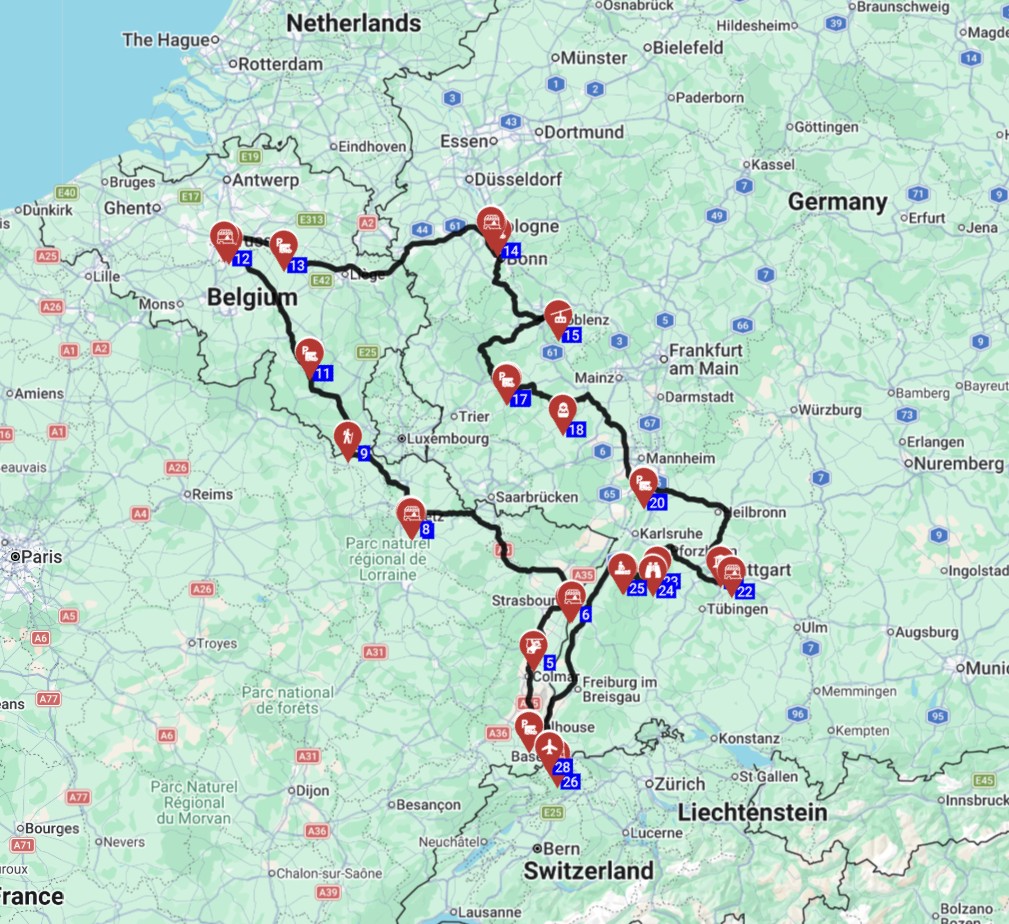
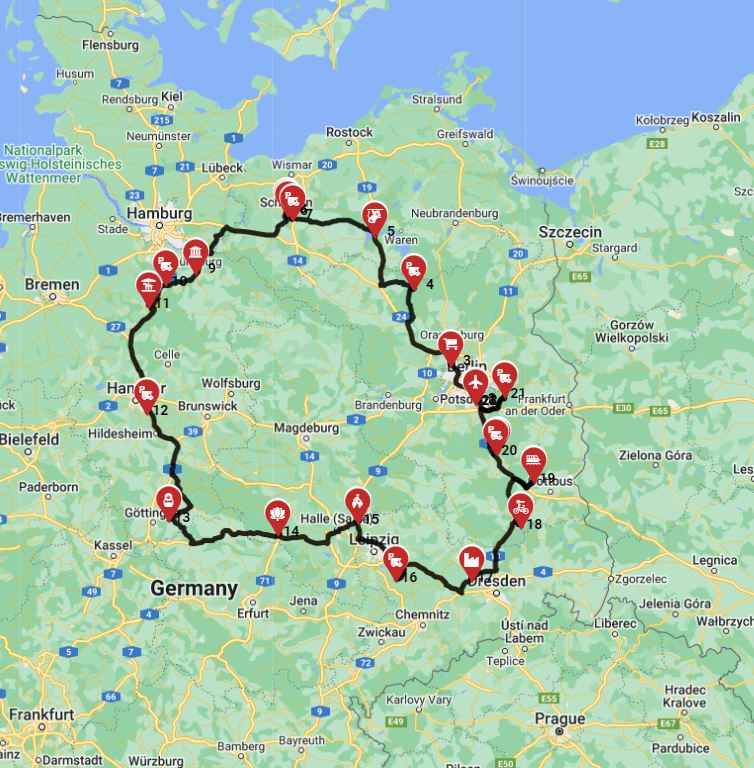
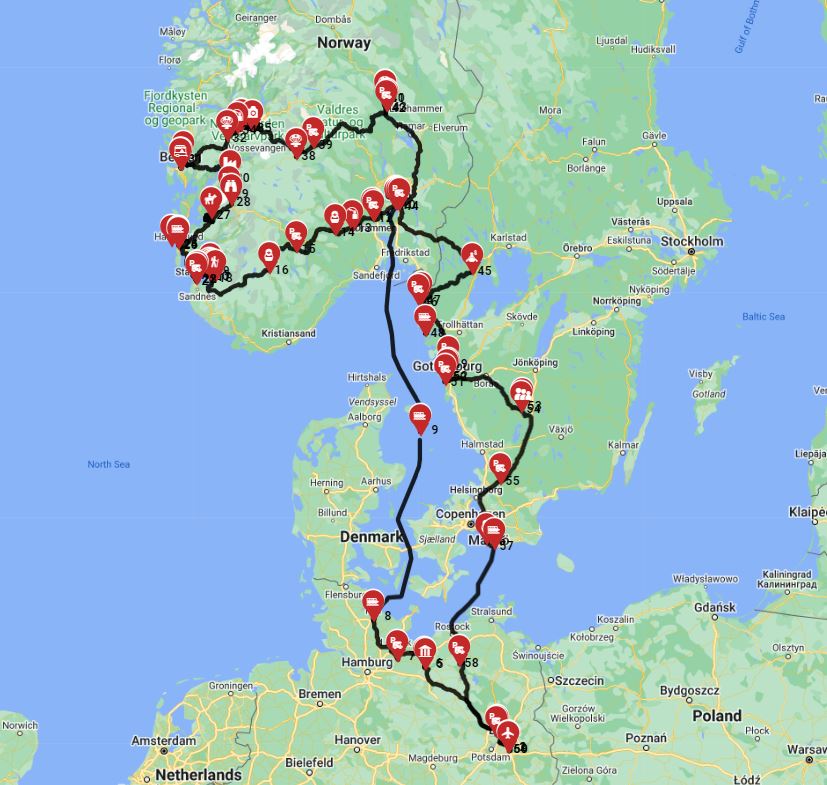
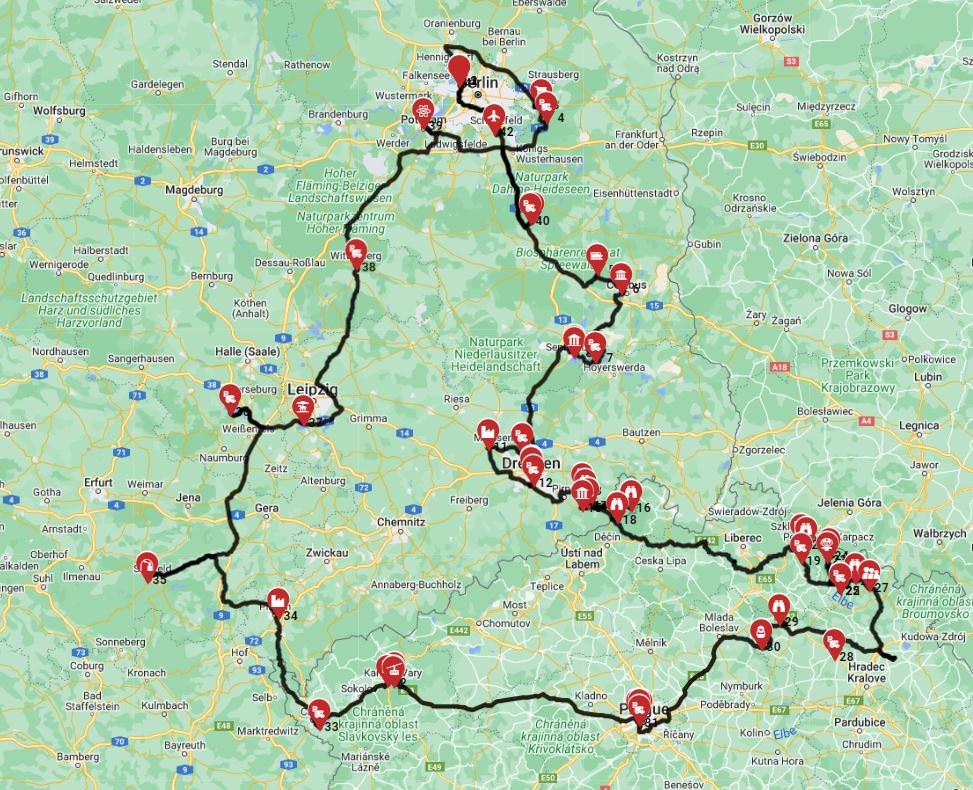
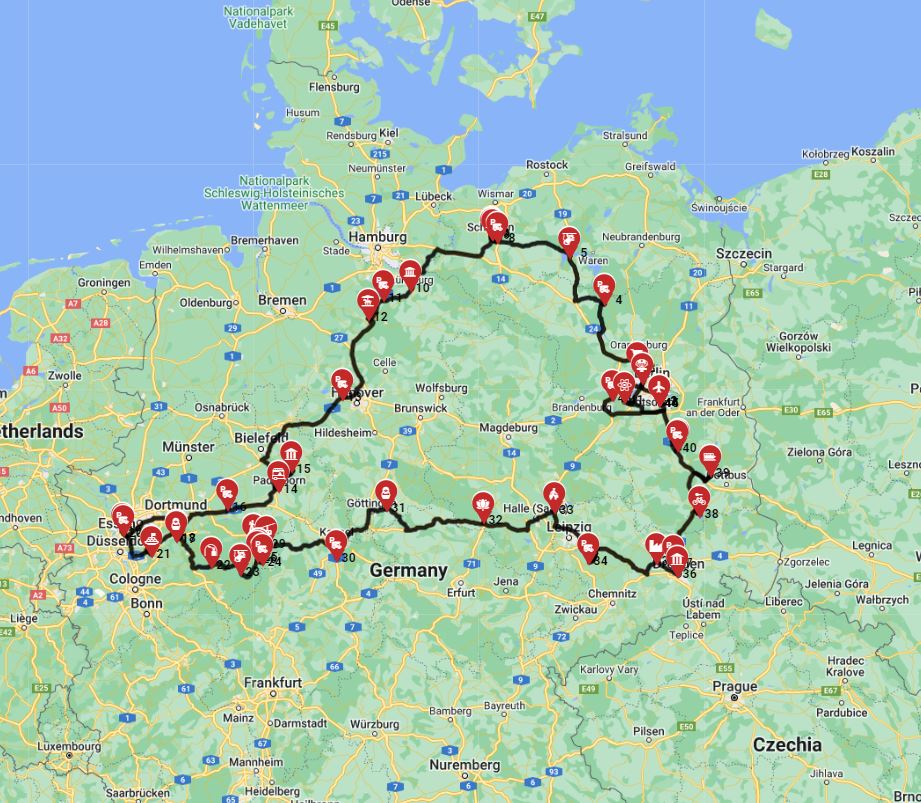
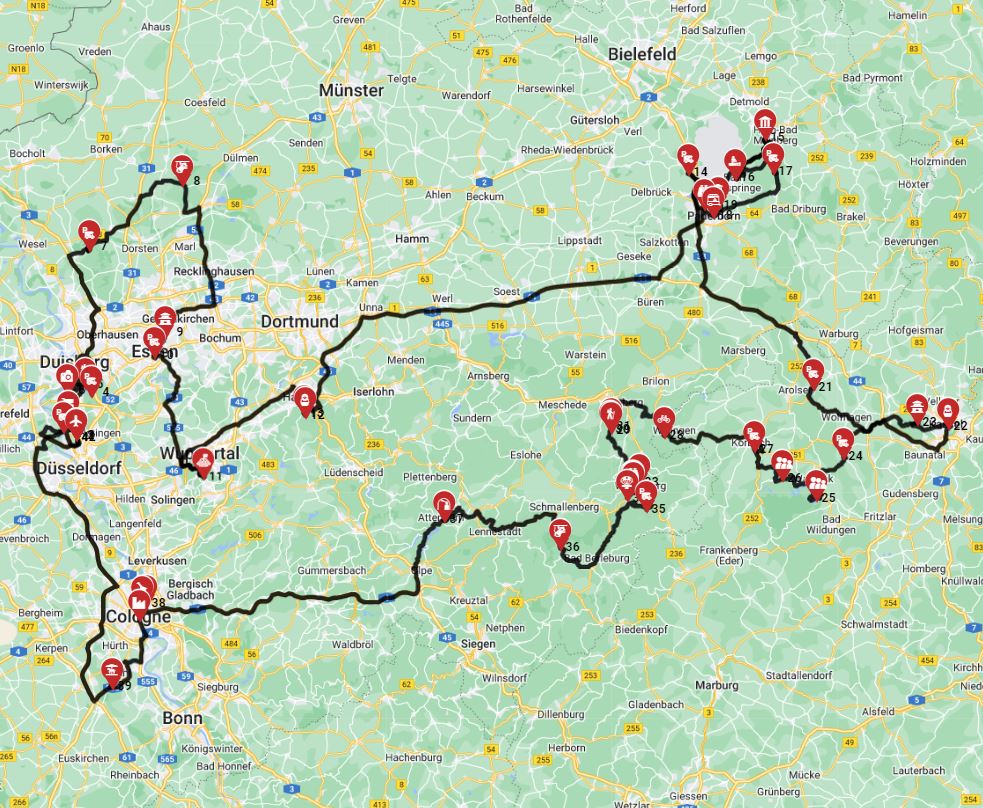
- **Plan Pet-Friendly Routes:** Design your itinerary with regular stops for pet exercise, potty breaks every 2-3 hours, and access to pet-friendly attractions or green spaces suitable for dogs. For inspiration and pre-planned routes, our RV PLANET (rvplan.net) routes offer detailed suggestions.
- **Pack Pet Essentials Thoughtfully:** Bring your pet's food, water, bowls, familiar bedding, toys, waste bags, and a basic first-aid kit, as specific brands might be hard to find in some rural Central European areas. Don't forget any prescribed medications and copies of vet records.
- **Consider RV Size for Maneuverability:** Opt for a smaller, more agile RV class (e.g., Campervan or Class C motorhome like the 'Active Bunk Auto' or 'Aero') to navigate narrow Central European roads, town centers, and parking spots more easily, especially when traveling with pets. Drive slowly and carefully, and you can drive almost anywhere without issues. No need to stress - just use common sense and pay attention.
Before You Book - Class, Dates, Insurance
Making informed decisions before booking your pet friendly motorhome for Center Europe can significantly enhance your travel experience.
Choosing an RV class for pet friendly travel in Central Europe often means balancing space for your pet with ease of navigation; smaller campervans like a 'Juliette 2-3' or Class C motorhomes are generally recommended for their maneuverability on winding roads and in historic towns. These vehicles, often measuring 5.5 to 7 meters in length, provide sufficient living space for a couple or a small family with a pet, without being overly cumbersome to drive. Booking dates significantly impact availability and price, with peak season (summer holidays from July to August) requiring reservations several months in advance for the best selection of pet-friendly vehicles, which can lead to up to 25% savings. However, spontaneous travelers can still find options, as many national and state parks reserve 25-30% of spots for first-come-first-serve arrivals - just remember to call ahead before driving.
Basic insurance is always included with your rental. To see prices including the most comprehensive coverage, select that option during search - then all relevant insurance options will be shown. Consider additional coverage for peace of mind, especially for collision damage waiver or theft protection, as these can protect against unforeseen circumstances. You can upgrade to a top-level deductible for extra peace of mind, ensuring that unexpected incidents don't turn into financial burdens. Remember, Bandana RV specialists are available 24/7 to help you compare pre-booking options and understand all costs, ensuring full transparency with no hidden fees or surprises.
Pre-Trip Prep - Packing Checklist for Center Europe
A well-organized packing list ensures you have all necessities for both human and animal travelers, addressing diverse climates and potential specific needs when preparing for a pet-friendly RV trip in Central Europe.
- EU Pet Passport (with up-to-date vaccinations, especially rabies) and veterinary health certificate.
- Microchip verification, essential for all pet border crossings within the Schengen Area.
- Leashes, harnesses, and a muzzle (if required by specific country laws or public transport regulations).
- Sufficient pet food, treats, and water bowls for the entire trip, accounting for potential difficulties in finding specific brands.
- Pet bedding, a familiar blanket, and favorite toys to provide comfort and reduce stress in new environments.
- Plenty of pet waste bags, as responsible pet ownership is highly valued in Central European campgrounds and public spaces.
- Basic pet first-aid kit (with any prescribed medications, flea/tick prevention) and contact info for emergency vets along your route.
- Adaptor plugs (e.g., Schuko for Central Europe) and surge protector for electrical hookups.
- European road atlas and reliable GPS with offline map capabilities, as mobile data might be spotty in some regions.
- Reflective vests and a warning triangle (legally required in many countries, such as Austria and Germany, for roadside emergencies).
- Vignettes or E-vignettes for toll roads (e.g., Austria, Czech Republic, Hungary, Slovakia) purchased in advance.
- Multi-currency travel wallet and some local cash for smaller vendors or emergencies.
- Comfortable layers of clothing for varied weather, as alpine regions can have sudden temperature changes.
- Reusable water bottles and shopping bags to minimize waste and comply with local environmental efforts.
- Basic kitchen essentials (salt, pepper, oil, coffee/tea) if you plan on preparing meals in your RV kitchen. Check out our RV-friendly recipes playlist for meal ideas on the go.
- Travel medical insurance for humans and pets, covering emergencies and cancellations.
- Photocopies or digital copies of all important documents, including passports, driver's licenses, and rental agreements.
On the Road - Driving, Fueling, Navigation
Navigating Central Europe in a rented RV with a pet requires awareness of local driving customs, specific road regulations like mandatory vignettes for highways in countries like Austria, Czech Republic, and Hungary, and being prepared for varied road conditions.
Driving on the right side of the road is standard across Center Europe, and speed limits for RVs can differ from passenger cars; for instance, on German Autobahns, a motorhome over 3.5 tons might be restricted to 80 km/h, even where cars have no limit. Drive slowly and carefully, and you can drive almost anywhere without issues. No need to stress - just use common sense and pay attention. When fueling up, recognizing different fuel types (e.g., Diesel, Super 95/98 petrol) is important, and understanding that prices can fluctuate significantly between countries (e.g., a liter of diesel might cost €1.80 in Germany but €1.60 in Poland) and even within regions is key for budgeting. For tracking these ancillary costs, RV PLANET routes offer tools to itemize and track every expense along the way for easy budgeting. Effective navigation often combines reliable GPS apps (with offline map capabilities for areas with limited cell service) and a physical road atlas, as some mountainous or rural areas might have limited connectivity. Most critically, ensure your pet is safely secured in the vehicle at all times, either in a crate or with a harness and seatbelt, to prevent injury during sudden stops or accidents. On the routes offered through RV PLANET routes, you can itemize and track every expense along the way for easy budgeting.
At the Campground - Setup, Hookups and Etiquette
Setting up at a Central European campground involves strategic parking, leveling your RV, and connecting to hookups in a specific order: typically electric first, then fresh water, and finally wastewater disposal, while always adhering to local etiquette.
Upon arrival at a campsite, choose a pitch that offers enough space for your RV, awning, and a comfortable outdoor area for your pet, keeping in mind that many European pitches are smaller than those in North America. Once parked, ensure your pet remains on a leash as per most campground rules, and familiarize yourself with designated pet walking areas, waste disposal points, and quiet hours, which are strictly observed to ensure a pleasant experience for all guests. Many campgrounds across Center Europe, from the Alps to the Baltic Sea, offer pet-specific facilities like dog runs or washing stations, making it easier to keep your furry companion comfortable and clean. Respect for fellow campers and the environment is paramount; always clean up after your pet immediately and dispose of waste properly.
Pet friendly RV Rental-Specific Tips for Center Europe
Successful pet friendly RV rental travel in Center Europe requires specific attention to detail concerning your animal companion.
Ensure your dog's EU Pet Passport is fully updated with rabies vaccination and microchip details, as these are non-negotiable for border crossings within Central Europe and can be checked by authorities. Research local pet-friendly attractions in advance, as some historical sites or indoor venues in countries like Germany or Austria may have restrictions, while many others offer specific dog-friendly tours or areas, especially outdoor parks and trails. Always carry sufficient water and a portable bowl, especially during summer months with temperatures potentially exceeding 30°C (86°F), to prevent dehydration in your pet during long drives or excursions. Identify emergency veterinary clinics along your planned route, noting their contact information and opening hours, which can vary significantly between Central European countries and rural versus urban areas. Be mindful of the temperature inside the rented RV; never leave your pet unattended in a vehicle that could overheat, particularly when parked in direct sunlight, and ensure adequate ventilation is always available. Bandana is comprised of true RV specialists, not just a travel agency side department, and we understand these nuances for traveling with pets.
Common Mistakes to Avoid in Center Europe
Avoiding common pitfalls ensures a smoother and more enjoyable pet friendly RV rental trip through Center Europe.
- **Underestimating Tolls and Vignettes:** Instead, research and purchase required vignettes (e.g., for Austria, Czech Republic, Hungary) before entering toll roads, or be prepared for electronic toll systems, as fines can be steep, often over €120.
- **Overlooking Pet Travel Documentation:** Instead, double-check your pet's EU Pet Passport, vaccination records, and microchip compliance well in advance of your trip to avoid border issues and potential quarantine.
- **Ignoring RV Size Limitations:** Instead, choose an RV class (e.g., a 5.99-meter 'Active Compact Select' campervan or a 7-meter 'Categoria Medium' Class C motorhome) that allows for easier navigation through narrow village streets and better parking in Central European towns.
- **Failing to Book Campgrounds in Advance:** Instead, especially during peak season (July-August), reserve your campsites or Stellplätze ahead of time to secure a spot, as popular locations fill up quickly, often 3-6 months in advance.
- **Neglecting Local Language Basics:** Instead, learn a few key phrases (e.g., 'hello', 'thank you', 'toilet', 'pet-friendly') in German, Czech, or Hungarian to enhance your interactions and navigate daily situations more smoothly, as English proficiency varies.
- **Mismanaging Waste Disposal:** Instead, familiarize yourself with proper grey and black water disposal points at campgrounds or designated service areas, as incorrect disposal is illegal and can lead to fines, typically ranging from €50-€200.
- **Not Planning Slow Travel:** Travel slowly, max 100-150 km per day on average. Take time to feel the place, connect to the culture, the food, and the scenery, which is especially important for pets who benefit from routine and less travel stress.
🎬 Video coming soon
Which European country is most dog friendly?
Germany is often considered one of the most dog-friendly countries in Central Europe, offering numerous pet-welcoming accommodations, public transport options, and expansive green spaces for pets.
In Germany, you'll find many establishments, including hotels, restaurants (especially those with outdoor seating), and even some shops, that welcome well-behaved dogs. Austria and the Czech Republic also boast high levels of dog acceptance, with many establishments welcoming well-behaved dogs. Leash laws vary by region and municipality, with some urban areas or public transport systems requiring muzzles, so researching specific local regulations before entering a new area is advisable. Many parks, hiking trails, and even some restaurants across Central Europe welcome dogs, especially in outdoor seating areas, making it easy to enjoy the scenic beauty with your furry companion. For further route plans, consider our "RV Travel Guide to Center Europe - Tips and Top Spots 2026".
Can I take my dog in a rental RV?
Yes, many RV rental companies in Central Europe offer pet-friendly vehicles, though it's crucial to confirm their specific pet policies and potential extra fees before booking.
When searching online, always look for filters that specify 'pet-friendly' options to narrow down your choices efficiently. Always directly inquire with the rental provider about any specific breed or size restrictions, as these can vary by supplier and vehicle model. Expect a non-refundable pet fee or an increased cleaning deposit to cover potential extra cleaning costs associated with pet hair or odors, typically ranging from €50 to €150 per rental. Some companies provide specific pet amenities like crates or travel bowls as optional add-ons, so it's worth asking during your inquiry. Our Bandana team is available for 24/7 support to help clarify these details before you finalize your booking.
Is Europe RV friendly?
Europe is generally RV-friendly, with a well-developed network of campgrounds, dedicated Stellplätze (motorhome parking spots), and suitable road infrastructure, particularly in Center Europe.
Central European countries like Germany, Austria, and Switzerland have excellent motorhome infrastructure, offering a wide range of campsites from basic to luxury, often with pet-friendly facilities. Driving a rented motorhome in Central Europe requires awareness of differing road conditions, including narrow roads in historic towns and mountain passes, as well as country-specific toll systems (e.g., vignettes) and fuel pricing variations. While major cities can be challenging for RV parking, many offer park-and-ride options or designated RV parking just outside city centers, allowing easy access to urban attractions. Our "RV Rental Europe - Complete Guide 2026" provides a broader overview of RV travel throughout the continent.
What are some tips for traveling with dogs in an RV?
Essential tips for traveling with dogs in an RV include ensuring proper ventilation, securing your pet during transit, planning frequent stops for exercise, and carrying all necessary pet documentation.
Always use a secure harness or carrier to restrain your dog while the RV is in motion, preventing injury during sudden stops or turns, and provide familiar toys to reduce anxiety. Schedule regular stops every 2-3 hours for potty breaks and a chance for your dog to stretch their legs and explore safely, ideally in designated pet areas. Maintain a comfortable temperature inside the RV, especially on warm days, to prevent heatstroke, and ensure constant access to fresh water. Carry your dog's EU Pet Passport with proof of up-to-date vaccinations, especially rabies, and be aware of any country-specific health requirements or parasite treatments, such as those for ticks or fleas. Additionally, bringing a long lead can allow your dog more freedom while still being safely contained at campsites.
What is the 333 rule for campervan?
The "333 rule" for campervan travel is a guideline suggesting you shouldn't drive more than 300 kilometers (or miles) a day, stay at least 3 nights in one spot, and travel no more than 3 hours from your last stop, promoting a slower, more immersive travel experience.
This rule encourages travelers to avoid burnout from excessive driving and allows for deeper exploration of local areas, which is particularly beneficial when traveling with pets, giving them time to adjust to new surroundings. Adhering to the 333 rule offers pets more stability and routine, reducing travel stress and providing ample time for walks, playtime, and exploring new environments. It's a flexible guideline designed to enhance enjoyment and foster connection to the culture, food, and scenery, rather than a strict regulation, allowing for spontaneity while ensuring a relaxed pace. This philosophy aligns perfectly with our recommendation to "travel slowly, max 100-150 km per day on average."
How much does it cost to rent an RV in Europe?
The cost to rent an RV in Central Europe varies widely depending on the vehicle size, rental duration, season, and specific country, typically ranging from €80 to €200+ per day for a standard model like the 'Cat B - Sky 22'.
Rental prices are highest during peak summer months (July-August) and around major holidays, while off-season rentals (spring/autumn) can offer significant savings, sometimes up to 25%. Beyond the base rental fee, factor in additional costs such as a pet fee (if applicable, typically €50-€150 per rental), insurance upgrades, cleaning fees, and potentially one-way fees, which can range from €150-€500 depending on the route. Operating costs include fuel (which fluctuates by country, e.g., Germany vs. Poland), mandatory road tolls or vignettes (e.g., Austria, Czech Republic), campground fees (€20-€60 per night), and groceries/dining out. For a detailed breakdown, check our "RV Rental in Center Europe - Prices and Best Deals 2026" or "Weekly RV Rental in Center Europe - Pricing 2026" guides. Remember, prices are dynamic and set at actual booking time, similar to flight tickets, so comparing options thoroughly through Bandana Caravan is key.
Can you rent an RV if you have dogs?
Yes, many RV rental agencies across Central Europe explicitly allow dogs, but it's crucial to filter for "pet-friendly" options and be aware of any additional pet fees or specific terms when making your reservation.
When searching online platforms like Bandana Caravan, look for filters that specify 'pets allowed' or 'dog friendly' to efficiently narrow down your options, often yielding several hundred available vehicles. Always read the rental company's terms and conditions regarding pets, as some may have restrictions on the number of pets, their size, or specific breeds, although this is less common for standard motorhomes like the 'Adventure Tent Select' or 'Active Classic'. Be prepared for an additional pet cleaning fee or a higher security deposit (often 1.5x standard deposit) to ensure the vehicle is returned in good condition, as this covers any extra cleaning required due to pet hair or odors. This is part of our full transparency promise: no hidden fees, no surprises.
Is it cheaper to rent an RV or stay in a hotel?
Whether an RV rental is cheaper than hotels depends on travel style, group size, duration, and desired amenities, as RV costs encompass rental fees, fuel, campgrounds, and food, while hotels involve room rates and dining out.
For families or groups (e.g., 4-6 people), a rented motorhome like a 'Family Sleeper (FS)' or 'Euro Deluxe' can often be more cost-effective as it combines accommodation and transport, and allows for self-catering, significantly reducing food expenses compared to daily restaurant meals. Consider the total cost breakdown: RV rental (average €120/day) + fuel (e.g., €150-€200/week) + campground fees (€20-€60/night) + groceries (e.g., €100-€150/week) versus hotel rooms (e.g., €80-€200/night) + car rental + restaurant meals for a fair comparison in Central Europe. Longer RV trips (over 10-14 days) tend to be more economical per day than short hotel stays, offering greater flexibility and the ability to find free or low-cost overnight parking (Stellplätze) in some regions. For detailed cost estimations, explore our "RV Rental in Center Europe - Prices and Best Deals 2026" guide.
What is the 3-3-3 rule for RV travel?
The 3-3-3 rule for RV travel, often called the "3/3/3 rule," is a popular guideline suggesting travelers limit driving to 300 miles or 3 hours per day, and stay at least 3 nights in each location, to promote a more relaxed and enjoyable pace.
This approach helps prevent driver fatigue, allows ample time to set up and enjoy each campground, and provides opportunities to explore the local surroundings in depth, which is particularly beneficial when traveling through diverse regions like Center Europe. For pet owners, this rule is especially advantageous as it reduces stress on animals by providing consistent routines and sufficient time for exercise and acclimation to new environments, preventing burnout for both humans and pets. It's a flexible framework rather than a strict mandate, offering a balanced rhythm for experiencing Center Europe without feeling rushed, encouraging travelers to truly connect with the culture, food, and scenery.
How hard is it to travel Europe with a dog?
Traveling Europe with a dog can be relatively easy with proper planning, especially concerning pet passports, vaccinations, local leash laws, and identifying pet-friendly accommodations and attractions.
The EU Pet Passport system simplifies cross-border travel within the Schengen Area, provided all vaccinations (especially rabies, valid for 1-3 years) and microchip requirements are met and up-to-date, which is critical for smooth entry and exit. Be prepared for varying pet regulations in different Central European countries; for instance, some regions might require dogs to wear muzzles on public transport or in specific public spaces, even if not generally aggressive. Finding dog-friendly restaurants and attractions requires research, but many establishments, particularly those with outdoor seating, are accommodating to well-behaved pets, with online resources like RV PLANET (rvplan.net) helping you locate these spots. Emergency vet access is generally good in Central European urban areas, but planning ahead with local contacts can be invaluable in rural regions, ensuring you're supported before, during, and after your booking.
What You Shouldn't Miss
- **Explore Bavaria's Castles (Germany):** Visit Neuschwanstein Castle, often allowing dogs on the castle grounds (not inside), then hike the surrounding trails with breathtaking views of the Alps. Many nearby campgrounds are very pet-friendly.
- **Wander Vienna's Green Spaces (Austria):** Enjoy the vast Prater park with your dog, or take a leisurely stroll through Schönbrunn Palace gardens (restricted access in some parts for dogs). Many Viennese cafes welcome dogs in outdoor seating.
- **Hike the Bohemian Switzerland National Park (Czech Republic):** Discover stunning sandstone formations and natural bridges, with numerous dog-friendly trails perfect for a day out with your pet. Be mindful of leash laws.
- **Stroll along the Danube River (Hungary):** Take a relaxing walk with your dog along the scenic Danube in Budapest, enjoying views of Parliament and the Chain Bridge. Many outdoor markets are also welcoming.
- **Experience the Tatra Mountains (Poland/Slovakia):** Venture into the lower, dog-accessible trails of the Tatra National Park (check specific trail regulations as some are restricted), offering incredible mountain scenery.
- **Discover Avi Bandana's Top 5 Adventures in Center Europe**: Looking for expert insights from Avi Bandana? Check out his personal recommendations for the most memorable RV trips in the region.
Final Thoughts
Embarking on a pet friendly RV rental adventure through Center Europe is a truly rewarding experience, offering an incredible blend of stunning landscapes, rich history, and vibrant cultures shared with your furry best friend. With the right preparation, understanding of local regulations, and the freedom a rented motorhome provides, you're set for an unforgettable journey.
Remember that planning is key, but so is embracing the spontaneity that RV travel allows. Whether you're exploring the bustling city streets (drive slowly and carefully!) or finding a serene Stellplatz in the countryside, every day is a new discovery. Trust Bandana Caravan to handle the details, so you can focus on making incredible memories. Discover top destinations, planning tips, all in one place!
Ready to hit the open road with your pet? Compare pet friendly RV prices for Center Europe now and begin planning your perfect week-long trip or extended road trip with Bandana Caravan.