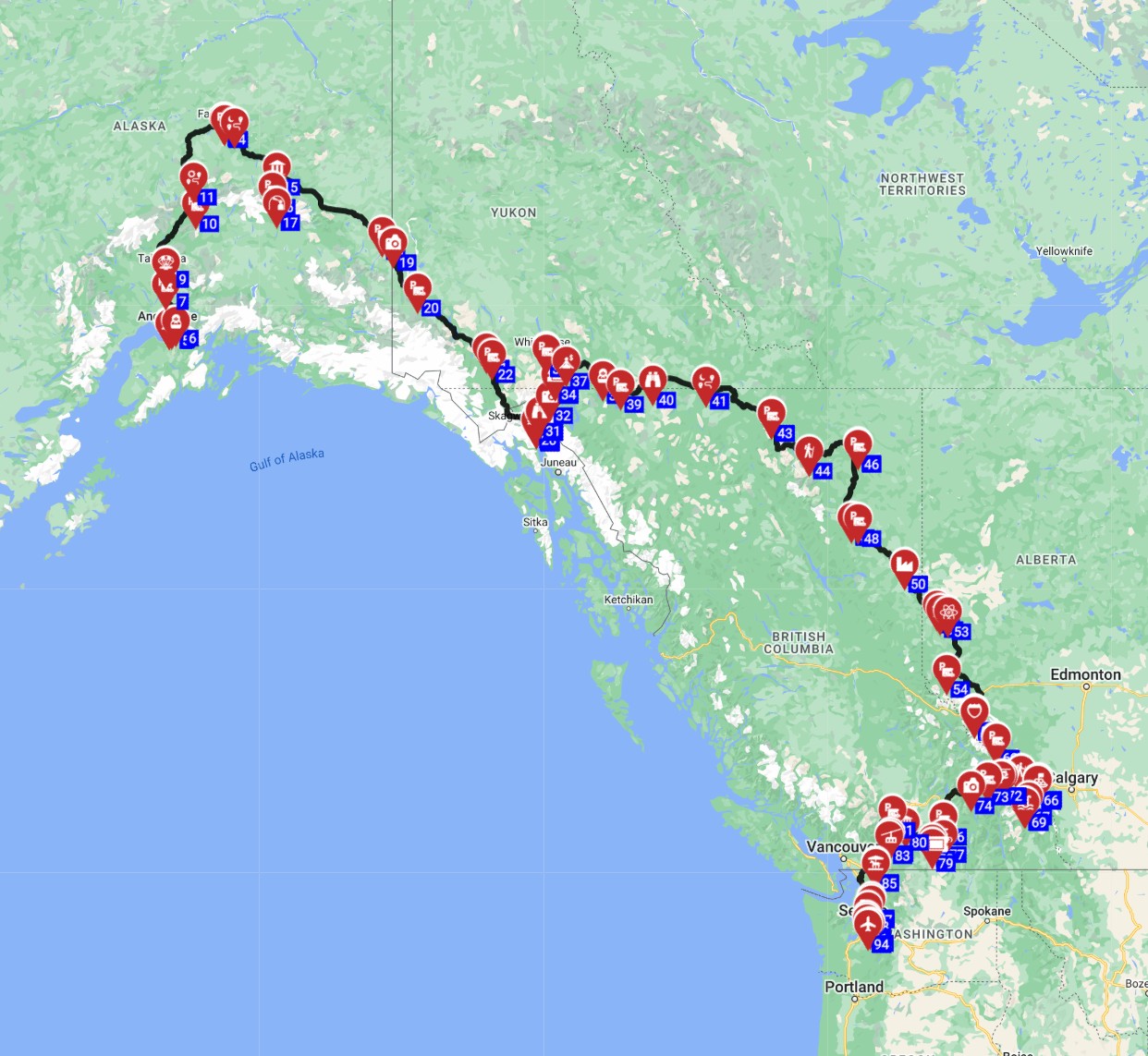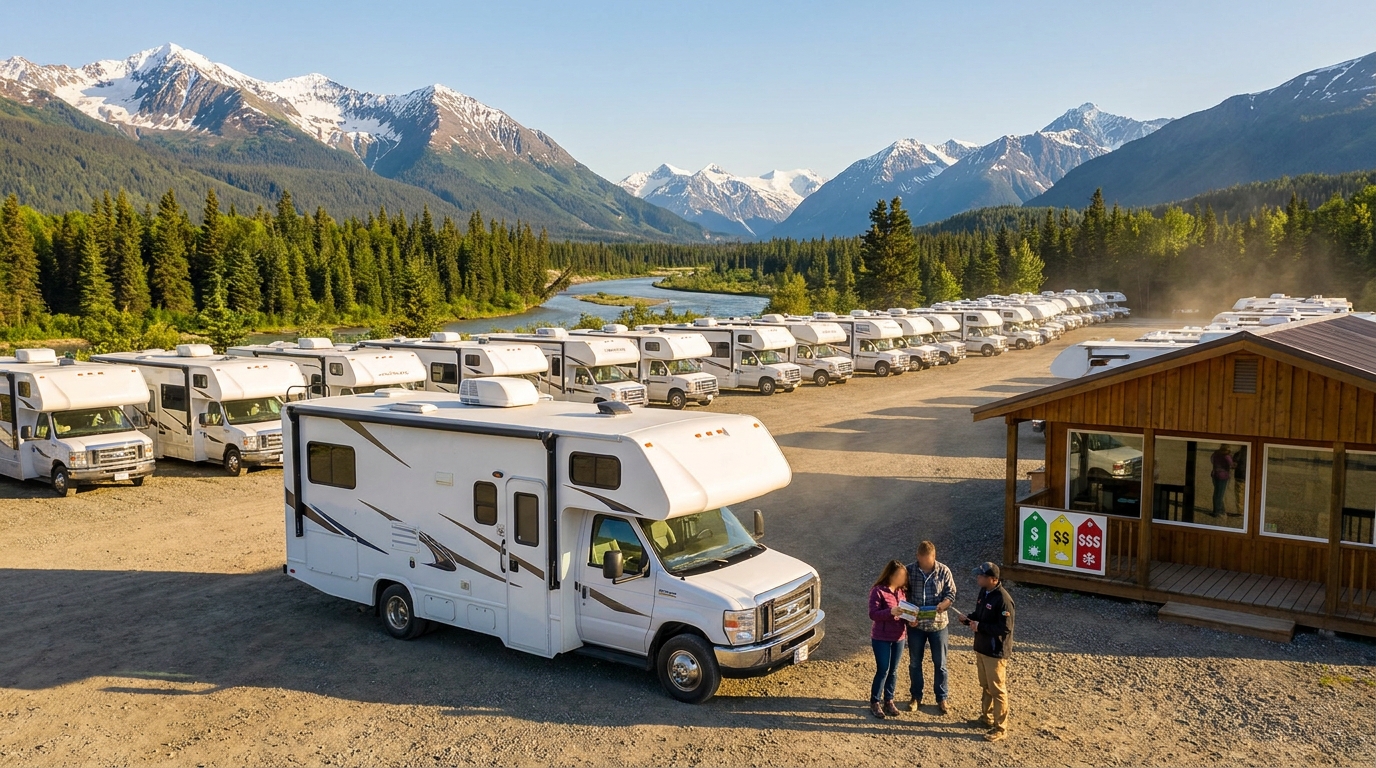
In This Guide
- Top 5 Tips for RV Rental in Alaska
- Before You Book - Class, Dates, Insurance
- Pre-Trip Prep - Packing Checklist for Alaska
- On the Road - Driving, Fueling, Navigation
- At the Campground - Setup, Hookups & Etiquette
- RV Rental-Specific Tips for Alaska
- Common Mistakes to Avoid in Alaska
- What is the 3-3-3 rule for RVs?
- What is the 4-4-4 rule for RV travel?
- Should I rent an RV in Alaska?
- What do I need to know before renting an RV?
- How much rent RV in Alaska average cost?
- Is it cheaper to rent an RV or stay in a hotel?
- What is the best time of year to RV to Alaska?
- What not to forget on an RV trip?
Traveling Alaska in a rented RV with your beloved pets opens up an incredible world of freedom and breathtaking natural beauty. Imagine exploring vast national parks, driving scenic highways, and waking up to majestic views, all with your furry companions by your side. This guide offers essential tips for planning a smooth and enjoyable pet-friendly RV adventure across Alaska, ensuring both you and your pets have an unforgettable experience. For live availability and current prices, start with our RV Rental Alaska - Complete Guide 2026 guide.
Top 5 Tips for RV Rental in Alaska
Planning an RV trip to Alaska requires strategic preparation, especially when bringing pets. Firstly, book your preferred RV class and dates early, ideally 6-12 months in advance for peak season (June-August), to secure the best selection and rates, potentially saving up to 25% on your rental. Secondly, understand Alaska's unique road conditions; many routes, including parts of the iconic Dalton Highway, feature gravel sections, frost heaves, and narrow passes, requiring slower, careful driving.
Thirdly, budget comprehensively for fuel, as it can be 20-50% more expensive and less available in remote areas compared to the Lower 48 states, significantly impacting your total trip cost. You can easily itemize and track every expense for easy budgeting with RV PLANET routes. Fourthly, plan your campgrounds well in advance, particularly for popular national parks like Denali, which often require reservations for RV spots. Finally, pack layers of clothing for fluctuating Alaskan weather, even in summer, as temperatures can vary widely throughout a single day. Remember, the goal is slow travel, averaging max 100-150 km per day, allowing you to truly connect with the culture, food, and scenery of each place, making the journey as enriching as the destinations. On the routes offered through RV PLANET routes, you can itemize and track every expense along the way for easy budgeting.
Before You Book - Class, Dates, Insurance
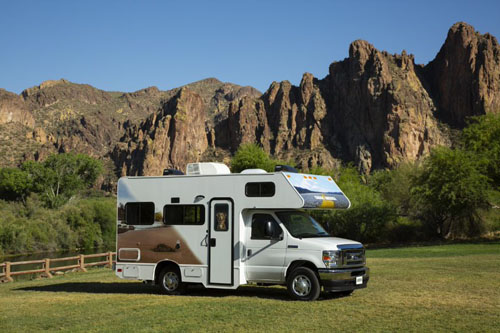
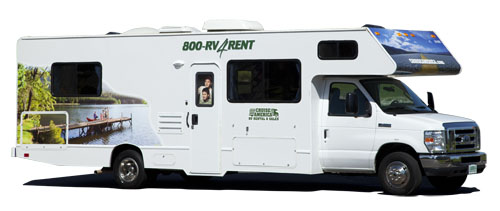
Selecting the appropriate RV class for your Alaskan adventure is crucial for comfort and navigating varied terrain. Consider your group size and comfort preferences; Class B campervans, like the "Active Pop Top" with sleeping for 4, offer agility for smaller roads, while larger Class C motorhomes, such as the "Euro Deluxe" which sleeps up to 6, provide more living space and amenities suitable for families or extended trips. Bandana RV offers full transparency with no hidden fees, allowing you to compare prices and features across major suppliers like El Monte and Cruise America.
For optimal selection and pricing, it's wise to secure your RV rental dates for Alaska as far in advance as possible, ideally 6-12 months out for summer trips, as demand is high and availability, especially for pet-friendly models, can be limited. While basic insurance is always included, you have the option to upgrade to a top-level deductible for extra peace of mind, ensuring comprehensive coverage for your journey. This optional upgrade is not included by default. Bandana has been helping tens of thousands of travelers explore the world by RV since being founded in 2001, providing you with true RV specialists, not just a side department of a general travel agency.
Pre-Trip Prep - Packing Checklist for Alaska
A comprehensive packing list tailored for an Alaskan RV trip ensures you're ready for anything the Last Frontier throws your way. Beyond your standard travel gear, remember essential items like layered clothing suitable for temperatures ranging from 5°C to 25°C, even in summer, as Alaskan weather can be highly unpredictable. Crucial safety gear should include bear spray (and knowledge on its use), a robust first-aid kit, and a headlamp or flashlight, vital for early mornings or late-night walks, especially during the midnight sun period when artificial darkness is needed for sleep. Don't forget important documents, including your driver's license (a standard car license is sufficient for all motorhome classes), any pet vaccination records, and campground booking confirmations.
For cooking on board your rented motorhome, consider a basic kitchen kit if not included, with items like a compact coffee maker and versatile pots and pans to prepare delicious meals. Check out our RV-friendly recipes playlist for inspiration! Emergency preparedness is key for remote travel and potential wildlife encounters; keep a paper map, a spare tire, and basic repair tools for minor issues. If driving from Canada, be aware of border crossing requirements and specific pet travel rules.
On the Road - Driving, Fueling, Navigation
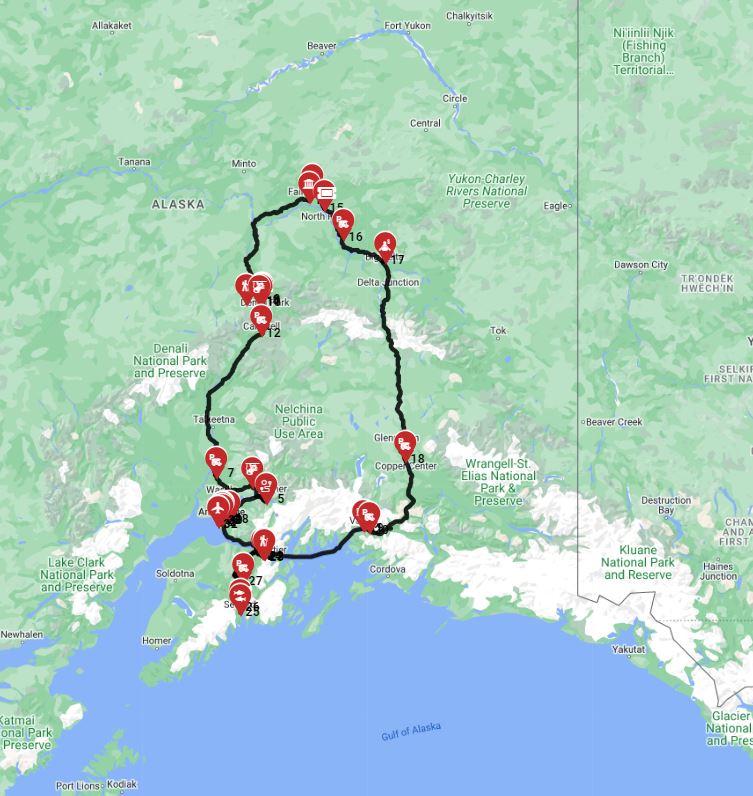
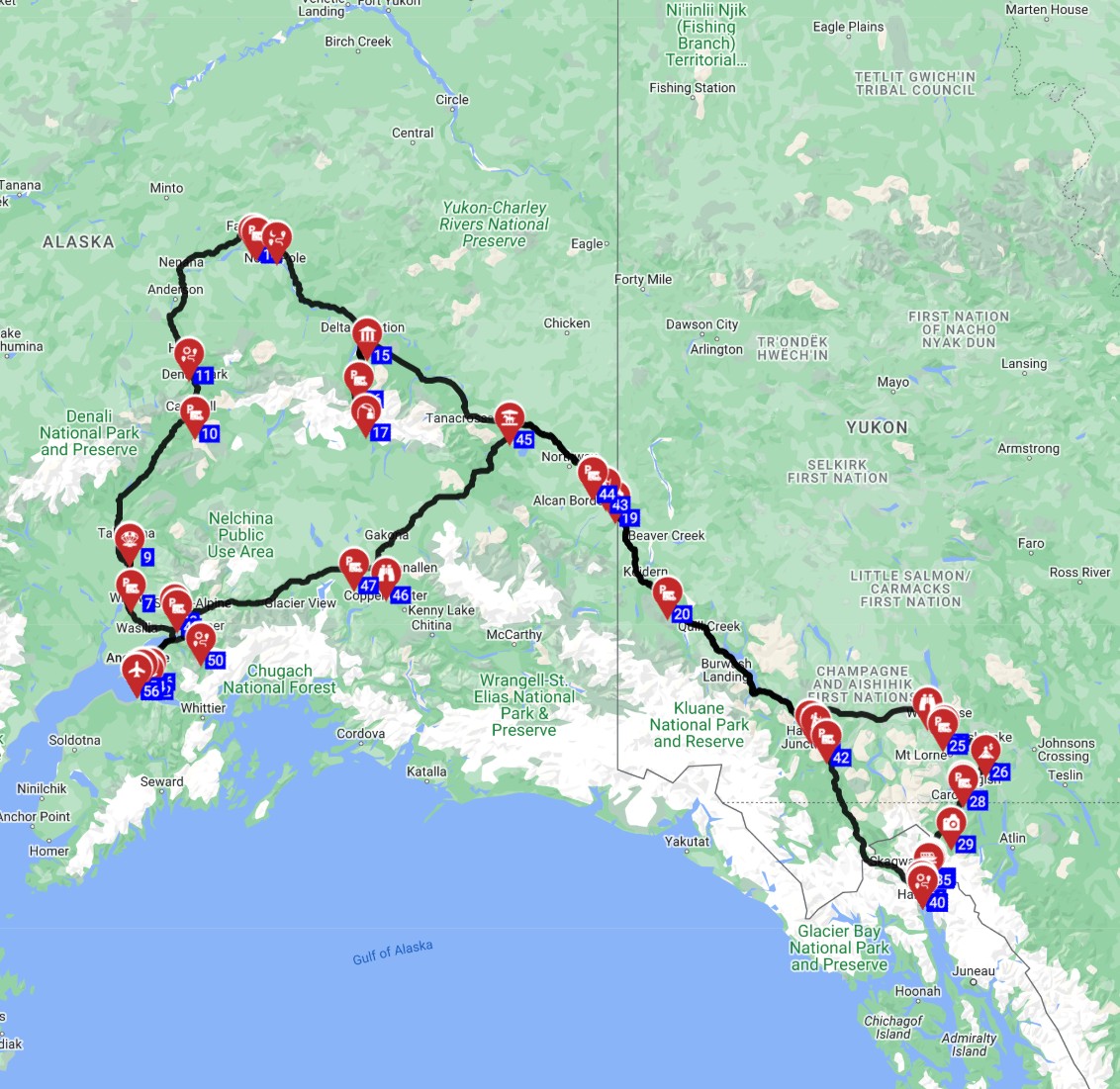
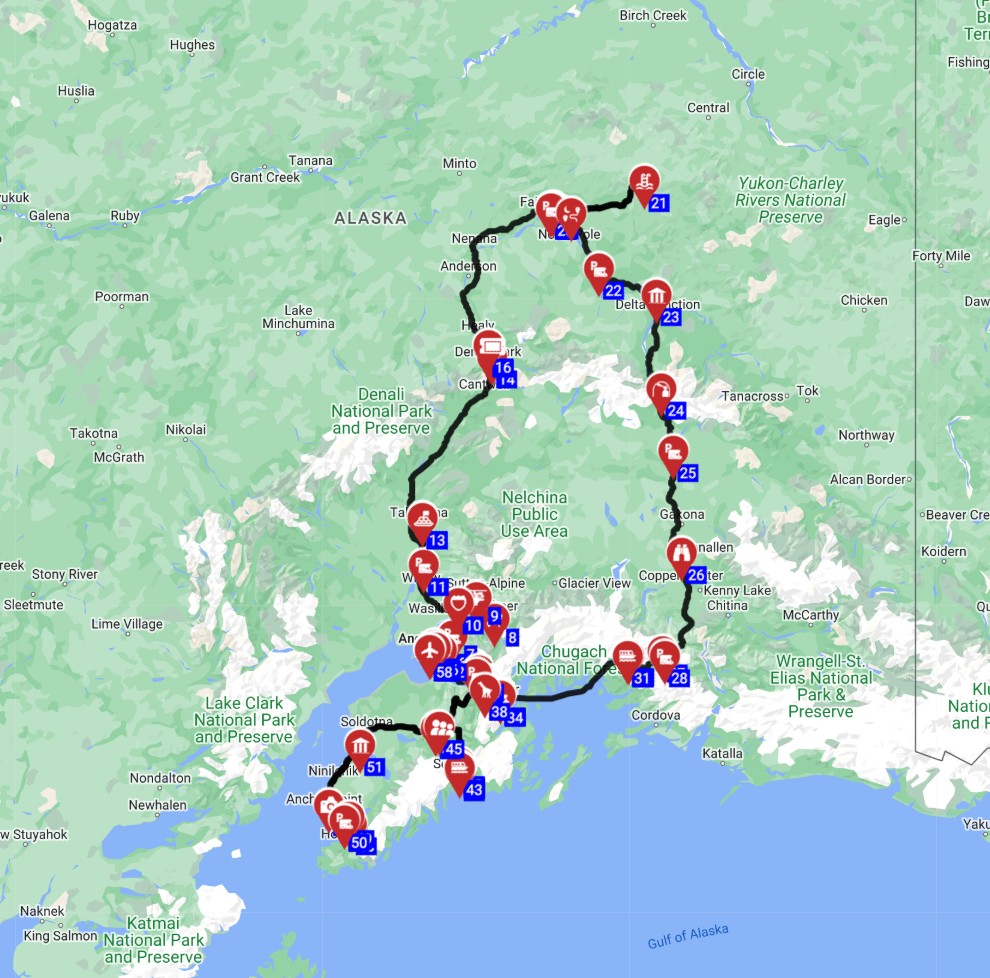
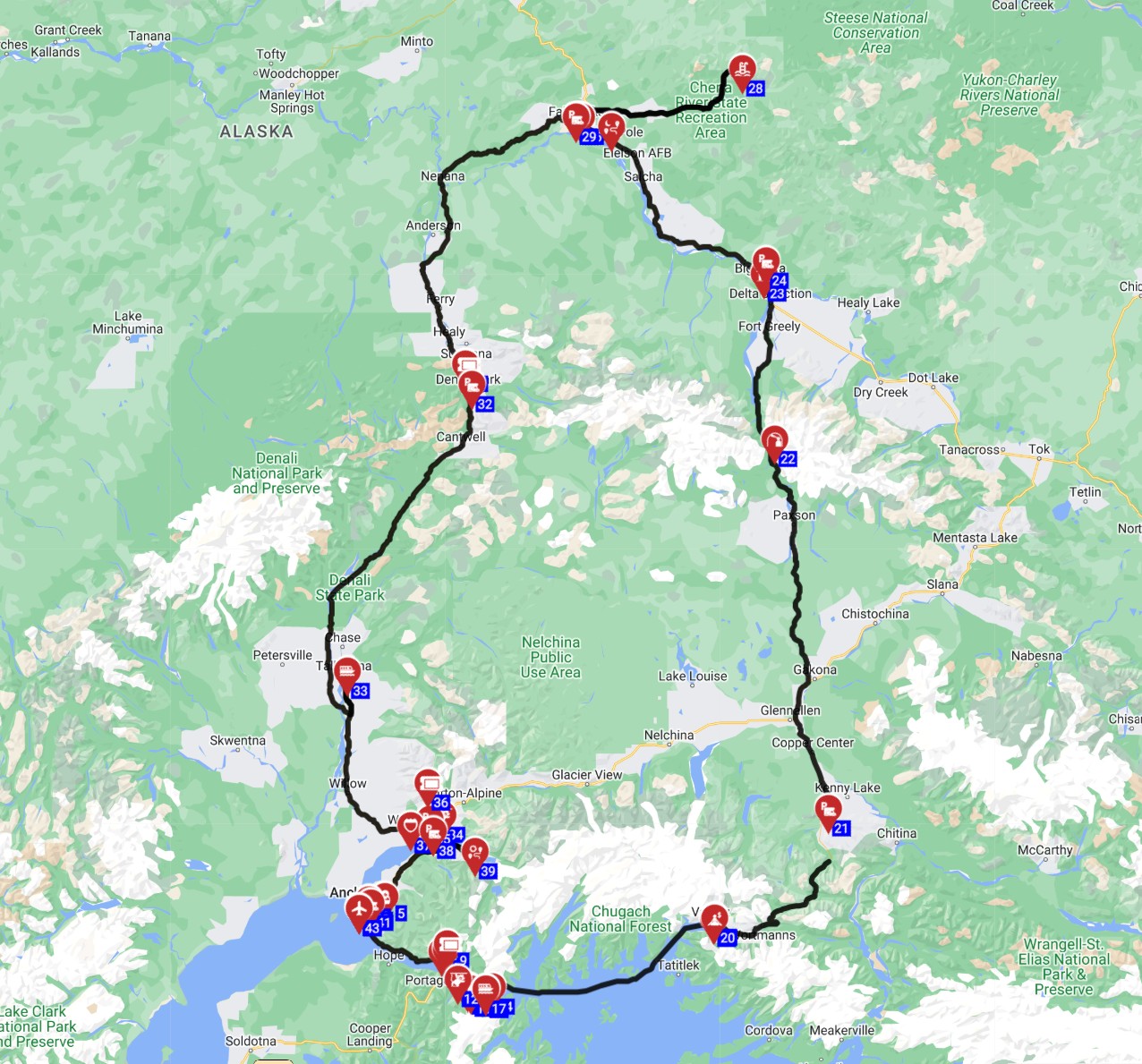
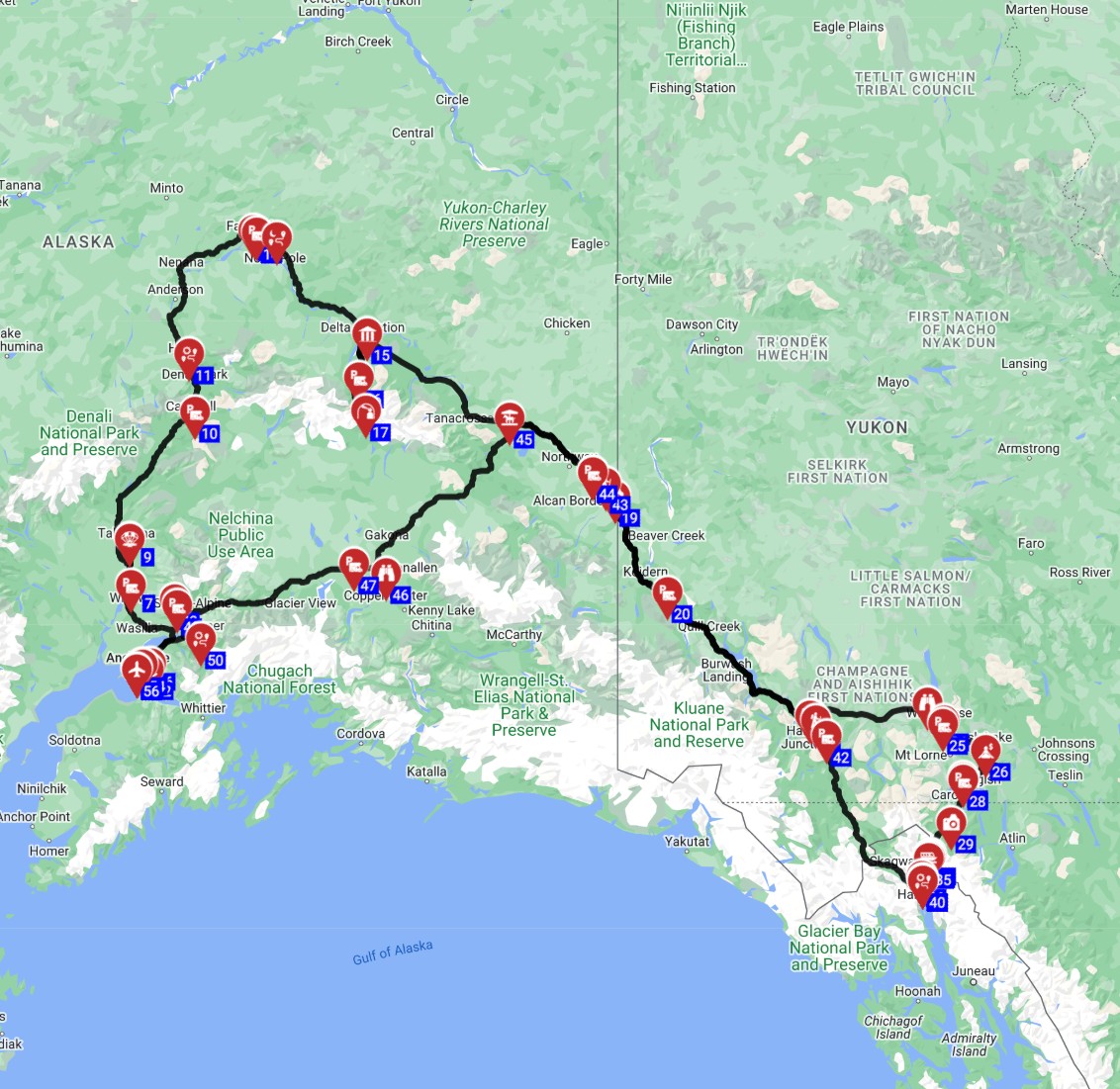
Driving a rented RV in Alaska requires awareness of unique road conditions that differ significantly from other regions. You’ll encounter extensive gravel sections on highways like the Denali Park Road, frost heaves that can cause bumps even on paved roads, narrow passes, and unpaved national park roads. Drive slowly and carefully, and you can drive almost anywhere without issues. No need to stress - just use common sense and pay attention. For instance, the 1,929.9 km "
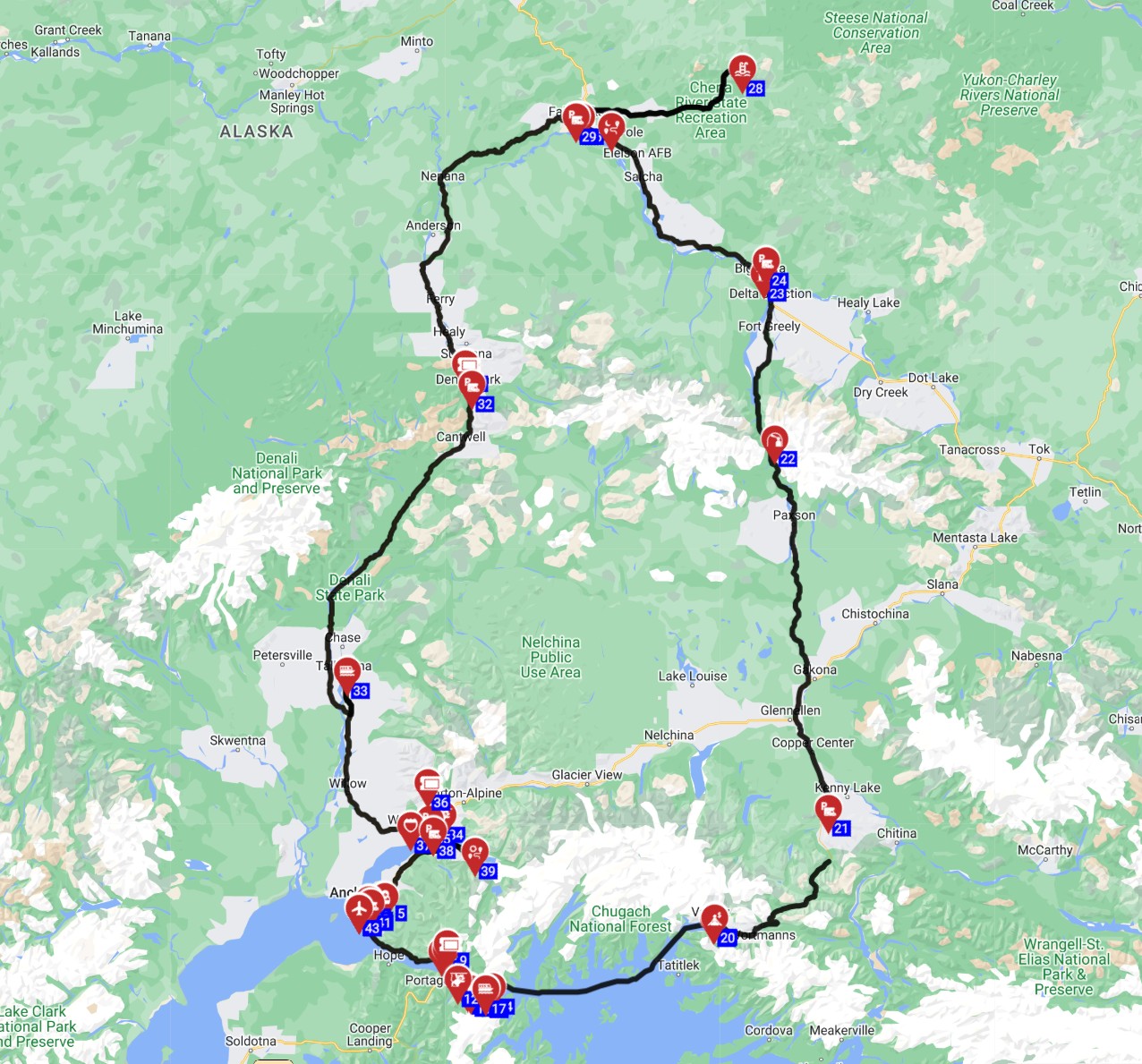
Navigation can be challenging where cell service is unreliable, necessitating downloaded offline maps, a GPS device, or even a satellite communication device for peace of mind. Remember, in Alaska, you drive on the right side of the road, and speed limits typically range from 55 mph (88 km/h) on highways to 25 mph (40 km/h) in towns. Always keep an eye out for wildlife, especially moose, which are common and can cause collisions. Embrace the slow pace of travel, averaging 100-150 km per day, allowing plenty of time to enjoy the scenery and unexpected stops.
🎬 Video coming soon
At the Campground - Setup, Hookups & Etiquette
Setting up your rented RV at an Alaskan campground, whether it’s a full-hookup site or a primitive spot, follows a logical sequence to ensure a comfortable and respectful stay. First, level your motorhome using blocks to ensure appliances work correctly and you sleep comfortably. Next, connect your sewer hose, then your fresh water hose, and finally, your electrical hookup if available. This order prevents cross-contamination and ensures safety.
Adhering to campground etiquette is paramount in Alaska's pristine natural settings. Observe quiet hours, typically from 10 PM to 7 AM, and manage generator use responsibly, often limited to specific hours. Always dispose of waste properly in designated dump stations to protect the environment. Many iconic Alaskan campgrounds, especially in national parks, do not offer full hookups, so mastering 'Alaskan showers' and efficient water conservation is a practical skill for extended trips. Remember that many national and state parks reserve only 25-30% of spots for advance bookings, leaving 70-75% for first-come-first-serve. You'll find a spot; if not at the first campground, then the next one. Always call ahead before driving long distances. For finding campsites and campgrounds during your trip, we recommend using RV PLANET (rvplan.net) - a great resource for locating available spots along your route.
RV Rental-Specific Tips for Alaska
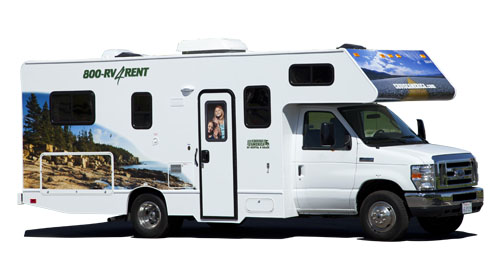
Choosing the right rented RV in Alaska depends heavily on your travel group and desired experience. For families, a Class C motorhome like the "MHC28" (with 7 sleeping places and 210L fresh water tank) often provides separate sleeping areas and ample space for kids, offering features like a microwave and a refrigerator for convenience. Seniors might prefer a Class C or a larger Class A RV, such as a "Class A - Thor ACE 30", with stable driving, easy access, and comfortable living spaces, ensuring a relaxed journey.
Budget-conscious travelers can save on their "RV Rental in Alaska - Prices and Best Deals 2026" by utilizing free overnight spots on Bureau of Land Management (BLM) lands or at designated Walmart parking lots where permitted, supplementing paid campground stays. Cooking meals in your RV's kitchen can also significantly reduce food expenses compared to dining out. Luxury renters might opt for premium add-ons like unlimited mileage packages, kitchen kits, and linen bundles for a truly worry-free, upscale experience. Bandana has direct partnerships with 50+ leading RV suppliers worldwide, including Apollo and Britz, ensuring you find the perfect motorhome or campervan to match your needs.
Common Mistakes to Avoid in Alaska
To ensure a smooth RV trip in Alaska, avoid underestimating driving distances and time; instead, plan conservative daily itineraries of max 100-150 km, allowing ample time for scenic stops, wildlife viewing, and unexpected delays on challenging roads. Many travelers neglect booking campgrounds and attractions in advance, leading to disappointment; secure reservations for popular national parks like Denali, which fill up quickly, or be prepared for first-come, first-serve options. Do not rely solely on cell service for navigation and communication; download offline maps or consider a satellite device, as coverage is often unreliable in remote areas.
Another frequent mistake is packing only for warm weather; instead, bring multiple layers suitable for rain, cool temperatures, and sunshine, as Alaskan weather is highly variable, even in summer. Furthermore, avoid ignoring wildlife safety guidelines; educate yourself on bear and moose safety, including proper food storage and maintaining safe viewing distances. Bandana offers 24/7 support for pre-booking comparisons and post-booking coordination, helping you avoid common pitfalls and ensuring full transparency with no hidden fees.
What is the 3-3-3 rule for RVs?
The 3-3-3 rule for RVs suggests driving no more than 300 miles (approximately 480 km) a day, arriving at your destination by 3 PM, and staying a minimum of 3 nights. This guideline aims to prevent driver fatigue, allow ample time for campground setup and relaxation, and encourage deeper exploration of each location in Alaska. For example, on an
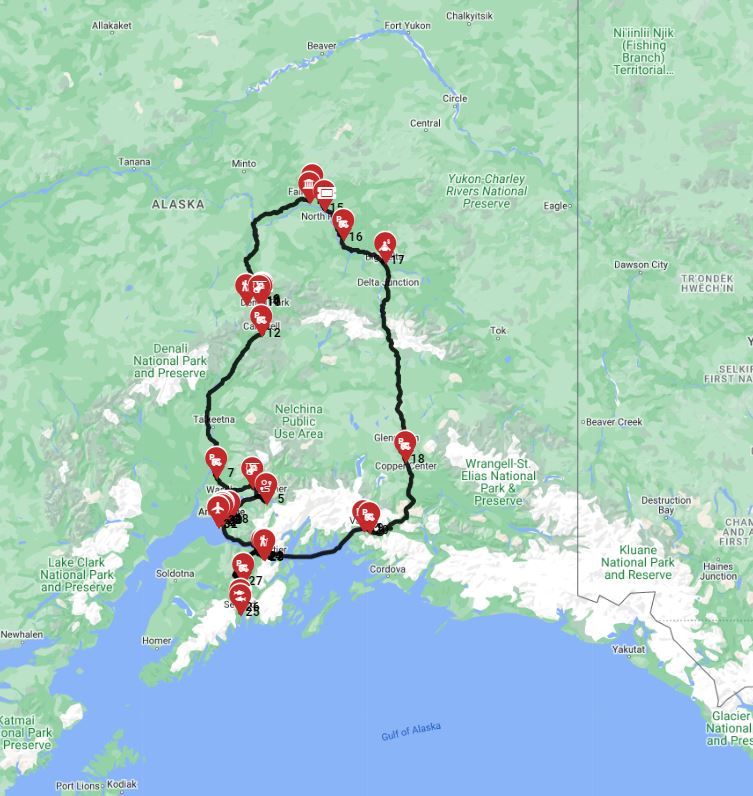
What is the 4-4-4 rule for RV travel?
The 4-4-4 rule for RV travel recommends limiting your daily drive to four hours, traveling no more than 400 miles (approximately 640 km), and stopping at a campground or boondocking spot by 4 PM. Similar to the 3-3-3 rule, this guideline promotes a more relaxed pace, reduces stress, and ensures you arrive at your campsite with enough daylight to set up comfortably in Alaska's variable summer light. For Alaskan RV adventures, adjusting these mileage and time limits to account for slower speeds on gravel roads or through scenic areas, especially on routes like the
Should I rent an RV in Alaska?
Renting an RV in Alaska is an excellent way to experience the state's vast landscapes, offering unparalleled flexibility to explore at your own pace and access remote areas that are difficult to reach with traditional accommodations. Advantages include the freedom to cook your own meals in a fully equipped kitchen (many RVs come with a 3-burner gas stove and a 90L+ refrigerator), avoid multiple hotel bookings, and wake up to a different scenic view daily. However, considerations such as the higher cost of fuel and RV rentals in Alaska, the need for advanced campground reservations in popular spots like Denali National Park, and variable cell service should be factored into your decision. Alaskan roads can present unique challenges beyond typical 'good road conditions,' including extensive gravel sections, frost heaves, narrow passes, and unpaved national park roads, requiring careful navigation and often a slower pace.
What do I need to know before renting an RV?
Before renting an RV for a trip to Alaska, it's crucial to understand the different motorhome classes (Class A, B, C) and their suitability for Alaskan terrain and group size; a Class C motorhome like the "24' Class C Motorhome" with a 166L fresh water tank and generator is a popular choice for its balance of size and amenities. Familiarize yourself with typical rental costs, which can average $200-$500 per night for a Class C, and always compare prices including all insurance options to understand the total outlay. The minimum driver age for RV rentals in Alaska is 21 years old, and a standard car driver's license is sufficient for all motorhome classes, with an International Driving Permit (IDP) recommended for visitors from non-English-speaking countries.
Additionally, check the rental company's policies on mileage, generator use, and pet allowances, as these can vary by supplier. One-way rentals are available, typically incurring a drop-off fee from $150 to $500 depending on the distance, as seen in "One-Way RV Rental in Alaska - Price Guide 2026" discussions. If driving from Canada, be aware of border crossing requirements, specific pet travel rules, and customs considerations for bringing items into Alaska. Bandana ensures full transparency with no hidden fees, guiding you through every step of the booking process.
How much rent RV in Alaska average cost?
The average cost to rent an RV in Alaska can range from $200 to $500 per night, depending on the RV class, rental season, duration, and included amenities. For instance, a medium-sized Class C motorhome like the "Denali Searcher 28 - Gold" might fall in the middle of this range, offering sleeping for 5 with a 117L fresh water tank. Peak season (June-August) generally sees higher prices and lower availability, while shoulder seasons (May, September) may offer more competitive rates, sometimes saving up to 25% if booked well in advance. Beyond the daily rental fee, comprehensive budgeting should include fuel (which can be 20-50% higher than the Lower 48 states), campground fees (from $20 for basic sites to $80+ for full hookups), activity costs, and potential add-ons like mileage packages or kitchen kits.
Unexpected costs might also arise from additional propane for heating or cooking, dump fees, and tolls on specific routes. A typical week-long trip could easily cost $2,000-$4,000+ including all ancillary expenses. For detailed breakdowns and tips on finding deals, explore resources like "RV Rental in Alaska - Prices and Best Deals 2026" and "RV Rental Deals in Alaska - Latest Offers 2026". Bandana compares final prices across 50+ suppliers, helping you find the easiest, safest, and most affordable way to rent an RV without surprises.
Is it cheaper to rent an RV or stay in a hotel?
Whether renting an RV is cheaper than staying in a hotel in Alaska depends on several factors, including group size, trip duration, travel style, and meal preferences. For families or longer trips (e.g., a two-week adventure), a rented motorhome often offers significant cost savings by combining accommodation and transportation, especially when factoring in the ability to cook your own meals from an RV-friendly recipes playlist rather than eating out every day. Many RVs, such as the "C-MEDIUM PLUS" with 5 sleeping places and a microwave, make self-catering easy.
However, when considering all-inclusive costs (rental fees, fuel, campgrounds, optional insurance upgrades, activities), an RV can sometimes be more expensive than a budget hotel and car rental combination, particularly for short trips or solo travelers. Fuel costs in Alaska average higher, from $4-$6 per gallon, and campground fees can add $20-$80 daily. A comprehensive cost comparison, including estimated daily expenses for accommodation, food, and transportation, is recommended to determine the most economical option for your specific travel plans. Using RV PLANET routes allows travelers to itemize and track every expense for easy budgeting, providing clear insights into total trip costs. Bandana offers full transparency, so you know exactly what you're paying for.
What is the best time of year to RV to Alaska?
The best time of year to RV to Alaska is typically from late May to early September, aligning with the warmer weather, longer daylight hours, and accessibility of most attractions. June and July offer the longest days, with some northern regions experiencing the midnight sun, providing ample time for sightseeing and exploring. This is also peak season, however, meaning higher prices for RV rentals and campgrounds, and more crowds at popular spots like Denali National Park.
August and early September bring cooler temperatures, stunning fall foliage, fewer mosquitoes, and potentially better wildlife viewing opportunities as animals become more active before winter. These shoulder months often come with reduced rates for rented motorhomes, making it a potentially cheaper option compared to mid-summer. Traveling in May or late September can offer significant savings and fewer crowds, but some roads, services, and attractions might still be closed or operating on limited schedules due to weather conditions. Always check specific park opening dates and road statuses before you finalize your "RV Travel Guide to Alaska - Tips and Top Spots 2026" itinerary.
What not to forget on an RV trip?
Beyond standard packing, an Alaskan RV trip requires special attention to specific items due to its unique environment and remote areas. Essential items not to forget include rain gear (even in summer), high-quality bug spray for mosquitoes, bear spray (and proper training on its use), a comprehensive first-aid kit, and a headlamp or flashlight, critical for any outdoor activity or emergency. Given Alaska's unreliable cell service, a detailed paper map of your route or a satellite messenger device for communication is invaluable.
For vehicle maintenance, carry basic tools like a tire pressure gauge and a small repair kit, and know the locations of RV repair shops along your planned route, as services can be sparse. Never overlook booking confirmations for campgrounds, tours, and specific attractions, which are crucial for securing popular spots in Alaska, as many operate on limited availability. Pets also require their own checklist: food, water, bowls, leash, waste bags, and any necessary medications or vaccination records for crossing borders if applicable.
What You Shouldn't Miss
- Drive the Seward Highway: This iconic 200 km scenic byway from Anchorage to Seward offers stunning views of Turnagain Arm, glaciers, and wildlife.
- Explore Denali National Park: Witness North America's tallest peak, Denali, and search for grizzly bears, moose, and caribou. Reservations are crucial for RV camping here.
- Take a Kenai Fjords National Park Cruise: From Seward, these cruises offer breathtaking views of tidewater glaciers and marine wildlife like whales and puffins.
- Visit the Alaska Wildlife Conservation Center: Located just south of Anchorage, this center provides a safe home for orphaned and injured Alaskan wildlife, offering fantastic viewing opportunities.
- Experience the Matanuska Glacier: Just a couple of hours northeast of Anchorage, this is Alaska's largest glacier accessible by vehicle, offering guided glacier treks.
- Looking for expert insights from Avi Bandana? Top 5 Adventures - recommendations from Avi Bandana.
Final Thoughts
Exploring Alaska by rented RV with your pets is an unparalleled way to experience its wild beauty and vast landscapes. By keeping our tips in mind-from early booking and understanding road conditions to comprehensive budgeting and thoughtful packing-you're set for an incredible journey. Remember, the key is to embrace slow travel, allowing yourself to fully immerse in the culture, stunning scenery, and unique experiences at every turn.
At Bandana, we're passionate about RV travel and dedicated to making your planning process smooth and stress-free. We're here to support you before, during, and after your booking, ensuring you have all the information and assistance you need. So, pack your bags, prepare your pets, and get ready to discover the magic of Alaska from the comfort of your own mobile home!
Get inspired for your next trip! Discover top destinations, planning tips, all in one place!