In This Guide
- The 5 RV Families Compared for Santiago
- Price Comparison by RV Class in Santiago
- Class TC (Truck Camper) - Best For
- Side-by-Side Comparison Table
- Our Recommendation for pet friendly rv rental Travelers in Santiago
- What do I need to know before RVing in Chile?
- When is the best time to RV in Chile?
- How much does it cost to RV in Chile?
- Is it hard to drive an RV in Chile?
- What are the road conditions like in Chile?
- Are there tolls in Chile?
- Can you wild camp in Chile?
- Is it safe to travel in Chile by RV?
Embarking on a pet-friendly RV rental adventure in Santiago, Chile, offers unparalleled freedom to explore vibrant cityscapes and dramatic natural wonders with your beloved companion. Santiago, a bustling metropolis nestled against the stunning Andes, serves as the perfect launchpad for exploring Central Chile and beyond. For live availability and current prices, start with our RV Rental Santiago - Complete Guide 2026. Choosing the right RV is key to a comfortable journey for both you and your pet, balancing urban navigability with rugged terrain capability.
The 5 RV Families Compared for Santiago
Choosing an RV family for your Santiago adventure requires considering vehicle size, fuel efficiency, and sleeping capacity to ensure comfort and safety for your group and pets. RV families available for rent in Santiago generally include Class A, Class B (campervans), Class C, and Class TC (Truck Campers). Each offers distinct advantages for navigating Santiago's urban environment, traveling Chile's diverse terrain, and accommodating your furry friends.
Class B campervans, often around 5-7 meters long, are nimble for city streets and efficient for two to three people, making them a popular choice for couples or small families with one pet. Class C motorhomes, typically 7-9 meters, provide more living space, a separate sleeping area, and often accommodate 4-6 people plus pets, ideal for longer trips requiring more amenities. Class A motorhomes offer the most spacious and luxurious experience, usually over 9 meters, suitable for larger families or groups who prioritize comfort and don't mind larger vehicle handling. However, these can be less agile for Santiago's tighter urban spots.
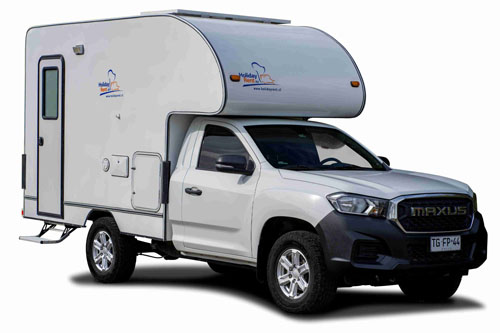
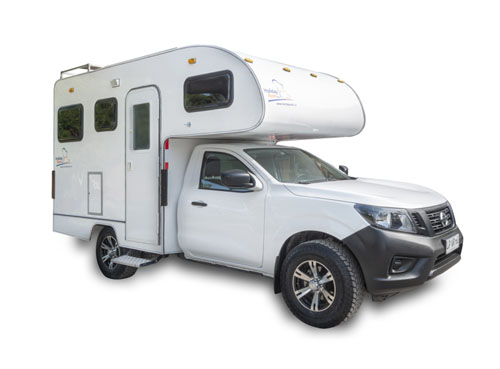
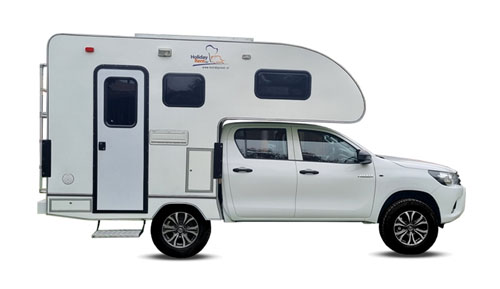
Class TC Truck Campers are unique, offering a camper unit mounted on a pickup truck chassis, averaging 5.6 meters in length, and are excellent for adventurous travelers with pets seeking flexibility and access to more remote Chilean landscapes. For specific pricing by size and duration, check our Weekly RV Rental in Santiago - Pricing 2026 guide.
Price Comparison by RV Class in Santiago
RV rental prices in Santiago are dynamic, varying significantly based on the chosen class, season, and duration of your trip. You can expect to see prices fluctuate daily, much like airline tickets, reflecting current availability and supplier marketing decisions. For instance, a Class TC Truck Camper might average $150-$250 USD per day during the shoulder season (September-November), while a larger Class C could be $250-$400 USD per day during peak summer (December-March).
Peak season bookings, from December to March, coincide with Chile's summer and school holidays, leading to higher demand and prices. Conversely, traveling during the winter months (June-August) or spring (September-November) can offer more affordable rates and less crowded attractions. Bandana RV offers full transparency in pricing, ensuring no hidden fees or surprises at booking time. Our comparison platform allows you to see the final prices across multiple suppliers, making it easy to find the best deal for your pet-friendly RV rental in Santiago. For even more detailed pricing and ways to save, explore our Cheap RV Rental in Santiago - Budget Guide 2026.
Last-minute booking for pet friendly rv rental in Santiago is possible, especially outside peak season, but prices can be higher due to limited availability. Travelers flexible with their dates or vehicle type often find more favorable rates. Comparing options across our 50+ direct partnerships with leading RV suppliers like El Monte and Apollo ensures you secure the most competitive rates for your ideal pet-friendly motorhome or campervan. Check Santiago RV Rental Prices Now for live availability.
Class TC (Truck Camper) - Best For
Santiago's rental fleet often includes Class TC Truck Campers, which are ideal for adaptable pet-friendly travel throughout Chile. These units average 5.6 meters in length and comfortably sleep approximately 2-3 people, making them perfect for couples or small families with a pet. With a typical fuel consumption of around 13 liters per 100 km, they offer a great balance of capability and reasonable economy for exploring diverse Chilean landscapes.
Truck Campers are best suited for adventurous travelers who prioritize flexibility and access to more remote areas, including unpaved roads leading to national parks and hidden gems. The ability to detach the camper from the truck allows for convenient day trips into cities like Santiago or small towns without the full RV. This vehicle class provides a secure and comfortable base for your pets while offering the robust performance needed for Chile's varied terrain, from the central valleys to the high Andes and coastal routes. For more specific deals on various models, check out RV Rental Deals in Santiago - Latest Offers 2026.
Side-by-Side Comparison Table
Comparing key specifications across available motorhome and campervan families in Santiago helps travelers select the ideal pet-friendly rental. This table highlights typical characteristics of each class, focusing on length, sleeping capacity, fuel efficiency, and recommended use cases to visualize the best fit for your trip. Please remember that specific models within each class can vary, and exact details will be provided at the time of booking.
| RV Class | Typical Length (meters) | Sleeping Capacity (people) | Fuel Consumption (L/100km, est.) | Pet-Friendly Features (Common) | Ideal Use Case in Santiago/Chile |
|---|---|---|---|---|---|
| Class A Motorhome | 9-12 | 4-8 | 20-25 | Spacious interior, multiple beds, ample storage | Luxury family trips, extended stays, highway cruising, designated RV parks. |
| Class C Motorhome | 7-9 | 4-6 | 15-20 | Comfortable beds, kitchen, bathroom, overhead bunk | Family trips, medium-distance travel, national park access, good balance of space and maneuverability. |
| Class B Campervan | 5-7 | 2-3 | 10-14 | Compact, easy to park, basic amenities, good fuel economy | Couples or solo travelers with small pets, urban exploration, more spontaneous travel, accessible campsites. |
| Class TC Truck Camper | 5-6 | 2-3 | 13-18 | 4WD capability (often), detachable unit, robust for off-road | Adventure travelers, exploring remote areas, unpaved roads, national park trails with pets. |
| Class SI Semi-Integrated | 6-8 | 2-4 | 12-16 | Streamlined design, comfortable living space, efficient | Couples or small families, scenic drives, balancing comfort with easier driving. |
This comparison should help you narrow down your choices when planning your pet-friendly RV adventure. Remember, every rental includes specific features, and we always recommend reviewing the details for your chosen vehicle.
Our Recommendation for pet friendly rv rental Travelers in Santiago
For pet-friendly RV travelers exploring Santiago and beyond, a Class TC Truck Camper is highly recommended due to its versatility and compact size. Its average length of 5.6 meters makes it significantly more maneuverable than larger classes, which is advantageous for navigating both city streets and unpaved rural roads with ease. The smaller footprint often allows access to a wider range of campsites and off-the-beaten-path locations, perfect for adventures with your furry companion.
These robust vehicles, often equipped with 4-wheel drive, are perfect for tackling the varied Chilean terrain, from the coastal roads to the demanding mountain passes of the Andes. A rented Truck Camper provides a secure and comfortable base for pets while offering the flexibility to detach the camper if you wish to use the truck for day trips into Santiago's city center or to explore nearby attractions without the full rig. Our direct partnerships with suppliers ensure you get access to these specialized vehicles, making your pet-friendly journey through Chile as smooth as possible. Explore available Class TC Truck Campers for your next trip: Find pet friendly rv Rentals in Santiago.
What do I need to know before RVing in Chile?
Before RVing in Chile, it is essential to ensure your rented vehicle is mechanically sound and equipped for diverse terrain, understand local driving regulations, and have all necessary documentation for both yourself and your pet. Researching the best RV type for your itinerary, such as a compact Truck Camper (averaging 5.6m), offers greater flexibility on narrower roads and in urban traffic. Packing essential gear like universal power adapters, leveling blocks for uneven campsites, and a reliable GPS with offline maps will greatly enhance your trip. For your pet, prepare vaccination records, a first-aid kit tailored for animals, enough food and water, and secure harnesses for travel, as Chilean entry requirements for pets typically include specific health certificates and vaccinations, so always check official embassy websites.
When planning your itinerary, consider distances between fuel stops, especially in more remote regions, and always carry extra water. Local driving customs in Santiago include more assertive traffic, so drive slowly and carefully, and you can drive almost anywhere without issues. No need to stress - just use common sense and pay attention. Familiarizing yourself with basic Spanish phrases will also significantly help with communication at campgrounds, stores, and local interactions. Regarding meal preparation in your rented RV, planning simple, delicious meals can be part of the adventure. You can find inspiration and ideas on our RV-friendly recipes playlist.
When is the best time to RV in Chile?
The best time to RV in Chile for optimal weather and accessibility is generally during the spring (September-November) and summer (December-March) months, particularly for pet-friendly travel to avoid extreme heat or cold. Spring offers pleasant temperatures ranging from 15-25°C in Central Chile, blooming landscapes, and fewer crowds than summer, making it ideal for exploring national parks like La Campana or coastal areas with pets. Summer provides warm weather, perfect for venturing further south to Patagonia or high-altitude Andean routes, though popular areas like Cajón del Maipo can be busy with local tourists, and some regions like the Atacama Desert in the north can be extremely hot, exceeding 35°C.
Autumn (April-May) offers beautiful fall colors and mild weather, often between 10-20°C, making it a serene time for RV travel. Winter (June-August) can bring snow-related road closures in the Andes, especially on passes like Paso Los Libertadores, and heavy rain in the south, significantly limiting RV access and outdoor pet activities. For a smooth trip, spontaneous travelers can still find spots, as many national and state parks reserve 25-30% of their spots for first-come-first-serve arrivals; just remember to call ahead before driving to the campground.
How much does it cost to RV in Chile?
The total cost of an RV trip in Chile typically includes rental fees, fuel, tolls, campground fees, groceries, and activity expenses, with daily expenditures varying significantly based on RV class, travel style, and duration. Rental costs for a Class TC Truck Camper in Santiago can range from approximately $150-$250 USD per day for a week-long trip to $100-$180 USD per day for a month-long trip, depending on the season and specific vehicle. For instance, a 2-week pet friendly rv rental trip in Santiago could average $2000-$3500 USD just for the vehicle. For families with kids, opting for a Class C motorhome might increase rental costs by 20-40% due to larger size and amenities, potentially starting at $250-$400 USD per day. On the routes offered through RV PLANET routes, you can itemize and track every expense along the way for easy budgeting.
Fuel costs are a significant factor; a Truck Camper averages 13 liters per 100 km, while a larger Class C might consume 18-20 liters per 100 km, so budget accordingly based on your planned mileage and current Chilean fuel prices, which average around $1.30-$1.50 USD per liter. Tolls, particularly on major highways like Ruta 5 around Santiago, will add to travel expenses, often accumulating $10-$20 USD per day on busy routes. Campground fees can range from free wild camping spots to paid sites with amenities, typically costing $10-$30 USD per night for powered sites. Factor in food, activity fees, and specific pet-related expenses such as higher quality food or potential vet visits, as well as a contingency budget of 10-15% for unexpected repairs or emergencies. On RV PLANET routes, travelers can itemize and track every expense along the way for easy budgeting.
Is it hard to drive an RV in Chile?
Driving an RV in Chile, particularly in urban centers like Santiago, can be challenging due to heavy traffic, narrow streets, specific pollution-based vehicle restrictions (Restricción Vehicular), and diverse road conditions outside cities. Santiago's traffic can be congested, especially during peak hours (7-9 AM and 5-7 PM), and parking for larger motorhomes is limited, making smaller RVs like a Truck Camper (averaging 5.6m) or a campervan more manageable for city exploration. Drive slowly and carefully, and you can drive almost anywhere without issues. No need to stress - just use common sense and pay attention.
Be aware of the 'Restricción Vehicular' in Santiago, a system that restricts vehicle circulation based on license plate numbers and pollution levels, which can impact RV travel days. This typically affects specific days of the week for certain license plate endings, so check local regulations if planning extensive city driving. Outside cities, main highways like Ruta 5 are generally in good condition, but many routes to attractions, particularly in the Andes or Patagonia, may involve unpaved (ripio), winding, or steep roads that require careful driving and a capable vehicle, ideally with 4x4. Always drive defensively, anticipate sudden changes in road conditions, and allow extra travel time, especially when traveling with pets.
What are the road conditions like in Chile?
Road conditions in Chile vary greatly, from well-maintained highways to challenging gravel and dirt roads, particularly in rural or mountainous regions, requiring drivers to be prepared for diverse surfaces and potential hazards. The Pan-American Highway (Ruta 5) is Chile's main artery, a paved and generally good condition highway that connects the country from north to south, spanning over 3,000 kilometers. However, venturing off Ruta 5, especially into the Andes (e.g., Cajón del Maipo roads like G-25) or parts of Patagonia (e.g., Carretera Austral), travelers will encounter numerous unpaved (ripio), gravel, or dirt roads that can be dusty in summer, rocky, or muddy in wetter seasons. Some secondary roads, such as those leading to small mountain towns or national park entrances, might be single-lane and require extra caution.
Mountain passes, especially those crossing into Argentina, often feature steep inclines, sharp curves, and can be subject to snow and ice closures during winter months (June-August), necessitating careful driving and sometimes 4x4 capability for a rented RV. Signage is generally clear on major routes, but smaller, less-traveled roads may be poorly marked, making a reliable GPS or offline maps and a spirit of adventure essential for navigating Chile's varied landscapes. Always reduce speed on unpaved sections to protect your vehicle and ensure a comfortable ride for your pets.
Are there tolls in Chile?
Yes, Chile has numerous tolls (peajes), particularly on its major highways around Santiago and connecting significant cities, which contribute significantly to travel costs and require drivers to be prepared with local currency or compatible electronic payment systems. Tolls are common on routes like the Pan-American Highway (Ruta 5) and the various urban expressways in Santiago, such as Autopista Central or Costanera Norte. Costs vary based on vehicle type and distance traveled; for an RV, tolls will typically be higher than for a standard car, adding up to $10-$30 USD per day depending on your route.
Many urban highways and expressways in Santiago operate with an electronic TAG system; foreign vehicles without a Chilean TAG device may need to rent a temporary TAG device from their rental provider or purchase a daily pass (Pase Diario) from kiosks, supermarkets, or online to avoid significant fines. It's advisable to carry Chilean pesos in small denominations, as some tolls, especially in more rural areas or on older routes, may only accept cash. Factor these toll costs into your overall travel budget, as they can add up over an extended RV trip, particularly if you are frequently using the expressways in and around Santiago.
Can you wild camp in Chile?
While wild camping is widely practiced in Chile, its legality exists in a grey area, and travelers should prioritize safety, local respect, and environmental considerations, opting for designated sites when possible. Many public lands, especially in remote areas of Patagonia or along lesser-traveled routes in the central and northern regions, offer opportunities for dispersed camping, but private land always requires explicit permission from the owner. RV PLANET (rvplan.net) is a great resource for locating available spots along your route.
Always adhere to 'Leave No Trace' principles: pack out all trash, dispose of human and pet waste properly (buried at least 6 inches deep and 200 feet from water sources), and minimize your overall impact on the environment. For safety, avoid isolated areas, especially at night, and choose spots that are visible or have other campers nearby; apps like iOverlander can help identify potential safe spots and user reviews around Santiago. Always be respectful of local communities and wildlife, and ensure your pet is always under control, on a leash, and never allowed to disturb native fauna or private property.
Is it safe to travel in Chile by RV?
Traveling by rented RV in Chile is generally safe, but requires diligence regarding vehicle security, personal safety, safe driving practices, and preparedness for emergencies, especially when exploring remote areas. To enhance vehicle security, always lock your RV, park in well-lit areas or designated campsites, and keep valuables out of sight; consider installing a simple alarm or a GPS tracker for peace of mind. Personal safety involves being aware of your surroundings, especially in busy urban areas of Santiago or tourist hotspots like the Mercado Central, where petty crime like pickpocketing can occur, and avoiding walking alone at night in less-populated areas.
Driving safety is paramount: be cautious on unpaved or mountainous roads, adhere to posted speed limits, and never drive under the influence. Ensure your pet is safely secured in a crate or with a harness while the vehicle is in motion to prevent distractions. Prepare for emergencies by having roadside assistance information, a comprehensive first-aid kit (for humans and pets), sufficient water and provisions for a few days, and knowledge of local emergency numbers (e.g., 133 for police, 131 for ambulance, 132 for firefighters). Bandana RV provides pre-booking support to help you find the best vehicle for a safe trip, and top-level deductible reimbursement can be an optional upgrade for extra peace of mind during your adventure.
What You Shouldn't Miss
- Explore Cajón del Maipo with your dog: Drive your rented Truck Camper southeast of Santiago to this Andean canyon for stunning mountain views, hot springs like Termas Valle de Colina, and numerous hiking trails where leashed dogs are welcome.
- Wander through Valparaíso and Viña del Mar: Take a day trip to these vibrant coastal cities, about 1.5 hours west of Santiago. Valparaíso offers colorful hillsides and street art (park your RV carefully at the bottom!), while Viña del Mar has broader beaches where many dogs enjoy a seaside stroll.
- Discover Santiago's Parks and Neighborhoods: Enjoy pet-friendly parks like Parque Bicentenario in Vitacura or Parque Metropolitano (Cerro San Cristóbal) with designated pet areas. Park your motorhome on secure, well-lit streets away from the city center, and use public transport or ride-shares to navigate.
- Visit the Casablanca Valley Vineyards: Enjoy a scenic drive through Chile's renowned wine region, just an hour from Santiago. Many vineyards offer pet-friendly outdoor tasting areas. Plan a slow travel pace, max 100-150 km per day, to savor the scenery and local culture.
- Looking for expert insights from Avi Bandana? Top 5 Adventures - recommendations from Avi Bandana.
Final Thoughts
Exploring Santiago and the incredible landscapes of Chile with a rented RV and your pet is an adventure waiting to happen. From navigating the city's unique toll systems and vehicle restrictions to finding the perfect wild camping spot with your furry friend, proper planning makes all the difference. Remember to embrace the slow travel philosophy, averaging 100-150 km per day, to truly immerse yourself in the culture, food, and stunning scenery that Chile has to offer.
Whether you opt for the nimble Class TC Truck Camper for off-road excursions or a comfortable Class C for family convenience, Bandana Caravan is here to ensure your pet-friendly RV rental experience in Santiago is seamless and enjoyable. Our transparent pricing and dedicated support mean you can focus on making unforgettable memories. Get inspired for your next trip, and let us help you find the easiest, safest, and most affordable way to rent an RV in Santiago.
Find Motorhome Rentals in Santiago