In This Guide
- The 5 RV Families Compared for Alaska
- Class A (Integrated) — Best For
- Price Comparison by RV Class in Alaska
- Class SI (Semi-Integrated) — Best For
- Class C (Alcove) — Best For
- Class B (Campervan) — Best For
- Class TC (Truck Camper) — Best For
- Side-by-Side Comparison Table
- Our Recommendation for rv rental Travelers in Alaska
- What is the best company to rent an RV from?
- How much does it cost to rent an RV in Alaska?
- Is RVshare or Outdoorsy better?
- Is it cheaper to rent an RV or stay in a hotel?
- Which RV rental site is best?
- How much rent RV in Alaska average cost?
- What RV is best for Alaska?
- What is the cheapest price for an RV rental in Alaska?
- Where can I find the best RV rental in Alaska?
- What is the best type of RV for an Alaska trip?
- Driving in Alaska - Road Rules and Safety Tips
- Top Cities for RV Rental in Alaska
- What You Shouldn't Miss
Embarking on a pet-friendly RV adventure through Alaska is an unparalleled experience, offering freedom and flexibility to explore the Last Frontier with your beloved companions. Choosing the right motorhome for your Alaskan journey is crucial for comfort and tackling the varied terrain. For live availability and current prices, start with our RV Rental Alaska - Complete Guide 2026 guide, where you'll find comprehensive information to kickstart your planning.
The 5 RV Families Compared for Alaska
Matching the RV type to your group size, budget, and desired itinerary optimizes the Alaskan adventure, especially considering the varied terrain and unpredictable climate. Selecting the ideal rented motorhome or campervan for your Alaska trip requires careful consideration of its size, amenities, and off-grid capabilities.
RV family choice in Alaska is critical due to varied terrain, unpredictable climate, and diverse trip lengths, demanding a vehicle that can adapt. Factors like maneuverability, fuel efficiency, and water/generator capacities become paramount for optimal selection and navigating Alaska's wild roads safely and comfortably.
Class A (Integrated) - Best For
Class A integrated motorhomes, averaging 7.5 meters in length, are ideal for luxury, spacious group travel in Alaska, offering ample living space and comprehensive amenities. These impressive vehicles typically sleep around 4-6 people, with an average of 4 adults comfortably accommodated, and provide substantial living space for extended trips.
With an average load capacity of 209.5 kg, they easily accommodate more gear, which is highly beneficial for longer Alaskan trips, including provisions and recreational equipment. Common fuel consumption for Class A motorhomes is typically 8-12 Liters/100 km, reflecting their larger size and powerful engines. While offering unparalleled comfort, trade-offs include higher rental costs, lower fuel efficiency compared to smaller classes, and reduced maneuverability on narrower or less maintained Alaskan roads.
🎬 Video coming soon
Class SI (Semi-Integrated) - Best For
Class SI semi-integrated motorhomes, averaging 6.9 meters in length, are a balanced choice for RV renters in Alaska seeking comfort and manageable size. These vehicles typically sleep 3-5 people, with an average of 3.4 adults, offering a good blend of living space and driving ease on Alaska's diverse road network.
With an average load capacity of 72.2 kg, they provide ample storage for a family or small group's essentials, from hiking boots to fishing gear. Bandana's Class SI fleet generally reports a fuel consumption of 10-11 Liters/100 km, making them more fuel-efficient than Class A motorhomes while still offering excellent amenities. They outperform Class A in maneuverability for narrower Alaskan roads and offer more space than Class B campervans, making them versatile for various itineraries, from coastal drives to national park explorations. A RV-friendly recipes playlist can inspire delicious meals in these well-equipped kitchens.
Class C (Alcove) - Best For
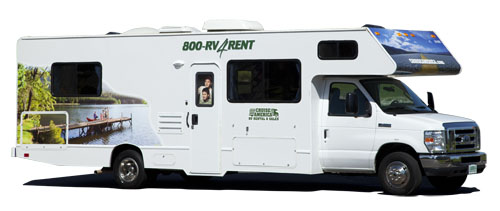
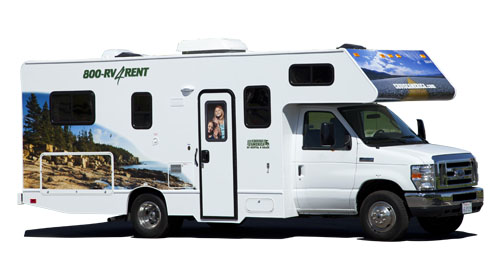
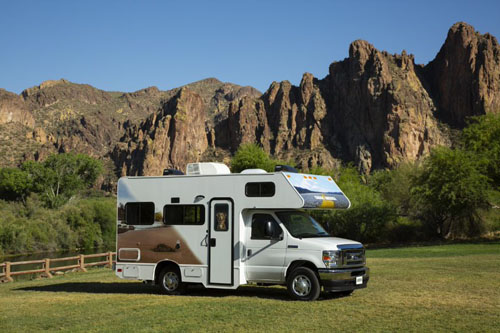
Class C alcove motorhomes, averaging 7.5 meters in length, are excellent for families or larger groups touring Alaska, offering distinct sleeping areas including the popular overhead cab. These RVs typically sleep 5-7 people, with an average of 4.4 adults, providing a comfortable and cost-efficient solution for extended trips across Alaska's diverse landscapes.
With an average load capacity of 42.4 kg, they can carry essential gear for a group, though generally less than a Class A. Bandana's Class C fleet typically consumes 10-12 Liters/100 km, making them a practical choice for balancing capacity and fuel costs on Alaska's varied road conditions. Their robust build is well-suited for Alaska's terrain, and the extra sleeping capacity is a significant advantage for families on an RV rental adventure, ensuring everyone has their own space. On the routes offered through RV PLANET routes, you can itemize and track every expense along the way for easy budgeting.
Class B (Campervan) - Best For
Class B campervans, averaging 5.8 meters in length, are highly suitable for couples or solo travelers prioritizing maneuverability, fuel economy, and access to less-traveled Alaskan areas. These compact RVs typically sleep 2-4 people, with an average of 2.7 adults, offering essential amenities in a nimble package.
With an average load capacity of 37 kg, they are best for minimalist packers or shorter trips, allowing for easy navigation through towns and smaller campsites. Bandana's Class B fleet generally consumes 8-10 Liters/100 km, making them the most fuel-efficient option for traversing Alaska's vast distances. Campervans excel in navigating smaller towns, tighter campsites, and offer stealthier boondocking opportunities, favored by those seeking a more integrated, less conspicuous travel style in Alaska. Compare campervan prices for Alaska today!
Class TC (Truck Camper) - Best For
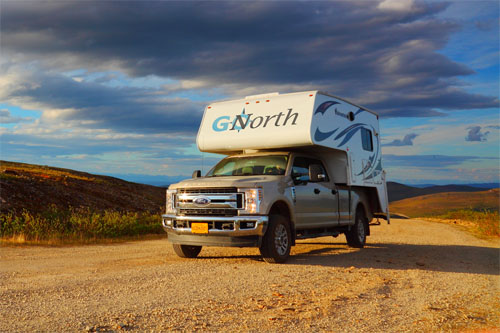
Class TC truck campers, averaging 5.5 meters in length (excluding the truck), are the prime choice for adventurous RV renters in Alaska seeking maximum flexibility and off-road capability. These units typically sleep 2-3 people, with an average of 2.1 adults, and are perfect for pairs desiring to explore remote areas inaccessible to larger RVs.
While load capacity data is often integrated with the truck (Bandana's fleet shows 0 kg average for the camper itself), their design allows for significant gear for two. Bandana's Class TC fleet typically shows fuel consumption between 12-17 Liters/100 km, reflecting the larger truck's engine. Their detachable nature allows the truck to be used independently for day trips, ideal for rougher Alaskan terrain, fishing expeditions, or accessing trailheads where a full motorhome would be impractical. This type of RV is excellent for those looking to rent an RV in Alaska and go truly off the beaten path.
Price Comparison by RV Class in Alaska
RV rental prices in Alaska are dynamic and vary significantly by RV class, rental duration, and season, much like flight tickets. The table below pulls real example prices from Bandana's live search, demonstrating how costs fluctuate across different RV types and trip lengths for pet-friendly options. Prices are flex-rate estimates and update daily; checking current prices for your specific travel dates is essential for accurate budgeting and to find the best RV Rental Deals in Alaska - Latest Offers 2026.
Live April Price Comparison — RV Class × Trip Length
| Trip length | Class A | Class B | Class C | Class SI | Class TC |
|---|---|---|---|---|---|
| 1 week 15/04 → 22/04 | Check prices | 1,207.50 $ AU | 1,845.90 $ AU | 1,477.47 $ AU | 2,185.92 $ AU |
| 2 weeks 15/04 → 29/04 | Check prices | 2,092.70 $ AU | 3,277.10 $ AU | 2,503.23 $ AU | 3,992.81 $ AU |
| 1 month 01/04 → 30/04 | Check prices | 4,161.47 $ AU | 6,530.27 $ AU | 4,701.29 $ AU | 7,312.03 $ AU |
Estimates only — flex-rate prices change daily based on availability and season.
When planning your budget for an RV trip in Alaska, it's vital to remember that these are base rental costs. Additional factors like insurance upgrades, mileage packages, and one-way fees will impact the final price. For a full picture of your investment, remember that RV PLANET routes allow travelers to itemize and track every expense along the way, making budgeting for ancillary trip costs like fuel (exceptionally high in Alaska), campsite fees, and activities much easier.
Side-by-Side Comparison Table
This table provides a quick overview of the key differences between the available RV families, helping you pinpoint the best fit for your Alaska adventure. Consider average length for maneuverability, sleeping capacity for your group, fuel efficiency for budgeting, and the best-use case to align with your trip goals.
| RV Class | Average Length (meters) | Typical Sleeps (Adults) | Fuel Consumption (Liters/100 km) | Best Use Case in Alaska |
|---|---|---|---|---|
| Class A (Integrated) | 7.5 | 4-6 | 8-12 | Luxury, spacious group travel on main highways. |
| Class SI (Semi-Integrated) | 6.9 | 3-5 | 10-11 | Balanced comfort, moderate size for families/small groups. |
| Class C (Alcove) | 7.5 | 5-7 | 10-12 | Families/larger groups, robust for varied roads. |
| Class B (Campervan) | 5.8 | 2-4 | 8-10 | Couples/solo, maneuverability, fuel economy, remote access. |
| Class TC (Truck Camper) | 5.5 | 2-3 | 12-17 | Adventurous pairs, off-road capability, detachability. |
Our Recommendation for rv rental Travelers in Alaska
For most RV rental travelers in Alaska, the Class SI (Semi-Integrated) is our primary recommendation due to its optimal balance of comfort, maneuverability, and fuel efficiency. Its average length of 6.9 meters and sleeping capacity for nearly 4 people make it versatile for couples or small families, navigating both main highways and smaller access roads without feeling overly cumbersome. The semi-integrated design offers good amenities without the bulk or higher fuel costs of a Class A, making it practical for exploring Alaska's diverse landscapes.
As a strong runner-up, the Class C (Alcove) is highly recommended for families or larger groups. Its ample sleeping capacity (nearly 6 people) and robust build are well-suited for Alaska's conditions, offering a cost-effective way to accommodate more travelers while maintaining good road performance. Consider these options when you Find rv Rentals in Alaska.
What is the best company to rent an RV from?
The best RV rental company for an Alaska trip depends on your priorities, with traditional operators like El Monte RV and Cruise America offering consistency and peer-to-peer platforms like Outdoorsy and RVshare providing variety. Traditional rental companies often offer newer, well-maintained fleets with robust roadside assistance, which is crucial for Alaska's remote conditions and unpredictable weather.
Peer-to-peer platforms offer a wider selection of unique RVs, potentially better rates, and the chance to rent from local owners who can provide specific Alaska travel tips, but verify their support and insurance policies carefully. Key factors for Alaska include comprehensive insurance, transparent mileage options (or high limits), local support, and a reputation for reliability in rugged environments. Always compare customer reviews, especially those mentioning Alaska-specific experiences, to gauge reliability and support for your trip. We directly partner with over 50 leading RV suppliers worldwide, including El Monte, Cruise America, Apollo, and Britz, to give you a wide selection.
How much does it cost to rent an RV in Alaska?
Renting an RV in Alaska typically costs between $150 to $400+ per night for the vehicle itself, but the total trip expense can range from $2,500 to $8,000+ for a 7-10 day trip when accounting for all associated costs. Beyond the daily rental rate, crucial expenses include exceptionally high fuel costs (especially for larger RVs averaging 8-17 Liters/100 km), campsite fees ($20-$70/night depending on amenities and location), generator usage fees (often $3-$10/hour if not included), and mileage charges (many rentals limit to 100-150 miles/day with overage fees up to $0.40-$0.80/mile).
Consider additional costs like insurance (basic coverage is typically included, but supplemental collision/liability can add $20-$60/day for extra peace of mind), one-way rental fees (up to $1,000+ for cross-state trips), ferry costs (if traveling to specific islands or coastal towns), activity pricing (guided tours, fishing charters), and provisioning for food (which offers significant savings over restaurants). Factors like RV class (Class B being cheapest, Class A most expensive), season (peak summer is highest), rental duration, and booking in advance significantly impact overall costs. A granular cost breakdown helps in accurate budgeting, including an emergency fund for unexpected expenses like tire repairs on gravel roads or additional fuel for detours. For even more details, explore our "RV Rental in Alaska - Prices and Best Deals 2026" guide.
Is RVshare or Outdoorsy better?
Both RVshare and Outdoorsy are prominent peer-to-peer RV rental platforms, and choosing between them for an Alaska trip often comes down to specific vehicle availability and user interface preferences. Outdoorsy is frequently cited for its robust insurance coverage options and a slightly more user-friendly interface for finding unique rigs, which can be advantageous when searching for specific features suitable for Alaska like 4x4 capability or self-contained units for boondocking.
RVshare often boasts a larger inventory overall, potentially offering more options in various Alaskan pickup locations and price points, providing more flexibility for travelers. For Alaska, look for owners on either platform who are experienced with rentals for rugged conditions, offer transparent mileage policies, and have positive reviews regarding communication and vehicle reliability. Always scrutinize the specific rental agreement on both platforms for details on roadside assistance, breakdown protocols, and any hidden fees that might impact an Alaskan journey. Bandana offers full transparency with no hidden fees, making your choice straightforward.
Is it cheaper to rent an RV or stay in a hotel?
It can be cheaper to rent an RV than to stay in hotels in Alaska, particularly for multi-day trips with multiple travelers, but the overall value proposition of a rented RV extends beyond just monetary savings. While initial RV rental costs and associated expenses (fuel, campsites) can seem high, they often become more economical than booking multiple hotel rooms, especially in popular Alaskan tourist towns where lodging prices soar during peak season to $200-$500+ per night.
A rented RV allows for significant savings on food by enabling self-catering, avoiding expensive restaurant meals, and providing the flexibility to access more affordable grocery stores. Beyond direct costs, RVing in Alaska offers unparalleled flexibility to explore remote areas, stay in stunning natural campsites, and experience Alaska's wilderness more intimately than hotels allow. The value of freedom, privacy, access to unique locations (like boondocking sites near national parks), and the ability to spontaneously change plans often outweighs any minor cost difference, providing a richer, more immersive Alaskan experience. When budgeting for your journey, consider all aspects of an RV trip in our One-Way RV Rental in Alaska - Price Guide 2026 for a detailed breakdown.
Which RV rental site is best?
The 'best' RV rental site for an Alaska trip depends on whether you prioritize selection, customer support, or specific vehicle types, with Bandana, Outdoorsy, and RVshare being top contenders. Bandana specializes in connecting travelers with local and professional fleet owners, often offering transparent pricing and dedicated support tailored to unique destinations like Alaska, boasting direct partnerships with 50+ leading RV suppliers worldwide.
Outdoorsy and RVshare excel in providing a vast peer-to-peer marketplace, allowing access to a diverse range of privately owned RVs, from luxury Class A motorhomes to rugged truck campers, perfect for finding a unique fit for Alaska's varied terrain. Traditional companies like Cruise America or Alaska-specific operators (e.g., Great Alaskan Holidays) offer standardized fleets and well-established local support networks, which can be reassuring for first-time RVers in a challenging environment. Evaluating sites based on their insurance offerings, cancellation policies, customer service responsiveness, and reviews regarding Alaska-specific experiences is crucial before booking, ensuring you have real people behind you with 24/7 support.
How much rent RV in Alaska average cost?
The average cost to rent an RV in Alaska generally falls between $150 and $400 per night, varying significantly based on the RV class, time of year, and rental duration. Smaller, more fuel-efficient Class B campervans or truck campers tend to be on the lower end of the spectrum, with daily rates starting around $150-$250 in shoulder seasons.
Spacious Class A or large Class C motorhomes command higher average daily rates, often $300-$500+ per night during peak demand. Peak summer months (June-August) will see the highest prices due to demand, with shoulder seasons (May, September) offering potentially lower average costs, sometimes saving up to 20%. This average cost typically covers the base rental of the vehicle, but travelers must budget for additional mandatory and optional expenses, including high Alaskan fuel prices, campsite fees (e.g., $35/night at Denali National Park), mileage overages, and insurance. To get the most accurate average for your trip, use Bandana's live search or other platforms, inputting your specific dates and desired RV type, and then factor in the comprehensive breakdown of additional costs outlined in other sections. For weekly rentals, explore our "Weekly RV Rental in Alaska - Pricing 2026" guide.
What RV is best for Alaska?
The best RV for an Alaska trip is typically a Class C or a Semi-Integrated (Class SI) motorhome for families and small groups, or a Class B campervan or Truck Camper for adventurous couples seeking maneuverability and off-grid capabilities. Class C and SI RVs offer a good balance of living space, amenities, and relatively manageable size for navigating Alaska's main highways and national park roads.
A Class C (avg. 7.5m, sleeps 5-7) is excellent for families due to the alcove sleeping area and robust construction. For those prioritizing flexibility, fuel efficiency, and access to more remote or compact areas, a Class B campervan (avg. 5.8m, sleeps 2-4) provides excellent maneuverability and easier parking in towns like Seward or Homer. Adventurers aiming for rugged terrain, off-grid camping, or independent truck use should consider a Truck Camper (avg. 5.5m, sleeps 2-3) due to its durability and detachability, especially for accessing areas like McCarthy Road. Factors like adequate heating for variable weather, sufficient water/generator capacity for boondocking, and reliable tires for gravel roads should be considered for any RV chosen for Alaskan conditions, regardless of class. Our true RV specialists genuinely know RV travel and love helping people discover it.
What is the cheapest price for an RV rental in Alaska?
The cheapest RV rental prices in Alaska are typically found during the shoulder seasons (May and September) or by opting for smaller, more basic RV types like Class B campervans or older Class C models. Prices can start as low as $120-$180 per night for a basic Class B or older Class C during off-peak times, especially if booking well in advance or through special promotions.
Booking at least 3-6 months in advance often secures better rates and availability, while last-minute deals can sometimes appear but are not reliable for peak season. To minimize costs, consider renting for longer durations (weekly or monthly rates are often proportionally cheaper), avoiding one-way rentals (which incur fees up to $1000+), and carefully managing mileage limits. Look for units with basic amenities, older models, or those without extensive add-ons to secure the lowest base price, then meticulously budget for high Alaskan fuel costs, campsite fees, and insurance. You can upgrade to a top-level deductible for extra peace of mind, though it's an optional extra.
Where can I find the best RV rental in Alaska?
The best RV rental in Alaska can be found by leveraging a combination of peer-to-peer platforms (Outdoorsy, RVshare), aggregated marketplaces like Bandana, and traditional local rental companies. For a wide selection and unique vehicles, peer-to-peer sites offer numerous options across Anchorage, Fairbanks, and other key Alaskan cities, allowing you to filter by specific features like 4x4 capability or larger water tanks for boondocking, like a "4x4 Truck Camper Bronze" with a Pet-Friendly feature.
Aggregators like Bandana streamline the search process by presenting options from multiple professional fleets, offering competitive pricing and a centralized booking experience with full transparency. Traditional local companies, such as Great Alaskan Holidays, offer established fleets and often include comprehensive support and Alaska-specific advice, which can be invaluable. To find the 'best' for your trip, compare not just prices but also included amenities, mileage allowances, insurance coverage, roadside assistance, and specific vehicle features (e.g., generator size, insulation) crucial for navigating Alaska's diverse conditions and remote areas. Remember, we handle the details, you live the journey, with personal service from day one until your booking is confirmed.
What is the best type of RV for an Alaska trip?
The best type of RV for an Alaska trip highly depends on your group size, budget, and desired level of adventure, with Class C and Semi-Integrated motorhomes being versatile choices, and Class B or Truck Campers ideal for more rugged exploration. For families seeking comfort and space while navigating main routes, a Class C (Alcove) motorhome is highly recommended for its sleeping capacity (avg. 5.8 people) and robust construction suitable for Alaskan roads.
A Semi-Integrated (Class SI) motorhome provides a good middle ground, offering comfortable amenities with slightly better maneuverability than a Class C, ideal for couples or small groups wanting a balanced experience. If off-the-beaten-path travel, easy parking, and fuel efficiency are top priorities, a Class B (Campervan) excels, providing nimble access to smaller spots and greater freedom for boondocking. For the ultimate Alaskan wilderness adventure, a Truck Camper (Class TC) offers superior ground clearance and often 4x4 capability, allowing access to remote fishing spots, trailheads, and unpaved roads where other RVs cannot venture, though it offers less interior space. Consider a vehicle like the "4x4 Scout Adventure Truck Camper Gold" for maximum versatility.
Driving in Alaska - Road Rules and Safety Tips
Navigating Alaska's roads requires careful attention due to unique conditions like frost heaves, gravel sections, and abundant wildlife. Drive slowly and carefully, and you can drive almost anywhere without issues. No need to stress - just use common sense and pay attention, especially on routes like the Dalton Highway, which connects Fairbanks to the Arctic Ocean and is mostly gravel.
Speed limits typically range from 55-65 mph (88-105 km/h) on major highways, but always adjust for conditions. Limited cell service is common in remote areas, so consider a satellite communicator for emergencies. Wildlife collision avoidance is critical: Alaska has a massive moose population, and they frequently cross roads. Hitting a moose is a serious and potentially fatal incident for both moose and vehicle occupants, so be extra vigilant at dawn and dusk. Always practice bear safety protocols in campgrounds, including proper food storage. For finding campsites and campgrounds during your trip, we recommend using RV PLANET (rvplan.net) - a great resource for locating available spots along your route. Travel slowly, max 100-150 km per day on average. Take time to feel the place, connect to the culture, the food, and the scenery.
Top Cities for RV Rental in Alaska
Alaska offers several fantastic starting points for your RV adventure, with many renters opting to pick up their motorhome or campervan in larger urban centers and then branch out into the wilderness. Anchorage is the most popular hub, providing easy access to both Southcentral and interior Alaska's attractions. Fairbanks, further north, serves as an excellent gateway to Denali National Park and the Arctic region, making it ideal for those interested in a more northerly focus, perhaps leading to a "RV Travel Guide to Alaska - Tips and Top Spots 2026".
Smaller towns like Seward and Homer are fantastic for coastal exploration and offer stunning scenery, fishing opportunities, and unique local culture. Consider these key cities when planning your journey:
- Anchorage: The largest city, offering the widest selection of rental RVs and proximity to Chugach State Park and the Kenai Peninsula. If you're looking for RV Rental Near Alaska Airport - Pickup Pricing 2026, Anchorage is your primary option.
- Fairbanks: The gateway to the Arctic, ideal for exploring Denali National Park and accessing interior routes.
- Seward: A picturesque coastal town on the Kenai Peninsula, known for glacier cruises and marine wildlife.
- Homer: The "Halibut Fishing Capital of the World," located on Kachemak Bay with stunning views.
- Palmer: Nestled in the Mat-Su Valley, offering agricultural charm and outdoor recreation.
- Valdez: A scenic port town renowned for its fjords, glaciers, and salmon fishing.
For broader exploration beyond Alaska, check out our comprehensive "RV Rental USA - Complete Guide 2026".
What You Shouldn't Miss
Alaska is a land of endless discovery, and with a rented RV, you have a mobile headquarters to venture out to national parks, coastal towns, and hidden gems. Don't miss the chance to truly immerse yourself in the natural beauty and vibrant culture.
- Denali National Park and Preserve: Drive the park road (partially RV accessible) for stunning views of North America's highest peak and abundant wildlife.
- Kenai Fjords National Park: Take a boat tour from Seward to witness calving glaciers and marine life like whales and sea otters.
- The Alaska Highway: Drive a portion of this historic route, soaking in the wilderness and the stories of its construction.
- Anchorage Coastal Wildlife Refuge: Enjoy birdwatching and short hikes just minutes from the city.
- Matanuska Glacier: Hike on Alaska's largest accessible glacier with a guided tour, an unforgettable experience.
- Alaskan Salmon Bake: Indulge in fresh, local salmon cooked over an open fire.
Looking for expert insights from Avi Bandana? Top 5 Adventures - recommendations from Avi Bandana:
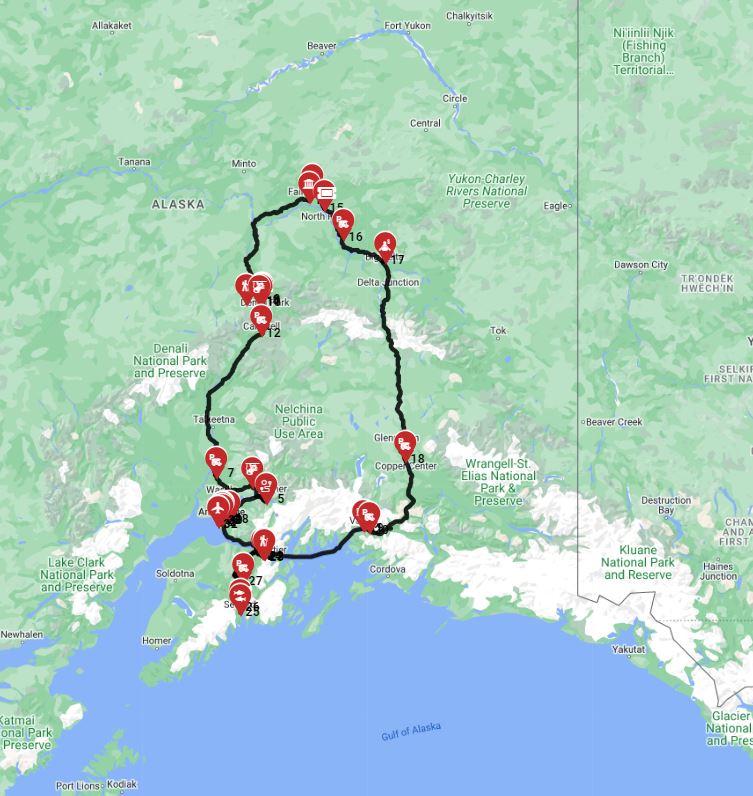
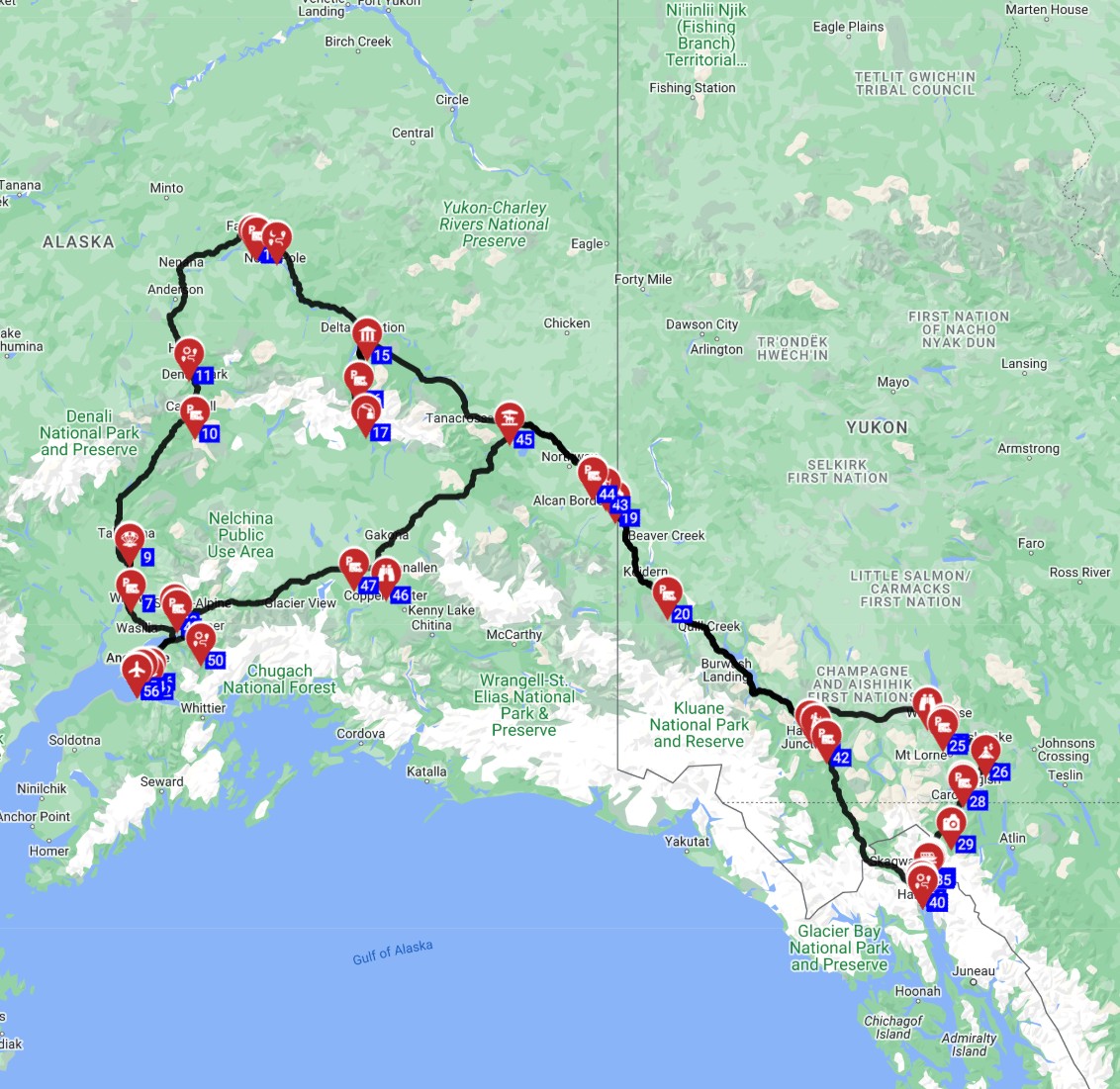
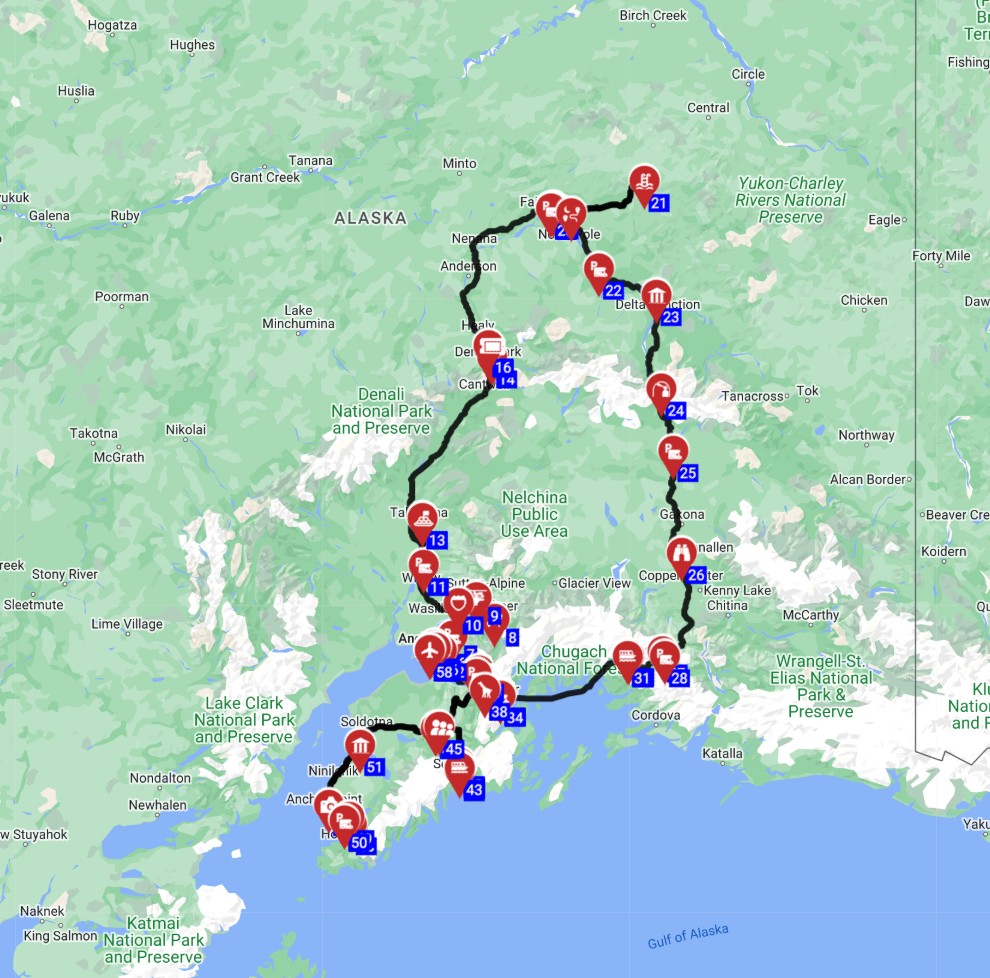
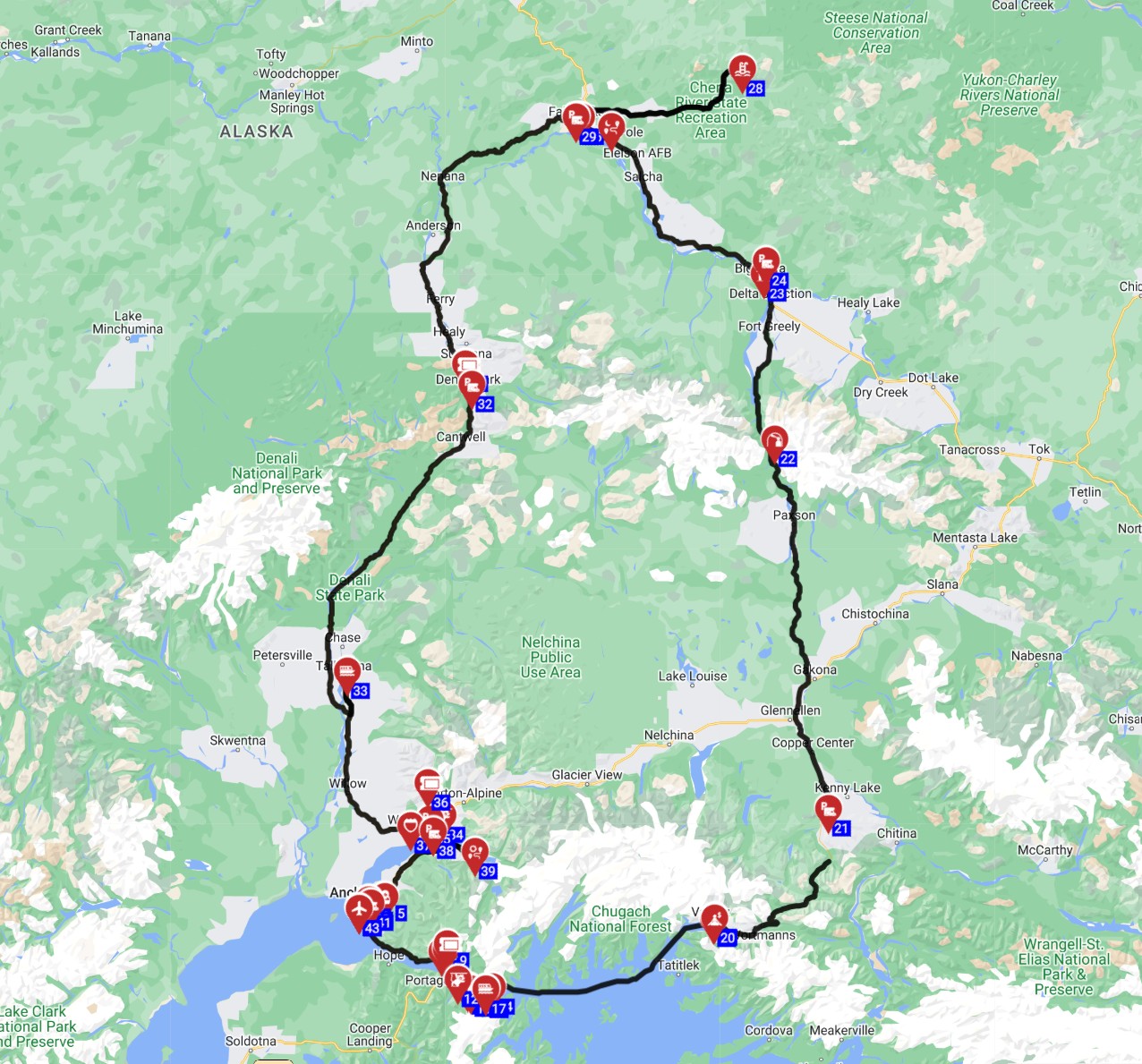
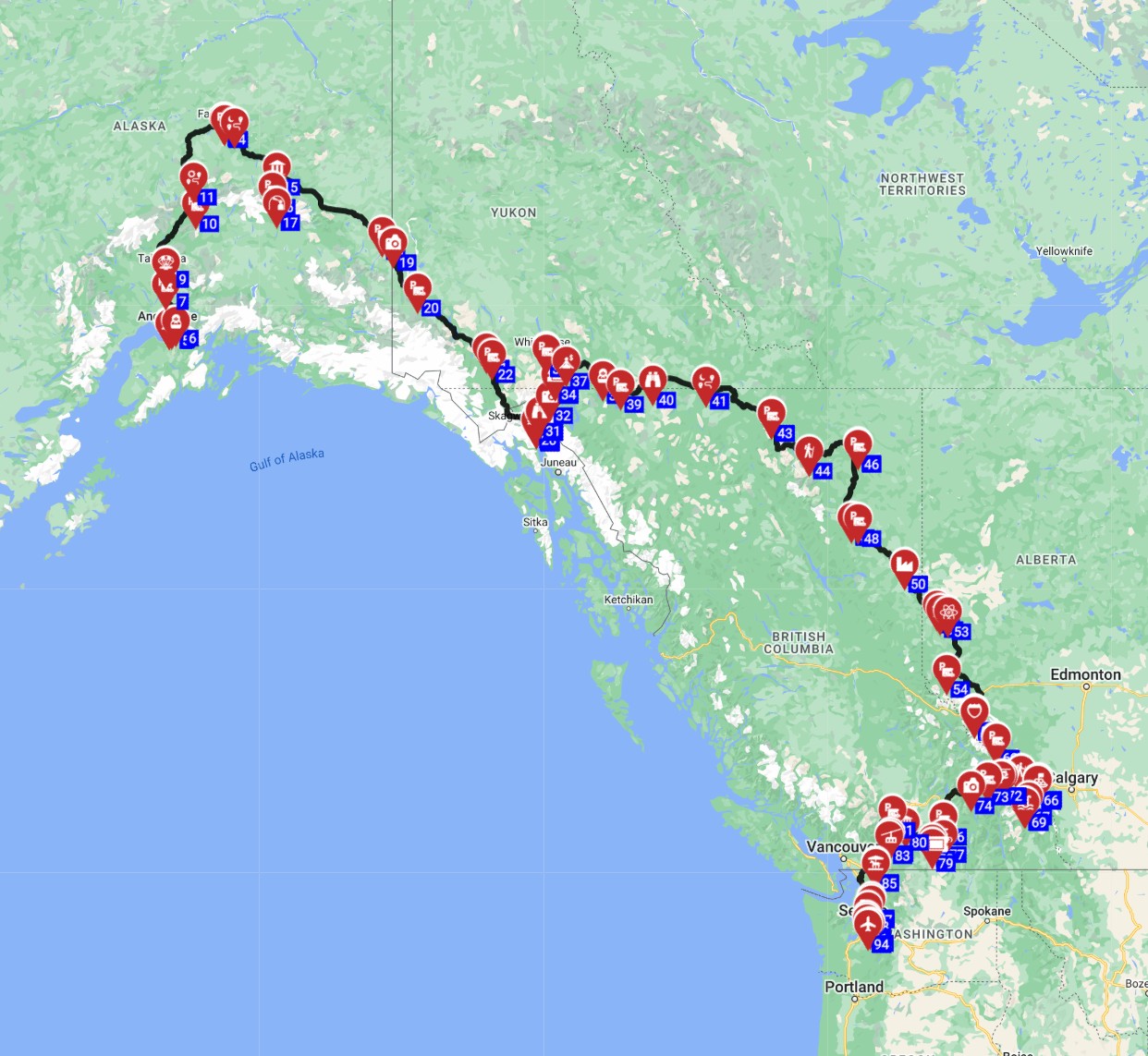
This 23-day, 3539.2 km journey from Anchorage to Anchorage includes 1 Amusement Park, 1 Botanical Garden, 1 Canoe / Kayak / Rafting experience, 1 cave, 3 Cruise Terminal / Sailing excursions, 3 Day Tours, 1 Extreme Activity, 1 Family Activity, 1 Heritage site, 3 hiking areas, 1 Historical Site, 3 Museums, 2 Natural Features, 1 Night Tour, 1 Park, 3 Points Of Interest, 1 Science Site, 1 Tourist Attraction, 1 Traditional Restaurant / Fine Dining experience, and 1 Traditional Visit.
This 11-day, 1928.5 km journey from Anchorage to Anchorage includes 2 Animals Show / Wildlife watch opportunities, 1 Aquarium, 1 Canoe / Kayak / Rafting experience, 2 Cruise Terminal / Sailing excursions, 3 Day Tours, 2 hiking areas, 1 Local Industry visit, 1 Museum, 1 Point Of Interest, 3 Tourist Attractions, and 1 Traditional Visit.
This 15-day, 1929.9 km journey from Anchorage to Anchorage includes 2 Animals Show / Wildlife watch opportunities, 1 Cable Railway, 1 Canoe / Kayak / Rafting experience, 1 cave, 3 Cruise Terminal / Sailing excursions, 1 Day Tour, 1 Extreme Activity, 2 hiking areas, 1 Historical Site, 2 Museums, 1 Night Tour, 1 Scenic Route, 1 Swimming opportunity, 4 Tourist Attractions, 1 Traditional Restaurant / Fine Dining experience, and 1 Traditional Visit.
Final Thoughts
An RV rental in Alaska offers an unparalleled opportunity to immerse yourself in stunning landscapes, from towering glaciers to vast wildlife-filled tundras, all at your own pace. With Bandana Caravan, you’re not just booking a vehicle; you’re gaining a partner who understands the nuances of RV travel and is committed to making your Alaskan dream a reality.
Whether you're a family seeking adventure in a spacious Class C motorhome or a couple craving the flexibility of a nimble campervan, we have the perfect pet-friendly option for you. Embrace the freedom of the open road, knowing you have transparent pricing, robust support, and expert guidance every step of the way. Your ultimate Alaskan road trip awaits.
Get inspired for your next trip! Discover top destinations, planning tips, all in one place! Plan a trip itinerary in advance with minimal effort and maximum enjoyment.