In This Guide
- Best Zambia RV Itinerary for pet friendly rv rental — Overview
- 7-Day Classic Route in Zambia
- 14-Day Extended Journey in Zambia
- Recommended RVPlan Trip for Zambia
- Must-See Stops Along the Way (Avi Bandana Picks)
- Daily Driving Distances & Drive Times in Zambia
- Best RV Class for This Itinerary — Couple & Family Picks
- What is the average cost of an RV rental in Zambia
- Are there specific requirements for pet-friendly RVs or campsites in Zambia
- What are the road conditions like for RV travel in Zambia, especially with a pet
- How can I ensure my pet's safety and comfort during an RV trip in Zambia
- What essential supplies should I pack for a pet-friendly RV adventure in Zambia
- Are there any pet-friendly activities or attractions in Zambia suitable for RV travelers
- What documentation is required for traveling with a pet across Zambian borders and within the country
- Where can I find pet-friendly RV campsites or accommodations in Zambia
- What is the best time of year to visit Zambia with a pet in an RV
- Are there regulations for driving an RV in Zambia that pet owners should be aware of
- How do I handle emergencies or veterinary needs for my pet while RVing in remote parts of Zambia
Best Zambia RV Itinerary for pet friendly rv rental — Overview
Exploring Zambia in a rented RV with your furry companion offers an unparalleled adventure, allowing you to witness breathtaking landscapes and vibrant cultures at your own pace. For live availability and current prices, start with our RV Rental Zambia - Complete Guide 2026 guide. This country, known for its incredible wildlife and natural beauty, opens its arms to RV travelers, with careful planning ensuring a comfortable journey for both you and your pet. A minimum of 7 days is recommended to experience the key highlights, such as Victoria Falls and some of the country's magnificent national parks (from their periphery, of course). For a more immersive exploration, consider a 14-day journey. A classic 7-day route typically covers around 750 km (465 miles), allowing for a relaxed pace. The optimal time to visit Zambia with your pet in an RV is during the dry season, from May to October. This period offers the best road conditions, more manageable temperatures, and excellent wildlife viewing opportunities, making the entire experience more enjoyable and safer for your four-legged friend.
7-Day Classic Route in Zambia
Embark on a 7-day pet-friendly RV adventure through Zambia, focusing on the iconic Victoria Falls and the capital city, Lusaka, while keeping your pet's comfort and legal access in mind. This itinerary balances must-see attractions with practical considerations for RV travel.
Day 1: Livingstone – Victoria Falls & Local Markets
Start your journey in Livingstone, the gateway to Victoria Falls. The total distance for the day is approximately 50 km (30 miles). While pets aren't allowed in the main national park areas of Victoria Falls, you can explore the perimeter and enjoy pet-friendly walking trails in the surrounding areas. Immerse yourself in local culture at the bustling markets. For accommodation, consider Maramba River Lodge Campsite, which often has pet-friendly options. Remember to always keep your pet on a leash and be mindful of the local environment.
Day 2: Livingstone – Chobe National Park Day Trip (Botswana border, RV parked in Zambia)
Today involves a day trip near Livingstone, with approximately 100 km (60 miles) of driving round trip to the Kazungula border. While your pet cannot accompany you into Chobe National Park in Botswana, you can arrange secure parking for your RV in Zambia. This allows you to experience the incredible wildlife of Chobe. Enjoy the Zambezi Riverfront in Livingstone for pet-friendly activities.
Day 3: Livingstone to Mazabuka
This leg of the journey covers about 300 km (185 miles) as you head north towards Mazabuka. Enjoy the scenic drive through the Southern Province, passing through charming rural areas and stopping at wayside stalls for fresh produce. For accommodation, Nkanga River Conservancy is a potential option, but it's crucial to check their specific pet policy in advance.
Day 4: Mazabuka to Lusaka
Continue your journey to Zambia's capital, Lusaka, covering approximately 140 km (85 miles). In Lusaka, explore pet-friendly urban parks (check park-specific rules for pets) and experience the vibrant local markets. Eureka Camping Park is a well-regarded pet-friendly option for overnighting.
Day 5: Lusaka to Kafue National Park (Northern Gate)
Embark on a drive towards Kafue National Park, one of Africa's largest parks, covering about 200 km (125 miles) to the Hook Bridge, the northern gate. It's important to note that pets are generally prohibited inside national parks. Plan to stay at a campsite outside the park boundaries, such as Hook Bridge Campsite, or other private camps that welcome pets.
Day 6: Kafue National Park Area Exploration
Dedicate this day to exploring areas around Kafue National Park that are pet-friendly. This could include local villages or scenic viewpoints near your chosen campsite, offering a tranquil experience by the river. Remain at your campsite near the park's perimeter.
Day 7: Hook Bridge to Lusaka or Departure
Conclude your 7-day itinerary with the drive back to Lusaka, approximately 200 km (125 miles), for RV return or onward travel. Use this time for any last-minute souvenir shopping or a final relaxed walk with your pet.
14-Day Extended Journey in Zambia
For a more comprehensive exploration of Zambia with your pet, consider this 14-day itinerary, expanding the classic route to include the Eastern Province and its renowned wildlife areas.
Region 1: Southern & Capital Exploration (Days 1-5)
Day 1: Livingstone – Victoria Falls & Zambezi River
Arrive in Livingstone, pick up your RV, and explore the perimeter of Victoria Falls, looking for pet-friendly walking paths. Some Zambezi River cruises may accommodate pets on lower decks; confirm this when booking. Stay at a pet-friendly campsite in Livingstone.
Day 2: Livingstone – Maramba Cultural Village & Local Crafts
A short 30 km (20 miles) drive to explore local culture and markets. Ensure your pet is well-behaved and leashed. Enjoy riverside relaxation. Stay again in Livingstone.
Day 3: Livingstone to Choma
Journey north for about 190 km (120 miles) through the scenic Southern Province. Visit the Choma Museum and Crafts Centre. Find local guesthouses or secure parking for your RV.
Day 4: Choma to Mazabuka
Continue your drive for approximately 140 km (85 miles), enjoying the agricultural landscapes. Nkanga River Conservancy is a possibility for accommodation, but verify pet policies.
Day 5: Mazabuka to Lusaka
Reach the capital after a 140 km (85 miles) drive. Stock up on supplies and explore any pet-friendly urban parks. Eureka Camping Park is a good choice for an overnight stay.
Region 2: Central & Eastern Adventures (Days 6-10)
Day 6: Lusaka to Lower Zambezi Area (outside park)
Head towards the Lower Zambezi area with a drive of around 100 km (60 miles) to Chongwe/Rufunsa. Find a pet-friendly camp or lodge outside the National Park boundaries. Stay at private campsites near Chongwe.
Day 7: Lower Zambezi Exploration (pet-friendly areas)
Explore areas around Chongwe (approx. 50 km / 30 miles driving) where pets are permitted. Enjoy riverside activities and birdwatching from your RV. Stay at your chosen Chongwe campsite.
Day 8: Chongwe to Petauke
This is a longer driving day of approximately 300 km (185 miles) to Petauke, traversing the Eastern Province. Breaking this journey is advisable for strict adherence to daily driving limits, but for this itinerary, we acknowledge the extended drive. Mama Rula's Camp or similar (confirm pet policy) is a potential stop.
Day 9: Petauke to South Luangwa National Park (Mfuwe Area - outside park)
Reach the gateway to South Luangwa National Park after about 150 km (93 miles). Remember, pets are not allowed inside national parks, so camp in pet-friendly areas near Mfuwe, such as Croc Valley Camp, ensuring you confirm specific pet zones.
Day 10: South Luangwa Area Exploration (pet-friendly periphery)
Enjoy the atmosphere around South Luangwa. Visit local craft markets in Mfuwe and walk along the Luangwa River outside park boundaries. Stay at your chosen campsite near Mfuwe.
Region 3: Return & Cultural Immersion (Days 11-14)
Day 11: Mfuwe to Chipata
Drive towards Chipata (approx. 120 km / 75 miles), perhaps taking a short detour towards the Malawi border for a cultural experience without crossing with the RV and pet. Stay at a pet-friendly campsite near Chipata.
Day 12: Chipata to Mkushi
Traverse a significant portion of the Great East Road, covering about 320 km (200 miles) to Mkushi. Plan for fuel stops and breaks. Forest Inn could be an option, but verify pet policies for RV parking.
Day 13: Mkushi to Lusaka
The final leg of the journey to Lusaka is around 160 km (100 miles). Enjoy some last-minute souvenir shopping or a relaxing evening. Eureka Camping Park is available for your last night.
Day 14: Departure from Lusaka
Prepare for RV return and departure, reflecting on your Zambian adventure with your pet. This 14-day itinerary involves some longer driving days; for strict adherence to daily limits, consider extending your trip to 16-18 days.
Recommended RVPlan Trip for Zambia
While there isn'alana specific pre-built RVPlan trip tailored for a pet-friendly adventure in Zambia, Avi Bandana encourages travelers to explore the many customizable RVPlan trips available. These expertly crafted itineraries provide a solid foundation, which you can then adapt to include pet-friendly accommodations, activities, and routes, ensuring your furry companion is welcome every step of the way. Utilize RVPlan's robust software to filter for pet amenities or adjust routes to avoid national park restrictions. With RV PLAN (rvplan.net), you can itemize and track every expense along the way for easy budgeting. On the routes offered through RV PLANET routes, you can itemize and track every expense along the way for easy budgeting.
Must-See Stops Along the Way (Avi Bandana Picks)
Avi Bandana shares some personal recommendations for unique stops that enhance your Zambian RV journey, offering authentic cultural and natural experiences for you and your pet (where feasible).
- Livingstone Town Market: Avi Bandana recommends a stroll through the vibrant Livingstone market. While your pet might prefer to wait in the RV with good ventilation, this market offers an authentic glimpse into local life and a chance to purchase fresh produce and unique Zambian crafts. Remember to observe local customs and be respectful.
- Maramba Cultural Village (Livingstone): Experience traditional Zambian culture. While pets might not be allowed inside certain performance areas, the open grounds often allow for leashed walks, and the overall atmosphere provides excellent photo opportunities and a chance to engage with local artistry.
- The 'Big Tree' near Victoria Falls: Just outside the main Victoria Falls park entrance, you'll find an enormous baobab tree – a true natural wonder. This makes for a fantastic, pet-friendly photo stop and a moment to appreciate Zambia's unique flora.
- Local Riverside Campsites along the Zambezi/Kafue Rivers (outside National Parks): For truly authentic experiences, Avi Bandana suggests seeking out smaller, community-run or private campsites along Zambia's major rivers, but outside strict national park boundaries. These often offer peaceful settings for you and your pet to enjoy birdwatching, fishing, and local interactions without the crowds of major tourist hubs.
- Roadside Stalls on the Great North and Great East Roads: Don't miss the opportunity to stop at roadside stalls, especially those selling fresh fruit like mangoes, avocados, and bananas (for you, not for all pets!). This is a wonderful way to support local farmers and get a taste of Zambia's agricultural bounty.
Daily Driving Distances & Drive Times in Zambia
Avi Bandana recommends a maximum of 100 miles or 150 km per day on average when RVing in Zambia. This allows for slower, more enjoyable travel, accounting for varying road conditions, frequent stops for wildlife viewing or cultural interactions, and ensuring ample time for your pet to rest and stretch their legs.
Zambia's roads can range from well-maintained tarred sections to challenging gravel, corrugations, and even seasonal mud. Prioritizing slow travel not only enhances safety but also reduces wear and tear on your RV and makes the journey more pleasant for everyone, including your furry companion.
Example Drive Time Estimates (vary greatly with road conditions and stops):
- Livingstone to Lusaka (~480 km / 300 miles): While technically traversable in a long day, Avi Bandana suggests breaking this into two days (e.g., Livingstone to Choma/Mazabuka, then to Lusaka). This allows for roughly 4-6 hours of driving per segment.
- Lusaka to Kafue National Park (Hook Bridge Gate) (~200 km / 125 miles): Expect this to take around 3-4 hours of driving, especially with potential slower sections as you approach the park.
- Mfuwe (South Luangwa) to Chipata (~120 km / 75 miles): This relatively shorter distance can still take 2-3 hours due to gravel roads and rural traffic.
Best RV Class for This Itinerary — Couple & Family Picks
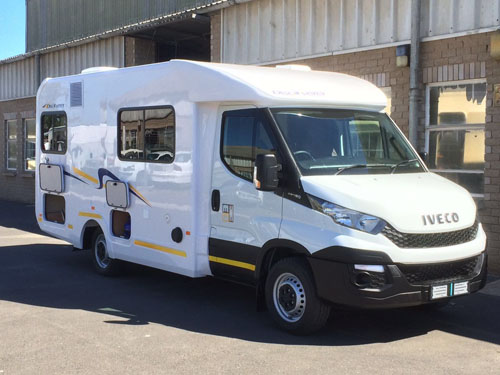
Choosing the right RV for your pet-friendly Zambian adventure is crucial for comfort and capability. Bandana's global fleet averages offer insights into suitable options. For a couple traveling with a pet, a Class B - Camper Van is an excellent choice. Bandana's fleet typically offers Class B vans averaging 5.8 meters in length, with sleeping places for about 3.2 individuals and capacity for 2.7 adults. Their common fuel consumption is around 8-10 Liters/100 Km, making them efficient for long distances. A camper van provides easy maneuverability on varying Zambian roads, is discreet for wild camping outside designated areas, and offers enough space for a couple and a medium-sized pet without feeling cramped. The compact nature is ideal for navigating smaller towns and less-maintained tracks.
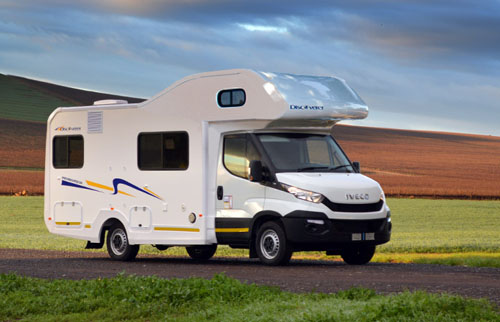
Families traveling with a pet will appreciate the added space and amenities of a Class C - Alcove RV. Bandana's Class C vehicles typically average 7.5 meters in length, providing ample sleeping places for about 5.8 individuals and comfortable accommodation for 4.4 adults. While slightly larger, their common fuel consumption is still reasonable at 10-12 Liters/100 Km. The alcove design provides a dedicated sleeping area, leaving the living space open for family activities and for your pet to relax. The increased storage capacity (avg. load capacity of 42.4 kg) is also beneficial for carrying pet supplies, extra water, and provisions for a family on an extended trip.
Once you've selected your ideal RV, take advantage of Rent & Plan's unique service: RV rental combined with a ready-made itinerary crafted by travel experts. This service, complete with full access to trip-planning software, removes the planning headache, allowing you to focus purely on the joy of your pet-friendly Zambian adventure.
What is the average cost of an RV rental in Zambia
The average cost of an RV rental in Zambia can vary significantly based on vehicle class, rental duration, season, and inclusions, typically ranging from $150 to $400 USD per day for a self-drive 4x4 camper or fully equipped RV in 2026. Beyond the base rental fee, which is the primary variable, consider these essential ancillary costs for a comprehensive trip budget:
- Fuel: A major expense, as diesel/petrol prices fluctuate and consumption can range from 10-17 Liters/100 km depending on the RV class and road conditions.
- Park Entry Fees: National Parks charge fees per person and per vehicle, with different rates for international vs. local visitors (e.g., $25-$30 USD per person per day for international visitors, plus vehicle entry). Remember that pets are generally not allowed in national parks, so plan for their care if you intend to enter.
- Camping Fees: Campsites typically range from $15-$40 USD per person per night, with some premium sites costing more. Pet-friendly sites might have additional small charges or specific rules.
- Food & Supplies: Budget for groceries, water, and pet food. Purchasing in larger towns like Lusaka or Livingstone is more economical than in remote areas.
- Border Fees: If you plan to cross borders, factor in temporary import permits (like a Carnet de Passage or TIP), carbon tax, road tolls, and potentially pet import documentation fees.
- Potential Repairs/Spares: Essential for off-road travel, budget for unforeseen circumstances like tire punctures, minor mechanical issues, or recovery services. Consider a contingency fund.
- Satellite Phone/Communication: For remote areas with limited mobile network coverage, renting a satellite phone (~$10-20 USD per day) is highly recommended.
- Insurance: Comprehensive RV insurance, including roadside assistance, is crucial. Check if pet-related damages are covered.
- Miscellaneous: This includes visas (for human travelers), activity fees (e.g., boat trips), tips, and personal expenses.
For finding campsites and campgrounds during your trip, check out RV PLANET (rvplan.net) — a great tool for locating available spots along your route.
Are there specific requirements for pet-friendly RVs or campsites in Zambia
While Zambia does not have a formal nationwide certification for 'pet-friendly RVs,' the primary requirement involves individual RV rental companies and campsites dictating their own pet policies. It is essential to explicitly inquire with your chosen RV rental provider about their pet policy. Some companies offer specific pet-designated vehicles or charge an additional cleaning fee. Ensure the RV is adequately ventilated and has secure areas for your pet during travel.
The majority of national parks and wildlife reserves in Zambia strictly prohibit pets, even within vehicles, due to wildlife conservation and disease transmission concerns. However, numerous private campsites, lodges, and designated municipal camping areas outside protected zones are welcoming to well-behaved, leashed pets. Always confirm a campsite's pet policy in advance of your arrival, often via their website or a direct phone call. Look for amenities like shaded areas, access to water, and safe walking trails near the campsite.
What are the road conditions like for RV travel in Zambia, especially with a pet
Road conditions for RV travel in Zambia vary significantly, ranging from well-maintained tarred roads between major towns to challenging gravel, dirt, and highly corrugated or seasonally flooded tracks in remote and national park access areas, necessitating careful vehicle preparation and driving for pet comfort. Avi Bandana recommends a maximum of 100 miles or 150 km per day on average when RVing in Zambia. This pace allows for better management of varying road conditions, frequent stops for your pet, and a more relaxed experience.
Types of Roads and Challenges:
- Tarred Roads (T-Roads): The main arteries, such as the Great North Road and Great East Road, are generally tarred and in reasonable condition. However, potholes are common and can appear suddenly, making a higher clearance RV beneficial.
- Gravel Roads (D-Roads): These roads lead to many smaller towns, national park gates (outside the protected zones), and rural areas. They can be heavily corrugated, dusty in the dry season, and muddy or slippery in the wet season. A 4x4 RV or a sturdy Class B/C motorhome is highly recommended for these routes.
- Dirt Tracks: Found in more remote areas, these often require high clearance and 4x4 capability, especially after rain.
Specific Vehicle Preparation for Zambian Terrain:
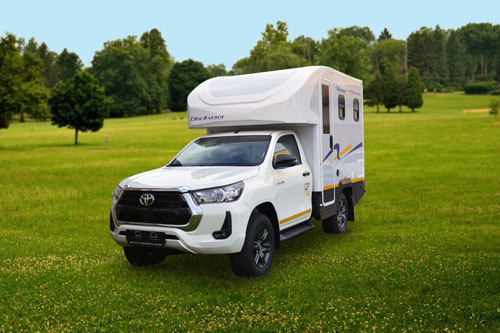
- 4x4 Necessity: For itineraries venturing beyond main tarred routes, particularly to areas near national parks or remote campsites, a 4x4 RV (like a truck camper or a robust camper van) is often essential. Even on tarred roads, higher ground clearance is beneficial.
- Spares & Tools: Carry at least two spare tires, a high-lift jack, a tire repair kit, a basic tool kit, and an air compressor for tire pressure adjustments.
- Water/Fuel Storage: For remote areas, carry extra water (at least 20-40 liters) and additional fuel (jerry cans) as service stations can be scarce.
- Pet Comfort: The varying road conditions can be hard on pets. Ensure your pet has a secure, comfortable, and well-ventilated space within the RV, away from direct sunlight. Plan frequent stops for walks and hydration, especially after rougher sections. Monitor for signs of motion sickness or stress. Slow driving over corrugations is vital for both vehicle integrity and your pet's well-being.
How can I ensure my pet's safety and comfort during an RV trip in Zambia
Ensuring your pet's safety and comfort during an RV trip in Zambia requires diligent planning, preparation, and ongoing attention to their needs in a new and sometimes challenging environment. This includes proactive veterinary care, secure transport, and climate control.
- Veterinary Check-up & Vaccinations: Before travel, have a full vet check-up. Ensure all vaccinations (rabies, distemper, parvovirus, etc.) are up-to-date, and get necessary parasite control (tick, flea, heartworm). Carry vaccination records.
- Secure Travel: Always secure your pet in the RV while driving using a crate, harness, or seatbelt attachment. This prevents injury during sudden stops or rough terrain and keeps them from distracting the driver.
- Climate Control: Zambia can get very hot. Ensure the RV's ventilation and air conditioning are adequate. Never leave your pet unattended in a hot RV, even for a short time, as temperatures can rise rapidly.
- Hydration & Food: Provide constant access to fresh water. Bring enough of your pet's regular food to avoid dietary upsets. Consider portable water bowls for stops.
- Frequent Breaks: Plan regular stops (every 2-3 hours) for your pet to stretch their legs, relieve themselves, and hydrate. Always keep them on a leash.
- Pet First-Aid Kit: Pack a dedicated pet first-aid kit including bandages, antiseptic wipes, tweezers (for thorns/ticks), any necessary medications, and veterinary contact info.
- Identification: Ensure your pet wears a collar with up-to-date ID tags (including your phone number) and is microchipped. Carry a recent photo of your pet.
- Wildlife Awareness: Be extremely vigilant about wildlife, even in non-park areas. Keep your pet leashed, especially at dawn and dusk, and do not allow them to approach or interact with any wild animals. Be aware of potential dangers like snakes, scorpions, and large predators.
- Heat & Paws: Protect paws from hot surfaces (sand, asphalt). Consider booties if walking on very hot ground. Schedule walks for cooler parts of the day.
What essential supplies should I pack for a pet-friendly RV adventure in Zambia
Packing the right supplies is critical for a smooth and self-sufficient pet-friendly RV adventure in Zambia, especially when venturing into remote areas where provisioning options are limited. Proper preparation ensures you are equipped for various scenarios.
For Your Pet:
- Ample Food & Treats: Pack enough for the entire trip, plus extra for delays, as remote areas have limited pet food options.
- Water Bowls & Water: Collapsible bowls are convenient. Carry extra water beyond human needs for your pet's hydration.
- Leash, Collar & Harness: Essential for control and safety, especially near wildlife or in public areas.
- Pet Bed/Blanket: Familiar comfort items can significantly reduce stress for your pet in a new environment.
- Waste Bags & Scoop: Practice responsible waste management; pack out all pet waste to maintain cleanliness and respect local environments.
- Pet First-Aid Kit: Include bandages, antiseptic, tweezers, any prescribed medications, tick remover, and your veterinarian's contact information.
- Toys & Chews: Keep your pet entertained during long drives or downtime to prevent boredom and anxiety.
- Grooming Supplies: Pack brushes, pet-safe shampoo, and towels, especially after dusty roads or muddy conditions.
- Documentation: Carry vaccination records, health certificates, and a pet passport if applicable.
For Your RV & Human Companions (Self-Sufficiency & Provisioning):
- Water Purification System: Essential for longer remote trips, consider filters, purification tablets, or a portable UV sterilizer.
- Extended Food Supplies: Plan meals, focusing on non-perishables. Major towns like Lusaka and Livingstone have supermarkets for fresh groceries; smaller towns offer basic supplies.
- Navigation & Communication: Carry offline maps (Maps.me, Google Maps downloaded), a GPS device, and a satellite phone for areas without network coverage.
- Vehicle Spares & Tools: Include two spare tires, a tire repair kit, high-lift jack, basic tool kit, and jumper cables.
- Recovery Gear: Pack a tow rope, shovel, and basic recovery boards, especially if you plan on off-road excursions.
- Camping Essentials: Headlamps, lanterns, chairs, a table, and potentially a solar shower if not integrated into the RV.
- Sun Protection & Insect Repellent: Wide-brimmed hats, sunscreen, and strong insect repellent (DEET or picaridin) are crucial for comfort and health.
- Cash: US dollars are widely accepted in tourist areas, but Zambian Kwacha (ZMW) is essential for local markets and smaller vendors. Have small denominations readily available.
- Waste Management: Pack durable trash bags and plan to carry out all non-biodegradable waste. Utilize designated waste disposal points whenever available.
Are there any pet-friendly activities or attractions in Zambia suitable for RV travelers
While strict national park regulations limit pet access to core wildlife viewing areas, RV travelers in Zambia can still find a variety of pet-friendly activities and attractions by focusing on private reserves, community areas, and cultural experiences outside the major safari circuits. This approach allows for a rich experience that accommodates your furry friend.
- Victoria Falls Periphery (Livingstone): While the main park entrance is often off-limits to pets, explore walking trails around Livingstone and the Zambezi River that are outside official national park boundaries. The 'Big Tree' near Victoria Falls is a great, pet-friendly photo stop.
- Local Markets & Cultural Villages: Many local markets (e.g., Livingstone, Lusaka) and cultural villages (like Maramba Cultural Village) allow well-behaved, leashed pets in outdoor areas. This offers a chance for authentic local interaction, supporting community tourism and purchasing unique crafts.
- Riverside Campsites & Picnics: Numerous private campsites along the Zambezi, Kafue, and Luangwa Rivers (outside national park zones) offer serene environments for pets to explore on-leash. Enjoy riverside picnics, birdwatching, and simply relaxing by the water.
- Forest & Bush Walks (Private Land): Seek out private farms, conservancies, or eco-lodges that permit pets on their grounds. These often have designated walking trails through pristine bushveld where you can enjoy nature with your pet.
- Village Visits & Community Tourism: Engage with local communities through organized village visits. Always confirm in advance if your pet can accompany you and ensure they are respectful of local customs and animals.
- Scenic Drives: Zambia offers incredible scenic drives, particularly on the Great East and Great North Roads. Stop at viewpoints, small towns, and roadside stalls for pet comfort breaks and to soak in the local atmosphere.
- Off-the-Beaten-Path Destinations: Explore lesser-known areas away from the major tourist hubs. These often have more flexible pet policies and offer unique, uncrowded experiences. Examples include Nkanga River Conservancy near Mazabuka, or private properties near Mkushi.
What documentation is required for traveling with a pet across Zambian borders and within the country
To travel with a pet across Zambian borders and ensure smooth passage within the country, specific health and import documentation is rigorously required by the Zambian Department of Veterinary Services. Adhering to these regulations is crucial for a hassle-free entry.
Key Documentation for Pet Entry into Zambia:
- Veterinary Health Certificate: An official certificate issued by a licensed veterinarian in your home country, confirming your pet is healthy, free from infectious diseases, and fit for travel. This certificate must be issued within a short timeframe (e.g., 10 days) prior to your arrival.
- Vaccination Records: Up-to-date proof of all required vaccinations, most critically rabies. The rabies vaccination must be administered at least 30 days but not more than 12 months prior to entry.
- Import Permit: This is crucial. You must apply for and obtain a 'Permit to Import Live Animals' from the Zambian Department of Veterinary Services *before* your departure. The application typically requires your pet's health certificate and vaccination records. This permit specifies the conditions of entry and is vital for border crossing.
- Microchip: While not always explicitly stated as mandatory, a microchip is highly recommended for identification.
- Pet Passport (if applicable): If your country issues a pet passport, it can consolidate much of the required health and vaccination information.
Within Zambia:
- Copies of All Documents: Always carry physical and digital copies of all the above documents with you in the RV. You may be asked to produce them at police roadblocks, national park gates (even if not entering with the pet), or by campsite management.
Border Crossing Procedures (Vehicle & Pet):
Ensure your RV has all necessary vehicle documentation (registration, insurance, temporary import permits like a Carnet de Passage if applicable). When crossing borders, you'll first clear immigration for yourself, then customs for your vehicle, and finally, present your pet's documentation to the veterinary officer. Be prepared for potential inspections and ensure all original documents are readily accessible.
Where can I find pet-friendly RV campsites or accommodations in Zambia
Finding pet-friendly RV campsites or accommodations in Zambia requires focused research and direct communication, as national parks generally prohibit pets, shifting the search to private establishments and designated areas outside protected zones. Proactive research is key to a smooth trip.
- Online Camping Directories & Forums: Websites like iOverlander, Tracks4Africa, and dedicated RV/overlanding forums often have user-generated reviews and information on pet policies for specific campsites. Filter your searches for 'pet-friendly' or 'dog-friendly' options.
- Direct Contact with Campsites/Lodges: The most reliable method is to directly contact campsites, lodges, or private conservancies via email or phone. Explicitly state you are traveling with an RV and a pet, including details about your pet's size and breed. Confirm their current policy and any associated fees or restrictions.
- Private Game Farms & Conservancies: Many private game farms and conservancies that are not national parks or major wildlife reserves may offer pet-friendly camping. These often provide a more relaxed environment where pets can be walked on-leash in designated areas.
- Municipal & Rural Campsites: Look for campsites located in or near towns, or those managed by local communities in rural areas. These are more likely to have flexible pet policies compared to remote wilderness camps.
- Social Media Groups: Join Facebook groups or other online communities dedicated to RV travel or pet travel in Africa. Members often share up-to-date information and personal recommendations.
- Examples of Pet-Friendly Options (always confirm current policy):
- Livingstone Area: Maramba River Lodge Campsite, Livingstone Safari Lodge & Campsite (check specific areas).
- Lusaka Area: Eureka Camping Park.
- Mazabuka Area: Nkanga River Conservancy.
- Mfuwe (South Luangwa periphery): Some camps outside the park, like Croc Valley Camp, might offer pet-friendly camping in specific zones; always verify.
What is the best time of year to visit Zambia with a pet in an RV
The best time of year to visit Zambia with a pet in an RV is generally the dry season, from May to October, offering optimal road conditions, cooler temperatures, and easier wildlife viewing, all of which contribute to a more comfortable experience for both you and your furry companion. This period minimizes the challenges associated with the wet season.
Dry Season (May to October):
- Pros: Roads are dry and generally more accessible, minimizing muddy situations that can strand an RV or make driving extremely challenging. Temperatures are cooler and less humid, especially from May to August, which is more comfortable for pets (and humans) in an RV, reducing the risk of overheating. While pets aren't allowed in national parks, the dry season concentrates wildlife around water sources, making sightings easier in bordering areas or private conservancies. Insect populations, including mosquitoes and tsetse flies, are lower, reducing disease risk.
- Cons: Roads can be very dusty, particularly in August-October, requiring frequent cleaning. It's also peak tourist season, so popular campsites might be busier, though this is less of a concern for pet-friendly options outside parks.
Wet Season (November to April):
- Pros: The landscape is lush and green, and there are fewer tourists, often leading to lower prices.
- Cons: Many roads become impassable due to heavy rains and mud, posing a significant risk for RV travel as bridges can be washed out. High temperatures and humidity can be uncomfortable and dangerous for pets, increasing the risk of heatstroke. Insect populations, especially mosquitoes and tsetse flies, are higher, increasing disease risk. Heavy rains can also reduce visibility while driving.
Are there regulations for driving an RV in Zambia that pet owners should be aware of
Yes, beyond general Zambian road regulations, pet owners driving an RV must be aware of specific considerations that impact both legal compliance and their pet's well-being. Adhering to these rules ensures a safe and lawful journey.
General Driving Regulations:
- Driving Side: Zambia drives on the left-hand side of the road.
- Speed Limits: Strictly enforced: 50 km/h in urban areas, 100 km/h on open roads, and often lower limits (e.g., 60 km/h) near villages and within private concessions. RVs should generally drive slower than smaller vehicles.
- Driver's License: An international driving permit (IDP) or a valid national license with a certified English translation is required.
- Vehicle Documentation: Always carry your RV's registration, proof of insurance, and any temporary import permits (like a Carnet de Passage or TIP) at all times, as police checkpoints are common.
- Safety Equipment: Ensure your RV has two warning triangles and a fire extinguisher, as these are mandatory.
- Road Conditions: Be prepared for varying road quality. Drive defensively and anticipate potholes, pedestrians, livestock, and wildlife on roads, especially at dawn and dusk.
Pet-Specific Regulations & Considerations for RV Owners:
- Secure Transport: While not a specific Zambian law, securing your pet in a crate or with a safety harness while the RV is in motion is paramount for their safety and to prevent driver distraction.
- National Park Restrictions: This is the most critical regulation for pet owners. Pets are almost universally prohibited within the boundaries of Zambia's national parks, game management areas, and often private wildlife concessions. This rule is in place to prevent disease transmission to wildlife, maintain ecological balance, and ensure visitor safety. You cannot drive through a national park with a pet in your RV.
- Border Entry Requirements: Ensure all pet import documentation (health certificates, vaccination records, import permit) is in order when entering Zambia; refer to the relevant section for details.
- Public Spaces: In towns and non-protected natural areas, always keep your pet on a leash. Local communities may have differing views on pets, so respectful behavior is key. Clean up after your pet diligently.
- Temperature Management: While regulations might not explicitly cover pet heatstroke, it is your responsibility to ensure the RV is never too hot for your pet, especially when parked. Never leave a pet unattended in a closed vehicle.
How do I handle emergencies or veterinary needs for my pet while RVing in remote parts of Zambia
Handling emergencies or veterinary needs for your pet while RVing in remote parts of Zambia demands proactive planning, a robust emergency kit, and a clear understanding of communication and emergency protocols. Being prepared can make a critical difference.
- Comprehensive Pet First-Aid Kit: This is your first line of defense. Include bandages, antiseptic wipes/spray, pain relief (vet-prescribed), tick/flea remover, tweezers, eye wash, gauze, medical tape, antihistamines, and any specific medications your pet requires.
- Pre-Trip Veterinary Consultation: Discuss your itinerary with your home veterinarian. Get advice on potential health risks in Zambia (e.g., specific parasites, diseases), necessary preventative medications, and a letter outlining your pet's medical history and any ongoing conditions.
- Research Veterinarians in Major Towns: Before you go, identify veterinary clinics or animal welfare organizations in larger towns along your route (e.g., Lusaka, Livingstone, Chipata). Save their contact numbers and locations. Even if you're not passing through them directly, they can offer telephonic advice.
- Emergency Contact Protocols:
- Satellite Phone Necessity: For remote areas where mobile network coverage is nonexistent, a satellite phone is essential. Rent one before your trip. It's your lifeline for critical communication.
- Local SIM Card: Obtain a local Zambian SIM card upon arrival for better network coverage in more populated areas and for local calls. Providers like MTN, Airtel, and Zamtel are available.
- Emergency Numbers: Keep a list of emergency contacts, including your RV rental company, roadside assistance (if part of your package), local police, and pre-researched vet contacts.
- Hydration & Cooling: In a medical emergency, especially heat-related, ensuring your pet is hydrated and cooled down is critical. Carry plenty of water and cooling pads/towels.
- Be Prepared for Transport: If your pet needs urgent veterinary care, you might need to drive significant distances. Ensure your RV is in good working order and you have enough fuel.
- Keep Records Accessible: All your pet's health documents, vaccination records, and your vet's contact information should be immediately accessible in an emergency.
- Stay Calm & Observe: In an emergency, stay as calm as possible. Observe your pet's symptoms carefully to relay accurate information to any veterinary professional you manage to reach.
🎯 Fun Facts About Zambia
- Integrated Border Posts: Zambia is a leader in Southern Africa for pioneering 'one-stop border posts' (e.g., the Kazungula Bridge with Botswana). This means RVers can clear immigration and customs for *two* countries at a single facility, simplifying multi-country overland travel.
- The World's Largest Mammal Migration (Bats!): From October to December, Kasanka National Park hosts the world's largest mammal migration – up to 10 million straw-coloured fruit bats. This provides an extraordinary, unique natural spectacle for RVers and campers, beyond the typical 'Big 5' safari.
- 'Flying Doctor' Services as a Reality: For RVers venturing into Zambia's vast wilderness, 'flying doctors' are a real and vital emergency medical evacuation option, providing a safety net for remote self-drive adventurers.
- Zambia's Inland Sea - The Barotse Floodplain: The annual transformation of the Barotse Floodplain into a vast inland sea during the rainy season, forcing the Lozi King to move his palace in the Kuomboka ceremony, creates a unique cultural phenomenon and wildlife haven, especially for those visiting in the dry season.
What You Shouldn't Miss
- Livingstone Town Market: A vibrant hub for authentic local crafts and produce, offering a genuine glimpse into Zambian daily life.
- Maramba Cultural Village: Experience traditional Zambian music, dance, and artistry, providing a rich cultural immersion.
- The 'Big Tree' near Victoria Falls: A majestic baobab tree, offering a fantastic pet-friendly photo opportunity and a moment to appreciate Zambia's flora.
- Riverside Campsites on the Zambezi/Kafue Rivers: Discover serene, often community-run, campsites outside national parks for peaceful relaxation and nature observation with your pet.
- Roadside Fruit Stalls: Sample fresh Zambian produce like mangoes and avocados directly from local farmers along major routes.
- Scenic Drives on the Great East & North Roads: Enjoy the diverse landscapes of Zambia at your own pace, with ample opportunities for pet breaks at viewpoints and small towns.
Final Thoughts
Renting an RV for your Zambian adventure with your pet opens up a world of possibilities, blending the thrill of exploration with the comfort of home. While navigating the roads and regulations requires preparation, the rewards of experiencing Zambia's stunning landscapes and unique culture with your beloved companion by your side are immense. Remember to prioritize your pet's well-being, embrace slow travel, and savor every moment of this incredible journey.
From the majestic Victoria Falls to the expansive wilderness areas, Zambia offers an unforgettable RV experience. With the right planning and the support of Bandana Caravan, you and your pet are set for an adventure of a lifetime. Get inspired for your next trip and start planning your Zambian RV escapade today!
For ideas you can prep on the road, watch our RV-friendly recipes playlist on YouTube.