For live availability and current prices, start with our RV Rental West Canada - Complete Guide 2026 guide.
In This Guide
- Best West Canada RV Itinerary for pet friendly rv rental - Overview
- 7-Day Classic Route in West Canada
- 14-Day Extended Journey in West Canada
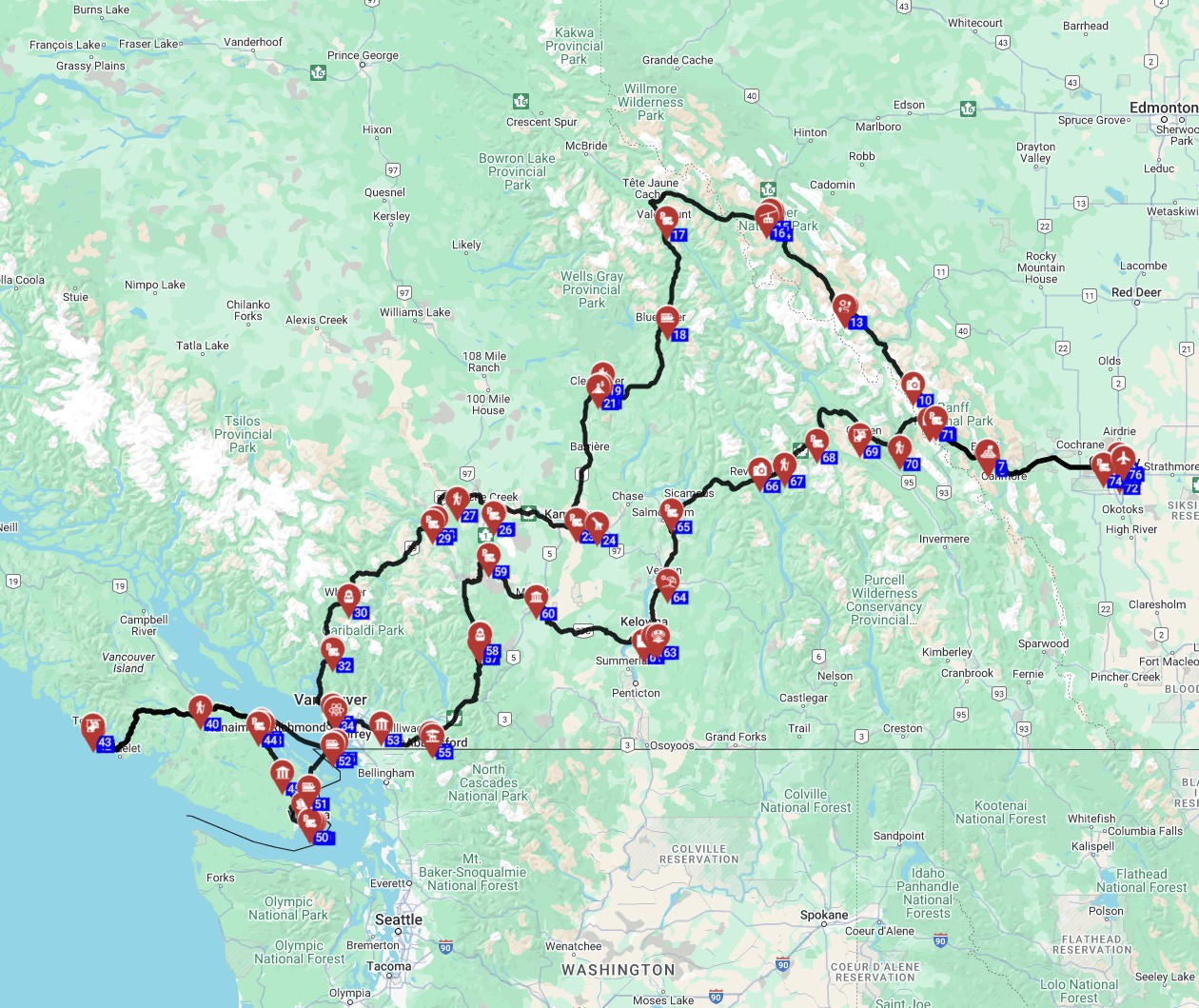
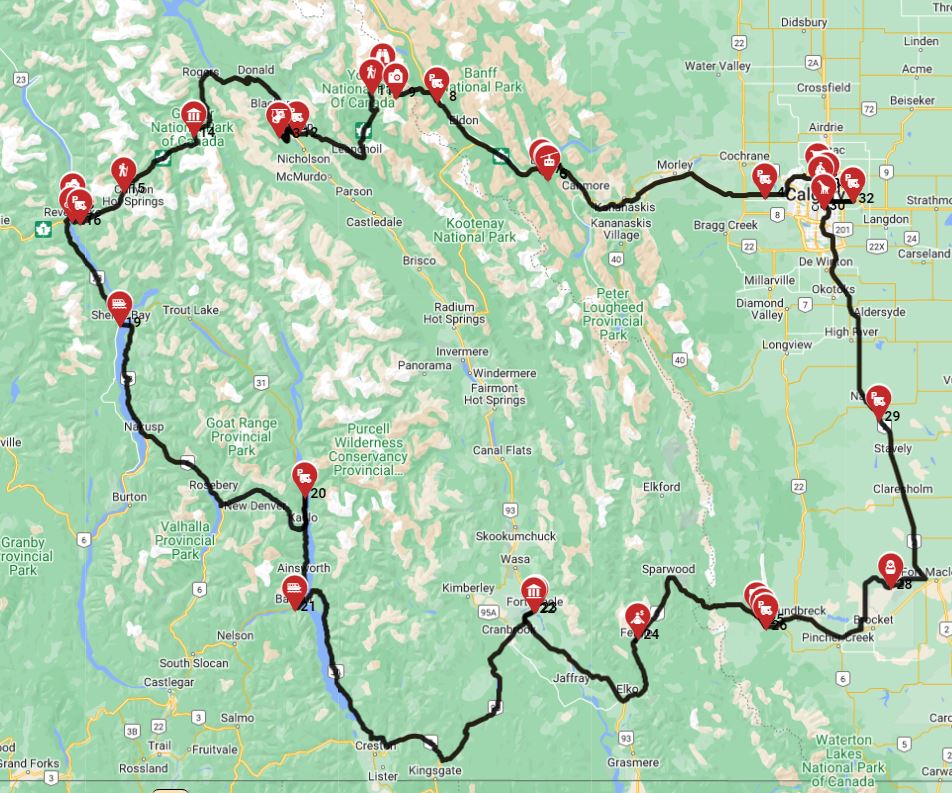
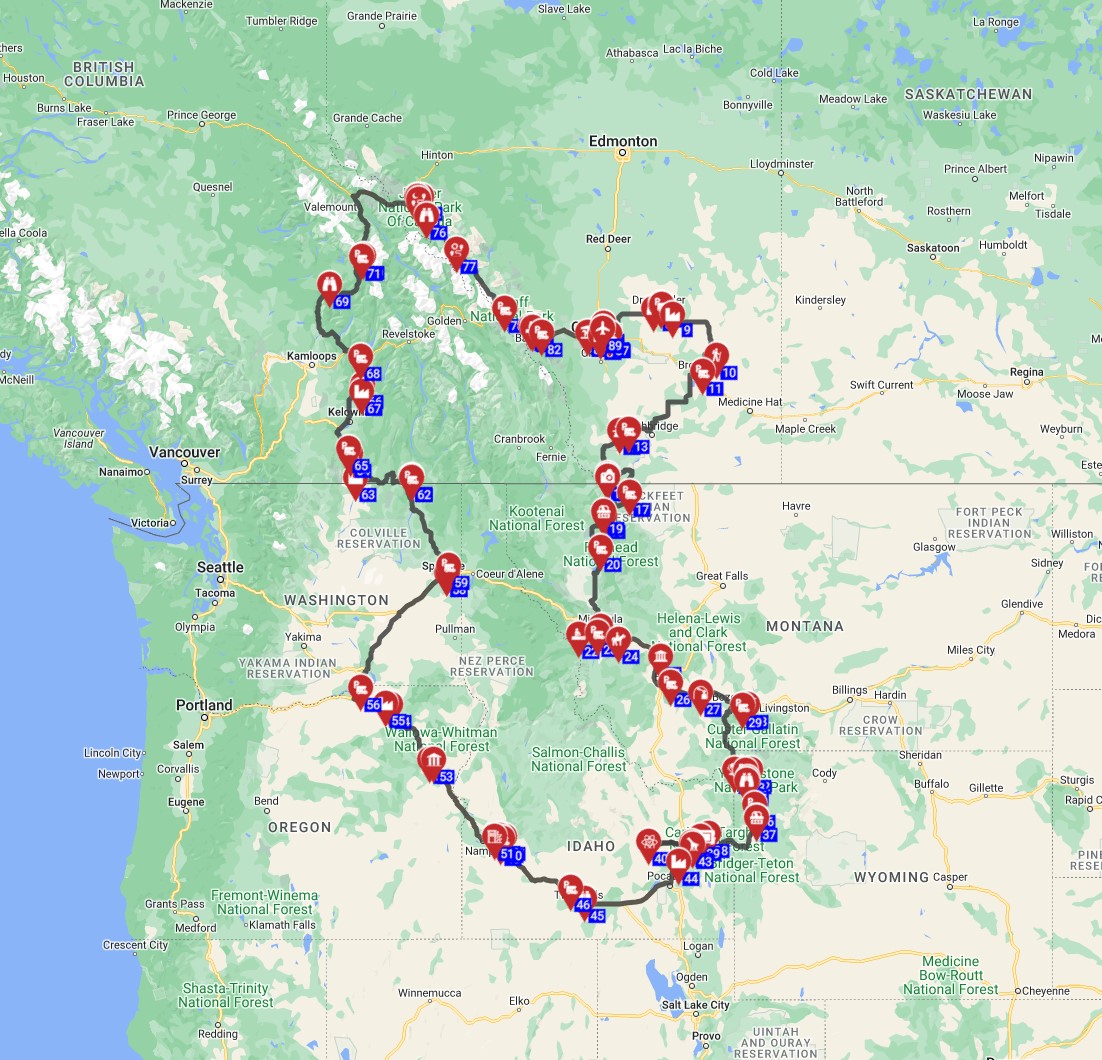
- Recommended RVPlan Trip for West Canada
- Must-See Stops Along the Way (Avi Bandana Picks)
- Daily Driving Distances & Drive Times in West Canada
- Best RV Class for This Itinerary - Couple & Family Picks
- What is the best month to RV in Western Canada?
- How long does it take to RV through Western Canada?
- Is it safe to RV in Canada?
- Do you need a permit to camp in Canada?
- Can you wild camp in Western Canada?
- What documents do I need to cross the Canadian border in an RV?
- How much does it cost to rent an RV in Western Canada?
- Is it cheaper to rent an RV or stay in hotels in Western Canada?
Best West Canada RV Itinerary for pet friendly rv rental - Overview
This itinerary explores Western Canada's stunning landscapes, ideal for pet-friendly RV travel, covering approximately 2660 km (1650 miles) of majestic mountains, pristine lakes, and vibrant towns. A minimum recommended duration for this adventure is 7 days, but a 14 to 19-day trip allows for a more relaxed pace and deeper exploration, providing ample time for you and your furry companion to truly connect with the breathtaking scenery. The best season for this adventure is typically late spring (May-June) or early fall (September-October) to avoid peak summer crowds and enjoy mild weather, though summer offers full access to all attractions and trails, albeit with more visitors. The trip focuses on flexibility, scenic drives, and pet-welcoming stops, originating from major hubs like Vancouver, ensuring a smooth and enjoyable journey for everyone in your family. For live availability and current prices, start with our RV Rental West Canada - Complete Guide 2024 guide.7-Day Classic Route in West Canada
A 7-day pet-friendly RV route in West Canada offers a condensed yet memorable journey through some of the region's most iconic spots. On Day 1, drive from Vancouver to Whistler (120 km / 75 miles), enjoying highlights like the Sea to Sky Highway and Shannon Falls, and sleeping at Whistler RV Park. Day 2 involves a longer drive from Whistler to Kamloops (290 km / 180 miles) – consider an early start to manage this segment, with scenic mountain views along Duffey Lake Road before settling at Kamloops RV Park. On Day 3, head to Revelstoke (190 km / 118 miles) to explore Shuswap Lake and Mount Revelstoke National Park (remember to check specific pet access rules for trails), staying at KOA Revelstoke. Day 4 brings you to Banff (285 km / 177 miles), passing through Glacier National Park and near Lake Louise, where pet-friendly trails are available; reservations for Tunnel Mountain Village II Campground are essential. Day 5 is dedicated to exploring Banff National Park, including pet-friendly trails like Johnson Lake and Grassi Lakes, and the charming Banff town. Day 6 is another longer driving day, from Banff to Kelowna (400 km / 250 miles) – aim for an early start to visit Okanagan Valley wineries (many with pet-friendly patios) and enjoy lake views, camping at Bear Creek Provincial Park Campground. Finally, Day 7 involves the return drive from Kelowna to Vancouver (390 km / 240 miles) through the Fraser Valley to drop off your rented RV, concluding a swift but rewarding adventure. For more ideas on how to manage longer driving days, explore our RV Travel Guide to West Canada - Tips and Top Spots 2024.14-Day Extended Journey in West Canada
A 14-day extended pet-friendly journey in West Canada allows for deeper immersion into the diverse landscapes and local culture. Days 1-2 begin with your arrival in Vancouver, picking up your rented RV and exploring pet-friendly areas like Stanley Park's Seawall before driving to Squamish for the Sea to Sky Gondola, then sleeping at Alice Lake Provincial Park Campground. Days 3-4 are spent enjoying Whistler's pet-friendly trails, then driving towards Kamloops via scenic routes, with overnight stays in/near Whistler and at Kamloops RV Park. For options on luxury stays, check out Luxury RV Rental in West Canada - Premium Prices 2024. Days 5-6 take you to Kelowna in the Okanagan Valley, where you can explore Okanagan Lake and various pet-friendly wineries, staying at Bear Creek Provincial Park Campground. Days 7-8 involve driving to Revelstoke and visiting Mount Revelstoke National Park (confirming pet rules for trails), then camping at Revelstoke KOA. Days 9-11 are dedicated to Banff National Park, exploring Lake Louise and Moraine Lake (observing pet regulations on paved paths), and numerous pet-friendly hiking trails; booking campgrounds like Tunnel Mountain Village II Campground well in advance is highly recommended due to high demand. Days 12-13 venture into Jasper National Park via the stunning Icefields Parkway, where leashed dogs are allowed roadside and on some trails; highlights include Athabasca Falls and the Columbia Icefield, with an overnight stay at Whistlers Campground in Jasper. On Day 14, begin your return journey towards Vancouver, possibly with a stop in Clearwater (Wells Gray Provincial Park) or driving directly to the coast, concluding your expansive West Canada adventure.Recommended RVPlan Trip for West Canada
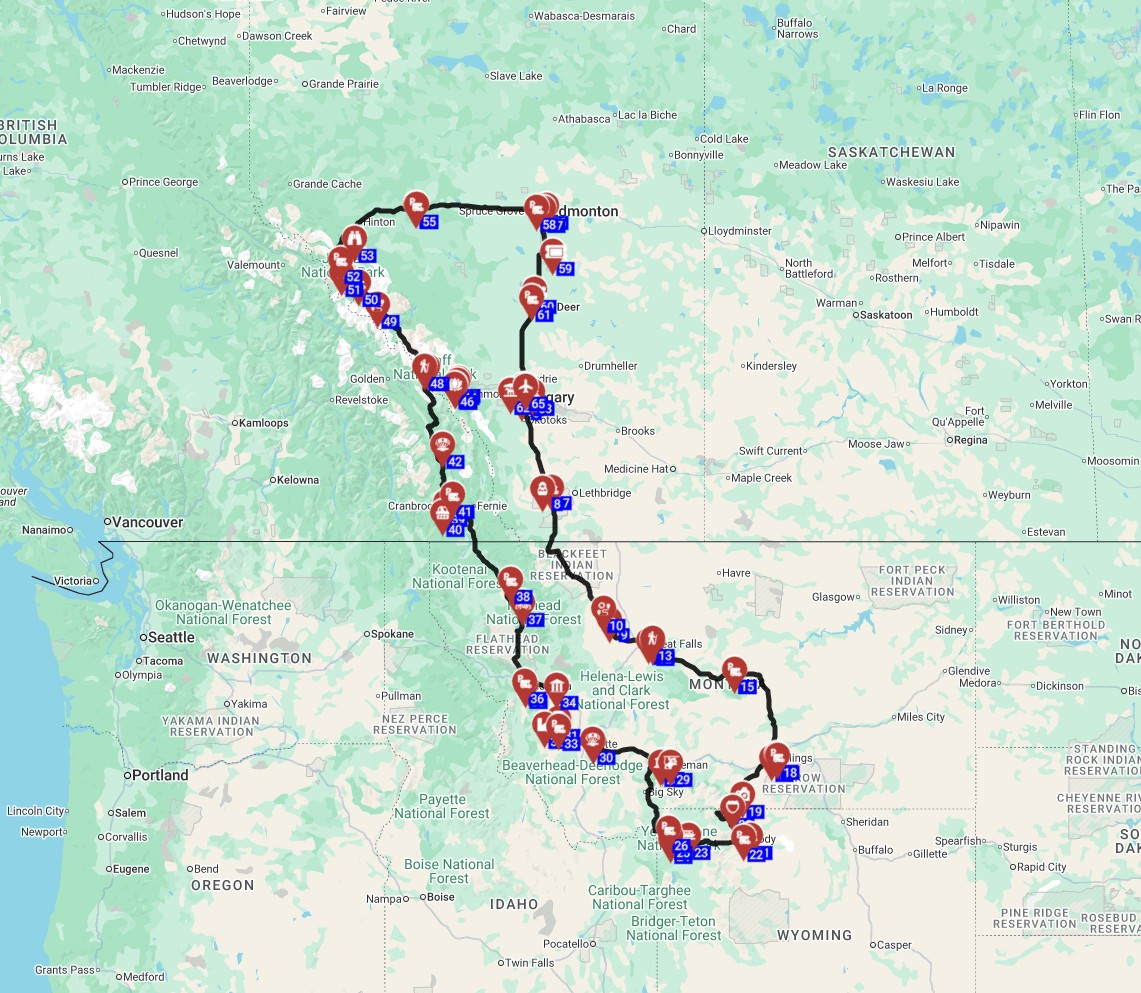
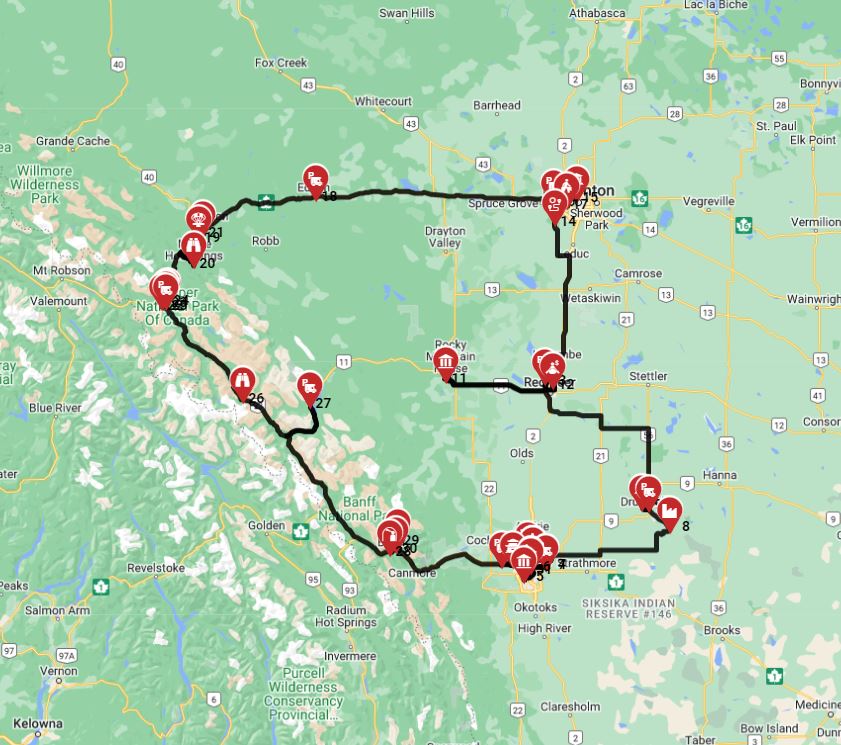
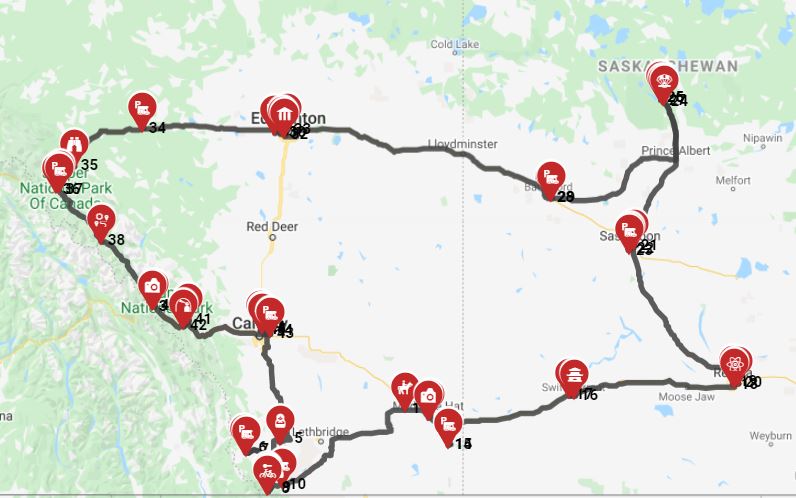
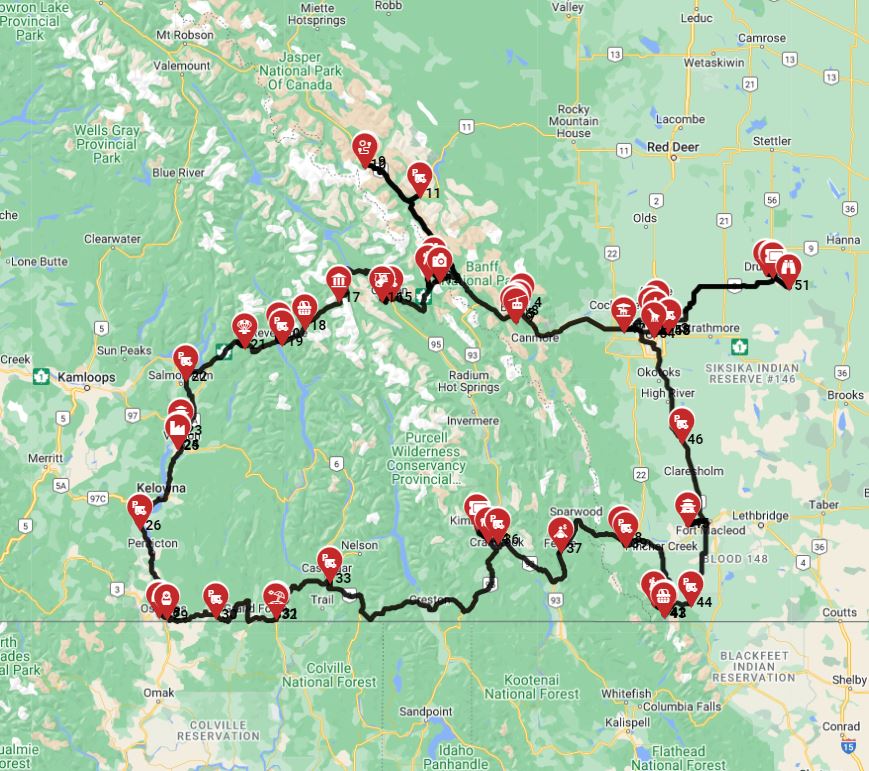
For a truly immersive and well-organized pet-friendly experience in West Canada, consider the "
Vancouver Round Trip - West Canada Cycling Adventure
Must-See Stops Along the Way (Avi Bandana Picks)
Looking for expert insights from Avi Bandana? Top 5 Adventures - recommendations from Avi Bandana:- **Traditional Visit:** Fort Langley National Historic Site offers a glimpse into Canada's fur trading history with interactive displays, making it a great traditional visit for families (always check pet restrictions for indoor areas before visiting).
- **Traditional Restaurant / Fine Dining:** While finding specific pet-friendly fine dining can be a delightful challenge, look for traditional restaurants in towns like Banff or Jasper that offer outdoor patio seating, where pets are often welcomed, allowing you to enjoy local culinary experiences. Many eateries are embracing the trend of welcoming well-behaved dogs in their outdoor spaces. For example, consider looking for establishments with "local seafood" on the menu for a true taste of West Canada, similar to what you might find at a place like Fjellskål Sjømatrestaurant (if you were in a different region).
- **Traditional Market:** The Desert Hills Ranch Farm Market and Fishmarket provides an excellent opportunity to sample fresh, local produce and seafood, embodying a traditional market experience that showcases the bounty of the region. Preparing meals with fresh, local ingredients from markets like these is a highlight of RV travel. You can find many ideas and RV-friendly recipes playlist on our YouTube channel.
- **Local Industry:** Seek out opportunities to visit local artisan shops or small-scale industries along your route, such as honey farms or craft breweries in the Okanagan, many of which now feature pet-friendly outdoor spaces where you can enjoy local products with your companion.
- **Natural Wonders:** Of course, no trip to West Canada would be complete without witnessing the majestic Rocky Mountains and the turquoise lakes like Lake Louise, offering countless pet-friendly scenic viewpoints and trails to explore.
Daily Driving Distances & Drive Times in West Canada
Avi Bandana recommends a maximum of 100 miles or 150 km per day on average to truly savor the journey and allow ample time for exploration, especially when traveling with pets who need frequent breaks. This approach to slow travel ensures you and your companion can fully appreciate the landscapes without feeling rushed. Longer driving days can be exhausting for both drivers and pets, significantly reducing the enjoyment of the trip, so pacing is key. For example, driving from Banff to Lake Louise is approximately 60 km (37 miles), taking about 45-60 minutes, which is a comfortable segment for a morning or afternoon outing. The scenic drive from Vancouver to Whistler is about 120 km (75 miles), typically 1.5-2 hours without significant stops, making it a manageable drive with plenty of opportunities for roadside breaks. Traveling from Revelstoke to Golden is roughly 150 km (93 miles), requiring about 1.5-2 hours of driving, perfectly aligning with the recommended daily limit. Prioritizing quality over quantity for each day's travel helps avoid burnout and allows for spontaneous stops, ensuring a memorable pet-friendly RV trip.Best RV Class for This Itinerary - Couple & Family Picks
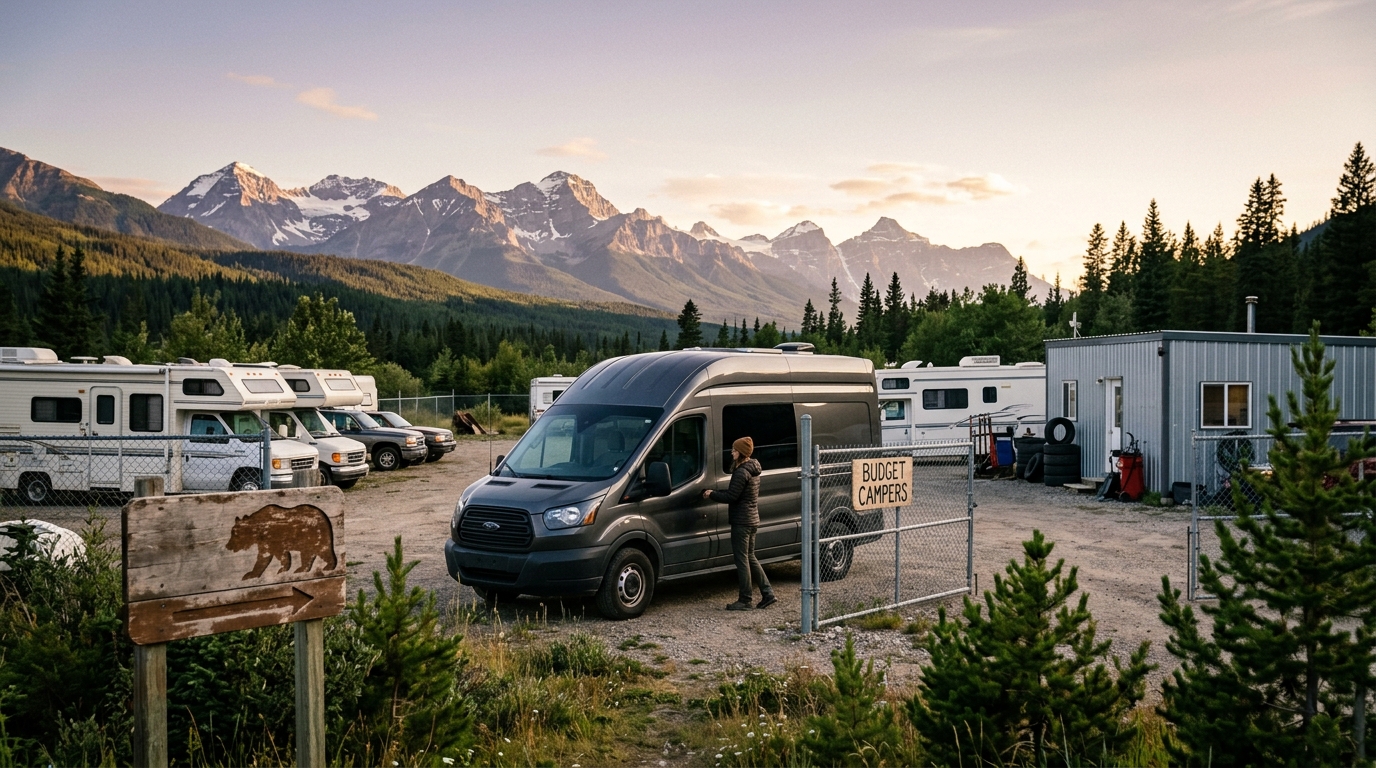
Choosing the right RV class significantly enhances your pet-friendly adventure in West Canada, balancing comfort and maneuverability. For couples traveling with a pet, a Class B - Camper Van is an excellent choice due to its agility and ease of parking, averaging 5.8 meters (19 feet) in length. Bandana's global fleet average for Class B camper vans typically accommodates 2.7 adults and offers 3.2 sleeping places, making it ideal for two people and a pet, with common fuel consumption around 8-10 Liters/100 km, offering both efficiency and flexibility. These smaller vehicles, like a "rv rental denver example Category Van" or "hire campervan example Paradise S/T", make navigating charming mountain towns and narrower roads a breeze. For families with pets, the Class C - Alcove offers more space and comfort, averaging 7.5 meters (24.6 feet) in length, providing ample room for everyone to spread out. Bandana's global fleet average for Class C alcove RVs typically sleeps 5.8 people and accommodates 4.4 adults, providing ample room for a family and their furry companion, with common fuel consumption around 10-12 Liters/100 km. Vehicles like the "24' Class C Motorhome" or "29′ Class C Motorhome", often explicitly listed as "Pet Friendly", are perfect for family travel. Bandana's 'Rent&Plan' service combines your RV rental with a ready-made itinerary, crafted by travel experts, offering full access to trip-planning software, which removes the headache of organizing your adventure and ensures a smooth pet-friendly journey, with the added benefit of a 25% planning discount when using rvplan.net for your route planning.What is the best month to RV in Western Canada?
The best months to RV in Western Canada, particularly with pets, are generally late May to early June and September to early October, offering a superb balance of pleasant weather, fewer crowds, and stunning scenery. Summer (July-August) provides the warmest weather and full access to all attractions and trails, but also coincides with peak tourist season, meaning campgrounds fill up quickly, and popular sites are crowded, requiring reservations months in advance. Shoulder seasons (May-June, September-October) typically feature milder temperatures ranging from 10-20°C (50-68°F), vibrant fall foliage or spring blooms, easier campground bookings, and better wildlife viewing opportunities without the summer rush. It's crucial to consider road conditions, especially in mountain passes like the Icefields Parkway, which can have snow and closures outside of summer; always check DriveBC and 511 Alberta for current conditions before traveling.How long does it take to RV through Western Canada?
To thoroughly experience Western Canada by RV without feeling rushed, a recommended duration is 14 to 19 days, allowing for a comfortable pace of 100-150 km (60-90 miles) per day and ample time at key destinations. While a 7-day trip, as outlined in our 7-Day Classic Route in West Canada, is feasible for a condensed route covering highlights like the Rockies, it often involves longer driving days and less opportunity for spontaneous stops or relaxation for you and your pet. Longer trips, such as the 19-day 'Vancouver Round Trip - West Canada Cycling Adventure' from RVPlan, allow for deeper exploration, more leisurely hikes with pets, and engagement with local activities, minimizing travel burnout. For finding campsites and campgrounds during your trip, we recommend using RV PLANET (rvplan.net) – a great resource for locating available spots along your route and ensuring a seamless experience. The total time needed depends significantly on the desired itinerary, the number of stops, and your preference for slow travel versus covering more ground.Is it safe to RV in Canada?
RVing in Canada is generally very safe, but preparedness for wildlife encounters, remote areas, and mountain driving is crucial for a smooth journey. Wildlife Encounters are common in national parks; always be bear-aware, store food properly in your rented camper, carry bear spray, and know how to use it. Moose, elk, and deer are frequently seen, especially at dawn and dusk, so drive cautiously, especially on roads like the Icefields Parkway. Emergency Services can be spotty in remote areas where cell service is unreliable, so consider carrying a satellite communication device (e.g., Garmin inReach) for emergencies. Familiarize yourself with emergency call numbers (911 in Canada) before you travel. Mountain Driving requires careful attention; downshift on descents to avoid brake fade, watch for runaway lanes, and be aware of rapid weather changes that can affect road conditions. Always remember to secure your RV when leaving it, be mindful of your surroundings, and inform someone of your itinerary, particularly when hiking in backcountry areas, to ensure a safe and enjoyable trip.Do you need a permit to camp in Canada?
Yes, you generally need permits for camping in Canada, with specific requirements varying between National Parks, Provincial Parks, and private campgrounds. For National Parks (e.g., Banff, Jasper), a Parks Canada Discovery Pass (or a daily pass) is required for entry, costing CAD $75.25 for a family/group annual pass in 2024, and a separate camping permit/reservation is mandatory for overnight stays in designated campgrounds, often ranging from CAD $30-$80 per night. Provincial Parks (e.g., BC Parks, Alberta Parks) operate similarly, often requiring a day-use pass or entrance fee in addition to a camping reservation. Private Campgrounds, while not requiring a national or provincial park pass, necessitate booking and payment of their specific fees, which can range from CAD $40-$100+ per night for full hookups. Booking Strategies are vital: reservations for popular campgrounds in National and Provincial Parks, especially during peak season (July-August), are highly competitive and often open months in advance, filling up within minutes; booking immediately upon release is crucial to secure your spot. However, many parks reserve 25-30% of spots for first-come-first-serve, so you'll often find a spot; if not at the first campground, then the next one, but call ahead before driving.Can you wild camp in Western Canada?
Wild camping, also known as boondocking, in Western Canada is possible but is subject to strict regulations and is generally not permitted within National Parks or most Provincial Parks. Legally, dispersed camping is typically allowed on Crown Land (public land) outside of protected areas, but it is essential to research specific regional regulations before attempting to wild camp, as rules can vary significantly by province and local jurisdiction. Utilize Recommended Apps/Resources like iOverlander, Campendium, or FreeRoam to find verified wild camping spots and read reviews, always cross-referencing with local government websites for the most current rules. When wild camping, always practice 'Leave No Trace' principles rigorously: pack out all waste, respect private property, and be acutely aware of fire bans, especially during dry seasons. Choose accessible and safe spots, and inform someone of your location, particularly when traveling with pets, to ensure both safety and adherence to local wildlife considerations.What documents do I need to cross the Canadian border in an RV?
For US citizens and permanent residents, essential documents for crossing the Canadian border in a rented RV include a valid passport or an enhanced driver's license (EDL) for land crossings, along with your vehicle registration and proof of insurance. A valid passport is generally the most universally accepted document, while EDLs are specific to certain US states and Canadian provinces and function as a Western Hemisphere Travel Initiative (WHTI)-compliant document for land/sea travel. For Vehicle Documents, you will need your RV's registration and proof of insurance, ensuring that your liability coverage is mandatory and extends to Canada; it's advisable to check with your insurance provider in advance. Be aware of restrictions on certain Permissible Goods, including firearms, some food items (e.g., raw meat, certain fruits/vegetables), alcohol limits, and large amounts of cash; always declare all goods to avoid issues. For Pet Documents, you generally need a valid rabies vaccination certificate signed by a licensed veterinarian, but always check the Canadian Food Inspection Agency (CFIA) website for the most up-to-date requirements, especially for specific breeds or if traveling with multiple pets, to ensure a smooth border crossing.How much does it cost to rent an RV in Western Canada?
The cost to rent a pet-friendly RV in Western Canada can vary widely based on the RV class, rental duration, season, and provider, ranging from approximately CAD $100 to CAD $400+ per night. Smaller camper vans (like a Class B), ideal for couples, typically start at the lower end of this spectrum, while larger Class C or Class A motorhomes, suitable for families, will be more expensive. For instance, a Class B Camper Van from Bandana's global fleet has a common fuel consumption of 8-10 Liters/100 km, directly influencing your running costs. For a more detailed breakdown, consult RV Rental in West Canada - Prices and Best Deals 2024. Peak season (July-August) sees the highest prices due to demand, while shoulder seasons (May-June, September-October) offer more competitive rates. Factor in Additional Costs beyond the rental, such as campground fees (CAD $30-$80/night), fuel (Western Canada uses liters, current prices fluctuate), National/Provincial Park passes, propane, dumping fees, and potential mileage charges or convenience kits, to accurately budget your trip. A detailed budget should also allocate funds for food, activities, and potential pet fees that some campgrounds or rental companies may charge.Is it cheaper to rent an RV or stay in hotels in Western Canada?
For extended trips, especially those involving multiple destinations and families or groups of 4-7 travelers, renting an RV can often be more cost-effective than staying in hotels in Western Canada, offering significant savings on accommodation and dining out. Consider the RV Cost Breakdown: the rental fee, fuel (e.g., a Class C Alcove averages 10-12 Liters/100 km), campground fees (averaging CAD $30-$80 per night), and groceries (cooking in the RV is substantially cheaper than daily restaurant meals) combine to give you a clear picture. In contrast, Hotel Cost Breakdown includes room rates, which escalate rapidly for multiple rooms or larger families, constant dining out expenses, and potential parking fees at each stop, quickly adding up. While the initial RV rental cost might seem higher upfront, the cumulative savings on accommodation and food, particularly over a 7-day or longer itinerary, can make RVing a more economical choice, especially when factoring in the immersive experience and freedom it provides. To see current offerings, check out Family RV Rental in West Canada - Pricing Guide 2024.Final Thoughts
Embarking on a pet-friendly RV adventure through West Canada is an incredible way to create lasting memories with your beloved companion. With stunning national parks, vibrant cities, and endless scenic routes, Western Canada truly offers something for every traveler and their furry friend. Remember our advice: travel slowly, aim for no more than 100-150 km per day on average, and take the time to truly feel the place, connect to the culture, the food, and the scenery. Whether you choose a compact campervan for nimble exploration or a spacious Class C motorhome for family comfort, Bandana Caravan is here to ensure your rental experience is transparent, supportive, and stress-free. We're dedicated to helping you find the perfect pet friendly rv rental in West Canada, comparing options from leading suppliers and providing you with the tools to plan an unforgettable journey. Discover top destinations, planning tips, all in one place! So, pack your bags, leash up your best friend, and get ready to hit the open road. Your West Canadian RV adventure awaits, promising breathtaking views and cherished moments around every bend. Plan a trip itinerary in advance with minimal effort and maximum enjoyment.On the routes offered through RV PLANET routes, you can itemize and track every expense along the way for easy budgeting.