For live availability and current prices, start with our RV Rental Sofia - Complete Guide 2026 guide.
In This Guide
- Best Sofia RV Itinerary for pet friendly rv rental — Overview
- 7-Day Classic Route in Sofia
- 14-Day Extended Journey in Sofia
- Recommended RVPlan Trip for Sofia
- Must-See Stops Along the Way (Avi Bandana Picks)
- Daily Driving Distances & Drive Times in Sofia
- Best RV Class for This Itinerary — Couple & Family Picks
- What is the 3 3 3 rule for road trips?
- Can dogs go on the 17 mile drive?
- How long is too long of a car ride for a dog?
- Can I take my 50 pound dog on Amtrak?
- What is the 3-3-3 rule when RVing?
- What is the 4 4 4 rule for RVing?
- What is the 2 2 2 rule for RV camping?
- How to travel with dogs in a RV?
- What is the most dog friendly country in Europe?
Best Sofia RV Itinerary for pet friendly rv rental — Overview
Discover Sofia and its surrounding pet-friendly natural beauty via RV, offering unparalleled flexibility for you and your furry companion. Recommended duration: A minimum of 7 days for a classic route, extendable to 14 days for a deeper exploration of Bulgaria. Total estimated driving: Approximately 500 km for the 7-day trip and up to 1000 km for the 14-day journey, designed with relaxed daily drives. Best seasons for travel: Spring (April-May) and Autumn (September-October) offer mild weather, vibrant landscapes, and fewer crowds, ideal for pet comfort. This itinerary focuses on ensuring comfort, accessibility, and memorable experiences for both human and canine travelers.
7-Day Classic Route in Sofia
Begin your adventure in Sofia by picking up your pet-friendly RV. Drive a short distance (approx. 20 km) to the base of Vitosha Mountain, where numerous pet-friendly hiking trails offer panoramic city views. Overnight at a designated RV parking area near Aleko hut or a suitable wild camping spot, always adhering to local regulations.
Day 2: Vitosha to Borovets Ski Resort (Samokov Region)
Head approximately 60 km to Borovets. Explore the resort town and its surrounding trails, which are largely pet-friendly during the off-season. Enjoy nature walks and fresh mountain air. Camp overnight at a campsite or a designated RV area in Borovets.
Day 3: Borovets to Rila Monastery (Rila Mountain)
Journey about 60 km to the historic Rila Monastery, a UNESCO World Heritage site. While pets are not permitted inside the main monastery complex, they are welcome in the expansive surrounding grounds and many nearby hiking trails. Find an RV-friendly spot nearby or inquire with local guesthouses for parking options.
Day 4: Rila Monastery to Sapareva Banya (Hot Springs)
Travel approximately 30 km to Sapareva Banya, renowned for its therapeutic hot mineral springs. Enjoy the relaxing atmosphere; many outdoor areas and parks in the town are pet-friendly. Overnight at a local campground or dedicated RV spot, perhaps near the Geyser-Boiler.
Day 5: Sapareva Banya to Belchin (Spa & History)
Drive about 30 km to Belchin village, which offers a unique blend of spa facilities and historical sites. Explore the picturesque area with your pet, perhaps a tranquil stroll along the Palakaria River. Set up camp at a local RV park or secure suitable parking.
Day 6: Belchin to Pancharevo Lake (Recreation Area)
Begin your return towards Sofia, making a stop at Pancharevo Lake (approx. 40 km). This popular recreation area offers various water activities, walking paths, and picnic spots, with many areas accommodating pets. Overnight at a lakeside RV spot or a nearby designated area.
Day 7: Pancharevo Lake to Sofia (Departure Prep)
A short drive (approx. 15 km) brings you back to Sofia for RV return. If time allows, enjoy a final pet-friendly walk in one of Sofia's urban parks, such as Borisova Gradina, before your departure.
14-Day Extended Journey in Sofia
This extended route builds upon the 7-day classic, venturing further into Bulgaria's diverse landscapes and respecting Avi Bandana's recommended maximum of 150 km per day for a leisurely pace.
Days 1-7: Sofia & Rila Mountains (As per 7-Day Itinerary)
Follow the classic 7-day itinerary, thoroughly enjoying the pet-friendly highlights of Vitosha Mountain, Borovets, Rila Monastery, Sapareva Banya, Belchin, and Pancharevo Lake, ensuring a relaxed start to your journey.
Days 8-9: Plovdiv – Ancient History & Culture
From Pancharevo Lake, drive approximately 140 km to Plovdiv, one of Europe's oldest continuously inhabited cities. Explore the charming Old Town, marvel at the Roman Theatre (pets often allowed in surrounding public areas), and relax in the numerous city parks. Pets are generally welcome in outdoor cafe seating. Secure a campsite near Plovdiv for your stay.
Days 10-11: Central Balkan National Park – Nature Escape
Drive about 100-120 km from Plovdiv towards the Central Balkan National Park region (e.g., near Apriltsi or Karlovo). This vast national park offers extensive hiking opportunities, with many trails suitable for dogs on a leash, immersing you in pristine nature. Camp at designated sites within or adjacent to the park boundaries.
Days 12-13: Veliko Tarnovo – Medieval Capital
Travel approximately 100-130 km to Veliko Tarnovo, Bulgaria's medieval capital. Visit the iconic Tsarevets Fortress (pets often welcome in the outer grounds), wander through the artisan street of Samovodska Charshiya, and enjoy the dramatic views over the Yantra River. Find RV parking or a campsite nearby for a comfortable stay.
Day 14: Veliko Tarnovo to Sofia (Departure Prep)
Embark on the return journey to Sofia (approx. 220 km). While a longer drive, it is manageable on the final day, or you can opt for an additional overnight stop if you prefer a more gradual return. Allow ample time for preparing the RV for return, including cleaning and final checks, ensuring a smooth end to your extended Bulgarian adventure.
Recommended RVPlan Trip for Sofia
While a specific RVPlan trip for Sofia isn't available to embed directly at this moment, Avi Bandana strongly recommends exploring the diverse itineraries offered on the RVPlan platform. These expertly crafted trips combine RV rental with ready-made routes, ensuring a seamless and unforgettable adventure through Bulgaria, tailored to various interests and durations. You can find options that specifically highlight pet-friendly locations and activities, making your planning effortless by removing the planning headache of route optimization and stop selection.
Must-See Stops Along the Way (Avi Bandana Picks)
As there is no specific RVPlan data to pull from, Avi Bandana suggests actively seeking out these types of pet-friendly experiences during your Sofia RV adventure:
- Traditional Visits: Explore open-air historical sites or castle grounds, such as the areas surrounding ancient Thracian tombs or medieval fortresses like those near Mezek. Pets are often welcome on a leash in these outdoor historical contexts; always verify specific site regulations beforehand.
- Traditional Restaurants: Look for charming 'механа' (mehana) with inviting outdoor seating areas, which are prevalent in Bulgarian villages and towns. Many are happy to accommodate well-behaved dogs, especially during less busy hours, offering a taste of authentic local cuisine.
- Traditional Markets: Immerse yourself in local culture by wandering through farmers' markets (пазар - pazar) in towns such as Samokov or Plovdiv. These vibrant hubs are excellent for finding fresh produce and local crafts, with pets usually welcome in the outdoor sections.
- Local Industry: Discover regions known for local crafts or natural produce, like rose oil distilleries (during the blooming season, typically offering external viewing areas) or artisan workshops in mountain villages. These venues often provide open spaces where pets can comfortably accompany you.
Daily Driving Distances & Drive Times in Sofia
Avi Bandana recommends a maximum of 100 miles or 150 km per day on average to ensure a relaxed and enjoyable RV trip, particularly when traveling with pets. This allows ample time for sightseeing, spontaneous stops, pet exercise, and truly immersing yourselves in the Bulgarian landscape without rushing.
Sofia to Rila Monastery: This route covers approximately 120 km, typically requiring about 1.5 to 2 hours of driving, allowing for comfortable morning departure and afternoon arrival.
Rila Monastery to Plovdiv: A journey of roughly 150 km, which translates to approximately 2.5 to 3 hours on the road, providing sufficient time for exploration breaks.
Plovdiv to Veliko Tarnovo: This segment is about 200 km, representing a longer driving day of approximately 3 to 3.5 hours. It's advisable for experienced RVers or to consider breaking it with an additional stop if a slower pace is desired.
Best RV Class for This Itinerary — Couple & Family Picks
Choosing the right RV for your pet-friendly adventure in Sofia is crucial for both comfort and maneuverability. Bandana's fleet typically offers a range of options suitable for various needs.
Ideal for a Couple (and one small to medium dog): Class B - Camper Van
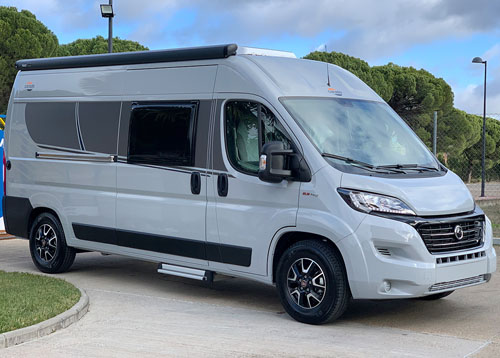
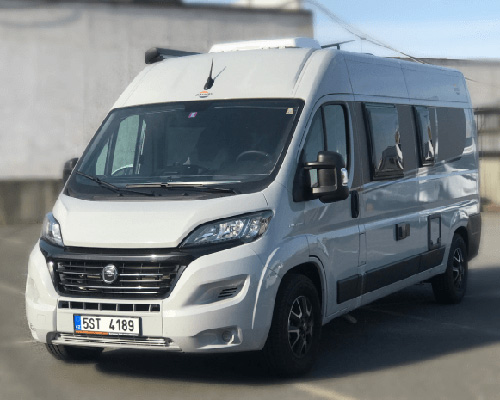
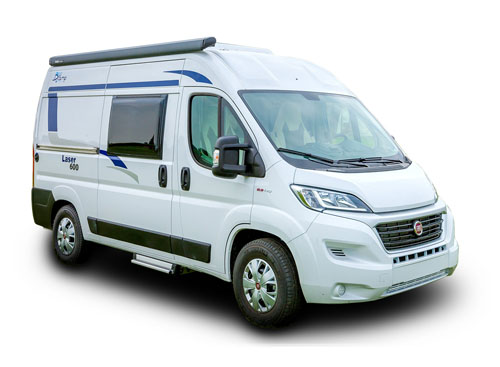
A Class B Camper Van is an excellent choice for a couple seeking agility, ease of parking, and fuel efficiency, especially when navigating smaller villages or city outskirts. Bandana's fleet often includes Class B units with an average length of 5.8 meters and sleeping places for 3.2, comfortably accommodating 2.7 adults on average. This compact size allows for easier navigation on winding Bulgarian roads and generally fits into more campgrounds. Its average load capacity of 37 kg is usually sufficient for a couple's gear plus essential pet supplies, and common fuel consumption is around 8-10 Liter/100 Km, making it economical for longer journeys.
Ideal for a Family (with pets): Class C - Alcove
For families traveling with children and pets, a Class C Alcove RV provides significantly more space and comfort. Bandana's Class C units typically have an average length of 7.5 meters, offering an average of 5.8 sleeping places and accommodating 4.4 adults, making it ideal for larger groups. The distinctive alcove over the cab provides extra sleeping arrangements, and the increased interior space is highly beneficial for pets to move around freely, especially during inclement weather or downtime. With an average load capacity of 42.4 kg, there's ample room for family luggage and pet essentials. Fuel consumption is typically 10 – 12 Liter/100 km.
Remember, Bandana's 'Rent & Plan' service seamlessly combines your RV rental with a ready-made, expertly crafted itinerary, providing full access to trip-planning software, thereby removing the planning headache for your pet-friendly adventure.
What is the 3 3 3 rule for road trips?
The '3-3-3 rule' for general road trips suggests driving no more than 300 miles (approximately 480 km) in a single day, arriving at your destination by 3 PM, and staying for a minimum of 3 days.
This guideline primarily promotes a leisurely pace, which is particularly beneficial for pet-friendly RV travel as it allows ample time for pet breaks, necessary exercise, and reduces overall travel stress for animals.
Adhering to this rule helps ensure responsible driving habits and provides sufficient daylight hours to set up camp and explore your surroundings comfortably.
While a useful general principle, it's a broad recommendation for overall trip enjoyment and safety rather than a strict RV-specific rule.
Can dogs go on the 17 mile drive?
While specific to California's '17-Mile Drive' (where leashed dogs are generally permitted in the vehicle and at certain stops but not on golf courses or beaches), this question underscores the critical importance of always checking local regulations for pet access at specific attractions, as policies vary significantly by location, park, and private property.
For a pet-friendly RV trip around Sofia and Bulgaria, it is essential to proactively verify pet access policies for national parks, historical sites, beaches, and public transport prior to your visit, as rules can differ regarding leash laws, restricted areas, and required documentation (e.g., up-to-date vaccination records).
Many outdoor areas in Bulgaria, including hiking trails on Vitosha Mountain or around the Rila Mountains, are generally pet-friendly; however, specific indoor attractions, archaeological sites, or certain protected natural reserves may have explicit restrictions.
Always research local breed restrictions, specific leash laws, and requirements for presenting vaccination proof or a pet passport, which are common legal guidelines for pets in specific locations.
How long is too long of a car ride for a dog?
Generally, a car ride exceeding 6-8 hours without substantial breaks can be considered too long for most dogs, particularly for puppies, senior dogs, or those prone to anxiety or motion sickness.
It is essential to break up RV travel every 2-4 hours for potty breaks, hydration, and short walks to effectively manage pet boredom, anxiety, and exercise needs while RVing, especially when encountering diverse weather or restricted areas where longer outdoor playtime might be limited.
Owners should closely observe their dog's individual cues for discomfort, restlessness, whining, or nausea, as each dog possesses unique tolerance levels for travel.
Ensuring proper ventilation, consistent access to fresh water, and a secure space (like a crash-tested crate or harness) in the RV helps to minimize stress during transit.
Strategies for managing pet boredom and anxiety, such as bringing familiar toys or puzzle feeders, can significantly improve your dog's experience on the road.
Can I take my 50 pound dog on Amtrak?
Amtrak's general policy permits only small dogs and cats weighing up to 20 pounds (including their carrier) on most routes shorter than 7 hours, for an additional fee, and explicitly does not allow larger dogs weighing 50 pounds or more, with exceptions made only for credentialed service animals.
This policy highlights a significant advantage of pet-friendly RV travel: you maintain complete control over bringing larger canine companions without arbitrary weight restrictions, offering far greater flexibility and convenience than most public transportation options for pets.
When planning an RV trip with a larger dog, the focus shifts to ensuring they have adequate space within the vehicle, a secure travel crate or harness for safety, and access to all necessary amenities, alongside regular planned stops for exercise and potty breaks.
For international RV travel with pets, including journeys into and out of Europe, always research specific country requirements and logistics, such as microchipping, up-to-date rabies vaccinations, and valid health certificates, which differ considerably from domestic public transport rules and often do not involve size restrictions beyond general safety.
What is the 3-3-3 rule when RVing?
The '3-3-3 rule' when RVing is a widely adopted guideline for fostering a more relaxed travel pace, recommending driving no more than 300 miles (approximately 480 km) in a single day, arriving at your chosen campsite by 3 PM, and staying for at least 3 nights.
This rule is specifically tailored to RV travel, allowing ample time for the setup and breakdown of your campsite, providing opportunities for thorough exploration of the local area, and maintaining a slower, more enjoyable rhythm, which is particularly ideal when traveling with pets.
Adhering to this principle minimizes the stress of constant packing and unpacking, offering greater stability for pets and allowing them sufficient time to acclimate to their new surroundings.
It helps prevent driver fatigue and ensures that pets receive adequate exercise and downtime in a consistent, familiar environment.
This rule directly addresses the value gap of providing specific explanations and applications of popular RVing 'rules of thumb' for practical travel planning.
What is the 4 4 4 rule for RVing?
The '4-4-4 rule' for RVing is a more cautious and leisurely variant of the '3-3-3 rule,' recommending driving no more than 400 kilometers (approximately 250 miles) in a day, stopping by 4 PM, and staying for a minimum of 4 nights at each location.
This guideline further emphasizes a slow travel approach, providing even more dedicated time at each destination for relaxation, in-depth exploration, and ensuring pets are exceptionally well-rested, exercised, and acclimated.
It is particularly beneficial for new RVers, those traveling with very young children or older pets who require more consistent routines, or anyone looking to truly savor each location without the pressure of constant movement.
The additional day at each stop (compared to the 3-3-3 rule) allows for deeper engagement with the surroundings and significantly reduces any feeling of being rushed, contributing to a more fulfilling and less stressful pet-friendly adventure.
What is the 2 2 2 rule for RV camping?
The '2-2-2 rule' for RV camping is designed for ultimate relaxation and a highly unhurried pace, recommending driving no more than 200 miles (approximately 320 km) in a day, stopping by 2 PM, and staying for at least 2 nights at each campsite.
This rule is often favored by full-time RVers or those seeking an exceptionally leisurely pace, ensuring abundant time at each stop for fully enjoying the campsite, exploring local attractions, and, crucially, providing extensive exercise and mental stimulation for pets.
It effectively minimizes long stretches of driving, significantly reducing potential stress for both drivers and pets, and allows for a more thorough and relaxed exploration of each area.
For pet owners, adhering to this rule translates to more opportunities for longer walks, engaging playtime, and fewer disruptions to a pet's established routine, which can dramatically improve their overall well-being and happiness on the road.
How to travel with dogs in a RV?
Traveling with dogs in an RV requires comprehensive planning to ensure their safety, comfort, and well-being, covering aspects from secure travel arrangements to managing their daily needs and preparing for potential emergencies.
Secure Travel: Always ensure your dog is safely secured while the RV is in motion, either within a crash-tested travel crate or using a specialized seatbelt harness, to prevent injury in case of sudden stops or accidents.
Comfort & Hygiene: Consider specific RV modifications like durable, non-slip flooring, designated easy-to-clean pet sleeping areas, and pet-friendly ramps or steps for easy entry/exit. Essential specialized gear includes portable water bowls, odor eliminators, and efficient waste management solutions (e.g., biodegradable bags, or even a portable litter box for cats if applicable).
Health & Safety Protocols: Always carry an up-to-date pet first-aid kit, all necessary prescription medications, and copies of vaccination records and health certificates. Implement robust emergency pet care and first aid protocols on the road, including having a list of 24/7 veterinary clinics along your route (beyond basic vet prep). A remote temperature monitoring system in the RV is crucial, especially when leaving pets unattended.
Exercise & Stimulation: Plan frequent, regular stops for exercise and mental stimulation. Bring along favorite toys, durable chew bones, and consider interactive feeders to manage pet boredom, anxiety, and exercise needs, particularly in diverse weather conditions or restricted areas where extended outdoor time might be limited.
Legal & Financial Considerations: Research detailed legal and regulatory guidelines for pets in specific locations, including leash laws, breed restrictions, and requirements for vaccination proof. Include a comprehensive breakdown of costs associated with pet RV travel in your budget, such as pet fees at campgrounds, pet travel insurance, and dedicated emergency funds for unexpected veterinary needs.
What is the most dog friendly country in Europe?
While determining the 'most dog-friendly' country in Europe can be subjective, nations such as Germany, France, Italy, Austria, and certain parts of Eastern Europe (including Bulgaria, particularly outside its major cities) are frequently cited for their generally welcoming attitudes towards dogs in public spaces, including many restaurants with outdoor seating, parks, and even some public transport.
However, successfully navigating international RV travel with pets, irrespective of the specific country, mandates diligent adherence to comprehensive legal and regulatory guidelines, notably the EU Pet Travel Scheme.
For travel within Europe, ensure your dog is microchipped, possesses an EU Pet Passport with up-to-date rabies vaccinations, and has a valid health certificate issued by an authorized veterinarian within a specific timeframe before travel.
Always conduct in-depth research into specific country requirements and logistics, including potential quarantine rules for non-EU entries, and be acutely aware that 'pet-friendly' still implies strict enforcement of leash requirements and poop-scoop laws.
A comprehensive breakdown of costs associated with pet RV travel internationally should include potential pet fees for ferries or border crossings, specific pet travel insurance policies for international coverage, and consideration for currency conversion related to emergency funds.
What You Shouldn't Miss
- Explore the diverse hiking trails of Vitosha Mountain, offering stunning views of Sofia and ample space for your pet to roam.
- Visit the serene Rila Monastery grounds, where your furry friend can enjoy the expansive outdoor areas while you soak in the history.
- Experience the therapeutic hot springs of Sapareva Banya, with many outdoor spaces in town being pet-friendly for a relaxing stop.
- Discover the medieval charm of Veliko Tarnovo, with its historic fortress and vibrant artisan streets providing a picturesque backdrop for exploration with your pet.
- Take advantage of the numerous city parks in Plovdiv for leisurely strolls, allowing your pet to stretch their legs amidst ancient surroundings.
- Embrace slow travel by sticking to Avi Bandana's recommended daily driving distances, ensuring a less stressful and more enjoyable journey for both you and your pet.
Final Thoughts
Embarking on an RV journey through Bulgaria with your canine companion promises an enriching experience filled with natural beauty and cultural discoveries. By planning with Bandana Caravan, you ensure a smooth and transparent rental process, allowing you to focus on the adventure ahead.
Remember to pack thoughtfully for both yourself and your pet, and most importantly, travel slowly to truly connect with the heart of Bulgaria. We're confident that this pet-friendly RV itinerary will provide a foundation for an unforgettable road trip.
Find Motorhome Rentals in Sofia