In This Guide
- Can You Drive an RV in West Canada? License & Age Rules
- Road Conditions & Terrain in West Canada
- RV Size Limits, Bridges & Restricted Zones
- Fuel: Diesel vs. Petrol & Cost per 100 km
- Tolls, Vignettes & Border Rules
- Driving Tips for Pet Friendly RV Rental Travelers
- Recommended RV Class for West Canada Roads
- Should I Choose a Compact Van Instead of a Large RV in West Canada?
- Can I Park Anywhere? Free & Wild Camping Rules in West Canada
- Can I Drive an RV Into the City Center? Heights, Tunnels & Local Signage
- How to Manage RV Logistics (Dump Stations, Water, Propane) in West Canada?
- How Much Does a Pet-Friendly RV Rental Cost in West Canada?
- What are the Border Crossing Rules for RVs and Pets into West Canada?
- What is Cell Service and Wi-Fi Like for RVers in Remote West Canada?
- Where Can I Find Pet-Friendly Campgrounds and Attractions in West Canada?
- What Safety Protocols Are Important for RVing with Pets in West Canada?
- Are There Off-the-Beaten-Path RV Routes in West Canada?
- How Can I Experience Cultural Immersion While RVing in West Canada?
- Is RV Travel in West Canada Accessible for Travelers with Mobility Challenges?
- What Should I Pack for an RV Trip in West Canada by Season?
West Canada, encompassing the breathtaking landscapes of British Columbia and Alberta, offers an unparalleled canvas for a pet-friendly RV adventure. Imagine waking up with your furry companion by your side, the crisp mountain air filling your rented motorhome, and a fresh coffee brewing in your RV kitchen before stepping out to explore some of the world's most stunning natural wonders. We at Bandana Caravan are true RV specialists, dedicated to making these dream trips a reality. We've been helping tens of thousands of travelers explore the world by RV since 2001, providing direct partnerships with over 50 leading RV suppliers worldwide, including trusted names like El Monte and Cruise America. Our commitment to full transparency means no hidden fees and no surprises, so you can focus on the incredible journey ahead. For live availability and current prices, start with our RV Rental West Canada - Complete Guide 2026 guide.
Can You Drive an RV in West Canada? License & Age Rules
Yes, most standard RVs, including Class B campervans, Class C motorhomes, and Class SI semi-integrated models under 11,000 kg (24,250 lbs) in West Canada, can be driven with a standard Class 5 (or equivalent) driver's license from your home country. This means you don't need a special commercial driver's license, allowing for easy access to a fantastic range of rental motorhomes. Drivers must generally be at least 21 years old for most RV rentals, depending on the specific rental company and their insurance policies; some suppliers may prefer renters to be 25 for larger Class A motorhomes, but this is not a universal restriction. Foreign drivers require a valid driver's license from their home country, and while an International Driving Permit (IDP) is recommended for visitors from non-English-speaking countries to assist with translation, it is not legally required for short-term visitors from many countries like the USA, UK, or Australia. Always verify the precise license and age requirements with your chosen Bandana RV rental supplier to ensure a smooth start to your adventure. You’ll be surprised how easy it is to get behind the wheel of a comfortable, rented RV and begin exploring.
Road Conditions & Terrain in West Canada
West Canada offers generally well-maintained paved roads across its provinces, but the terrain varies significantly from the flat prairies of Alberta to the rugged Rocky Mountains, scenic coastal highways in British Columbia, and occasional gravel sections leading to remote attractions. Mountain passes in Alberta and British Columbia, such as those along the Icefields Parkway, feature steep grades, winding roads, and significant elevation changes, requiring careful driving and awareness of changing weather conditions, especially when maneuvering a rented RV. Driving slower and more defensively is always recommended, particularly with pets onboard, to ensure their comfort and safety on varied terrain, reducing sudden movements. Be prepared for rapidly changing weather, especially in spring and fall, which can affect road conditions even on major routes. It’s all part of the adventure, and with a comfortable pace averaging 100-150 km per day, you’ll have plenty of time to enjoy the journey.
RV Size Limits, Bridges & Restricted Zones
Most rental RVs can navigate West Canada's major roads without issue, but drivers should be mindful of vehicle height for low bridges, tunnels, and certain urban areas. Typical rental motorhome heights range from 3-4 meters (10-13 feet); always check your specific vehicle's dimensions upon pickup. For instance, some ferries on the BC coast, essential for island hopping, have specific length and weight restrictions and pricing tiers for RVs; advance booking is highly recommended during peak season to secure a spot and avoid long waits. While West Canadian cities do not have widespread environmental zones comparable to some European areas, some national parks or specific routes may impose restrictions on vehicle types or sizes, particularly in sensitive ecological zones or for access to smaller campgrounds. Always check local signage for height, weight, and length limits, especially when entering older towns, national park access roads, or parking garages to ensure a hassle-free journey. Remember, we are with you before, during, and after your booking, providing clear, transparent information.
Fuel: Diesel vs. Petrol & Cost per 100 km
Both diesel and petrol (gasoline) are widely available across West Canada, although petrol stations may be less frequent in extremely remote areas; most larger RV rentals typically use diesel due to better fuel efficiency for their size. For budgeting, Bandana's Class SI - Semi-integrated RVs typically consume 10-11 Liters/100 km, while Class C - Alcove RVs average 10-12 Liters/100 km, and Class B - Camper Vans usually achieve 8-10 Liters/100 km. Average fuel costs in West Canada fluctuate but are generally higher than in the US; budgeting for approximately CAD $1.80-2.20 per liter (depending on current prices and region) for petrol and slightly more for diesel is a prudent approach. Factoring in fuel consumption, a trip covering 100 km could cost between CAD $18 to $26, depending on the rented RV class and fuel type. When planning your journey using RV PLANET routes, you can itemize and track every expense along the way, making budgeting for these ancillary costs incredibly easy. On the routes offered through RV PLANET routes, you can itemize and track every expense along the way for easy budgeting.
Tolls, Vignettes & Border Rules
West Canada has very few toll roads; historically, the Coquihalla Highway (Highway 5) in British Columbia was a notable exception, but it became toll-free in 2026, so most major routes are now free to drive. There are no vignette systems in place for general road use in West Canada, unlike some European countries, simplifying your travel logistics. When crossing the Canada-US border in a rented RV, all travelers must have valid passports, and RV-specific documents such as registration and proof of insurance are required. Remember to declare all items you are bringing into Canada, especially food, alcohol, and pets, to Canada Border Services Agency (CBSA) officers to avoid delays or penalties. For your beloved pets, specific documentation for border crossing is necessary, including up-to-date rabies vaccination certificates and potentially health certificates from a licensed veterinarian, depending on your origin country. Always check the latest regulations before your trip to ensure a smooth crossing.
Driving Tips for Pet Friendly RV Rental Travelers
Driving a pet-friendly RV through West Canada means prioritizing comfort and safety for all passengers, including your furry friends. Plan frequent stops, ideally every 2-3 hours, allowing pets to stretch their legs, relieve themselves, and drink water, utilizing designated pet relief areas or safe roadside pull-offs. It’s crucial to ensure pets are securely restrained in a well-ventilated crate or with a seatbelt harness while the RV is in motion, preventing injury during sudden stops and complying with provincial safety regulations. Always maintain a comfortable temperature inside the rented RV for your pets, even when parked, and never leave them unattended in a vehicle during extreme temperatures. Driving defensively and adjusting your speed for varied road conditions, especially in mountainous areas or during inclement weather, will enhance the comfort and safety of everyone onboard. Drive slowly and carefully, and you can drive almost anywhere without issues. No need to stress - just use common sense and pay attention.
Recommended RV Class for West Canada Roads
For exploring the diverse roads of West Canada, Class SI - Semi-integrated motorhomes (average length 6.9m, typically sleeps 3-4 people) and Class C - Alcove motorhomes (average length 7.5m, sleeps up to 6 people) are highly recommended. These classes strike an excellent balance between spaciousness for comfortable living and maneuverability for navigating provincial highways and most national park roads. They offer sufficient amenities and comfort for longer trips and families traveling with pets, providing ample space for sleeping and daily activities. For maximum flexibility and ease in tighter spaces or for couples with one small pet, a Class B - Camper Van (average length 5.8m, sleeps 2-3 people) is an excellent choice, offering good fuel efficiency and agile handling. Larger Class A - Integrated RVs (average length 7.5m and up) are also suitable, but their size might require more careful planning for specific routes or parking in smaller towns. Remember, a standard car driver's license is sufficient for all motorhome classes, making your choice even simpler.
Should I Choose a Compact Van Instead of a Large RV in West Canada?
While a compact van, specifically a Class B - Camper Van, offers superior fuel efficiency and easier parking in urban settings, most popular West Canadian roads and campgrounds are well-suited for larger motorhomes, making comfort and indoor space often the primary consideration for many travelers. A compact van is genuinely beneficial for accessing certain tight, unpaved backcountry roads, or for travelers prioritizing a more minimalist travel style. However, for pet-friendly travel, larger RVs, such as Class C or SI models like the "24' Class C Motorhome" (7.46m length) or "2 Berth Tamar" (medium size), often provide more interior space for pets to move around, dedicated sleeping areas, and larger kitchens or bathrooms, significantly enhancing overall comfort for both humans and animals on extended journeys. The trade-off between maneuverability and living space should guide your decision; a larger RV typically provides a more comfortable 'home on wheels' experience without significant driving penalties on most primary West Canada routes. Think about preparing meals in a well-equipped kitchen; check out our RV-friendly recipes playlist for inspiration!
Can I Park Anywhere? Free & Wild Camping Rules in West Canada
While free camping, often referred to as 'boondocking' or 'wild camping,' is generally restricted in national and provincial parks across West Canada, it is often permitted on vast tracts of Crown Land (public land) in British Columbia and Alberta. Specific regulations for wild camping on Crown Land vary by province and region, often requiring a permit, limiting stay durations (e.g., 14 days in one spot), and prohibiting permanent structures or excessive noise. It is illegal to park overnight in many municipal areas, private parking lots, or highway rest stops unless explicitly permitted by local bylaws or property owners. Always research specific local regulations and follow the 'leave no trace' principles, ensuring all waste is packed out and natural environments are preserved; never assume you can park overnight without verifying local laws. For finding campsites and campgrounds during your trip, we recommend using RV PLANET (rvplan.net) - a great resource for locating available spots along your route, whether paid or permitted free sites.
Can I Drive an RV Into the City Center? Heights, Tunnels & Local Signage
Yes, you can generally drive a rented RV into city centers across West Canada, as most urban areas are well-equipped to handle larger vehicles, though careful attention to signage is crucial. Vancouver, Calgary, and Edmonton, for instance, have accessible main routes designed to accommodate various vehicle sizes. Always pay close attention to local signage indicating height limits (especially for tunnels, parkades, and older underpasses), weight restrictions, and any environmental zones or residents-only streets. Parking an RV in city centers can be challenging due to limited space and size restrictions; consider parking on the outskirts and utilizing excellent public transit or ride-shares for urban exploration. Planning your route using a GPS with your RV dimensions inputted can help avoid unexpected tight spots. Drive slowly and carefully, and you can drive almost anywhere without issues. No need to stress - just use common sense and pay attention.
How to Manage RV Logistics (Dump Stations, Water, Propane) in West Canada?
RV-specific logistics in West Canada are readily manageable with proper planning; dump stations, fresh water refill points, and propane availability are common at campgrounds, RV parks, and some gas stations. Utilize mobile applications like iOverlander or RV LIFE to locate nearby dump stations, potable water sources, and propane refill sites, which often provide user reviews and operational hours for travelers with a rented motorhome or campervan. Many RV parks offer full hookups (water, electricity, sewer) for convenient waste disposal and water refills, while provincial parks may have central dump stations and water taps available for a small fee. For minor repairs on the road, most major towns have auto parts stores, and mobile RV repair services are available in more populated regions, though remote areas require self-reliance or roadside assistance. For comprehensive, pre-planned routes that include these logistical stops, check out RV PLANET (rvplan.net).
How Much Does a Pet-Friendly RV Rental Cost in West Canada?
The cost of a pet-friendly RV rental in West Canada varies significantly based on factors such as the RV class, rental duration, season, and specific inclusions, typically ranging from CAD $150 to $400+ per night. For example, a compact Class B campervan like the "Active Original" might be at the lower end, while a larger Class C with slide-outs like the "29′ Class C Motorhome" (9.1m length) would be at the higher end. You'll also need to factor in additional costs such as a one-time pet fee (often a cleaning fee of CAD $100-300), fuel (averaging 10-12 Liters/100 km for most RVs, costing CAD $18-26 per 100 km), campground fees (CAD $30-70 per night), and groceries. Comprehensive budgeting should also include insurance, potential mileage charges, propane, and unforeseen expenses like dump station fees (if not at a campground) or national park entrance fees. For example, a two-week pet friendly rv trip for a family in West Canada could easily range from CAD $3,500 to $8,000 including all these ancillary costs. To manage costs, consider off-peak travel (late spring or early fall), look for rental deals that include unlimited mileage or fuel discounts, and plan meals that can be cooked in your RV kitchen to save on dining out. Our RV PLANET routes allow you to itemize and track every expense along your route for easy budgeting. Remember, prices are dynamic like flight tickets; they change daily based on availability, seasonality, and supplier marketing decisions, so the final price is set at actual booking time.
How much does a 1-week / 2-week / 1-month pet friendly rv trip cost in West Canada?
A 1-week pet friendly rv trip in West Canada can range from CAD $1,050 to $2,800 for the rental alone, not including fuel and campsite fees. For a two-week adventure, expect rental costs between CAD $2,100 and $5,600. An extended 1-month pet friendly motorhome trip could range from CAD $4,500 to $12,000 for the vehicle rental, assuming mid-range Class C or Class SI vehicles and moderate seasonality. These figures are exclusive of fuel (CAD $18-26/100km), pet fees (CAD $100-300 one-time), and daily campground charges (CAD $30-70/night).
Pet friendly rv rental cost for couples vs. families with kids in West Canada
Pet friendly RV rental costs in West Canada typically differ between couples and families due to vehicle size and required amenities. Couples often opt for more compact Class B campervans or smaller Class C motorhomes, which might rent for CAD $150-250 per night. Families with kids, on the other hand, usually require larger Class C or Class A motorhomes, offering 4-7 sleeping places and more living space, which can push daily rental rates to CAD $250-400+ per night. The "Glamys 265" is a comfortable Class C option for families. Larger vehicles also generally consume more fuel, impacting overall trip costs.
Can I find last-minute pet friendly rv rental deals in West Canada?
Yes, you can find last-minute pet friendly rv rental deals in West Canada, but prices are dynamic and availability can be limited, especially during peak seasons (July and August). Prices change daily based on demand and supplier marketing decisions. While pre-planners secure their vehicle months in advance, spontaneous travelers who book day-to-day can sometimes find opportunities due to last-minute cancellations or fleet availability adjustments. Many national and provincial parks reserve only 25-30% of their spots in advance, with the rest available first-come-first-serve, which can assist last-minute planners. We always recommend calling ahead to campgrounds to check availability before driving long distances. Bandana compares final prices across 50+ suppliers, so you don't have to, even for last-minute searches.
I'm flexible - how do I find the cheapest pet friendly rv rental?
If you're flexible with your travel plans, you can significantly increase your chances of finding the cheapest pet friendly RV rental in West Canada by considering flexible dates, traveling during off-peak seasons (late spring: May-June, or early fall: September-October), and being open to different vehicle types. Off-peak periods often offer lower daily rental rates and fewer crowds. Comparing available vehicles across multiple suppliers is key; our platform allows you to compare final prices with full transparency, ensuring no hidden fees. Consider starting your trip mid-week rather than on a weekend, as daily rates can be lower. Booking a one-way rental might occasionally present a deal if it helps a supplier reposition a vehicle, though one-way fees typically apply (CAD $150-500+). Renting for a longer duration, such as a two-week or extended road trip, can also result in lower per-day costs. Use our tools and filters to sort by price and availability to uncover the best options for your budget.
What are the Border Crossing Rules for RVs and Pets into West Canada?
Entering West Canada in a rented RV with pets requires careful preparation to ensure a smooth and hassle-free crossing. All travelers, including infants, must present valid passports or other approved travel documents to Canada Border Services Agency (CBSA) officers. For the RV driver, the vehicle registration and proof of adequate insurance for your rental motorhome are mandatory. For dogs and cats, a valid rabies vaccination certificate, signed by a licensed veterinarian, is essential. This certificate must clearly state the vaccine's date of administration, the product name, and its serial number. Depending on your origin country, additional health certificates from a licensed vet might be required, so it's always best to check the specific Canadian Food Inspection Agency (CFIA) requirements well in advance. Crucially, declare all items you are bringing into Canada, especially food, alcohol, firearms, and any plants or agricultural products, to avoid delays or penalties. Having all pet documentation easily accessible, ensuring your RV is clean, and avoiding prohibited items like certain fresh produce or raw meats will contribute to a seamless border experience.
What is Cell Service and Wi-Fi Like for RVers in Remote West Canada?
Cell service in West Canada's remote areas and national parks can be intermittent or non-existent, making pre-downloaded maps and offline communication plans essential for RVers venturing off the main routes. Major highways and populated urban areas like Calgary, Edmonton, and Vancouver generally have reliable 4G/LTE coverage from Canada's primary providers: Telus, Bell, and Rogers. However, coverage drops off significantly in mountainous terrain, deep valleys, and extensive wilderness regions, which define much of West Canada's allure. Many RV parks and private campgrounds offer Wi-Fi, often with varying speeds and reliability, sometimes for an additional fee; public libraries and cafes in towns are also reliable spots for free Wi-Fi. For staying connected in remote areas, consider investing in a cell booster (signal repeater) to enhance weak signals or carrying a satellite communication device for emergencies, and always inform someone of your itinerary, especially when exploring less-traveled areas. This proactive approach ensures you're prepared for any connectivity challenges.
Where Can I Find Pet-Friendly Campgrounds and Attractions in West Canada?
West Canada is highly pet-friendly, with numerous campgrounds and attractions welcoming dogs and other companion animals, though specific rules and leash policies always apply. National parks like Banff, Jasper, and Yoho generally allow leashed pets on designated trails, in campgrounds, and at viewpoints, but they are restricted from sensitive wildlife areas and park buildings to protect wildlife and ensure visitor safety; always check park-specific regulations upon arrival. Provincial parks and private RV parks are often very accommodating to pets, typically requiring leashes and proper waste disposal; many even feature designated pet areas or dog parks. For example, some 'Pet Friendly' vehicle models like the "24' Class C Motorhome" or "Explorer" are specifically equipped for travel with animals. Look for pet-friendly patios at restaurants in towns, dog parks, and explore local tourism websites for attractions like specific hikes, beaches, or historic sites that permit pets, often requiring them to be on leash. Researching in advance on platforms like RV PLANET (rvplan.net) can help you discover a wealth of pet-friendly options and plan your perfect pet friendly rv itinerary.
What Safety Protocols Are Important for RVing with Pets in West Canada?
Safety protocols for RVing with pets in West Canada must prioritize wildlife awareness, emergency preparedness, and extreme weather planning unique to the region's diverse landscapes. When traveling in wildlife country, which is common in national parks and rural areas, always keep pets leashed to prevent encounters with animals like bears, cougars, or coyotes. Never let pets approach or chase wildlife, and store all food and scented items securely inside your rented motorhome or campervan to prevent attracting animals. Prepare an emergency kit for your pet including extra food, water, any necessary medications, a pet-specific first-aid kit, and contact information for local veterinarians. Before you set out, know the nearest emergency vet clinics along your planned route. Be ready for extreme weather by monitoring forecasts, ensuring your RV's heating and cooling systems are functional for your pets' comfort, and knowing how to respond to situations like heavy snowfall, sudden thunderstorms, or heatwaves, which can rapidly change conditions. The more prepared you are, the safer and more enjoyable your trip will be for everyone.
Are There Off-the-Beaten-Path RV Routes in West Canada?
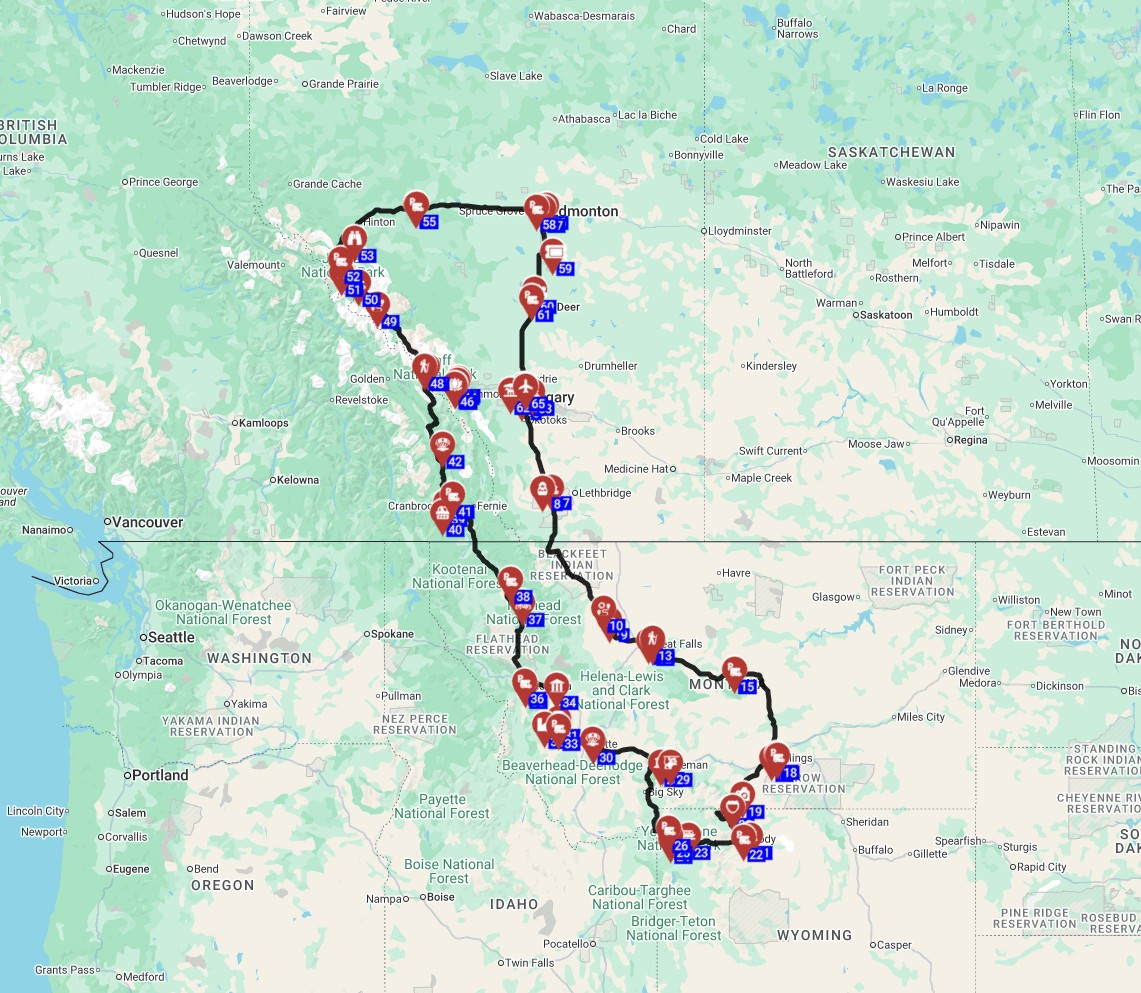
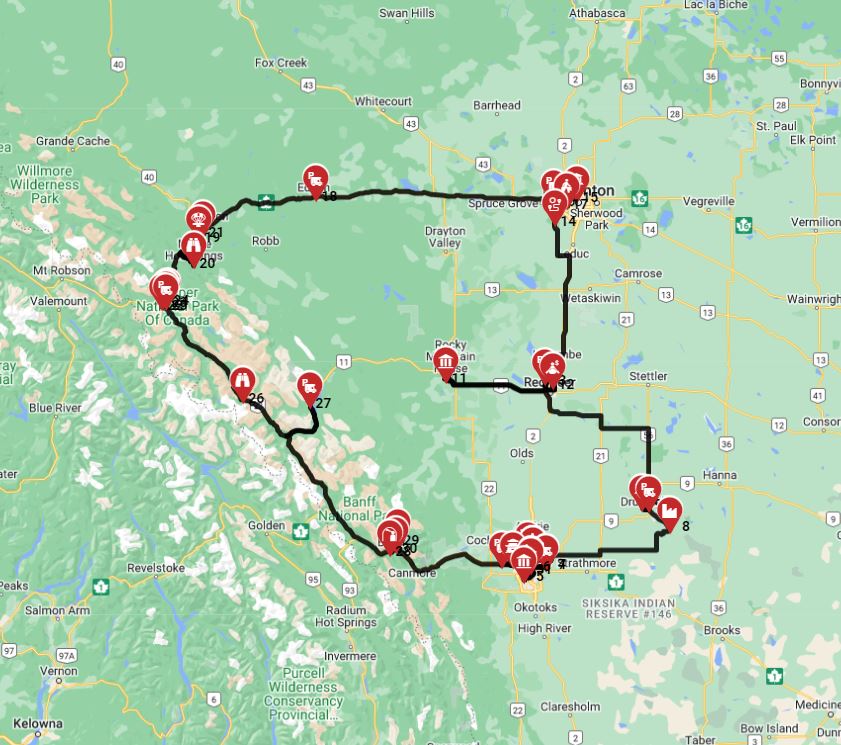
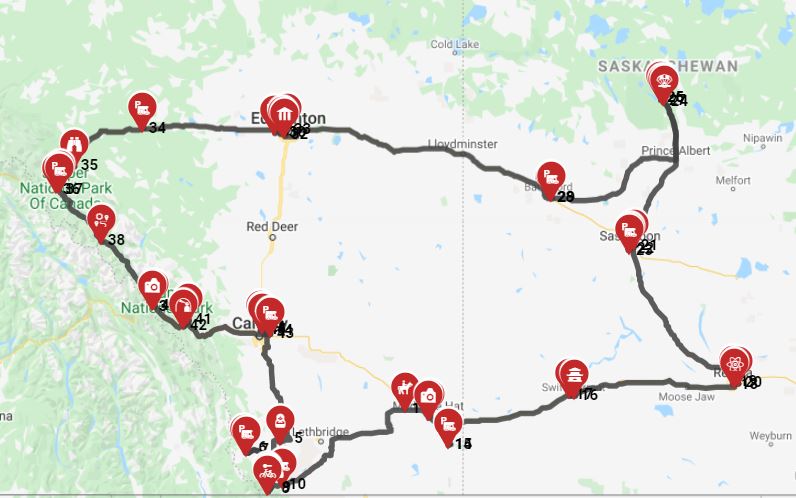
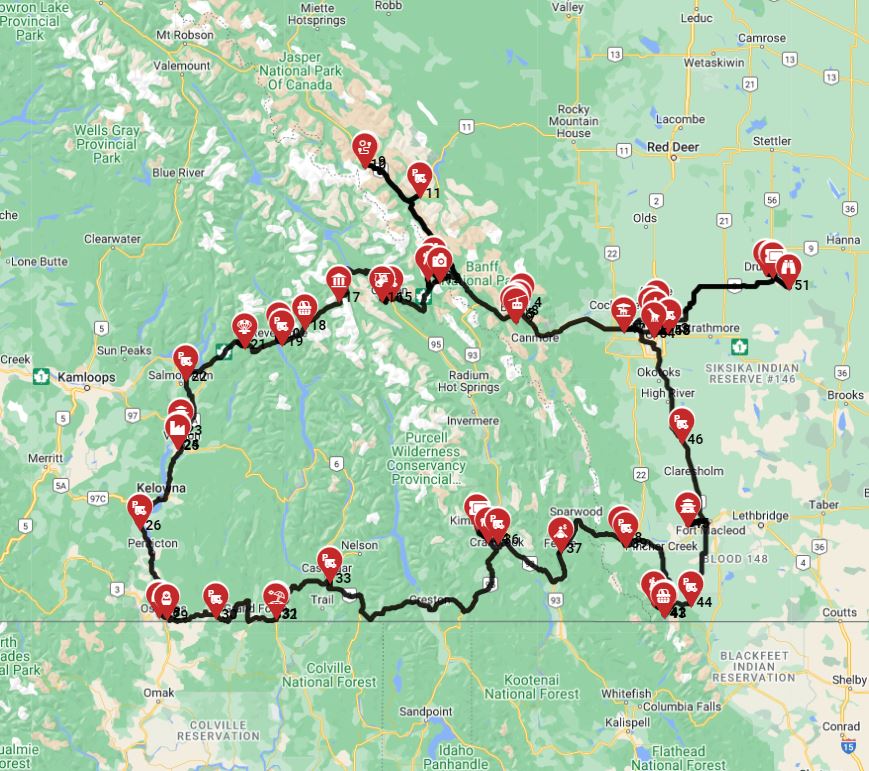
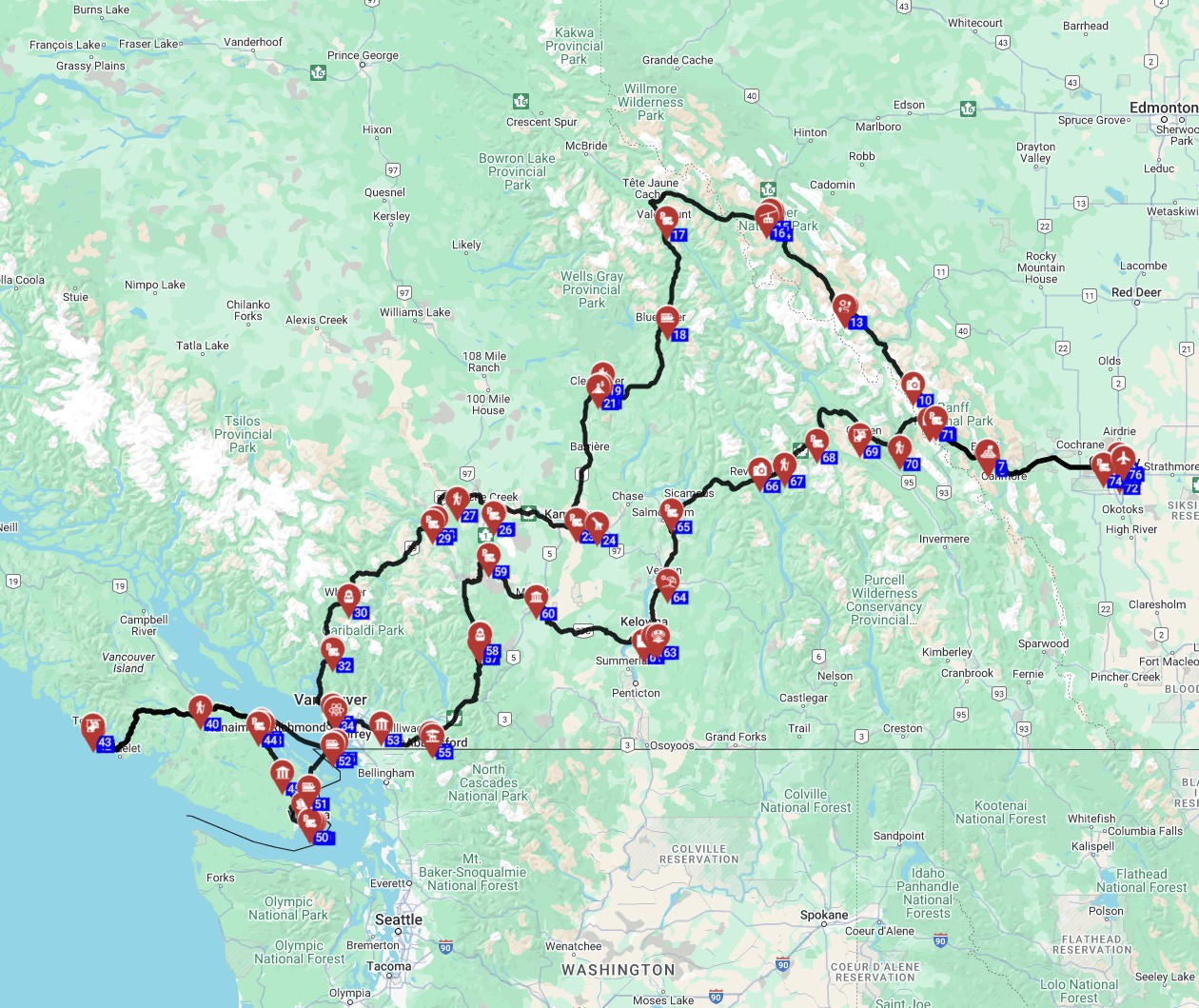
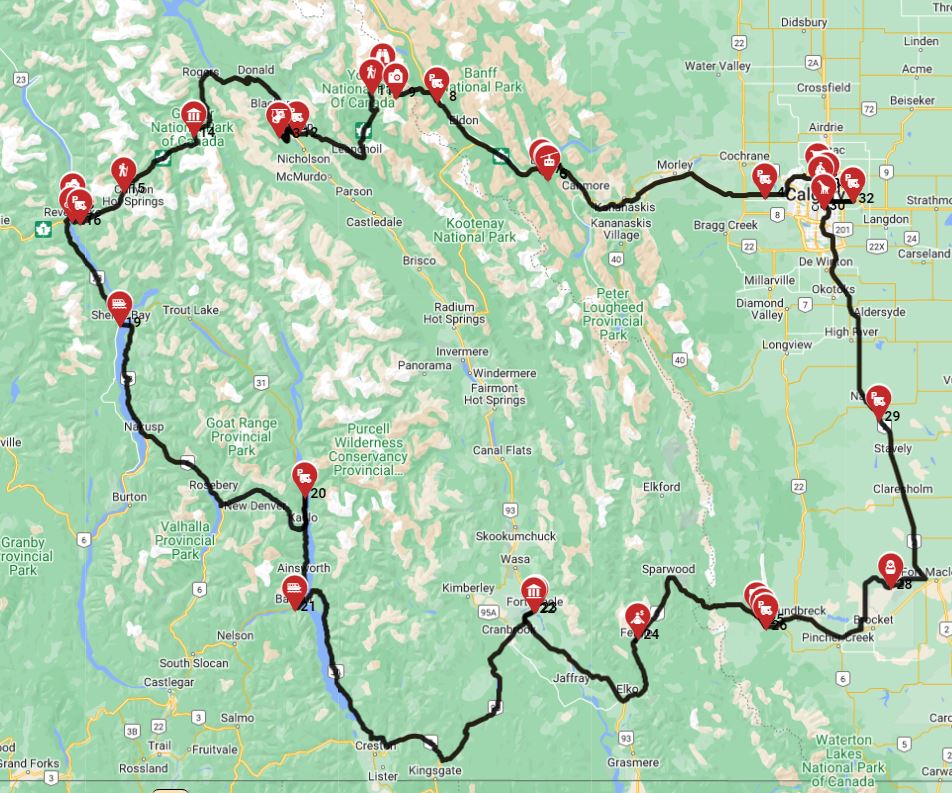
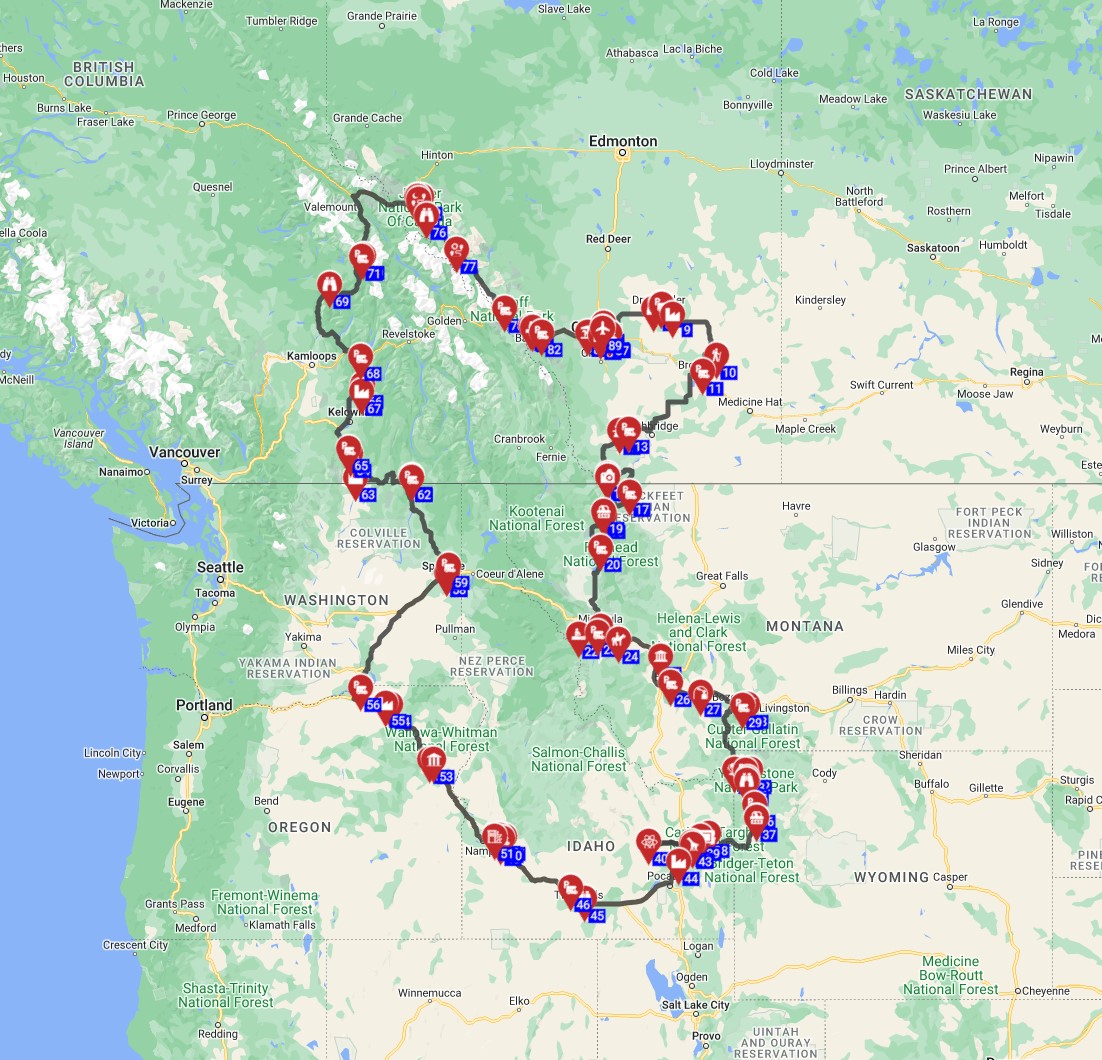
Beyond the popular national parks, West Canada offers numerous off-the-beaten-path RV routes and destinations for a more local and less crowded experience, often featuring stunning scenery and unique communities. Explore routes like the Cowboy Trail (Highway 22) in Alberta, a roughly 700 km stretch that offers a taste of ranching heritage, small towns, and stunning views of the eastern slopes of the Rockies. In British Columbia, consider the Kootenay Rockies loop, which takes you through hot springs, charming small towns, and offers fewer crowds than the main Trans-Canada highway, with abundant provincial parks along the way. Consider exploring regional parks and less-visited provincial parks, which often have excellent RV facilities and access to hiking, fishing, and cultural sites without the major tourist bustle. Utilize local tourism boards for hidden gems, scenic backroads, and charming small towns that offer unique experiences away from the well-trodden paths, enhancing your sense of adventure with a rented RV. Our partner company RV PLANET (rvplan.net) offers more than 1,300 pre-planned routes across 5 continents, including many hidden gems in West Canada, to help you plan a truly unforgettable journey.
How Can I Experience Cultural Immersion While RVing in West Canada?
RVing in West Canada provides unique opportunities for cultural immersion, allowing you to connect deeply with the region's diverse heritage, including vibrant Indigenous experiences, bustling local food markets, and unique regional festivals. Seek out Indigenous cultural centers and interpretive programs offered in various communities and national parks, providing profound insights into the rich history, art, and traditions of First Nations peoples. Plan visits to local farmers' markets for fresh, regional produce, artisanal goods, and a chance to interact with local vendors, discovering unique flavors and community spirit. For instance, the

Is RV Travel in West Canada Accessible for Travelers with Mobility Challenges?
RV travel in West Canada can be made accessible for travelers with mobility challenges, with a growing number of campgrounds, attractions, and trails offering accessible features. Many newer RV models, particularly from leading suppliers like El Monte and Cruise America, offer accessible modifications such as wider doorways, ramp access, and roll-in showers; inquire with your rental provider about the availability of such vehicles. Look for campgrounds designated as 'accessible' which provide paved paths, accessible washrooms, and barrier-free campsites; national and provincial parks are increasingly improving their accessibility infrastructure. Research specific attractions and trails in advance using resources like Access Now or local tourism websites to identify those with paved, flat paths suitable for wheelchairs or mobility scooters, ensuring a comfortable and inclusive travel experience. With careful planning and the right rental motorhome, West Canada’s stunning beauty is truly accessible to everyone.
What Should I Pack for an RV Trip in West Canada by Season?
A detailed seasonal packing list for an RV trip in West Canada is essential due to the diverse landscapes and variable weather, even within a single season. The Rocky Mountains can experience sudden temperature drops, regardless of the month. For **Spring (April-June)**, pack layered clothing, a waterproof jacket, sturdy hiking boots, and a warm sleeping bag; insect repellent is crucial for evenings, and sunglasses for bright days. Mountain areas can still have significant snow during this period. For **Summer (July-August)**, lightweight clothing, swimwear, robust sun protection (hat, sunscreen), hiking sandals, and a light jacket for cool evenings are advisable. Bear spray is highly recommended if venturing into backcountry areas. In **Fall (September-October)**, warm layers, waterproof and windproof outerwear, sturdy hiking shoes, a hat, gloves, and extra blankets are important as temperatures can drop quickly, especially at night. For **Winter (November-March)**, heavy winter clothing (insulated jacket, snow pants), thermal layers, waterproof boots, and an emergency roadside kit are critical; tire chains may be required depending on your route and the rented RV type. Many campgrounds close or offer limited services in winter.
What You Shouldn't Miss
- Drive the Icefields Parkway: This 232 km scenic route between Banff and Jasper National Parks offers unparalleled views of glaciers, turquoise lakes, and towering peaks. It's truly one of the world's most stunning drives, perfect for slow travel with a rented RV.
- Explore Banff National Park with your pet: Hike pet-friendly trails like Johnston Canyon or Tunnel Mountain, and enjoy stunning views of Lake Louise and Moraine Lake (from designated viewpoints where pets are allowed on leash). Remember to check specific park regulations for pet access.
- Whale Watching in Victoria, BC: Take a pet-friendly zodiac or boat tour from Victoria to spot orcas, humpbacks, and grey whales in their natural habitat. Many tour operators accommodate well-behaved, leashed dogs.
- Visit the Okanagan Valley Wineries: While many tasting rooms don't allow pets inside, numerous wineries in this beautiful region offer pet-friendly patios or picnic areas where you can sample local wines with your dog.
- Discover the Indigenous Culture at Nk'Mip Desert Cultural Centre: Located near Osoyoos, BC, this center offers outdoor exhibits and trails that provide insight into the Okanagan First Nations, often accessible with leashed pets.
- Hike the trails of Yoho National Park: With fewer crowds than Banff and Jasper, Yoho offers equally spectacular scenery. Enjoy pet-friendly trails leading to stunning waterfalls like Takakkaw Falls or Emerald Lake.
🎬 Video coming soon
Looking for expert insights from Avi Bandana? Top 5 Adventures - recommendations from Avi Bandana
Final Thoughts
Embarking on a pet-friendly RV adventure in West Canada is an experience that promises unparalleled freedom, breathtaking scenery, and cherished memories with your beloved companions. From the majestic peaks of the Rockies to the tranquil coastal routes and vibrant cities, West Canada offers a diverse playground for every kind of traveler. We understand that planning such a journey can seem daunting, but with Bandana Caravan, you have a dedicated partner every step of the way, ensuring full transparency and unwavering support.
Whether you're a meticulous pre-planner or a spontaneous explorer, the opportunities for discovery are endless. Remember to travel slowly, immerse yourself in the local culture, and let the open road guide you to unexpected wonders. The small details truly make the big difference, and we're here to take care of them, allowing you to focus on the joy of your journey. So, pack your bags, leash up your pet, and get ready for an unforgettable motorhome rental experience in West Canada.
Discover top destinations, planning tips, all in one place! Plan a trip itinerary in advance with minimal effort and maximum enjoyment. Compare pet friendly rv Rentals for West Canada now!