In This Guide
- Can You Drive an RV in South Europe? License & Age Rules
- Road Conditions & Terrain in South Europe
- RV Size Limits, Bridges & Restricted Zones
- Fuel: Diesel vs. Petrol & Cost per 100 km
- Tolls, Vignettes & Border Rules
- Driving Tips for Pet-Friendly RV Rental Travelers
- Recommended RV Class for South Europe Roads
- Should I Choose a Compact Van Instead of a Large RV in South Europe?
- Can I Park Anywhere? Free & Wild Camping Rules in South Europe
- Can I Drive an RV Into the City Center? Heights, Tunnels & Local Signage
- What are the specific pet travel regulations for RVs in Southern Europe?
- Which Southern European countries are best for pet-friendly RV travel?
- How much does a pet-friendly RV trip cost in Southern Europe?
- How do seasons affect RV travel with pets in Southern Europe?
- What are the key safety considerations for RVing with pets in Southern Europe?
- How do I manage ferry travel with an RV and pets in Southern Europe?
- How can I genuinely connect with local life during a pet-friendly RV trip in Southern Europe?
- What are the best connectivity solutions for RV travel in Southern Europe?
- What You Shouldn't Miss
- Why Book with Bandana Caravan
- Final Thoughts
- Frequently Asked Questions
Exploring South Europe with a rented RV and your beloved pets offers an unparalleled sense of freedom, allowing you to discover sun-drenched coastlines, ancient ruins, and charming villages at your own pace. Imagine waking up to the gentle lapping of waves in Croatia, hiking through Portugal’s national parks with your dog, or savoring fresh Italian pasta in a scenic countryside campsite. A pet-friendly motorhome adventure across countries like Spain, Italy, Greece, and Croatia provides both comfort and flexibility, transforming a simple vacation into an unforgettable journey for the whole family. For live availability and current prices, start with our RV Rental South Europe - Complete Guide 2026 guide.
Can You Drive an RV in South Europe? License & Age Rules
A standard B driving license is generally sufficient for driving rented RVs up to 3,500 kg (7,700 lbs) Maximum Authorized Mass (MAM) across most of Southern Europe. For larger motorhomes exceeding 3,500 kg MAM, a C1 license (or equivalent) is typically required, though Bandana RV focuses on vehicles accessible with a standard license for most travelers. The minimum driver age for an RV rental usually starts at 21, and drivers often need to have held their license for at least 1-3 years, ensuring sufficient driving experience. Non-EU citizens are recommended to carry an International Driving Permit (IDP) in addition to their valid national license to drive in Southern Europe, though it is not strictly mandatory in all cases.
With a rented campervan, you gain the flexibility to navigate these regulations confidently. Always confirm the specific requirements of your chosen supplier and the countries you plan to visit, as rules can occasionally vary slightly. Remember, the journey is just as important as the destination, especially when your furry friends are along for the ride. To find comprehensive information about Europe, check out the RV Rental Europe - Complete Guide 2026.
Road Conditions & Terrain in South Europe
Southern Europe presents a diverse range of road conditions and terrain, from well-maintained modern highways to narrow, winding mountain roads and ancient village streets. Coastal routes in countries like Portugal, Spain, Italy, Greece, and Croatia often offer breathtaking scenery but can feature roads that are sometimes narrow and require careful navigation. Inland areas, particularly in mountainous regions such as the Dolomites in Italy or the Sierra Nevada in Spain, can present steep ascents and descents with tight turns, so drive slowly and carefully, and you can drive almost anywhere without issues. Major cities typically have good road infrastructure, but historical centers are frequently inaccessible or challenging for larger RVs due to size restrictions, pedestrian zones, and limited parking. Driving a rented RV with pets encourages a slower, more scenic approach, allowing for frequent stops for both drivers and animal companions to stretch, explore, and soak in the local atmosphere.
🎬 Video coming soon
We recommend traveling slowly, averaging a maximum of 100-150 km per day. This pace allows you and your pets to truly feel the place, connect to the local culture, savor the food, and appreciate the stunning scenery without feeling rushed.
RV Size Limits, Bridges & Restricted Zones
While specific height and weight restrictions for rented RVs vary by country and region in Southern Europe, travelers must remain mindful of limits, especially in historic towns and on older infrastructure. Common restrictions include tunnels and low bridges, often under 3.5m-4m in height, which are particularly prevalent in older city areas and rural routes. Additionally, many European cities implement environmental zones (such as ZTLs in Italy, or similar low-emission schemes in other areas) that restrict vehicle access based on emission standards or size, which can result in unexpected fines for unaware drivers. Ferry travel, common for island hopping in Greece or coastal routes in Italy and Croatia, has strict size and weight limits for vehicles, necessitating advance booking and precise measurements of your rented RV. Always pay close attention to local signage indicating maximum height, width, length, and weight, especially when deviating from main highways or entering urban areas.
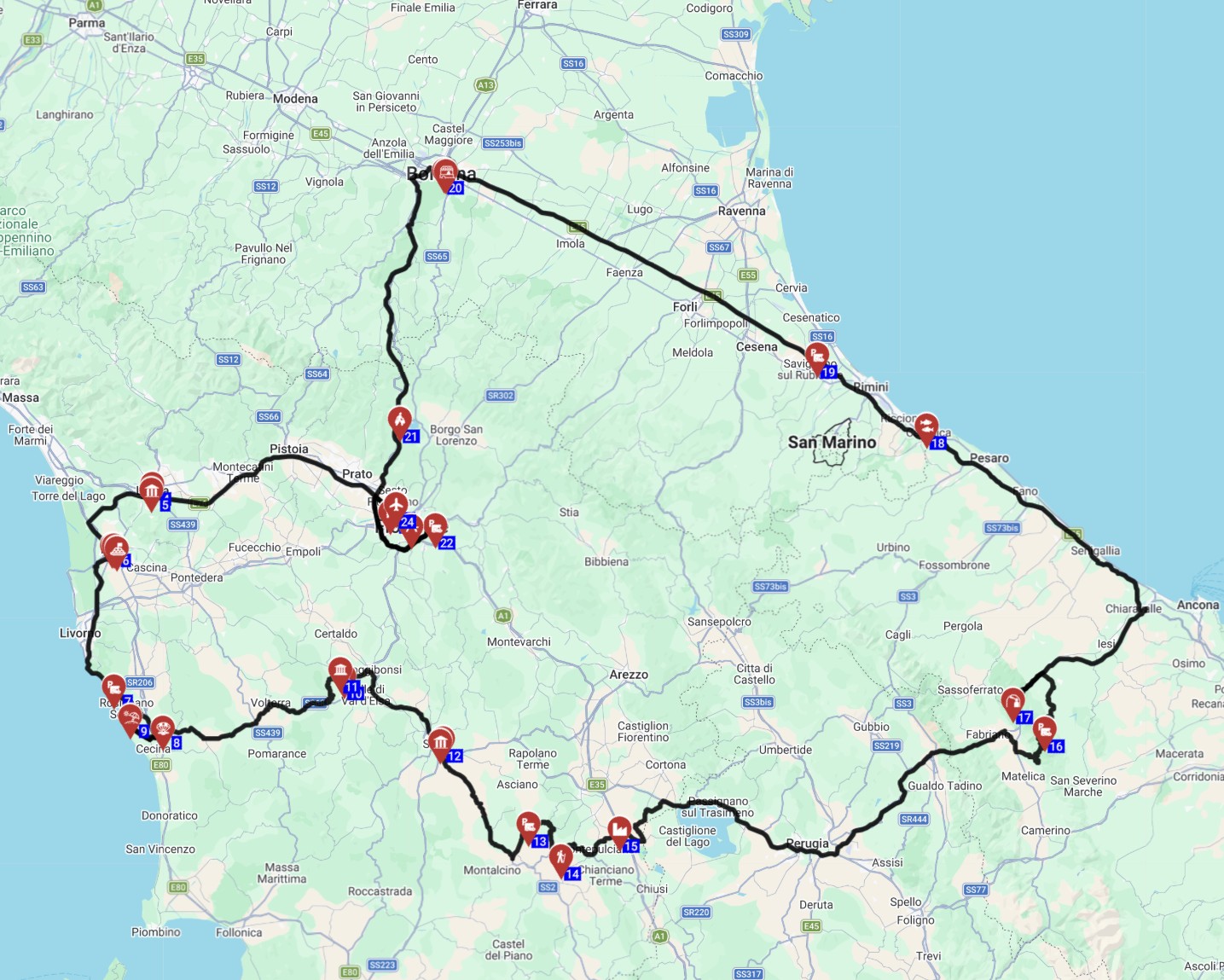
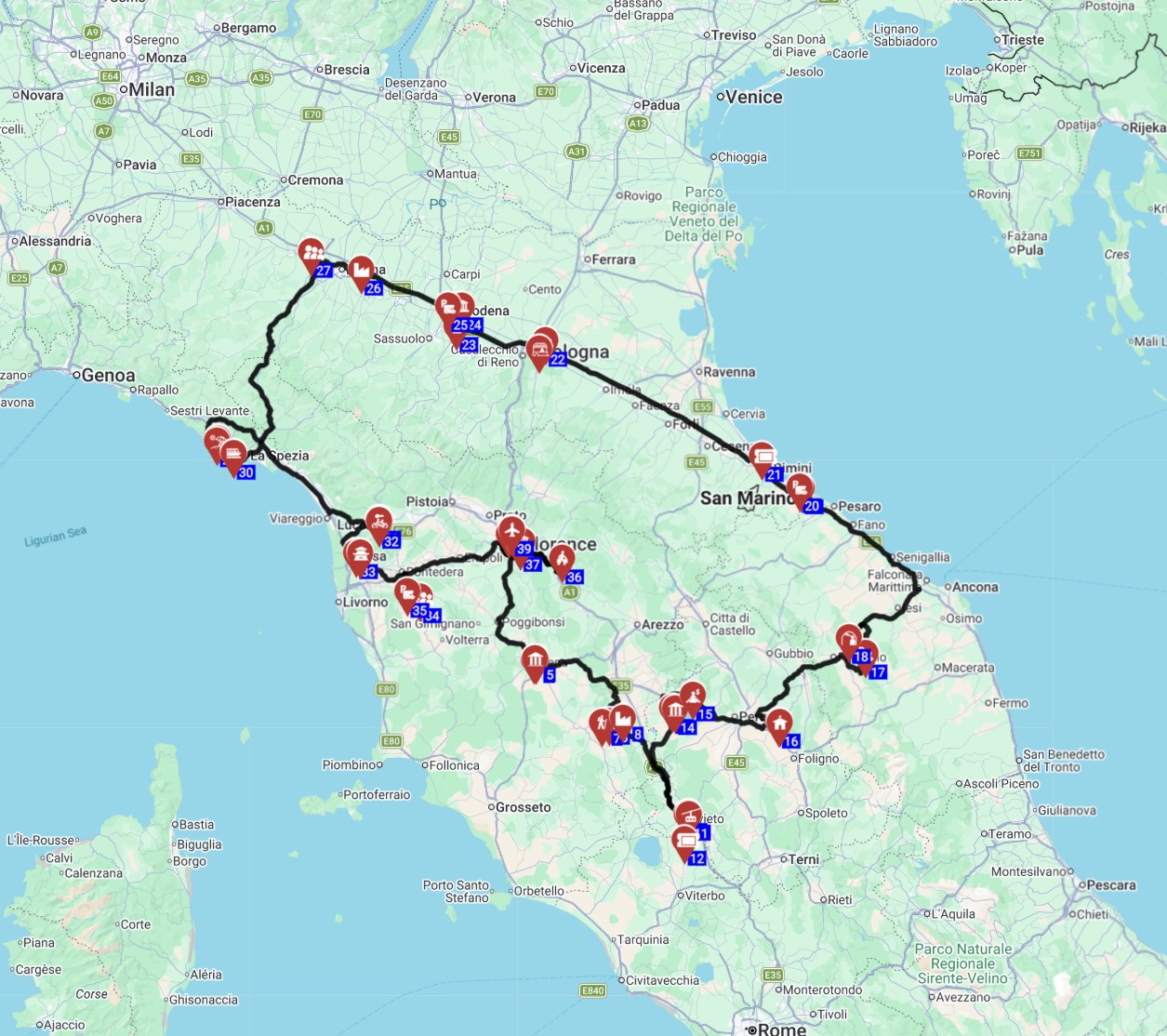
When you're planning your pet-friendly route, remember that RV PLANET routes can help you itemize and track every expense, including potential fees for tolls or restricted zones, along the way for easy budgeting. On the routes offered through RV PLANET routes, you can itemize and track every expense along the way for easy budgeting.
Fuel: Diesel vs. Petrol & Cost per 100 km
Diesel fuel is overwhelmingly more common for rented motorhomes and campervans in Southern Europe, reflecting the typical engine type for these vehicles, with petrol (gasoline) stations also widely available but less relevant for most RVs. Bandana's global fleet averages for fuel consumption typically include Class SI RVs at 10–11 Liters/100 km, Class C RVs at 10–12 Liters/100 km, and Class B Camper Vans at 8–10 Liters/100 km. While fuel prices fluctuate daily based on availability and market decisions, travelers should budget for an average cost per 100 km (based on diesel prices) which can range from €15-€20 or more, depending on the specific country and current market rates. Some RV rental packages may include fuel discount cards or loyalty programs, offering potential savings on your journey through Southern Europe.
Planning your fuel stops and budgeting accordingly is crucial for a smooth trip. We encourage travelers to use resources like RV PLANET (rvplan.net) for route planning, as it helps you estimate and track all your expenses, including fuel, before and during your journey.
Tolls, Vignettes & Border Rules
Tolls are prevalent on major highways in many Southern European countries, including Spain, Portugal, Italy, and Croatia, typically charged based on distance traveled and vehicle category. Unlike some Central European countries, vignettes (pre-paid time-based road tax stickers) are not universally used for rented RVs across all of Southern Europe, though specific regional fees or city access charges might apply. Border crossings within the Schengen Area, which encompasses most of Southern Europe, are generally seamless for EU citizens and those with valid travel documents, with minimal physical checks, allowing for continuous and easy travel. Some Bandana RV partners offer the option to pre-purchase toll passes or electronic toll devices, such as Portugal's Via Verde transponder, which can help avoid fines and streamline travel on toll roads.
Always research the toll system for each country on your itinerary, especially if your route includes Portugal, which relies heavily on electronic tolls. For more detailed insights into planning your journey, consider our "RV Travel Guide to South Europe - Tips and Top Spots 2026".
Driving Tips for Pet-Friendly RV Rental Travelers
Planning frequent stops (every 2-3 hours) is essential to allow both drivers and pets to stretch, hydrate, and use facilities, especially important during warmer climates prevalent in Southern Europe. Always ensure your pets are safely restrained in the rented RV using appropriate carriers or harnesses to prevent injury during sudden stops or accidents, prioritizing their safety as much as yours. Carry ample fresh water for your pets, especially during hot Southern European summers, and consider a portable water bowl for stops at dog parks or scenic overlooks. Research and book pet-friendly campsites in advance, as availability can be limited during peak seasons, and some sites have specific rules regarding pet size or breed. Familiarize yourself with basic RV-related phrases in local languages (e.g., 'diesel,' 'campsite,' 'vet,' 'water refill') for easier communication with locals and in emergencies.
To deepen your connection with the region, we strongly advocate for slow travel, covering a maximum of 100-150 km per day on average. This allows you and your furry companions to truly immerse yourselves in the culture, savor local foods, and appreciate the stunning landscapes of places like the Algarve coast or the Tuscan hills.
Recommended RV Class for South Europe Roads
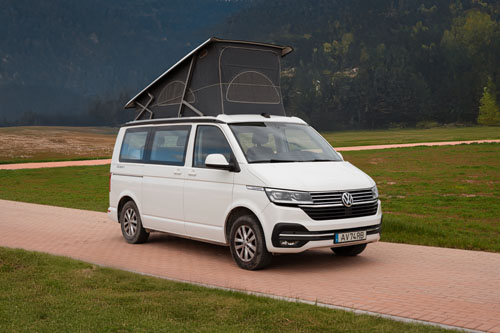
For navigating Southern Europe's diverse roads, a Class B Camper Van or Class SI Semi-integrated RV is highly recommended due to their excellent balance of maneuverability and comfort. Class B Camper Vans, averaging around 5.8m in length (like a `V3` with 100L fresh water tank), offer superior agility for narrow roads, parking in smaller towns, and easier access to city outskirts, making them suitable for 2-3 adults and pets. Class SI Semi-integrated RVs, with an average length of 6.9m (such as the `K2D` at 6.99m with a 115L fresh water tank), provide more spacious living areas and amenities while remaining manageable for most European roads, striking a good balance for longer trips. While larger Class C Alcove RVs (averaging 7.5m in length, like the `cruise america rv rental example Explorer` with a 75L fuel tank) and Class A Integrated RVs offer greater comfort, their size can be more challenging on very narrow mountain passes or in some historic city centers, requiring careful planning and alternative parking solutions.
For those interested in the cost differences between various sizes, our "Cheap RV Rental in South Europe - Budget Guide 2026" provides detailed breakdowns.
Should I Choose a Compact Van Instead of a Large RV in South Europe?
While compact campervans (like a `V3` or a `Koru Star 3 Freedom`) offer superior maneuverability for tight historic centers and very narrow mountain passes in Southern Europe, a slightly larger RV often provides a better trade-off for overall comfort and indoor space, especially when traveling with pets. Compact vans are indeed excellent for urban exploration and remote, unpaved tracks, providing ease of parking and access to smaller villages. However, larger RVs, such as a Class SI Semi-integrated (like the `EcoLine 2` with 122L fresh water tank) or a mid-sized Class C Alcove (like the `MHC24` with a 150L fresh water tank), typically offer more comfortable sleeping arrangements, better kitchen facilities, and more space for pets to move around, which can be crucial on longer trips or during inclement weather. The decision ultimately depends on your priorities: prioritize nimble navigation and minimalist living with a compact van, or choose a larger RV for enhanced comfort and amenities, acknowledging occasional detours or parking challenges.
You can find options for both compact and larger vehicles in our "RV Rental in South Europe - Prices and Best Deals 2026".
Can I Park Anywhere? Free & Wild Camping Rules in South Europe
Free and wild camping for rented RVs is generally restricted or prohibited in most developed areas of Southern Europe, particularly along popular coastlines and within national parks, due to environmental concerns and local regulations. Countries like Spain, Portugal, Italy, and Croatia often have strict rules against wild camping, with fines for non-compliance, which can range from €100 to over €1000 in protected areas. However, responsible overnight parking may be tolerated in very remote, non-protected areas, especially off-season, provided no signs explicitly forbid it and you leave no trace of your stay. Designated 'sostas' (stopovers) or Aires de services exist in some regions, offering free or low-cost overnight parking options; otherwise, authorized campsites are the safest and most legal option for RVers. Remember, rules vary significantly by region and municipality, so always check local regulations and follow local law before parking overnight, and it is always advisable to call ahead to secure a spot at a campground.
For finding campsites and campgrounds during your trip, we recommend using RV PLANET (rvplan.net) - a great resource for locating available spots along your route, ensuring you comply with local regulations.
Can I Drive an RV Into the City Center? Heights, Tunnels & Local Signage
Yes, you can generally drive a rented RV into most city centers in Southern Europe, but careful attention to local signage, height/width restrictions, and specific environmental zones is crucial to avoid fines or getting stuck. Many historic city centers, particularly in Italy (known for ZTLs - Zone a Traffico Limitato, enforced by cameras), Spain, and Portugal, have strict access restrictions for non-resident vehicles, sometimes based on size or emission standards. Drivers must pay close attention to signs indicating maximum vehicle height (for tunnels, underpasses, and archways, which can be as low as 2.5m), weight limits, and width restrictions, as well as signs for environmental zones. It is often more convenient and less stressful to park your rented RV on the outskirts of major cities at designated parking areas or campsites and use public transport to explore the city center, minimizing stress and potential issues.
Remember, "Drive slowly and carefully, and you can drive almost anywhere without issues. No need to stress - just use common sense and pay attention."
What are the specific pet travel regulations for RVs in Southern Europe?
Traveling with pets in a rented RV across Southern Europe requires adherence to specific regulations, primarily centered around microchipping, rabies vaccination, and a valid EU Pet Passport or Animal Health Certificate (AHC). All pets must be microchipped with an ISO-compliant chip and vaccinated against rabies, with the vaccination administered at least 21 days before travel. An EU Pet Passport, issued by a veterinarian in an EU country, simplifies travel between EU member states, while non-EU residents will need an Animal Health Certificate (AHC) issued by an official vet shortly before travel. Some countries might have additional requirements, such as tapeworm treatment for dogs entering specific regions (e.g., Malta, Finland) within 1-5 days before entry, so always check specific country rules well in advance. Ensure your rented RV is equipped for pet comfort, especially in hot climates, with good ventilation, shade, and constant access to water.
Which Southern European countries are best for pet-friendly RV travel?
Spain, Portugal, Italy, and Croatia are among the top Southern European countries offering excellent pet-friendly RV travel experiences, each with unique landscapes and amenities for you and your furry companions. Portugal and Spain boast numerous pet-friendly campsites, beautiful national parks with designated dog-walking trails, and a generally welcoming attitude towards dogs in outdoor dining areas. Italy offers incredible historical sites and diverse regions, with a growing number of pet-friendly agriturismos and dedicated dog beaches, though city centers can be challenging with pets. Croatia's stunning coastline and islands provide ample opportunities for outdoor adventures with pets, and many campsites are well-equipped to accommodate animal companions, often with dedicated pet showers. While Greece is beautiful, pet-friendliness can vary more, with a strong emphasis on responsible pet ownership, especially in public areas and on ferries, making prior research even more crucial there.
Top Cities for RV Rental in South Europe
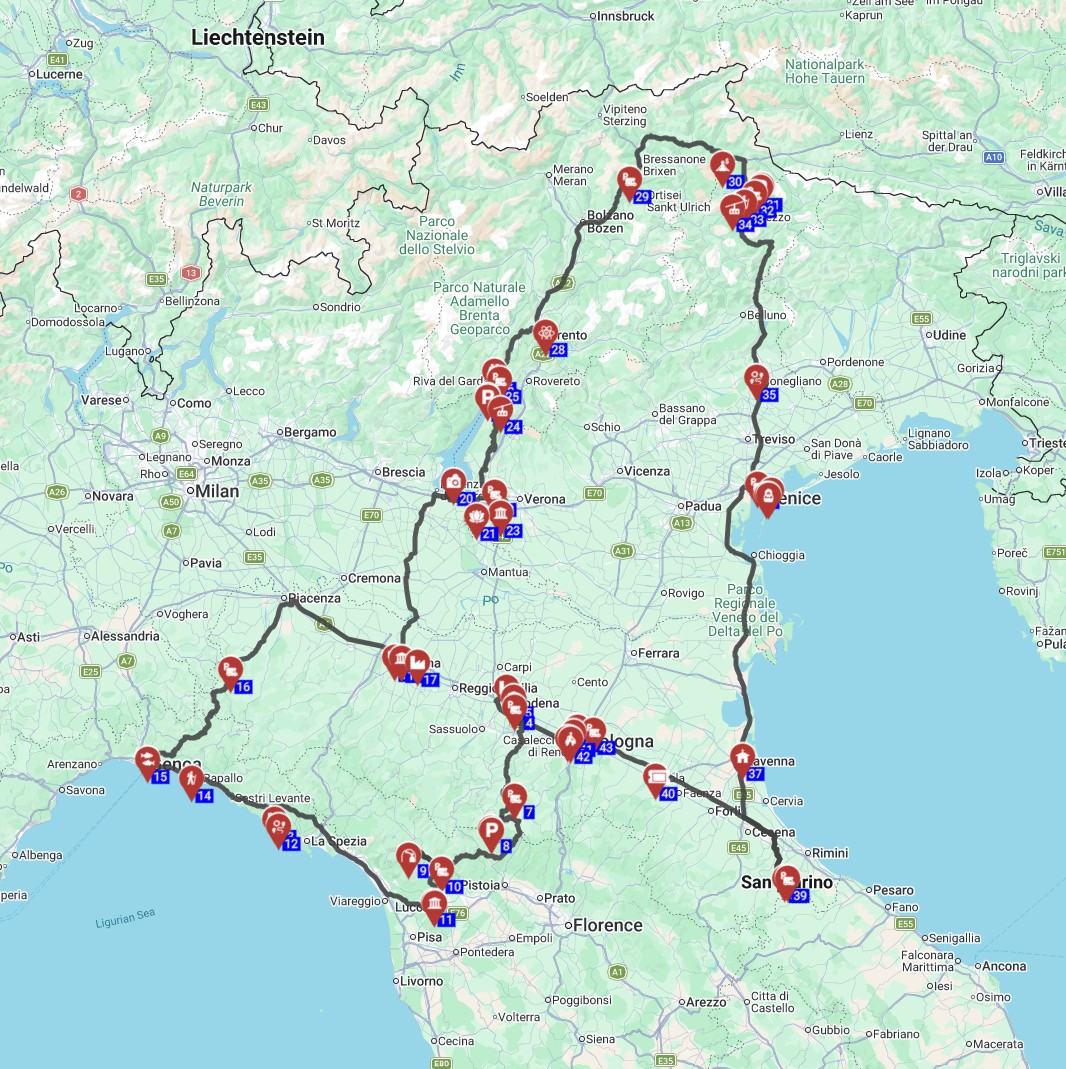
South Europe offers an array of fantastic starting points for your RV adventure. Here are some of the top cities:
- Lisbon, Portugal: A vibrant capital with easy access to stunning coastal routes and the Alentejo region, offering many pet-friendly parks and beaches nearby.
- Barcelona, Spain: Known for its unique architecture and lively atmosphere, with numerous campgrounds within a 30-60 minute drive, making it a great base for exploring Catalonia.
- Rome, Italy: The Eternal City provides a rich historical experience, and while large RVs might park on the outskirts, there are excellent pet-friendly campgrounds just outside the city.
- Florence, Italy: Gateway to Tuscany's rolling hills and vineyards, perfect for slow travel with your pet, allowing you to discover charming medieval towns.
- Split, Croatia: A beautiful coastal city, ideal for starting a journey along the Dalmatian coast or catching a pet-friendly ferry to one of Croatia's picturesque islands.
- Athens, Greece: Explore ancient history, then head out to the scenic Peloponnese peninsula or take a ferry to a pet-friendly island, experiencing Greece at your own pace.
- Nice, France (Southern Coast): A beautiful starting point for exploring the French Riviera, with a mix of stunning beaches and charming inland villages, many of which welcome pets in outdoor areas.
- Malaga, Spain: Offers a gateway to Andalusia's rich culture and natural beauty, with a warm climate and many outdoor opportunities for you and your pet.
To compare pet-friendly RV rental options across these and other cities, visit our platform for a clear, transparent booking experience. Whether you're looking for a "Luxury RV Rental in South Europe - Premium Prices 2026" or something more budget-friendly, we've got you covered.
How much does a pet-friendly RV trip cost in Southern Europe?
The total cost of a pet-friendly RV trip in Southern Europe can vary widely, but typically includes RV rental fees, fuel, tolls, campsite fees, groceries, pet-related expenses, and activities, often ranging from €100 to €250+ per day depending on the RV class and travel style. RV rental costs average between €80-€180 per day depending on the season (shoulder seasons like April-May and September-October often offer lower rates), RV class (e.g., a Class B Camper Van like a `V3` vs. a larger Class C like the `Glamys 40`), and rental duration (longer trips often have lower daily rates). Fuel and tolls are significant expenses; budget €15-€25 per 100 km for diesel fuel (based on Bandana's fleet averages of 8-12 L/100km) and an additional €10-€30+ per day for tolls on major routes in countries like Italy and Spain. Campsite fees for pet-friendly pitches typically range from €20-€50 per night, with extra charges for pets (€2-€5 per night) sometimes applied. Finally, budget for groceries, dining out, pet food, and potential vet emergencies, factoring in €50-€100+ per day for these variable costs to ensure a comfortable and stress-free trip.
For more detailed pricing information and current deals, explore our "RV Rental Deals in South Europe - Latest Offers 2026" and "Weekly RV Rental in South Europe - Pricing 2026" guides.
How do seasons affect RV travel with pets in Southern Europe?
The seasons significantly impact RV travel with pets in Southern Europe, influencing road accessibility, campsite availability, services, and recommended activities, with spring (April-May) and autumn (September-October) shoulder seasons often being ideal. Summer (June-August) offers warm, sunny weather, but also intensely high temperatures (often exceeding 30°C in inland Spain or Greece), peak crowds at popular destinations, higher prices for rentals and campsites, and limited campsite availability due to high demand. Spring (April-May) and Autumn (September-October) shoulder seasons provide milder temperatures (typically 18-25°C), fewer crowds, better campsite availability, and more comfortable conditions for both travelers and pets, making them perfect for hiking and outdoor exploration. Winter (November-March) presents the quietest travel, lower prices, but some campsites and services may be closed, and mountainous regions can experience snow or icy roads, especially restricting access with a rented RV. Consider the specific climate of your chosen region; coastal areas remain milder in winter, while inland and mountainous regions experience more pronounced seasonal changes, requiring careful planning for comfort.
What are the key safety considerations for RVing with pets in Southern Europe?
Ensuring the safety of both travelers and pets during a rented RV trip in Southern Europe involves preparing for diverse road conditions, managing heat, and being aware of local wildlife and security concerns. Southern European summers can be intensely hot, with temperatures often reaching 35-40°C in August; ensure your RV has adequate air conditioning, provide plenty of fresh water, and absolutely avoid leaving pets unattended in the vehicle. Drive cautiously on narrow, winding mountain roads and in dense cities, being aware of local driving styles and potential hazards like loose animals or unexpected turns. For security, while generally safe, petty crime can occur, especially in busy tourist areas; always secure your rented RV, avoid leaving valuables exposed, and be mindful of your surroundings. Crucially, carry a pet first-aid kit, know the location of emergency veterinary services along your route, and protect pets from parasites common in the region (e.g., ticks, sandflies) through preventative treatments.
Planning for your pet's needs, including their meals, is part of the fun of RV travel. If you're looking for ideas for delicious and easy meals to prepare in your RV kitchen, check out our RV-friendly recipes playlist.
How do I manage ferry travel with an RV and pets in Southern Europe?
Managing ferry travel with a rented RV and pets in Southern Europe requires advance planning and adherence to specific airline-like regulations regarding vehicle dimensions and pet accommodation. Always book your ferry crossing well in advance, accurately stating your RV's exact length, height, and weight (even an extra 10cm can change the price category), as incorrect measurements can lead to additional fees or denied boarding. Most ferries allow pets, but policies vary greatly; some require pets to stay in designated kennels on deck, others may permit them in the vehicle's garage or passenger compartment (often with strict rules), and very few allow pets in cabins unless they are service animals. During the journey, prepare your pet by providing access to water and a comfortable, secure space, and always check if you are permitted to visit them during the sailing. Always confirm the specific pet policy and vehicle requirements directly with the ferry operator before booking, especially for international routes or popular island destinations like those in Greece or Italy, to avoid any surprises.
If you're considering a one-way adventure, our "One-Way RV Rental in South Europe - Price Guide 2026" can help you understand the logistics and costs involved.
How can I genuinely connect with local life during a pet-friendly RV trip in Southern Europe?
To genuinely connect with local life during a pet-friendly RV trip in Southern Europe, seek out authentic experiences such as visiting local markets, understanding cultural nuances like siestas, and learning basic phrases. Explore regional food markets, like Barcelona's La Boqueria or Rome's Campo de' Fiori, to taste local produce, connect with vendors, and experience the vibrant heart of a community; these open-air settings are often welcoming to well-behaved, leashed pets. Be mindful of local customs, such as the afternoon siesta (affecting shop and service hours from roughly 2 PM to 5 PM in countries like Spain and Italy), and demonstrate respect for local traditions and dress codes, especially when visiting religious sites. Learning a few essential RV-related phrases in the local language (e.g., 'Do you have pet-friendly camping?', 'Where is the nearest water fill-up?') can significantly enhance interactions with locals. Utilize local information (e.g., tourist offices, local RVers) to discover hidden gems and less-traveled paths that offer a more authentic glimpse into Southern European culture, often with pet-friendly options away from crowded tourist hotspots.
What are the best connectivity solutions for RV travel in Southern Europe?
For RV nomads in Southern Europe, reliable connectivity solutions include local SIM cards, mobile Wi-Fi hotspots, and leveraging campsite Wi-Fi, offering flexibility for navigation, emergencies, and remote work. Purchasing a local SIM card upon arrival, such as one from Vodafone or Orange, provides cost-effective mobile data and calls, with many EU plans offering roaming at no extra cost across member states in the Schengen Area. Portable Wi-Fi devices, often called Mi-Fis, allow you to create a personal hotspot using a data-only SIM, providing internet access for multiple devices and typically supporting 5-10 connections. Many campsites offer Wi-Fi, though quality and speed can vary widely (often limited to reception areas) and it may not be suitable for heavy streaming or remote work without paid upgrades. Consider a signal booster for remote areas where network coverage might be weaker, ensuring you can stay connected for navigation, communication, and any necessary remote work, especially when venturing off the main routes in countries like Greece or Croatia.
What You Shouldn't Miss
- Portugal's Algarve Coast: Drive a rented campervan along the stunning golden cliffs and hidden coves, with plenty of pet-friendly beaches and walking trails, like the Seven Hanging Valleys Trail.
- Spain's Picos de Europa National Park: Experience dramatic limestone peaks and lush valleys with your dog on numerous hiking paths, finding welcoming villages and local cuisine.
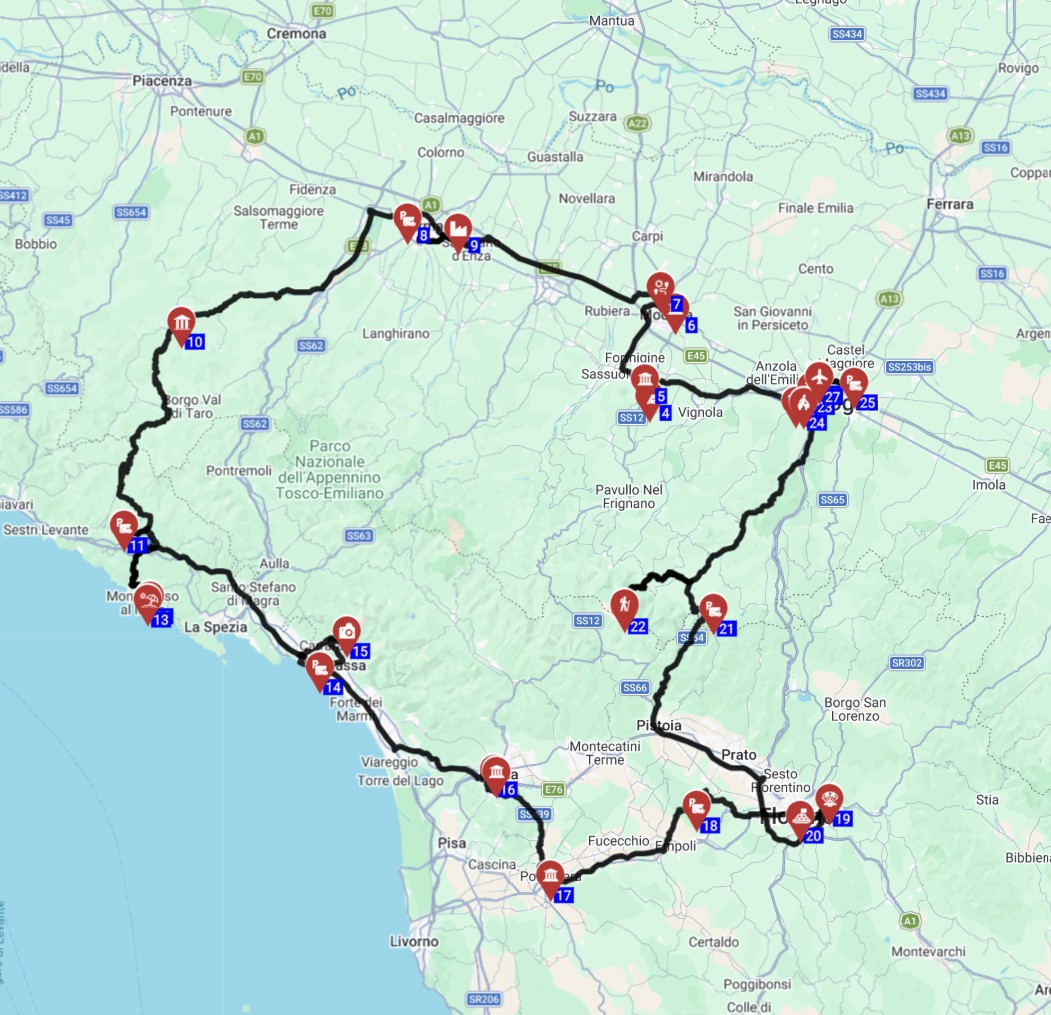
- Italy's Tuscan Countryside: Navigate your motorhome through rolling hills, vineyards, and medieval towns, discovering pet-friendly agriturismos and savoring local food.
- Croatia's Dalmatian Coast: Island hop with your rented RV and pets on ferries to explore ancient towns like Hvar and Korčula, enjoying crystal-clear waters and charming coastal campsites.
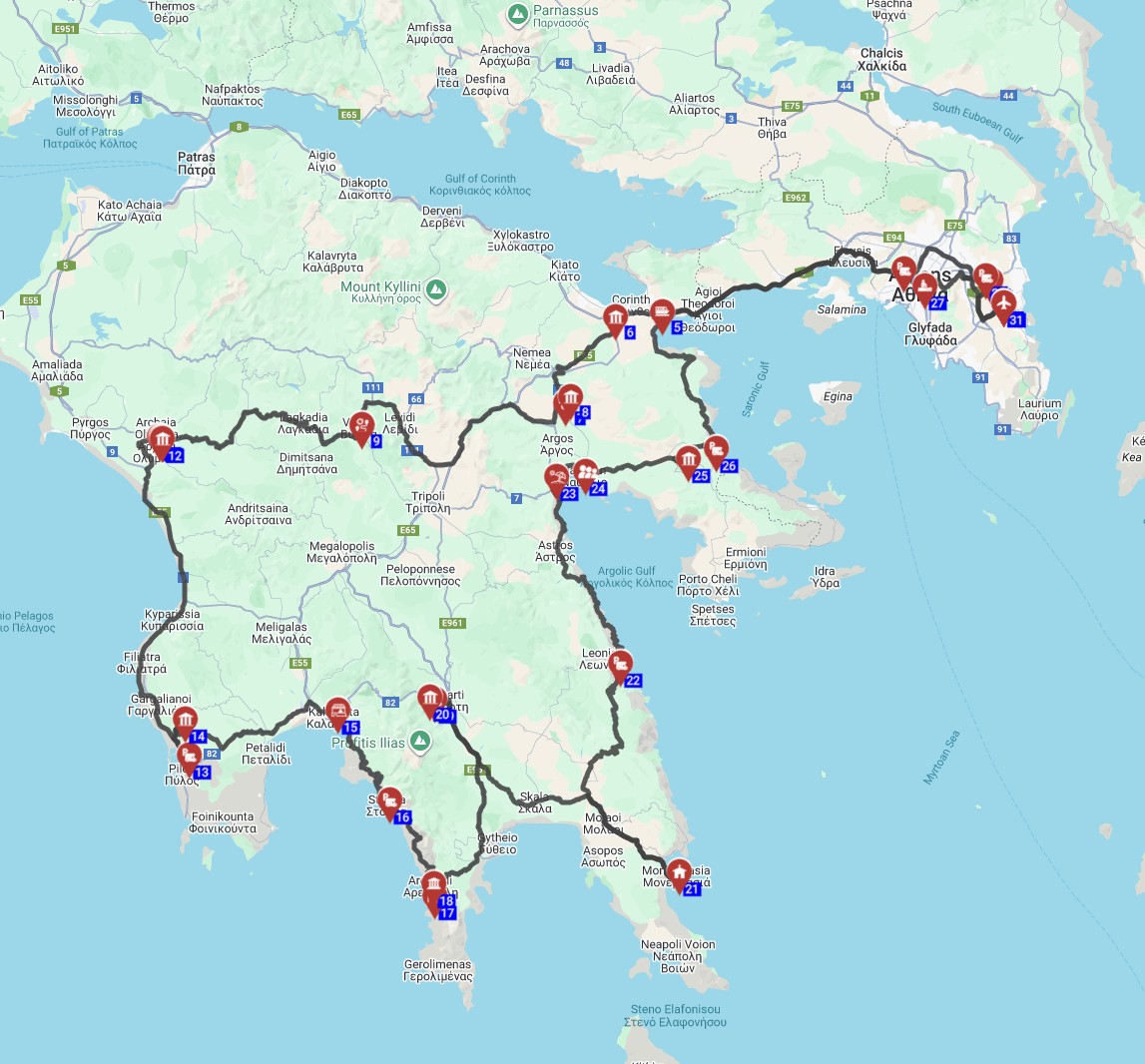
- Greece's Peloponnese Peninsula: Uncover ancient historical sites such as Olympia and Mycenae, coupled with beautiful beaches and mountain drives, many accessible with your pet.
- French Riviera's Coastal Drives: Enjoy the glamour of Nice and the serene beauty of smaller towns, with picturesque coastal roads perfect for slow travel in your rented campervan.
Looking for expert insights from Avi Bandana? Top 5 Adventures - recommendations from Avi Bandana
Final Thoughts
Embarking on a pet-friendly RV adventure through South Europe is more than just a vacation-it's an opportunity to create lasting memories with your beloved companions amidst stunning landscapes and rich cultures. With a rented motorhome or campervan, you have the freedom to explore at your own pace, from the sun-kissed beaches of Portugal to the historic cities of Italy, ensuring every moment is tailored to your family's needs. We're here to make your journey as seamless and enjoyable as possible, offering transparent pricing, dedicated support, and expert planning tools.
So, gather your travel essentials, pack your pet's favorite treats, and get ready for the open road. South Europe awaits you and your furry friends, promising an unforgettable experience filled with discovery, relaxation, and countless wagging tails. Your ultimate pet-friendly European road trip starts here!
Discover top destinations, planning tips, all in one place! Plan a trip itinerary in advance with minimal effort and maximum enjoyment.
Check South Europe RV Rental Prices Now and compare pet-friendly motorhome options for your dream vacation.
In This Guide
- Can You Drive an RV in South Europe? License & Age Rules
- Road Conditions & Terrain in South Europe
- RV Size Limits, Bridges & Restricted Zones
- Fuel: Diesel vs. Petrol & Cost per 100 km
- Tolls, Vignettes & Border Rules
- Driving Tips for Pet-Friendly RV Rental Travelers
- Recommended RV Class for South Europe Roads
- Should I Choose a Compact Van Instead of a Large RV in South Europe?
- Can I Park Anywhere? Free & Wild Camping Rules in South Europe
- Can I Drive an RV Into the City Center? Heights, Tunnels & Local Signage
- What are the specific pet travel regulations for RVs in Southern Europe?
- Which Southern European countries are best for pet-friendly RV travel?
- How much does a pet-friendly RV trip cost in Southern Europe?
- How do seasons affect RV travel with pets in Southern Europe?
- What are the key safety considerations for RVing with pets in Southern Europe?
- How do I manage ferry travel with an RV and pets in Southern Europe?
- How can I genuinely connect with local life during a pet-friendly RV trip in Southern Europe?
- What are the best connectivity solutions for RV travel in Southern Europe?
- What You Shouldn't Miss
- Why Book with Bandana Caravan
- Final Thoughts
- Frequently Asked Questions
Exploring South Europe with a rented RV and your beloved pets offers an unparalleled sense of freedom, allowing you to discover sun-drenched coastlines, ancient ruins, and charming villages at your own pace. Imagine waking up to the gentle lapping of waves in Croatia, hiking through Portugal’s national parks with your dog, or savoring fresh Italian pasta in a scenic countryside campsite. A pet-friendly motorhome adventure across countries like Spain, Italy, Greece, and Croatia provides both comfort and flexibility, transforming a simple vacation into an unforgettable journey for the whole family. For live availability and current prices, start with our RV Rental South Europe - Complete Guide 2026 guide.
Can You Drive an RV in South Europe? License & Age Rules
A standard B driving license is generally sufficient for driving rented RVs up to 3,500 kg (7,700 lbs) Maximum Authorized Mass (MAM) across most of Southern Europe. For larger motorhomes exceeding 3,500 kg MAM, a C1 license (or equivalent) is typically required, though Bandana RV focuses on vehicles accessible with a standard license for most travelers. The minimum driver age for an RV rental usually starts at 21, and drivers often need to have held their license for at least 1-3 years, ensuring sufficient driving experience. Non-EU citizens are recommended to carry an International Driving Permit (IDP) in addition to their valid national license to drive in Southern Europe, though it is not strictly mandatory in all cases.
With a rented campervan, you gain the flexibility to navigate these regulations confidently. Always confirm the specific requirements of your chosen supplier and the countries you plan to visit, as rules can occasionally vary slightly. Remember, the journey is just as important as the destination, especially when your furry friends are along for the ride. To find comprehensive information about Europe, check out the RV Rental Europe - Complete Guide 2026.
Road Conditions & Terrain in South Europe
Southern Europe presents a diverse range of road conditions and terrain, from well-maintained modern highways to narrow, winding mountain roads and ancient village streets. Coastal routes in countries like Portugal, Spain, Italy, Greece, and Croatia often offer breathtaking scenery but can feature roads that are sometimes narrow and require careful navigation. Inland areas, particularly in mountainous regions such as the Dolomites in Italy or the Sierra Nevada in Spain, can present steep ascents and descents with tight turns, so drive slowly and carefully, and you can drive almost anywhere without issues. Major cities typically have good road infrastructure, but historical centers are frequently inaccessible or challenging for larger RVs due to size restrictions, pedestrian zones, and limited parking. Driving a rented RV with pets encourages a slower, more scenic approach, allowing for frequent stops for both drivers and animal companions to stretch, explore, and soak in the local atmosphere.
🎬 Video coming soon
We recommend traveling slowly, averaging a maximum of 100-150 km per day. This pace allows you and your pets to truly feel the place, connect to the local culture, savor the food, and appreciate the stunning landscapes of places like the Algarve coast or the Tuscan hills.
RV Size Limits, Bridges & Restricted Zones
While specific height and weight restrictions for rented RVs vary by country and region in Southern Europe, travelers must remain mindful of limits, especially in historic towns and on older infrastructure. Common restrictions include tunnels and low bridges, often under 3.5m-4m in height, which are particularly prevalent in older city areas and rural routes. Additionally, many European cities implement environmental zones (such as ZTLs in Italy, or similar low-emission schemes in other areas) that restrict vehicle access based on emission standards or size, which can result in unexpected fines for unaware drivers. Ferry travel, common for island hopping in Greece or coastal routes in Italy and Croatia, has strict size and weight limits for vehicles, necessitating advance booking and precise measurements of your rented RV. Always pay close attention to local signage indicating maximum height, width, length, and weight, especially when deviating from main highways or entering urban areas.
When you're planning your pet-friendly route, remember that RV PLANET routes can help you itemize and track every expense, including potential fees for tolls or restricted zones, along the way for easy budgeting.
Fuel: Diesel vs. Petrol & Cost per 100 km
Diesel fuel is overwhelmingly more common for rented motorhomes and campervans in Southern Europe, reflecting the typical engine type for these vehicles, with petrol (gasoline) stations also widely available but less relevant for most RVs. Bandana's global fleet averages for fuel consumption typically include Class SI RVs at 10–11 Liters/100 km, Class C RVs at 10–12 Liters/100 km, and Class B Camper Vans at 8–10 Liters/100 km. While fuel prices fluctuate daily based on availability and market decisions, travelers should budget for an average cost per 100 km (based on diesel prices) which can range from €15-€20 or more, depending on the specific country and current market rates. Some RV rental packages may include fuel discount cards or loyalty programs, offering potential savings on your journey through Southern Europe.
Planning your fuel stops and budgeting accordingly is crucial for a smooth trip. We encourage travelers to use resources like RV PLANET (rvplan.net) for route planning, as it helps you estimate and track all your expenses, including fuel, before and during your journey.
Tolls, Vignettes & Border Rules
Tolls are prevalent on major highways in many Southern European countries, including Spain, Portugal, Italy, and Croatia, typically charged based on distance traveled and vehicle category. Unlike some Central European countries, vignettes (pre-paid time-based road tax stickers) are not universally used for rented RVs across all of Southern Europe, though specific regional fees or city access charges might apply. Border crossings within the Schengen Area, which encompasses most of Southern Europe, are generally seamless for EU citizens and those with valid travel documents, with minimal physical checks, allowing for continuous and easy travel. Some Bandana RV partners offer the option to pre-purchase toll passes or electronic toll devices, such as Portugal's Via Verde transponder, which can help avoid fines and streamline travel on toll roads.
Always research the toll system for each country on your itinerary, especially if your route includes Portugal, which relies heavily on electronic tolls. For more detailed insights into planning your journey, consider our "RV Travel Guide to South Europe - Tips and Top Spots 2026".
Driving Tips for Pet-Friendly RV Rental Travelers
Planning frequent stops (every 2-3 hours) is essential to allow both drivers and pets to stretch, hydrate, and use facilities, especially important during warmer climates prevalent in Southern Europe. Always ensure your pets are safely restrained in the rented RV using appropriate carriers or harnesses to prevent injury during sudden stops or accidents, prioritizing their safety as much as yours. Carry ample fresh water for your pets, especially during hot Southern European summers, and consider a portable water bowl for stops at dog parks or scenic overlooks. Research and book pet-friendly campsites in advance, as availability can be limited during peak seasons, and some sites have specific rules regarding pet size or breed. Familiarize yourself with basic RV-related phrases in local languages (e.g., 'diesel,' 'campsite,' 'vet,' 'water refill') for easier communication with locals and in emergencies.
To deepen your connection with the region, we strongly advocate for slow travel, covering a maximum of 100-150 km per day on average. This pace allows you and your furry companions to truly immerse yourselves in the culture, savor local foods, and appreciate the stunning landscapes of places like the Algarve coast or the Tuscan hills.
Recommended RV Class for South Europe Roads
For navigating Southern Europe's diverse roads, a Class B Camper Van or Class SI Semi-integrated RV is highly recommended due to their excellent balance of maneuverability and comfort. Class B Camper Vans, averaging around 5.8m in length (like a `V3` with 100L fresh water tank), offer superior agility for narrow roads, parking in smaller towns, and easier access to city outskirts, making them suitable for 2-3 adults and pets. Class SI Semi-integrated RVs, with an average length of 6.9m (such as the `K2D` at 6.99m with a 115L fresh water tank), provide more spacious living areas and amenities while remaining manageable for most European roads, striking a good balance for longer trips. While larger Class C Alcove RVs (averaging 7.5m in length, like the `cruise america rv rental example Explorer` with a 75L fuel tank) and Class A Integrated RVs offer greater comfort, their size can be more challenging on very narrow mountain passes or in some historic city centers, requiring careful planning and alternative parking solutions.
For those interested in the cost differences between various sizes, our "Cheap RV Rental in South Europe - Budget Guide 2026" provides detailed breakdowns.
Should I Choose a Compact Van Instead of a Large RV in South Europe?
While compact campervans (like a `V3` or a `Koru Star 3 Freedom`) offer superior maneuverability for tight historic centers and very narrow mountain passes in Southern Europe, a slightly larger RV often provides a better trade-off for overall comfort and indoor space, especially when traveling with pets. Compact vans are indeed excellent for urban exploration and remote, unpaved tracks, providing ease of parking and access to smaller villages. However, larger RVs, such as a Class SI Semi-integrated (like the `EcoLine 2` with 122L fresh water tank) or a mid-sized Class C Alcove (like the `MHC24` with a 150L fresh water tank), typically offer more comfortable sleeping arrangements, better kitchen facilities, and more space for pets to move around, which can be crucial on longer trips or during inclement weather. The decision ultimately depends on your priorities: prioritize nimble navigation and minimalist living with a compact van, or choose a larger RV for enhanced comfort and amenities, acknowledging occasional detours or parking challenges.
You can find options for both compact and larger vehicles in our "RV Rental in South Europe - Prices and Best Deals 2026".
Can I Park Anywhere? Free & Wild Camping Rules in South Europe
Free and wild camping for rented RVs is generally restricted or prohibited in most developed areas of Southern Europe, particularly along popular coastlines and within national parks, due to environmental concerns and local regulations. Countries like Spain, Portugal, Italy, and Croatia often have strict rules against wild camping, with fines for non-compliance, which can range from €100 to over €1000 in protected areas. However, responsible overnight parking may be tolerated in very remote, non-protected areas, especially off-season, provided no signs explicitly forbid it and you leave no trace of your stay. Designated 'sostas' (stopovers) or Aires de services exist in some regions, offering free or low-cost overnight parking options; otherwise, authorized campsites are the safest and most legal option for RVers. Remember, rules vary significantly by region and municipality, so always check local regulations and follow local law before parking overnight, and it is always advisable to call ahead to secure a spot at a campground.
For finding campsites and campgrounds during your trip, we recommend using RV PLANET (rvplan.net) - a great resource for locating available spots along your route, ensuring you comply with local regulations.
Can I Drive an RV Into the City Center? Heights, Tunnels & Local Signage
Yes, you can generally drive a rented RV into most city centers in Southern Europe, but careful attention to local signage, height/width restrictions, and specific environmental zones is crucial to avoid fines or getting stuck. Many historic city centers, particularly in Italy (known for ZTLs - Zone a Traffico Limitato, enforced by cameras), Spain, and Portugal, have strict access restrictions for non-resident vehicles, sometimes based on size or emission standards. Drivers must pay close attention to signs indicating maximum vehicle height (for tunnels, underpasses, and archways, which can be as low as 2.5m), weight limits, and width restrictions, as well as signs for environmental zones. It is often more convenient and less stressful to park your rented RV on the outskirts of major cities at designated parking areas or campsites and use public transport to explore the city center, minimizing stress and potential issues.
Remember, "Drive slowly and carefully, and you can drive almost anywhere without issues. No need to stress - just use common sense and pay attention."
What are the specific pet travel regulations for RVs in Southern Europe?
Traveling with pets in a rented RV across Southern Europe requires adherence to specific regulations, primarily centered around microchipping, rabies vaccination, and a valid EU Pet Passport or Animal Health Certificate (AHC). All pets must be microchipped with an ISO-compliant chip and vaccinated against rabies, with the vaccination administered at least 21 days before travel. An EU Pet Passport, issued by a veterinarian in an EU country, simplifies travel between EU member states, while non-EU residents will need an Animal Health Certificate (AHC) issued by an official vet shortly before travel. Some countries might have additional requirements, such as tapeworm treatment for dogs entering specific regions (e.g., Malta, Finland) within 1-5 days before entry, so always check specific country rules well in advance. Ensure your rented RV is equipped for pet comfort, especially in hot climates, with good ventilation, shade, and constant access to water.
Which Southern European countries are best for pet-friendly RV travel?
Spain, Portugal, Italy, and Croatia are among the top Southern European countries offering excellent pet-friendly RV travel experiences, each with unique landscapes and amenities for you and your furry companions. Portugal and Spain boast numerous pet-friendly campsites, beautiful national parks with designated dog-walking trails, and a generally welcoming attitude towards dogs in outdoor dining areas. Italy offers incredible historical sites and diverse regions, with a growing number of pet-friendly agriturismos and dedicated dog beaches, though city centers can be challenging with pets. Croatia's stunning coastline and islands provide ample opportunities for outdoor adventures with pets, and many campsites are well-equipped to accommodate animal companions, often with dedicated pet showers. While Greece is beautiful, pet-friendliness can vary more, with a strong emphasis on responsible pet ownership, especially in public areas and on ferries, making prior research even more crucial there.
Top Cities for RV Rental in South Europe
South Europe offers an array of fantastic starting points for your RV adventure. Here are some of the top cities:
- Lisbon, Portugal: A vibrant capital with easy access to stunning coastal routes and the Alentejo region, offering many pet-friendly parks and beaches nearby.
- Barcelona, Spain: Known for its unique architecture and lively atmosphere, with numerous campgrounds within a 30-60 minute drive, making it a great base for exploring Catalonia.
- Rome, Italy: The Eternal City provides a rich historical experience, and while large RVs might park on the outskirts, there are excellent pet-friendly campgrounds just outside the city.
- Florence, Italy: Gateway to Tuscany's rolling hills and vineyards, perfect for slow travel with your pet, allowing you to discover charming medieval towns.
- Split, Croatia: A beautiful coastal city, ideal for starting a journey along the Dalmatian coast or catching a pet-friendly ferry to one of Croatia's picturesque islands.
- Athens, Greece: Explore ancient history, then head out to the scenic Peloponnese peninsula or take a ferry to a pet-friendly island, experiencing Greece at your own pace.
- Nice, France (Southern Coast): A beautiful starting point for exploring the French Riviera, with a mix of stunning beaches and charming inland villages, many of which welcome pets in outdoor areas.
- Malaga, Spain: Offers a gateway to Andalusia's rich culture and natural beauty, with a warm climate and many outdoor opportunities for you and your pet.
To compare pet-friendly RV rental options across these and other cities, visit our platform for a clear, transparent booking experience. Whether you're looking for a "Luxury RV Rental in South Europe - Premium Prices 2026" or something more budget-friendly, we've got you covered.
How much does a pet-friendly RV trip cost in Southern Europe?
The total cost of a pet-friendly RV trip in Southern Europe can vary widely, but typically includes RV rental fees, fuel, tolls, campsite fees, groceries, pet-related expenses, and activities, often ranging from €100 to €250+ per day depending on the RV class and travel style. RV rental costs average between €80-€180 per day depending on the season (shoulder seasons like April-May and September-October often offer lower rates), RV class (e.g., a Class B Camper Van like a `V3` vs. a larger Class C like the `Glamys 40`), and rental duration (longer trips often have lower daily rates). Fuel and tolls are significant expenses; budget €15-€25 per 100 km for diesel fuel (based on Bandana's fleet averages of 8-12 L/100km) and an additional €10-€30+ per day for tolls on major routes in countries like Italy and Spain. Campsite fees for pet-friendly pitches typically range from €20-€50 per night, with extra charges for pets (€2-€5 per night) sometimes applied. Finally, budget for groceries, dining out, pet food, and potential vet emergencies, factoring in €50-€100+ per day for these variable costs to ensure a comfortable and stress-free trip.
For more detailed pricing information and current deals, explore our "RV Rental Deals in South Europe - Latest Offers 2026" and "Weekly RV Rental in South Europe - Pricing 2026" guides.
How do seasons affect RV travel with pets in Southern Europe?
The seasons significantly impact RV travel with pets in Southern Europe, influencing road accessibility, campsite availability, services, and recommended activities, with spring (April-May) and autumn (September-October) shoulder seasons often being ideal. Summer (June-August) offers warm, sunny weather, but also intensely high temperatures (often exceeding 30°C in inland Spain or Greece), peak crowds at popular destinations, higher prices for rentals and campsites, and limited campsite availability due to high demand. Spring (April-May) and Autumn (September-October) shoulder seasons provide milder temperatures (typically 18-25°C), fewer crowds, better campsite availability, and more comfortable conditions for both travelers and pets, making them perfect for hiking and outdoor exploration. Winter (November-March) presents the quietest travel, lower prices, but some campsites and services may be closed, and mountainous regions can experience snow or icy roads, especially restricting access with a rented RV. Consider the specific climate of your chosen region; coastal areas remain milder in winter, while inland and mountainous regions experience more pronounced seasonal changes, requiring careful planning for comfort.
What are the key safety considerations for RVing with pets in Southern Europe?
Ensuring the safety of both travelers and pets during a rented RV trip in Southern Europe involves preparing for diverse road conditions, managing heat, and being aware of local wildlife and security concerns. Southern European summers can be intensely hot, with temperatures often reaching 35-40°C in August; ensure your RV has adequate air conditioning, provide plenty of fresh water, and absolutely avoid leaving pets unattended in the vehicle. Drive cautiously on narrow, winding mountain roads and in dense cities, being aware of local driving styles and potential hazards like loose animals or unexpected turns. For security, while generally safe, petty crime can occur, especially in busy tourist areas; always secure your rented RV, avoid leaving valuables exposed, and be mindful of your surroundings. Crucially, carry a pet first-aid kit, know the location of emergency veterinary services along your route, and protect pets from parasites common in the region (e.g., ticks, sandflies) through preventative treatments.
Planning for your pet's needs, including their meals, is part of the fun of RV travel. If you're looking for ideas for delicious and easy meals to prepare in your RV kitchen, check out our RV-friendly recipes playlist.
How do I manage ferry travel with an RV and pets in Southern Europe?
Managing ferry travel with a rented RV and pets in Southern Europe requires advance planning and adherence to specific airline-like regulations regarding vehicle dimensions and pet accommodation. Always book your ferry crossing well in advance, accurately stating your RV's exact length, height, and weight (even an extra 10cm can change the price category), as incorrect measurements can lead to additional fees or denied boarding. Most ferries allow pets, but policies vary greatly; some require pets to stay in designated kennels on deck, others may permit them in the vehicle's garage or passenger compartment (often with strict rules), and very few allow pets in cabins unless they are service animals. During the journey, prepare your pet by providing access to water and a comfortable, secure space, and always check if you are permitted to visit them during the sailing. Always confirm the specific pet policy and vehicle requirements directly with the ferry operator before booking, especially for international routes or popular island destinations like those in Greece or Italy, to avoid any surprises.
If you're considering a one-way adventure, our "One-Way RV Rental in South Europe - Price Guide 2026" can help you understand the logistics and costs involved.
How can I genuinely connect with local life during a pet-friendly RV trip in Southern Europe?
To genuinely connect with local life during a pet-friendly RV trip in Southern Europe, seek out authentic experiences such as visiting local markets, understanding cultural nuances like siestas, and learning basic phrases. Explore regional food markets, like Barcelona's La Boqueria or Rome's Campo de' Fiori, to taste local produce, connect with vendors, and experience the vibrant heart of a community; these open-air settings are often welcoming to well-behaved, leashed pets. Be mindful of local customs, such as the afternoon siesta (affecting shop and service hours from roughly 2 PM to 5 PM in countries like Spain and Italy), and demonstrate respect for local traditions and dress codes, especially when visiting religious sites. Learning a few essential RV-related phrases in the local language (e.g., 'Do you have pet-friendly camping?', 'Where is the nearest water fill-up?') can significantly enhance interactions with locals. Utilize local information (e.g., tourist offices, local RVers) to discover hidden gems and less-traveled paths that offer a more authentic glimpse into Southern European culture, often with pet-friendly options away from crowded tourist hotspots.
What are the best connectivity solutions for RV travel in Southern Europe?
For RV nomads in Southern Europe, reliable connectivity solutions include local SIM cards, mobile Wi-Fi hotspots, and leveraging campsite Wi-Fi, offering flexibility for navigation, emergencies, and remote work. Purchasing a local SIM card upon arrival, such as one from Vodafone or Orange, provides cost-effective mobile data and calls, with many EU plans offering roaming at no extra cost across member states in the Schengen Area. Portable Wi-Fi devices, often called Mi-Fis, allow you to create a personal hotspot using a data-only SIM, providing internet access for multiple devices and typically supporting 5-10 connections. Many campsites offer Wi-Fi, though quality and speed can vary widely (often limited to reception areas) and it may not be suitable for heavy streaming or remote work without paid upgrades. Consider a signal booster for remote areas where network coverage might be weaker, ensuring you can stay connected for navigation, communication, and any necessary remote work, especially when venturing off the main routes in countries like Greece or Croatia.
What You Shouldn't Miss
- Portugal's Algarve Coast: Drive a rented campervan along the stunning golden cliffs and hidden coves, with plenty of pet-friendly beaches and walking trails, like the Seven Hanging Valleys Trail.
- Spain's Picos de Europa National Park: Experience dramatic limestone peaks and lush valleys with your dog on numerous hiking paths, finding welcoming villages and local cuisine.
- Italy's Tuscan Countryside: Navigate your motorhome through rolling hills, vineyards, and medieval towns, discovering pet-friendly agriturismos and savoring local food.
- Croatia's Dalmatian Coast: Island hop with your rented RV and pets on ferries to explore ancient towns like Hvar and Korčula, enjoying crystal-clear waters and charming coastal campsites.
- Greece's Peloponnese Peninsula: Uncover ancient historical sites such as Olympia and Mycenae, coupled with beautiful beaches and mountain drives, many accessible with your pet.
- French Riviera's Coastal Drives: Enjoy the glamour of Nice and the serene beauty of smaller towns, with picturesque coastal roads perfect for slow travel in your rented campervan.
Looking for expert insights from Avi Bandana? Top 5 Adventures - recommendations from Avi Bandana
Final Thoughts
Embarking on a pet-friendly RV adventure through South Europe is more than just a vacation-it's an opportunity to create lasting memories with your beloved companions amidst stunning landscapes and rich cultures. With a rented motorhome or campervan, you have the freedom to explore at your own pace, from the sun-kissed beaches of Portugal to the historic cities of Italy, ensuring every moment is tailored to your family's needs. We're here to make your journey as seamless and enjoyable as possible, offering transparent pricing, dedicated support, and expert planning tools.
So, gather your travel essentials, pack your pet's favorite treats, and get ready for the open road. South Europe awaits you and your furry friends, promising an unforgettable experience filled with discovery, relaxation, and countless wagging tails. Your ultimate pet-friendly European road trip starts here!
Discover top destinations, planning tips, all in one place! Plan a trip itinerary in advance with minimal effort and maximum enjoyment.
Check South Europe RV Rental Prices Now and compare pet-friendly motorhome options for your dream vacation.