In This Guide
- Can You Drive an RV in South America? License & Age Rules
- Road Conditions & Terrain in South America
- RV Size Limits, Bridges & Restricted Zones
- Fuel: Diesel vs. Petrol & Cost per 100 km
- Tolls, Vignettes & Border Rules
- Driving Tips for Pet Friendly RV Rental Travelers
- Recommended RV Class for South America Roads
- Should I Choose a Compact Van Instead of a Large RV in South America?
- Can I Park Anywhere? Free & Wild Camping Rules in South America
- Can I Drive an RV Into the City Center? Heights, Tunnels & Local Signage
- What is the 3-3-3 rule for RV?
- Can I travel with my dog from the USA to Colombia?
- What is the most pet-friendly country in the world?
- Can dogs ride in a camper while driving?
- Which South American countries are dog friendly?
- Can you RV in South America?
- What makes an RV pet-friendly?
- Does pet insurance work internationally?
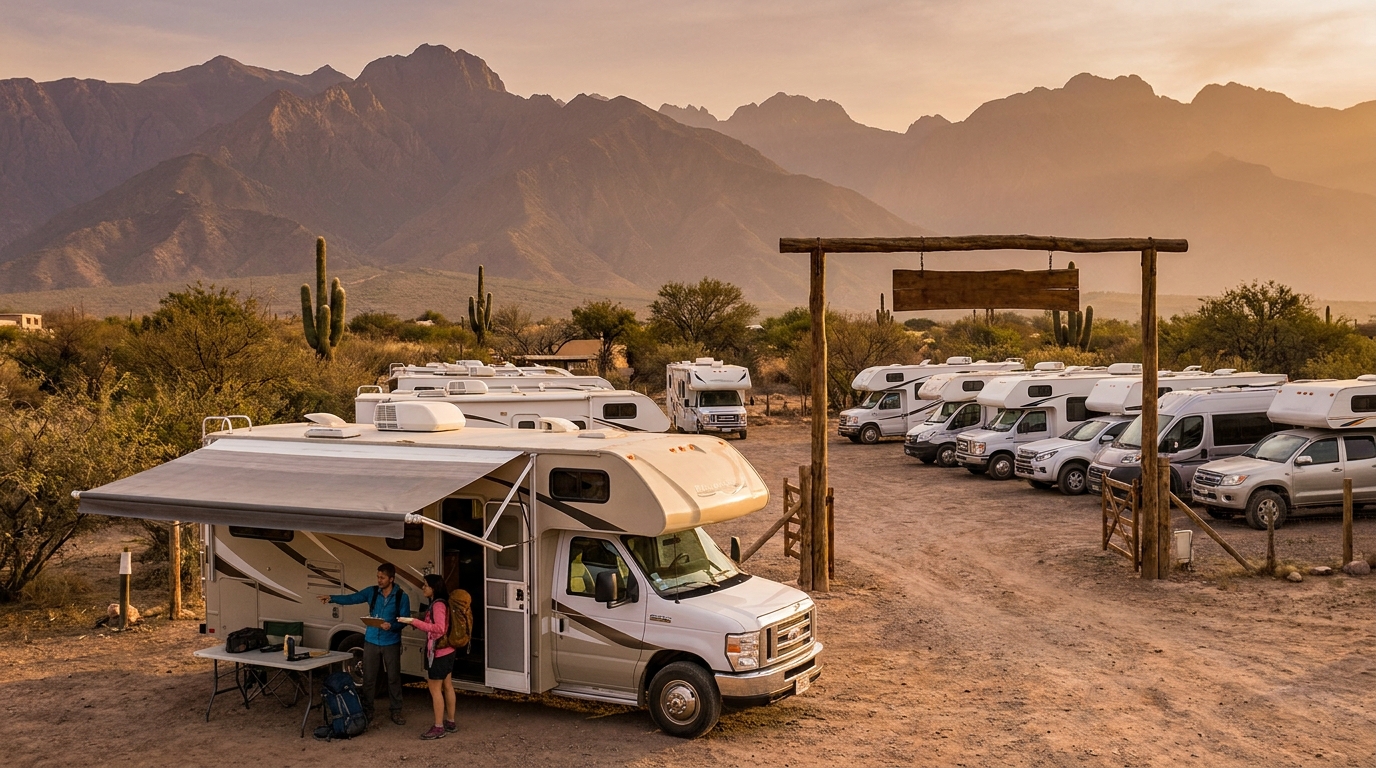
South America offers an extraordinary backdrop for a pet friendly RV rental adventure, combining majestic landscapes with vibrant cultures. Imagine waking up to the Andean peaks, enjoying a fresh coffee with your furry friend by your side, and hitting the road to explore a new horizon each day. This continent is incredibly diverse, from the rugged Patagonian steppes to the lush Amazon rainforest, making it a dream destination for those seeking freedom and flexibility in their travels.
Planning such an epic journey requires insights from true RV specialists, not just a general travel agency. At Bandana RV, we bring over 23 years of hands-on experience, helping tens of thousands of travelers explore the world by RV. We understand the nuances of international RV travel, especially when you have your beloved pet along for the ride. For live availability and current prices, start with our RV Rental South America - Complete Guide 2026 guide.
Can You Drive an RV in South America? License & Age Rules
Most standard driver's licenses (Category B or equivalent) are sufficient for RVs under 3,500 kg in South America, but an International Driving Permit (IDP) is highly recommended and often required for foreign drivers in many countries across the continent. This ensures your legal driving status is clear, especially when encountering different local authorities. Drivers typically need to be at least 21 years old to rent a motorhome in South America, with no additional young driver surcharges or vehicle class restrictions based on age from our partners. For larger Class A or C RVs exceeding 3,500 kg, local heavy vehicle regulations might apply, but for standard rental motorhomes, a regular license is usually adequate. Always carry your national driver's license, an IDP, vehicle registration, and insurance documents as you travel.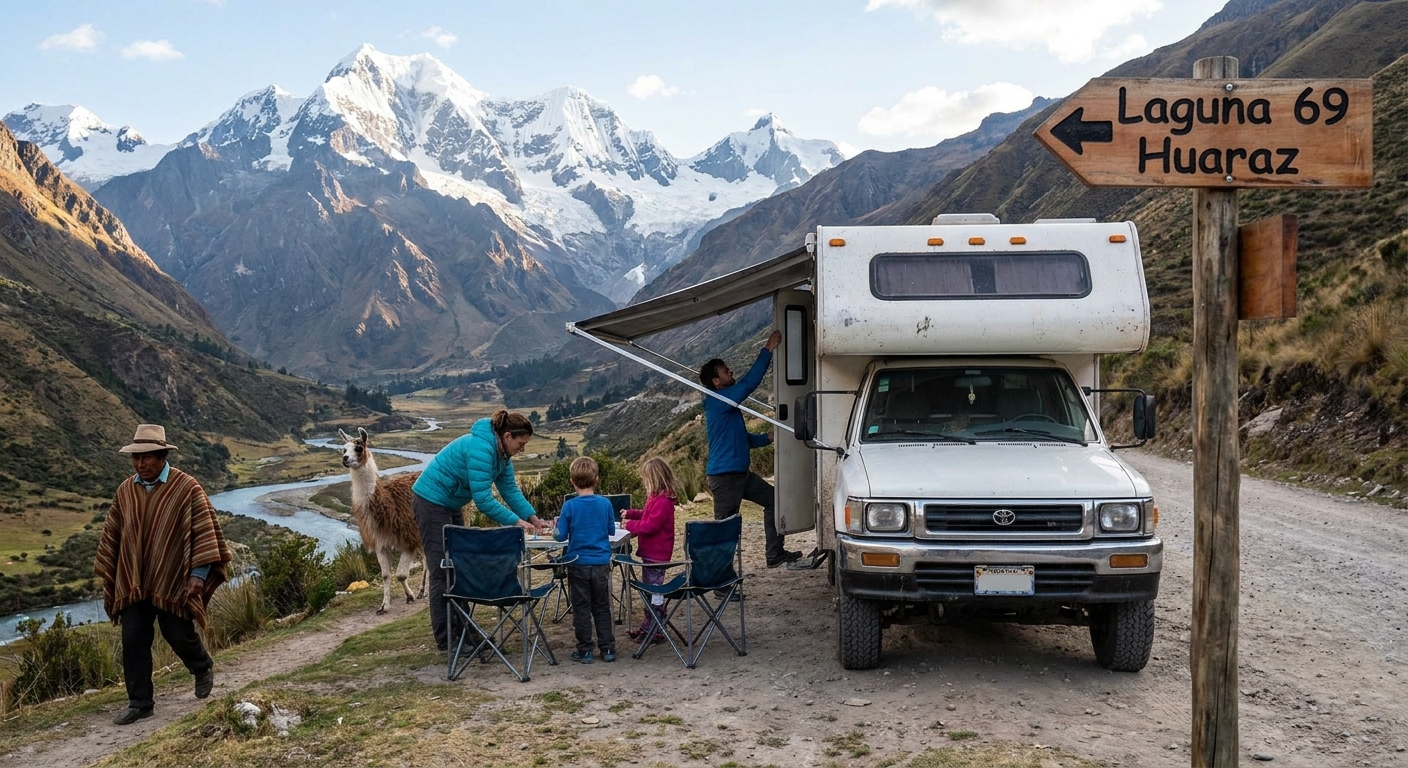
Road Conditions & Terrain in South America
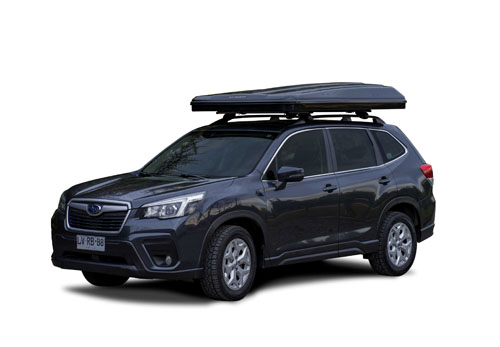
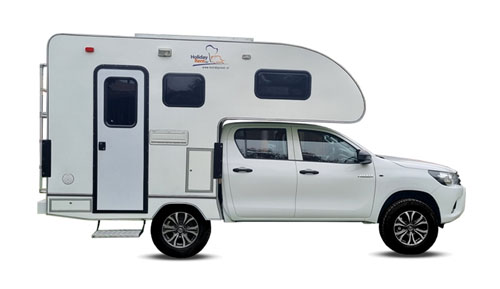
South America offers a diverse range of road conditions, from well-maintained highways in major corridors to unpaved, gravel, or dirt roads, especially in rural and mountainous areas like the Andes. Travelers with pet friendly RV rentals should anticipate varied terrain, including high-altitude mountain passes, dense jungle roads, and picturesque coastal routes, all requiring careful driving and a slower pace. Driving slowly is beneficial for both vehicle safety and your pet's comfort, allowing for more frequent stops for pet breaks and scenic enjoyment. Choosing an RV with decent ground clearance, like a "Patagonia Camper 4x4 double cab" or other 4x4 Camper B - THOR options, can be advantageous for navigating uneven surfaces common off main routes, ensuring your pet enjoys a smoother ride.RV Size Limits, Bridges & Restricted Zones
While explicit RV size limits are less common on South American highways compared to some European countries, practical considerations for larger vehicles include navigating narrow city streets, low bridges in older towns, and ferry weight/length restrictions. Environmental zones are emerging in some major cities, which may restrict access for certain vehicle types or ages; always check local regulations for cities you plan to visit, particularly in places like Buenos Aires or Santiago. Ferry crossings, especially to islands or across major rivers, can have strict length and weight limits, and larger RVs may incur higher costs or face limited availability. Always pay close attention to road signage indicating height, weight, or width restrictions, particularly when entering smaller towns or traversing mountain passes.Fuel: Diesel vs. Petrol & Cost per 100 km
Most RVs available for rental through Bandana, including many campervans and motorhomes, are diesel-powered, which is generally widely available across South America, although quality can vary in remote regions. For Bandana's global fleet, a Class SI - Semi-integrated RV typically consumes 10-11 Liters/100 km, while Class C - Alcove models average 10-12 Liters/100 km, and Class B - Camper Vans usually achieve 8-10 Liters/100 km. Fuel costs in South America vary significantly by country and region; for instance, Argentina often has different fuel prices for foreign vehicles. Travelers should budget for these variances, making an average cost per 100 km range difficult to generalize globally. It's advisable to refuel frequently in well-populated areas and carry a spare fuel filter due to potential variations in fuel quality. For comprehensive budgeting for your pet friendly rv trip, remember that RV PLANET routes allow you to itemize and track every expense, including fuel, along the way.Tolls, Vignettes & Border Rules
Tolls are common on major highways across many South American countries; these are typically paid in local currency at booths, often accepting cash only. Unlike some regions, universal "vignettes" (pre-paid road tax stickers) are not standard across South America, with most tolls being point-to-point payments. Border crossings between South American countries require comprehensive documentation, including vehicle temporary import permits, and for some non-Mercosur vehicles, a Carnet de Passage may be required. International vehicle insurance, such as SOAT in some Andean countries like Peru and Bolivia, is mandatory and often purchased at the border, covering third-party liability. It's crucial to research specific country requirements well in advance to ensure a smooth transition.Driving Tips for Pet Friendly RV Rental Travelers
When traveling through South America in a pet friendly RV, planning frequent stops is crucial; schedule breaks every 2-3 hours for potty breaks, hydration, and stretching for both humans and animals. Always ensure pets are safely secured in a crate or with a specialized harness while the RV is in motion to prevent injury during sudden stops or turns. Research local vet services in larger towns along your planned route for emergencies or routine check-ups. Drive defensively and adjust to local customs: be prepared for varied driving styles, unmarked hazards, and slower traffic, always driving slower than usual for safety and comfort. For an extended road trip, ensure both you and your pet have ample water and food, especially when traveling through remote areas or during long drives. If you plan to cook meals in your motorhome, check out our RV-friendly recipes playlist for inspiration!Recommended RV Class for South America Roads
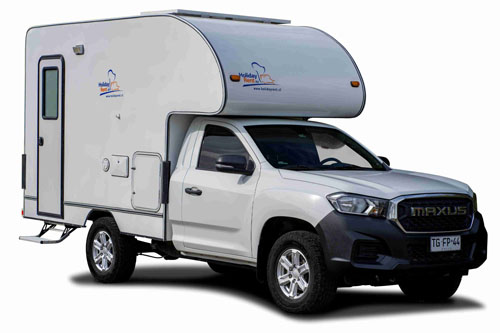
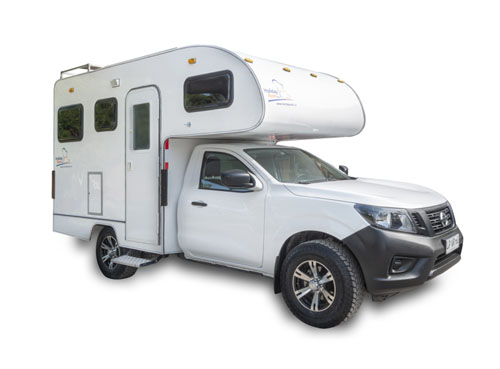
For navigating South America's diverse road conditions, a Class B - Camper Van or a Class TC - Truck Camper is often recommended due to their maneuverability and compact size. Bandana's Class B - Camper Vans, like the Combi Van, with an average length of 5.8 meters, offer a good balance of comfort and agility, making them suitable for tighter roads and easier parking. Class TC - Truck Campers, averaging 5.5 meters, are excellent for more rugged or off-the-beaten-path routes, often providing higher ground clearance and robust capabilities. For instance, the "4x4 Truck Camper Gold" is a compact yet capable option. While Class SI - Semi-integrated RVs (averaging 6.9 meters) offer more living space, their slightly larger size may be less ideal for very narrow or unpaved roads. Consider exploring options like "Cheap RV Rental in South America - Budget Guide 2026" to find a suitable vehicle for your adventure.Should I Choose a Compact Van Instead of a Large RV in South America?
Choosing between a compact van and a larger RV in South America involves balancing maneuverability against comfort and space, especially when traveling with pets. Compact vans, such as Class B Camper Vans like the V3, offer superior agility for navigating narrow city streets, mountain passes, and potentially rougher rural roads, making parking easier. Larger RVs, such as Class SI or Class C models, like the C-LARGE or 24 Class C Motorhome, provide significantly more living space, which can be a major advantage for extended trips with pets, offering more room for crates, pet beds, and overall comfort. Ultimately, while a compact van might offer practical advantages in specific challenging environments, the added comfort, storage, and amenities of a larger RV can often outweigh minor maneuverability challenges for a pet-friendly long-term adventure. For more options, explore "Luxury RV Rental in South America - Premium Prices 2026".Can I Park Anywhere? Free & Wild Camping Rules in South America
Free or wild camping (boondocking) is widely practiced and generally more accepted in many parts of South America compared to Europe or North America, particularly in remote or less populated areas. Many travelers utilize apps like iOverlander to find safe and reputable wild camping spots, which often include unofficial roadside pull-offs, beaches, or quiet areas near small towns. For pet friendly RV renters, designated campsites or secure estancias often provide better amenities like fresh water, waste disposal, and enhanced security, which can be preferable. Rules vary by region; always check local regulations, follow local law, and prioritize safety by parking in well-lit, visible areas or seeking permission from landowners before parking overnight. For finding campsites and campgrounds during your trip, we recommend using RV PLANET (rvplan.net) - a great resource for locating available spots along your route. You can also look into "RV Camping in South America - Best Campgrounds 2026" for curated options.Can I Drive an RV Into the City Center? Heights, Tunnels & Local Signage
You can almost always drive an RV into city centers in South America, but it requires careful attention to local signage, particularly regarding height, width, and weight restrictions. Drive slowly and carefully, and you can drive almost anywhere without issues. No need to stress - just use common sense and pay attention. Major cities might have height limits for tunnels, underground parking garages, or historic bridges, as well as narrow, winding streets in older districts that can challenge larger RVs. Some urban areas may implement environmental zones or restricted access zones for non-resident vehicles, especially during peak hours; always look for local signage indicating these rules. It's generally advisable to park on the outskirts of major cities and use public transport or taxis to explore the city center, especially with a larger RV and pets.What is the 3-3-3 rule for RV?
The 3-3-3 rule for RV travel is a widely recommended guideline to avoid driver fatigue and over-scheduling, suggesting driving no more than 300 miles, stopping by 3 PM, and staying at least 3 nights in one location. This rule is designed to promote a relaxed pace of travel, allowing for adequate rest, time to explore destinations, and reduced stress on both drivers and vehicles. While beneficial for general RV travel, adhering strictly to the 3-3-3 rule in South America might be challenging due to vast distances between points of interest, varied road conditions, or fewer designated overnight stops. For pet friendly RV rentals in South America, a more flexible approach, such as focusing on consistent pet breaks and avoiding night driving, may be more practical than strict mileage or time limits. Remember, slow travel- max 100-150 km per day on average - allows you to truly feel the place, connect to the culture, the food, and the scenery.Can I travel with my dog from the USA to Colombia?
Traveling with a dog from the USA to Colombia is possible, requiring specific preparations including current vaccinations, an ISO-compliant microchip, a health certificate issued by a USDA-accredited veterinarian, and an import permit from the Colombian agricultural authority (ICA). Key requirements typically include proof of rabies vaccination (administered at least 21 days prior to travel), a health certificate dated within 10 days of departure, and sometimes specific parasite treatments. The pet must have an ISO-compliant 15-digit microchip for identification, and all documentation must be endorsed by the USDA. It is crucial to consult the official ICA (Instituto Colombiano Agropecuario) website or the Colombian Embassy/Consulate well in advance for the most up-to-date and specific entry requirements, as these can change.What is the most pet-friendly country in the world?
While there's no single definitive 'most pet-friendly country in the world' universally agreed upon, countries like France, Italy, and parts of the United States are often cited for their accommodating pet policies, although pet-friendliness can vary greatly by region and specific establishments. Criteria for pet-friendliness typically include the availability of pet-friendly accommodations, public transport, parks, restaurants, and the general cultural acceptance of animals. For South America, individual countries and even specific cities within them show varying degrees of pet-friendliness, with urban centers often having more resources and acceptance than rural areas. Travelers should research specific destinations within South America to gauge local attitudes and availability of pet services. Many Bandana RV partners offer pet friendly RV rental options, like the "24' Class C Motorhome" and "Active Original" campervan.Can dogs ride in a camper while driving?
Yes, dogs can safely ride in a camper or motorhome while driving, provided they are securely restrained in a crate or with a safety harness to prevent injury during sudden stops or turns, and the temperature and ventilation within the camper are appropriately maintained. It's crucial to ensure the pet has enough space to lie down comfortably and that their crate or harness is secured to prevent it from shifting during travel. Maintain adequate ventilation and monitor the temperature inside the camper, especially on warm days, to prevent overheating. Regular stops are essential for pets to stretch their legs, relieve themselves, and hydrate, making RV travel particularly suitable for pet owners.Which South American countries are dog friendly?
Several South American countries, including Argentina, Chile, and Uruguay, are generally considered dog-friendly, offering a growing number of pet-accommodating accommodations, parks, and outdoor activities, though specific regulations and acceptance levels can vary by city and establishment. Argentina is known for its relatively relaxed attitude towards dogs, particularly in outdoor settings and many hotels in tourist areas. Chile has increasingly pet-friendly policies, especially in urban centers and certain national parks, though some natural reserves may have restrictions to protect wildlife. Uruguay is also highly welcoming to pets, with many beaches, restaurants, and public spaces accommodating dogs, reflecting a generally pet-loving culture. While other countries like Colombia and Ecuador are developing pet-friendly infrastructure, it's advisable to research specific cities and establishments beforehand. For deals, check "RV Rental Deals in South America - Latest Offers 2026".Can you RV in South America?
Yes, RV travel in South America is not only possible but offers an incredible adventure, allowing travelers to explore diverse landscapes, cultures, and remote areas at their own pace, although it requires thorough planning for varied road conditions, border crossings, and vehicle maintenance. The continent's vastness and natural beauty, from the Andes mountains to the Patagonian steppes, are ideally suited for exploration via a rented RV, providing flexibility and the comfort of home, especially with a pet. Successful RVing in South America involves careful route planning, understanding local driving customs, securing appropriate vehicle insurance, and preparing for diverse road quality and fuel availability. Many RVers choose to explore specific regions or countries, adapting their itinerary based on local conditions and available resources. Our "Rent&Plan" service offers pre-planned routes by professionals to simplify this.What makes an RV pet-friendly?
An RV is considered pet-friendly when it offers features like durable and easy-to-clean flooring, secure tie-down points for crates or harnesses, adequate ventilation and climate control, accessible waste disposal solutions, and sufficient space for pets to move comfortably. Non-carpeted flooring, such as vinyl or laminate, is ideal for managing pet hair, dirt, and potential accidents, making cleanup much simpler. Safety features like built-in tie-downs, windows with screens to prevent escapes, and reliable air conditioning or heating are critical for your pet's well-being during travel. Designated pet feeding areas, easy access to outdoor space, and proximity to veterinary services along your route also contribute significantly to a truly pet-friendly RV experience. Many of our partner suppliers, like El Monte and Apollo, offer explicitly pet friendly motorhomes and campervans.Does pet insurance work internationally?
Some pet insurance policies offer international coverage, often as an add-on or through specific travel clauses, but travelers must verify the extent of coverage, claim procedures, and any geographical limitations with their provider before international travel. Many standard pet insurance plans are designed for domestic use and may not cover veterinary expenses incurred outside the country of origin. For extended RV trips in South America, consider travel insurance policies that specifically include pet health coverage, or a separate international pet insurance policy for extra peace of mind. Always review the policy's terms and conditions carefully, paying attention to emergency care provisions, elective procedures, pre-existing conditions, and the process for filing claims while abroad.What You Shouldn't Miss
- Explore Patagonia's iconic Route 40 (Argentina): Embark on a legendary journey along Ruta 40, experiencing diverse landscapes, from arid plains to stunning mountain views, with numerous spots for breathtaking photos with your pet.
- Visit the Atacama Desert (Chile): Drive through one of the driest places on Earth, marveling at surreal lunar landscapes, geysers, and star-filled skies, ensuring your RV has ample water for you and your companion.
- Discover the Pantanal Wetlands (Brazil/Bolivia/Paraguay): Venture into the world's largest tropical wetland for incredible wildlife viewing, keeping in mind that some areas may require specific RV types for access.
- Hike the Inca Trail & Sacred Valley (Peru): While pets might not be allowed on all trails, nearby towns offer charming stays for your RV, allowing you to explore the rich history and culture of the region.
- Relax on the Atlantic Coast (Uruguay/Brazil): Enjoy pet-friendly beaches and charming coastal towns, perfect for slow travel and soaking up the sun with your dog by your side.
- Looking for expert insights from Avi Bandana? Top 5 Adventures - recommendations from Avi Bandana.
Final Thoughts
Embarking on a pet friendly RV rental journey through South America is an adventure of a lifetime, offering unparalleled freedom and unforgettable memories with your beloved companion. While the continent presents unique driving conditions and border complexities, thorough planning and the right resources will ensure a smooth and joyful experience. At Bandana RV, we are dedicated to supporting your travel dreams every step of the way. With our expert knowledge, transparent pricing, and extensive network of suppliers, you can compare final prices across suppliers and book with confidence. We encourage you to travel slowly, immerse yourself in the local culture, and let the magic of South America unfold at your own pace. Discover top destinations, planning tips, all in one place! Ready to explore this incredible continent with your furry co-pilot? Find Pet Friendly RV Rentals in South America🎬 Video coming soon
On the routes offered through RV PLANET routes, you can itemize and track every expense along the way for easy budgeting.