In This Guide
- Where to Camp in South America - Top Options
- Campground Types in South America (National, Private, Wild)
- Featured RV Park or Campground in South America
- Hookups & Amenities - What to Expect
- Booking Windows & Reservations in South America
- Nearby Supermarkets & Resupply Points
- Best RV Class for Camping in South America
- How to Save on Campgrounds in South America
- What is the 3-3-3 rule for RV travel?
- Can you RV in South America?
- Where can RVs stay overnight for free?
- What is the 333 rule for campervan?
- What is the 3-3-3 rule for RV camping?
- What is the 4-4-4 rule for RV travel?
- What is the 10 year RV rule?
- Which country in South America is considered the safest for backpacking?
- What is the 200 rule for camping?
- Can you camp in South America?
Imagine yourself on the open road, breathtaking landscapes unfolding outside your window, and the freedom of South America at your fingertips. RV camping across this vibrant continent offers an unparalleled adventure, blending stunning nature with rich cultural experiences. Whether you dream of glaciers, deserts, or bustling cities, a rented motorhome provides a mobile headquarters for exploration. For live availability and current prices, start with our RV Rental South America - Complete Guide 2026 guide.
Where to Camp in South America - Top Options
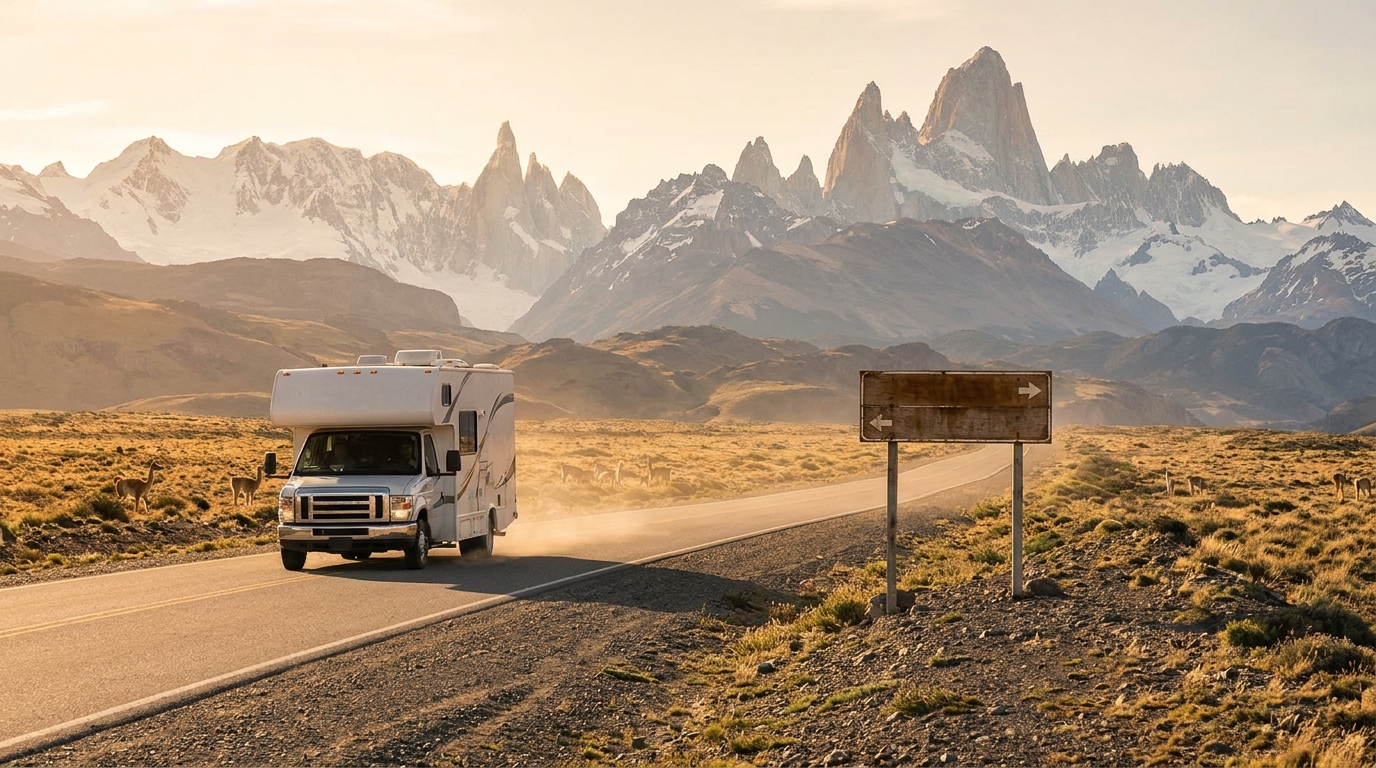
RV camping in South America offers diverse experiences, from the glacial landscapes of Patagonia to the lush Amazon basin, providing options for every type of adventurer. Key regions for RV camping include the Carretera Austral in Chile, known for its pristine natural beauty and wild camping opportunities, offering over 1,200 kilometers of stunning fjords and mountains. The Andean highlands of Peru and Bolivia feature more basic, often community-run campsites at elevations sometimes exceeding 3,000 meters. Brazil's coastal areas and national parks, such as Chapada Diamantina, also provide designated camping spots, though infrastructure can vary significantly by location. Argentina's Ruta 40 is another popular RV route, with numerous established campgrounds and scenic stopovers stretching over 5,000 kilometers from south to north.
Campground Types in South America (National, Private, Wild)
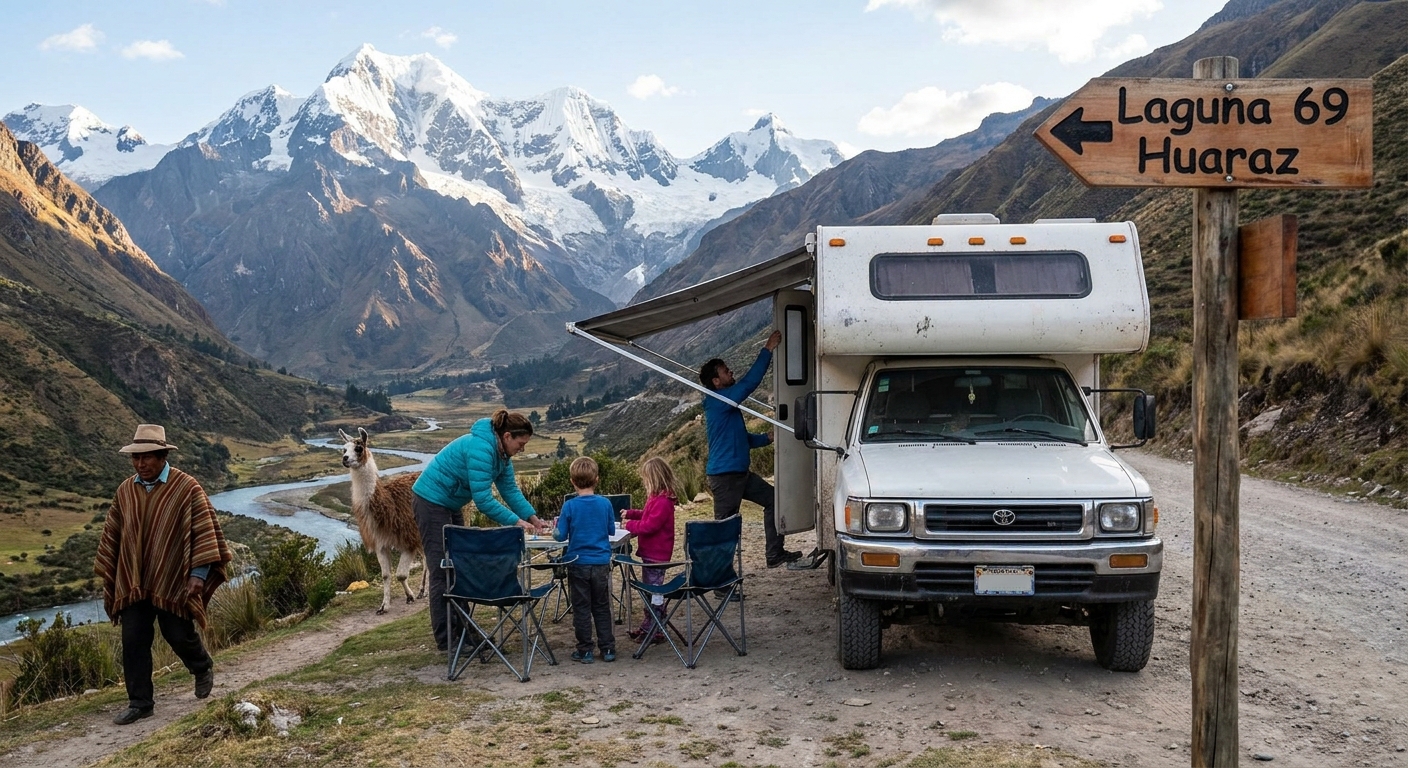
In South America, RVers will encounter national park sites, private campgrounds, and opportunities for wild camping, each with distinct rules and amenities. National park campgrounds often offer basic facilities, focusing on natural immersion, and may require advance booking, especially in popular areas like Torres del Paine National Park in Chile, which can see reservations fill up 3-6 months ahead during peak season. Private campgrounds, found closer to towns and tourist hubs, typically provide more amenities like hot showers, electricity (often 220V, so adapters are crucial), and sometimes Wi-Fi, varying widely in price and quality, usually costing between $15-$40 USD per night. Wild camping, or 'boondocking,' is widely tolerated and often necessary in remote South American areas, but it requires heightened awareness of local regulations, safety, and cultural etiquette to ensure a respectful and secure experience.
Featured RV Park or Campground in South America
When selecting an RV park in South America, look for locations that balance natural beauty with essential services, such as access to potable water and secure overnight parking. Ideal features include well-maintained pitches, clean restroom facilities with hot showers, and, if possible, communal areas for social interaction. Consider campgrounds that are close to local attractions, offer reliable safety measures, and have staff who can provide local insights and assistance. While specific recommendations vary greatly by region, general areas to look for highly-regarded sites include those within national park perimeters or privately owned sites near popular trekking routes, often charging $20-$50 USD per night for full hookups.
Hookups & Amenities - What to Expect
RV hookups and amenities in South America vary greatly, from full-service sites in developed areas to completely self-sufficient boondocking locations. Expect to find electrical hookups (typically 220V, requiring travelers to bring appropriate adapters), water spigots, and dump stations more consistently in private campgrounds near major cities or tourist routes in countries like Chile and Argentina. WiFi is often available in private campgrounds, sometimes for an additional fee of $5-$10 USD per day, but can be unreliable in remote regions; mobile data through local SIM cards is generally a more dependable option. Laundry facilities and hot showers are common in private campgrounds, while national park sites may offer cold showers or basic facilities, emphasizing the need for a well-equipped RV for self-sufficiency. If you plan on preparing many meals inside your RV, check out our RV-friendly recipes playlist for inspiration. On the routes offered through RV PLANET routes, you can itemize and track every expense along the way for easy budgeting.
Booking Windows & Reservations in South America
Booking RV campsites in South America can cater to both planners and spontaneous travelers, with flexibility often depending on the season and location. Planners should book ahead for popular national park campgrounds, especially during peak seasons (e.g., Patagonia in summer, December-February), where many only release 25%-30% of spots for reservations, with the rest available first-come, first-served. Spontaneous travelers will generally find it easier to secure spots in private campgrounds or more remote locations, often being able to book same-day or next-day, particularly outside of major holidays. It's highly recommended to call ahead before driving long distances to a specific campground to confirm availability and avoid disappointment; rest assured, you will find a spot, if not at the first campground, then at the next one.
Nearby Supermarkets & Resupply Points
Stocking up on supplies for an RV trip in South America is facilitated by numerous supermarket chains, especially in larger towns and cities, providing ample options for fresh ingredients and pantry staples. Travelers should look for well-known chains such as Jumbo, Coto, and Carrefour in Argentina; Lider and Santa Isabel in Chile; and various regional supermarkets across other countries like Brazil (Pão de Açúcar, Carrefour) and Peru (Wong, Metro). It's advisable to resupply thoroughly when passing through larger towns, as options can become scarce and more expensive in remote or rural areas; some regions may have only small "mini-markets" for essential items. Farmers' markets and smaller local shops ('minimarkets' or 'bodegas') are also excellent for fresh produce and local specialties, though selection might be limited. For budgeting and tracking all ancillary trip costs like groceries and fuel, RV PLANET routes allow travelers to itemize every expense along the way.
Best RV Class for Camping in South America
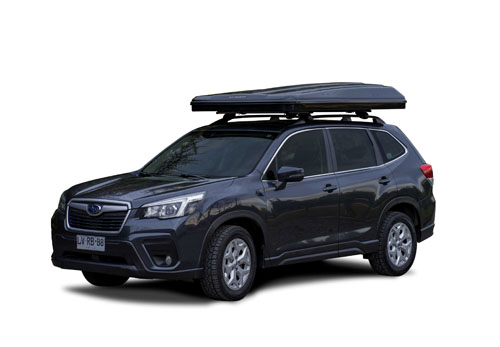
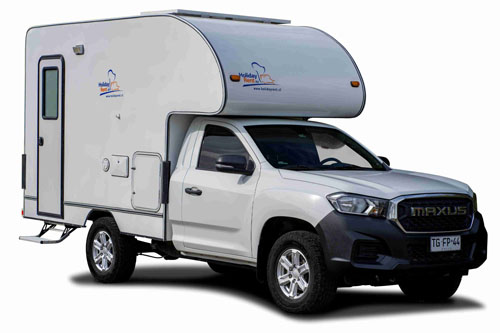
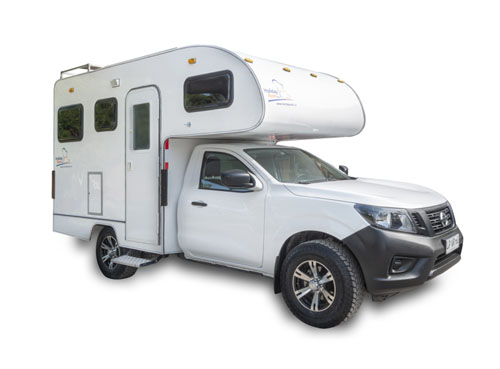
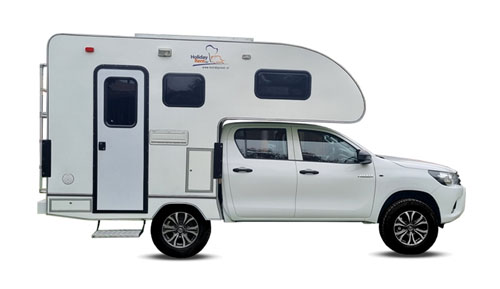
For RV camping in South America, smaller, more maneuverable RV classes like the Class B Camper Van and Class SI Semi-integrated are generally the most suitable due to varying road conditions and access to remote areas. Class B Camper Vans, averaging 5.8 meters in length and offering sleeping for around 2.7 adults (Bandana's global fleet average), are ideal for navigating narrow roads, fitting into smaller campsites, and are relatively fuel-efficient (8-10 Liters/100 km), such as our 'rv rental denver example Category Van'. Class SI Semi-integrated RVs, typically 6.9 meters long and accommodating about 3.4 adults (Bandana's global fleet average), provide more comfort while remaining nimble enough for varied terrain, consuming around 10-11 Liters/100 km, like a '2 Berth Tamar'. These smaller classes offer a good balance of self-sufficiency for boondocking and comfort for extended travel, allowing access to a wider range of camping experiences, including those less accessible to larger Class A motorhomes like the 'C-LARGE' or 'cruise america rv rental example Explorer' which are over 7 meters long and designed for up to 7 people.
How to Save on Campgrounds in South America
To save on campground costs in South America, leveraging discount cards, choosing off-peak seasons, and opting for less commercial sites are key strategies. Consider using campground discount cards (e.g., those offered by Bandana partners or international camping clubs like ACSI) which can provide significant savings of 10-20% on daily rates at participating parks. Traveling during the shoulder season (spring or autumn, roughly September-November or March-May) often means lower prices and fewer crowds compared to peak summer months (December-February). Prioritize municipal or regional campgrounds over private resorts, as they tend to be more budget-friendly, sometimes costing as little as $10-$20 USD per night, and inquire about weekly rates if planning to stay 3 or more nights in one location.
What is the 3-3-3 rule for RV travel?
The 3-3-3 rule for RV travel is a widely adopted guideline that advises RVers to drive no more than 300 miles a day, arrive at their destination by 3 PM, and stay for a minimum of 3 nights. This rule is designed to promote a more relaxed pace of travel, reducing driving fatigue and allowing ample time to set up camp, explore the surroundings, and truly enjoy the RV experience. Adhering to the 3-3-3 rule can be particularly beneficial in South America, where road conditions can be unpredictable, driving distances between major points are vast, and early arrivals allow better selection for first-come, first-served campsites. While not a strict regulation, this guideline helps prevent burnout and enhances safety, especially on unfamiliar roads or when navigating complex border crossings that might add unexpected delays.
Can you RV in South America?
Yes, RVing in South America is entirely possible and offers an incredible adventure, though it comes with unique challenges compared to more established RVing destinations like North America or Europe. Travelers should prepare for varied road conditions, which can range from well-paved highways (like parts of Ruta 40 in Argentina) to unpaved, often challenging dirt or gravel roads, especially in remote areas like Patagonia or the Andean mountains. Detailed logistics, including obtaining vehicle import permits, specific insurance requirements for multiple countries, and navigating border crossing procedures (which can involve delays and varying costs, sometimes $50-$100 USD per crossing), are crucial aspects to research thoroughly. Addressing potential safety and security concerns, managing health and medical considerations like vaccinations and altitude sickness, and planning for communication and connectivity are also vital for a successful South American RV journey.
🎬 Video coming soon
Where can RVs stay overnight for free?
RVs can often stay overnight for free in South America through wild camping (boondocking), particularly in national forests, undeveloped public lands, and sometimes designated rest stops or quiet roadside areas. Resources like iOverlander, a community-driven app, are invaluable for finding established wild camping spots, often with user reviews on safety, accessibility, and amenities (or lack thereof). Always exercise caution and prioritize safety when choosing free overnight spots, opting for locations that feel secure and are not explicitly marked with 'No Camping' signs. Some gas stations, especially in rural areas, may also permit overnight parking if you ask permission first, and often have basic restrooms and sometimes even showers for a small fee.
What is the 333 rule for campervan?
The 333 rule for campervans, identical to the 3-3-3 rule for RV travel, recommends driving no more than 300 miles a day, arriving at your destination by 3 PM, and staying for a minimum of 3 nights. This guideline applies equally to campervan travel, promoting a sustainable pace that prevents exhaustion and allows for full enjoyment of the journey and destination. For campervan adventurers in South America, adhering to the 333 rule is particularly wise, given the potential for unexpected road closures, diverse terrain, and the need for thorough vehicle checks. It provides ample time to explore local culture, engage with communities, and manage the day-to-day logistics of campervan living without feeling rushed, helping you discover hidden gems along your route.
What is the 3-3-3 rule for RV camping?
The 3-3-3 rule for RV camping, a standard practice in the RV community, advocates for limiting daily travel to 300 miles, reaching your campsite by 3 PM, and staying for at least 3 nights. This rule's emphasis on arriving early allows campers to secure prime spots, especially at first-come, first-served sites that make up 70-75% of spaces in many South American national parks, and to set up camp comfortably before dark. Staying for at least three nights at a location minimizes the constant packing and unpacking, providing a more immersive and less stressful camping experience. Applying this rule to RV camping in South America helps in adapting to new environments and unexpected conditions, making the adventure more enjoyable and less prone to travel-related stress. We highly recommend you travel slowly, averaging a maximum of 100-150 km per day, to truly feel the place, connect to the culture, the food, and the scenery.
What is the 4-4-4 rule for RV travel?
The 4-4-4 rule for RV travel is a lesser-known variation of the 3-3-3 rule, suggesting driving no more than 400 miles a day, arriving by 4 PM, and staying for a minimum of 4 nights. This rule is often adopted by RVers who prefer slightly longer travel days and extended stays at each location, offering a balance between covering ground and deep exploration. While providing more flexibility in covering distances, the 4-4-4 rule still emphasizes a measured pace to avoid driver fatigue and ensure sufficient time to enjoy each stop. For South American RV trips, adopting this rule might be suitable for specific legs of the journey where distances between points of interest are substantial and road quality is consistently good, such as major highways in Brazil or Argentina. However, it might be too ambitious for mountainous or remote regions.
What is the 10 year RV rule?
The '10-year RV rule' is a policy sometimes enforced by private RV parks, primarily in North America, which restricts entry to RVs older than 10 years, aiming to maintain aesthetic standards and park appeal. This rule is generally not prevalent or strictly enforced in South America, where the focus is more on the vehicle's functional condition and suitability for the terrain rather than its age. RVers planning a trip to South America with an older rented vehicle should prioritize mechanical reliability and self-sufficiency over concerns about age-based park restrictions. While specific high-end resorts might have their own policies, the vast majority of campgrounds, especially national park sites and independent operators, do not adhere to a '10-year rule,' making older, reliable motorhome rentals suitable for travel here.
Which country in South America is considered the safest for backpacking?
While 'safest' is relative and perceptions vary, countries like Chile and Uruguay are frequently cited as among the safest in South America for backpackers, extending to RV travelers seeking stability and good infrastructure. These countries generally have lower crime rates, well-maintained tourist infrastructure, and effective emergency services, providing a greater sense of security. For instance, Chile boasts a low crime rate compared to many neighbors and excellent road infrastructure, making RV travel particularly appealing. However, even in safe countries, vigilance regarding personal belongings (especially in urban centers), avoiding isolated areas at night, and being aware of local scams is always advised. Beyond general safety, RVers should consider health aspects like required vaccinations and prevention of altitude sickness when planning routes through countries like Peru, Bolivia, or Ecuador, regardless of their safety perception.
What is the 200 rule for camping?
The '200 rule for camping' is less universally recognized than other RV guidelines, but it often refers to specific regulations in certain wilderness areas, such as maintaining a 200-foot (approximately 60-meter) distance from water sources or trails for camping. This rule, when encountered, is typically aimed at protecting sensitive ecosystems, ensuring water purity, and preserving the natural experience for others. Travelers in South America, particularly when wild camping or entering national parks, should inquire about and adhere to any local 'Leave No Trace' principles and specific distance rules to minimize environmental impact. For example, in many Patagonian parks, specific distance guidelines protect fragile flora and fauna. While not a continent-wide standard, understanding local ecological guidelines is crucial for responsible RV camping in South America.
Can you camp in South America?
Yes, camping is a popular and feasible way to explore South America, offering an extensive range of options from organized campgrounds to remote wild camping experiences. The continent provides abundant opportunities for both tent camping and RV camping, allowing travelers to immerse themselves in diverse landscapes, from coastal beaches in Brazil to high-altitude mountains in Peru and Bolivia. Successful camping in South America requires adaptability to varying infrastructure, an understanding of local customs and safety practices, and readiness for different weather conditions, which can change rapidly, especially at higher elevations. Whether opting for established sites with amenities or embracing self-sufficient boondocking, camping opens up unique access to the continent's natural wonders, allowing for extended road trips and authentic cultural connections.
What You Shouldn't Miss
- Drive the Carretera Austral in Chile: This iconic route, over 1,200 km, is a haven for RVers seeking untamed Patagonian landscapes, from fjords and glaciers to lush temperate rainforests.
- Explore the Andes Mountains: Traverse high-altitude passes in Peru and Bolivia, visiting indigenous communities and ancient Incan sites, all from the comfort of your rented motorhome.
- Witness Iguazu Falls: Experience the sheer power and beauty of one of the world's largest waterfall systems, located on the border of Argentina and Brazil, with campgrounds nearby.
- Discover the Atacama Desert: In northern Chile, explore the driest desert in the world, with its surreal moon-like valleys, geysers, and stunning night skies, often with designated RV parking.
- Journey along Argentina's Ruta 40: This epic 5,000 km highway offers diverse landscapes, from arid plains to snow-capped peaks, and provides access to numerous national parks like Los Glaciares.
- Experience the Pantanal in Brazil: For wildlife enthusiasts, explore the world's largest tropical wetland by RV, offering incredible opportunities to spot jaguars, capybaras, and caimans.
Looking for expert insights from Avi Bandana? Top 5 Adventures - recommendations from Avi Bandana can provide more personalized inspiration for your trip.
Final Thoughts
Exploring South America by rented RV is an adventure of a lifetime, offering unparalleled freedom and immersion in diverse cultures and landscapes. While the continent presents unique challenges compared to other destinations, with careful planning and the right mindset, your journey will be incredibly rewarding. Remember to embrace the local pace, travel slowly to truly soak in the experiences, and adapt to the unexpected-that's where the real magic happens.
We're here to support you in crafting your dream South American RV trip, from finding the perfect motorhome to offering peace of mind with full transparency and dedicated service. God is in the small details, and we take care of them, making a big difference for your journey. Get inspired for your next trip and discover top destinations, planning tips, all in one place!
Start comparing options for your unforgettable road trip. Find rv Rentals in South America and embark on an adventure that will create lasting memories.