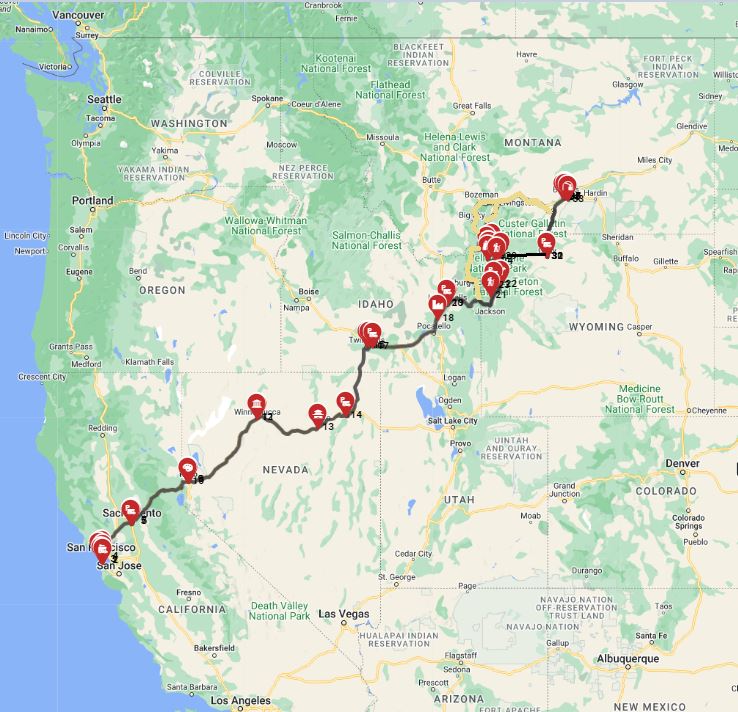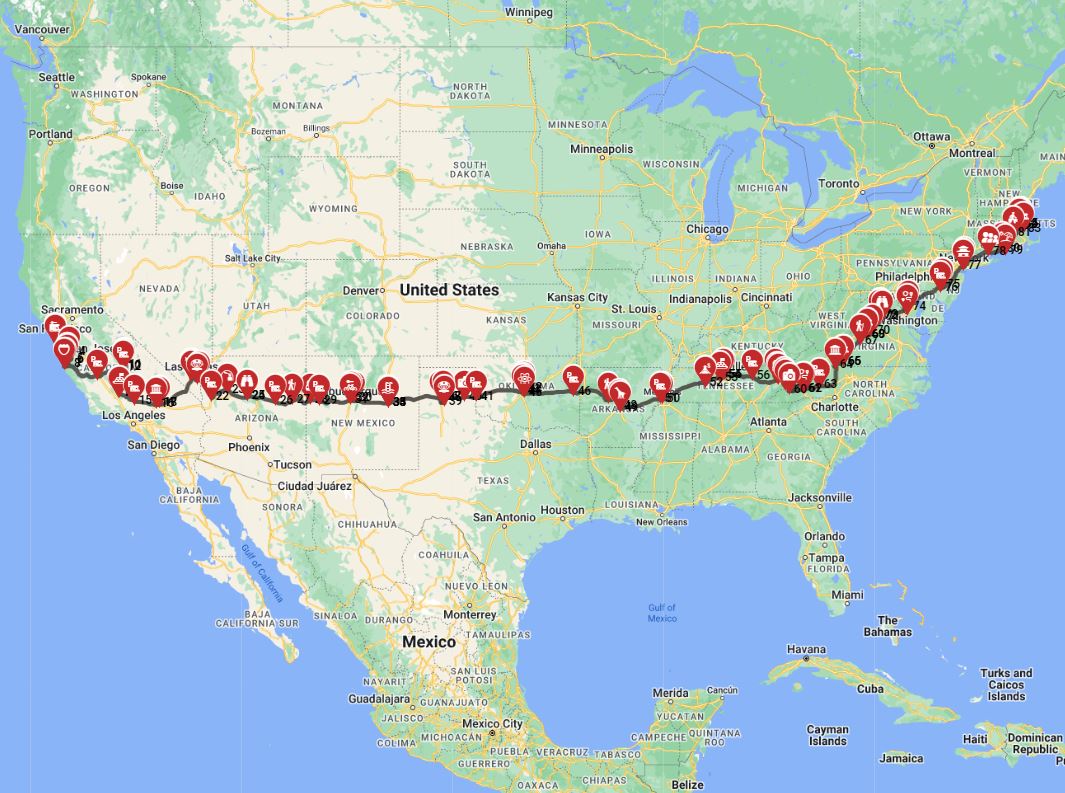
In This Guide
- Can You Drive an RV in San Francisco? License and Age Rules
- Road Conditions and Terrain in San Francisco
- RV Size Limits, Bridges and Restricted Zones
- Fuel Diesel vs Petrol and Cost per 100 km
- Tolls, Vignettes and Border Rules
- Driving Tips for pet friendly rv rental Travelers
- Recommended RV Class for San Francisco Roads
- Should I Choose a Compact Van Instead of a Large RV in San Francisco
- Can I Park Anywhere? Free and Wild Camping Rules in San Francisco
- Can I Drive an RV Into the City Center? Heights, Tunnels and Local Signage
- Can I put my dog in my camper while driving?
- How to travel with pets in an RV?
- What is the 3-3-3 rule when RVing?
- What is the new RV law in California?
- What is the 4-4-4 rule for RVing?
- Does RV insurance cover animal damage?
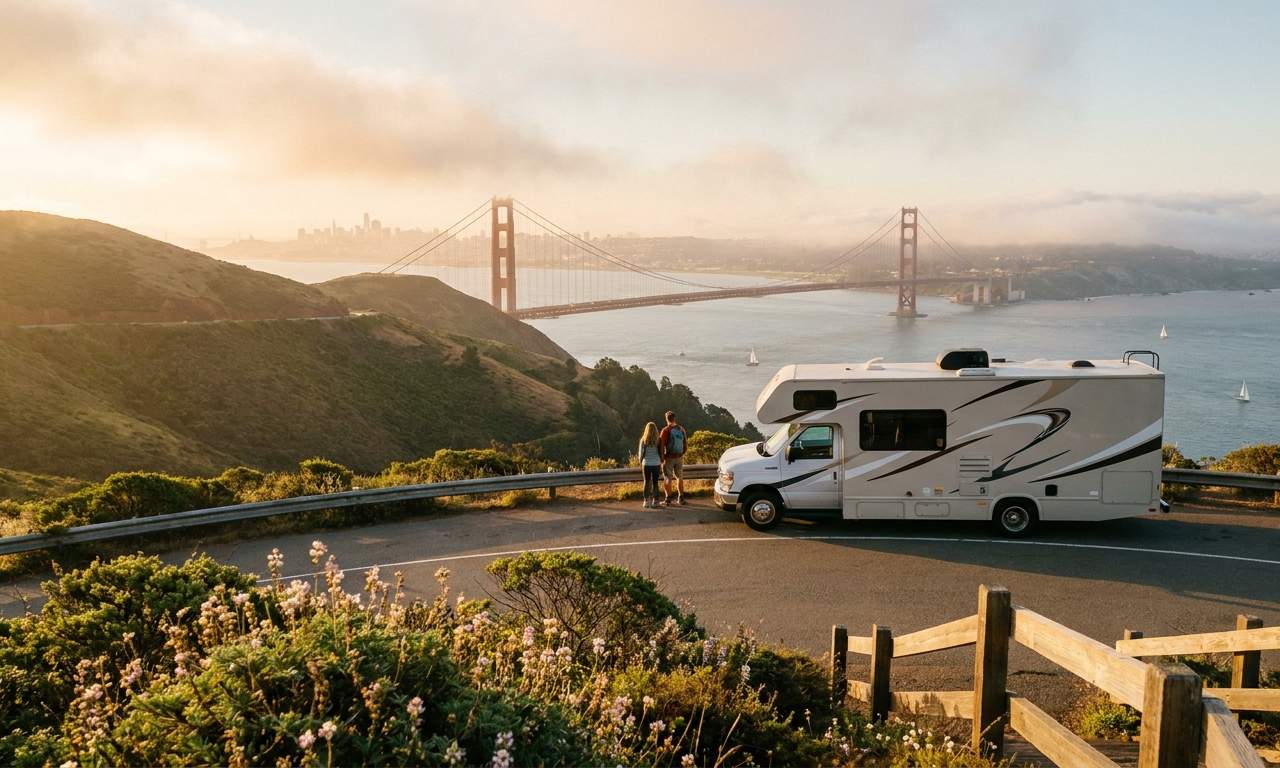
Embarking on a pet-friendly RV adventure to San Francisco offers an unparalleled way to explore this iconic Californian city and its stunning surroundings with your beloved animal companions. Imagine the freedom of waking up to a new view every morning, enjoying a leisurely breakfast cooked right in your rented motorhome, and having your furry friend by your side for every scenic drive and park visit.
At Bandana RV, we understand the joy of traveling with pets, and we're here to make your pet-friendly RV rental in San Francisco as smooth and enjoyable as possible. As true RV specialists, not just a travel agency side department, we provide full transparency with no hidden fees and 24/7 support for all your pre-booking and post-booking coordination needs. We've been helping tens of thousands of travelers explore the world by RV since 2001, fostering direct partnerships with over 50 leading RV suppliers worldwide, including trusted names like El Monte and Cruise America.
For live availability and current prices, start with our RV Rental San Francisco - Complete Guide 2026. This guide will delve into everything you need to know about navigating San Francisco with a rented RV, especially when bringing your pets along for the ride.
Can You Drive an RV in San Francisco? License and Age Rules
A standard Class C driver's license, valid in the US, is generally sufficient to operate most rented RVs under 26,000 lbs (11,793 kg) in San Francisco, meaning no special license or additional permits are required. The minimum age to rent an RV through our platform is typically 21 years old, with no young driver surcharges or vehicle class restrictions based on age, making it accessible for a wider range of adventurers. Foreign drivers can operate a rented motorhome in California with a valid driver's license from their home country for a temporary period, often complemented by an International Driving Permit (IDP) which is recommended for ease of recognition but not mandatory in most cases. Always ensure your license is valid and readily available when driving your camper in California.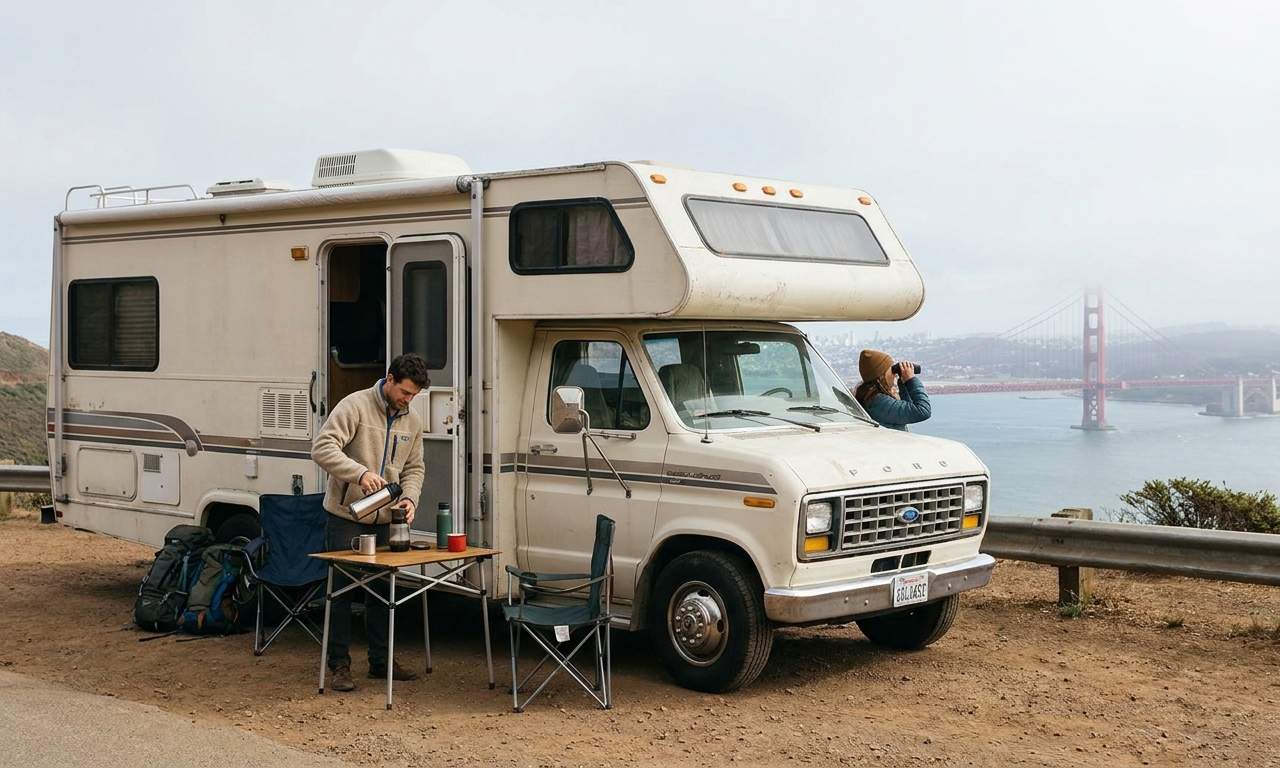
Road Conditions and Terrain in San Francisco
San Francisco is famously hilly with steep inclines and declines, demanding careful driving and appropriate gear selection in a rented RV to ensure safety and comfort for all occupants, including pets. Road quality varies across the city; while major arteries like Lombard Street (though best avoided in an RV for its steepness and crowds) are generally well-maintained, some older residential streets can be narrow and challenging for larger vehicles. Urban density means frequent stops, heavy traffic, and the need for constant awareness of pedestrians, cyclists, and tight turns, making slow, deliberate driving essential for pet comfort and safety. Remember, you can drive almost anywhere without issues, just use common sense and pay attention to signage.RV Size Limits, Bridges and Restricted Zones
While there are no universal height restrictions that prevent all RVs from entering San Francisco, drivers must be vigilant for specific low clearances on tunnels, underpasses, and parking garages, as these can pose significant challenges for larger motorhomes. The Golden Gate Bridge and Bay Bridge, which are primary access points to the city, accommodate RVs but operate cashless toll systems, requiring electronic payment via FasTrak or online settlement to avoid penalties. Planning your route to avoid residential permit parking zones and areas with tight turns or narrow streets is advisable for longer RVs, as finding suitable parking and maneuvering can be difficult.Fuel Diesel vs Petrol and Cost per 100 km
Most Bandana RVs available for rent in San Francisco operate on either petrol (gasoline) or diesel fuel, both widely available at numerous fuel stations throughout California. Class C - Alcove models, like the "24' Class C Motorhome", typically consume between 25-35 liters per 100 km, while larger Class A - Integrated RVs may use 30-45 liters per 100 km depending on their size and engine type. Fuel costs in California are generally higher than the national average, often $0.50-$1.00 higher per gallon; travelers should budget accordingly and inquire if their rental includes fuel discount cards. When planning your budget for an extended road trip, consider that on RV PLANET routes, travelers can itemize and track every expense along the way for easy budgeting, including fuel.Tolls, Vignettes and Border Rules
California does not utilize a vignette system for road usage; however, drivers in San Francisco will encounter several toll bridges, including the iconic Golden Gate Bridge and the Bay Bridge. These tolls are largely cashless, requiring electronic payment via FasTrak, a one-time payment online, or an invoice by mail; cash payment is not an option. Many rental companies partnering with Bandana, such as El Monte and Cruise America, offer options for pre-purchasing or adding toll passes to your RV rental, which can help avoid fines and simplify travel. If you plan to leave California and cross state borders with your rented motorhome, always check the specific toll systems and regulations of the states you intend to visit.Driving Tips for pet friendly rv rental Travelers
Always secure pets in a sturdy crate or with a specialized harness while driving to prevent injury during sudden stops or turns, ensuring their safety and minimizing driver distraction. Plan for frequent stops (every 2-3 hours) at pet-friendly rest areas or parks along your route to allow pets to stretch, potty, and rehydrate, which is especially important for longer drives, like a "Portland to San Francisco" adventure covering over 2500 km. When navigating San Francisco itself, prioritize RV-friendly routes to avoid narrow streets and steep hills; consider using park-and-ride facilities on the outskirts, such as those near the Daly City BART station, for easier access to city exploration without the stress of parking a large motorhome. Be mindful of San Francisco's unique microclimates; pack layers for both humans and pets, as weather can change drastically between neighborhoods and throughout the day.Recommended RV Class for San Francisco Roads
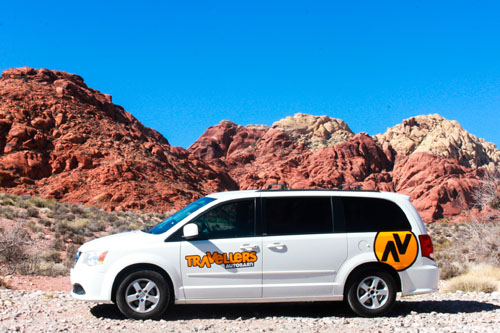
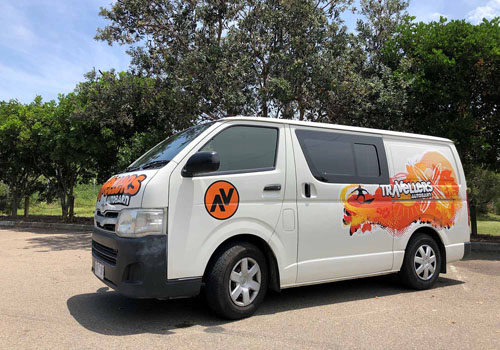
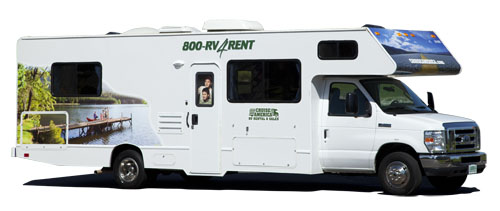
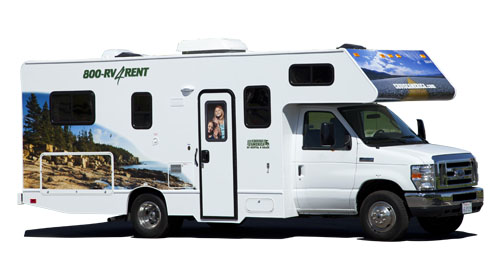
For pet-friendly travel in and around San Francisco, a Class C - Alcove RV, with an average length of 7-8 meters and capacity for 3-4 adults plus pets, offers an excellent balance of space and maneuverability. Vehicles like the "24' Class C Motorhome" with pet-friendly features provide adequate living space for pets without being excessively large, which is crucial for comfort on extended trips and handling San Francisco's urban environment. Alternatively, a Class B - Campervan, such as the "Active Classic" at about 6 meters in length, is ideal for couples with smaller pets due to its compact size, making it significantly easier to navigate tighter city streets and find parking. When considering your ideal vehicle, think about how much space your pet needs for their comfort inside a rented camper.Should I Choose a Compact Van Instead of a Large RV in San Francisco
Choosing a compact campervan offers significantly greater maneuverability, easier parking in San Francisco's dense urban environment, and potentially better fuel efficiency compared to a larger Class C or Class A motorhome. A model like the "Combi Van" or "Active Standard Auto" might average 10-12 liters per 100km, offering savings over larger RVs. However, a larger RV provides superior comfort, more indoor space for pets to roam safely, dedicated sleeping areas, and often a full bathroom and kitchen, which is highly beneficial for extended pet-friendly travel. While a compact van helps navigate tight city streets, the added living space and amenities of a Class C or similar RV often outweigh the maneuverability advantages, especially when traveling with pets that require more room and a more established routine. Remember, drive slowly and carefully, and you can drive almost anywhere without issues. No need to stress - just use common sense and pay attention.Can I Park Anywhere? Free and Wild Camping Rules in San Francisco
Free or wild camping is strictly prohibited within the city limits of San Francisco, and California generally has stringent regulations against unpermitted overnight RV parking on public streets. Many local ordinances in San Francisco and surrounding areas restrict overnight parking of RVs, particularly in residential zones, often leading to fines or towing. RV travelers with pets should plan to stay in designated RV parks or campgrounds in the surrounding Bay Area, which offer essential amenities like hookups, pet-friendly facilities, and enhanced security. Options include Candlestick RV Park, just off US-101 for convenient access, or more scenic spots further south along Highway 1. Rules vary by region, so always check local regulations and follow local law before parking overnight, especially with a rented caravan.Can I Drive an RV Into the City Center? Heights, Tunnels and Local Signage
Yes, RVs can generally drive into San Francisco's city center, but drivers must exercise extreme caution and vigilance due to challenging urban conditions, including steep hills and narrow streets. Pay close attention to all local signage, including height limits for tunnels (e.g., Stockton Street Tunnel has an approximate clearance of 13 feet, Broadway Tunnel varies but is generally around 13-14 feet), low bridges, and restrictions for vehicles over a certain length or weight. Avoid attempting to park a rented RV in public garages within the city center, as they almost universally have height restrictions that RVs exceed (typically 6-7 feet), and parking spaces for oversized vehicles are extremely limited and expensive. Be aware of environmental zones or residents-only streets that might apply; planning your route in advance with RV-specific GPS can help avoid unexpected difficulties.Can I put my dog in my camper while driving?
Yes, you can put your dog in your rented camper while driving, but it is crucial to ensure their safety and prevent driver distraction, both for your peace of mind and theirs. Dogs should always be secured in a properly sized crate or with a specialized pet seat belt harness that attaches to the vehicle's seatbelt system; this prevents them from becoming a projectile in case of sudden stops. Never allow your dog to roam freely in the RV, sit on your lap, or ride with their head out the window, as this can be extremely dangerous in case of sudden stops or accidents, and is often illegal. Ensure proper ventilation, easy access to water, and comfortable bedding in their secured area, especially during warmer weather.How to travel with pets in an RV?
Traveling with pets in a rented RV requires careful planning for their safety, comfort, and legal compliance, starting with researching pet-friendly campgrounds and attractions in and around San Francisco. Pack a dedicated pet travel kit including their regular food, water bowls, leash, waste bags, favorite toys, a first-aid kit specific for pets, and any necessary medications. Identify specific pet-friendly attractions, parks, and trails in San Francisco and surrounding areas, such as Fort Funston with its off-leash dog area, Crissy Field offering stunning Golden Gate views, or specific sections of Golden Gate Park like Stow Lake, which allows leashed dogs. Locate emergency veterinary services along your planned RV route and near your San Francisco destination; keeping their contact information readily accessible, especially for a multi-week journey like the "Portland to San Francisco" route. Establish a consistent routine for feeding, potty breaks, and exercise, even on travel days, to minimize stress for your pets and ensure their well-being in urban or campground settings. For some fun meal ideas you can prepare in your RV's kitchen, check out our RV-friendly recipes playlist.What is the 3-3-3 rule when RVing?
The 3-3-3 rule in RVing is a popular guideline suggesting you drive no more than 300 miles (approximately 480 km) a day, arrive by 3 PM, and stay for at least 3 nights at each location. This rule is designed to promote a relaxed and enjoyable travel pace, reduce driver fatigue, and allow ample time to set up camp, explore your destination, and truly connect with the local culture and scenery, as we always recommend. Adhering to the 3-3-3 rule is particularly beneficial for pet-friendly RV travel as it allows for frequent breaks, less stressful travel days, and more time for pets to adjust to new environments, reducing anxiety. For a San Francisco itinerary, applying this rule would mean shorter daily drives to allow time for navigating city traffic and finding RV parks, and longer stays to enjoy pet-friendly city sights and nearby natural areas without rushing.What is the new RV law in California?
California RV laws are complex and constantly evolving, particularly regarding registration, emissions, waste disposal, and local parking ordinances, so checking current regulations is essential for all RV renters. Recent legislative changes in California have focused on updating emissions standards for diesel vehicles, which can impact older rented RVs, and increasing local control over overnight parking on public streets. Specifically in San Francisco, local ordinances frequently address issues like vehicle size restrictions, residential parking permits, and the prohibition of overnight RV parking in many areas, including specific cashless bridge tolls like the Golden Gate Bridge. Always verify the most current regulations with the California DMV and local municipal codes of cities you plan to visit to ensure compliance and avoid unexpected fines during your trip. For broader context on RV travel throughout the state, you might find our RV Rental California - Complete Guide 2026 helpful.What is the 4-4-4 rule for RVing?
The 4-4-4 rule for RVing is a variation of common travel best practices, advising travelers to drive no more than 400 miles (approximately 640 km) a day, arrive by 4 PM, and stay for at least 4 nights at each location. This rule provides a slightly more extended daily travel window and longer stays compared to the 3-3-3 rule, suitable for those who prefer covering a bit more ground while still prioritizing rest and exploration. For a pet-friendly RV trip to San Francisco, following a 4-4-4 or 3-3-3 rule can help prevent pet anxiety from constant movement and ensures enough time to settle in and discover pet-friendly attractions without feeling rushed. It encourages deeper engagement with each destination rather than a hurried itinerary, which is often more enjoyable for both human and animal companions, allowing for slow travel with averages of 100-150 km per day to truly experience the location.Does RV insurance cover animal damage?
Whether rented RV insurance covers animal damage typically depends on the specific policy details and the cause of the damage, with comprehensive policies often covering external animal impacts, and rider endorsements sometimes covering internal pet damage. Most standard comprehensive RV rental insurance policies will cover damage caused by striking an animal on the road (ee.g., deer collision), as this is usually considered an external impact. However, damage caused by a pet *inside* the RV, such as chewing on upholstery or other wear and tear, is generally not covered by basic policies and may require a specific rider or endorsement, which you might be able to add through the rental supplier. Renters of pet-friendly RVs should always confirm the extent of their rental insurance coverage for pet-related damages with the rental provider or consider obtaining supplemental personal travel insurance that includes such protections for extra peace of mind. Remember, you can upgrade to a top-level deductible for extra peace of mind through Bandana.What You Shouldn't Miss
Looking for expert insights from Avi Bandana? Top 5 Adventures - recommendations from Avi Bandana:- Golden Gate Park: Enjoy vast green spaces, lakes, and attractions like the Japanese Tea Garden. Many areas are pet-friendly for leashed dogs, perfect for a long walk.
- Muir Woods National Monument: While pets aren't allowed on the main trails, nearby trails in Mount Tamalpais State Park offer dog-friendly options with breathtaking redwood views.
- Point Reyes National Seashore: Explore stunning coastal cliffs and beaches with your dog on a leash in designated areas, like Point Reyes Beach, offering incredible wildlife viewing (no animals show / wildlife watch on this route directly from the planner, but the area is known for it).
- Sausalito Waterfront: Take your rented motorhome across the Golden Gate Bridge to Sausalito for charming shops, waterfront dining with pet-friendly patios, and scenic views of the San Francisco skyline.
- Angel Island State Park: While the ferry to Angel Island doesn't allow dogs on board (except service animals), you can still enjoy views of the island from the San Francisco shoreline and nearby parks.
Final Thoughts
Traveling with your furry friends in a rented RV through San Francisco is an incredible way to create lasting memories, experiencing both urban charm and natural beauty together. With careful planning, understanding local regulations, and choosing the right vehicle, your pet-friendly adventure will be a joyful success. We're here to help you handle the details, so you can focus on living the journey and connecting with the unique culture and scenery of this amazing city.Whether you're exploring the bustling Fisherman's Wharf or enjoying a peaceful sunset at a nearby coastal campground, a rented motorhome offers the flexibility and comfort you need. So, pack your bags (and your pet's favorite treats!) and get ready for an unforgettable road trip. Discover top destinations, planning tips, all in one place!
Find Pet Friendly RV Rentals in San FranciscoOn the routes offered through RV PLANET routes, you can itemize and track every expense along the way for easy budgeting.